
News
VP Shettima Lauds Massachusetts Tech Institute’s Impact On Global Innovation Ecosystem


VP Shettima Lauds Massachusetts Tech Institute’s Impact On Global Innovation Ecosystem
Urges African entrepreneurs to close ranks to fully harness continent’s huge potentials
By: Our Reporter
The Vice President, Senator Kashim Shettima, has lauded the transformative impact of the Massachusetts Institute of Technology (MIT) on the global entrepreneurship and innovation ecosystem that has raised over $1.5 billion dollars and created over 30,000 direct jobs in 20 years.
He, however, urged African entrepreneurs to close ranks in order to fully harness the continent’s huge potentials, leveraging MIT’s resource mobilization network and job creation opportunities.
The Vice President made the remarks on Wednesday when he received a delegation from Kuo Sharper Foundry Fellowship 2025-2026 led by MIT’s Executive Director for the Kuo Sharper Centre for Prosperity and Entrepreneurship, Dina Sherif, on a courtesy visit at the presidential villa.
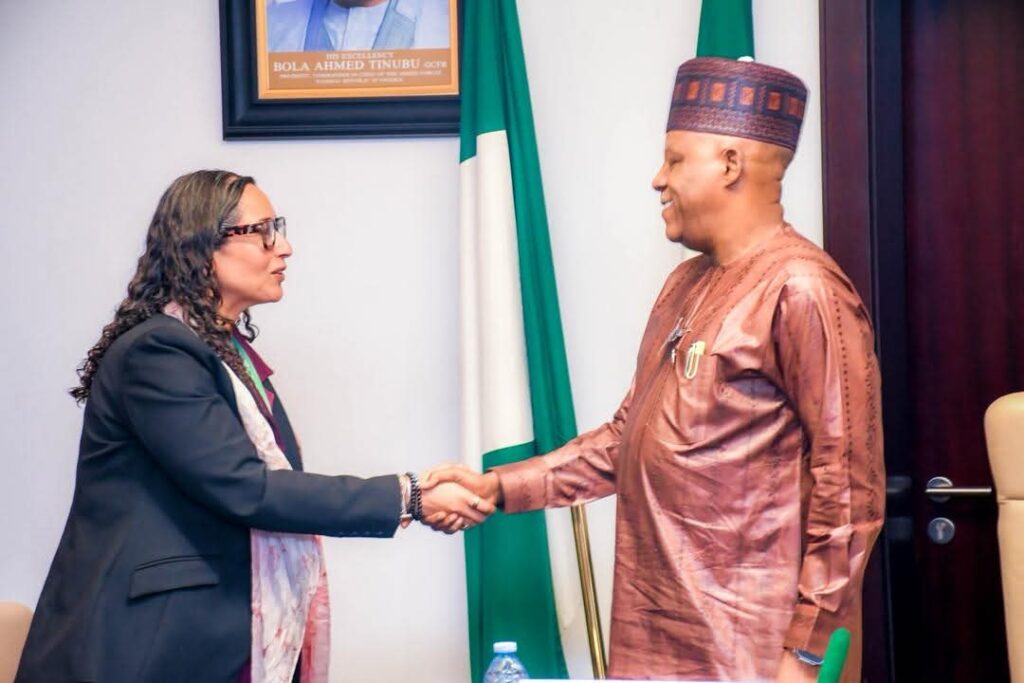
Senator Shettima called for unity of purpose among African professionals and entrepreneurs, saying “Africa is the new frontier and future belongs to the continent but its people must unite to transform potentials into tangible results that impact lives and livelihoods.
“Africa is blessed with enormous human and material resources but its people must fuse into one to benefit from the tremendous opportunities that abound across the continent,” he added.
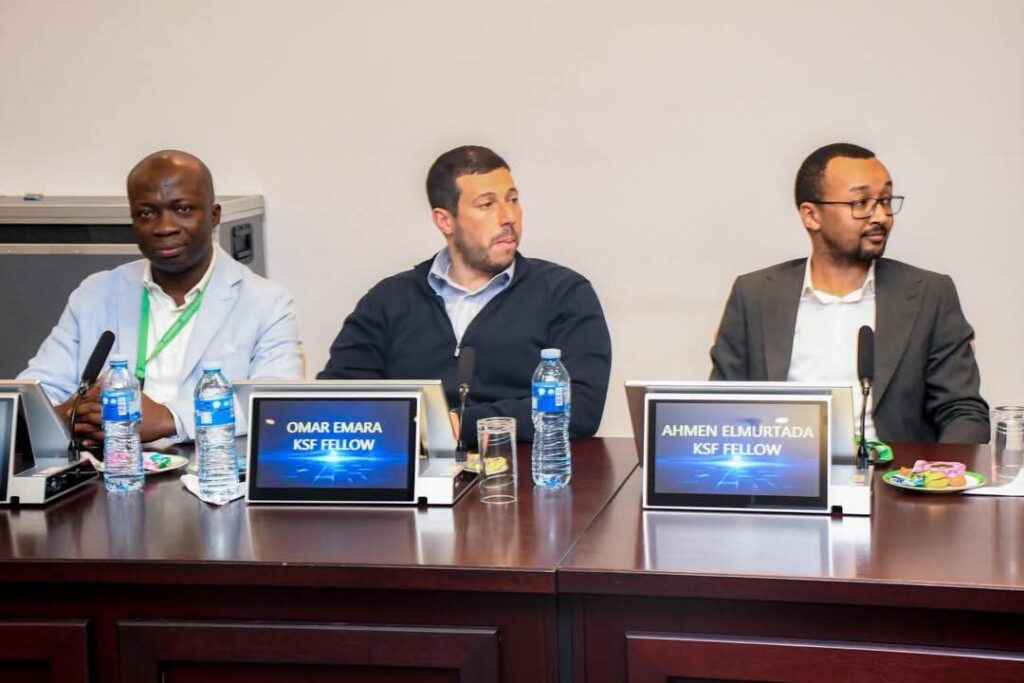
He disclosed that Nigeria President Bola Tinubu is daring to leverage available opportunities to transform the entire economy, noting that “President Tinubu is not afraid of taking bold decisions that will reposition Nigeria’s economy and better the lives of the livelihoods of the people.”
Earlier in her remarks, the leader of the delegation, Sherif, said the delegation was at the Presidential Villa to brief the Vice President on the activities of MIT’s Kuo Sharper Centre for Prosperity and Entrepreneurship, assuring that the Centre is dedicated to “fueling the engine of entrepreneurship across the world”.
She noted that the team was in Nigeria in view of the Kuo Sharper Foundry Fellowship programme, which, according to her, has helped to entrench the spirit of entrepreneurship across the continent.
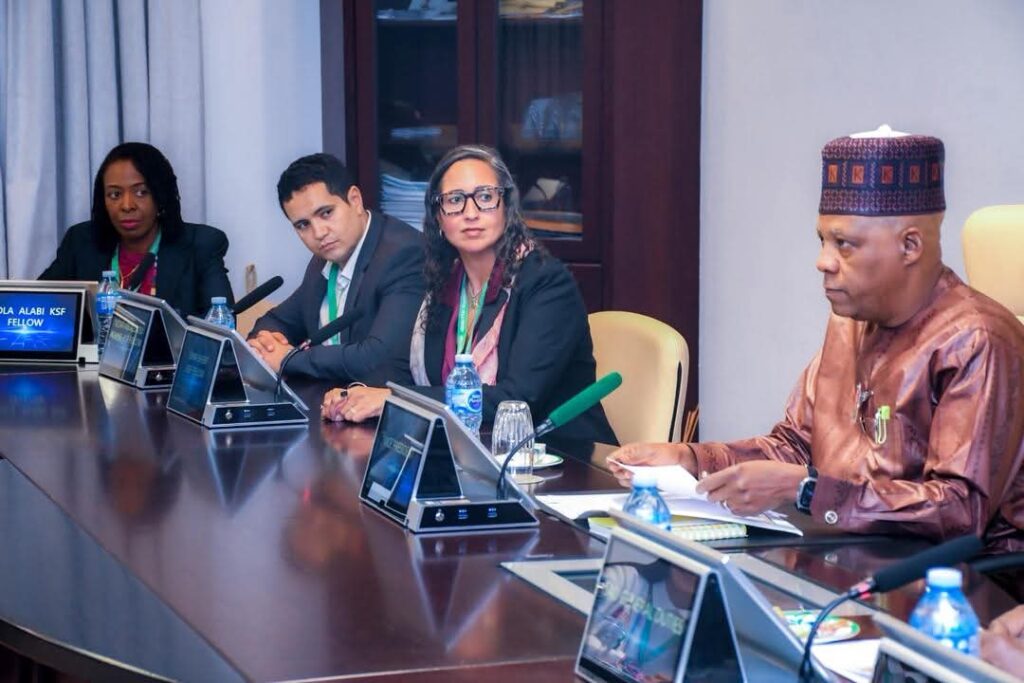
Sherif underscored the significance of collaboration among African startups, noting that Nigeria is a leading country, as evidenced in the progress recorded by startups across the continent.
She further assured of improved support for African-based startups from the centre through its various initiatives.
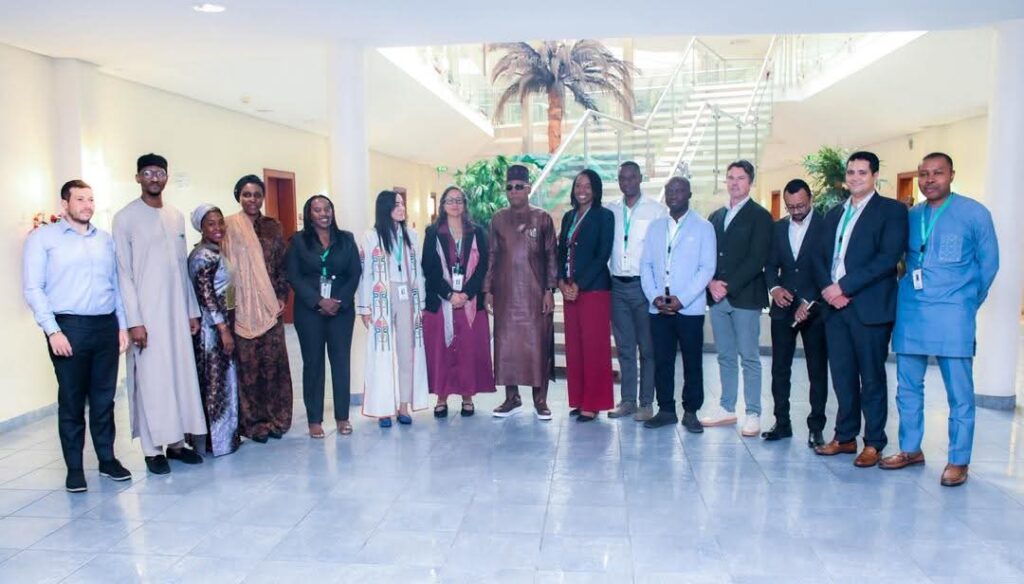
Also present at the meeting with the Vice President were the Director General of the National Emergency Management Agency (NEMA), Mrs. Zubaida Umar, and some fellows of the Kuo Sharper Foundry Fellowship 2025 – 2026 Session across Africa.
VP Shettima Lauds Massachusetts Tech Institute’s Impact On Global Innovation Ecosystem


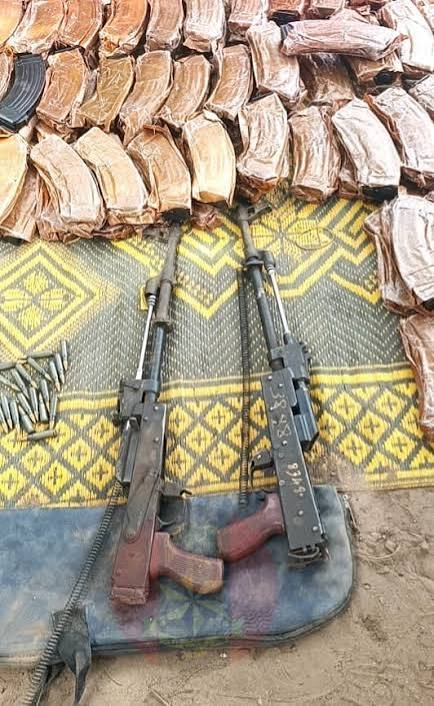
Troops Recover AK-47 Rifle in Raid on Suspected Gunrunners’ Hideout in Taraba
By: Zagazola Makama
Troops of Operation MESA have recovered an AK-47 rifle, a magazine and three rounds of 7.62mm special ammunition during a raid on a suspected gunrunners’ hideout in Gassol Local Government Area of Taraba State.
Security sources said the operation was carried out at about 12:15 a.m. on June 30 by troops of the 20 Model Battalion deployed in Gassol, in collaboration with a team from the Defence Intelligence Agency (DIA).
The sources said the joint team conducted the intelligence-led raid on a suspected gunrunners’ hideout at Kwatan Nanido Village following credible information on illegal arms activities in the area.
Although no suspect was arrested during the operation, the troops recovered one AK-47 rifle, one magazine and three rounds of 7.62mm special ammunition abandoned at the location.
The recovered items have been taken into military custody for further investigation and necessary action.
Security sources said efforts were ongoing to identify and apprehend members of the suspected gunrunning syndicate as operations continue to curb the proliferation of illegal arms and enhance security across the state.
Troops Recover AK-47 Rifle in Raid on Suspected Gunrunners’ Hideout in Taraba

Benue Deputy Gov. Visit family Slain MACBAN Leader, Urges Calm as Police Probe Killing
By: Zagazola Makama
The Benue State Government, in collaboration with the Nigeria Police Force, has paid a condolence visit to the family of the late Fulani community leader, Alhaji Risku Muhammad, in Ohimini Local Government Area, urging residents to remain calm as investigations into his killing continue.
The condolence visit took place on Tuesday and was led by the Deputy Governor of Benue State, who represented Gov. Hyacinth Alia.
The delegation included the Assistant Inspector-General of Police in charge of Zone 4, Makurdi, the Commissioner of Police, Benue State Command, representatives of the Sultan of Sokoto, the leadership of the Miyetti Allah Cattle Breeders Association of Nigeria (MACBAN), other security agencies and relatives of the deceased from different parts of the country.
During the visit, the delegation sympathised with the bereaved family and appealed to them and members of the Fulani community not to resort to self-help or reprisals.
They urged them to allow security agencies to carry out a thorough and impartial investigation into the circumstances surrounding the killing.
The delegation assured the family that the government and security agencies were committed to ensuring that those responsible for the homicide are identified and brought to justice.
Police authorities said the case was under active investigation by the State Criminal Investigation Department (CID), adding that efforts were ongoing to unravel the circumstances surrounding the incident.
The Benue State Government reiterated its commitment to maintaining peace and security across the state and called on all residents to continue supporting security agencies with credible information that could aid the investigation.
Benue Deputy Gov. Visit family Slain MACBAN Leader, Urges Calm as Police Probe Killing
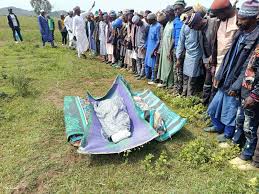
Three Herders Killed in Ambush in Plateau, MACBAN Calls for Investigation
By: Zagazola Makama
Three cattle herders were reportedly killed and one other injured in an ambush by unidentified gunmen while grazing livestock in Gero-Rafin Bauna area of Jos South Local Government Area of Plateau State.
The Chairman of the Miyetti Allah Cattle Breeders Association of Nigeria (MACBAN) in Plateau, Alhaji Ibrahim Yusuf Babayo, confirmed the incident and condemned the attack.
Babayo called on security agencies to carry out a thorough investigation into the killings and ensure that those responsible are arrested and prosecuted.
According to him, the bodies of the three victims were discovered in a forest after an extensive search by members of the community.
He alleged that the victims were brutally killed during the attack.
The MACBAN chairman further claimed that the latest incident came barely two weeks after four other herders were reportedly killed in the same general area, adding that their bodies had yet to be recovered.
Babayo urged the authorities to take urgent steps to improve security in vulnerable communities and prevent further attacks.
He also appealed to members of the affected communities to remain calm and allow security agencies to investigate the incident.
As of the time of filing this report, the Plateau State Police Command had not issued an official statement on the incident.
The circumstances surrounding the attack and the identity of the perpetrators remain unclear.
Three Herders Killed in Ambush in Plateau, MACBAN Calls for Investigation

Troops Recover AK-47 Rifle in Raid on Suspected Gunrunners’ Hideout in Taraba

Benue Deputy Gov. Visit family Slain MACBAN Leader, Urges Calm as Police Probe Killing

Three Herders Killed in Ambush in Plateau, MACBAN Calls for Investigation

Roger Federer’s Shock as DNA Results Reveal Myla and Charlene Are Not His Biological Children

THE PLIGHT OF FARIDA

FAILED COUP IN BURKINA FASO: HOW TRAORÉ NARROWLY ESCAPED ASSASSINATION PLOT AMID FOREIGN INTERFERENCE CLAIMS
-
 News2 years ago
Roger Federer’s Shock as DNA Results Reveal Myla and Charlene Are Not His Biological Children
-
Opinions4 years ago
THE PLIGHT OF FARIDA
-
 News1 year ago
FAILED COUP IN BURKINA FASO: HOW TRAORÉ NARROWLY ESCAPED ASSASSINATION PLOT AMID FOREIGN INTERFERENCE CLAIMS
-

 News2 years ago
EYN: Rev. Billi, Distortion of History, and The Living Tamarind Tree
-
 Opinions5 years ago
POLICE CHARGE ROOMS, A MINTING PRESS
-

 ACADEMICS2 years ago
A History of Biu” (2015) and The Lingering Bura-Pabir Question (1)
-

 Columns2 years ago
Army University Biu: There is certain interest, but certainly not from Borno.
-

 Politics1 year ago
2027: Why Hon. Midala Balami Must Go, as Youths in Hawul and Asikira/Uba Federal Constituency Reject ₦500,000 as Sallah Gift
