
Crime
Troops Respond to Killing of Plateau University Security Guard, Rescue Two Gunshot Victims in Bokkos

Troops Respond to Killing of Plateau University Security Guard, Rescue Two Gunshot Victims in Bokkos
By: Zagazola Makama
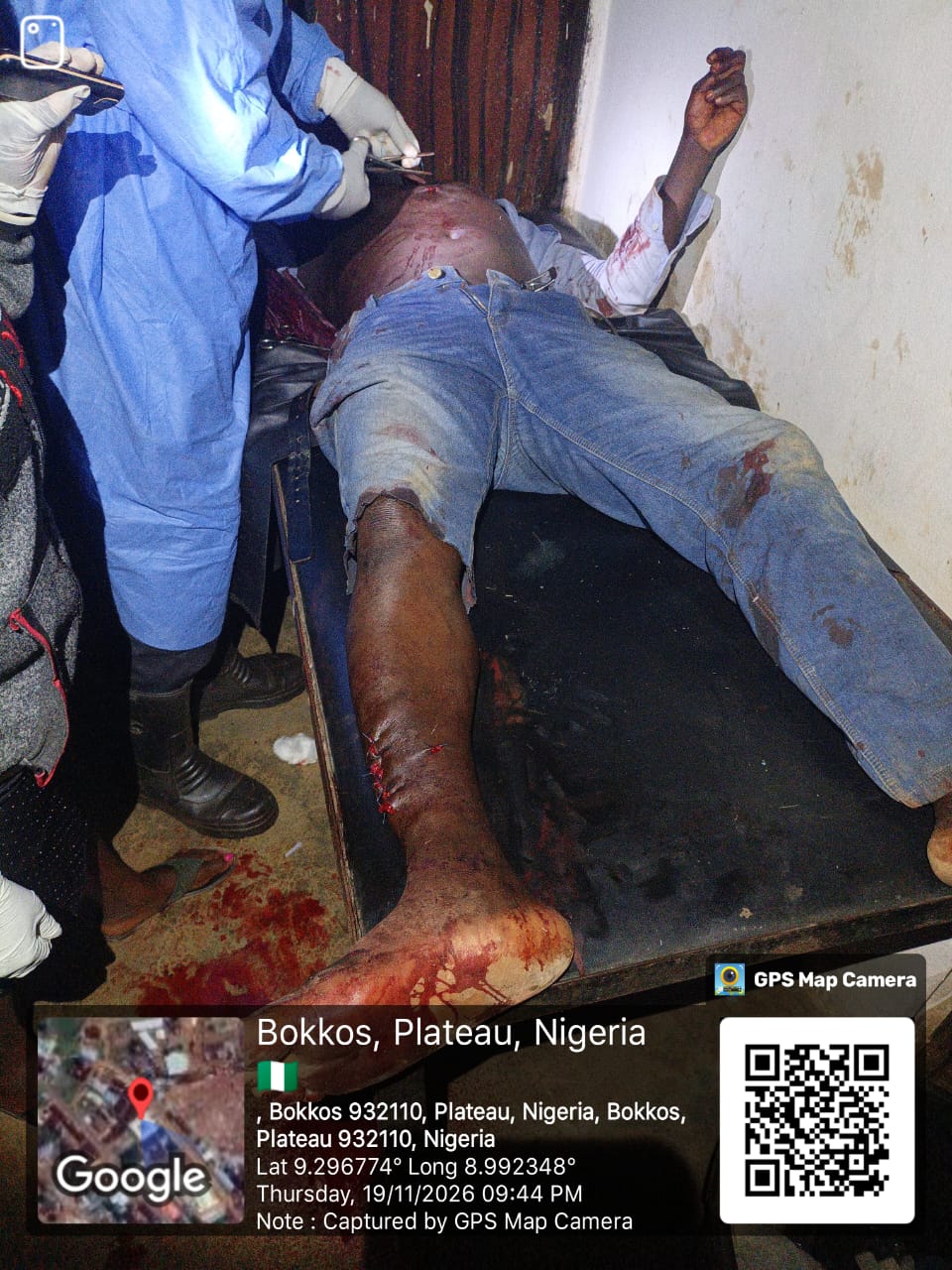
Troops of Operation ENDURING PEACE (OPEP) have intensified efforts to track down suspected gunmen following the killing of a security guard of Plateau State University and a separate attack that left two residents with gunshot injuries in Bokkos Local Government Area of Plateau State.
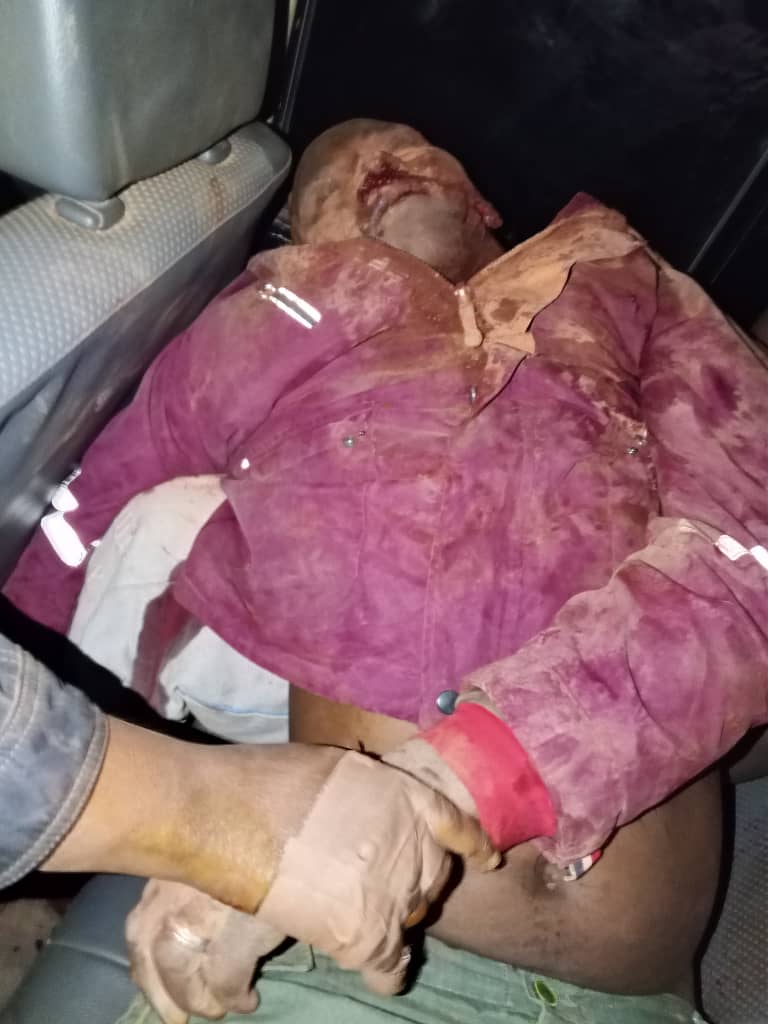
Security sources said the first incident occurred at about 7:50 p.m. on Nov. 19, when troops of Sector 5 deployed at Tenti responded to a report of the killing of a 60-year-old security guard identified as Mr Sati at Maiyanga village in Butura District.
The sources said the troops, upon arrival at the scene, discovered that the victim’s corpse had already been evacuated by personnel of the Keystone Bokkos Division for further necessary action.
Efforts are ongoing to track down and apprehend those responsible for the killing.
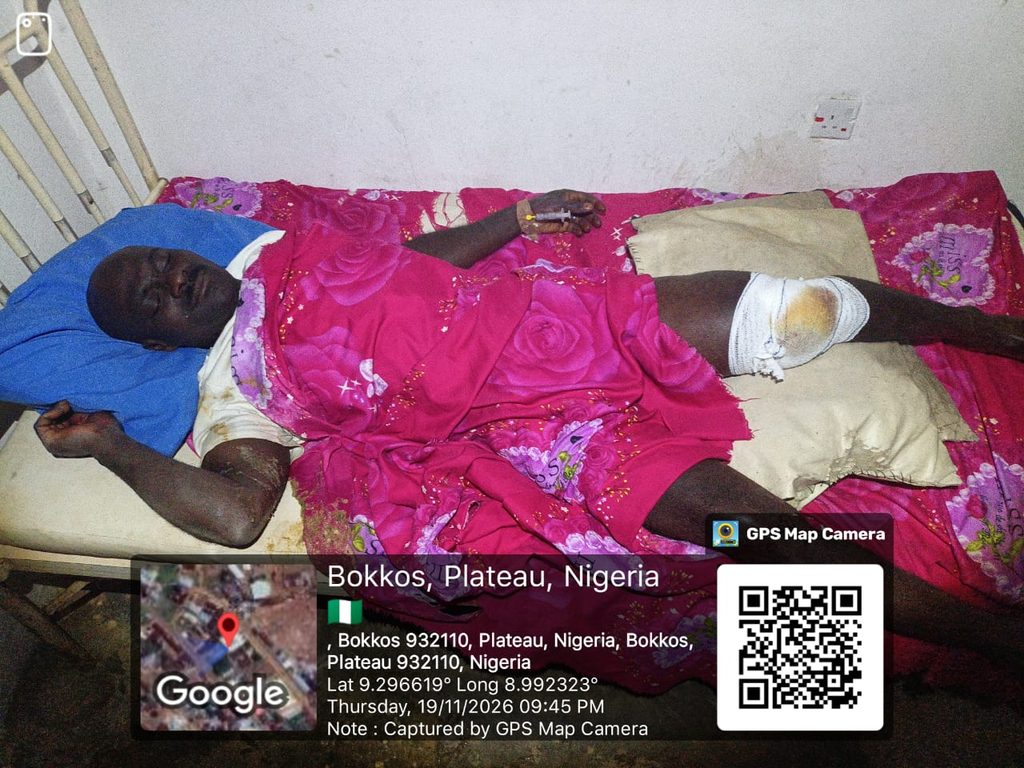
In a separate incident at about 9:48 p.m. the same day, troops of Sector 5 deployed at Kunet Guard Location responded to an attack on residents along the Butura Company–Kunet road in Bokkos.
Troops Respond to Killing of Plateau University Security Guard, Rescue Two Gunshot Victims in Bokkos


Crime
Troops Foil Suspected Kidnap Attempt at School in Kaduna, Rescue Students from Potential Danger
Troops Foil Suspected Kidnap Attempt at School in Kaduna, Rescue Students from Potential Danger
By: Zagazola Makama
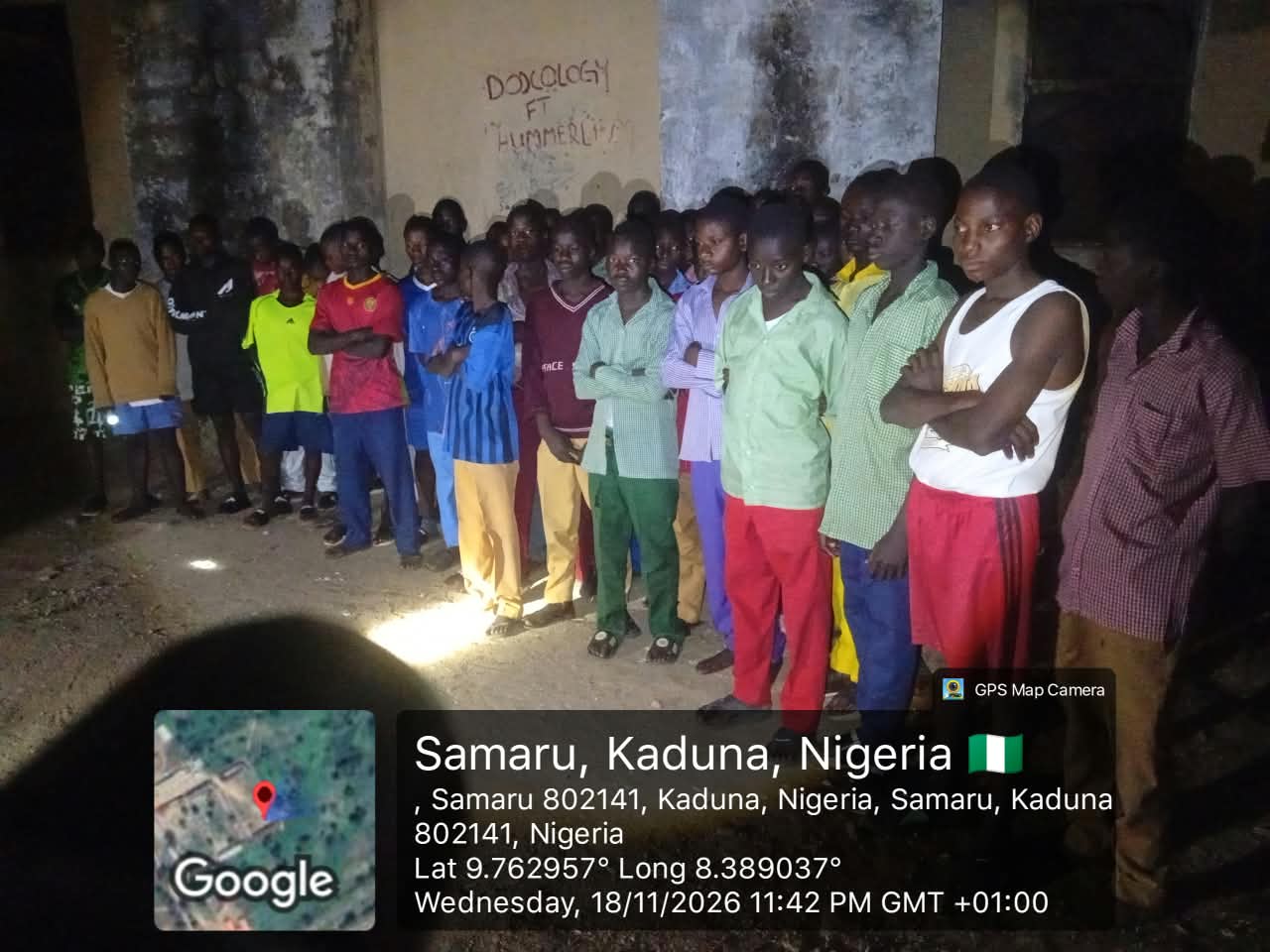
Troops of Operation ENDURING PEACE (OPEP) have foiled a suspected kidnapping attempt at Tafawa Balewa Memorial Commercial College, Samaru, in Zangon Kataf Local Government Area of Kaduna State.
Security sources said the incident occurred at about 11:56 p.m. on Nov. 18, following reports of suspicious movements by unidentified criminals around the school premises.
The sources said troops of Sector 7 swiftly responded to the report and moved to the school, forcing the suspected criminals to abandon their mission and flee.
The troops subsequently conducted a thorough search of the school premises and surrounding areas but made no contact with the fleeing suspects.
A headcount was also conducted by the school authorities in collaboration with the troops, with no student or other occupant recorded missing.
The troops have continued to dominate the area to prevent further criminal activities, while efforts are ongoing to coordinate with 97 Battalion and 2 Nigerian Military Police Brigade to strengthen security in the general area, which falls within their respective areas of responsibility.
Troops Foil Suspected Kidnap Attempt at School in Kaduna, Rescue Students from Potential Danger
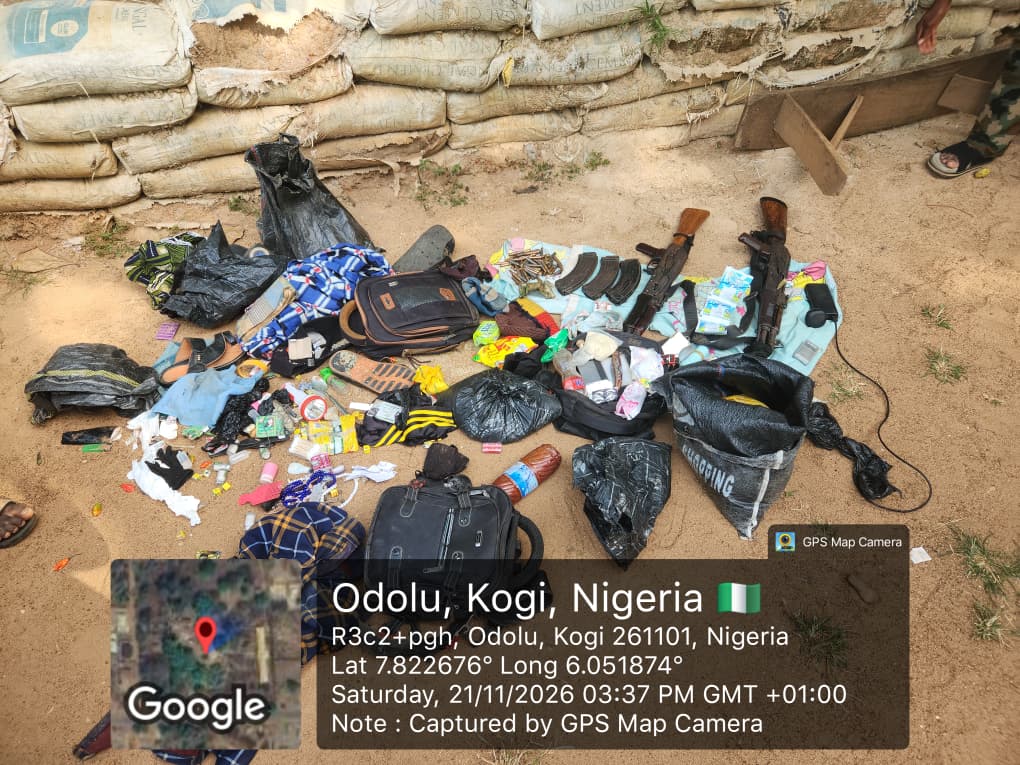
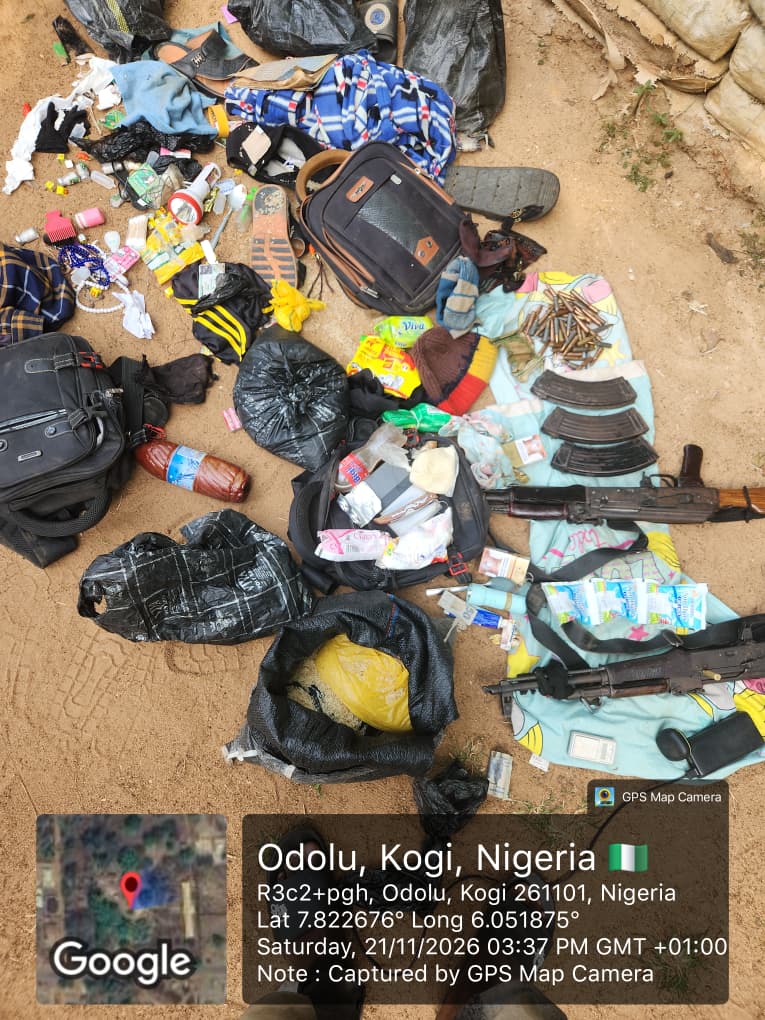
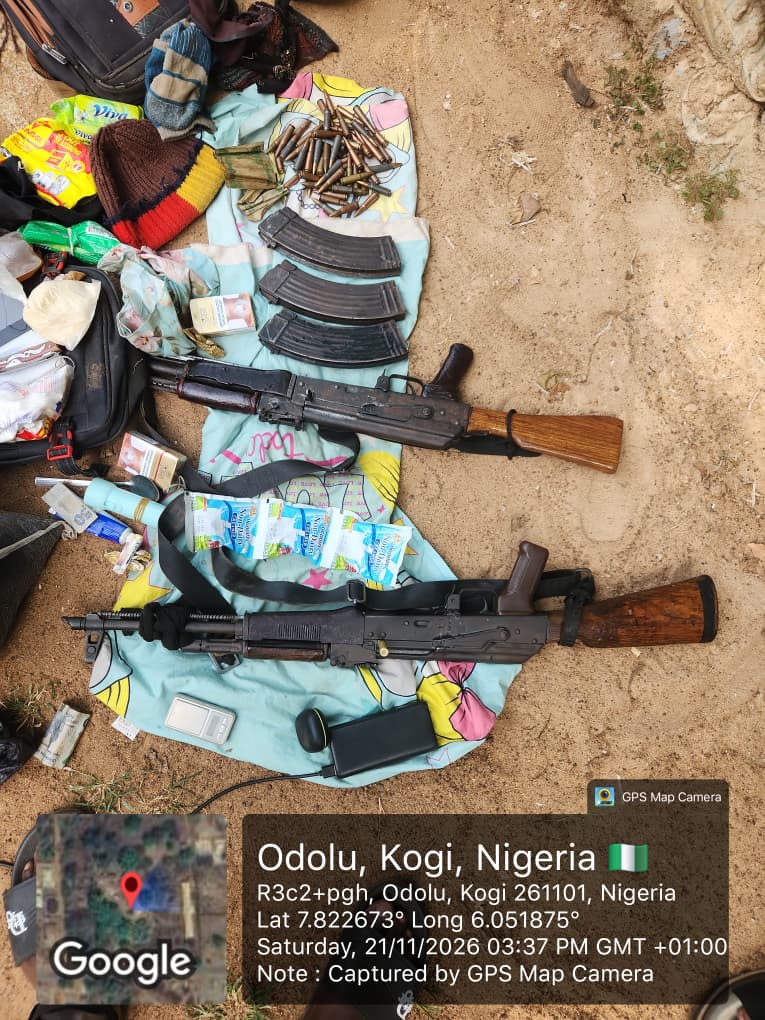
Troops Repel Bandits in Kogi Forest, Recover Two AK-47 Rifles, 65 Rounds of Ammunition
By: Zagazola Makama
Troops of the Nigerian Army under Operation WHIRL STROKE (OPWS), in collaboration with local security operatives, have repelled suspected bandits during an operation in Osara and Ohakiti forests in Okehi Local Government Area of Kogi State.
Security sources said the operation, conducted following recent kidnappings along the Kabba–Okene Road and around Ihima, was aimed at identifying and dismantling suspected bandit hideouts and hibernation points within the forests.
The sources said that at about 0030 hours on Nov. 20, troops from Patrol Base Kabba, working alongside the Ohafia Hunters Force (OHF), commenced operations towards Osara and Ohakiti forests.
The troops subsequently identified a suspected bandit location within the general area and positioned themselves to ambush the criminal elements.
At about 0500 hours on Nov. 21, the troops advanced on foot towards an abandoned settlement, where they sighted about six suspected bandits.
The troops engaged the suspects, forcing them to flee in disarray.
Troops Repel Bandits in Kogi Forest, Recover Two AK-47 Rifles, 65 Rounds of Ammunition
West African States Move to Harmonise Migration Policies, Strengthen Cross-Border Mobility
…Dakar Conference to adopt regional migration framework, Dakar Declaration and 2027–2028 roadmap
By: Michael Mike
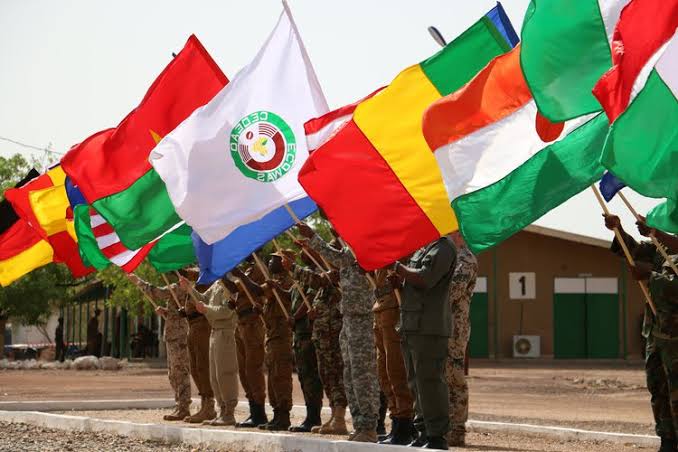
West African countries are set to intensify regional cooperation on migration governance, cross-border mobility and economic integration as governments, ministers and senior officials converge on Dakar, Senegal, for the inaugural conference of the Regional Cooperation Process on Migration in West Africa, known as the Dakar Process.
The three-day conference, hosted by the Government of Senegal from November 18 to 20, is expected to establish a common regional framework for addressing migration challenges, strengthening the protection of migrants and unlocking the economic and social benefits of human mobility across West Africa.
The meeting comes amid growing recognition that migration has become an indispensable feature of West Africa’s economic and social landscape, connecting communities, facilitating trade, supporting livelihoods and creating opportunities across national borders.
However, persistent challenges, including insecurity, armed conflicts, climate pressures, limited economic opportunities and inadequate access to safe and regular migration pathways, have continued to expose migrants to risks while placing additional demands on governments and migration management institutions.
The International Organization for Migration (IOM) said the Dakar Process was designed to move regional cooperation beyond political commitments towards practical, coordinated action that would enable countries to manage migration more effectively while respecting national priorities and leadership.
Speaking ahead of the conference, IOM’s Regional Director for West and Central Africa, Ms. Sylvia Ekra, described mobility as a defining characteristic of the region and an important driver of economic and social connections.
“Mobility is already a defining feature of this region and an important source of economic and social connection,” Ekra said.
She stressed that the challenge was to make migration safer for people, more manageable for governments and more beneficial to communities and economies.
According to her, achieving these objectives requires countries to strengthen cooperation across national borders, noting that collective action would deliver better results than isolated national responses.
Bridging gaps in regional migration governance
The establishment of the Dakar Process reflects growing concerns that, despite existing national migration policies and regional frameworks, cooperation among West African countries has not always kept pace with the increasingly interconnected nature of migration.
Although countries in the region have developed national capacities and institutional mechanisms for managing migration, implementation remains uneven, while coordination gaps often emerge when migrants, economic opportunities and security concerns extend beyond national boundaries.
These gaps can undermine the protection of migrants, complicate access to essential services and make it difficult for governments to respond collectively to emerging migration challenges.
The Dakar conference is therefore expected to provide an institutional platform for countries to identify common priorities, strengthen existing mechanisms and develop practical approaches to managing migration as a shared regional responsibility.
Ahead of the meeting, participating countries conducted national consultations to identify their respective migration priorities and areas requiring stronger regional engagement.
The outcome of these consultations will form the basis of discussions in Dakar, where governments are expected to agree on areas in which deeper cooperation can produce tangible benefits.
Three priority areas
The conference will focus on three interconnected areas considered critical to improving migration governance and mobility across West Africa.
The first is strengthening migration governance and cross-border cooperation, particularly through improved coordination among national institutions, better policy implementation and more effective management of migration movements across borders.
The second is improving continuity of protection and access to essential services along migration routes.
This is expected to address the vulnerabilities migrants face during their journeys, including difficulties accessing protection, support services and other essential assistance when crossing between countries.
The third priority is harnessing mobility, skills and regular migration pathways to support regional integration and development.
This will involve exploring how migration can contribute more effectively to economic growth, employment opportunities, skills development, trade and stronger connections among communities across the region.
Together, the three areas are intended to reposition migration from being viewed predominantly as a governance and security challenge to one that can also serve as an instrument for regional development and economic transformation.
Ministers to consider Dakar Declaration
The conference is structured to ensure that technical discussions translate into political commitments and an actionable regional framework.
Senior government officials are meeting on November 18 and 19 to examine areas of convergence among participating countries, identify outstanding issues and determine matters requiring political guidance.
Ministers are expected to convene on November 20 to consider a proposed Dakar Declaration and a Regional Roadmap covering 2027–2028.
The two instruments are expected to provide a common framework for translating the priorities identified by participating countries into coordinated regional interventions.
While the declaration is expected to articulate the shared political commitment of governments, the roadmap will provide direction for implementing agreed priorities over the 2027–2028 period.
Their adoption would mark a significant step towards establishing a more structured and sustained approach to migration cooperation in West Africa.
Migration and the future of regional integration
The initiative comes against the backdrop of West Africa’s long-standing history of cross-border movement, with migration playing a major role in trade, agriculture, informal commerce, labour mobility and family and cultural relationships.
Movement across borders has historically sustained livelihoods and strengthened economic connections among communities, particularly in areas where national boundaries divide people with shared social and commercial interests.
However, the benefits of mobility can only be fully realised when migrants have access to safe and regular pathways, adequate protection and opportunities to contribute meaningfully to their host and home communities.
For countries seeking to deepen regional integration, improved migration governance is also essential to facilitating the movement of people, skills and economic opportunities.
The Dakar Process is consequently expected to provide an avenue for governments to address challenges that transcend national jurisdictions while building on existing regional and national migration frameworks.
Beyond the founding conference, the initiative seeks to establish a permanent foundation for regional dialogue and practical cooperation, ensuring that commitments made by participating countries are translated into measurable actions.
For West Africa, the significance of the Dakar meeting will ultimately be determined not only by the declaration and roadmap that emerge from the conference but also by the willingness of governments to implement their commitments, strengthen cross-border institutions and ensure that migration becomes safer, more orderly and more beneficial to the region’s population.
The broader challenge is to transform migration from a source of vulnerability and policy pressure into an instrument for human development, economic opportunity and deeper regional integration.
West African States Move to Harmonise Migration Policies, Strengthen Cross-Border Mobility

Troops Intercept 30 Cows After Farmland Destruction in Plateau Community

Troops Repel Berom Militia Attack on Ruga Madaki Auwalu Community in Plateau

Troops Respond to Killing of Plateau University Security Guard, Rescue Two Gunshot Victims in Bokkos

Roger Federer’s Shock as DNA Results Reveal Myla and Charlene Are Not His Biological Children

THE PLIGHT OF FARIDA

FAILED COUP IN BURKINA FASO: HOW TRAORÉ NARROWLY ESCAPED ASSASSINATION PLOT AMID FOREIGN INTERFERENCE CLAIMS
-
 News3 years ago
Roger Federer’s Shock as DNA Results Reveal Myla and Charlene Are Not His Biological Children
-
Opinions5 years ago
THE PLIGHT OF FARIDA
-
 News2 years ago
FAILED COUP IN BURKINA FASO: HOW TRAORÉ NARROWLY ESCAPED ASSASSINATION PLOT AMID FOREIGN INTERFERENCE CLAIMS
-
 Opinions5 years ago
POLICE CHARGE ROOMS, A MINTING PRESS
-

 News3 years ago
EYN: Rev. Billi, Distortion of History, and The Living Tamarind Tree
-

 ACADEMICS3 years ago
A History of Biu” (2015) and The Lingering Bura-Pabir Question (1)
-

 Columns3 years ago
Army University Biu: There is certain interest, but certainly not from Borno.
-

 Politics1 year ago
2027: Why Hon. Midala Balami Must Go, as Youths in Hawul and Asikira/Uba Federal Constituency Reject ₦500,000 as Sallah Gift
