
News
KACRAN Calls for Increased Funding for Northeast Development

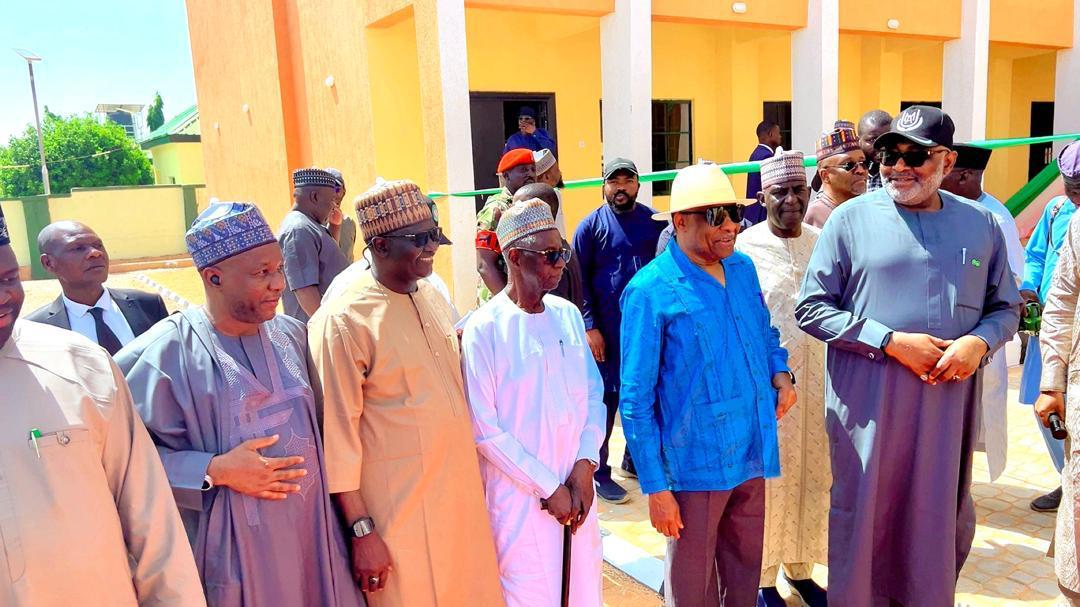
KACRAN Calls for Increased Funding for Northeast Development
By: Michael Mike
The Kulen Allah Cattle Rearers Association of Nigeria (KACRAN) has commended the North East Development Commission (NEDC) for demonstrating transparency and accountability following its recently concluded month-long inspection of development projects across the Northeast region.
In a statement released by KACRAN National President Hon. Khalil Mohammed Bello, the association described the inspection exercise as a strong indicator of responsible public administration, noting that comprehensive project verification remains a key test of accountability in public service delivery.
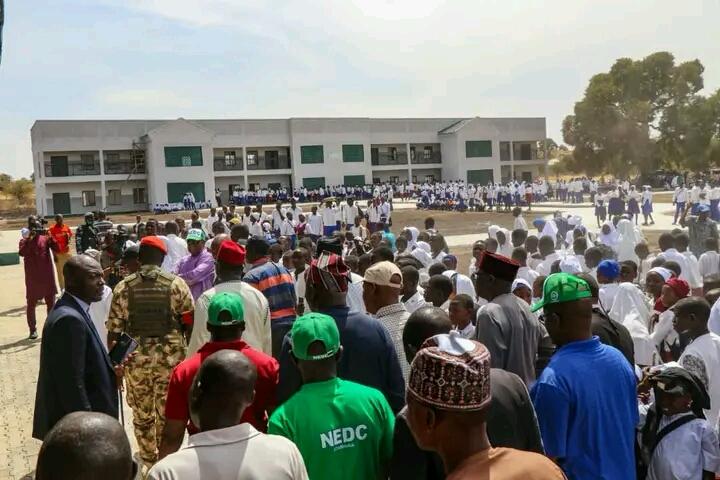
KACRAN stated that the NEDC’s decision to conduct high-level inspections of both ongoing and completed projects reflects a commitment to ensuring that public funds are translated into tangible developmental outcomes for citizens in the region.
The association further praised what it described as the “boldness and confidence” displayed by the Commission during the inspection tour, saying it signals that projects executed by the agency meet required standards and represent value for money.
Of particular interest to KACRAN members are the Commission’s investments in water infrastructure and livestock support projects aimed at improving pastoral livelihoods across the Northeast.
The association noted that such initiatives are critical to sustaining the livestock sector and supporting pastoral communities, while also aligning with President Bola Ahmed Tinubu’s Renewed Hope Agenda, which prioritizes livestock development, food security, and economic diversification.
KACRAN said strengthening livestock production could help reduce Nigeria’s reliance on imported dairy and meat products while positioning the country as a potential exporter of livestock products in the long term.
The group also commended the composition of the NEDC inspection team, which included the Commission’s Governing Board Chairman, Managing Director, and senior directors from finance, operations, and humanitarian affairs. KACRAN said the inclusion of senior management personnel and media representatives during the nearly 30-day inspection tour demonstrates transparency and accountability in governance.
The inspection covered several development sectors including road infrastructure, drainage systems, primary healthcare facilities, educational projects, water points for livestock, and distribution of humanitarian relief materials to internally displaced persons (IDPs).
KACRAN described the NEDC as a model of sincerity and dedication in Nigeria’s public sector, praising the Commission’s efforts toward the rehabilitation and economic recovery of the Northeast region.
The association, however, called on President Bola Ahmed Tinubu to ensure timely and adequate funding for the NEDC to enable the Commission to sustain its development and humanitarian programs.
It stressed that increased funding would strengthen infrastructure development, livestock productivity, peace-building efforts, and humanitarian interventions across the Northeast.
KACRAN Calls for Increased Funding for Northeast Development


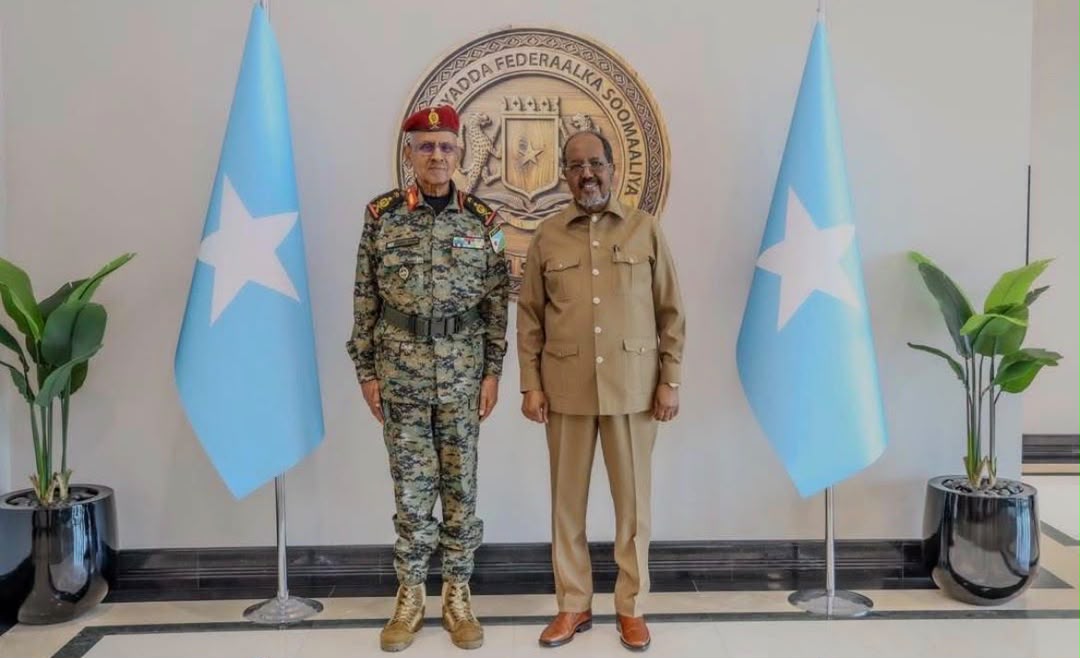
Ethiopia’s Withdrawal from Buurhakaba Base Raises Security Concerns in Somalia
By Zagazola Makama
The withdrawal of Ethiopian troops serving under the African Union Support and Stabilization Mission in Somalia (AUSSOM) from their base in Buurhakaba, Bay Region, has raised concerns over the ability of Somali security forces to assume full responsibility for security in the strategically important area.
Ethiopian forces have maintained a presence in Buurhakaba since 2014, with the town playing a significant role in the security of Baidoa and along the major road linking Mogadishu and Baidoa.
Its strategic location makes Buurhakaba an important security node and a potential staging area for military operations affecting both major urban centres and surrounding communities.
Security analysts believe Al-Shabaab could attempt to exploit the withdrawal by increasing pressure around Buurhakaba and its environs.
The immediate challenge for Somali security forces is therefore to secure the town’s perimeter, key access routes and surrounding settlements before the militant group can exploit any potential security gaps.
Although Ethiopia’s eventual withdrawal from selected positions across Somalia has been anticipated, sources close to the Somali National Army indicated that the Buurhakaba withdrawal was a planned redeployment that had been under preparation for some time.
Preliminary reports indicate that Somali forces will operate alongside troops from other partner countries during the transition period while the Holding Forces being prepared by the Somali authorities attain operational readiness.
The partner forces are expected to provide critical security support, including air and ground capabilities, aimed at deterring and disrupting any attempt by Al-Shabaab to launch attacks against positions or bases vacated by AUSSOM troops.
The coming weeks are expected to be critical in determining whether the transition can be managed without creating exploitable security gaps.
The key test will not simply be whether Somali forces can occupy positions previously held by Ethiopian troops, but whether they can establish sustainable security perimeters, maintain freedom of movement along critical routes and prevent Al-Shabaab from turning the transition into an operational advantage.
Buurhakaba could consequently emerge as an important early indicator of Somalia’s capacity to manage the transition from AUSSOM-held positions to Somali-led security arrangements amid continuing political and military pressure.
Ethiopia’s Withdrawal from Buurhakaba Base Raises Security Concerns in Somalia
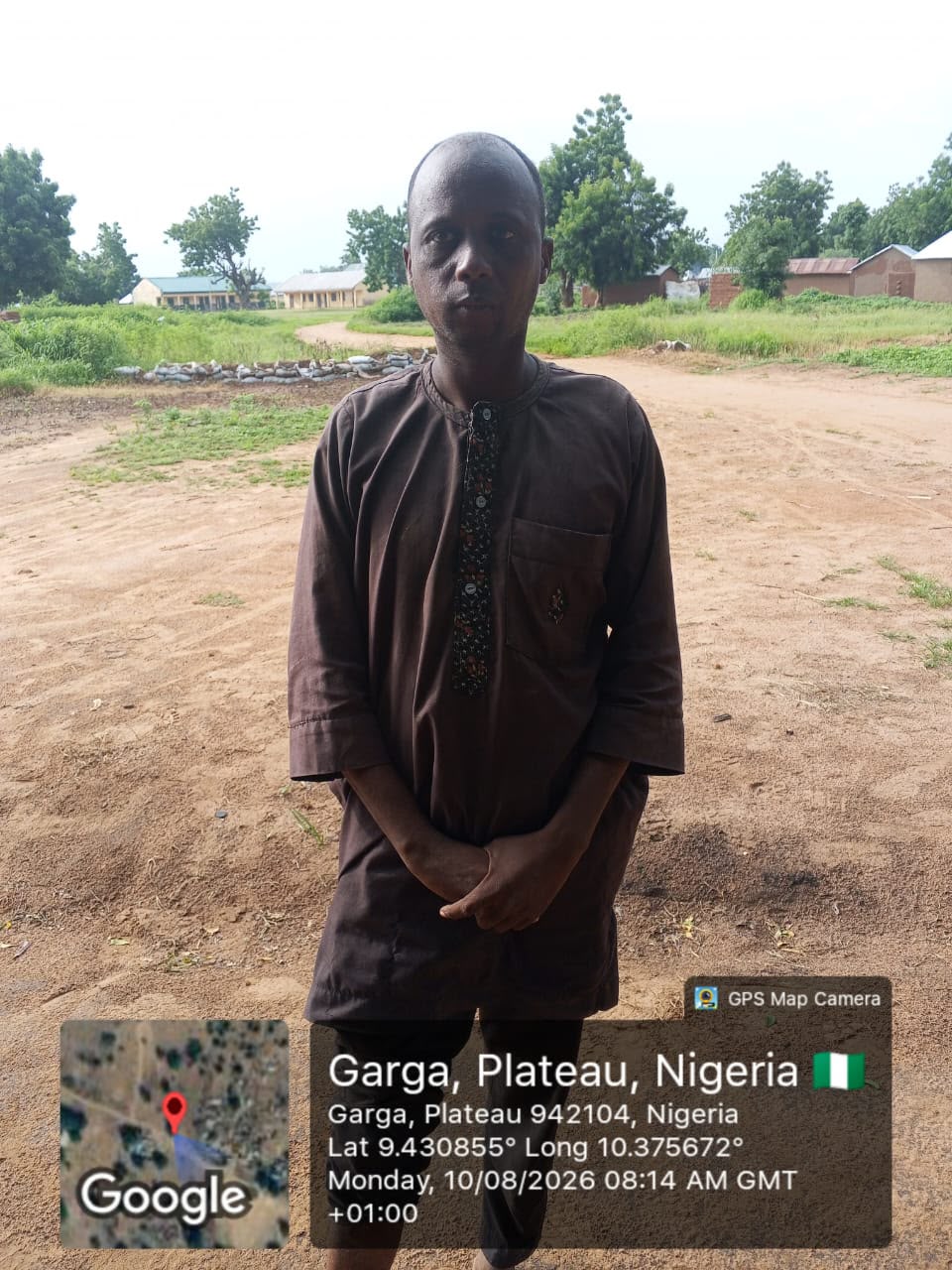
Troops Rescue Kidnapped Man After Escape From Abductors in Plateau Forest
By Zagazola Makama
Troops of Sector 2, Operation ENDURING PEACE (OPEP), have rescued a kidnapped victim during an offensive operation in Kanam Local Government Area of Plateau State.
The troops rescued the victim, identified as 37-year-old Malam Adamu Umar, at about 6:45 a.m. on Aug. 10 on the outskirts of Kukawa village in Kanam LGA.
A military source told Zagazola Makama that Umar, an indigene of Furiyam in Kanam, was abducted from Duguri village in Bauchi State on Aug. 6.
The victim reportedly escaped from his abductors and had been wandering through Madam Forest before he was located by the troops during the offensive operation.
According to the source, the troops successfully rescued Umar and subsequently handed him over to the Kukawa village leader for reunification with his family.
The operation illustrated the continued efforts by troops of Operation ENDURING PEACE to deny criminal elements freedom of movement and rescue victims held in isolated forest areas across the region.
Troops Rescue Kidnapped Man After Escape From Abductors in Plateau Forest

Emir of Tikau commends the foundation for its people-oriented project in Yobe.
By: Yahaya Wakili
His Royal Highness, the Emir of Tikau, Alhaji Abubakar Muhammadu Ibn Grema II, PhD, has commended the Alminnah Charitable Foundation for executing the people-oriented giant project in the emirate.
Dr. Abubakar Muhammadu Ibn Grema II made the commendation today while commissioning the new Juma’at Mosque at Dugum in the Watinane district of the Nangere local government area of Yobe State.
He said, “Actually, we have nothing to say. We say Alhamdulila; thank you for everything you have done.” The mosque was named after the late emir of Tikau, Alhaji Muhammadu Abubakar Ibn Grema.
Adding to that, they are looking forward to still partnering with you to bring more of this kind of project to our communities.
The royal father maintained that, and inshallah, we are going to collaborate and lease with you to bring all the necessary development immediately to our community.
“We know that you have brought many things, such as boreholes, and a lot of educational support to our citizens,” the emir added.
Emir of Tikau commends the foundation for its people-oriented project in Yobe.

Ethiopia’s Withdrawal from Buurhakaba Base Raises Security Concerns in Somalia

Troops Rescue Kidnapped Man After Escape From Abductors in Plateau Forest

Maize, Rice and Onion Farms Destroyed by herders in Jos South

Roger Federer’s Shock as DNA Results Reveal Myla and Charlene Are Not His Biological Children

THE PLIGHT OF FARIDA

FAILED COUP IN BURKINA FASO: HOW TRAORÉ NARROWLY ESCAPED ASSASSINATION PLOT AMID FOREIGN INTERFERENCE CLAIMS
-
 News2 years ago
Roger Federer’s Shock as DNA Results Reveal Myla and Charlene Are Not His Biological Children
-
Opinions4 years ago
THE PLIGHT OF FARIDA
-
 News1 year ago
FAILED COUP IN BURKINA FASO: HOW TRAORÉ NARROWLY ESCAPED ASSASSINATION PLOT AMID FOREIGN INTERFERENCE CLAIMS
-

 News2 years ago
EYN: Rev. Billi, Distortion of History, and The Living Tamarind Tree
-
 Opinions5 years ago
POLICE CHARGE ROOMS, A MINTING PRESS
-

 ACADEMICS2 years ago
A History of Biu” (2015) and The Lingering Bura-Pabir Question (1)
-

 Columns2 years ago
Army University Biu: There is certain interest, but certainly not from Borno.
-

 Politics1 year ago
2027: Why Hon. Midala Balami Must Go, as Youths in Hawul and Asikira/Uba Federal Constituency Reject ₦500,000 as Sallah Gift
