
News
From Nigeria to Global Impact: Dr. Henrietta Ukwu’s Recognition Signals Rising Nigerian Influence in Global Health Leadership

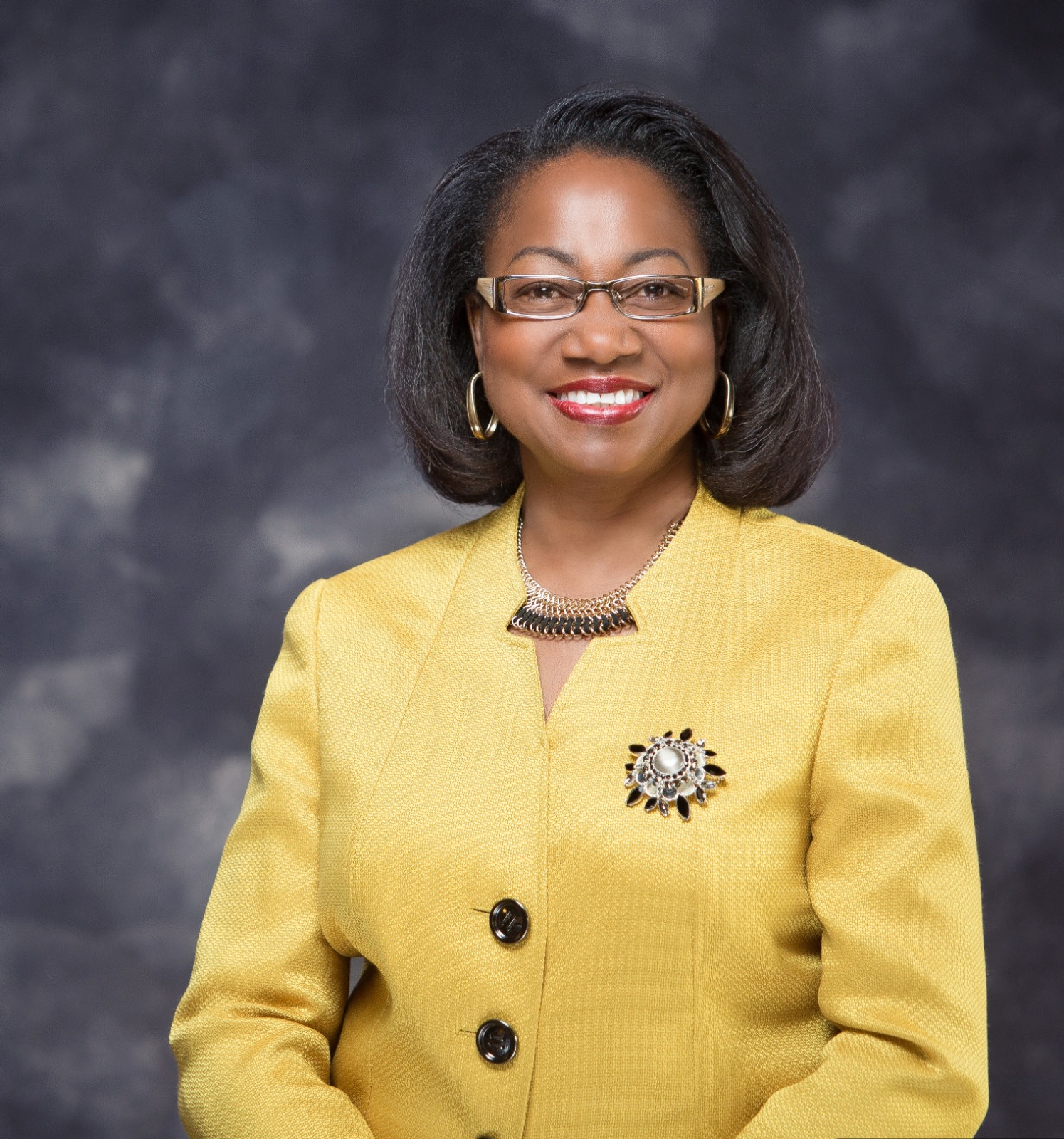
From Nigeria to Global Impact: Dr. Henrietta Ukwu’s Recognition Signals Rising Nigerian Influence in Global Health Leadership
By: Michael Mike
A Nigerian-born physician who helped steer some of the world’s most critical drug approvals is drawing fresh global attention—not just for her personal achievements, but for what her journey represents about African excellence on the world stage.
Henrietta Ukwu has been named to Marquis Who’s Who, a century-old registry widely regarded as a benchmark for professional distinction and global influence. But beyond the honour itself, her recognition is being seen as a powerful reflection of the growing footprint of Nigerian professionals in shaping global health outcomes.
Currently serving as Executive Vice President and Chief Regulatory Officer at Novavax Inc., Ukwu operates at the highest level of pharmaceutical decision-making—where science meets policy, and where regulatory approvals determine which life-saving treatments reach millions.
Her influence spans major global institutions, including the U.S. Food and Drug Administration, European Medicines Agency, and other top-tier regulatory bodies, placing her at the centre of global public health governance.
Yet, analysts say her story is more than a career milestone—it is a case study in how African expertise is increasingly shaping solutions to global crises.
Beyond Recognition, A Story of Global Health Transformation
Ukwu’s career has unfolded across some of the most defining health challenges of the modern era. From her early work at Merck & Co., where she contributed to breakthrough vaccines and HIV treatments, to her leadership during the COVID-19 pandemic at Novavax, her work has directly impacted millions of lives.
Her role in securing Emergency Use Authorization for a COVID-19 vaccine in the United States marked a critical moment in the global pandemic response—one that required navigating complex regulatory landscapes under intense pressure.
Reflecting on her journey, Ukwu has consistently highlighted the collaborative nature of her achievements, describing her latest recognition as a tribute to “extraordinary teams” rather than individual success.
A Career That Mirrors Global Shifts in Medicine
With over three decades in the pharmaceutical industry, Ukwu’s trajectory mirrors the evolution of modern medicine—from the early battles against HIV/AIDS to the rapid-response vaccine development seen during COVID-19.
Her contributions to HIV/AIDS drug approvals helped shift the disease from a death sentence to a manageable chronic condition—one of the most significant medical transformations of the late 20th century.
Experts note that regulatory leaders like Ukwu often operate behind the scenes, yet their decisions are critical in determining the speed, safety, and accessibility of medical innovations worldwide.
Nigeria Connection Remains Strong
Despite her global stature, Ukwu has maintained strong ties to Nigeria, where she trained at the University of Jos. Her long-term vision includes contributing directly to the country’s healthcare system and rural development.
She is currently working with her family on a foundation aimed at improving basic infrastructure in her home community—focusing on clean water access, roads, and solar-powered energy solutions.
Her future plans also include deeper engagement with Nigeria’s public health sector, signalling a potential transfer of global expertise back to local systems.
Symbol of a Broader Trend
Her inclusion in Marquis Who’s Who comes at a time when Nigerian professionals are increasingly gaining prominence across global industries—from medicine and technology to academia and policy.
For many observers, Ukwu’s recognition underscores a broader narrative: that talent from developing countries is not only participating in global systems but actively shaping them.
As global health challenges grow more complex, figures like Ukwu represent a new kind of leadership—one that bridges continents, disciplines, and systems in pursuit of solutions that affect humanity as a whole.
From Nigeria to Global Impact: Dr. Henrietta Ukwu’s Recognition Signals Rising Nigerian Influence in Global Health Leadership


NIMC Pushes Digital Identity Reforms to Boost Service Delivery, Security
By: Michael Mike
The National Identity Management Commission (NIMC) has reaffirmed its commitment to strengthening Nigeria’s Digital Public Infrastructure (DPI) through the deployment of secure digital identity systems aimed at improving governance, enhancing national security, and expanding access to public services.
Speaking at a digital conference in Abuja themed “Building Africa’s Digital Foundations Together,” the Director-General and Chief Executive Officer of NIMC, Abisoye Coker-Odusote, represented by the Head of Infrastructure Technology and Identity Databases, Mr. Sulaiman Falade, said the commission is driving reforms and institutional partnerships to build an inclusive and interoperable digital identity ecosystem.
According to her, the National Identification Number (NIN) has become central to Nigeria’s digital transformation agenda, serving as a key tool for identity verification, biometric authentication, and access to both government and private sector services.
She noted that following the Presidential Directive issued on April 5, 2024, Ministries, Departments and Agencies (MDAs) were mandated to integrate the NIN into digital services, particularly in areas involving data capture, identity verification, and authentication processes.
Coker-Odusote stated that NIMC has already established implementation structures to ensure compliance with the directive and to deepen the adoption of digital identity solutions across the country.
She further stressed that the Federal Government’s vision is to establish a unified, secure, and transparent digital identity framework capable of supporting efficient service delivery and accountability in governance.
The NIMC boss added that the commission is also advancing Nigeria’s broader digital governance goals through the deployment of the National Public Key Infrastructure (nPKI), a system designed to strengthen trust in digital transactions, safeguard citizens’ data, and promote secure online interactions.
She called on stakeholders in both the public and private sectors to continue supporting the implementation of Nigeria’s digital identity ecosystem, noting that the initiative is critical to national development and economic growth.
According to her, NIMC remains committed to leveraging technology and innovation to build a more connected, efficient, and resilient nation.
NIMC Pushes Digital Identity Reforms to Boost Service Delivery, Security
Tinubu Sweeps Zulum’s Ward with 100% Votes in APC Presidential Primary
By: Michael Mike
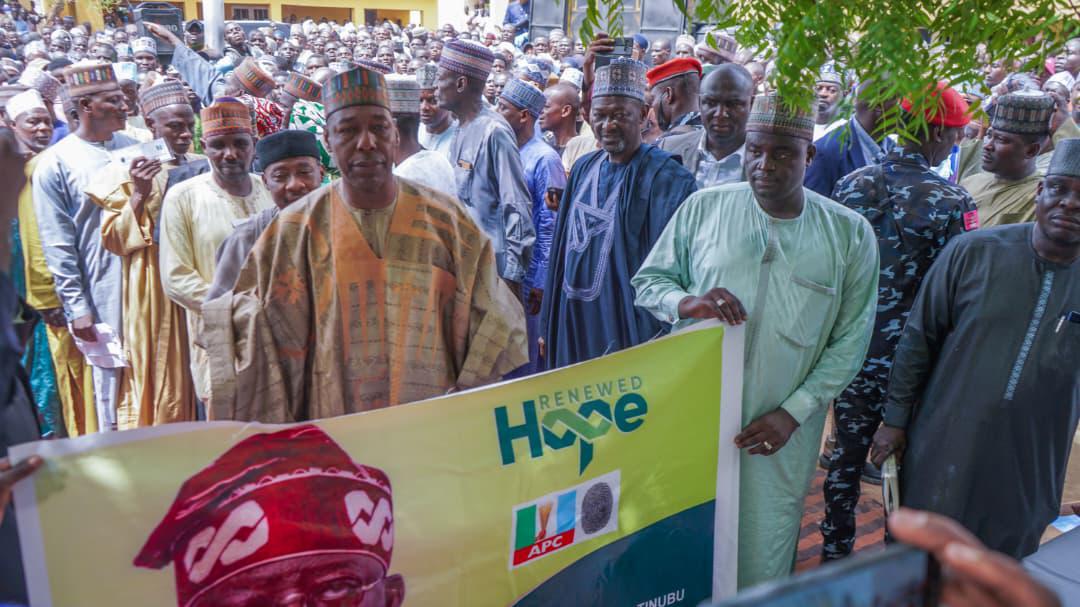
President Bola Ahmed Tinubu recorded a landslide victory in the All Progressives Congress (APC) presidential primary election in Mafa Ward of Borno State, securing all valid votes cast in the exercise held in the home ward of Governor Babagana Umara Zulum.
The direct primary election took place at Mafa Central Primary School under the supervision of the Chairperson of the Presidential Primary Election Committee, Hajiya Inna Alkali Imam.
According to the results announced at the ward level, Tinubu polled 2,175 votes, representing 100 per cent of the valid votes cast during the exercise. Out of the 2,277 registered APC members in the ward, 2,175 were accredited and participated in the voting process.
Tinubu’s challenger, Stanley Osifo, an APC chieftain and businessman from Edo State, failed to secure any vote in the ward.
Governor Zulum, who served as the Coordinator and Collation Officer for the presidential primary in the state, said he participated in the exercise as an indigene of Mafa Ward.
“I am from Mafa Ward, and that is why I am here to witness and participate in the exercise. We have two candidates, President Bola Ahmed Tinubu and Mr Stanley Osifo,” Zulum stated.
The governor also commended the peaceful conduct of the exercise and the turnout of party members.
“So far so good, we have conducted the presidential primary election for Mafa Ward, and I am very impressed with the turnout. We have a total of about 2,277 registered party members in Mafa Ward, out of which 2,175 were accredited for the voting, and all of them voted for President Bola Ahmed Tinubu, while the other candidate scored zero,” he said.
The APC presidential primary is ongoing in several states across the country, with the party expected to collate and announce final nationwide results at a later date.
Tinubu Sweeps Zulum’s Ward with 100% Votes in APC Presidential Primary
News
I Remember At Age Of 8,General Gowon Would Send Hand Written Letter To Yusuf Signed Uncle Joe-Sanusi

I Remember At Age Of 8,General Gowon Would Send Hand Written Letter To Yusuf Signed Uncle Joe-Sanusi
By: Our Reporter
The 16th Emir of Kano, Muhammadu Sanusi II, has recounted a touching childhood memory about former Nigerian Head of State Yakubu Gowon, portraying him as a compassionate leader who extended personal support to the family of a military officer killed during the 1966 coup.
Speaking during an interview on Signature TV, Sanusi reflected on his early years at St Anne’s Secondary School in Kaduna, where he attended school alongside Yusuf Pam, the son of the late Colonel Joseph Pam, one of the victims of the January 1966 Nigerian coup.
The former governor of the Central Bank of Nigeria recalled that despite the demands of national leadership, Gowon took a personal interest in the wellbeing of Yusuf following the loss of his father. According to Sanusi, the former Head of State frequently sent handwritten letters to the young boy, signing them “Uncle Joe.”
“What I remember at the age of eight was that General Gowon, as Head of State, would send a handwritten letter to Yusuf signed ‘Uncle Joe.’ That is a window into the person you are dealing with,” Sanusi said.
The Emir noted that the gesture has remained vivid in his memory over the years because it revealed a caring and humane side of leadership during one of the most turbulent periods in Nigeria’s history. He suggested that Gowon’s actions reflected empathy and a sense of responsibility toward families affected by the political upheaval of the time.
Colonel Pam was among several prominent figures who lost their lives during the 1966 coup, a pivotal event that reshaped Nigeria’s political landscape and contributed to years of instability and conflict that followed.
I Remember At Age Of 8,General Gowon Would Send Hand Written Letter To Yusuf Signed Uncle Joe-Sanusi

APC Primary peaceful, as Tinubu clears vote in Adamawa South -Abbati

NIMC Pushes Digital Identity Reforms to Boost Service Delivery, Security

Tinubu Sweeps Zulum’s Ward with 100% Votes in APC Presidential Primary

Roger Federer’s Shock as DNA Results Reveal Myla and Charlene Are Not His Biological Children

THE PLIGHT OF FARIDA

FAILED COUP IN BURKINA FASO: HOW TRAORÉ NARROWLY ESCAPED ASSASSINATION PLOT AMID FOREIGN INTERFERENCE CLAIMS
-
 News2 years ago
Roger Federer’s Shock as DNA Results Reveal Myla and Charlene Are Not His Biological Children
-
Opinions4 years ago
THE PLIGHT OF FARIDA
-
 News1 year ago
FAILED COUP IN BURKINA FASO: HOW TRAORÉ NARROWLY ESCAPED ASSASSINATION PLOT AMID FOREIGN INTERFERENCE CLAIMS
-

 News2 years ago
EYN: Rev. Billi, Distortion of History, and The Living Tamarind Tree
-
 Opinions4 years ago
POLICE CHARGE ROOMS, A MINTING PRESS
-

 ACADEMICS2 years ago
A History of Biu” (2015) and The Lingering Bura-Pabir Question (1)
-

 Columns2 years ago
Army University Biu: There is certain interest, but certainly not from Borno.
-

 Politics12 months ago
2027: Why Hon. Midala Balami Must Go, as Youths in Hawul and Asikira/Uba Federal Constituency Reject ₦500,000 as Sallah Gift
