
News
Execution Discipline Will Define Tegbe’s Agenda for Nigeria’s Power Sector-

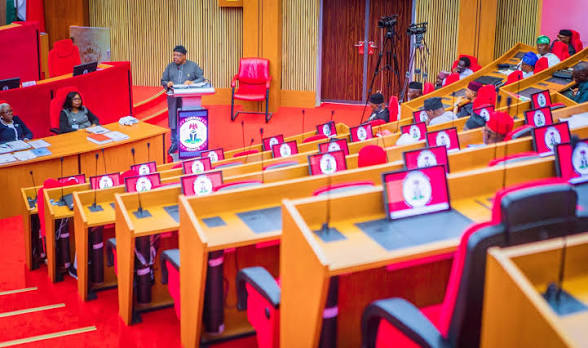
Execution Discipline Will Define Tegbe’s Agenda for Nigeria’s Power Sector-
By: Adeola Labzy
When the Minister-Designate for Power, Joseph Olasunkanmi Tegbe, told the Nigerian Senate that there was “no quick fix” to Nigeria’s electricity crisis, the statement stood out for departing from the familiar rhetoric that has long shaped public conversations about the sector. In a country where ambitious declarations on power reform have often generated headlines faster than measurable outcomes, Tegbe’s remarks offered an early signal of a different leadership posture, one anchored less on spectacle and more on execution.
This matters because Nigeria’s power sector has spent decades trapped in cycles of overpromising and institutional under-delivery. Successive reform efforts have come with bold projections, aggressive timelines, and repeated assurances. Yet the sector continues to struggle with liquidity constraints, weak market confidence, transmission vulnerabilities, collection inefficiencies, infrastructure deficits, and operational instability. Over time, the deeper casualty has not only been electricity supply, but institutional credibility.
Against that background, Tegbe’s emphasis on transparency, execution discipline, and operational realism should be read as a useful starting point, not a completed achievement. Nigeria’s electricity market does not suffer from a shortage of reform language. The problems are already well known to policymakers, operators, investors, regulators, and consumers. What has consistently undermined progress is fragmented implementation, weak accountability, poor coordination across the value chain, and the absence of sustained commercial discipline.
In that sense, Tegbe’s early posture appears calibrated toward restoring confidence in the system’s ability to execute before pursuing grand transformation narratives. This is particularly important in a sector where investor confidence, market liquidity, and operational stability are deeply interconnected. Markets respond not merely to ambition, but to predictability, governance credibility, and measurable execution. Each part of the value chain affects the other. Generation without evacuation capacity creates waste. Tariff reform without metering creates distrust. Investment without payment discipline weakens confidence. Policy statements without visible milestones deepen cynicism.
Financial sustainability will be one of the defining pillars of any credible reform effort. For years, the electricity market has operated within a fragile commercial structure marked by accumulated debts, subsidy pressures, payment shortfalls, collection gaps, and uncertainty over cost recovery. The long-term viability of the sector depends not only on expanding infrastructure, but on restoring commercial discipline and rebuilding confidence in the market itself.
This is where transparency becomes strategically important. Transparent reforms reduce uncertainty, strengthen accountability, and give investors, operators, consumers, and policymakers a clearer basis for judging progress. In practical terms, transparency is not merely a governance principle; it is an economic stabilisation tool. It can help rebuild trust in tariff decisions, improve confidence in sector data, and create a more disciplined environment for investment and performance monitoring.
Equally important is execution discipline. Infrastructure projects rarely fail only because funding is unavailable. Many fail because coordination weakens, procurement becomes opaque, implementation drifts, and accountability is diluted. In the power sector, credibility will not be rebuilt by rhetoric alone. It will require visible, measurable, and sustained improvements in the operating system of reform.
Nigeria’s power sector does not require another cycle of exaggerated optimism followed by institutional disappointment. It requires leadership capable of confronting difficult realities honestly while building a credible pathway toward operational stability, financial sustainability, and long-term reform credibility.
That is why Tegbe’s insistence on transparent reforms and execution discipline is important. Its significance will not lie in the statement itself, but in whether it becomes a governing method. In a sector where credibility has become almost as scarce as stable electricity, restoring confidence in governance may be the first and most important reform of all.
Adeola Labzy writes from Abuja, Nigeria.
Execution Discipline Will Define Tegbe’s Agenda for Nigeria’s Power Sector-


News
Funding of Politics with State Funds: ActionAid Demands Impeachment of Governors Found Culpable
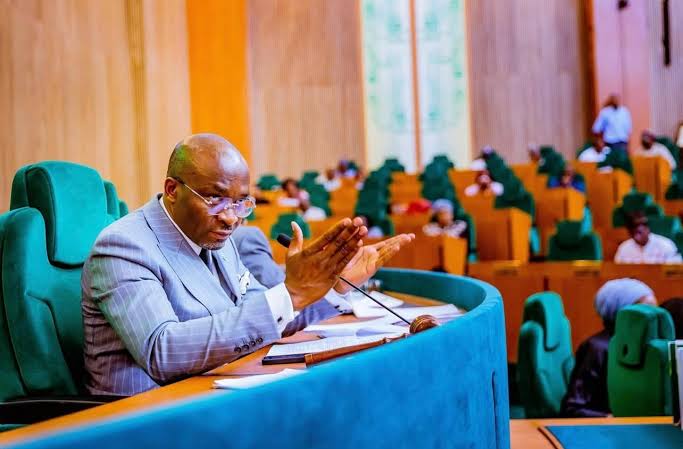
Funding of Politics with State Funds: ActionAid Demands Impeachment of Governors Found Culpable
By: Michael Mike
Human rights and anti-poverty organisation, ActionAid Nigeria, has called for the immediate impeachment of any governor found guilty of using state resources to fund political campaigns ahead of the 2027 general elections.
The organisation made the demand in a statement issued on Tuesday in Abuja by its Country Director, Andrew Mamedu, following growing public concerns over alleged movement of huge sums of money by some political actors for campaign-related activities.
ActionAid Nigeria said the allegations have raised serious questions about the source of the funds allegedly being deployed for political mobilisation and consolidation of power ahead of the next election cycle.
Mamedu described the reports as disturbing and unacceptable, especially at a period when millions of Nigerians are grappling with economic hardship, rising inflation, insecurity, unemployment and worsening living conditions.
According to him, it would amount to a grave abuse of public trust if state resources meant for governance and development were diverted for partisan political purposes.
“It is appalling that at a time when Nigeria is drowning in debt, workers are struggling with the rising cost of living, public hospitals are underfunded, schools are collapsing, insecurity is spreading, and millions of Nigerians are battling hunger and extreme economic hardship, that any suggestion of public resources are being diverted or deployed for political campaigns,” he stated.
The organisation stressed that governors were elected to serve the people and not to convert state resources into what it described as “political war chests.”
ActionAid Nigeria challenged governors and political actors allegedly linked to the claims to publicly explain the source of the funds being used for political activities, insisting that Nigerians deserve transparency and accountability.
The group further urged anti-corruption agencies, including the Economic and Financial Crimes Commission and the Independent Corrupt Practices and Other Related Offences Commission, as well as State Houses of Assembly, to commence immediate investigations into the allegations.
According to the organisation, any governor found culpable should face impeachment, prosecution and recovery of diverted public funds.
“Any governor who diverts public resources for political campaigns has violated public trust and abused the mandate given to them by citizens. Such individuals should not remain in office,” Mamedu said.
He warned that unchecked misuse of public resources could weaken democratic institutions and create an unfair political environment where incumbents enjoy undue advantage over other contestants.
The organisation also noted that while political parties have the right to organise campaigns and raise lawful support, such activities must not involve public funds, government assets or state institutions.
ActionAid Nigeria cited countries such as the United Kingdom, United States, Canada, Germany and South Africa as examples where strict accountability measures exist to prevent incumbents from using state resources for partisan political activities.
The organisation called on citizens, civil society groups, journalists, whistleblowers and anti-corruption advocates to remain vigilant and expose any suspicious use of public resources for political purposes ahead of the 2027 elections.
ActionAid Nigeria maintained that safeguarding democracy and protecting public resources must remain a collective responsibility of both institutions and citizens.
Funding of Politics with State Funds: ActionAid Demands Impeachment of Governors Found Culpable
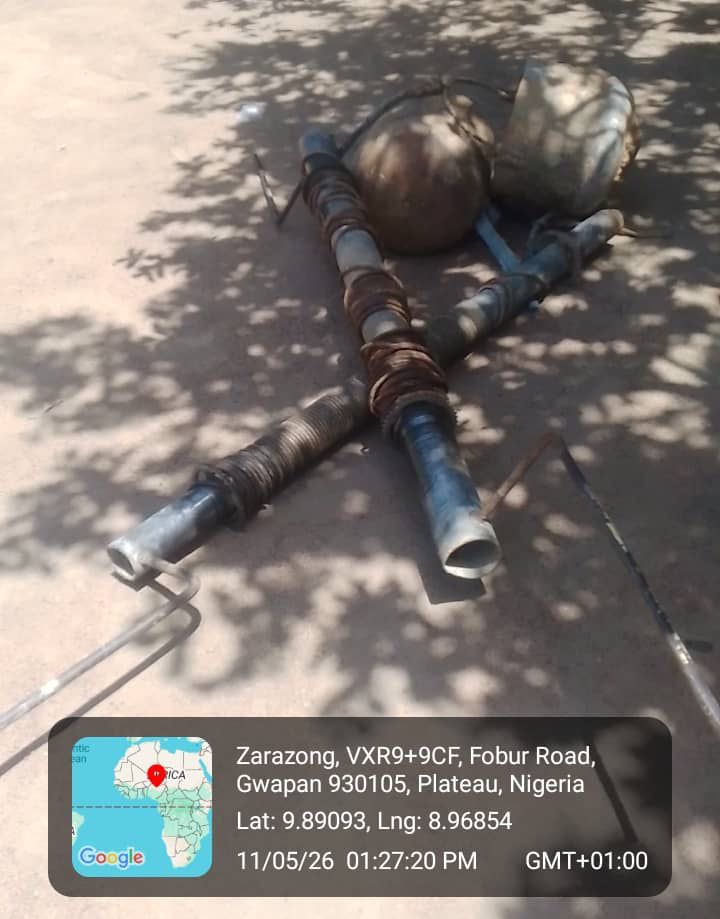
Troops Intervene in Farmer-Herder Clash in Riyom, Recover 37 Sheep
By: Zagazola Makama
Troops of Operation Enduring Peace (OPEP) have intervened in a farmer-herder clash in Riyom Local Government Area of Plateau State, rescuing the injured parties and securing livestock pending peaceful resolution of the dispute.

Security sources Zagazola Makama that the incident occurred at about 2:00 p.m. on May 11 at Potok Fongon village in Ganawuri District of Riyom LGA.
The sources said troops of Sector 6 OPEP deployed at Ganawuri responded swiftly following reports of a clash between a farmer, Mr Fon Gehgeh, and a herder, Mr Usman Iliyasu, over alleged grazing on farmland.
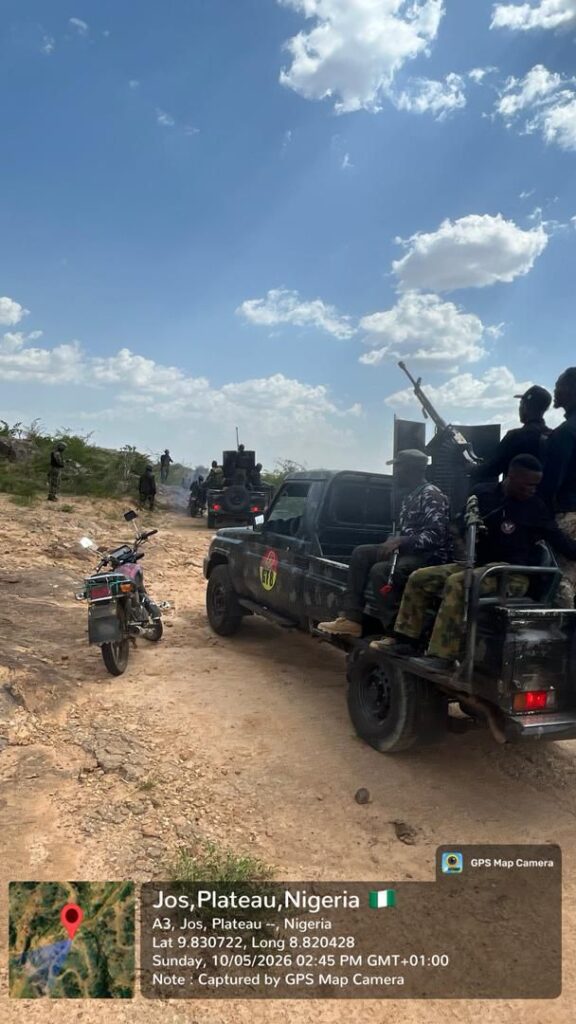
According to the sources, troops arrived at the scene and found both men with varying degrees of injuries sustained during the altercation.
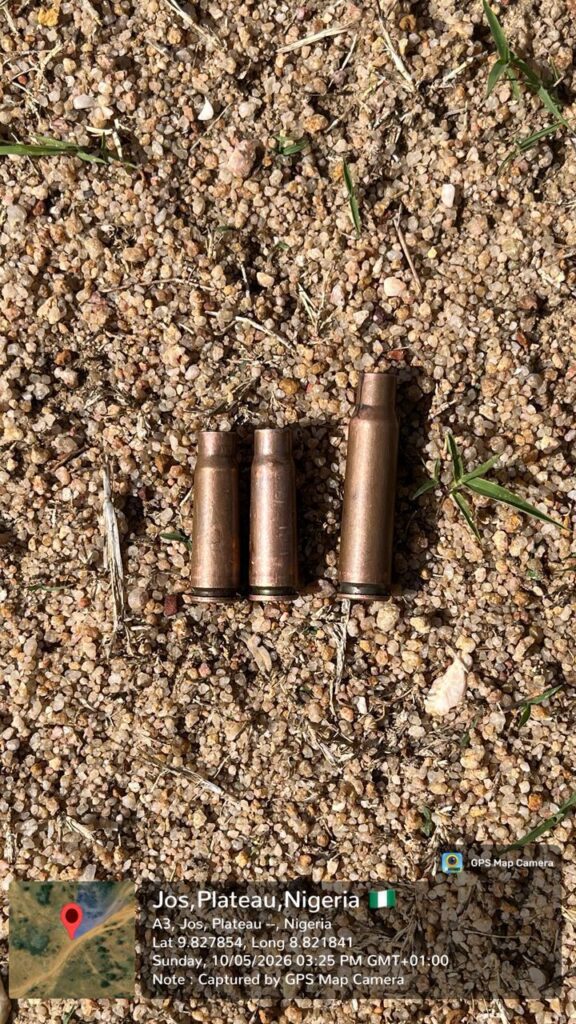
The victims were immediately evacuated to the Primary Health Centre in Ganawuri for medical treatment.
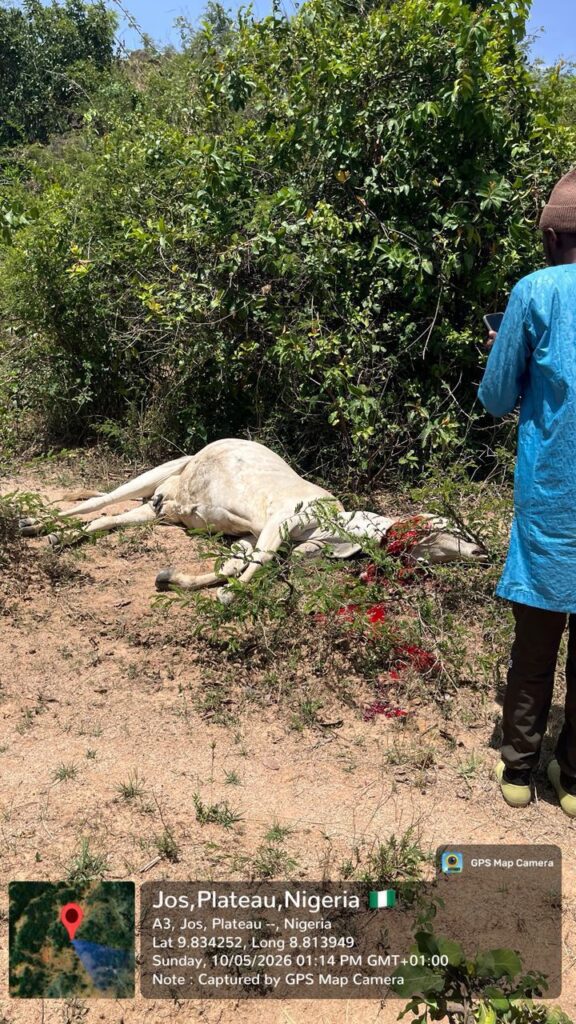
The troops also recovered 37 sheep belonging to the herder and moved them to a safe location pending amicable settlement of the dispute by relevant authorities and community leaders.
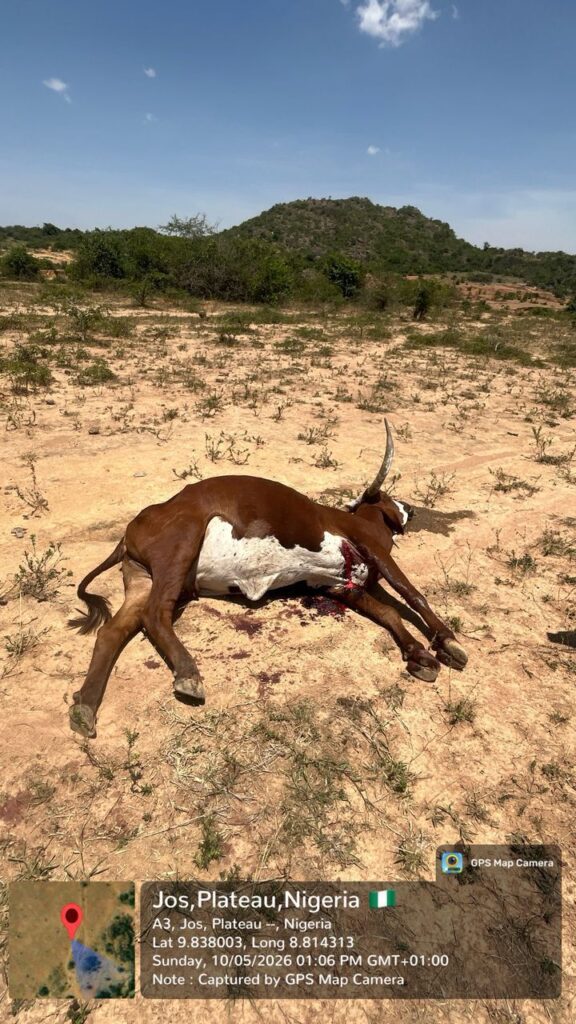
Security officials said efforts were ongoing to ensure peaceful resolution of the matter and prevent escalation of tensions within the community.
Troops Intervene in Farmer-Herder Clash in Riyom, Recover 37 Sheep
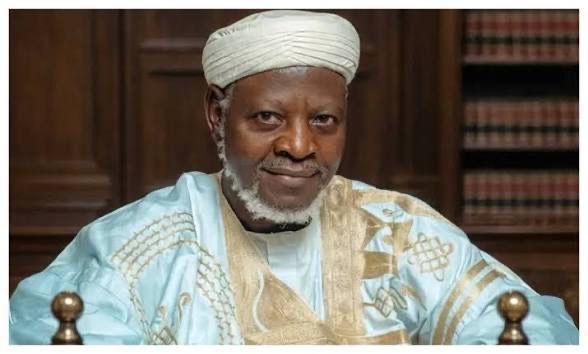
Alleged Coup Trial: Cleric Says He Warned That The Plot Would Fail
*Admits he received money for ‘prayers’
By: Zagazola Makama
A Federal High Court in Abuja, on Monday, viewed a video- recorded statement by Sheikh Sani Abdulkadir, the sixth defendant in the ongoing trial of persons accused of conspiring to overthrow the government of President Bola Tinubu.
In the recording, the Sheikh, who admitted receiving money to pray for the success of the operation, however, claimed that he warned the alleged plotters that their plan was doomed and that they would be sabotaged from within.
The video recording was played during the continuation of trial proceedings, with the fourth prosecution witness (PW4) still in the witness box.
In the recording, Abdulkadir, an Islamic cleric, said he had known the alleged ringleader, Colonel Maaji, for less than a year and was approached through an intermediary identified as Sanda to offer spiritual support for the plot.
He told investigators that Sanda informed him that his “Oga” intended to stage a coup and needed prayers regarding its likely success. After conducting the prayers, Abdulkadir said he advised them the operation would fail and that two persons would eventually expose those involved.
A subsequent request was relayed back to him, he said, asking for further prayers to prevent those two individuals from speaking out. Money was later transferred to him for prayers and charity, and names of alleged participants were forwarded for inclusion.
Abdulkadir said he first learnt of the arrests through media reports, after Sanda had informed him that Colonel Maaji had been unreachable for four days. He maintained throughout the recording that the funds he received were strictly for prayers and not in support of any coup attempt.
He also acknowledged understanding that a coup meant a military overthrow of government but said he did not report the plot because he did not know who to report to.
The cleric said his arrest came after he visited the Economic and Financial Crimes Commission (EFCC) to resolve restrictions placed on his bank account.
Upon contacting an EFCC deputy director, he was invited to the commission’s office to explain the source of the funds. He denied making any coup-related statement while in EFCC custody and stated that he was neither assaulted nor tortured, and that all his statements were made voluntarily.
Following the playback, the prosecution sought to tender extra-judicial statements made by all six defendants before a Special Investigation Panel and military police authorities.
However, defence lawyers of all six defendants objected, arguing the statements were either involuntarily obtained or made in violation of the Administration of Criminal Justice Act (ACJA).
Their objections include failure to inform defendants of their right to legal representation; alleged discrepancies between video recordings and corresponding written statements; allegations of coercion, inducement and torture; and claims that the footage did not adequately establish the physical condition of defendants during recording.
Counsel to the fifth defendant further argued that, given the number of accused persons, the court should conduct separate trial-within-trial proceedings for each disputed statement rather than a combined exercise.
Responding, the prosecution urged the court to dismiss the objections, maintaining that the law does not mandate separate proceedings for each defendant and that the trial judge holds discretion over how evidence is received.
Justice Joyce Abdulmalik ruled in favour of a single joint trial-within-trial to determine the voluntariness and admissibility of all the disputed statements.
The case was then adjourned to May 12.
Alleged Coup Trial: Cleric Says He Warned That The Plot Would Fail

Funding of Politics with State Funds: ActionAid Demands Impeachment of Governors Found Culpable

Execution Discipline Will Define Tegbe’s Agenda for Nigeria’s Power Sector-

Troops Intervene in Farmer-Herder Clash in Riyom, Recover 37 Sheep

Roger Federer’s Shock as DNA Results Reveal Myla and Charlene Are Not His Biological Children

THE PLIGHT OF FARIDA

FAILED COUP IN BURKINA FASO: HOW TRAORÉ NARROWLY ESCAPED ASSASSINATION PLOT AMID FOREIGN INTERFERENCE CLAIMS
-
 News2 years ago
Roger Federer’s Shock as DNA Results Reveal Myla and Charlene Are Not His Biological Children
-
Opinions4 years ago
THE PLIGHT OF FARIDA
-
 News1 year ago
FAILED COUP IN BURKINA FASO: HOW TRAORÉ NARROWLY ESCAPED ASSASSINATION PLOT AMID FOREIGN INTERFERENCE CLAIMS
-

 News2 years ago
EYN: Rev. Billi, Distortion of History, and The Living Tamarind Tree
-
 Opinions4 years ago
POLICE CHARGE ROOMS, A MINTING PRESS
-

 ACADEMICS2 years ago
A History of Biu” (2015) and The Lingering Bura-Pabir Question (1)
-

 Columns2 years ago
Army University Biu: There is certain interest, but certainly not from Borno.
-

 Opinions2 years ago
Tinubu,Shettima: The epidemic of economic, insecurity in Nigeria
