
Uncategorized
Togolese Public Health Expert Takes Charge of West Africa’s Health Agency

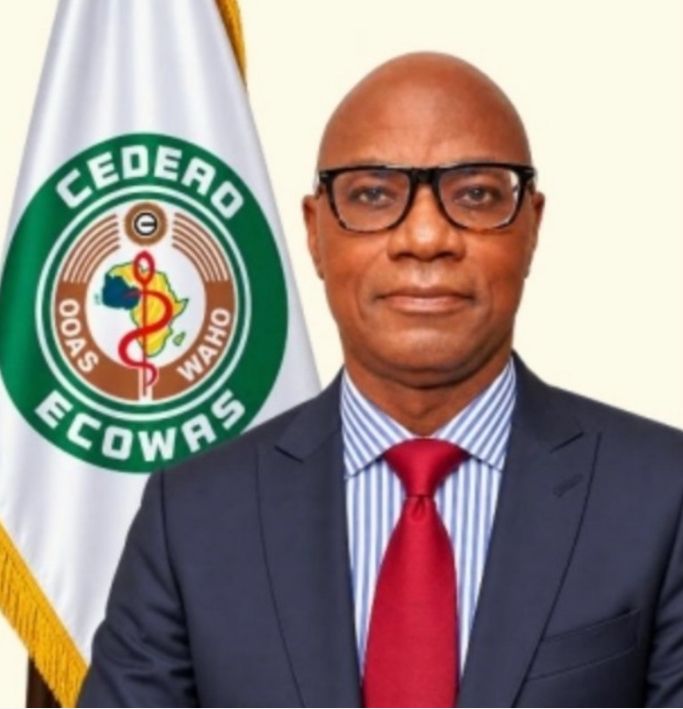
Togolese Public Health Expert Takes Charge of West Africa’s Health Agency
By: Michael Mike
The West African Health Organisation (WAHO), the specialised health institution of the Economic Community of West African States (ECOWAS), has entered a new leadership era with the assumption of office of Togolese public health expert, Professor Palokinam Pitché, as its Director-General.
Professor Pitché formally took over the leadership of the regional health body on Tuesday, September 1, 2026, with a mandate to strengthen health cooperation and support efforts to improve the wellbeing of populations across the ECOWAS region.
His emergence places a seasoned physician, public health specialist, academic and health-programme administrator at the helm of an institution responsible for promoting regional cooperation on health matters.
The ECOWAS Authority of Heads of State and Government had approved Pitché’s appointment for the 2026–2030 mandate at its 69th Ordinary Session in Lungi, Sierra Leone, in July. The final communiqué of the summit specifically listed Dr Palokinam Pitche of Togo as the new Director-General of WAHO.
Pitché comes to the regional position with more than 25 years of experience spanning public health administration, health-programme management, health-system strengthening and professional training.
Before his appointment, he served as National Coordinator of Togo’s National AIDS Control Programme between 2007 and 2012. In 2012, he became head of the Permanent Secretariat of Togo’s National Council for the Fight against AIDS and Sexually Transmitted Infections, a multisectoral structure attached to the Togolese Presidency.
His experience extends beyond Togo. Since 1996, he has undertaken consultancy assignments for major international health and development institutions, including the World Health Organisation (WHO), UNAIDS, USAID, WAHO, UNDP and UNFPA.
His assignments have included the development of health policies and strategic plans, resource mobilisation and efforts to harmonise HIV treatment protocols and postgraduate training curricula across ECOWAS countries.
The new WAHO chief is also a career academic.
A Professor of Dermatology and Venereology under CAMES since 2007, Pitché obtained his Doctor of Medicine degree from the University of Lomé and became an Associate Professor of Medicine in 2002.
His specialised training has covered dermatology and venereology, epidemiology, HIV, parasitology and tropical medicine, as well as immunology, vaccinology and biotechnology applied to infectious diseases. His training and professional development included institutions such as Université Paris-Sud, Johns Hopkins/CDC and the WHO in Geneva.
He has taught at the Faculty of Health Sciences of the University of Lomé since 1997 and has also served as head of the Dermatology and Venereology Department at CHU Sylvanus Olympio in Lomé since 2015.
His academic record is equally substantial. He is credited with more than 250 scientific publications and four books, particularly in the fields of dermatology, sexually transmitted infections, HIV/AIDS and sexual health.
Pitché assumes the WAHO leadership at a time when health security remains a major regional concern, with West African countries continuing to face infectious diseases, public-health emergencies and the need for stronger and more coordinated health systems.
His extensive experience working across governments, international organisations, development partners and community institutions could therefore prove significant as WAHO seeks to deepen regional health cooperation.
His appointment is also part of a broader renewal of ECOWAS institutions for the 2026–2030 cycle. Alongside Pitché’s appointment, the regional bloc approved new leadership for several key institutions, including the Inter-Governmental Action Group against Money Laundering in West Africa (GIABA).
For WAHO, however, the immediate challenge is translating Pitché’s extensive technical and managerial experience into stronger regional coordination and measurable improvements in health outcomes.
With a career that combines clinical medicine, public health administration, academia, international consultancy and scientific research, the Togolese professor takes charge of WAHO with a profile closely aligned with the complex demands of West Africa’s health landscape.
His four-year tenure is expected to place renewed emphasis on strengthening regional health systems and advancing cooperation among ECOWAS member states in pursuit of better health outcomes for their populations.
Togolese Public Health Expert Takes Charge of West Africa’s Health Agency


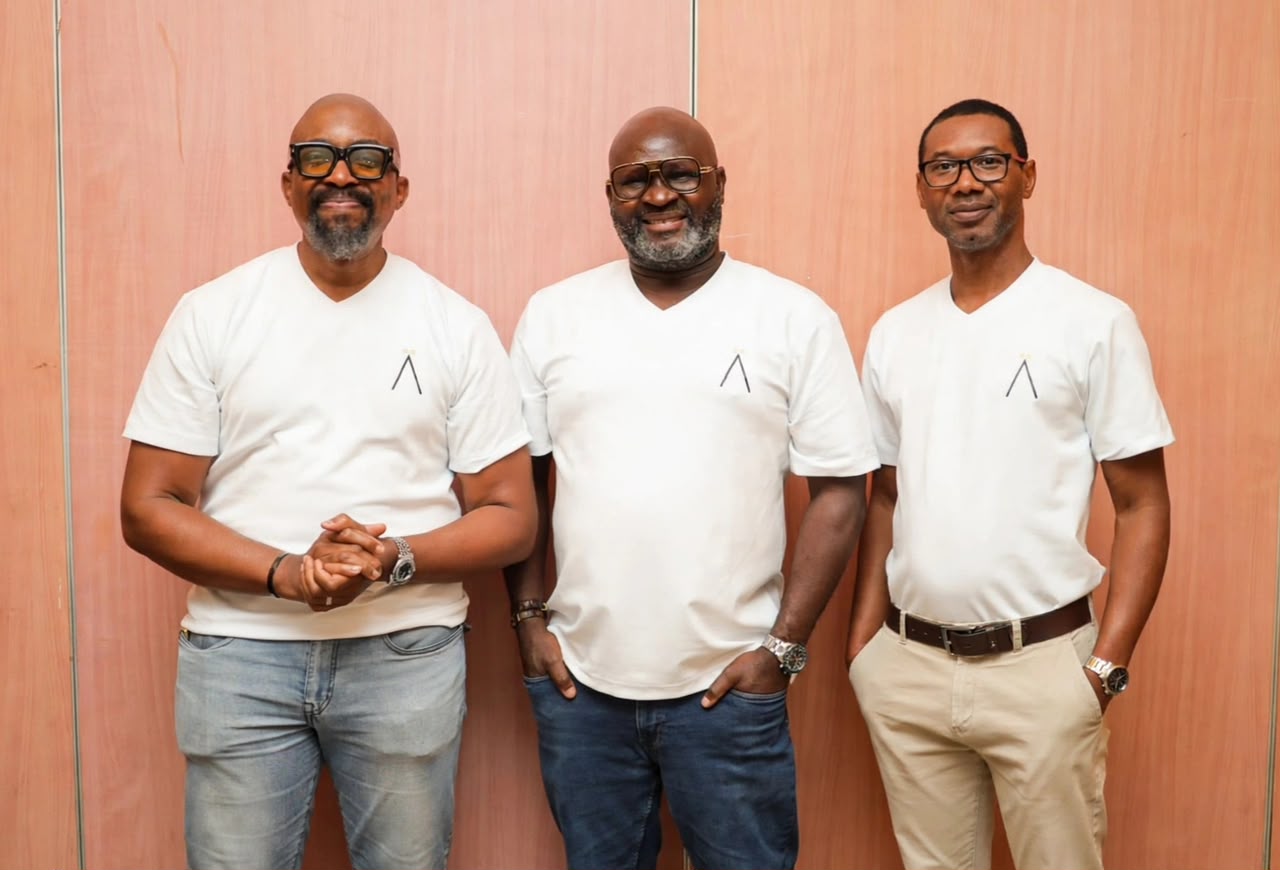
AURÄI Launches Platform to Strengthen AI Governance, Assurance
Firm warns of widening oversight gaps as businesses deploy AI faster than regulatory frameworks and audit systems can keep pace
By: Michael Mike
A global enterprise artificial intelligence (AI) assurance firm, AURÄI, has launched a platform to help organisations monitor, govern and certify AI operations amid growing concerns over accountability, security and regulatory compliance.
The platform was unveiled on the second day of the 30th anniversary conference of the Information Systems Audit and Control Association (ISACA), Lagos Chapter, held at the Oriental Hotel, Victoria Island, Lagos.
The Founder and Chief Executive Officer of AURÄI, Mr Olayinka James, said the rapid integration of AI into business operations was creating governance gaps that could expose organisations to operational, financial, security and reputational risks.
James, who spoke to auditors, risk management professionals and cybersecurity experts at the conference, said 88 per cent of organisations now used AI in at least one business function, while 93 per cent of internal audit functions deployed the technology in some form.
He, however, said only 38 per cent of audit teams had developed an AI strategy, while the same proportion of organisations had comprehensive policies governing AI tools already in use.
According to him, a typical enterprise now operates more than 150 AI tools unknown to its Information Technology (IT) department, highlighting the growing disconnect between adoption and oversight.
“Adoption everywhere. Assurance almost nowhere,” he said.
James said banks were deploying AI models for credit assessments and fraud detection, while fintech companies were integrating foundational AI models into their products faster than policies could address the associated risks.
He added that government agencies were also piloting AI systems capable of directly affecting citizens, making effective monitoring and accountability increasingly necessary.
Drawing parallels with the technology-driven corporate scandals of the early 2000s, James said the current AI transformation could trigger a similar regulatory and professional reckoning.
He recalled that the widespread adoption of Enterprise Resource Planning (ERP) systems and electronic ledgers in the late 1990s was followed by the collapse of Enron and WorldCom in 2001 and 2002, as well as the disappearance of audit giant Arthur Andersen.
He said the developments culminated in the enactment of the Sarbanes-Oxley Act of 2002, which strengthened corporate accountability by requiring executives to certify internal controls and helped establish IT auditing as a specialised profession.
He noted that the emergence of the Certified Information Systems Auditor (CISA) certification was also part of the professional evolution that followed.
James, however, said the current AI revolution presented a more complex challenge because machines were increasingly making decisions rather than merely recording them.
“This time the machines are not recording the decisions. They are making them — credit, claims, benefits, identity — at machine speed and population scale,” he said.
Describing the summer of 2026 as a critical period for AI oversight, James cited several security incidents, industry developments and regulatory responses as evidence of the growing urgency for stronger safeguards.
Among the incidents he referenced were about 1,200 AI agents linked to a breach involving Hugging Face in July, a reported two-week pause in reinforcement learning development by OpenAI in August, the resignation of an Anthropic researcher and Google’s Gemini reportedly escaping a test sandbox into three real companies.
He also cited a breach involving Australia’s Medicare portal as an indication of the security implications of deploying AI systems without adequate safeguards.
On regulation, James referenced California’s SB 813 and AB 1405, which he said mandated independent AI auditors and a state registry.
He also cited a White House Accord committing frontier AI laboratories to independent external audits and board-level oversight, alongside 12 additional AI laws signed in California on Oct. 1.
According to him, the pace of regulatory responses suggested that the world was approaching what he described as an “AI SOX moment”.
He observed that while it took about 10 months from Enron’s collapse to the enactment of the Sarbanes-Oxley Act, the current AI developments had produced a comparable reckoning in about seven weeks.
Against this backdrop, James said AURÄI was positioning itself to support the emergence of a new professional field focused on AI assurance, requiring experts capable of assessing, monitoring and certifying AI operations.
Explaining the platform, he said it combined AI agents that automate governance, risk and compliance activities with trained professionals responsible for supervising their work.
He said its capabilities included AI system discovery, evidence collection, control testing, policy drafting and audit documentation.
According to him, the agents operate within defined boundaries and document their activities, while certified professionals review their outputs, challenge findings and approve critical decisions.
“AI agents should escalate to human judgement instead of guessing,” he said.
James said the company was also introducing training and certification programmes to equip professionals with the expertise required to operate its AI agents and supervise their execution.
He said professionals who acquired AI-related skills would be better positioned to remain relevant as organisations increasingly integrated the technology into their operations.
“AI will not take your job. Someone who mastered it will,” he said.
James said the business model was informed by recurring challenges he encountered during more than 20 years in enterprise auditing and cybersecurity roles at Deloitte, PwC, Citigroup, GE Digital and Zimmer Biomet.
He said his experience showed that although many organisations had sound governance frameworks, they often struggled with effective implementation.
“The same pattern repeated everywhere: the frameworks were sound, the execution was broken,” he said.
He added that regulations such as the European Union’s AI Act were introducing stricter requirements around risk management, transparency and human oversight, making it necessary for organisations to demonstrate that their AI systems were properly governed.
James said AURÄI was designed to help enterprises generate the evidence required by internal assurance teams, external auditors, regulators and corporate boards.
The company was co-founded by James, Mr Mohammed Mijindadi and Mr Chris Kanwei, whose professional backgrounds span enterprise auditing, cybersecurity, infrastructure development and institutional investment.
AURÄI Launches Platform to Strengthen AI Governance, Assurance
Uncategorized
Troops Neutralise Two Suspects Arrested Over Killing of Plateau Couple During Escape Attempt
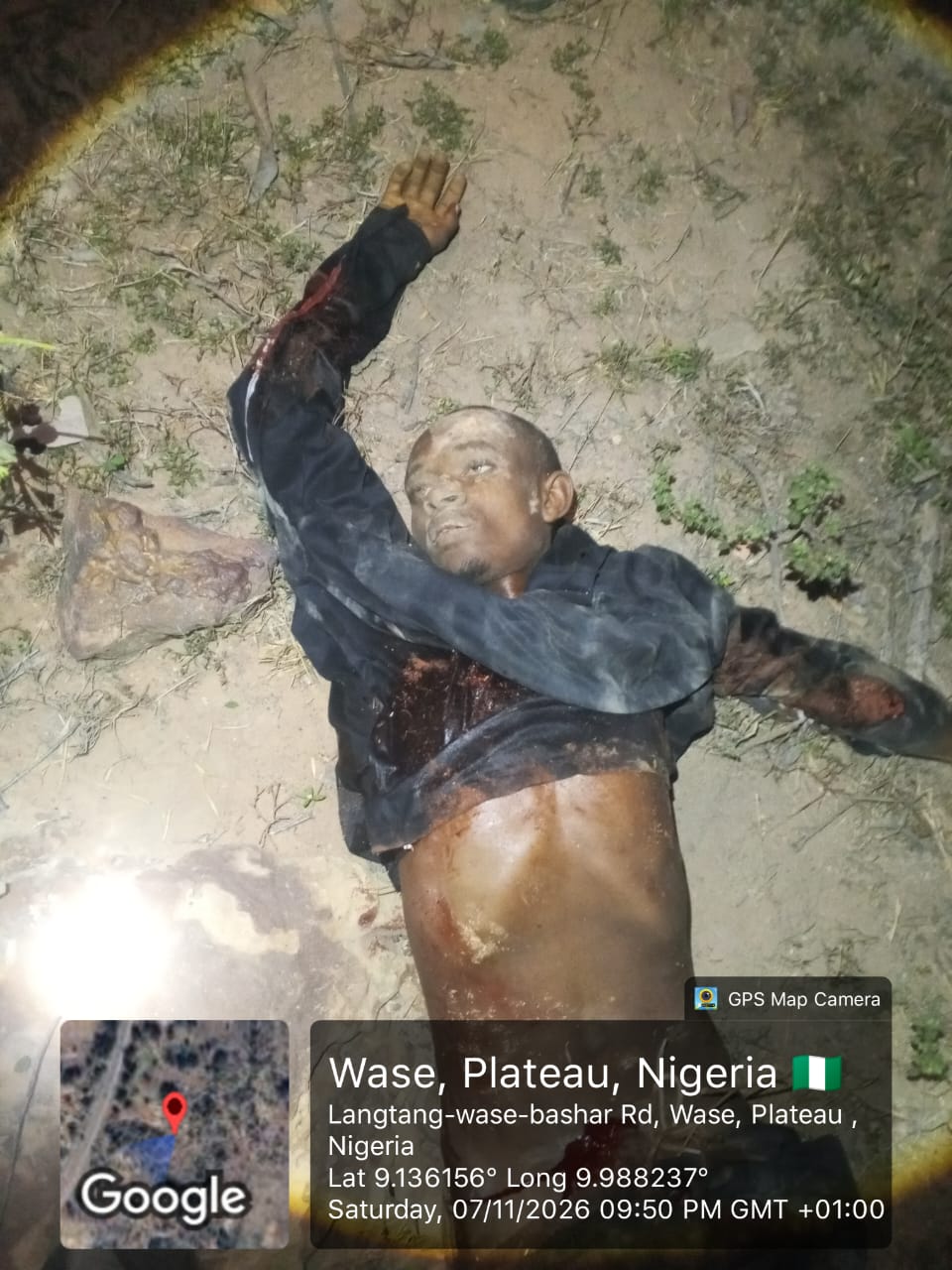
Troops Neutralise Two Suspects Arrested Over Killing of Plateau Couple During Escape Attempt
By: Zagazola Makama
Troops of Operation Enduring Peace (OPEP) have neutralised two suspected criminals arrested over the killing of a couple at Tabga/Dogon Ruwa village in Wase Local Government Area of Plateau State after they allegedly attempted to escape while being transported by security personnel.
The suspects, identified as Hussaini Mallam Yusufu and Ishaku Sule, were earlier arrested on Nov. 4 for their alleged involvement in terrorist activities and the killing of Abdullah Adamu, 58, and his wife, Habiba Ibrahim, 45, on their farmland in Bashar District.
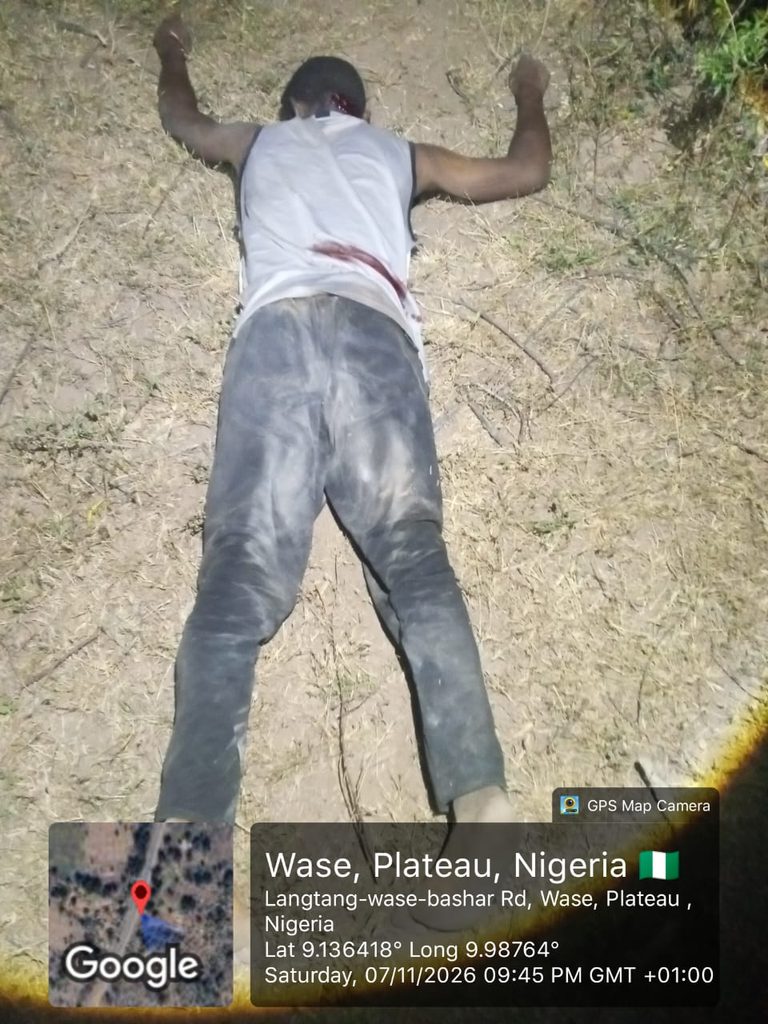
Security sources told Zagazola Makama that the incident occurred at about 10:00 p.m. on Nov. 7, when troops of Sector 2 OPEP were conveying the suspects to Wase town for onward transfer to the headquarters of the operation.
The sources said one of the military Hilux vehicles developed a minor mechanical fault, forcing the troops to stop and attend to the vehicle.
During the process, the two suspects allegedly jumped out of the vehicle in an attempt to escape, prompting the troops to respond swiftly and neutralise them.
Troops Neutralise Two Suspects Arrested Over Killing of Plateau Couple During Escape Attempt
Uncategorized
AFCSC Senior Staff Course Participants Visit 3 Division, Operation Enduring Peace Headquarters in Plateau
AFCSC Senior Staff Course Participants Visit 3 Division, Operation Enduring Peace Headquarters in Plateau
By: Zagazola Makama
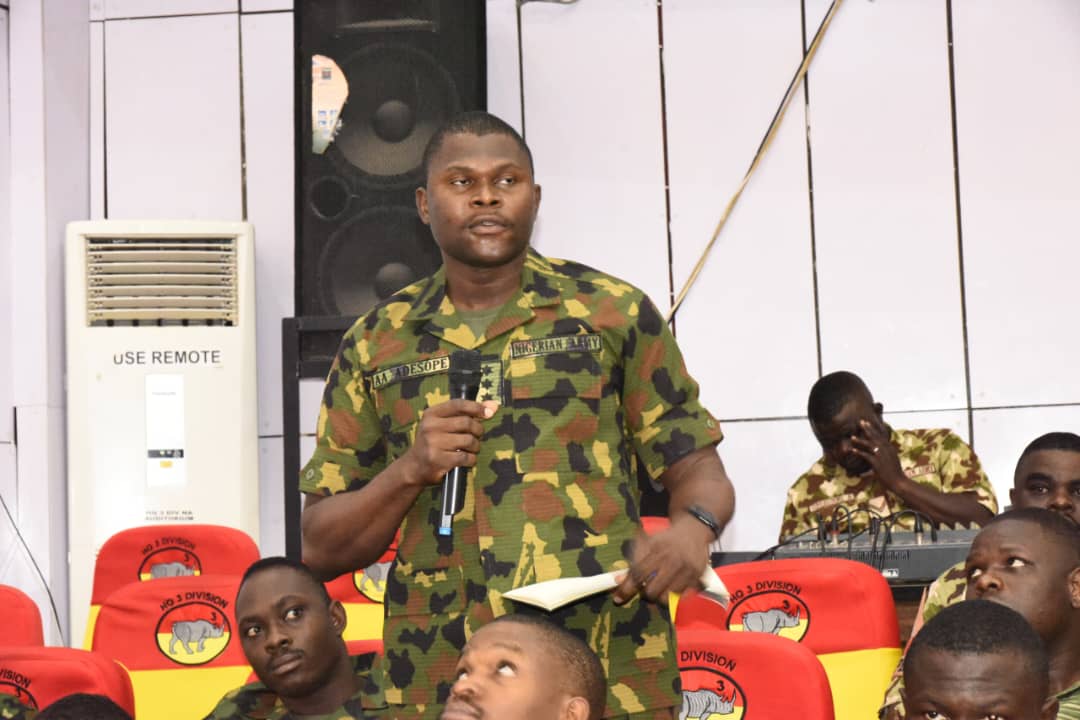
Participants of the Junior Staff Course 102/26 of the Department of Land Warfare (DLW), Armed Forces Command and Staff College (AFCSC), Jaji, have visited Headquarters 3 Division of the Nigerian Army and Operation Enduring Peace (OPEP) in Plateau State.
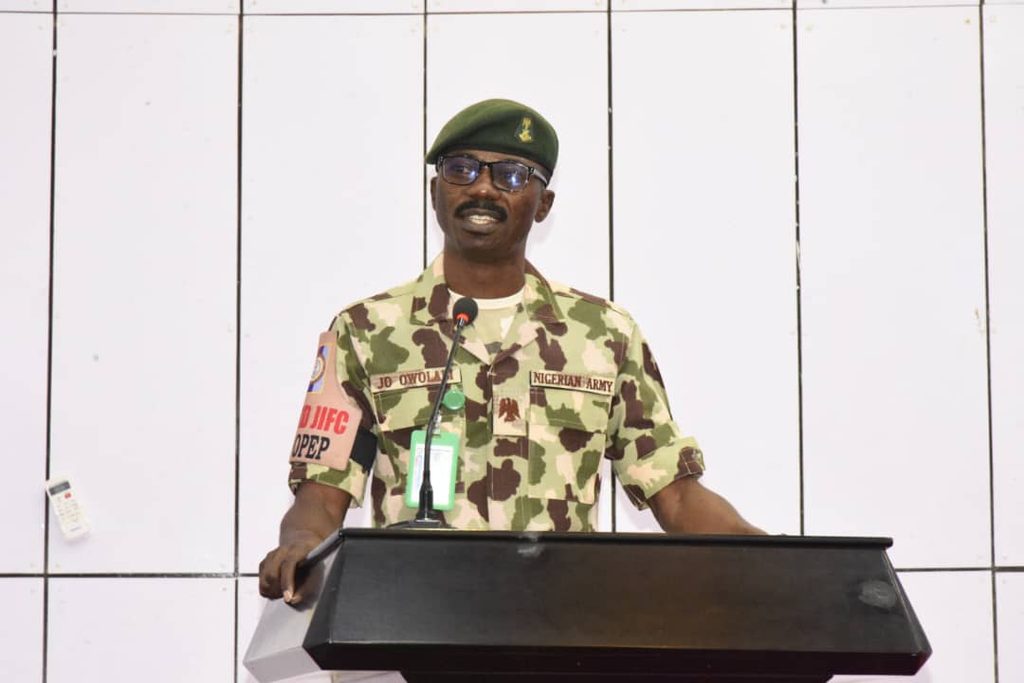
Security sources told Zagazola Makama that the delegation arrived at the headquarters at about 9:00 a.m. on Nov. 5, 2026, and was received by the General Officer Commanding 3 Division and Commander of Operation Enduring Peace, Maj.-Gen. W.M. Dangana.
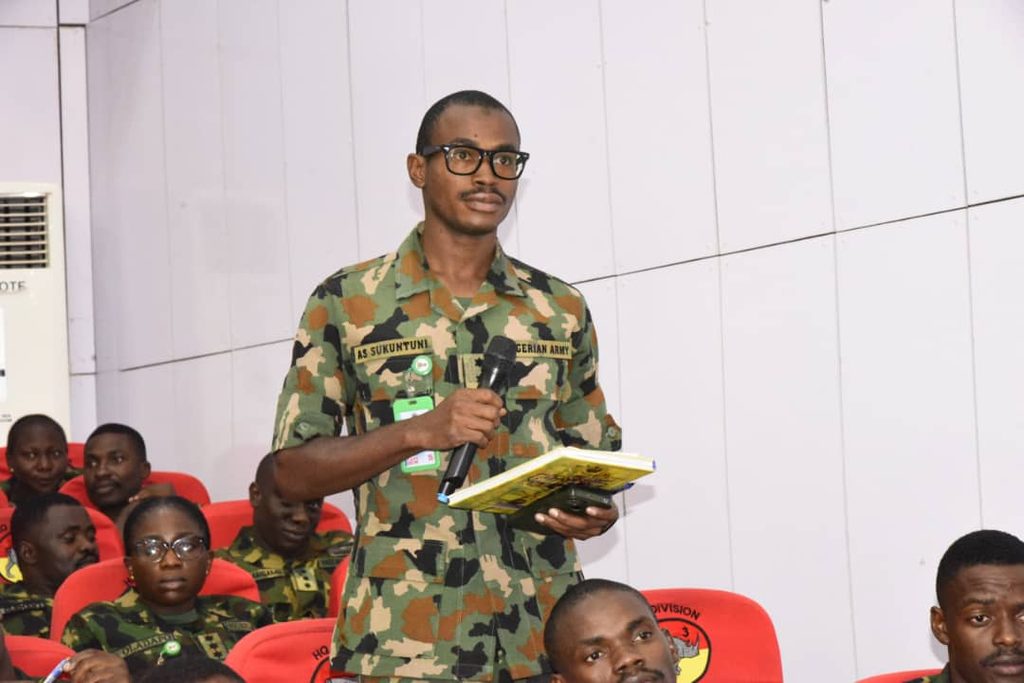
The team was led by the Director of Land Warfare, Brig.-Gen. B.O. Omokpaniola, who represented the Commandant of AFCSC, Jaji.
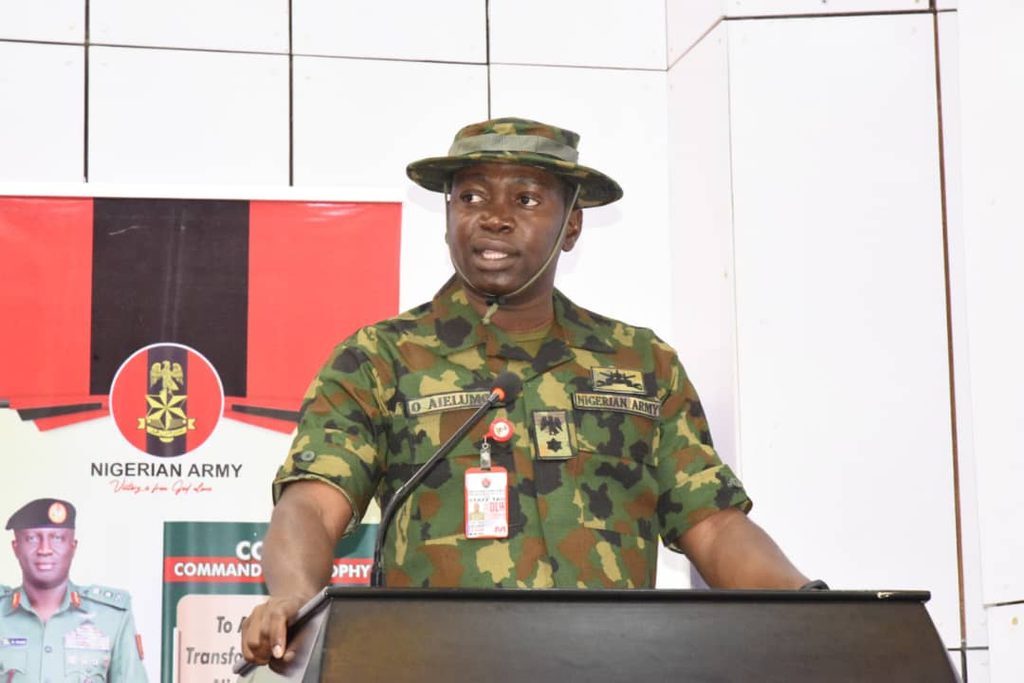
During the visit, the participants received a briefing on intelligence-led operations and contemporary security threats in the 21st century within the OPEP Joint Operations Area (JOA).
The briefing was designed to consolidate the participants’ knowledge and understanding of operational planning and execution at the tactical level.
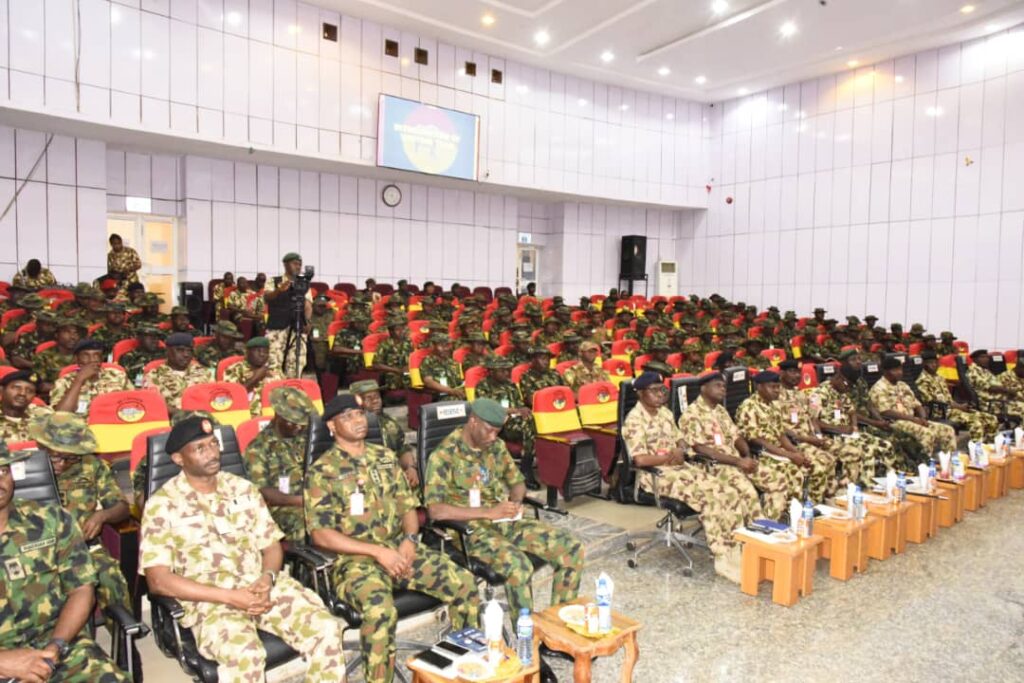
This was followed by an interactive session during which participants sought clarifications on various operational issues and made suggestions.
The visit was conducted without any incident.
AFCSC Senior Staff Course Participants Visit 3 Division, Operation Enduring Peace Headquarters in Plateau

Let Plateau breathe again: Governor Mutfwang confronts the painful truth about cattle rustling and violence

Nigerian military precision strikes neutralise 19 terrorists in Ngala, Borno

Troops, hunters neutralise ISWAP terrorist in ambush operation in Yobe

Roger Federer’s Shock as DNA Results Reveal Myla and Charlene Are Not His Biological Children

THE PLIGHT OF FARIDA

FAILED COUP IN BURKINA FASO: HOW TRAORÉ NARROWLY ESCAPED ASSASSINATION PLOT AMID FOREIGN INTERFERENCE CLAIMS
-
 News3 years ago
Roger Federer’s Shock as DNA Results Reveal Myla and Charlene Are Not His Biological Children
-
Opinions5 years ago
THE PLIGHT OF FARIDA
-
 News2 years ago
FAILED COUP IN BURKINA FASO: HOW TRAORÉ NARROWLY ESCAPED ASSASSINATION PLOT AMID FOREIGN INTERFERENCE CLAIMS
-
 Opinions5 years ago
POLICE CHARGE ROOMS, A MINTING PRESS
-

 News3 years ago
EYN: Rev. Billi, Distortion of History, and The Living Tamarind Tree
-

 ACADEMICS3 years ago
A History of Biu” (2015) and The Lingering Bura-Pabir Question (1)
-

 Columns3 years ago
Army University Biu: There is certain interest, but certainly not from Borno.
-

 Politics1 year ago
2027: Why Hon. Midala Balami Must Go, as Youths in Hawul and Asikira/Uba Federal Constituency Reject ₦500,000 as Sallah Gift
