
Security
Civil Defence: The Silence, Accountability And Death of Miners in Niger

Civil Defence: The Silence, Accountability And Death of Miners in Niger
By: Dr James Bwala
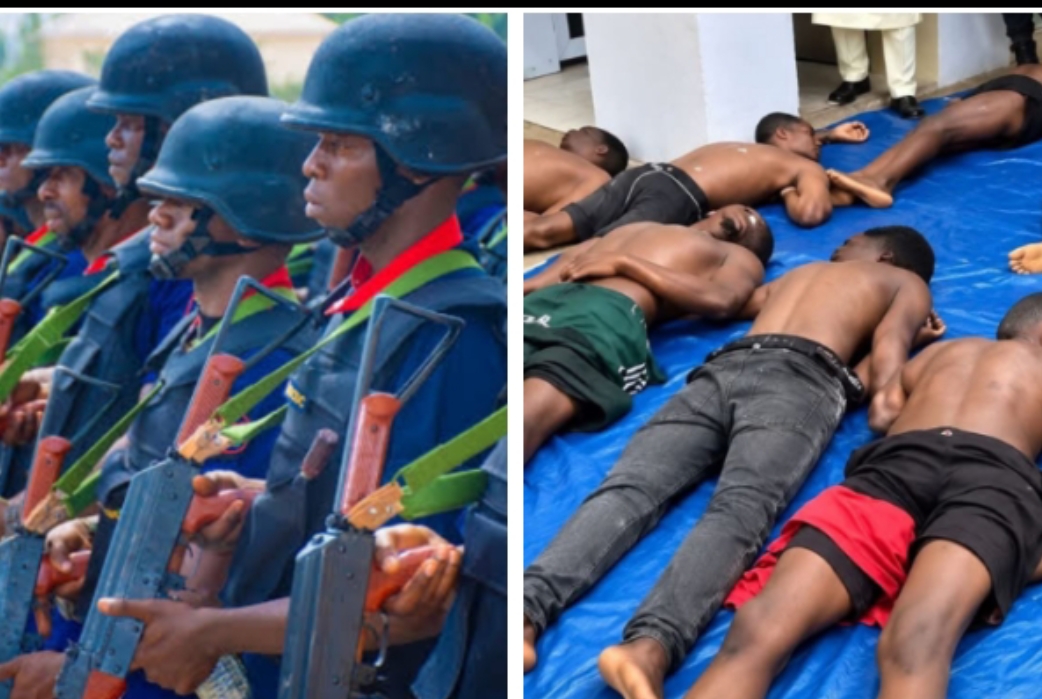
Thirty-seven (37) miners’ tragic death In Niger State, Nigeria is catastrophic. Residents said this incident was reportedly a result of the unholy actions of security operatives, and this has ignited a crucial national discourse. Beyond the immediate grief and calls for justice, this incident compels a deep examination of the role and conduct of security agencies, particularly the Nigeria Security and Civil Defence Corps (NSCDC), in protecting citizens. The question of how “civil” the NSCDC truly is in the face of such devastating loss, and whether this tragedy is a symptom of a broader problem of overzealousness and impunity within security forces, demands urgent attention. Nigeria stands at a precipice, forced to confront the chilling reality that those sworn to protect its citizens may, in some instances, be the very agents of their doom.
The Nigeria Security and Civil Defence Corps, established with the primary objective of protecting lives and property, maintaining peace and order, and assisting in the maintenance of security, arguably holds a mandate that should place it at the forefront of safeguarding communities, especially in resource-rich areas like Niger State where artisanal mining is prevalent. Its expanded mandate includes the protection of critical national infrastructure, disaster management, and mediating in civil disputes. However, the horrific situation surrounding the Niger miners’ deaths, if accurately reported, suggests a profound deviation from these core responsibilities. The sheer scale of the loss, allegedly at the hands of operatives meant to be ensuring safety, raises fundamental questions about the NSCDC’s operational ethos, training, and oversight mechanisms.
The public’s expectation is that security agencies act as bulwarks against insecurity, not as instruments of destruction. When allegations of this magnitude surface, the NSCDC’s silence, or at least the perceived lack of a swift, transparent, and decisive response, exacerbates public anxiety and distrust. The concept of “civil” in its name appears to be in stark contrast to the alleged brutality that led to the miners’ deaths. This disconnect between statutory duty and reported actions necessitates a thorough investigation into the chain of command, operational protocols, and the vetting processes for personnel deployed to such sensitive zones. Immediate, clear, and empathetic communication from the NSCDC regarding the Niger incident is absent, further fuelling speculation and widening the chasm between the corps and the populace it is meant to serve.
The Niger miners tragedy is not an isolated incident but, as alleged, a potent illustration of a concerning trend: the overzealousness of some security operatives in Nigeria, which often transcends the bounds of lawful conduct and results in egregious violations of citizens’ rights. This overzealousness can manifest in various forms, including excessive force, arbitrary arrests, extrajudicial killings, and intimidation. It is often fuelled by a cocktail of factors: inadequate training, a lack of robust oversight, a culture of impunity, and sometimes, a genuine misunderstanding or deliberate disregard of legal boundaries in the pursuit of perceived security objectives.
In many parts of Nigeria, communities live in fear not only of criminal elements but also of the very individuals tasked with protecting them. Reports of security operatives extorting money, harassing citizens, or even perpetrating violence are regrettably commonplace. The Niger incident, with its alleged direct causality between security action and mass death, represents an extreme, yet somewhat foreseeable, outcome of such unchecked power. The reasoning behind such actions, when they occur, often appears distorted, driven by a misguided belief that any perceived infraction by citizens warrants a brutal response or that individuals operating in informal sectors, like artisanal mining, are inherently criminal and thus subject to extreme measures. This belief is a dangerous fallacy that undermines the rule of law and the principle of innocent until proven guilty.
The tragedy in Niger demands a national introspection into the psychological conditioning of security personnel. Are they adequately prepared for the complexities of community policing? Do they possess the emotional intelligence and ethical grounding to de-escalate situations rather than resorting to violence? The uniforms they wear are symbols of authority and protection, but when wielded with excessive force or malicious intent, they become instruments of terror. This pervasive issue requires a multi-pronged approach, starting with a comprehensive review of recruitment and training curricula, emphasising human rights, de-escalation techniques, and the legal framework governing the use of force.
The cornerstone of any functional security apparatus and a prerequisite for a just society is accountability. Without it, the cycle of abuse and impunity will inevitably continue. The Niger miners’ deaths, and indeed all instances of alleged crimes committed by security operatives against innocent citizens, demand rigorous, independent, and transparent investigations. This is not merely a matter of retribution but a critical step in restoring public confidence and reinforcing the principle that no one is above the law, not even those who enforce it.
For the NSCDC, and indeed all security agencies implicated in misconduct, there must be a clear and determined commitment to accountability. This involves establishing robust internal mechanisms for reporting and investigating complaints, as well as cooperating fully with external oversight bodies, including the judiciary and human rights commissions. When operatives are found guilty of criminal acts, they must face commensurate legal consequences, irrespective of their rank or tenure. This sends an unambiguous message that such behaviour will not be tolerated and that justice will be served.
The current legal framework in Nigeria often presents challenges in prosecuting security personnel. This can be due to procedural complexities, lack of cooperation from within the agencies, or a general reluctance to hold operatives accountable. Overcoming these hurdles requires legislative reform, strengthening the capacity of investigative bodies, and fostering a culture within security agencies that prioritises ethical conduct and compliance with the law. The creation of independent ombudsman offices specifically tasked with investigating complaints against security forces could be a significant step towards achieving this.
In fact, the narrative of “criminals amongst us” that security forces often employ to justify their actions, while sometimes applicable, should not be a blanket excuse for violating the rights of innocent civilians. The burden of proof must always rest with the accusers, and due process must be meticulously followed. The Niger incident, if it involved operatives acting unlawfully, highlights the urgent need to identify, apprehend, and prosecute individuals who, by their actions, betray the trust placed in them and bring shame to the uniform. This is not about targeting security operatives but about ensuring that those who wear the uniform and engage in criminal activities are brought to justice, thereby protecting the integrity of the institutions and the safety of the populace.
The deaths in Niger serve as a stark reminder of the fragility of trust between citizens and security agencies in Nigeria. Rebuilding this trust requires more than mere statements of intent; it necessitates tangible actions that demonstrate a genuine commitment to reform and accountability. For the NSCDC and other security bodies, this means embracing a paradigm shift towards community engagement, human rights, and professional conduct.
Investing in continuous training that emphasises ethical decision-making, conflict resolution, and adherence to human rights standards is paramount. Recruitment processes must be scrutinised to ensure that individuals with a predisposition towards violence or a lack of empathy are not inducted into service. Moreover, effective oversight mechanisms, both internal and external, must be empowered to monitor performance, investigate grievances, and enforce disciplinary measures without fear or favour.
The government has a critical role to play in championing these reforms. This includes allocating adequate resources for training and welfare, enacting legislation that strengthens accountability, and publicly supporting efforts to ensure that security operatives uphold the highest standards of conduct. When security forces operate with transparency, respect for human rights, and a genuine commitment to serving and protecting the public, they build bridges of trust. Conversely, when they operate in secrecy, with impunity, and at the expense of innocent lives, they sow seeds of fear and resentment.
The Niger miners tragedy, a grim testament to the potential for abuse within security structures, must serve as a catalyst for profound change. It is a call to action to ensure that the NSCDC, and all other security agencies, truly embody the “civil” in their name and act as guardians of the Nigerian people. This involves not only holding perpetrators of crimes against citizens accountable but also fundamentally transforming the operational culture of security forces to prevent such tragedies from recurring. The ultimate goal is a Nigeria where citizens can feel secure in the knowledge that their protectors are indeed their allies and that justice is accessible to all, regardless of their status or circumstance.
Indeed, the deaths of 37 miners in Niger State under circumstances allegedly involving security operatives represent a profound crisis of trust in the country. The Nigerian state must move beyond rhetoric and implement concrete measures to reform its security architecture, emphasising rigorous training, robust oversight, and unwavering accountability. In fact, the tragedy in Niger must be the turning point, compelling a necessary, albeit painful, examination and transformation of the country’s security apparatus.
- James Bwala, PhD, is a security analyst and writes from Abuja.
Civil Defence: The Silence, Accountability And Death of Miners in Niger



Niger: How 37 Miners Died in NSCDC Custody
By: Dr James Bwala
The tragic suffocation of 37 miners while in the custody of the Nigeria Security and Civil Defence Corps (NSCDC) in Niger State is a serious violation of human rights that calls for an immediate, transparent, and unbiased investigation. If these claims are verified, it not only marks a heartbreaking loss of life but also highlights a shocking misuse of power. Reports indicate that the miners were arrested and confined in a poorly ventilated room, where they were exposed to teargas and other harmful substances, ultimately leading to their suffocation. This behaviour cannot simply be brushed off as excessive enforcement or a tragic accident; it’s a grave criminal issue, and those responsible must face justice.
Residents of Niger State have aptly labelled this alleged incident as “pure evil”, and their outrage is completely justified. Security agencies are meant to safeguard lives, uphold order, and enforce the law—not to torture, humiliate, or kill individuals in their care. When government officials turn a detention facility into a place of suffering and death, it undermines the very trust the public places in them. It’s crucial for the state to show that no uniform, rank, or institutional affiliation can protect anyone from accountability.
According to the account of a survivor, the miners were initially arrested in a group of 17 and taken to a cramped room lacking proper ventilation. Instead of keeping them safe, officers are said to have released tear gas into the small area. Later, another group of 48 individuals was added, pushing the total number of detainees to 65. The room quickly became dangerously overcrowded. A substance that resembled perfume was reportedly sprayed on the detainees before the room was sealed, leading many to struggle for air. The survivor stated that 37 people lost their lives as a result.
These allegations are incredibly troubling because they point to a troubling pattern of mistreatment rather than just a one-off incident of negligence. Regardless of whether the detainees were suspected of illegal mining or any other crime, they are still human beings with rights protected by the Nigerian Constitution and international human rights standards. Being arrested doesn’t strip someone of their right to life, dignity, medical care, and humane treatment. The principle is straightforward: while people can be deprived of their freedom through lawful means, their humanity must always be respected.
The government’s primary duty is to uncover the truth. Governor Mohammed Umar Bago and the relevant federal authorities need to ensure that the investigation is independent, thorough, and credible. The NSCDC shouldn’t be allowed to investigate itself without outside oversight. An unbiased investigative panel should be formed, including representatives from the judiciary, the National Human Rights Commission, medical experts, civil society organisations, and the victims’ families. It’s crucial to protect witnesses from intimidation and to preserve all relevant evidence.
The investigation should involve autopsies performed by qualified forensic pathologists, an examination of the detention facility, analysis of the substances allegedly used, a review of arrest records, and questioning of every officer involved. Closed-circuit camera footage, communication records, duty rosters, medical reports, and eyewitness accounts should all be gathered and scrutinised. The survivor’s testimony must be taken seriously and not brushed aside just because it’s uncomfortable or politically sensitive. If the substance used was tear gas or any chemical agent, experts need to assess whether it was deployed lawfully and if the officers understood the risks of using it in a confined, overcrowded space.
Accountability should reach far beyond just the officers who allegedly used the harmful substances. It’s crucial that commanding officers and senior officials who ordered, authorised, encouraged, or simply stood by and let this happen are also held accountable. In a system where a chain of command exists, responsibility doesn’t stop with the person holding the canister. Supervisors play a crucial role in preventing abuse, monitoring detention conditions, and promptly responding to signs of distress in detainees. Any efforts to cover up the incident, falsify records, delay medical help, or intimidate witnesses should lead to serious criminal and administrative consequences.
The government also has a responsibility to deliver justice and meaningful support to the families of the victims. While no amount of financial compensation can bring back a lost life, it is essential to recognise the pain endured and to help families who may have lost their primary earners. Authorities should ensure that the deceased are identified, their relatives are properly informed, accurate information is shared, and burial arrangements are made in consultation with the families. Survivors need access to medical care, psychological support, and legal assistance. They shouldn’t be treated as criminals just because they witnessed or survived a horrific event.
This incident also brings to light significant concerns regarding Nigeria’s strategy on illegal mining and law enforcement. Illegal mining can wreak havoc on the environment, rob communities of income, and foster insecurity. Government agencies have a legitimate role in regulating mining activities and apprehending those suspected of breaking the law. However, the battle against illegal mining must be fought within the bounds of the law. Effective enforcement cannot rely on torture, collective punishment, or extrajudicial killings. When security personnel mistreat suspects, they undermine, rather than bolster, the fight against illegal mining.
There’s a significant distinction between lawful detention and inhumane treatment. When a suspect is taken into custody, they should be brought to an authorised facility, properly documented, given access to legal counsel, and presented before a court within the legally mandated timeframe. Detention areas need to be safe, well-ventilated, and appropriate for the number of individuals being held. It’s crucial for officers to recognise that tear gas and other chemical agents can be extremely hazardous, particularly in confined spaces. Their deployment should be strictly regulated, backed by professional training, and accompanied by immediate medical response protocols. No detainee should ever be confined in a space where breathing becomes impossible.
The reported deaths should serve as a catalyst for a comprehensive review of detention practices across security agencies in Niger State and throughout Nigeria. Government inspections need to be frequent and surprise visits. Independent organisations should be granted access to detention facilities and the authority to conduct private interviews with detainees. Officers should undergo ongoing training in human rights, arrest protocols, crowd management, first aid, and the judicious use of force. Every agency must keep precise records of arrests, transfers, injuries, deaths, and medical care. Proper documentation is essential to prevent cover-ups and assist investigators in determining accountability.
Civil society and the media also play a vital role. Journalists should diligently investigate and report on these issues, amplifying the voices of survivors and their families while steering clear of unverified claims that could compromise legal processes. Human rights organisations should keep a close watch on the investigation and offer support to affected communities. Religious leaders, traditional rulers, professional groups, and community organisations should advocate for justice without resorting to violence or revenge. Public outrage should be channelled toward lawful accountability, not vengeance.
The authorities need to be vigilant against any attempts to brush off the allegations as mere propaganda or to label all the victims as unworthy simply because they were suspected miners. This kind of thinking is perilous. Justice shouldn’t be a privilege reserved for the popular, the wealthy, or those without suspicion hanging over them. The law’s role becomes even more crucial when the accused are in positions of power and the victims are vulnerable. If the victims did break the law, the appropriate course of action would be to prosecute them in a court of law. Taking their lives while in custody is not a legitimate form of punishment sanctioned by the state; it’s a far graver crime.
How the government responds will shape whether citizens maintain their trust in security institutions. A lacklustre response—like merely transferring a few officers, issuing a vague statement, or promising an investigation that leads nowhere—will only fuel public outrage and pave the way for future abuses. On the other hand, a robust response would involve the immediate suspension of those officers involved, an independent investigation, public sharing of the findings, prosecution when evidence warrants it, and reforms to ensure this doesn’t happen again. Transparency is key. Families and the public deserve regular updates instead of being met with secrecy and silence from officials.
In this situation, justice must be both personal and systemic. Individual officers who played a role in the deaths should be prosecuted. Simultaneously, the system that allowed for overcrowding, inadequate supervision, unsafe detention conditions, and potential chemical abuse needs to be overhauled. Otherwise, simply punishing a few individuals won’t stop another tragedy from occurring. Government agencies must establish clear guidelines, enforce them consistently, and hold violators accountable. An institution that prioritises protecting its members over the rights of victims will only perpetuate a cycle of abuse.
The tragic suffocation of the miners poses a significant challenge to Nigeria’s commitment to upholding the rule of law. It tests the professionalism of the NSCDC, the leadership of the state government, and the federal government’s readiness to tackle abuses by security forces. Most crucially, it raises the question of whether everyday citizens can truly expect protection when they interact with the state.
Governor Mohammed Umar Bago needs to take immediate action by calling for a thorough investigation and ensuring that the families of the victims receive the justice and support they deserve. The leadership of the NSCDC must fully cooperate and suspend any officer whose presence could sway witnesses or hinder the investigation. It’s essential that federal authorities, human rights organisations, and the judiciary work together to keep this issue in the public eye.
While we cannot bring back the thirty-seven lives lost, we must not let their deaths go unnoticed. The victims deserve dignity in their passing, truth for their families, and accountability for those responsible. The survivor’s call for justice must resonate loudly. Any officer who unlawfully used lethal force, ordered the alleged mistreatment, or failed to intervene must face the law. Anything less would send a message that security personnel can commit serious abuses without facing repercussions.
The government’s role is to protect life, not to take it away. The events in Niger State require more than just words of condemnation; they demand decisive action. We need an independent investigation, prosecution of those at fault, compensation for the victims’ families, protection for survivors, and urgent reforms in detention practices. Justice must be pursued transparently and impartially. Only then can the authorities begin to rebuild public trust and demonstrate that, in Nigeria, wearing a uniform does not grant a licence for cruelty and that every human life is precious.
* James Bwala, PhD, is a security analyst and writes from Abuja.
Niger: How 37 Miners Died in NSCDC Custody
Security
NSA, DCI and Nigeria’s Image: A Critical Assessment of the Alleged $9 Million Lobbying Contract

NSA, DCI and Nigeria’s Image: A Critical Assessment of the Alleged $9 Million Lobbying Contract
By: Dr James Bwala
I read Dr Aboubakar Sani’s commentary regarding the alleged signing of a US$9 million (approximately ₦12.6 billion) contract by the National Security Adviser (NSA), Nuhu Ribadu. This contract signing was said to have been carried out through a legal firm, Aster Legal, for a lobbying company abroad named DCI. Although it was said that the objective of the contract signing is to improve Nigeria’s international image, many Nigerians see this as another waste of resources. This purported initiative has sparked intense criticism of the NSA and generated heated debate on many social media platforms and public discussions around the security situations. Most of these arguments were primarily centred on the question of whether investing heavily in international image management is appropriate, particularly at this time, or effective when juxtaposed against the persistent and deep-seated security challenges that Nigeria is facing at the moment.
It is worrisome that the Nigerian government should be concentrating unequivocally on tackling the country’s deep-seated security problems and strengthening its security institutions instead of wasting huge public resources on lobbying contracts abroad to “whitewash” Nigeria’s image. Yet, a rigors scrutiny of the study of core themes like the root causes of Nigeria’s reputation challenges, accountability issues linked to the NSA and the broader political fallout for President Bola Ahmed Tinubu reveals the fallacies and dangers of placing primacy on image management over substantive governance reforms.
READ ALSO: https://newsng.ng/unite-north-vp-shettimas-call-for-peace-and-unity-among-northern-communities/
The strongest and primary argument against the so-called contract is the undeniable fact that Nigeria’s real and urgent problem is its failing security situation. The country is still bedevilled by widespread violence, including unending killings, kidnappings, banditry, ethno-religious conflicts and terrorist attacks, among others, which cumulatively erode public safety and destabilise communities across several regions. This widespread insecurity directly impacts the global perception of Nigeria. This is not just about negative press or bad branding; Nigeria’s reputation is inextricably linked to its inability to guarantee the safety and security of its citizens. This thinking of millions of Nigerians who have seen these insecurity problems firsthand is echoed by countless analysts and citizens alike who suggest that any attempt to rehabilitate Nigeria’s global standing without actual improvements in security will be superficial and ultimately ineffective. Indeed, a country’s image in the international arena is a reflection of its internal realities. Consequently, substantive progress in the fight against insecurity would naturally boost Nigeria’s profile on the world stage far more than the expensive public relations campaigns or lobbying efforts the NSA is undertaking.
However, the focus on resource-intensive international image management projects could entrench the cycle of misplaced priorities within the national administration. No amount of public relations can make up for systemic failure of governance, especially in areas as critical as national security. The government’s decision to spend billions of naira on an external lobbying firm is a signal that it prefers a “cash and carry” solution, aimed at trying to polish up Nigeria’s image externally, while the “ailing security stand” internally is neglected. This is not only politically tone-deaf but also morally questionable, considering the human cost of insecurity, borne by millions of Nigerians whose lives and livelihoods are under constant threat.
READ ALSO: https://newsng.ng/unite-north-vp-shettimas-call-for-peace-and-unity-among-northern-communities/
At the centre of the controversy is the role and the accountability of the national security adviser, Nuhu Ribadu. Now, many Nigerians are beginning to question his handling of the country’s security portfolio, especially in the wake of this alleged contract. There has been a growing demand from the public for greater transparency and scrutiny of how public funds are spent and whether such expenditures align with national security priorities. The lack of response or insufficient response to these concerns breeds suspicion about the administration’s real commitment to improving security. The contract negotiated through Aster Legal brings up important issues concerning fairness, the choice of consultants, and what the contract entails. The lack of official verification and the secrecy surrounding the contract’s nature and objective only deepen its ambiguity, leading to suspicions from both the public and political observers.
Political implications of the controversy go far beyond discussions related to budgets and governance of the relevant agencies. It seems that the operations conducted by the NSA, along with the entire governance process in the area of security in Nigeria, have become the subject for speculations concerning the political success of President Bola Ahmed Tinubu in the coming years. It is widely known that security-related issues have always played a decisive role in the political dynamics in Nigeria, shaping the attitude of the citizens towards those who govern. If the administration fails to deal with legitimate concerns of the population related to this matter, its political prospects may be severely damaged.
READ ALSO: https://newsng.ng/unite-north-vp-shettimas-call-for-peace-and-unity-among-northern-communities/
One of the salient aspects of the discussions on this claimed agreement is the highly emotional and negative language used throughout. Calling out the “whitewashing of the image of Nigeria”, the “cash and carry judiciary”, and the “ailing security stand” clearly shows how deeply disappointed and distrustful observers are of the intentions and capabilities of the government’s initiatives. Although the effect of such language may be seen as a way to arouse public sentiment about issues at hand, there is the possibility that this type of discussion will only widen the gap in understanding complex government policy decisions.
But there is also an analysis of this story that brings out some of its deficiencies, especially those relating to evidence and logic. Many arguments made are made based on statements made by unnamed Nigerians, observers of the debate on the issue through social media networks, and other “others”. Some of the fundamental issues which the story does not address include the following: who is actually opposing the contract? Is there any evidence at all of negotiations or implementation of the contract? What is the profile and mandate of DCI? And has the government recognised the contract and its goals?
READ ALSO: https://newsng.ng/unite-north-vp-shettimas-call-for-peace-and-unity-among-northern-communities/
In fact, the argument creates a false choice by making it seem like the government has to pick between spending on security upgrades and work on its public image, as if they can’t both happen at the same time. In real life, governments usually use a variety of approaches that involve changing their security systems and also working on relationships and image building with other countries. Even though the size and timing of these efforts need to be carefully looked at, throwing out one method completely misses the complicated nature of how modern governments operate. Depending too much on what the majority thinks without any real evidence can make an argument seem strong, but it doesn’t actually prove that something is wrong or that a bad decision was made.
Some political predictions, like guesses about President Tinubu’s election chances or how different regions might react, are not very reliable. This makes the analysis less strong and not as helpful. Political predictions can be uncertain and sometimes help start conversations, but guesses without solid evidence should be clearly separated from real analysis to keep trust intact.
READ ALSO: https://newsng.ng/unite-north-vp-shettimas-call-for-peace-and-unity-among-northern-communities/
The reported $9 million lobbying deal, supposedly signed by Nigeria’s National Security Adviser, has sparked a major discussion about what the government should focus on, especially during a serious national security situation. The most powerful and convincing part of the criticism is the main idea that dealing with Nigeria’s serious security problems is the key way to improve its standing in the world. Real, long-term improvements in the country’s security systems and how it’s run would naturally make Nigeria look better and increase its standing in the world, much more than spending a lot of money on trying to look good to others.
But the debate over the contract stresses transparency, accountability and evidence-based policy evaluation. Why? “… Despite the political significance of public dissatisfaction and its justifiable level of understanding, it must be accompanied by clear documentation and official clarity regarding government contracts, objectives, and expenditure decisions. Policymakers must consider multiple aspects of their approaches to ensure that legitimate security needs are prioritised while also acknowledging the importance of international diplomacy and image cultivation, as long as these efforts are strategically aligned and financially savvy.
READ ALSO: https://newsng.ng/unite-north-vp-shettimas-call-for-peace-and-unity-among-northern-communities/
In the end, Nigerian officials must demonstrate that they prioritise the security and welfare of their citizens over superficial image concerns. Nigeria’s ability to regain confidence domestically and improve its standing and influence on the international stage requires a firm determination to address security issues on ground and not on paper.
* James Bwala, PhD, writes from Abuja.
NSA, DCI and Nigeria’s Image: A Critical Assessment of the Alleged $9 Million Lobbying Contract
Security
Insecurity: “We negotiated released of 416 abducted women and Children from Ngoshe, not military rescue operations’ – Kaigama

Insecurity: “We negotiated released of 416 abducted women and Children from Ngoshe, not military rescue operations’ – Kaigama
By: Dr. James Bwala
Military strength and governmental authority often herald the release of abducted women and children in conflict zones. Official narratives typically emphasize the decisive role of security forces, portraying rescue operations in terms of tactical prowess and national resolve. However, the statement made by Samaila Ibrahim Kaigama, President of the Southern Borno Youth Alliance, challenges this conventional account with a claim that fundamentally redefines the nature of the recent release of 416 abducted individuals from Ngoshe in Southern Borno.
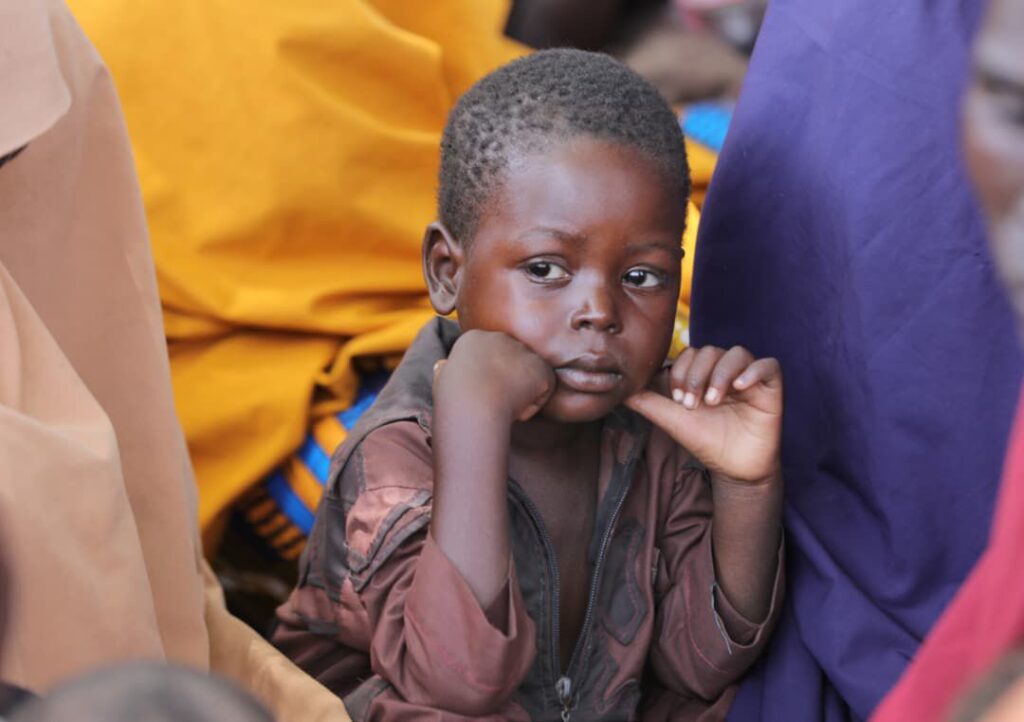

According to Kaigama, there was no military rescue operation; instead, the liberation was the result of delicate negotiations spearheaded by his community-based alliance, and yet politicians and the military have unjustly claimed credit. This perspective demands careful consideration and underscores critical issues about information dissemination, the role of grassroots actors in conflict resolution, and the credibility of official accounts.
READ ALSO: https://newsng.ng/insecurity-and-citizens-armaments-why-tinubu-and-shettima-should-not-ignore-the-red-lines/
The narrative presented by Kaigama reveals a vital reality often obscured by official state-centered stories: that negotiation and local agency are indispensable strategies in hostage situations and deserve far greater recognition and transparency than they currently receive.

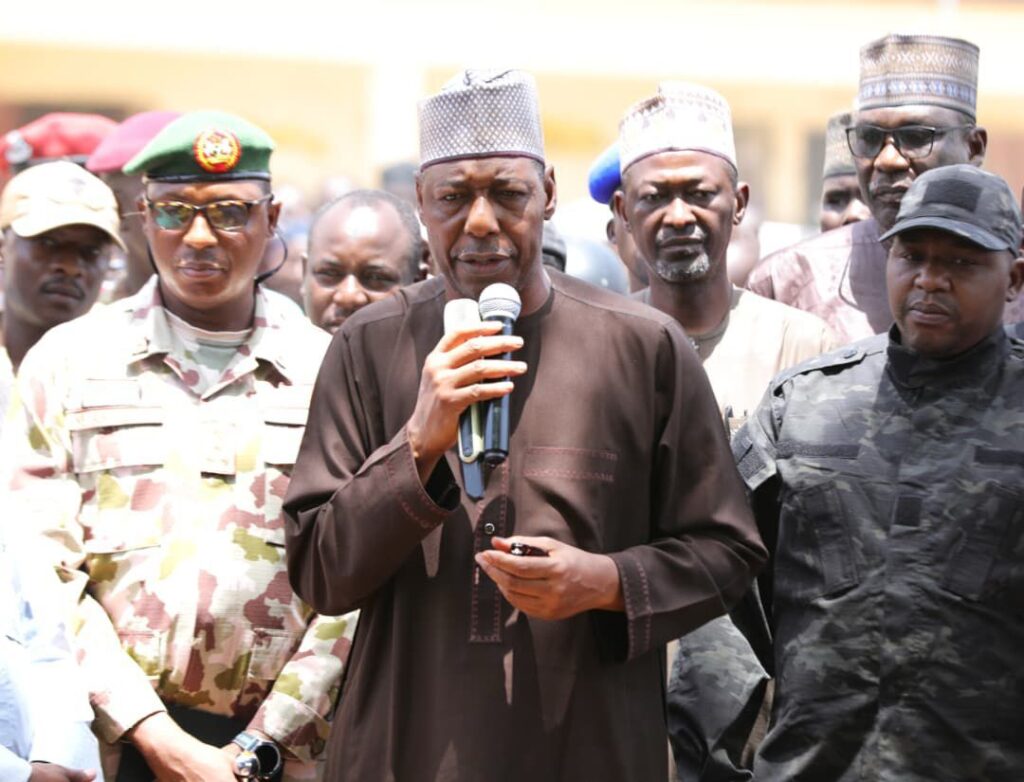
The claim that “there was no rescue operation” directly contradicts widely reported accounts attributing the release to a successful military intervention. This contradiction is not merely a semantic dispute; it strikes at the heart of how security crises are framed politically and socially. Official reports often prioritize the image of a strong, capable military as the primary agent for restoring safety, thereby reinforcing public confidence in state institutions and justifying ongoing military expenditures and strategies. Yet, if negotiations conducted by local actors like the Southern Borno Youth Alliance were indeed instrumental in securing freedom for hundreds of abducted women and children, then the centrality of military operations becomes questionable. Recognizing this alternative narrative is essential to appreciating the full complexity of responses to terrorism and abduction in Nigeria’s northeast region.
READ ALSO: https://newsng.ng/insecurity-and-citizens-armaments-why-tinubu-and-shettima-should-not-ignore-the-red-lines/
Kaigama’s statement also highlights the crucial but frequently overlooked role of community-based groups—such as the Southern Borno Youth Alliance—in navigating highly sensitive and dangerous situations. Unlike large-scale military operations, these groups often operate quietly within affected communities, leveraging trust, cultural knowledge, and personal relationships to establish dialogue channels with insurgents or kidnappers. Their involvement is vital because violent extremist groups frequently reject formal government overtures while remaining responsive to community intermediaries who share their linguistic, ethnic, or geographical backgrounds. The success of negotiations asserted by Kaigama demonstrates that grassroots actors can play an indispensable peacekeeping and life-saving role, which challenges the dominant security paradigm that marginalizes non-state efforts. Elevating such local actors’ contributions can foster more inclusive approaches to conflict resolution, build community resilience, and reduce reliance solely on military force.
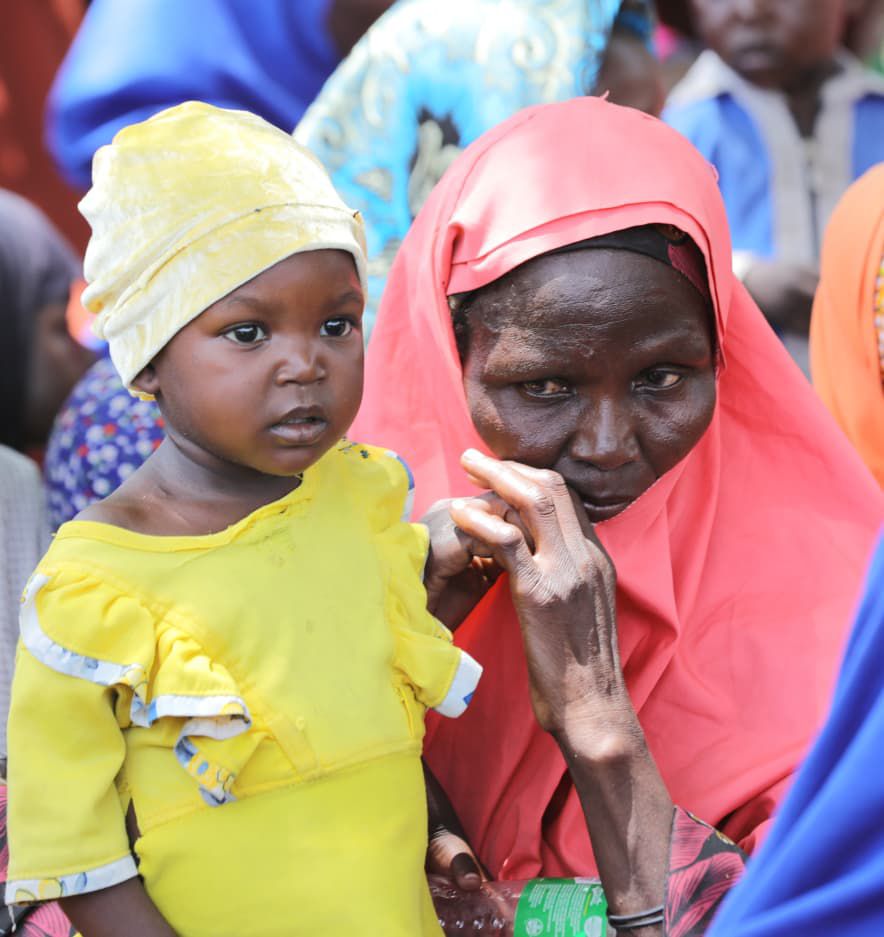
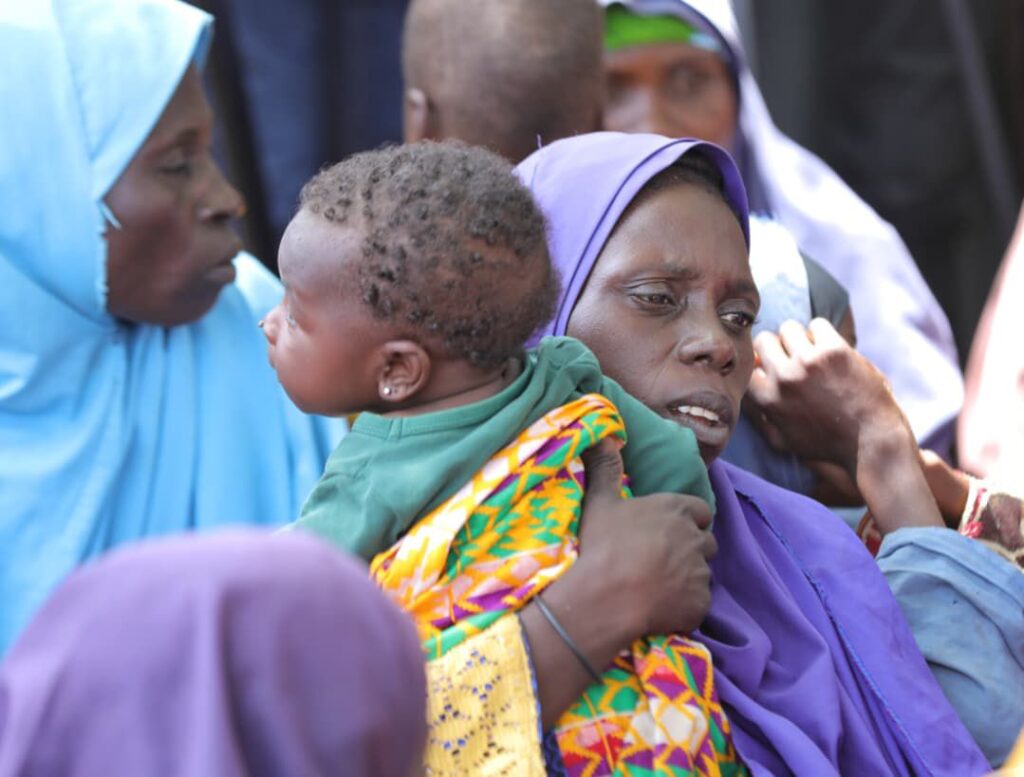
In addition, the allegation that politicians and the military have taken undue credit for the release warrants serious scrutiny. This accusation points to a broader phenomenon wherein state officials and security agencies may engage in image management to bolster political legitimacy and public perception. Claiming responsibility for the safe return of abductees strengthens the state’s narrative of control and effectiveness, which can be critical in areas plagued by insecurity and skepticism toward authorities. However, appropriating credit without acknowledging the contributions of non-state negotiators risks eroding trust and alienating key stakeholders who are invested in peacebuilding efforts. Transparent recognition of all parties involved in resolving such crises is necessary to foster cooperation, encourage community participation, and ensure accountability. It is also ethically imperative to give due credit, especially when lives are saved through collective action rather than unilateral state action.
READ ALSO: https://newsng.ng/insecurity-and-citizens-armaments-why-tinubu-and-shettima-should-not-ignore-the-red-lines/
The timing and circumstances described by Kaigama—that the Southern Borno Youth Alliance intervened when abductors were reportedly preparing to execute captives—add a moral dimension to their role. This statement portrays the group not only as negotiators but also as protectors who acted to prevent a massacre. Such positioning elevates their status from mere intermediaries to lifesaving agents, injecting urgency and gravity into their claims. The implication that without their intervention the captives would have been slaughtered challenges narratives that depict the military as the sole protector of civilians. This moral framing compels observers, policymakers, and the public to reconsider assumptions about control, agency, and the rightful holders of responsibility during crises. It also underscores that negotiation, often viewed as a sign of weakness or concession, can be a powerful and ethical means of preserving human life under extreme duress.
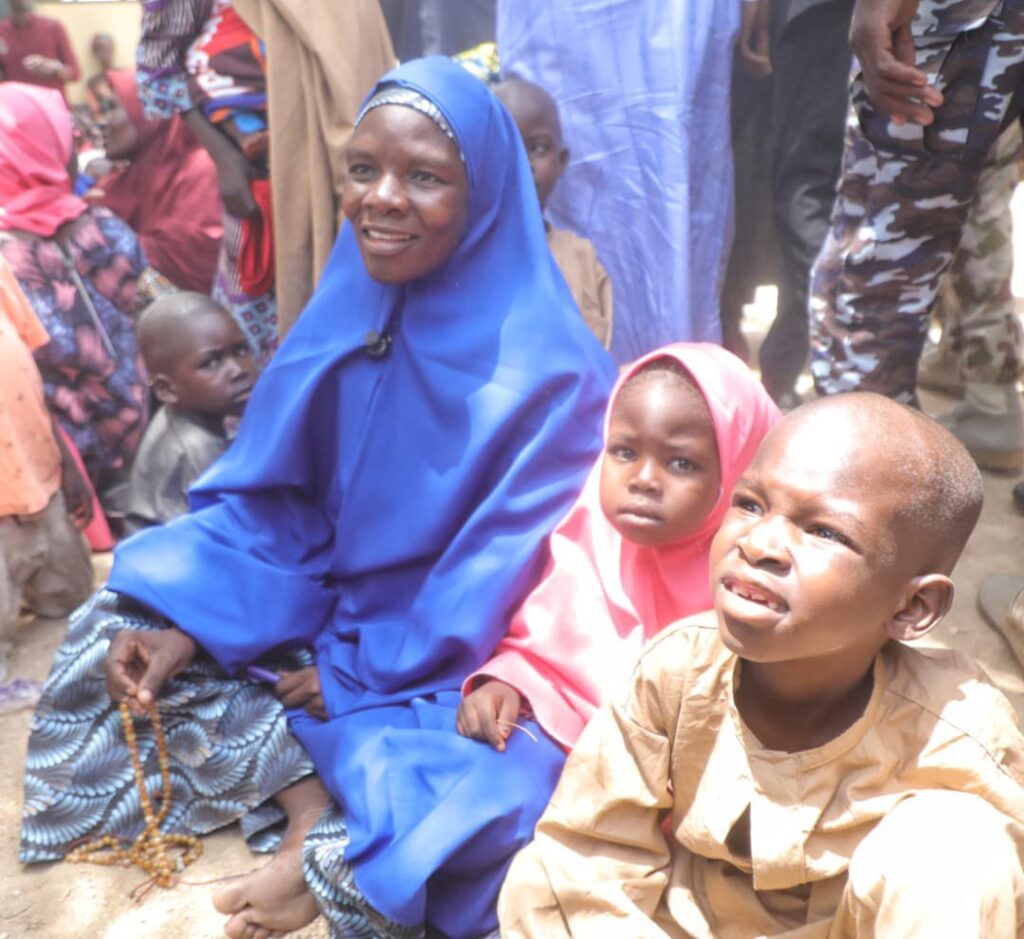

However, while Kaigama’s claims are compelling and illuminate important perspectives, it is essential to approach them with a measured epistemological stance. The statement as presented remains an allegation and must be distinguished from independently verified facts. To rigorously assess its accuracy, comprehensive fact-checking is required, involving cross-examination of official security reports, independent media investigations, and direct testimonies from released victims and their families. Evidence confirming the existence and details of negotiations, such as communications records or credible witness accounts, would be critical. Without such verification, the counter-narrative, although plausible and significant, should be reported responsibly and not conflated with established truth. This cautious approach maintains journalistic integrity and fosters informed public discourse while acknowledging the complexities inherent in conflict reporting.
READ ALSO: https://newsng.ng/insecurity-and-citizens-armaments-why-tinubu-and-shettima-should-not-ignore-the-red-lines/
The communication strategy employed in the original statement effectively uses rhetorical techniques that merit examination for their influence on public perception. Phrases like “There was no rescue,” “What we did,” and “Let us not mislead Nigerians” employ direct contradiction, assertion of ownership, and moral admonition to challenge dominant narratives assertively. This strategy aims to reframe the discussion by appealing to transparency, justice, and communal pride. It is a powerful call to scrutinize official accounts and consider alternative realities shaped by local experience. Understanding this rhetorical framing is essential for analysts, journalists, and policymakers, as it reveals how stakeholder groups craft messages intended to shape narratives, gain legitimacy, and impact decision-making processes related to security and peace efforts.
The newsworthiness of Kaigama’s statement lies precisely in its capacity to unsettle the established narrative around military effectiveness and hostage release dynamics. By foregrounding negotiation over force, local agency over state monopoly, and potential misinformation over official messaging, the statement invites deeper investigation and debate. It raises urgent questions about the ethics of information control, the inclusivity of peacebuilding measures, and the recognition of all actors contributing to conflict resolution. These questions resonate beyond Nigeria’s borders, touching on global themes of counterinsurgency, human rights, and the politics of security communication. Consequently, responsible media outlets and policymakers must consider such claims seriously while maintaining rigorous standards of verification to avoid misinformation and propaganda.
READ ALSO: https://newsng.ng/insecurity-and-citizens-armaments-why-tinubu-and-shettima-should-not-ignore-the-red-lines/
Samaila Ibrahim Kaigama’s statement concerning the release of abducted women and children from Ngoshe presents a persuasive challenge to the prevailing official narrative that credits military forces with rescue operations. His account emphasizes the central role of negotiation led by the Southern Borno Youth Alliance, the misappropriation of credit by political and military actors, and the moral urgency of their intervention to save lives. This perspective underscores the indispensable contributions of local actors in conflict resolution and calls for transparent acknowledgment of their efforts.
While independent verification remains essential to substantiate these claims fully, the assertion itself invites critical reflection on how narratives of security are constructed and disseminated. Recognizing the multiplicity of actors and strategies involved in liberating hostages enriches understanding, promotes collaborative peace efforts, and ensures that the stories of those who truly make a difference are neither overlooked nor distorted. Thus, embracing such nuanced and inclusive accounts is crucial for advancing effective, ethical, and people-centered approaches to security challenges in Nigeria and beyond.
* James Bwala, PhD, writes from Abuja.
Insecurity: “We negotiated released of 416 abducted women and Children from Ngoshe, not military rescue operations’ – Kaigama

Niger: How 37 Miners Died in NSCDC Custody

The Persistent Political Scar on Nigeria: Fulani Ethnic Groups as the New Target of Demonization
NiDCOM Audit: NIDO Demands Answers, Board Constitution Over 13 Queries

Roger Federer’s Shock as DNA Results Reveal Myla and Charlene Are Not His Biological Children

THE PLIGHT OF FARIDA

FAILED COUP IN BURKINA FASO: HOW TRAORÉ NARROWLY ESCAPED ASSASSINATION PLOT AMID FOREIGN INTERFERENCE CLAIMS
-
 News3 years ago
Roger Federer’s Shock as DNA Results Reveal Myla and Charlene Are Not His Biological Children
-
Opinions5 years ago
THE PLIGHT OF FARIDA
-
 News1 year ago
FAILED COUP IN BURKINA FASO: HOW TRAORÉ NARROWLY ESCAPED ASSASSINATION PLOT AMID FOREIGN INTERFERENCE CLAIMS
-

 News3 years ago
EYN: Rev. Billi, Distortion of History, and The Living Tamarind Tree
-
 Opinions5 years ago
POLICE CHARGE ROOMS, A MINTING PRESS
-

 ACADEMICS3 years ago
A History of Biu” (2015) and The Lingering Bura-Pabir Question (1)
-

 Columns3 years ago
Army University Biu: There is certain interest, but certainly not from Borno.
-

 Politics1 year ago
2027: Why Hon. Midala Balami Must Go, as Youths in Hawul and Asikira/Uba Federal Constituency Reject ₦500,000 as Sallah Gift
