
Politics
2027: President Tinubu, Health Rumours, Politics And Response of Confidence and Responsibility

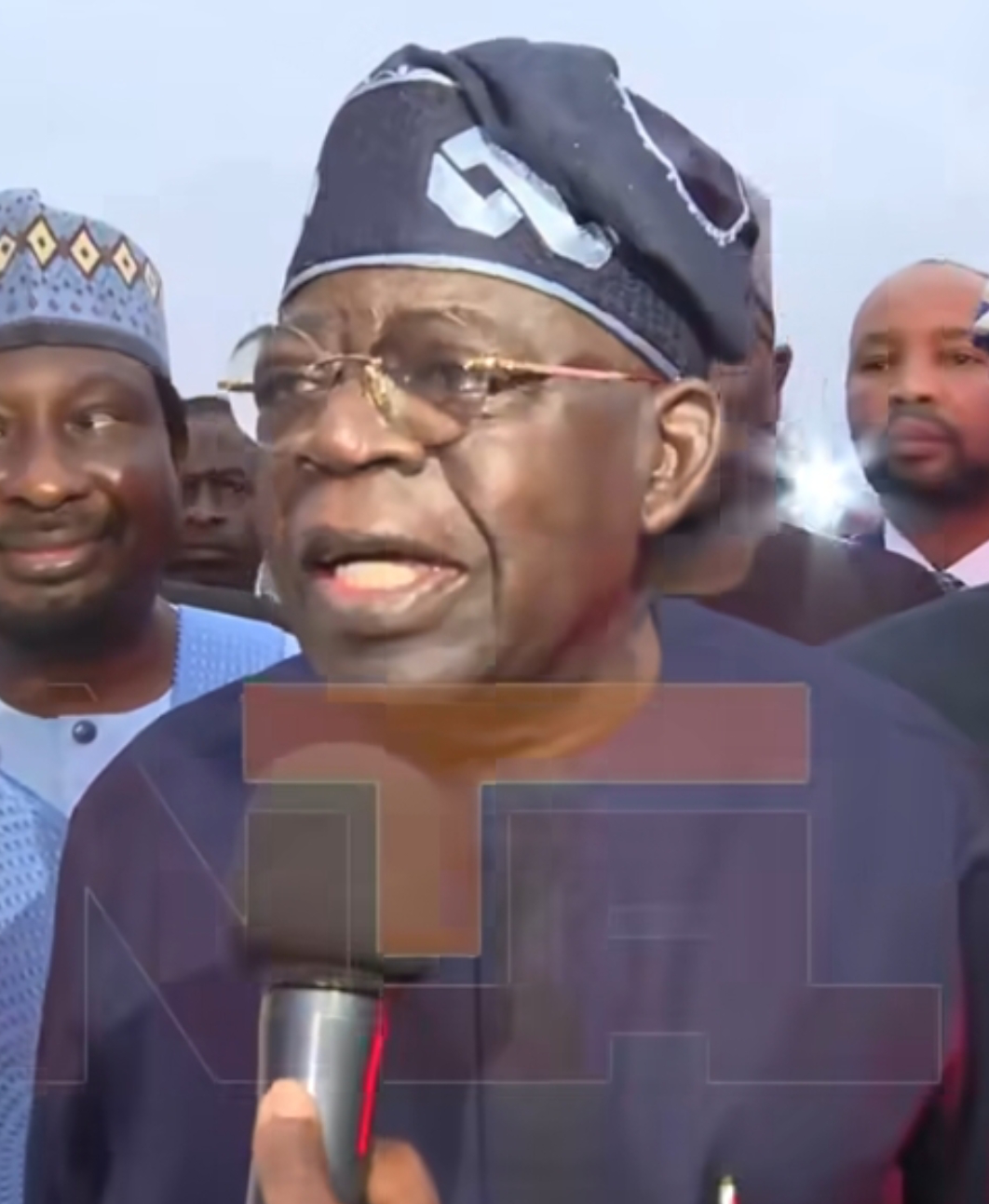
2027: President Tinubu, Health Rumours, Politics And Response of Confidence and Responsibility
By: Dr James Bwala
Rumours about the health of Nigeria’s President Bola Ahmed Tinubu have travelled far and wide, especially in the camps of the opposition, who speak about it with pride and confidence. Within the ruling All Progressive Congress, APC corners talks and whispers rent the humid air with silent prayers. But it is common for everyone to fall sick, with no barrier between the mighty and the lowly. The rich and the poor all have tasted it either way. In politically competitive environments, sadly, it becomes a celebration of sorts to see an opponent in a weakening state, even if it is illness. So the rumours take the air about President Tinubu. This has generated anxiety, affected public confidence, and distracted attention from important national issues with such mindless imagination in politics. However, at the end of his vacation in the United Kingdom and France, President Bola Ahmed Tinubu addressed speculation about his health during an interview in Lagos. In a brief but confident statement, he said, “I enjoyed myself. Ready to kick, ready to walk – there is nothing wrong. Rumours will always be emanating from politics, but the fact remains I am here healthy, sound and ready to go.”
The president’s response was more than a personal denial. It was a direct attempt to reassure Nigerians, challenge opposition narratives, and redirect public attention toward the responsibilities of governance. His words presented a picture of a leader who was physically active, mentally prepared, and willing to continue discharging his duties. While public officials must be open and accountable about matters that affect their ability to govern, the president’s statement also reminds the public that political rumours should not automatically be treated as facts.
The central strength of President Tinubu’s response was its simplicity. Rather than offering a long explanation or engaging in an extended argument with his critics, he used a few direct words to communicate confidence. The expressions “ready to kick” and “ready to walk” conveyed energy, mobility, and readiness. His declaration that there was “nothing wrong” was intended to remove doubts and reassure citizens who might have been concerned by reports circulating in political and media circles.
In an age when public figures often respond to rumours with lengthy statements, legal threats, or aggressive attacks on their opponents, the president’s brief response was strategically effective. It demonstrated that he did not consider the claims serious enough to require an elaborate defence. By stating that he had enjoyed himself during his vacation and was returning healthy and sound, he presented himself as calm rather than defensive. This tone can be persuasive because confidence is often communicated not only through the content of a message but also through the manner in which it is delivered.
The president’s response also placed the rumours within the wider context of politics. His observation that “rumours will always be emanating from politics” acknowledged a reality of democratic competition. Opposition parties and political actors frequently scrutinise the government and may use every opportunity to question the competence, strength, or stability of those in power. Such scrutiny is legitimate when it is based on facts and directed toward the public interest. However, political competition can become harmful when it relies on unverified claims, personal attacks, or speculation about an individual’s private condition.
Health rumours are particularly sensitive because they concern both personal privacy and public responsibility. On one hand, every individual, including a president, has a right to dignity and reasonable privacy. On the other hand, the president’s health is a matter of national interest because the office involves demanding constitutional, administrative, and diplomatic responsibilities. Citizens are entitled to confidence that their leader is capable of carrying out those responsibilities. This balance requires transparency without sensationalism and accountability without cruelty.
President Tinubu’s statement attempted to achieve that balance by offering a direct public assurance. He did not dismiss the concerns of citizens as entirely irrelevant; rather, he addressed them by affirming his physical condition and readiness to work. His words suggested that Nigerians should judge his capacity through his visible activities and official performance, not through rumours circulated for political purposes.
The president’s response was also important because uncertainty can have consequences beyond public discussion. Persistent rumours about the health of a national leader may affect investor confidence, government morale, international perceptions, and the stability of political institutions. In a country facing economic pressures and social challenges, unnecessary uncertainty can deepen public anxiety. A clear message from the president can therefore help to reduce speculation and restore attention to policy matters.
Nevertheless, reassurance alone cannot permanently resolve questions about a leader’s health. In a modern democracy, trust is built through consistent transparency and observable performance. Citizens may accept a president’s statement, but they also expect to see evidence of effective leadership in the form of regular public engagements, active participation in government affairs, and the timely execution of official duties. Words are important, but they gain credibility when supported by action.
For this reason, the president’s assurance should be understood as the beginning of a broader responsibility rather than the end of the matter. If the administration wishes to prevent health rumours from recurring, it must maintain a clear and credible communication strategy. The presidency should provide timely information about the president’s official schedule, public engagements, and periods of absence. Such communication would not require the disclosure of private medical details. It would simply enable citizens to distinguish between legitimate information and politically motivated speculation.
The opposition, for its part, also has a responsibility to conduct itself with restraint. In a democracy, the opposition is expected to question government decisions, expose weaknesses, and offer alternative policies. It should not, however, rely on unverified health claims as a substitute for substantive criticism. The most effective opposition is one that challenges the government on issues such as economic management, unemployment, security, education, healthcare, and institutional accountability. Personal rumours may attract temporary attention, but they do little to advance national debate.
A political system becomes healthier when criticism is focused on performance rather than personal attacks. If the opposition believes that the president is unable to perform his duties, it should present credible evidence and use constitutional and democratic channels. If no such evidence exists, spreading rumours is irresponsible. It can damage not only the reputation of the president but also the credibility of the opposition and the stability of the nation.
The media also plays a major role in shaping public understanding of health-related claims. Journalists have a duty to verify information before publishing or broadcasting it. Sensational headlines based on anonymous sources, social media posts, or political gossip can create unnecessary fear. Responsible journalism should distinguish between confirmed facts, official statements, and unverified allegations. It should also give the public context rather than simply repeating rumours.
At the same time, citizens must develop the habit of evaluating political information critically. Social media has made it possible for false claims to spread rapidly, often before facts can catch up. A photograph, video clip, or anonymous message may be presented as proof of illness even when it has been taken out of context. Nigerians should therefore ask important questions: What is the source of the information? Has it been independently verified? Is the claim supported by credible evidence? Could it be part of a political strategy?
President Tinubu’s choice to respond personally was significant because it placed his own voice at the centre of the discussion. In political communication, personal engagement can be more effective than a statement issued solely by aides. By speaking in Lagos and describing himself as healthy, sound, and ready to work, he sought to show that he was not hiding behind official machinery. His response communicated immediacy and confidence.
However, the effectiveness of such a response depends on the public’s existing level of trust. Where citizens already have confidence in a leader, a brief assurance may be sufficient. Where distrust is widespread, a simple denial may not satisfy everyone. This is why the broader conduct of the administration matters. Transparency in governance, regular communication, and visible institutional accountability can strengthen the credibility of presidential statements.
The president’s words also reflected a determination not to allow political rumours to define his administration. By saying that he was “ready to go”, he presented himself as focused on the work ahead. This is particularly important for a country facing complex challenges, including economic hardship, inflation, insecurity, unemployment, and institutional reform. The nation needs its political leaders to concentrate on solving these problems rather than spending excessive time responding to every allegation.
Yet dismissing rumours should not mean dismissing legitimate public concern. Political leaders must understand that citizens are not always motivated by malice when they ask questions about a president’s health. In many cases, concern arises from the importance of the office and from past experiences in which information was withheld from the public. A respectful and transparent response is therefore preferable to insults or intimidation. The public deserves facts, while the president deserves fairness.
Ultimately, President Tinubu’s statement was persuasive because it combined personal assurance with a broader criticism of political rumour-mongering. His message was short, direct, and confident: he had enjoyed his vacation, remained physically capable, and was prepared to continue his duties. By describing the rumours as a product of politics, he urged Nigerians to separate genuine public interest from partisan speculation.
The proper response to the president’s statement should be neither blind acceptance nor automatic disbelief. Nigerians should respect his assurance while continuing to judge his fitness for office through constitutional procedures, public performance, and credible information. Opposition parties should focus on evidence and policy. The media should verify claims. Citizens should reject sensationalism.
* James Bwala, PhD, writes from Abuja
2027: President Tinubu, Health Rumours, Politics And Response of Confidence and Responsibility



2027 Elections: How Betara is Redefining Political Solidarity in Borno and Beyond
By Abubakar M Kareto
The political landscape leading toward the upcoming general elections is already shifting rapidly, and few figures are commanding as much strategic attention as Honourable Muktar Betara Aliyu. By committing over one billion naira in campaign financial backing to candidates across Borno State, including fifty million naira for each House of Representatives hopeful and twenty million naira for every State House of Assembly contender, Betara is executing a masterclass in political mobilization. He is rewriting the manual on political solidarity, proving that sustainable regional influence requires heavy investment in grassroots loyalty, peer empowerment, and absolute structural alignment.
What makes this calculated financial deployment a true benchmark in modern political strategy is its strict focus on structural integrity. In a competitive political environment where candidates frequently struggle with the immense logistical hurdles of subnational mobilization, providing direct resource backing creates an unbreakable chain of command and camaraderie. From the federal legislative hopefuls down to the local assembly candidates, the entire political machinery operates with a unified momentum that effectively eliminates internal friction.
This synchronized framework serves to neutralize potential opposition inroads before they can properly materialize across the state. By insulating vulnerable aspirants from early financial exhaustion, the leadership model projects an image of an unstoppable and cohesive party front. This level of preparation ensures that every tier of the electoral contest is vigorously defended, maximizing the collective strength of the ruling party in the region.
Beyond the immediate electoral math, this strategy cements Betara’s status as a central pillar of regional stability. True political leadership at this elevated level demands a delicate synthesis of financial capacity and relational intelligence. By safeguarding his political caucus and ensuring that allies across all tiers are adequately equipped for the contest, he fortifies his own legislative legacy while shaping the broader political architecture of the north.
The massive financial injection into the campaign ecosystem also serves as a powerful demonstration of the value of political philanthropy when executed with precision. Instead of sporadic assistance, this systematic empowerment model builds permanent bridges of trust among political actors. It demonstrates that political longevity is deeply tied to lifting others along the path to power, creating a reciprocal culture of loyalty that transcends a single election cycle.
As the political horizon draws closer, the Betara playbook stands out as a defining example of how strategic generosity and foresight can permanently alter the dynamics of power. Critics may debate the mechanics of campaign finance, but the practical reality on the ground remains entirely focused on results. Unity and resource security are proving to be the ultimate currency in modern regional politics.
Ultimately, Honourable Muktar Betara Aliyu has once again proven his legendary commitment to the development and political stability of Borno State. His actions remind observers that effective leadership requires both visionary thinking and tangible backing. The coming months will reveal the full extent of this political masterclass as campaigns gather full momentum across every ward and constituency.
Abubakar M. Kareto is a Public Affairs Analyst and Communications Strategist focusing on governance, policies, economy, and institutional reforms across Nigeria and Africa. He can be reached on X @amkareto and via email at amkareto@gmail.com.
2027 Elections: How Betara is Redefining Political Solidarity in Borno and Beyond
News
2027 Elections: Immigration Service, DSS Move to Block Foreign Interference, Irregular Migration

2027 Elections: Immigration Service, DSS Move to Block Foreign Interference, Irregular Migration
By: Michael Mike
The Nigeria Immigration Service (NIS) and the Department of State Services (DSS) have vowed to strengthen border security and tighten migration controls to prevent foreigners and irregular migrants from interfering in Nigeria’s 2027 general elections.
The two security agencies said they would intensify intelligence sharing, joint surveillance and coordinated security operations to prevent foreign elements from exploiting the country’s borders to infiltrate Nigeria and undermine the electoral process.
The commitment was made on Friday at the headquarters of the Nigeria Immigration Service in Abuja during the formal flag-off of the 2027 General Elections Sensitisation Programme.
The event was attended by the Comptroller-General of Immigration, Kemi Nandap; Director-General of the DSS, Oluwatosin Ajayi; and representatives of the Commandant-General of the Nigeria Security and Civil Defence Corps (NSCDC), Ahmed Abubakar Audi, and the Controller-General of the Nigerian Correctional Service, Sylvester Nwakuche.
Speaking at the event, Nandap, who was represented by the Deputy Comptroller-General in charge of Visa and Residency, Franca Usiwoma Nwanneka, charged immigration personnel to remain vigilant and ensure effective coordination of their operations before, during and after the elections.
She described the 2027 general elections as a critical period requiring collective vigilance and the commitment of all institutions responsible for protecting the country’s security and democratic processes.
According to her, the Immigration Service occupies a strategic position in Nigeria’s security architecture because of its responsibility for border security and migration management.
She warned that irregular migration, human trafficking, migrant smuggling and other transnational criminal activities could pose significant threats to national security if not adequately addressed.
“Today’s workshop is particularly significant as Nigeria prepares for the 2027 general elections. Beyond the responsibility of conducting credible elections, there is the equally important task of providing a peaceful and secure environment in which the democratic processes can thrive.
“Achieving this requires collective vigilance, effective coordination and the commitment of all institutions entrusted with safeguarding our nation,” she said.
Nandap stressed that no single security agency could independently address the complex security challenges confronting the country, noting that effective intelligence sharing and sustained inter-agency collaboration were essential to preventing security breaches.
She also cautioned immigration officers against taking sides with political parties or individuals participating in the elections, insisting that personnel must maintain strict political neutrality and professionalism.
“Our officers must demonstrate the highest standards of political neutrality, discipline and respect for the rule of law. Under no circumstance should our personnel use official resources to promote partisan interests. Our loyalty must remain firmly in the Constitution of the Federal Republic of Nigeria,” she said.
The Comptroller-General further directed zonal coordinators, controllers and heads of formations to strengthen surveillance, intelligence gathering and operational deployment while ensuring close coordination with other security agencies.
She also called for proactive participation in the Inter-Agency Consultative Committee on Election Security (ICCES), stressing that collaboration must produce measurable results.
“Our participation in ICCES must be proactive, purposeful and result-oriented,” she added.
In his remarks, the DSS Director-General, Ajayi, represented by the Deputy Director-General in charge of Operations and Intelligence, Patrick Ikenweiwe, reaffirmed the agency’s commitment to strengthening collaboration with the Immigration Service to safeguard Nigeria’s borders throughout the electoral period.
He said the security of the country’s borders and the integrity of its migration control system would be critical to protecting the 2027 electoral process against external threats.
According to him, electoral activities could attract individuals seeking to exploit weaknesses in border controls for the movement of mercenaries, political operatives and other persons intent on undermining democratic processes.
Ajayi described the Immigration Service as the first line of national defence against irregular migration and other cross-border security threats, noting that its effectiveness would be crucial to maintaining a peaceful electoral environment.
“The Department of State Services remains committed to deepening collaboration with the Nigerian Immigration Service through timely intelligence sharing, joint threat assessments and coordinated operations, particularly along our land borders and at entry points.
“No single agency can secure the electoral space alone. Our strength lies in absolute synergy,” he said.
The DSS chief also emphasised the importance of effective supervision, accountability and measurable performance in achieving institutional security objectives.
He urged supervisors to lead by example and ensure that personnel remained professional, accountable and politically neutral throughout the electoral cycle.
The renewed security commitment comes as preparations for the 2027 general elections gather momentum, with security agencies expected to play critical roles in protecting the electoral environment, preventing cross-border threats and ensuring that eligible Nigerians can exercise their democratic rights peacefully.
2027 Elections: Immigration Service, DSS Move to Block Foreign Interference, Irregular Migration
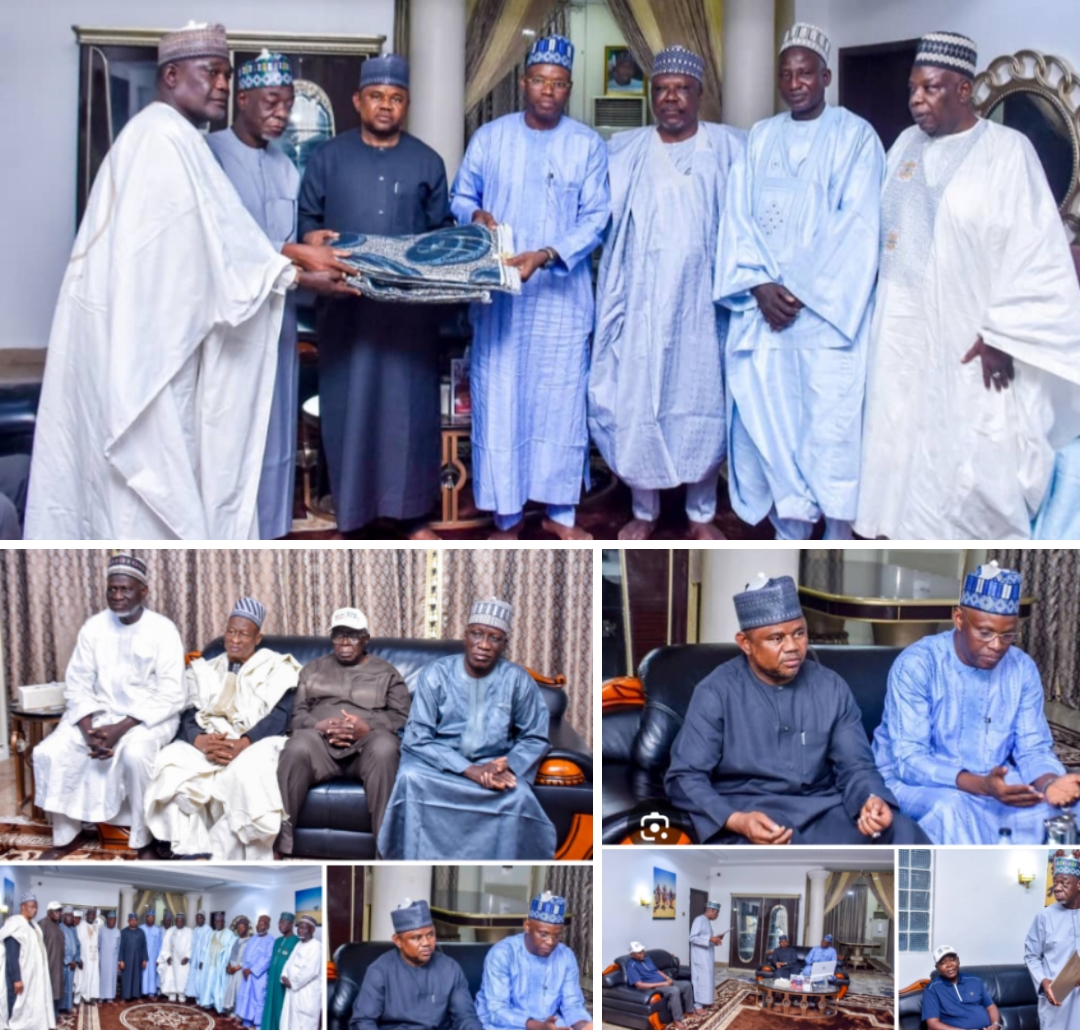
2027: Biu Elders Rally Behind Engr. Mustapha Gubio in Powerful Solidarity Visit
By: Dr. James Bwala
Leadership is not measured only by political titles, campaign promises, or public appearances. True leadership is revealed by a person’s character, memories, values, and commitment to the welfare of the people. In Borno State, where citizens have endured insecurity, displacement, economic hardship, and social uncertainty, the need for a leader who understands the value of peace and humility has never been greater. Engr. Mustapha Gubio, the All Progressives Congress (APC) gubernatorial candidate, has demonstrated qualities that make him a credible choice for the people of Borno: faith, gratitude, respect for communities, and a clear commitment to peaceful living.
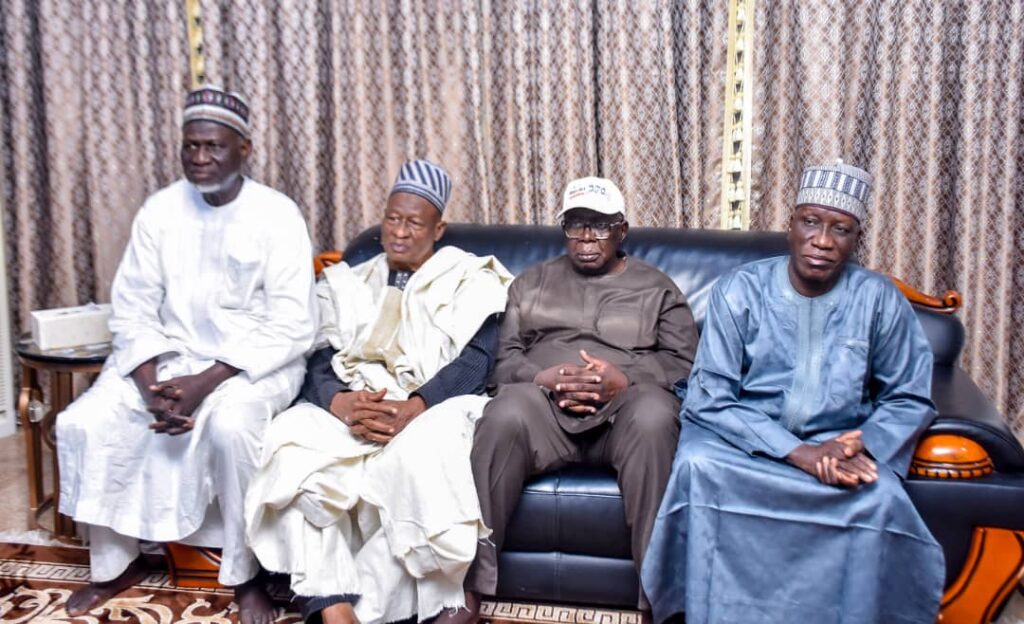
During a solidarity visit by Biu elders forum residents in Maiduguri, Engr. Gubio recalled the warmth and importance of Biu he holds in his personal history. He explained that, during his postgraduate studies in Yola, Biu served as a stopover point where he regularly paused to offer prayers. This recollection was not merely a casual reference to the past. It revealed the depth of his connection with the people and land of Biu, as well as his belief that prayer, perseverance, and divine guidance have played significant roles in his life and the connection he had with Biu and its people.
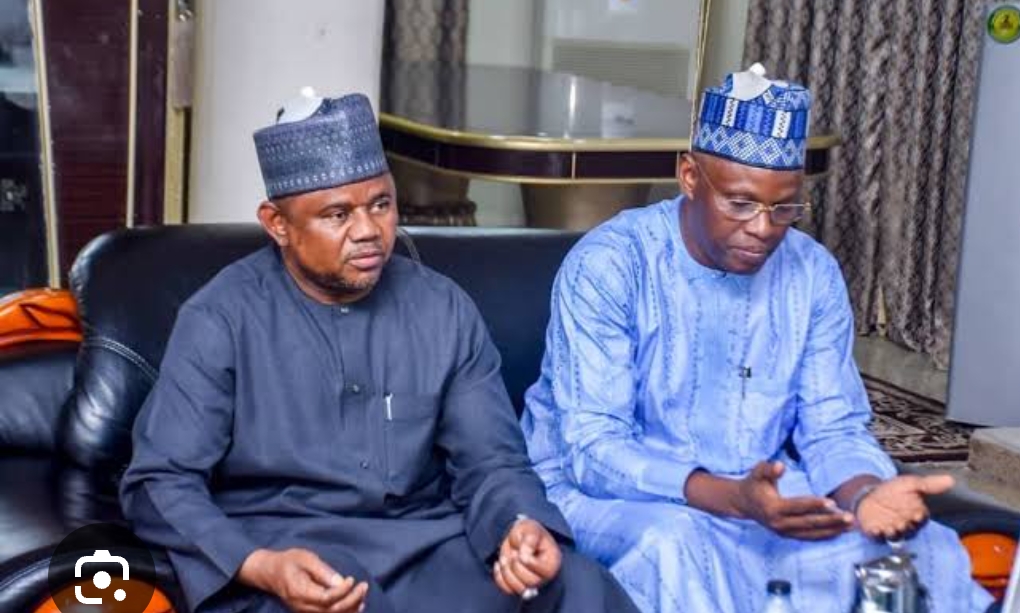
Engr. Gubio’s experience is particularly meaningful because it reflects the journey of a man who has not forgotten the places and values that shaped him. Many public figures become distant from ordinary people after attaining positions of influence. They may forget the communities where they found encouragement, comfort, or inspiration. Engr. Gubio, however, has continued to remember Biu as a place of spiritual refuge. His words showed that he does not regard Biu merely as a political constituency but as a community connected to his personal story and aspirations.
The importance of this memory should not be underestimated. A leader who appreciates the role of prayer and gratitude is more likely to understand that public office is a trust rather than a personal possession. Engr. Gubio stated that the positions he and his deputy have attained are by Allah’s will. This expression of humility is significant in a political environment where some individuals treat power as a reward for personal ambition or entitlement. By acknowledging divine will, he recognizes that leadership comes with responsibility, accountability, and an obligation to serve the people.
Such humility is essential for effective governance. A leader who understands that authority is temporary is more likely to listen to citizens, respect institutions, and make decisions in the public interest. Engr. Gubio’s view suggests that he sees political office not as an opportunity for self-enrichment or personal dominance but as a platform to serve Borno State. This perspective should appeal to citizens who desire a government that is accessible, responsible, and guided by moral principles.
Peace remains one of the most urgent needs of Borno State. For more than a decade, insecurity has affected communities across the state. Families have been separated, businesses disrupted, schools damaged, and countless citizens forced to live with fear and uncertainty. Although significant efforts have been made to restore stability, the consequences of insecurity remain visible in many communities. The people of Borno therefore need leaders who place peace at the center of governance.
Engr. Gubio has consistently presented peace and prayer as central elements of his life and public outlook. His personal connection with Biu, where he stopped to pray during his postgraduate days, reinforces this identity. More importantly, he has promised that, if elected, he and his deputy will work to ensure that every citizen of Borno is given the right to peaceful living. This is a powerful commitment because peace is not a privilege reserved for certain communities or groups. It is a fundamental right that must be protected for everyone, regardless of ethnicity, religion, location, or political affiliation.
The promise of peaceful living must be translated into practical governance. It should involve strengthening security institutions, supporting community-based conflict resolution, protecting farmers and traders, rebuilding schools and health facilities, and creating opportunities for young people. It should also include dialogue with traditional rulers, religious leaders, women’s groups, youth organizations, and communities affected by conflict. Engr. Gubio’s emphasis on peace provides a strong foundation for such an inclusive approach.
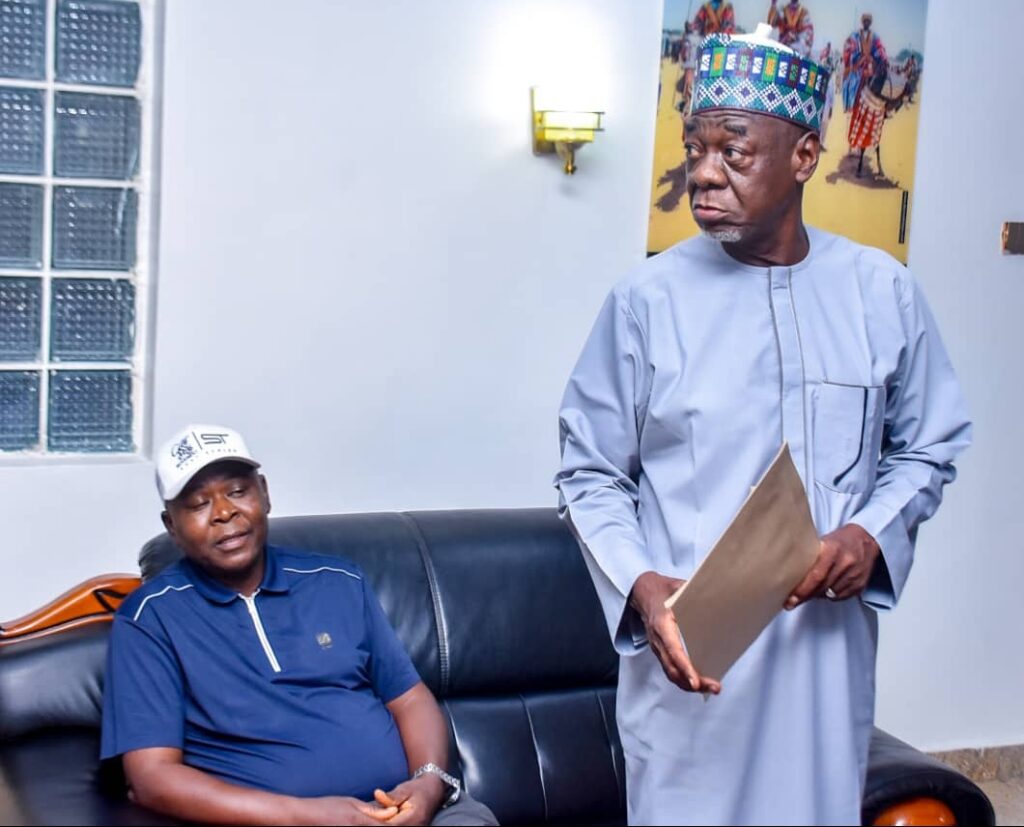
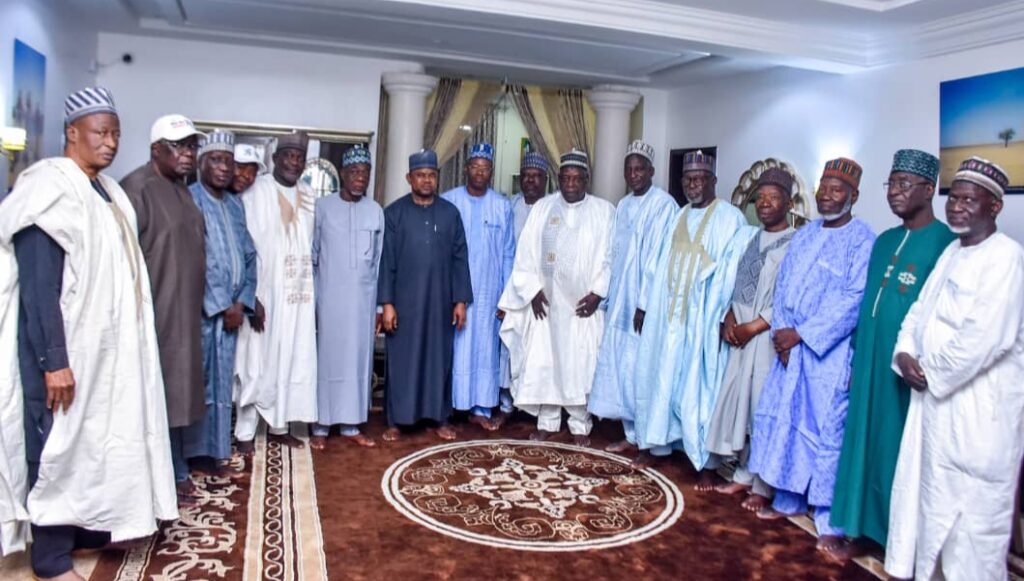
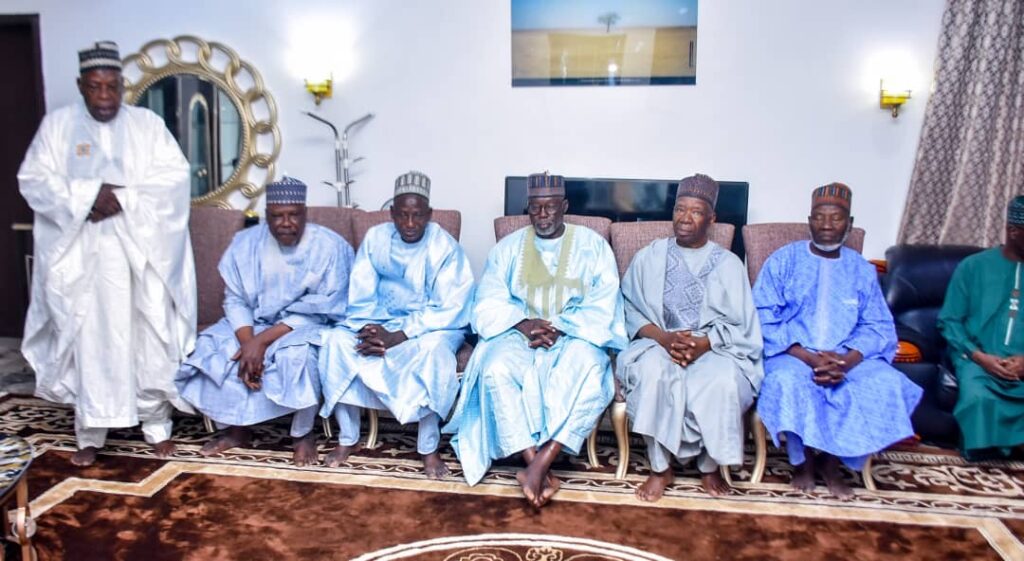
Biu Local Government Area has a special role in the political, cultural, and economic life of Borno State. Its elders have consistently contributed to the stability and development of the state. Their solidarity visit to Engr. Gubio was therefore more than a formal political engagement. It was an expression of respect, goodwill, and confidence. The visit also demonstrated the importance of collaboration between political leaders and traditional or community authorities.
The presence of Biu elders at the Government House offered an opportunity for dialogue and mutual understanding. Engr. Gubio’s response showed appreciation for the visit and acknowledged the emotional importance of Biu in his life. He thanked the elders and expressed hope that a larger occasion would provide an opportunity for greater exchange, discussion, and pleasantries. This response reflects a leader who values relationships and understands that governance cannot be built through speeches alone. It requires continuous engagement with the people.
A successful governor must be willing to listen. Communities possess knowledge about their own challenges, and elders often have a deep understanding of local history, social relations, and traditional methods of resolving disputes. By welcoming the Biu elders and expressing his desire for further engagement, Engr. Gubio demonstrated an appreciation for this important source of wisdom. His approach suggests that his administration would be open to consultation rather than relying solely on decisions made behind closed doors.
The bond between Engr. Gubio and Biu is also a reminder that political leadership should rise above narrow interests. Borno State is home to diverse communities with different traditions, histories, and needs. A governor must be able to unite these communities and promote a sense of common purpose. Engr. Gubio’s message that every Borno citizen deserves peaceful living reflects an inclusive vision. It shows that he does not intend to govern for one area, one group, or one political faction.
In a democratic society, citizens should evaluate candidates based on their character, competence, vision, and capacity to unite the people. Engr. Gubio’s professional background as an engineer provides him with a practical and analytical orientation. Engineering requires planning, precision, problem-solving, and the ability to manage complex projects. These qualities are relevant to the governance of a state that requires infrastructure development, economic revitalization, improved public services, and institutional reform.
However, technical competence alone is not sufficient for political leadership. A leader must also possess empathy, integrity, and a genuine connection with the people. Engr. Gubio’s recollection of Biu and his acknowledgment of prayer reveal a personal dimension that complements his professional experience. His story presents him as someone who has faced challenges, pursued education, remained connected to his faith, and continued to appreciate the communities that influenced his journey.
His statement that prayers offered in Biu have received answers is also a message of hope. Borno citizens have experienced difficult times, and many people continue to carry the burden of loss and uncertainty. Hope is therefore essential. It encourages communities to believe that recovery is possible and that the future can be better than the past. A leader who inspires hope without ignoring reality can help citizens rebuild their confidence and participate actively in the development of the state.
Nevertheless, hope must be joined with action. The people of Borno will expect any incoming administration to address unemployment, poverty, education, healthcare, agricultural development, infrastructure, and security. Engr. Gubio’s promise of peaceful living should therefore be accompanied by concrete programs and measurable policies. Peace is strengthened when young people have access to employment, when children can attend school safely, when displaced families can return home with dignity, and when citizens can conduct their businesses without fear.
The support of Biu elders is significant because traditional and community leaders often influence public opinion and social cohesion. Their solidarity can help promote peaceful political participation and encourage citizens to engage in elections responsibly. At the same time, their support should be understood as a call for accountability. A candidate who receives the trust of the people must remain answerable to them after the election. Solidarity should lead to a partnership in which leaders and citizens work together for the common good.

Engr. Gubio’s interaction with the Biu elders has created an opportunity to strengthen this partnership. His gratitude and willingness to maintain contact can serve as the foundation for a broader consultation process. Such engagement should continue throughout the campaign and, if elected, throughout his tenure. Communities should not be remembered only during elections. They must be included in policy discussions, development planning, and the evaluation of government performance.
Ultimately, the choice before the people of Borno is a choice about the kind of leadership they want. Do they want leadership defined by division, arrogance, and empty promises, or do they want leadership rooted in humility, peace, consultation, and service? Engr. Mustapha Gubio has presented himself as a candidate who understands the responsibilities of office and recognizes that authority comes by Allah’s will. His connection with Biu, his respect for the elders, and his commitment to peaceful living provide reasons for citizens to consider supporting his candidacy.
- James Bwala, PhD, writes from Maiduguri.
2027: Biu Elders Rally Behind Engr. Mustapha Gubio in Powerful Solidarity Visit

ECOWAS deploys observers across nine islands for Cabo Verde presidential election

NDLEA Busts International Drug Routes, Uncovers Gun Factory, Seizes Tons of Illicit Drugs

Ikpeazu Presents Credentials as Nigeria’s Permanent Representative to UN Tourism

Roger Federer’s Shock as DNA Results Reveal Myla and Charlene Are Not His Biological Children

THE PLIGHT OF FARIDA

FAILED COUP IN BURKINA FASO: HOW TRAORÉ NARROWLY ESCAPED ASSASSINATION PLOT AMID FOREIGN INTERFERENCE CLAIMS
-
 News3 years ago
Roger Federer’s Shock as DNA Results Reveal Myla and Charlene Are Not His Biological Children
-
Opinions5 years ago
THE PLIGHT OF FARIDA
-
 News2 years ago
FAILED COUP IN BURKINA FASO: HOW TRAORÉ NARROWLY ESCAPED ASSASSINATION PLOT AMID FOREIGN INTERFERENCE CLAIMS
-
 Opinions5 years ago
POLICE CHARGE ROOMS, A MINTING PRESS
-

 News3 years ago
EYN: Rev. Billi, Distortion of History, and The Living Tamarind Tree
-

 ACADEMICS3 years ago
A History of Biu” (2015) and The Lingering Bura-Pabir Question (1)
-

 Columns3 years ago
Army University Biu: There is certain interest, but certainly not from Borno.
-

 Politics1 year ago
2027: Why Hon. Midala Balami Must Go, as Youths in Hawul and Asikira/Uba Federal Constituency Reject ₦500,000 as Sallah Gift
