
News
A call for an independent review of Operation Rainbow as allegations of attacks on Fulani communities deepen


A call for an independent review of Operation Rainbow as allegations of attacks on Fulani communities deepen
By: Zagazola Makama
The Plateau State Government can no longer afford to treat growing allegations of bias, arson and attacks involving personnel of Operation Rainbow as ordinary complaints in a state already trapped in a cycle of communal violence.
The allegations are serious enough to demand an independent investigation because repeated allegations that a security outfit is attacking the very communities it is mandated to protect can rapidly destroy public confidence and deepen an already dangerous conflict into another layer.
Operation Rainbow was created as a state security initiative to support the protection of lives and property and has since undergone substantial expansion. In December 2025, Governor Caleb Mutfwang said the outfit was intended to protect residents regardless of faith or ethnicity and instructed its personnel to respect the law, human rights and civilian engagement. The state has also subjected its personnel to training on standard operating procedures and rules of engagement.
That makes the allegations now being raised particularly disturbing.
There have been previous accusations by some fulani residents of Mangu that Operation Rainbow personnel were involved in extrajudicial killings . The European Union Agency for Asylum documented those allegations in its review of the Plateau security situation. Operation Rainbow denied similar allegations in 2024, describing them as false and misleading.
The fact that the allegations have been denied does not make them irrelevant. Nor does the fact that they have been made make them proven.
That is precisely why there must be an independent investigation.
According to accounts from Fulani residents in some affected communities, there is now a growing perception that Operation Rainbow is not being seen as a neutral security presence.
One Fulani community leader alleged that residents came under heavy fire from personnel they initially believed had arrived to protect them. According to his account, the residents were caught off guard when the security personnel allegedly opened fire, resulting in several deaths and forcing others to flee for safety.
The allegations of arson are even more troubling
There are also allegations from Fulani residents that Operation Rainbow personnel have, in some instances, been involved in the burning of homes or property belonging to members of their communities. If established, such conduct would represent an extraordinary breach of the basic purpose of a security organisation.
A security officer who participated in burning the home of a civilian is not protecting that civilian. A security officer who attacks an unarmed community is not restoring peace.
And a security formation that is perceived to punish an entire community because of the alleged actions of individuals risks becoming another source of insecurity.
There are thousands of security personnel and community-based operatives across Plateau. Many may be performing difficult and dangerous duties in communities where attacks occur with little warning. Indeed, Operation Rainbow personnel themselves have also been attacked: a senior officer of the outfit was killed in an ambush along the Bokkos–Barkin Ladi axis on Sept. 22, according to reports.
That reality makes accountability even more important.
Security personnel deserve protection. Civilians deserve protection. Both cannot be protected by allowing allegations of abuse to remain unresolved. Plateau cannot fight an insurgency of mistrust The greatest danger is not simply what happened during any single alleged operation. It is what happens afterward.
When a Fulani community believes that the security forces have come to attack rather than protect it, residents may stop providing intelligence.
When indigenous communities believe that security forces are failing to protect them, they may turn increasingly hostile towards the security agencies. When both sides begin to see security personnel through an ethnic lens, every movement of a patrol vehicle can become a source of suspicion. That is how a security crisis becomes self-perpetuating.
The state has already witnessed how quickly violence can move from an attack to reprisal, from reprisal to counter-reprisal, and eventually to a cycle in which civilians who had nothing to do with the original incident become targets.
Recent security incidents across Mangu, Barkin Ladi and Bokkos demonstrate how fragile the situation remains. Security personnel themselves have become targets, while civilians continue to face killings, attacks and destruction of property.
Against that background, the security architecture must be above ethnic suspicion.
Government must investigate not defend
The Plateau State Government should resist the temptation to automatically defend Operation Rainbow whenever allegations emerge. The appropriate response is investigation. Where an allegation is false, establish that clearly and publicly. Where an operative acted lawfully, explain the circumstances. Where misconduct occurred, identify the personnel involved and prosecute them. Where command failure occurred, hold the responsible commanders accountable. And where evidence shows that civilians were deliberately targeted, there should be no institutional protection for the perpetrators.
This is particularly important because the state has repeatedly emphasised that Operation Rainbow is supposed to be an inclusive security structure. In December 2025, Governor Mutfwang said the outfit was designed to protect people of all faiths and ethnic backgrounds and that legitimate complaints against operatives would attract disciplinary action where wrongdoing was established.
Those commitments must now be tested through transparent action.
Bring in the federal security agencies
There is also a strong case for reviewing the operational role of Operation Rainbow in the most volatile areas of Plateau.
The Nigerian Army, Nigeria Police Force, Department of State Services and other constitutionally mandated agencies should have a decisive role in operations involving the use of lethal force, arrests and intelligence-led raids.
Operation Rainbow can continue to contribute community intelligence, early warning and local knowledge, but its operations should be subject to clear command arrangements, documented rules of engagement, civilian oversight and effective mechanisms for investigating complaints.
The recent training of Operation Rainbow personnel on standard operating procedures and rules of engagement is a positive step, but training has meaning only when compliance is monitored and violations have consequences.
Protect every community
Plateau does not need a security structure that is perceived as protecting one ethnic group against another. It needs a security structure that protects citizens against criminals.
If a Fulani herder is attacked, the perpetrator must be pursued. If a Berom, Mwaghavul, Afizere or any other citizen is attacked, the perpetrator must equally be pursued. If a farmer’s crops are destroyed, the law must address it. If cattle are stolen, the law must address it. If a community is attacked, security forces must protect it. If a member of a security formation commits a crime, the law must protect the victim by holding that operative accountable.
The uniform cannot become a shield against accountability. And ethnicity cannot become evidence of guilt. The growing allegations surrounding Operation Rainbow therefore deserve something more serious than political denials or counter-accusations. They deserve an independent, transparent and credible investigation capable of establishing what happened, who was responsible and whether operational procedures were followed.
Because in a conflict as deeply polarised as Plateau’s, perceived injustice can become fuel for the next attack.
And if the people who are supposed to protect communities are themselves increasingly perceived as a threat by some of those communities, then the government has a security problem that cannot be solved by deploying more personnel alone.
Plateau needs security that citizens can trust and that trust must be earned through impartiality, evidence, accountability and equal protection under the law.
A call for an independent review of Operation Rainbow as allegations of attacks on Fulani communities deepen


News
Nigeria Mourns 140 Migrants Killed in Djibouti Boat Tragedy, Calls for Action Against Irregular Migration
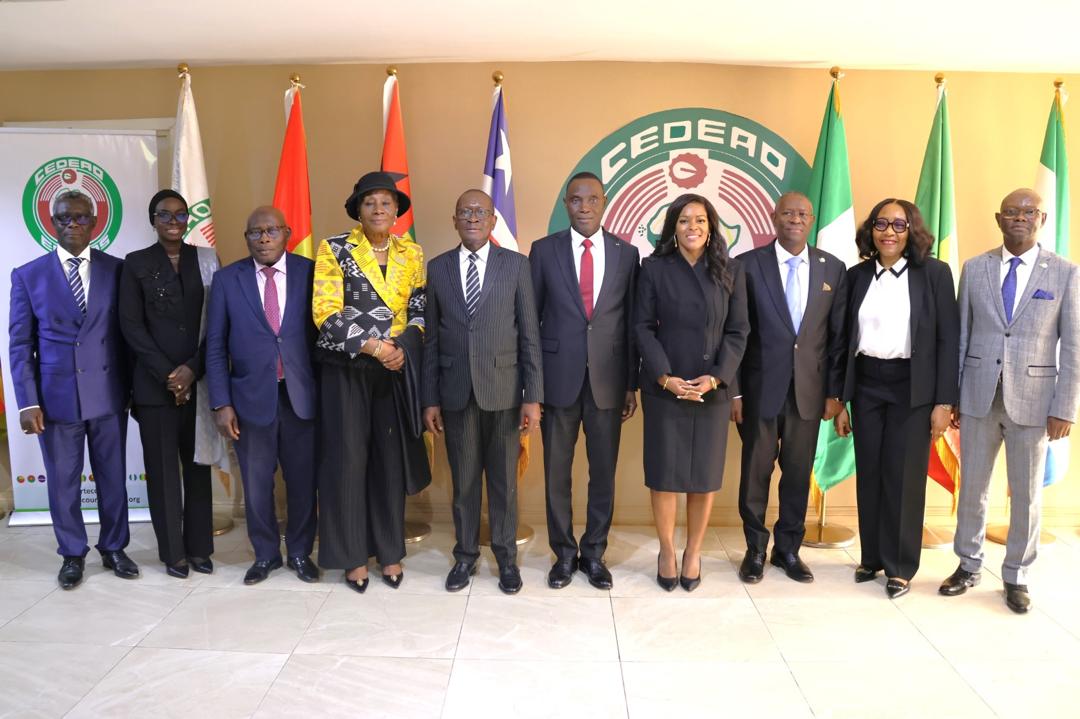
Nigeria Mourns 140 Migrants Killed in Djibouti Boat Tragedy, Calls for Action Against Irregular Migration
By: Michael Mike
The Federal Government has expressed condolences to Djibouti following the death of nearly 140 migrants, including 15 children, in a boat disaster off the country’s coast, calling for urgent collective action to address the root causes of irregular migration.
Nigeria, in a statement issued by the Ministry of Foreign Affairs in Abuja, said the boat capsized between October 8 and 9, 2026, leaving scores of people missing, according to the International Organisation for Migration (IOM).

The government expressed sympathy to the bereaved families and solidarity with the government and people of Djibouti over the tragedy, describing the incident as a grim reminder of the dangers confronting migrants who undertake perilous journeys in search of economic opportunities.
The statement, signed by the ministry’s spokesperson, Oluwafemi Adeniyi, said the disaster underscored the urgent need to tackle the underlying factors driving irregular migration, strengthen the fight against migrant smuggling and human trafficking, and promote safe, orderly and regular migration.

It stressed that efforts to prevent such tragedies must align with relevant African Union frameworks and applicable international instruments.
Nigeria further emphasised that protecting migrants, particularly children and other vulnerable persons, was a shared responsibility requiring sustained cooperation among countries of origin, transit and destination, as well as regional and international organisations.
According to the government, stronger collaboration is essential to prevent further loss of life, protect migrants’ fundamental rights and dignity, and ensure that migration is managed safely and humanely.
The Federal Government reaffirmed its commitment to working with the United Nations, the African Union and other relevant stakeholders to strengthen migration management, raise awareness about the dangers of irregular migration and develop practical measures to address its root causes.

It also called for renewed international cooperation to safeguard human life along migration routes across Africa and beyond.
The tragedy adds to concerns over the risks faced by migrants travelling along dangerous routes in pursuit of better economic prospects, reinforcing calls for stronger action against criminal networks that facilitate irregular journeys and for more sustainable solutions to the factors compelling people to leave their homes.
Nigeria reiterated its deepest sympathies to all those affected by the disaster and urged collective efforts to prevent similar tragedies.
Nigeria Mourns 140 Migrants Killed in Djibouti Boat Tragedy, Calls for Action Against Irregular Migration
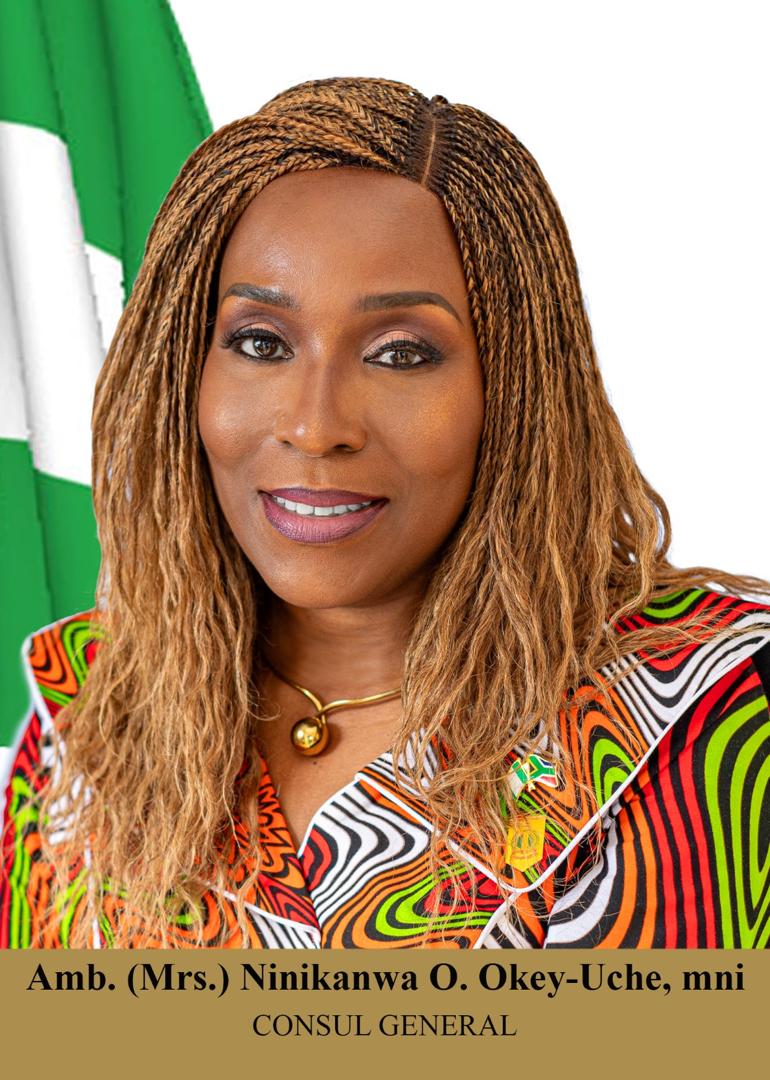
Nigeria Demands Justice over Nigerian’s Death in South African Police Custody
By: Michael Mike
The Nigerian Consulate General in Johannesburg has demanded a thorough investigation into the death of another Nigerian national, Odueze Chimezie Odueze, who allegedly died following torture by South African police officers in Cape Town.
The consulate, in a press statement dated October 13, 2026, said Odueze died on October 9 in the Parklands area of Cape Town, describing the incident as a source of shock and distress to his family and the Nigerian community in South Africa.
According to the statement issued by the Consul General, Ninikanwa Okey-Uche, the deceased was reportedly arrested at a shopping centre on suspicion of drug possession and subsequently taken to his residence for a search.
The consulate said no drugs were found during the search but alleged that Odueze was nevertheless subjected to torture.
The mission expressed grave concern over what it described as a recurring pattern of alleged extrajudicial killings involving Nigerians in South Africa, warning that the incidents raised serious questions about the safety and protection of Nigerian citizens and other foreign nationals in the country.
It also linked its concerns to reports of xenophobic and Afrophobic attacks and threats against foreign nationals, urging the South African authorities to ensure that allegations of abuse by law enforcement officers were investigated impartially and transparently.
“No matter what the allegations may be, there are processes and steps to justice,” the consulate said, stressing that criminal allegations should be addressed through established legal procedures and that suspects were entitled to a fair hearing before a court of law.
The mission called on the relevant South African authorities to conduct a comprehensive investigation into Odueze’s death and ensure that anyone found culpable was prosecuted in accordance with the law.
It further appealed to Nigerians living in South Africa to remain calm, law-abiding and security-conscious amid reported attacks and threats against foreign nationals.
The consulate extended its condolences to Odueze’s family and assured Nigerians that it would continue to pursue the protection, welfare and fair treatment of Nigerian citizens in South Africa.
Reaffirming its commitment to seeking justice for the deceased, the mission declared that it would not relent in insisting that “Nigerian and all lives matter.”
Nigeria Demands Justice over Nigerian’s Death in South African Police Custody

2027: NHRC tasks political stakeholders on respect for human rights
The National Human Rights Commission(NHRC) on Monday urged political parties and their candidates to respect human rights during the campaign as well as the 2027 general elections.
Dr Joseph Wanshe, the Gombe State Coordinator, NHRC made this call in an interview with the News Agency of Nigeria (NAN) in Gombe.
Wanshe said the call was imperative to tackle the violation of human rights which is prevalent during campaigns and elections season.
According to Wanshe, “everyone has the right to vote and be voted for in a peaceful election which is a fundamental human rights that should not be trampled upon”.
The state coordinator said political stakeholders needed to understand that rights were mutual and should be respected as human rights remained a critical part of the democratic advancement of any nation.
He said the commission has been organising training sessions, outreaches, sensitisation on the need to ensure human rights protection during the campaigns and elections.
He said this was to ensure that the voting populace, political stakeholders and contestants were aware of their rights and limits.
Wanshe warned against any attempts at forcing residents to vote against their wish as a way of influencing votes for a particular candidate.
He described the act as unlawful and a restriction on peaceful political activities, calling on politicians and political parties to desist from such violation of human rights.
“No one should vote in fear or be compelled to vote for a particular candidate. No one should vote under duress.
“Respect people’s right on their choice of leaders instead of advertising a candidate to them at the polls by force” he said.
Wanshe said such menace should be eradicated because it “does not defend the good of the people.”
He said that as a commission, campaigns and elections would be strictly monitored in collaboration with relevant security agencies to ensure that no resident’s right was violated.
“If anyone is caught violating people’s right to vote by inducement or whatever means, such will be apprehended and handed over to relevant authorities for the law to take its cause”.
2027: NHRC tasks political stakeholders on respect for human rights

Borno Politics: Power, Continuity, and the Fight for Democratic Space Ahead of 2027 Elections

Tinubu’s 2027 Gamble: Why Shettima Remains His Running Mate

NDC North Central Women Leader Dumps Party for APC, Declares Support for Asiwaju

Roger Federer’s Shock as DNA Results Reveal Myla and Charlene Are Not His Biological Children

THE PLIGHT OF FARIDA

FAILED COUP IN BURKINA FASO: HOW TRAORÉ NARROWLY ESCAPED ASSASSINATION PLOT AMID FOREIGN INTERFERENCE CLAIMS
-
 News3 years ago
Roger Federer’s Shock as DNA Results Reveal Myla and Charlene Are Not His Biological Children
-
Opinions5 years ago
THE PLIGHT OF FARIDA
-
 News1 year ago
FAILED COUP IN BURKINA FASO: HOW TRAORÉ NARROWLY ESCAPED ASSASSINATION PLOT AMID FOREIGN INTERFERENCE CLAIMS
-
 Opinions5 years ago
POLICE CHARGE ROOMS, A MINTING PRESS
-

 News3 years ago
EYN: Rev. Billi, Distortion of History, and The Living Tamarind Tree
-

 ACADEMICS3 years ago
A History of Biu” (2015) and The Lingering Bura-Pabir Question (1)
-

 Columns3 years ago
Army University Biu: There is certain interest, but certainly not from Borno.
-

 Politics1 year ago
2027: Why Hon. Midala Balami Must Go, as Youths in Hawul and Asikira/Uba Federal Constituency Reject ₦500,000 as Sallah Gift
