
News
AICIF: The Metropolitan, FG Harp on Islamic Finance for Inclusive, Sustainable Development

AICIF: The Metropolitan, FG Harp on Islamic Finance for Inclusive, Sustainable Development
•Ummahani, Sanusi, and Katuka call for maximising non-interest finance potentials
By: Michael Mike
Vice President Kashim Shettima and other economic Stakeholders have called on African nations to deepen the adoption of Islamic finance as a tool for inclusive and sustainable economic transformation across the continent.
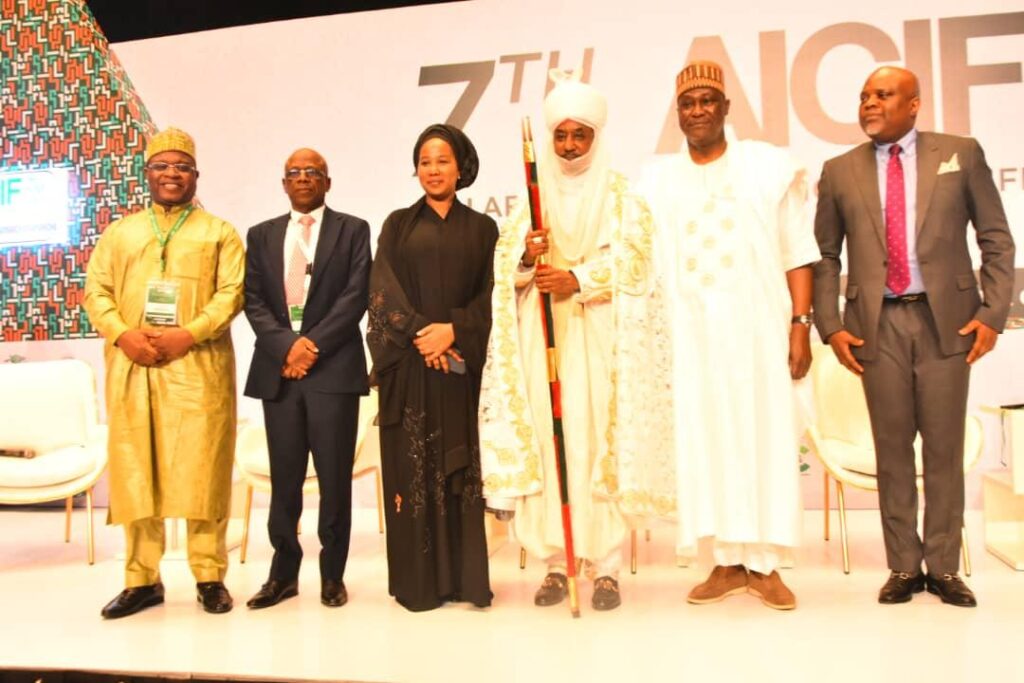
Represented by Dr Tope Fasua, Special Adviser to the President on Economic Matters, Shettima made the call while addressing delegates at the 7th African International Conference on Islamic Finance (AICIF) held in Lagos on Tuesday. The Conference was organised by the Metropolitan Law and Metropolitan Skills Ltd in collaboration with the Securities and Exchange Commission of Nigeria (SEC).
Speaking on the theme “Africa Emerging: A Prosperous and Inclusive Outlook,” the Vice President said Africa’s demographic advantage must translate into equitable prosperity, stressing that the continent’s progress will be measured not only by growth but by inclusion. He highlighted Nigeria’s recent economic reforms under President Bola Tinubu’s Renewed Hope Agenda as key drivers of stability and investor confidence.
According to Shettima, Nigeria has unified its exchange rate, rationalised subsidies, modernised tax and customs systems, and opened new gateways for trade and investment reforms, which have lifted reserves above $40 billion and earned favourable ratings from Fitch and Moody’s.
“These outcomes reaffirm Nigeria’s position as an anchor of the AfCFTA’s $3.4 3.4trn market and a driver of Africa’s growth,” he said.
The Vice President emphasised that Islamic finance provides a credible framework for promoting shared prosperity, rooted in ethics, fairness, and social responsibility.
He said Nigeria’s experience demonstrates the transformative potential of Islamic finance instruments such as sukuk, takaful, murabaha, and waqf, which have financed critical infrastructure and expanded access to inclusive financial services.
“Our sukuk issuances, now in their seventh cycle, have funded more than 120 major road projects covering nearly 6,000 kilometres,” Shettima noted. “Each bond represents a covenant between government and citizens, proof that finance can build rather than burden.”
Shettima added that takaful insurance is extending protection to millions of previously excluded households, while waqf endowments are being explored to support schools, hospitals, and small businesses.
“Islamic finance aligns with our conviction that enterprise must serve humanity and wealth must circulate to uplift communities,” he said.
Across Africa, Shettima observed, countries like Egypt, Senegal, Kenya, and South Africa are developing regulatory frameworks for Islamic banking, green sukuk, and socially responsible investments.
By 2030, the share of Islamic finance in Africa’s capital markets is projected to expand significantly, he said, urging policymakers to sustain reforms that strengthen transparency, governance, and investor protection.
He also underscored the need to mobilise Africa’s vast domestic capital, including pension funds, sovereign wealth funds, and insurance pools, through innovative instruments such as green sukuk and diaspora bonds.
“Africa’s future must be financed from within, guided by principles of justice, inclusion, and sustainability,” Shettima asserted.
Shettima concluded by urging participants to “build an Africa where enterprise and empathy coexist, where finance is not a privilege for the few but a promise to the many, and where every child, from Lagos to Lusaka, finds a stake in the continent’s future.”
Earlier, Conference Chairperson Ms Ummahani Ahmad Amin said that AICIF was conceived as a platform for collaboration and knowledge sharing to advance Islamic finance as a viable alternative source of funding for Africa’s socio-economic needs.
She noted that while Islamic finance assets globally reached $3.88 trillion in 2024, Africa still lags behind in harnessing its full potential to close the continent’s annual infrastructure financing gap of up to $170 billion.
She emphasised that challenges such as limited liquidity, weak market infrastructure, and inadequate investor education must be addressed for Islamic finance to reach its potential.
“Artificial intelligence is also reshaping finance across the continent, from automating compliance to personalising ethical investment, and we must ensure ethical guardrails guide its use,” she said.
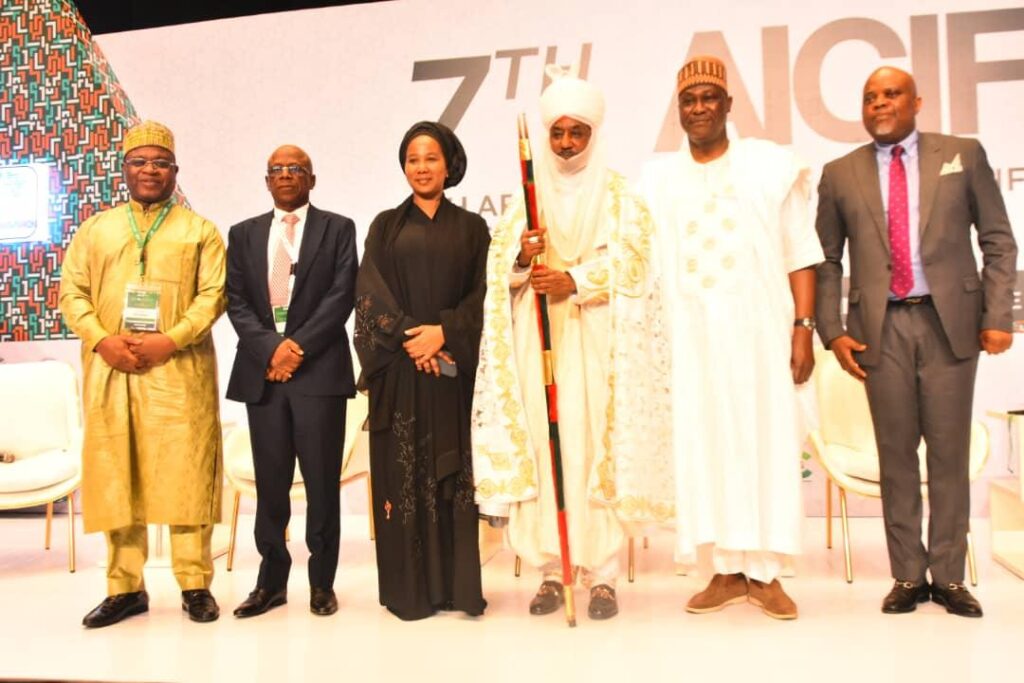
The conference, co-hosted by the Securities and Exchange Commission (SEC), brought together regulators, scholars, development partners, and investors from across the African continent.
In his opening remarks, SEC Chairman Mr Mairiga Katuka said Nigeria’s non-interest capital market had grown rapidly under the Capital Market Masterplan (2015–2025), with sovereign sukuk raising over ₦ 1.4 trillion and funding 124 critical road projects nationwide.
Katuka noted that Nigeria now has 19 registered halal mutual funds managing over ₦112 bn in assets, up from one fund in 2008, and pledged the SEC’s commitment to evolving regulatory frameworks for innovations such as innovative sukuk, tokenisation, and blockchain-enabled
transparency.
The two-day conference also featured a startup pitch competition supporting innovations in technology and social impact, as well as an awards ceremony honouring individuals and institutions contributing to the growth of Islamic finance across Africa.
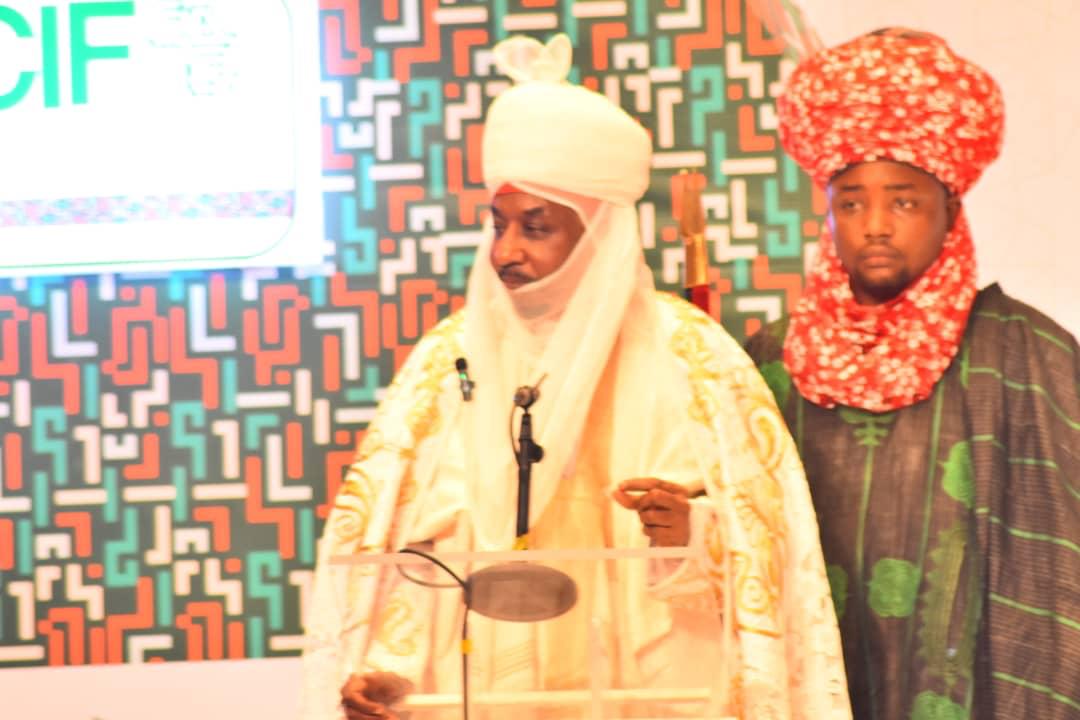
In his remarks, the Emir of Kano, a former Governor of the Central Bank of Nigeria (CBN), Alhaji Sanusi Lamido Sanusi, urged Islamic finance institutions across Africa to focus more on supporting small and medium-sized enterprises (SMEs) in underserved communities as a pathway to achieving shared prosperity and sustainable development.
Sanusi emphasised that Islamic finance can only make a meaningful impact when it directly addresses the financial exclusion faced by small businesses and vulnerable groups.
“I would be happier to see Islamic banks that are big, but more importantly, ambitious enough to grow a market that delivers real value to people and helps reduce poverty,” Sanusi stated. “We need to begin now to see how we can use finance to create opportunities for the small people.”
The Emir emphasised the need for Islamic financial institutions to move beyond conventional models by extending their services to the grassroots, where the majority of Africa’s unbanked population resides. He called for bold strategies that bridge cultural and social barriers that have historically hindered access to finance, particularly for women.
“Go to the grassroots, dare to build and connect with the cultural conceptions and attitudes that have denied women. The empowerment of women is what will contribute to prosperity in Africa,” he added.
Sanusi reiterated that inclusive finance remains central to Africa’s economic transformation, urging Islamic finance stakeholders to leverage their principles of equity, risk-sharing, and social responsibility to foster a more just and prosperous continent.
AICIF: The Metropolitan, FG Harp on Islamic Finance for Inclusive, Sustainable Development


News
Madiba Advocates Raise Alarm, Urge Presidency, Labour Ministry, NSITF Management Board & relevant authorities to Probe Alleged ₦297bn NSITF Irregularities Linked to MD Faleye Oluwaseun
Madiba Advocates Raise Alarm, Urge Presidency, Labour Ministry, NSITF Management Board & relevant authorities to Probe Alleged ₦297bn NSITF Irregularities Linked to MD Faleye Oluwaseun
Madiba Advocates for Good Governance has criticised what it described as the continued silence of authorities over serious allegations of financial irregularities at the Nigeria Social Insurance Trust Fund (NSITF), calling on President Bola Ahmed Tinubu, the Honourable Minister of Labour and Employment, the NSITF Management Board, and other relevant agencies to urgently initiate a comprehensive investigation.
The group said the allegations, which have persisted in the public domain for weeks, involve the Managing Director/Chief Executive Officer of NSITF, Mr. Oluwaseun Mayomi Faleye, and have yet to receive any clear institutional response despite their gravity.
The call follows a series of petitions and public disclosures that have brought increased scrutiny to the management of the Fund, particularly in relation to financial transactions and governance processes within the institution. Madiba Advocates noted that the scale of the allegations and the sensitivity of the funds involved make immediate intervention both necessary and urgent.
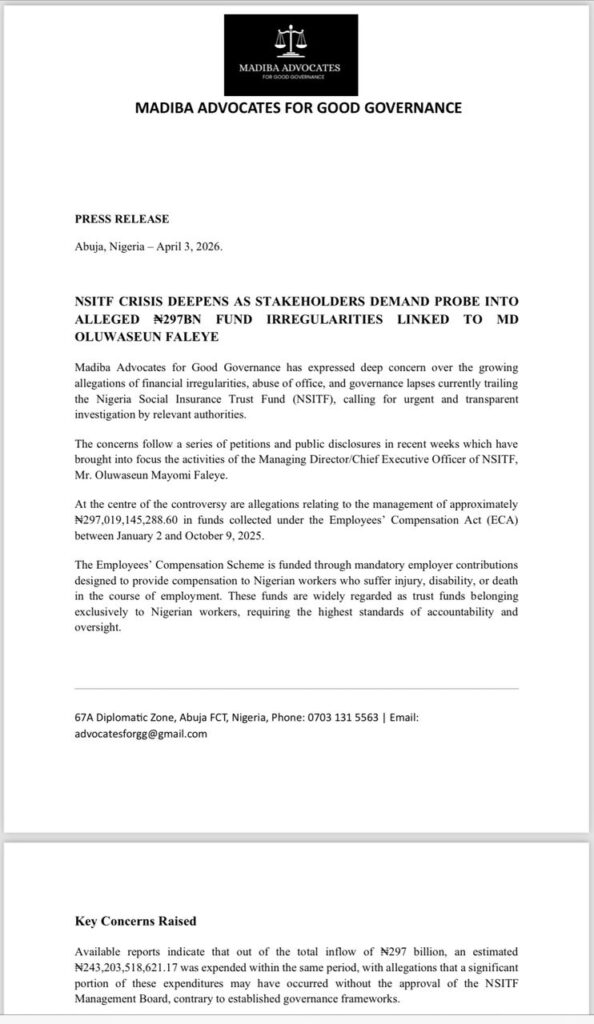
At the centre of the controversy are allegations involving the management of approximately ₦297,019,145,288.60 in funds collected under the Employees’ Compensation Act (ECA) between January 2 and October 9, 2025.
The Employees’ Compensation Scheme is funded through mandatory employer contributions designed to provide compensation to Nigerian workers who suffer injury, disability, or death in the course of employment. Stakeholders have consistently emphasised that these funds are not government revenue, but trust funds belonging exclusively to Nigerian workers, requiring strict oversight and accountability.
₦243bn Allegedly Spent Without Board Approval
Documents referenced in the public domain indicate that out of the total inflow of ₦297 billion, an estimated ₦243,203,518,621.17 was expended within the same period. Sources allege that a significant portion of these expenditures may have been carried out without the approval of the NSITF Management Board, raising concerns about compliance with the NSITF Act and established financial regulations.
‘No Approval Limit’ Raises Governance Concerns
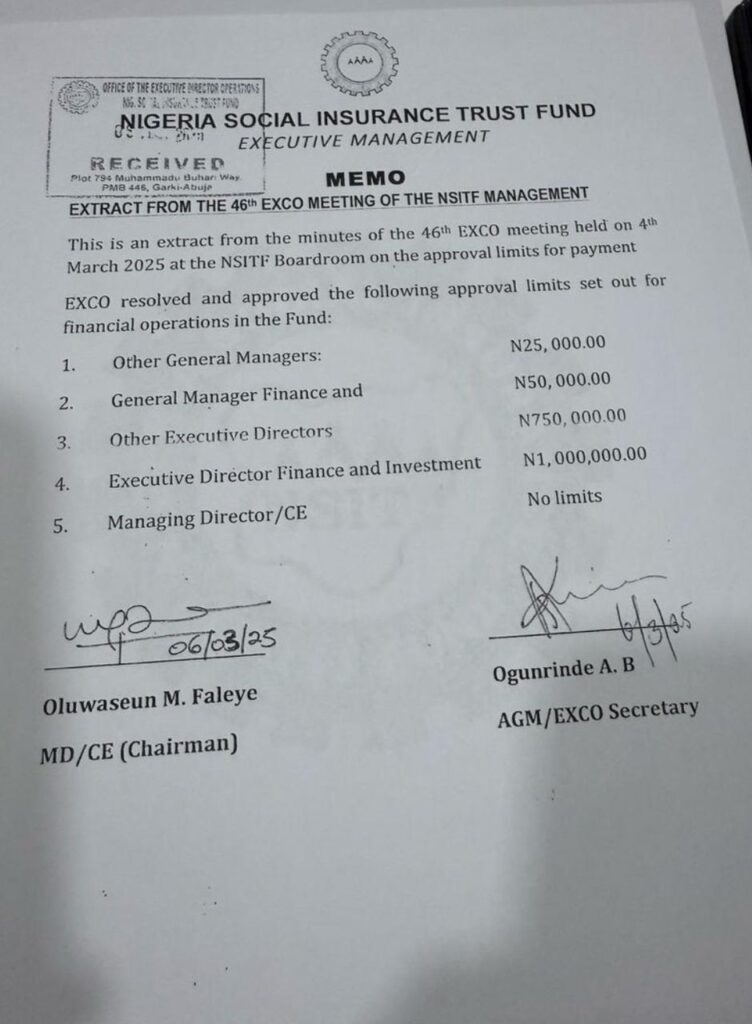
Central to the allegations is an internal document reportedly linked to a March 4, 2025 Executive Committee (EXCO) meeting, which outlined financial approval thresholds for officials. While limits were reportedly set for other officers, the Managing Director was allegedly assigned “no approval limit”, a development that has raised serious concerns about internal controls and governance safeguards.
Multiple Accounts and Financial Flow Allegations
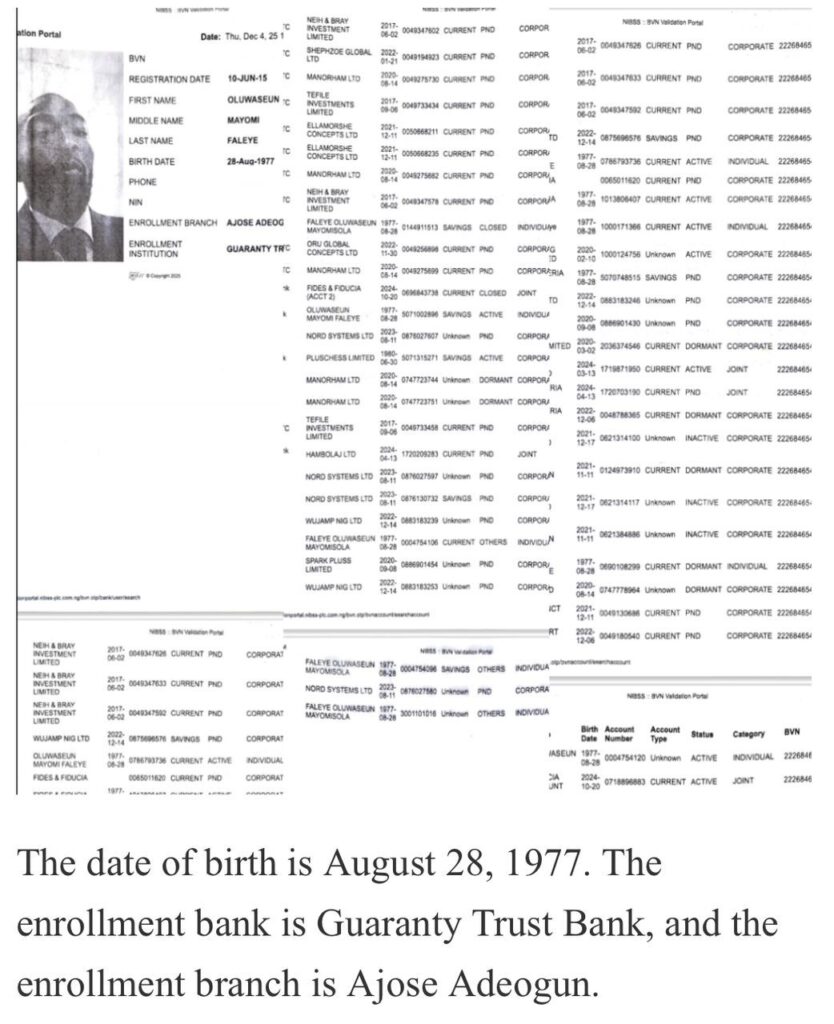
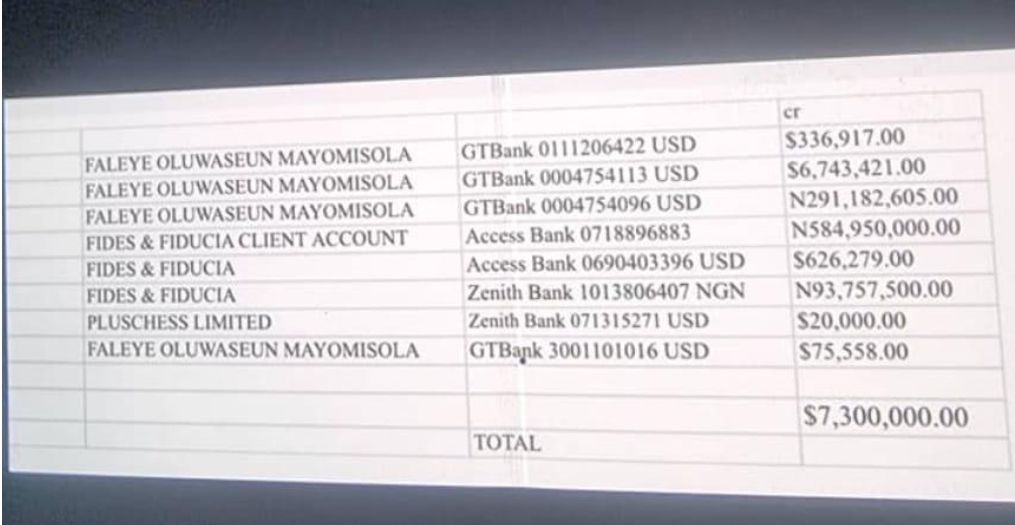
Further reports allege the existence of over 100 bank accounts linked to a single Bank Verification Number (BVN), alongside financial inflows amounting to over $7.3 million and hundreds of millions of naira into accounts linked to the Managing Director and associated entities. Analysts note that such patterns, if verified, would require thorough scrutiny by relevant financial and regulatory authorities.
₦5.5bn Commission Payments Queried
Additional concerns have been raised over alleged commission payments totalling ₦5.53 billion, reportedly made without clear evidence of requisite approvals from the Board or the supervising Ministry. The payments are said to range between 15 and 20 per cent commissions and were allegedly executed outside standard procedures.
Governance Gap Raises Further Questions
Observers have also pointed to a governance gap between July 2023, when the Managing Director was appointed, and January 2025, when the Management Board was reportedly constituted, raising concerns about the level of oversight during that period.
Madiba Advocates for Good Governance stated that the issues have now reached a critical point, requiring decisive action from all relevant authorities to ensure transparency and accountability in the management of the Fund.
Call for Urgent Investigation
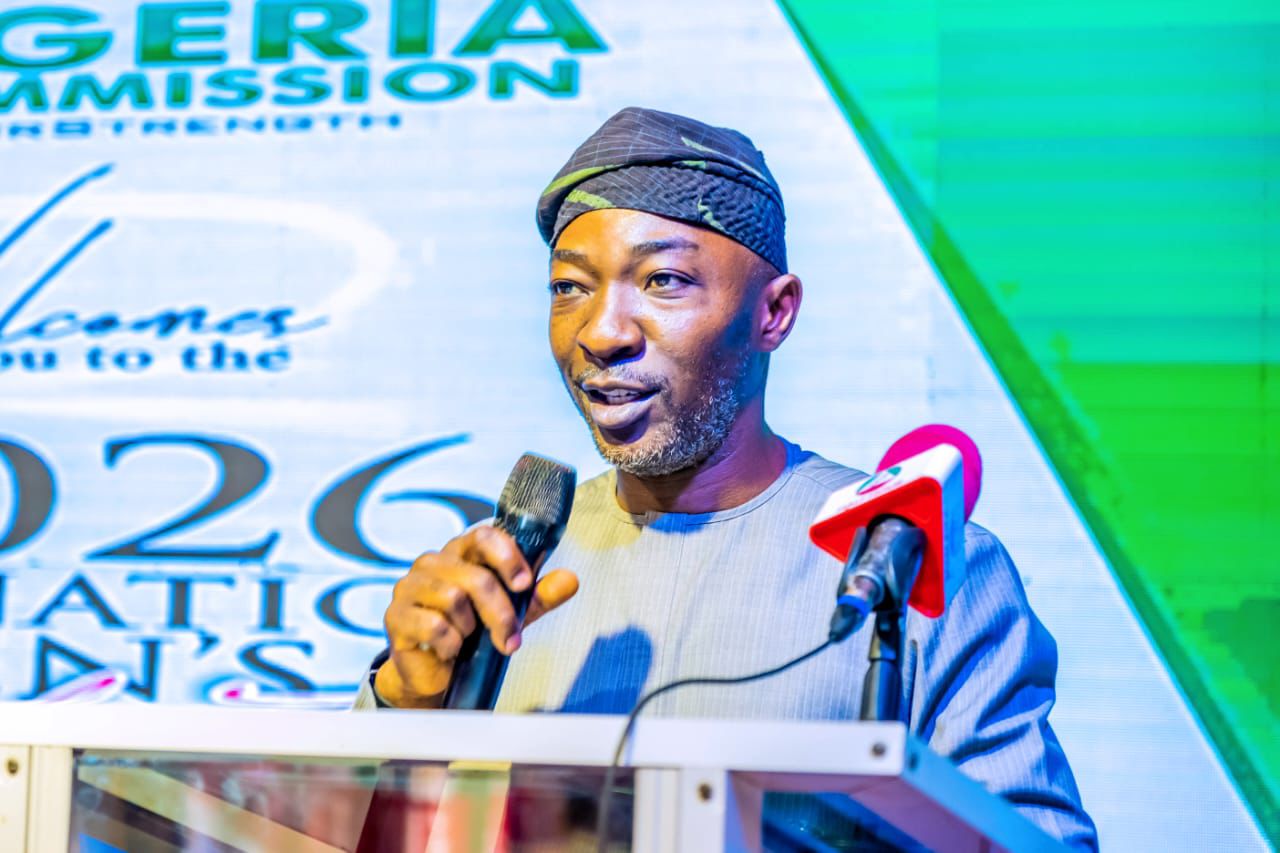
Reacting to the development, Madiba Advocates for Good Governance, led by its Executive Director, Alhassan Kabiru, expressed concern over the prolonged delay in addressing the allegations and the absence of a coordinated institutional response.
The group called on:
• The Chairman of the NSITF Management Board,
• The Honourable Minister of Labour and Employment,
• Relevant regulatory and anti-corruption agencies, and
• President Bola Ahmed Tinubu
to urgently intervene and ensure a thorough and independent investigation into the matter.
“This matter has lingered in the public space without clarity. It is important that the appropriate authorities take decisive steps to investigate and establish the facts,” the group stated.
Madiba Advocates emphasized that transparency in handling the allegations is essential to restoring confidence in public institutions and safeguarding workers’ funds.
Responses and Presumption of Innocence
When contacted, Mr. Faleye reportedly stated that he was not aware of the allegations. Officials of the Ministry of Labour were also said to have denied prior knowledge of the claims, while the NSITF Management Board indicated that the issues would be verified.
All allegations remain unproven and subject to investigation.
A Test of Accountability
Analysts say the situation presents a significant test of Nigeria’s public finance accountability framework, particularly for institutions entrusted with workers’ welfare.
Madiba Advocates for Good Governance warned that the continued delay in addressing these allegations risks sending the wrong signal about accountability within public institutions. The organisation urged the Presidency, the Ministry of Labour, and the NSITF Management Board to act without further delay to investigate the issues and restore confidence in the system. It added that failure to act decisively could further erode public trust and undermine the Federal Government’s Renewed Hope Agenda on transparency, accountability, and good governance.
Madiba Advocates Raise Alarm, Urge Presidency, Labour Ministry, NSITF Management Board & relevant authorities to Probe Alleged ₦297bn NSITF Irregularities Linked to MD Faleye Oluwaseun
Easter: IPCR Calls for Peace, Unity, National Reconciliation
By: Michael Mike
The Institute for Peace and Conflict Resolution (IPCR) has called on Nigerians to embrace peace, unity, and national reconciliation as Christians across the country mark Easter.
In a press statement issued on Saturday, the Director-General of the institute, Joseph Ochogwu, extended warm greetings to Christians, describing Easter as a sacred season that reflects sacrifice, redemption, and hope.
He noted that the celebration of the death and resurrection of Jesus Christ remains a defining moment in the Christian faith, symbolising victory over adversity, renewal of life, and the triumph of light over darkness.
Ochogwu urged Christians to use the period to pray for peace, tranquility, and harmony in Nigeria, especially at a time when the country is grappling with security challenges. He referenced recent incidents of violence in parts of the country, including Plateau State, Kaduna State, and Maiduguri.
The IPCR boss expressed condolences to families and communities affected by the violence, offering prayers for strength, healing, and comfort for those grieving.
He emphasised that Easter serves as a reminder of the enduring power of hope, urging Nigerians—regardless of religion, ethnicity, or background—to embrace peaceful coexistence and mutual respect.
Ochogwu also called on citizens to remain vigilant and support lawful efforts to safeguard lives and property, stressing that peacebuilding is a collective responsibility.
“As we celebrate this holy season, let us preach love, extend kindness, and demonstrate compassion in our daily interactions,” he said, adding that the spirit of Easter should inspire reconciliation and a renewed commitment to building a peaceful and prosperous nation.
The institute reaffirmed its commitment to promoting dialogue, strengthening conflict resolution mechanisms, and supporting initiatives aimed at achieving sustainable peace across Nigeria.
He gave a message of hope, praying that Easter would bring healing to the nation, comfort to the afflicted, and renewed optimism for a future defined by unity and shared progress.
Easter: IPCR Calls for Peace, Unity, National Reconciliation

Army, DSS arrest notorious cultist, gunrunner in Cross River, recover weapons
By: Zagazola Makama
Troops of 13 Brigade, in collaboration with the Department of State Services (DSS), have arrested a suspected cultist and gunrunner during a raid operation in Ikom Local Government Area of Cross River State.
Security sources said the operation was carried out at about 1:10 a.m. on April 3 along Effangha Spring Road in Ikom.
The sources disclosed that the suspect, who hails from Khana Local Government Area of Rivers State, was apprehended during the coordinated raid.
According to the sources, troops recovered one revolver pistol, one sword, two laptops, four mobile phones, one digital camera, one wristwatch, three identity cards, and a sack of garri allegedly used to conceal the weapon.
The suspect and recovered items have since been handed over to the DSS for further investigation and possible prosecution.
Security authorities said the operation is part of ongoing efforts to curb cult-related violence and illegal arms circulation in the South-South region.
Army, DSS arrest notorious cultist, gunrunner in Cross River, recover weapons

ADC; Coalition Is Not Enough

Madiba Advocates Raise Alarm, Urge Presidency, Labour Ministry, NSITF Management Board & relevant authorities to Probe Alleged ₦297bn NSITF Irregularities Linked to MD Faleye Oluwaseun

The Sahel: Seeing Through Russia’s Disinformation Playbook in Africa

Roger Federer’s Shock as DNA Results Reveal Myla and Charlene Are Not His Biological Children

THE PLIGHT OF FARIDA

FAILED COUP IN BURKINA FASO: HOW TRAORÉ NARROWLY ESCAPED ASSASSINATION PLOT AMID FOREIGN INTERFERENCE CLAIMS
-
 News2 years ago
Roger Federer’s Shock as DNA Results Reveal Myla and Charlene Are Not His Biological Children
-
Opinions4 years ago
THE PLIGHT OF FARIDA
-
 News12 months ago
FAILED COUP IN BURKINA FASO: HOW TRAORÉ NARROWLY ESCAPED ASSASSINATION PLOT AMID FOREIGN INTERFERENCE CLAIMS
-

 News2 years ago
EYN: Rev. Billi, Distortion of History, and The Living Tamarind Tree
-
 Opinions4 years ago
POLICE CHARGE ROOMS, A MINTING PRESS
-

 ACADEMICS2 years ago
A History of Biu” (2015) and The Lingering Bura-Pabir Question (1)
-

 Columns2 years ago
Army University Biu: There is certain interest, but certainly not from Borno.
-

 Opinions2 years ago
Tinubu,Shettima: The epidemic of economic, insecurity in Nigeria
