
News
Before Calling for DSS Disbandment, Look at the Results

Before Calling for DSS Disbandment, Look at the Results
By: Olumide Bajulaiye
At a time when Nigeria continues to confront terrorism, kidnapping, and organized crime, calls for the disbandment of the Department of State Services (DSS) are not only misplaced but dangerously dismissive of the agency’s recent achievements.
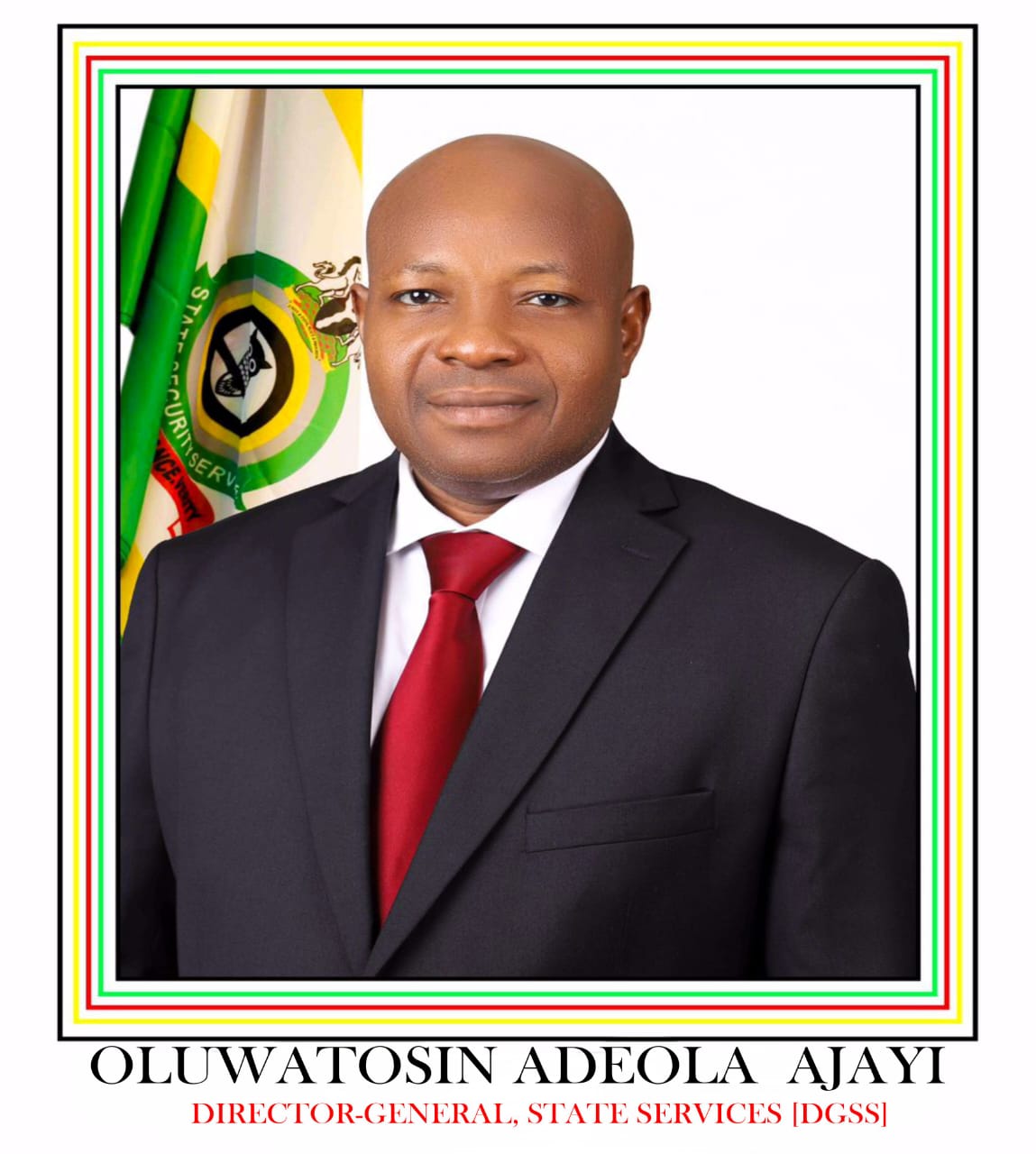
Under the leadership of Oluwatosin Ajayi, the DSS has demonstrated renewed operational focus and intelligence capability in confronting some of the country’s most pressing security threats. Rather than dismantling the agency, the conversation should focus on strengthening and supporting the institution that quietly works behind the scenes to protect Nigerians.
Across the North-East, North-West, and the Middle Belt, the DSS has intensified intelligence-driven operations that have disrupted terror cells and prevented numerous kidnapping plots. These are not abstract claims; they are measurable results that have directly contributed to saving lives and stabilizing communities.
One of the most significant achievements has been the successful prosecution and conviction of key terrorist figures linked to groups such as Ansaru and commanders associated with Islamic State West Africa Province (ISWAP). Convictions of this magnitude signal not only effective intelligence gathering but also coordination with the justice system to ensure that perpetrators face the full weight of the law.
The DSS has also expanded its operational reach beyond traditional conflict zones. Coordinated operations in Abuja, as well as in Nasarawa State, Ebonyi State, and Akwa Ibom State, have led to the arrest of arms couriers and logistics suppliers for terrorist groups. In some cases, even women acting as logistical coordinators for terror networks were apprehended, demonstrating the depth of the agency’s intelligence penetration.
Perhaps one of the most striking operations occurred in Asaba, where DSS operatives intercepted a major arms smuggling network. The operation led to the recovery of more than 50 AK-47 rifles, rocket-propelled grenades (RPGs), grenades, and over 3,000 rounds of ammunition—an arsenal that could have fueled devastating attacks across the country.
The agency’s efforts have also translated into lifesaving rescue missions. In Kaduna State, coordinated DSS operations resulted in the rescue of 79 kidnapped victims. Similar rescue missions have taken place in Niger State, Kebbi State, and Katsina State, returning victims to their families and disrupting the financial networks that sustain kidnapping gangs.
Importantly, these are only the operations that reach the public domain. Intelligence agencies worldwide operate largely in secrecy, meaning many successful interventions remain undisclosed to protect ongoing investigations and operational methods.
This reality makes sweeping criticisms of the DSS particularly unfair. Security agencies should indeed be held accountable, but such scrutiny must be balanced with recognition of genuine accomplishments. Dismissing the agency outright ignores the complex and often dangerous work carried out daily by its officers.
Nigeria’s security challenges require strong institutions, professional leadership, and sustained intelligence operations. Under Ajayi’s leadership, the DSS appears to be repositioning itself toward that goal.
Rather than calling for its disbandment, Nigerians should demand continued reforms, improved oversight, and greater resources to ensure the DSS remains effective in safeguarding national security.
In the fight against terrorism and organized crime, weakening one of the country’s primary intelligence institutions would only serve the enemies of the state—not the Nigerian people.
Olumide Bajulaiye is the Publisher, Daily Dispatch Newspaper, also a media consultant
Before Calling for DSS Disbandment, Look at the Results


Military
Mutiny: Presidential Guard Tightens Security Around Niger Presidency Amid Reports of Military Protest
Mutiny: Presidential Guard Tightens Security Around Niger Presidency Amid Reports of Military Protest
By Zagazola Makama
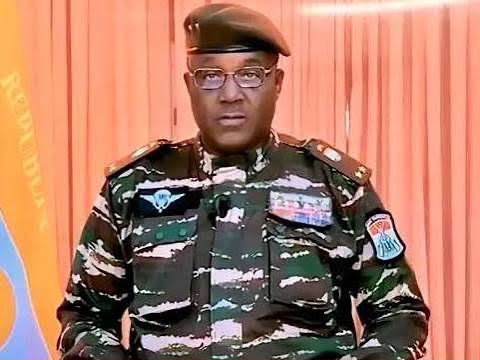
Security was significantly reinforced around Niger’s Presidential Palace in Niamey following reports of unrest involving elements of the country’s armed forces, security sources told Zagazola Makama.
According to multiple security sources, the heightened deployment of the Presidential Guard, supported by armoured vehicles around the Presidential Palace on the night of July 3 and into July 4, followed what was described as a limited protest by personnel of an armoured unit within the Niger Armed Forces (FAN).
The sources said some soldiers reportedly declined deployment to frontline positions in northern Tillabéri Region, particularly around Inatès and Chinagodrar, citing inadequate heavy equipment and insufficient operational resources to confront the growing security threats in the area.
The protest was described by one source as a “small mutiny,” although there has been no official confirmation from the Nigerien authorities.
Security sources said the development triggered concern within the country’s leadership, prompting the reinforcement of security around the Presidential Palace and temporary restrictions on movement in the surrounding area as a precautionary measure.
The Tillabéri Region remains one of Niger’s most volatile security zones, with recurrent attacks by armed extremist groups, including factions linked to the so-called Islamic State in the Greater Sahara (ISGS).
As of the time of filing this report, the Nigerien government and military authorities had not issued any official statement regarding the reported protest or the increased security presence around the Presidency.
The situation remains under close observation.
Mutiny: Presidential Guard Tightens Security Around Niger Presidency Amid Reports of Military Protest
Two suspected criminals arrested during patrol in Plateau
By: Zagazola Makama
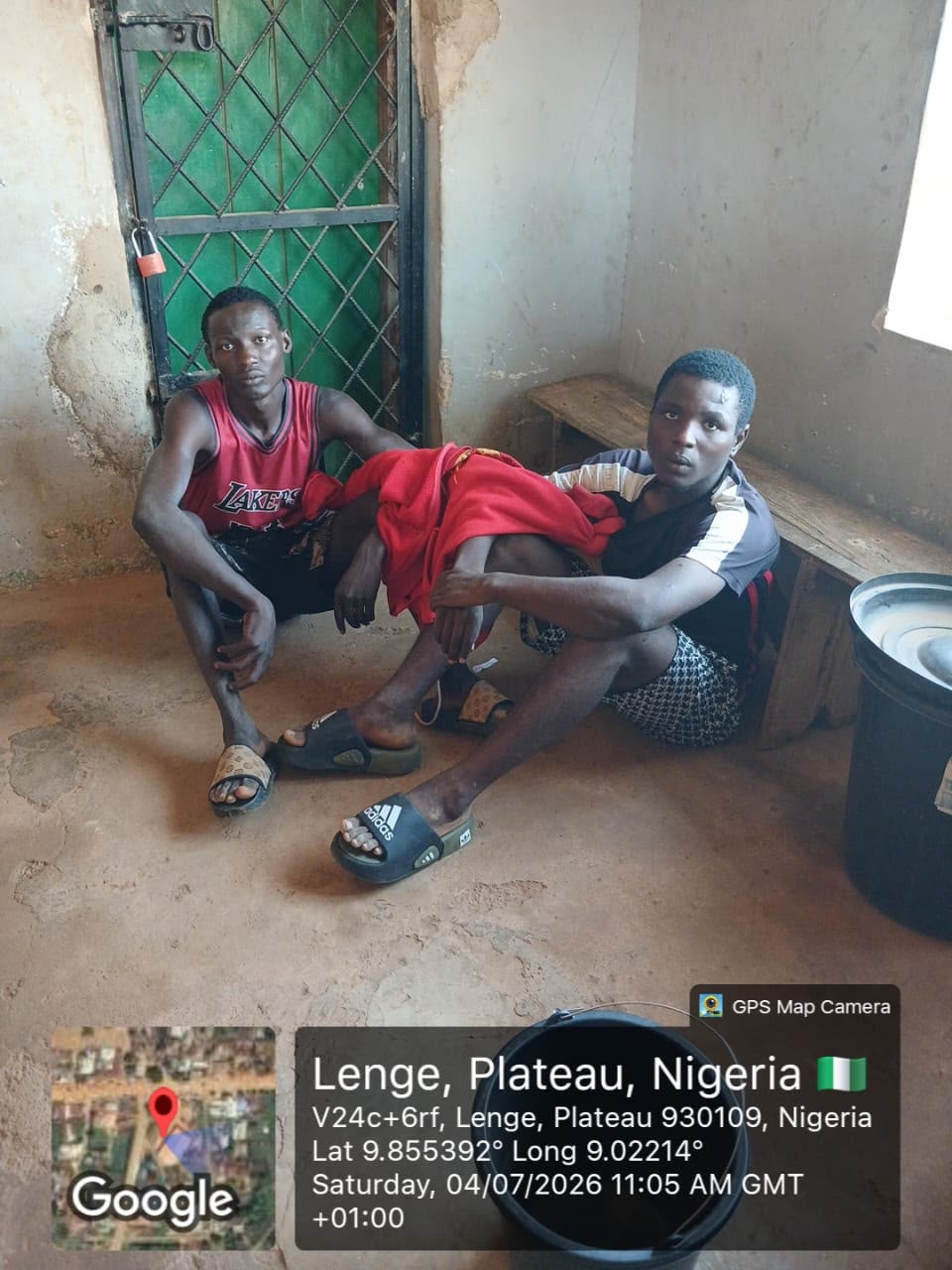
Troops of Sector 1 under Operation Enduring Peace have arrested two suspected criminals during a routine patrol in Jos East Local Government Area of Plateau.
Security sources disclosed that the suspects, identified as Azi Ezekiel, 21, and Ajiji Emmanuel, 19, were apprehended at about 10:30 a.m. on Saturday along the road leading to Forbur Village.
The sources said the suspects were intercepted by troops of Sector 1, Sub-Sector 12, while conducting a routine patrol in the area.
According to the sources, the two suspects have been handed over to the Keystone Police Station in Forbur for further investigation and possible prosecution.
The arrest forms part of ongoing security operations aimed at combating criminal activities and enhancing safety across Plateau State.
Two suspected criminals arrested during patrol in Plateau
Troops arrest suspected kidnapper in Plateau community
By: Zagazola Makama
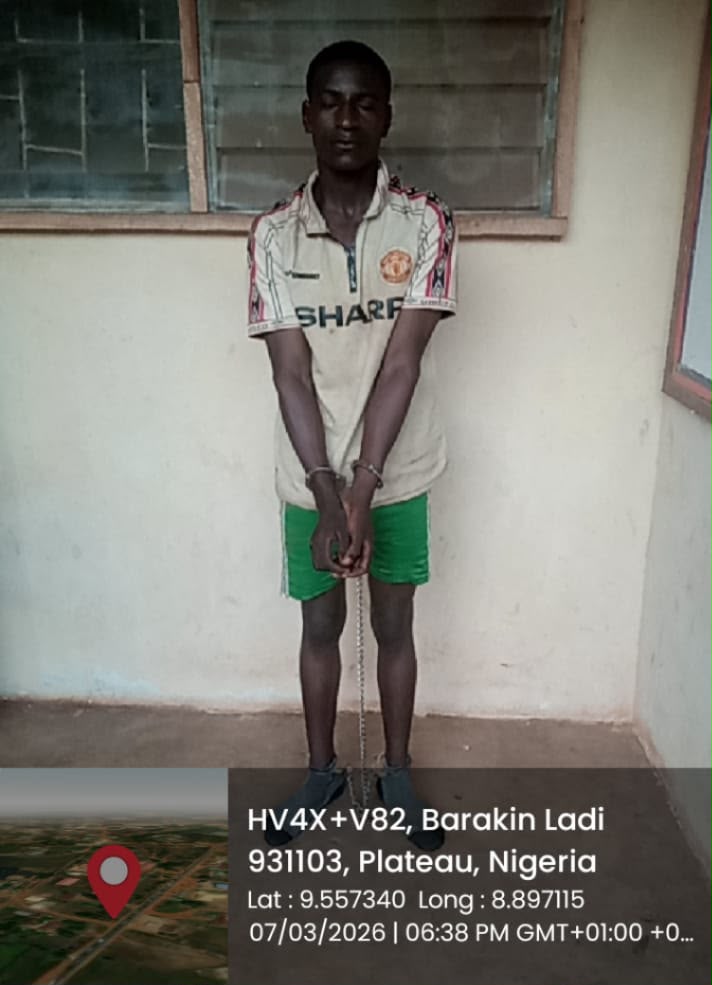
Troops of Sector 4 of Operation Enduring Peace have arrested a suspected kidnapper during a security operation in Barkin Ladi Local Government Area of Plateau.
Security sources said the suspect, identified as Mohamdu Surajo, 29, was arrested at about 6:45 p.m. on Friday at Sabon Layi Village following sustained security operations in the area.
The sources disclosed that the suspect is currently in military custody and is undergoing preliminary interrogation to aid ongoing investigations.
They added that the arrest is part of continued efforts by security forces to dismantle criminal networks and enhance security across Plateau State.
Troops arrest suspected kidnapper in Plateau community

President Tinubu Flags Off the Construction of Dikwa–Gamboru Ngala, Bama–Banki International Road Projects

Mutiny: Presidential Guard Tightens Security Around Niger Presidency Amid Reports of Military Protest

Troops Arrest Two Suspected Berom Militia Linked to NIPSS Attack as Security Sources Say Investigation Supports Earlier Leads

Roger Federer’s Shock as DNA Results Reveal Myla and Charlene Are Not His Biological Children

THE PLIGHT OF FARIDA

FAILED COUP IN BURKINA FASO: HOW TRAORÉ NARROWLY ESCAPED ASSASSINATION PLOT AMID FOREIGN INTERFERENCE CLAIMS
-
 News2 years ago
Roger Federer’s Shock as DNA Results Reveal Myla and Charlene Are Not His Biological Children
-
Opinions4 years ago
THE PLIGHT OF FARIDA
-
 News1 year ago
FAILED COUP IN BURKINA FASO: HOW TRAORÉ NARROWLY ESCAPED ASSASSINATION PLOT AMID FOREIGN INTERFERENCE CLAIMS
-

 News2 years ago
EYN: Rev. Billi, Distortion of History, and The Living Tamarind Tree
-
 Opinions5 years ago
POLICE CHARGE ROOMS, A MINTING PRESS
-

 ACADEMICS2 years ago
A History of Biu” (2015) and The Lingering Bura-Pabir Question (1)
-

 Columns2 years ago
Army University Biu: There is certain interest, but certainly not from Borno.
-

 Politics1 year ago
2027: Why Hon. Midala Balami Must Go, as Youths in Hawul and Asikira/Uba Federal Constituency Reject ₦500,000 as Sallah Gift
