
News
Aisha Babangida and the African Rural Woman

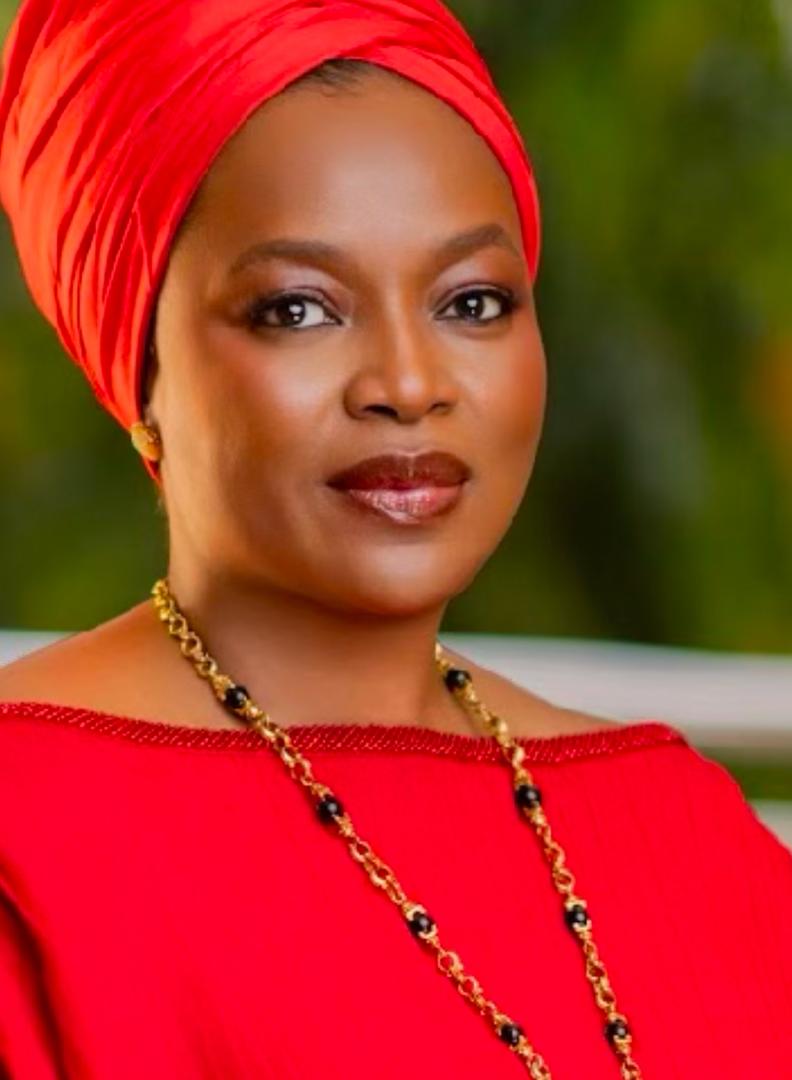
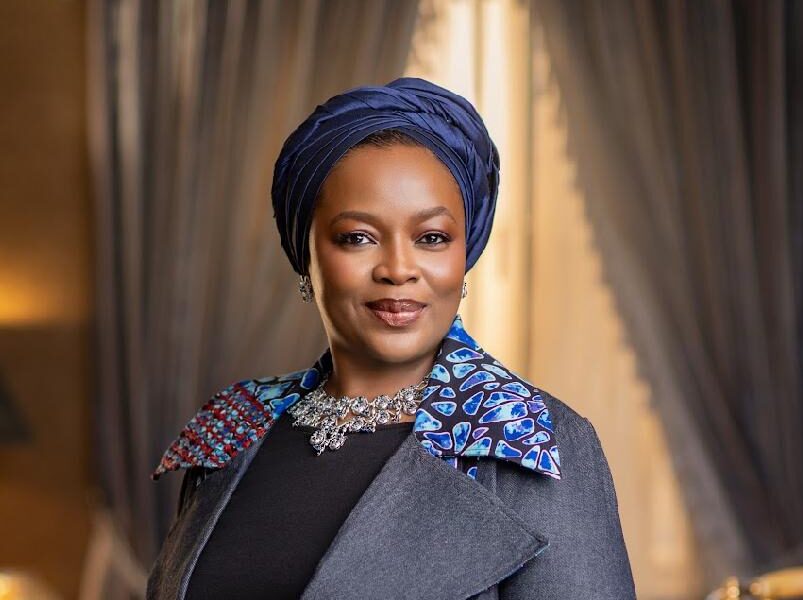
Aisha Babangida and the African Rural Woman
…celebrating International Day for Rural Women
By Edwin Uhara
Therefore, the challenges facing African Rural Women necessitated the celebration of Aisha Babangida’s efforts in giving rural women a voice and access through many of her NGOs. Still, because this piece is about the International Day of Rural Women, I limited the scope of this article to the Better Life Program for the African Rural Woman for what they are doing silently.
There is no better time to appreciate the humanitarian gestures of Aisha Babangida, a woman who has been silently transforming the lives of people around her than using the occasion of this year’s International Day for the Rural Women; a day set aside by the United Nations to raise awareness on the status of women and to shed more lights on the inequalities women still face as well as advocate for their recognition and participation in decision-making and demanding stronger social protection systems that reduces the digital divide they face in this century.
Accordingly, the works of Aisha Babangida have become even more pronounced as we mark the 30th anniversary of the famous Beijing Women’s Conference of 1995 this year.
And in line with this year’s theme, “Rural Women Sustaining Nature for our Collective Future,” Aisha Babangida, through the Better Life Program for African Rural Women, has been shaping the lives of rural women by equipping them with relevant skills through training and empowerment.
However, the empowerment of the Better Life Program differs from other empowerment programs, which often employ a general template that overlooks the specific needs of each state or zone. In contrast, the Better Life empowerment program is tailored to state-to-state and region-to-region priorities, based on a SWOT analysis.
Hence, before deciding on the type of training and empowerment to be offered to a particular region, the Better Life Program will first of all get the baseline data and analyse it to ascertain the strengths, weaknesses, opportunities and threats of the zone before coming forth with an empowerment Program that suits the zone while capitalising on the comparative advantage the region already has.
In other words, their focus is on building on the strengths and opportunities of each state or region. For example, a state with a strong foundation in groundnut production, such as Kano, would be leveraged by training its women and girls in modern groundnut production techniques and empowering them on that basis, so as to add value to themselves and create value chains.
The reason is that the template that works in Kano State will likely not work in Enugu State, because apart from comparative advantage and market availability, topographical differences are also a factor.
All these factors are considered by the Better Life Program before rolling out its programs, and this has helped ensure that empowerment reaches the people who need it most.
Similarly, empowering women is not only a right but also a potent force for alleviating poverty, hunger, diseases and reducing the effects of global warming.
According to a UN report, “Women are responsible for half of the world’s food production while working as environmental and biodiversity stewards.”
Even then, there are still challenges facing rural women globally. The UN report further stated that, “Women and girls in rural areas suffer disproportionately from multi-dimensional poverty.”
“They may be as productive and enterprising as their male counterparts but are less able to access land, credit, agricultural inputs, markets, and high-value agrifood chains and obtain lower prices for their crops.”
The report added that “Women and girls in rural areas lack equal access to productive resources and assets, public services, such as education and health care, and infrastructure, including water and sanitation, while much of their labour remains invisible and unpaid.”
In the same vein, the report added that ‘If women had the same access to productive resources as men, farm yields could increase by 20–30 per cent, feeding an additional 100 to 150 million people.”
Based on the foregoing, empowering our women is no longer a choice but a necessity.
Therefore, the challenges facing African Rural Women necessitated the celebration of Aisha Babangida’s efforts in giving rural women a voice and access through many of her NGOs. Still, because this piece is about the International Day of Rural Women, I limited the scope of this article to the Better Life Program for the African Rural Woman for what they are doing silently.
While I encourage Aisha Babangida to continue her good work for humanity, I also appeal to public-spirited individuals to support this good cause for the sake of the common humanity we share.
Happy International Day for Rural Women!
Comrade Edwin Uhara is a UN-trained Negotiator and writes from Abuja
Aisha Babangida and the African Rural Woman


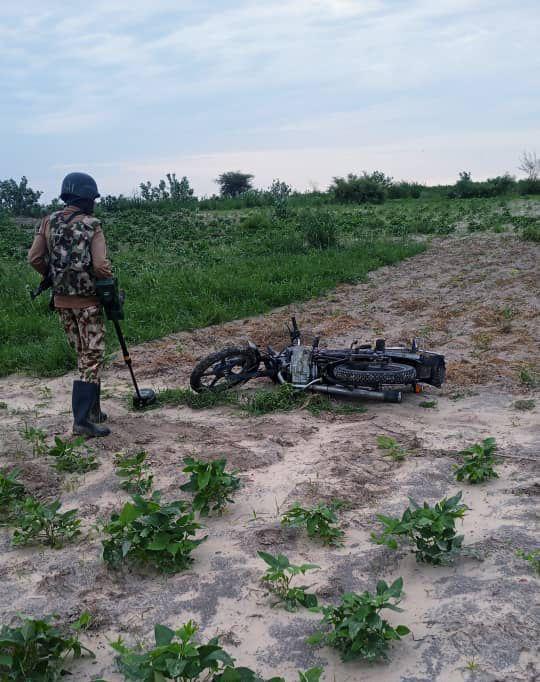
Troops repel terrorist attack in Kukawa, neutralise 26, destroy 10 motorcycles
By: Zagazola Makama
Troops of Sector 3 Operation HADIN KAI in Kukawa, in collaboration with other components of Operation Hadin Kai, have repelled a terrorist attack around Kadiya village in Kukawa Local Government Area of Borno State, neutralising 26 terrorists and destroying 10 motorcycles during the engagement.
The operation, which took place late on Friday, August 28, followed credible human intelligence on the movement of terrorists around Kadiya village, in the Kukawa axis.
According to military sources the terrorists attacked troops of 101 Special Forces Battalion at about 10:45 p.m.

The attack was successfully repelled by the troops, supported by the air component of Operation Hadin Kai.
Military sources said the terrorists were forced to withdraw in confusion following the coordinated ground and air response.
As the terrorists attempted to escape from the area, the Nigerian Air Force conducted two precision air strikes against the fleeing fighters.
The first strike targeted about 10 terrorists who had taken cover beneath trees following the initial engagement.
The strike was reported to have neutralised all 10 terrorists in the targeted position. A second air strike was subsequently conducted against terrorists fleeing towards the Tunbuns/Kangarwa axis, with the operation coordinated with the Multinational Joint Task Force’s intelligence, surveillance and reconnaissance assets.
The second strike neutralised an additional 15 terrorists and destroyed 10 motorcycles used by the fleeing fighters. The troops later conducted an exploitation operation along the terrorists’ withdrawal route at about 6:00 a.m. on Saturday, August 29.

During the exploitation, the troops discovered the corpse of an additional terrorist, bringing the total number of terrorists neutralised in the operation to 26. The military also recovered two motorcycles abandoned by the terrorists.
Other recovered items included 253 rounds of 7.62 x 54mm PKT ammunition, 12 rounds of 7.62mm special ammunition and two anti-aircraft rounds. The troops also recovered a shuttle bag, an eye protector, a pair of spectacles and two wristwatches.
The engagement, however, came with a casualty on the side of the troops, with four soldiers sustaining injuries. One Mine-Resistant Ambush Protected vehicle was also damaged during the encounter. The injured soldiers were immediately evacuated for medical attention and are said to be in stable condition.
The troops were subsequently resupplied to sustain their operational posture and maintain pressure on terrorist elements operating around the Kukawa and Lake Chad axis.
The Kadiya-Kangarwa axis remains strategically important to the security architecture of Borno State, given its proximity to the Lake Chad basin and the known movement corridors used by terrorist elements.
Military authorities said troops remain deployed across the theatre and continue to conduct patrols, intelligence-led operations and exploitation missions to deny terrorists freedom of movement and prevent them from regrouping.

The latest development also highlights the unpredictable nature of the security environment in the North-East, where terrorist groups continue to attempt attacks against military positions despite sustained counter-insurgency operations.
The military further assured that operations would continue to target terrorist formations and logistical networks while sustaining pressure on their movements across the theatre.
Troops repel terrorist attack in Kukawa, neutralise 26, destroy 10 motorcycles

Troops neutralise suspected terrorist, recover two AK-47 rifles in Plateau
By: Zagazola Makama
Troops of Sector 2, Operation Enduring Peace (OPEP), have neutralised a suspected terrorist and recovered two AK-47 rifles during a stop-and-search operation at Zak village in Wase Local Government Area of Plateau State.
The incident occurred at about 9:50 a.m. on Saturday, August 29, 2026, when troops deployed in the area intercepted a green-coloured Golf vehicle with registration number DKA-808XM as part of ongoing security checks.
Military source told Zagazola that the troops subjected the vehicle to a search and discovered a fabricated concealed compartment inside the dashboard.
The driver was reportedly directed to open the concealed compartment but refused and allegedly fled into a nearby bush.
Some of the troops immediately pursued the suspect while others remained behind to secure and continue searching the vehicle.
The fleeing driver was subsequently apprehended but allegedly attempted to disarm one of the soldiers.
The troops responded swiftly, resulting in the neutralisation of the suspect.
A subsequent search of the vehicle led to the recovery of two AK-47 rifles, with registration numbers 506034 and 4690, as well as one magazine. Other items recovered included two wooden rifle butts, nine magazine pouches, two camel bags, six jungle hats, one mobile phone and an ATM card.
The recovery of the weapons and military-style accessories from a vehicle fitted with a concealed compartment has raised further security concerns over attempts by criminal and terrorist elements to move arms through the region.
The operation forms part of sustained stop-and-search activities by troops of Operation Enduring Peace aimed at disrupting the movement of armed groups, illegal weapons and other threats across Plateau State.
Security forces have continued to intensify patrols and intelligence-led operations across vulnerable communities and major access routes in the state as part of efforts to prevent attacks and protect civilians.
The latest operation also demonstrates the importance of routine vehicle checks and vigilance by security personnel in identifying concealed weapons and preventing their movement into communities.
Zagazola understands that the recovered weapons and other items have been taken into military custody for further investigation.
Troops neutralise suspected terrorist, recover two AK-47 rifles in Plateau

Nigeria Tasks AU on Innovative Financing to Strengthen Peace, Security
By: Michael Mike
Nigeria has called on the African Union (AU) to develop innovative and sustainable financing mechanisms capable of strengthening the continent’s ability to prevent and resolve conflicts without excessive dependence on external funding.
The Minister of Foreign Affairs, Ambassador Bianca Odumegwu-Ojukwu, made the call on Saturday in Luanda, Angola, at the 26th Extraordinary Session of the Executive Council of the African Union, convened under the theme, “Strengthening Mechanisms for Conflict Prevention and Resolution in Africa.”
The minister commended progress recorded in strengthening the AU Peace Fund, saying member states had collectively contributed about $350.2 million, representing 87.5 per cent of the original $400 million capitalisation target.
She added that the Fund’s balance had surpassed $405 million, while approximately $39 million had been disbursed for mediation, preventive diplomacy, peace support operations and other peace and security interventions.
Odumegwu-Ojukwu urged AU member states to fulfil their assessed contributions and, where possible, make additional voluntary contributions to strengthen the Fund.
She described such contributions not merely as financial obligations but as investments in Africa’s collective security and sovereignty.
The minister warned that African-led peace operations could be undermined by unpredictable funding, particularly in meeting the costs of personnel, logistics, equipment and other operational requirements.
She therefore advocated a gradual transition from reliance on external assistance towards greater African self-reliance in financing peace and security operations.
“External assistance should complement African ownership; it should not substitute for it. African resources should remain the foundation of African peace and security financing,” she said.
The minister further called for progressive capitalisation of the AU Peace Fund towards its $1 billion target, alongside stronger mobilisation of resources from African financial institutions, the private sector and strategic partners.
She also urged full implementation of the 0.2 per cent levy under the Kigali Financing Decision, while asking the AU Commission to explore additional innovative financing mechanisms capable of generating predictable and sustainable long-term revenue.
Among the proposals put forward was the voluntary allocation of strategically located land by member states for development by qualified private-sector companies and African multilateral financial institutions.
According to the minister, mutually agreed arrangements could enable the AU to earn annual royalties from such developments while simultaneously encouraging investment, infrastructure development and stronger partnerships among African institutions and businesses.
She, however, stressed that any new financing mechanisms must be underpinned by transparency, accountability, sound financial management and effective oversight.
“Africa has the institutions, the financial capacity and the political vision to take greater responsibility for its own peace and security. What is required now is the collective political will to translate that capacity into action,” she said.
Odumegwu-Ojukwu reaffirmed Nigeria’s commitment to collective African efforts to promote peace and security, stressing that a stable continent was critical to achieving the objectives of Agenda 2063 and building an integrated, prosperous and peaceful Africa.
“Let us make the African Union Peace Fund not merely an instrument that we endorse, but an institution that we own, finance and sustain. Let us demonstrate through our contributions that African peace is an African responsibility,” she added.
Nigeria Tasks AU on Innovative Financing to Strengthen Peace, Security

Troops repel terrorist attack in Kukawa, neutralise 26, destroy 10 motorcycles

Troops neutralise suspected terrorist, recover two AK-47 rifles in Plateau

Nigeria Tasks AU on Innovative Financing to Strengthen Peace, Security

Roger Federer’s Shock as DNA Results Reveal Myla and Charlene Are Not His Biological Children

THE PLIGHT OF FARIDA

FAILED COUP IN BURKINA FASO: HOW TRAORÉ NARROWLY ESCAPED ASSASSINATION PLOT AMID FOREIGN INTERFERENCE CLAIMS
-
 News2 years ago
Roger Federer’s Shock as DNA Results Reveal Myla and Charlene Are Not His Biological Children
-
Opinions5 years ago
THE PLIGHT OF FARIDA
-
 News1 year ago
FAILED COUP IN BURKINA FASO: HOW TRAORÉ NARROWLY ESCAPED ASSASSINATION PLOT AMID FOREIGN INTERFERENCE CLAIMS
-

 News2 years ago
EYN: Rev. Billi, Distortion of History, and The Living Tamarind Tree
-
 Opinions5 years ago
POLICE CHARGE ROOMS, A MINTING PRESS
-

 ACADEMICS3 years ago
A History of Biu” (2015) and The Lingering Bura-Pabir Question (1)
-

 Columns2 years ago
Army University Biu: There is certain interest, but certainly not from Borno.
-

 Politics1 year ago
2027: Why Hon. Midala Balami Must Go, as Youths in Hawul and Asikira/Uba Federal Constituency Reject ₦500,000 as Sallah Gift
