
News
At Iftar With President Tinubu, VP Shettima Urges Reps To Shun Division, Partisanship


At Iftar With President Tinubu, VP Shettima Urges Reps To Shun Division, Partisanship
** As House donates ₦705 million to support humanitarian efforts
By: Our Reporter
Vice President Kashim Shettima has called on leaders of the National Assembly to uphold the sacred responsibility of leadership and to prioritise unity and national development over political divisions and partisan interests.
He spoke on Monday night when President Bola Ahmed Tinubu hosted the leadership and members of the House of Representatives to Iftar (breaking of Ramadan fast) at the New Banquet Hall of the Presidential Villa in Abuja.
Speaking on behalf of the President, VP Shettima urged lawmakers to embrace their responsibility with humility and a shared commitment to progress.
He said, “In the end, history will not judge us by the number of personal battles we fought against one another, but by the bridges we were able to build together. We are gathered here this evening not as adversaries in a contest for power, but as partners in the noble task of nation-building.”
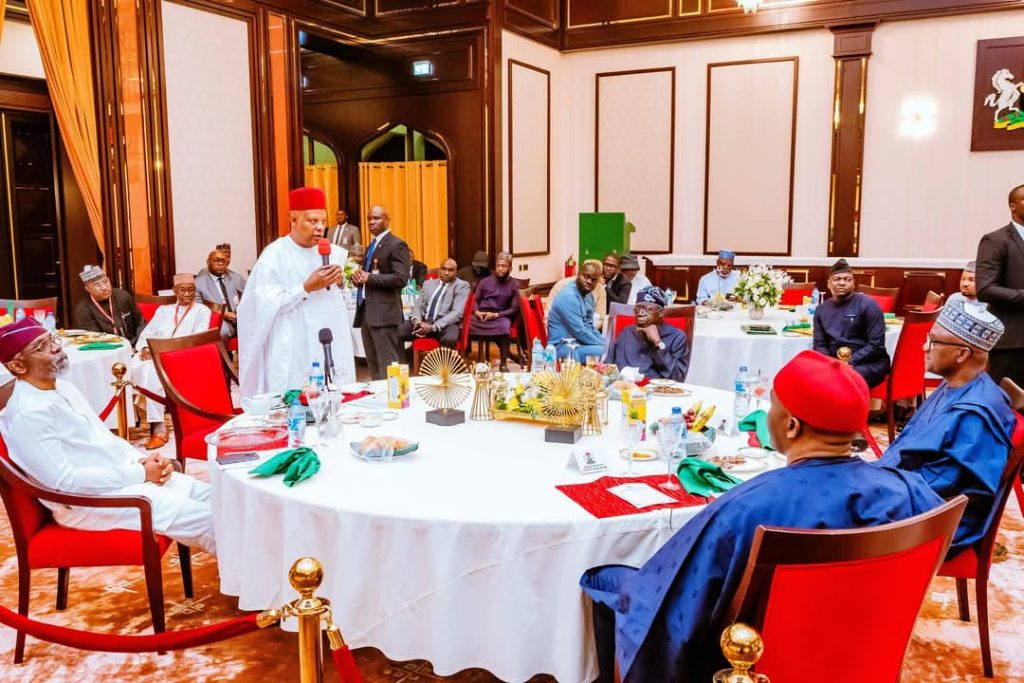
Reflecting on the significance of Ramadan, which coincides with the Lenten season, the Vice President called for deep introspection and a reaffirmation of commitment to Nigeria’s unity.
“This sacred month of reflection and renewal reminds us to choose stability over strife, collaboration over conflict, and dialogue over discord. What binds us as a nation is far greater than what divides us,” the Vice President said.
VP Shettima commended President Tinubu’s leadership, describing him as a man of vision and inclusivity.
According to Senator Shettima, “In President Bola Ahmed Tinubu, you have not just a leader you can trust, but a leader who trusts you. He sees you as stewards of our democracy, as voices of the people, and as partners in our shared aspiration to build a better Nigeria.”

He further assured Nigerians that the government’s economic policies are yielding results and explained that “The economy has turned the corner. We are now on the path to sustained economic growth, and with perseverance, we will create a Nigeria where every citizen can thrive.”
The Vice President also lauded the Speaker of the House of Representatives, Hon. Abbas Tajudeen, and the House leadership for fostering harmony within the legislature.
“There can be no development without peace, and there can be no peace without development. The unity within the House is a testament to our collective resolve to move Nigeria forward,” he said.
VP Shettima urged the leaders to govern with empathy, fairness, and justice, reminding them that their positions are a sacred trust of the Nigerian people. “Leadership is not about personal gain; it is about service. It is a burden vested in us by God, tested by history, and measured by the impact we leave behind,” he said.
Earlier, the Speaker of the House of Representatives, Rt. Hon. Tajudeen Abbas thanked President Bola Ahmed Tinubu for the invitation to break fast with him and for always showing respect and concern for the House of Representatives.
“As we all know, the month of Ramadan entails many things, one of them is reflection; where were you before, where are you now and where do you want to be? I believe Nigeria more than ever before needs this type of reflection,” he said.
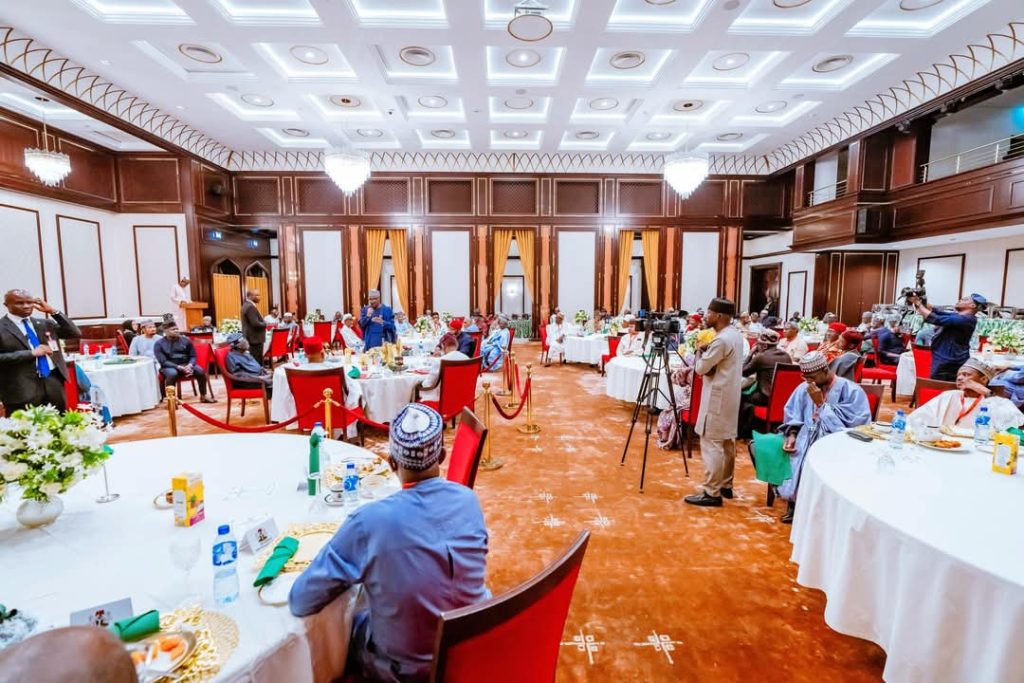
Imploring both Christians and Muslims to dedicate this time to praying for the country, the Speaker said Nigerians know what the Tinubu administration has achieved within just two years and this period offers a moment for every Nigerian to reflect and pray for the country – prayers for the economy; prayers for improved security, prayers for the leaders and prayers for the citizens.
He assured that every member of the House of Representatives is in support of the President, noting that the policies of the government are for the betterment of the people and Nigeria as a country.
On behalf of the House of Reps, the Hon. Speaker donated the sum of ₦705,000,000 (Seven Hundred and Five Million Naira), which he said is a six-month fifty per cent deduction from their salaries to augment the humanitarian engagements of Mr President and to support vulnerable people in the country.
At Iftar With President Tinubu, VP Shettima Urges Reps To Shun Division, Partisanship


Fubara Swears in 12 Permanent Secretaries, Tasks Them on Integrity, Service
By: Michael Mike
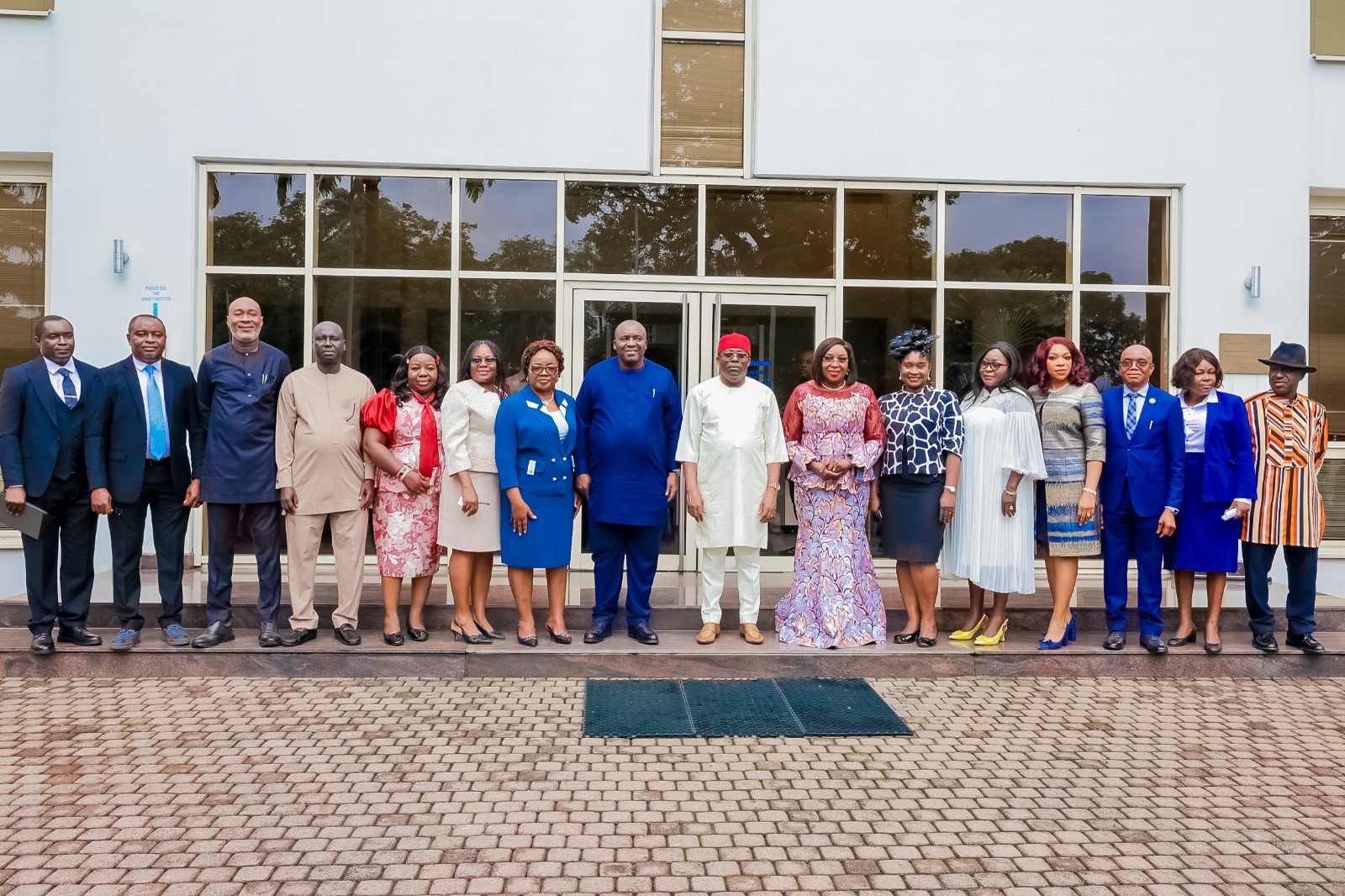
Rivers State Governor, Sir Siminalayi Fubara, on Wednesday swore in 12 new Permanent Secretaries, charging them to uphold the oath of office, demonstrate integrity, and provide selfless leadership as they assume the highest managerial positions in the state civil service.
The governor said the appointments were not rewards or avenues for personal enrichment but a call to serve the people of Rivers State with fairness, professionalism and unwavering loyalty to both the state and the Federal Republic of Nigeria.

Speaking during the swearing-in ceremony held at the Executive Council Chambers of the Government House in Port Harcourt, Fubara reminded the appointees that the oath they had just taken should remain the guiding principle of their conduct throughout their tenure.
“I do not have any other charge. The charge is the oath you’ve taken. The oath spells it out. Do right to all—every man and woman. Do right to your state and do right to the Federal Republic of Nigeria,” the governor declared.
Those sworn in included Mr. Freddy Ndigbara, Mrs. Fortune Akpila, Dr. Promise Oguzie, Mrs. Ibisoye Lolomari Nwankwo, Mrs. Ibiyemibara Joseph Uzoma, Mrs. Mercy Dagogo Iboroma, Dr. Vincent Worgu Wachukwu, Mr. Ifeanyi Anthony Ogboma, Dr. Mina Gogo Jim-Jaja, Mr. Henry Uzor, Mr. Chimenum Anebo Mpi and Dr. Mina Tele Ikuru.
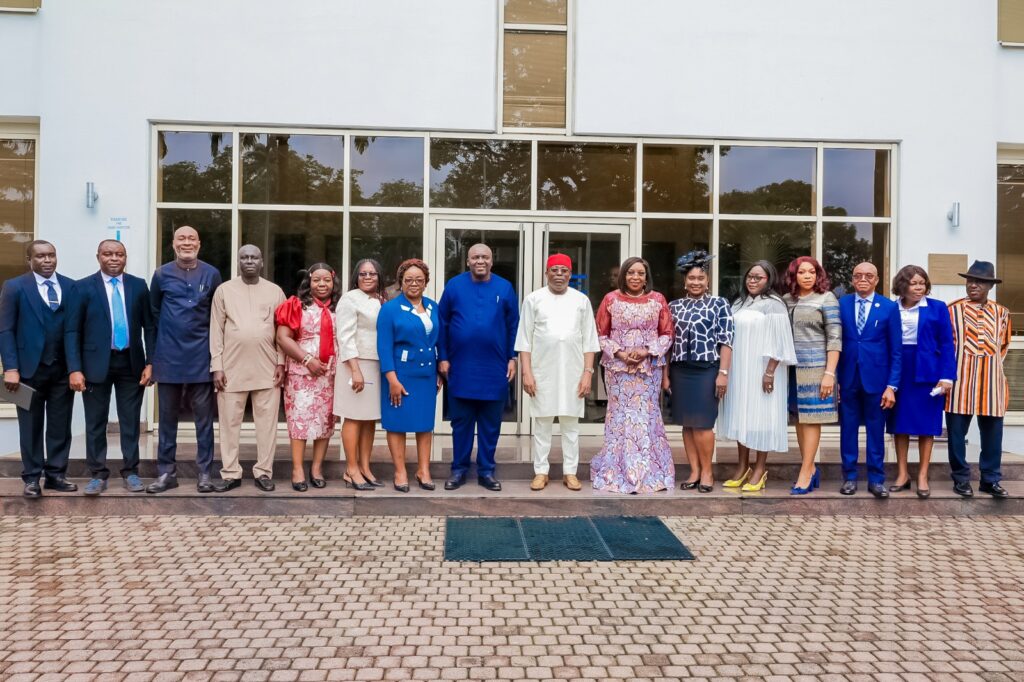
The oath of office was administered by the Deputy Chief Registrar (Administration) of the Rivers State High Court, Magistrate Betty Sunny-Hart.
Fubara described the appointments as an elevation to the pinnacle of the state’s civil service hierarchy, noting that permanent secretaries occupy strategic positions that determine the efficiency and effectiveness of government ministries.
According to him, the appointees must provide the leadership needed to improve governance and strengthen public service delivery across the state.
“It is a call to service. You are the heads of your ministries, wherever you may be sent. You are at the peak of the managerial cadre of the civil service, the highest of our service. You are at the head, so you need to do the work as somebody who is at the head.
“So, I believe that your coming on board will bring changes and effectiveness to the system,” he said.
The governor further urged the officials to build institutions that would endure beyond the lifespan of his administration, stressing that effective governance is measured by continuity and the ability of successive administrations to build on established foundations.
“When we are done with our own, I believe that your good work will help whoever is coming to take over from us to also continue with the good work in our dear state,” he added.
He congratulated the newly appointed permanent secretaries and wished them success in the discharge of their responsibilities.
The appointment comes as the Fubara administration continues efforts to reposition the Rivers State civil service for greater efficiency amid ongoing reforms aimed at improving governance, policy implementation and service delivery. Permanent secretaries, as accounting officers and chief administrative heads of ministries, play a pivotal role in translating government policies into programmes and ensuring continuity in public administration irrespective of political transitions.
Fubara Swears in 12 Permanent Secretaries, Tasks Them on Integrity, Service
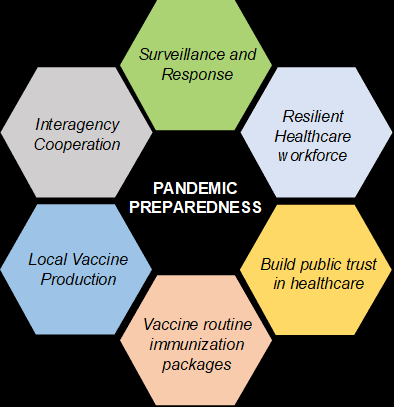
Pandemic Preparedness Model Flawed as Study Identifies Inequality as Biggest Killer
By: Michael Mike
A major international study has challenged decades of global health policy, concluding that economic inequality—not the strength of a country’s laboratories, emergency plans or healthcare infrastructure—is the strongest predictor of how severely nations suffer during pandemics.
The findings, published in the New England Journal of Medicine by a team led by Nobel Prize-winning economist Joseph Stiglitz and other leading global health experts, argue that governments must fundamentally rethink pandemic preparedness by placing inequality at the centre of health security strategies.
The research, conducted by the Global Council on Inequality, AIDS and Pandemics, found that countries traditionally ranked among the world’s best prepared for pandemics, including the United States and the United Kingdom, recorded some of the highest COVID-19 infection and death rates despite their advanced medical systems.
By contrast, countries with lower conventional preparedness rankings but relatively lower levels of inequality, such as Vietnam and Ethiopia, performed significantly better in containing the pandemic.
The researchers found no meaningful link between traditional pandemic preparedness indicators and actual outcomes during COVID-19 or the AIDS pandemic. Instead, they identified income inequality as the clearest predictor of deaths and infections.
According to the analysis, every one-point increase in a country’s Gini coefficient—the standard measure of income inequality—was associated with approximately 12.5 additional COVID-19 deaths per 100,000 people. The same relationship was observed for AIDS-related deaths and new HIV infections, even after accounting for poverty levels and existing health infrastructure.
The report argues that inequality weakens public health responses by limiting people’s ability to comply with health measures, reducing trust in public institutions and creating unequal access to healthcare services.
It warns that over 90 per cent of the world’s population now lives in countries experiencing high levels of income inequality—the highest since the Industrial Revolution—making the global community increasingly vulnerable to future pandemics.
To reverse the trend, the researchers proposed an “Inequality-Informed Pandemic Preparedness and Response” framework that shifts attention beyond hospitals and laboratories to broader economic and social policies.
Among their recommendations are expanding paid sick leave, unemployment benefits and cash transfers during health emergencies; integrating finance, labour and education ministries into pandemic planning; reforming global financial systems through emergency debt relief and automatic international funding; and promoting open licensing of publicly funded medical research alongside expanded regional production of vaccines and medicines.
Joseph Stiglitz, Nobel Laureate in Economics and Co-Chair of the Global Council, said the findings expose fundamental weaknesses in the world’s current approach to pandemic preparedness.
“For decades the world judged how ready a country is for a pandemic by counting its laboratories, stockpiles and response plans. This research shows that this is not enough. High economic inequality can leave even wealthy, well-equipped nations dangerously exposed,” he said.
UNAIDS Executive Director Winnie Byanyima described inequality as the underlying driver of pandemics, saying governments now have clear evidence on where action is needed.
“The research proves that inequality is the ground in which pandemics take root. By tackling inequality, we can end AIDS as a public health threat and make the world safer from future pandemics,” she said.
The publication comes ahead of discussions at the AIDS 2026 Conference in Rio de Janeiro, where global leaders will examine the findings and their implications for future international health policy.
The Global Council on Inequality, AIDS and Pandemics was convened by UNAIDS to examine how social and economic inequality shapes responses to infectious disease outbreaks. The Council’s latest study compares countries’ responses to both COVID-19 and HIV/AIDS and concludes that conventional preparedness indices—which primarily assess technical capacity such as surveillance systems, laboratories and emergency response mechanisms—fail to predict real-world performance.
The findings come as governments worldwide reassess pandemic preparedness following COVID-19, which claimed millions of lives globally, while HIV/AIDS has killed more than 44 million people since the early 1980s. The researchers argue that reducing inequality should now be regarded as a core pillar of global health security rather than simply a social policy objective.
Pandemic Preparedness Model Flawed as Study Identifies Inequality as Biggest Killer

Nigeria Seeks AUDA-NEPAD Backing to Unlock Economic Opportunities for Youth, Women
By: Michael Mike
Nigeria has intensified its push for greater continental development support, calling on the African Union Development Agency-New Partnership for Africa’s Development (AUDA-NEPAD) to prioritise the country in the implementation of the African Demographic Dividend Programme and other strategic initiatives aimed at expanding economic opportunities for young people and women.
The appeal came as the Minister of Foreign Affairs, Ambassador Bianca Odumegwu-Ojukwu, held talks with the Chief Executive Officer of AUDA-NEPAD, Ms. Nardos Bekele-Thomas, on the sidelines of the African Union Executive Council Meeting held in Addis Ababa, Ethiopia, where African leaders reviewed progress on the continent’s development agenda and preparations for the upcoming African Union Summit.
Making Nigeria’s case, Odumegwu-Ojukwu stressed that with more than 70 per cent of the country’s population made up of young people, there was an urgent need for increased investment in programmes that would harness the country’s demographic advantage and transform it into sustainable economic growth.
She urged AUDA-NEPAD to place Nigeria at the forefront of implementing the African Demographic Dividend Programme, arguing that such support would help create jobs, strengthen entrepreneurship, build resilient communities and promote inclusive development.
The minister also sought greater collaboration in women empowerment and private sector development, describing both sectors as indispensable to achieving broad-based economic transformation in Africa’s most populous nation.
According to her, stronger coordination between the AUDA-NEPAD Continental Secretariat and the Agency’s National Focal Office in Abuja would ensure more effective implementation of development projects and maximise their impact.
Odumegwu-Ojukwu commended AUDA-NEPAD for its interventions in human capital development, particularly the successful mobilisation of $100 million for the African Demographic Dividend Programme, which she described as a major milestone in advancing Africa’s development aspirations.
She also praised Bekele-Thomas for what she described as her visionary leadership in driving the implementation of flagship projects under the Second Ten-Year Implementation Plan (STYIP) of the African Union’s Agenda 2063.
The minister further applauded the AUDA-NEPAD chief for mobilising significant resources through partnerships involving governments, development agencies, the private sector, philanthropic organisations and civil society groups across Africa.
Reaffirming Nigeria’s historic relationship with the continental agency, Odumegwu-Ojukwu recalled that the country was among the founding members of the former New Partnership for Africa’s Development (NEPAD), which later evolved into AUDA-NEPAD.
She pledged Nigeria’s continued support for the agency, including the country’s annual voluntary financial contributions to sustain its core programmes and development interventions.
Responding, Bekele-Thomas welcomed Nigeria’s renewed commitment to the agency and pledged AUDA-NEPAD’s continued support for the country’s development priorities.
“As Africa’s premier development agency, we are excited to deepen our collaboration with Nigeria, working together to create new economic opportunities, empower communities and translate the aspirations of Agenda 2063 into tangible benefits for the people,” she said.
The renewed engagement comes at a time when Nigeria is seeking to tackle high youth unemployment, deepen women’s participation in the economy and leverage its demographic profile to drive long-term growth. Successive governments have identified youth development, skills acquisition, entrepreneurship and private sector expansion as critical pillars for achieving inclusive economic development.
AUDA-NEPAD, the African Union’s technical implementation agency, plays a central role in coordinating development programmes across the continent, mobilising investments, strengthening institutional capacity and supporting member states in implementing the goals of Agenda 2063, the AU’s long-term blueprint for transforming Africa into a prosperous, integrated and peaceful continent.
Nigeria’s renewed appeal is also expected to reinforce its leadership role within the African Union while positioning the country to benefit from continental initiatives designed to accelerate economic transformation, improve human capital development and create employment opportunities for millions of young Africans.
Nigeria Seeks AUDA-NEPAD Backing to Unlock Economic Opportunities for Youth, Women

Fubara Swears in 12 Permanent Secretaries, Tasks Them on Integrity, Service

Pandemic Preparedness Model Flawed as Study Identifies Inequality as Biggest Killer

Nigeria Seeks AUDA-NEPAD Backing to Unlock Economic Opportunities for Youth, Women

Roger Federer’s Shock as DNA Results Reveal Myla and Charlene Are Not His Biological Children

THE PLIGHT OF FARIDA

FAILED COUP IN BURKINA FASO: HOW TRAORÉ NARROWLY ESCAPED ASSASSINATION PLOT AMID FOREIGN INTERFERENCE CLAIMS
-
 News2 years ago
Roger Federer’s Shock as DNA Results Reveal Myla and Charlene Are Not His Biological Children
-
Opinions4 years ago
THE PLIGHT OF FARIDA
-
 News1 year ago
FAILED COUP IN BURKINA FASO: HOW TRAORÉ NARROWLY ESCAPED ASSASSINATION PLOT AMID FOREIGN INTERFERENCE CLAIMS
-

 News2 years ago
EYN: Rev. Billi, Distortion of History, and The Living Tamarind Tree
-
 Opinions5 years ago
POLICE CHARGE ROOMS, A MINTING PRESS
-

 ACADEMICS2 years ago
A History of Biu” (2015) and The Lingering Bura-Pabir Question (1)
-

 Columns2 years ago
Army University Biu: There is certain interest, but certainly not from Borno.
-

 Politics1 year ago
2027: Why Hon. Midala Balami Must Go, as Youths in Hawul and Asikira/Uba Federal Constituency Reject ₦500,000 as Sallah Gift
