
News
Barkin Ladi chairman condemns killing of five Hausa youths, urges restraint reiterate commitment to peace


Barkin Ladi chairman condemns killing of five Hausa youths, urges restraint reiterate commitment to peace
By: Zagazola Makama
The Chairman of Barkin Ladi Local Government Area, Mr John Kyoro Christopher, has condemned the killing of five innocent Hausa youths by protesting Birom Youths along the Nding axis of the council area, describing the act as barbaric and unacceptable.
Christopher, who addressed journalists in Jos North, said the victims were young men from Jos North Local Government Area Traveling to their various businesses when they were attacked and killed for committing no offence.

Zagazola reports that the incident occurred hours after gunmen suspected to be Fulani bandits allegedly killed seven persons in a reprisal attack in Dorowa Babuje village on Feb. 22.
Following the earlier attack, some irate youths reportedly blocked the road along the Nding axis of Barkin Ladi LGA and began attacking commuters identified as Hausa. Four persons were allegedly selected and killed on the spot, while a fifth later died from injuries sustained during the attack.
The victims were said to be Hausa indigenes of Jos North, a development that heightened tension in parts of the Jos metropolis, including Terminus and Gangare areas. Which Prompted immediately security response from Joint troops of Operation Enduring Peace.
Reacting to the incident, Christopher condemned the action in the strongest terms.
“These were young, promising men travelling to carry out legitimate businesses. They were not armed and did nothing to provoke anyone. Stopping travellers and killing them is not our culture. It is totally unacceptable,” he said.
He described the perpetrators as individuals without conscience, stressing that no one had the right to take another person’s life.
The chairman thanked security forces deployed to the area for their swift intervention, noting that their presence prevented the situation from escalating into a wider crisis.
He commended personnel of the Nigerian Police Force, the military under Operation Enduring Peace, the Nigeria Security and Civil Defence Corps (NSCDC), and the Department of State Services (DSS) for their coordinated response.
According to him, security operatives promptly visited the scene, recovered the remains of the victims and ensured they were buried in accordance with Islamic rites.
Christopher also appreciated community leaders, youth leaders and religious stakeholders in Jos North for showing restraint and working to maintain calm despite the provocation.

“We have worked hard to sustain peace and unity in Jos North and Barkin Ladi, irrespective of religion or ethnicity. We must not allow this painful incident to destroy the progress we have made,” he said.
He appealed to residents, particularly youths, not to take the law into their hands, urging them to remain calm and allow security agencies to investigate the matter.
The chairman called on government and relevant security agencies to fish out the perpetrators and ensure they face the full wrath of the law.
“One of the primary responsibilities of government is the protection of lives and property. Innocent lives have been lost, and the laws are clear. The perpetrators must be identified and brought to justice,” he said.
Christopher reiterated his commitment to peace and peaceful coexistence in the area and urged residents to remain vigilant while cooperating with security agencies to prevent further breakdown of law and order.
The Residents of Jos North Lauded leadership demonstrated by the Chairman of deserves strong commendation.
“At a time when emotions were high and tensions could easily have spiralled out of control, the chairman chose the path of restraint, responsibility and statesmanship. Instead of inflaming passions, he publicly condemned the killing of innocent youths in clear and unequivocal terms. That moral clarity is what leadership demands in moments of crisis.
They equally condemned conduct of Rev. Dachomo and the Birom youths’ Barrister Solomon for declaring war in the state instead of deescalating tension. in the aftermath of the killings.
“It is deeply troubling that Rev. Dachomo reportedly visited the scene of the killings yet failed to clearly and publicly condemn the murder of unarmed young men who were simply on their way to legitimate businesses. At a moment when leadership demanded calm, moral clarity, and empathy for grieving families, silence or selective outrage only deepens division,”they said.
“Even more concerning is the alleged call for war by individuals who are fully aware of what already transpired. When leaders, particularly religious and youth figures, resort to inflammatory rhetoric instead of advocating peace and justice, they risk pouring fuel on an already volatile situation.
“The killing of innocent commuters cannot be justified under any narrative not retaliation, not grievance, not identity politics. If seven people were killed in Dorowa Babuje by suspected criminals, the lawful and moral response is to demand justice through security agencies not to block roads and execute travellers based on ethnicity,”they added.
Barkin Ladi chairman condemns killing of five Hausa youths, urges restraint reiterate commitment to peace


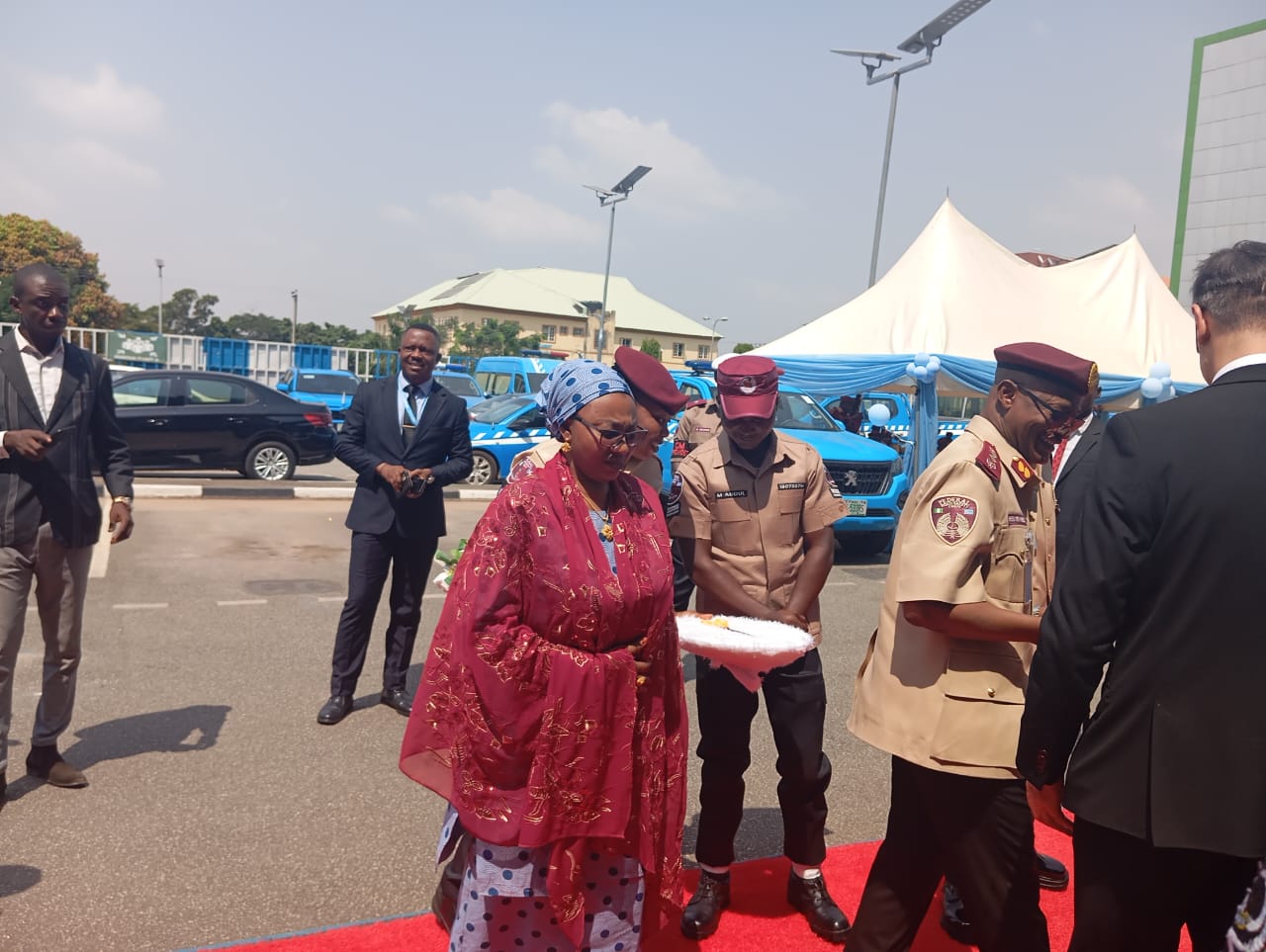
ROSOWA Urges Motorists to Drive Responsibly, Protect Lives
Association calls for strict adherence to traffic rules, says every family deserves to see loved ones return home safely
By: Michael Mike
The Road Safety Officers’ Wives Association (ROSOWA) has called on motorists to embrace responsible driving and strict compliance with traffic regulations to curb avoidable road crashes and prevent further loss of lives.
The President of ROSOWA, Dr Nafisat Shehu-Mohammed, made the call at a joint press briefing organised by the Federal Road Safety Corps (FRSC) to commemorate the 2026 World Day of Remembrance for Road Traffic Victims.
Shehu-Mohammed said the annual commemoration was not merely an occasion to remember those who had died in road crashes but also an opportunity to recognise the pain, trauma and enduring losses suffered by affected families.
She expressed sympathy with mothers who had lost children, children who had lost parents and families whose lives had been shattered by road crashes.
According to her, this year’s theme, “A Light That Unites Us”, underscores the need for collective commitment and action to prevent road traffic deaths and injuries.
She said every road crash represented more than a statistic, as behind each incident were broken families, lost dreams and loved ones whose absence left lasting emotional scars.
“Behind every road crash is a broken heart, an empty seat, and a dream that may never be fulfilled. Looking at the theme, ‘A Light That Unites Us’, reminds us that even in our grief, we can unite to save lives,” she said.
The ROSOWA president urged motorists to recognise their responsibility to other road users, stressing that reckless driving and disregard for traffic regulations could have devastating consequences for families and communities.
She reminded drivers that their loved ones were waiting for them at home and urged them to make safety a priority whenever they took to the roads.
She also reaffirmed the association’s commitment to promoting road safety, saying every life mattered and every family deserved to see their loved ones return home safely.
“Let the light we kindle today shine through our actions by driving responsibly, obeying traffic rules, and protecting one another on our roads,” she said.
She further expressed solidarity with bereaved families and survivors, urging Nigerians to translate the lessons of the commemoration into practical actions that would make the nation’s roads safer.
“To the bereaved families, we share in your pain. To the survivors, we stand with you. And to every road user, please remember, someone is waiting for you at home.
“Let us turn remembrance into responsibility, grief into action, and our collective light into hope for safer roads. May the souls of the departed rest in peace,” she said.
ROSOWA Urges Motorists to Drive Responsibly, Protect Lives
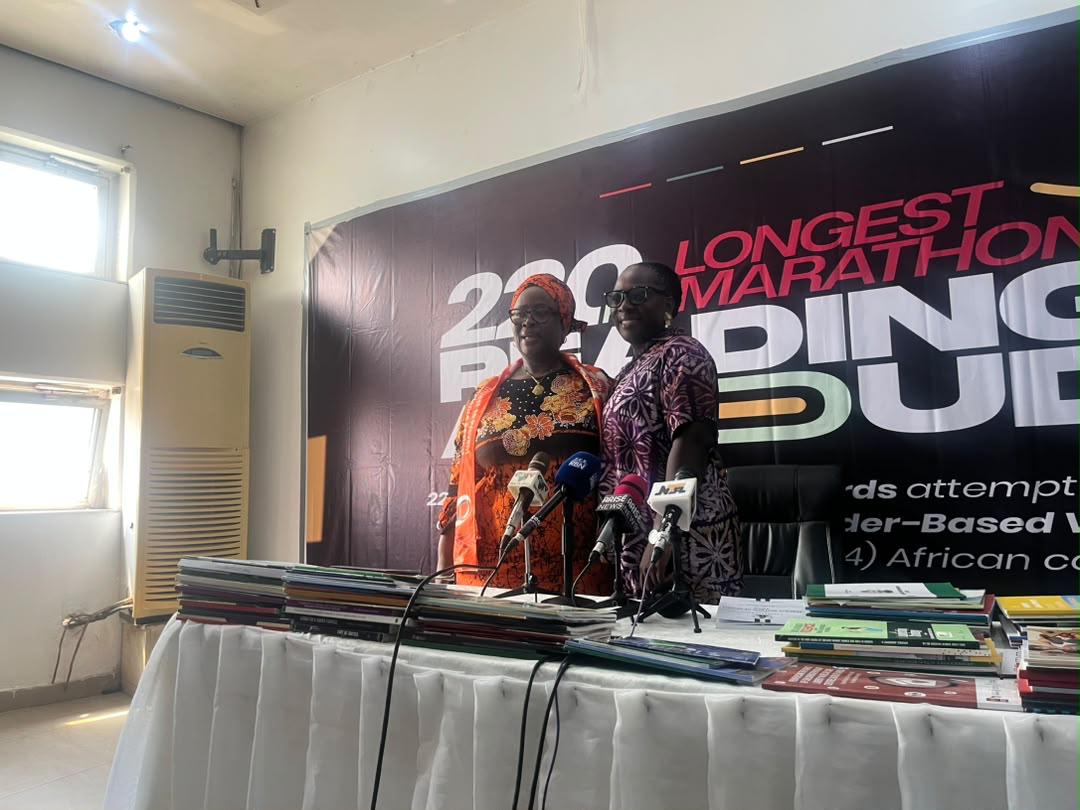
UN Women, Disability Advocates Back 220-Hour Marathon to Combat Gender-Based Violence
…Eyong says legal awareness key to protecting women, girls; Alta demands accessible police stations, courts, hospitals for survivors with disabilities
By: Michael Mike
The United Nations Entity for Gender Equality and the Empowerment of Women (UN Women) and disability rights advocates have thrown their weight behind a 220-hour reading marathon aimed at exposing gaps in the protection of women and girls against sexual and gender-based violence (SGBV) across Nigeria and 14 other African countries.
The initiative, spearheaded by Olubunmi Uluba, seeks to raise public awareness of existing laws, human rights instruments and survivor protection frameworks through a nine-day, four-hour marathon reading aloud, while drawing attention to the persistent disconnect between legal protections and the ability of women and girls to access justice.
The exercise, which also seeks to set a Guinness World Record for the longest marathon reading aloud, has been described by UN Women as an opportunity to turn legal knowledge into an instrument of public education, human rights advocacy and social transformation.
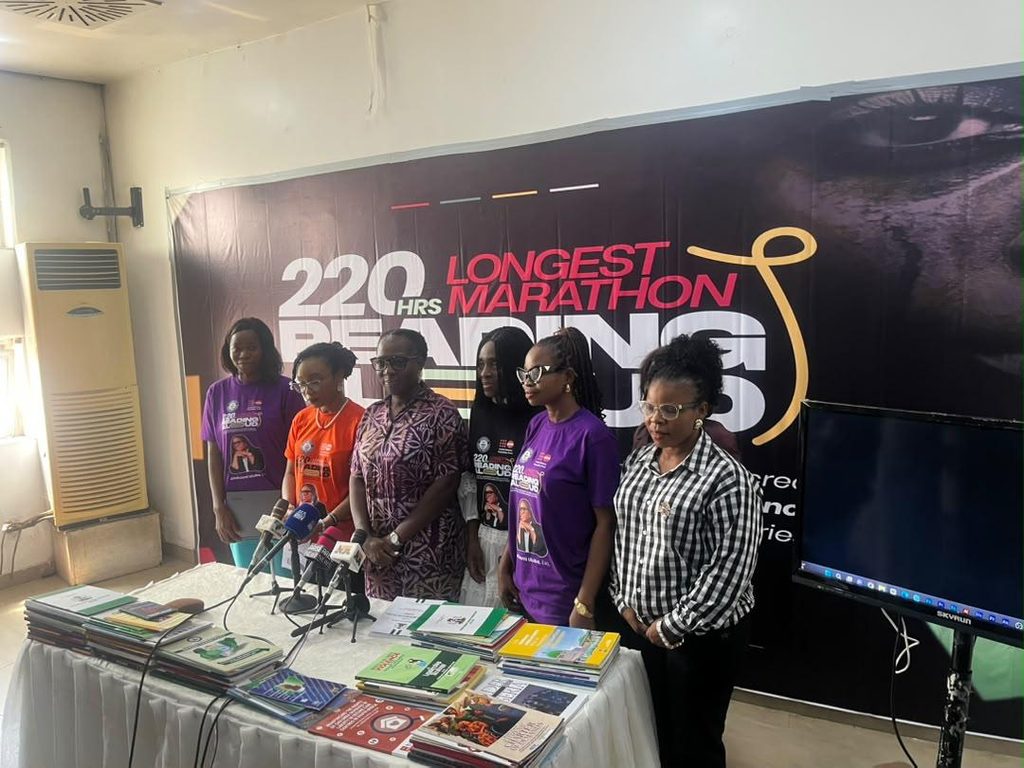
Speaking at a press conference, UN Women Country Representative to Nigeria and the Economic Community of West African States (ECOWAS), Beatrice Eyong, said the fight against gender-based violence must move beyond statistics, policies and legislative reforms to address the human experiences behind the figures.
She said behind every statistic was a survivor seeking justice, a young girl yearning for safety and a community striving to protect human dignity.
Eyong noted that SGBV remained one of the most persistent human rights challenges confronting Nigeria, Africa and the international community, identifying the gap between existing laws and public awareness of legal protections as a major obstacle to tackling the menace.
According to her, many women and girls remain unaware of their rights, the legal safeguards available to them and where to seek assistance when their rights are violated.
She said the 220-hour marathon was significant because it would bring legal frameworks and human rights instruments from 15 African countries closer to the people they were designed to protect.
Through the exercise, Uluba is expected to read relevant legal provisions and survivor protection laws, helping to translate often inaccessible legal documents into practical knowledge that can empower individuals and communities.
Eyong said every hour devoted to reading presented an opportunity for someone to understand their rights, recognise different forms of violence, appreciate the importance of consent or discover where survivors could obtain assistance.
She stressed that knowledge was an essential tool for preventing violence, protecting vulnerable populations and improving access to justice.
The UN Women representative said the initiative reflected the organisation’s conviction that gender equality and the elimination of violence against women and girls were non-negotiable.
She also situated the campaign within the framework of the United Nations Sustainable Development Goals, particularly Goal 5 on gender equality, Goal 4 on quality education and Goal 16 on peace, justice and strong institutions.
Eyong, however, emphasised that ending gender-based violence could not be left to governments or development organisations alone, calling for a collective response involving traditional and religious leaders, civil society groups, the media, families, men and boys.
She urged stakeholders to challenge harmful social norms, promote accountability and build communities where violence against women and girls was neither tolerated nor normalised.
Commending Uluba’s courage and determination, Eyong said the initiative demonstrated how individual commitment and public advocacy could inspire wider movements for social change.
She expressed UN Women’s solidarity with the organiser, wishing her strength, good health and success throughout the marathon.
However, the intervention by the disability rights community highlighted another critical dimension of the campaign: the additional barriers confronting women and girls with disabilities in accessing protection and justice when they experience sexual and gender-based violence.
Founder and President of the Network of Women with Disabilities, Hon. Lois Auta, said her organisation’s support for the initiative was driven by the need to break the silence surrounding violence against women, particularly those living with disabilities.
She observed that survivors with disabilities often faced multiple obstacles when attempting to report abuse, obtain medical attention or pursue justice.
Among the challenges she identified were inaccessible police stations, the absence of sign language interpreters, inadequate medical facilities and discriminatory practices within the justice system.
According to her, these barriers frequently discourage survivors from reporting violations and pursuing justice, leaving perpetrators with opportunities to evade accountability.
Auta argued that the existence of laws protecting women and persons with disabilities would have limited impact if survivors could not access the institutions responsible for enforcing them.
She therefore insisted that the reading marathon must go beyond reciting legal provisions to ensuring that their contents were understood, accessible and effectively implemented.
She called for legal information to be translated into Braille for visually impaired persons, simplified and easy-to-read formats for individuals with intellectual and learning disabilities, and sign language interpretation for people with hearing impairments.
The disability rights advocate also urged governments to domesticate, adequately fund and enforce disability rights legislation, while calling on the police and judiciary to strengthen the capacity of their personnel to respond appropriately to cases involving survivors with disabilities.
She stressed the need to make police stations, hospitals and courts physically and institutionally accessible, noting that equal protection under the law must extend to women and girls regardless of their disabilities.
Auta further challenged civil society organisations to move beyond token representation by actively involving women with disabilities in the design, implementation and evaluation of programmes affecting them.
She invoked the disability rights principle, “Nothing about us without us”, arguing that women with disabilities must be recognised as active participants in decisions concerning their safety, rights and welfare.
She also appealed to the media to sustain coverage throughout the nine-day exercise rather than concentrating attention on its opening ceremony, stressing that continuous public engagement was necessary to achieve the campaign’s broader objectives.
Both speakers called for a coordinated national and regional response to gender-based violence, emphasising that legislation alone could not eliminate abuse without sustained public education, effective enforcement and changes in social attitudes.
While Eyong underscored the importance of making legal protections known to the public, Alta drew attention to the practical barriers that prevent some of the most vulnerable survivors from benefiting from those protections.
Their positions converge on a fundamental challenge confronting the campaign against gender-based violence: ensuring that the rights guaranteed by law translate into protection, support and justice for every woman and girl.
For Uluba, the 220-hour marathon represents an attempt to use an extraordinary endurance challenge to sustain public attention on an issue that continues to affect millions of women and girls.
But Eyong said the ultimate achievement must extend beyond breaking a Guinness World Record to breaking the silence surrounding violence, changing attitudes and ensuring that women and girls can live with dignity, safety and freedom from abuse.
The broader test of the initiative, therefore, will be whether the knowledge generated translates into greater awareness of legal rights, improved access to support services, stronger institutional accountability and an inclusive justice system that leaves no survivor behind.
UN Women, Disability Advocates Back 220-Hour Marathon to Combat Gender-Based Violence
News
KACRAN Applauds Tinubu over Yobe Cargo Airport Takeover, Urges Buni to Invest Refund in Agriculture
KACRAN Applauds Tinubu over Yobe Cargo Airport Takeover, Urges Buni to Invest Refund in Agriculture
…Says Federal ownership will boost North-East exports, create jobs, attract investors
By: Michael Mike
The Kulen Allah Cattle Rearers Association of Nigeria (KACRAN) has described the Federal Government’s takeover of the Yobe International Cargo Airport as a strategic economic intervention capable of transforming the North-East into a major agricultural, livestock and commercial export hub.
The association also urged Yobe State Governor, Mai Mala Buni, to channel part of the billions of naira expected as reimbursement for the airport project into agriculture, commerce, water supply, rural infrastructure and other critical sectors
KACRAN National President, Hon. Khalil Mohd Bello, in a statement, commended President Bola Tinubu for approving the takeover and reimbursement of the investment made by the Yobe State Government, describing the decision as a masterstroke for national economic development.
He also applauded members of the National Assembly for approving the promissory note for the reimbursement, expressing optimism that Federal Government ownership would accelerate the airport’s full operationalisation as an international cargo hub.
Bello said the facility, when fully operational, would serve not only Yobe but the entire North-East, neighbouring countries and the wider business community by providing an efficient channel for transporting agricultural produce, livestock products and manufactured goods to domestic and international markets.
He credited former Yobe Governor and Minister of Police Affairs, Senator Ibrahim Gaidam, with initiating the airport project, while commending Buni for sustaining its construction despite the enormous financial demands.
The KACRAN president described Buni’s decision to hand over the airport to the Federal Government as an act of patriotism and statesmanship, saying it reflected his commitment to regional and national economic development.
According to him, the airport’s economic significance extends beyond aviation, as it could stimulate investment in agriculture, livestock processing, fisheries, mining and other commercial activities across the region.
He identified sesame seeds, gum arabic, beans, groundnuts, grains, vegetables, fruits, cattle, sheep, goats and fisheries products as some of the commodities the North-East could export through the facility.
Bello particularly advocated the establishment of modern, internationally certified halal meat processing and export centres to enable the region to move beyond the traditional sale of live animals to exporting processed beef, mutton and goat meat.
He said such facilities could open access to markets in the Middle East, North Africa, Europe and Asia while creating investment opportunities in abattoirs, cold-storage facilities, milk industries, food processing and logistics.
The association said the airport could also strengthen regional economic integration by positioning Damaturu as a commercial gateway serving Borno, Yobe, Adamawa, Gombe, Bauchi and Taraba states, as well as neighbouring Niger, Chad and Cameroon.
Bello further said the airport’s operationalisation could generate employment across the agricultural and livestock value chains, increase foreign exchange earnings, reduce post-harvest losses and improve farmers’ incomes.
The association also linked the airport project to the North-East Development Commission’s planned deployment of more than 10,000 electric tricycles, taxis and buses across the region.
It commended the NEDC Managing Director, Alhaji Mohammed Goni Alkali, Executive Director, Administration and Finance, Dr Garba Iliya, and other management staff for organising sensitisation workshops on electric vehicles across the six North-East states ahead of the planned deployment.
Turning to the expected reimbursement to Yobe State, Bello appealed to Buni to invest part of the funds in expanding agricultural production, particularly in areas with strong potential for food production.
He cited Machina Local Government Area’s capacity for beans production and Gaidam’s potential for onions and other food ingredients, urging the state government to strengthen the agricultural sector to support food security and commercial exports.
He also called for additional investment in modern markets, noting that such facilities could stimulate commercial activities, create employment and strengthen the state’s economy.
Other priority areas identified by KACRAN include solar-powered boreholes in grazing reserves and other pastoral communities, planting of about 10,000 economic and mango trees, and construction of rural roads linking farming communities to Damaturu and the cargo airport.
The association further urged the governor to allocate resources to education, healthcare, security, youth and women’s empowerment, small-scale industries and accessible soft loans for traders, business owners and pastoralists.
Bello called on other North-East states to identify their competitive agricultural and industrial products, invest in processing facilities and take advantage of the cargo airport to expand exports.
He said coordinated efforts by the six states would maximise the economic benefits of the facility and strengthen the North-East’s contribution to national development.
KACRAN Applauds Tinubu over Yobe Cargo Airport Takeover, Urges Buni to Invest Refund in Agriculture

AURÄI Launches Platform to Strengthen AI Governance, Assurance

ROSOWA Urges Motorists to Drive Responsibly, Protect Lives

UN Women, Disability Advocates Back 220-Hour Marathon to Combat Gender-Based Violence

Roger Federer’s Shock as DNA Results Reveal Myla and Charlene Are Not His Biological Children

THE PLIGHT OF FARIDA

FAILED COUP IN BURKINA FASO: HOW TRAORÉ NARROWLY ESCAPED ASSASSINATION PLOT AMID FOREIGN INTERFERENCE CLAIMS
-
 News3 years ago
Roger Federer’s Shock as DNA Results Reveal Myla and Charlene Are Not His Biological Children
-
Opinions5 years ago
THE PLIGHT OF FARIDA
-
 News2 years ago
FAILED COUP IN BURKINA FASO: HOW TRAORÉ NARROWLY ESCAPED ASSASSINATION PLOT AMID FOREIGN INTERFERENCE CLAIMS
-
 Opinions5 years ago
POLICE CHARGE ROOMS, A MINTING PRESS
-

 News3 years ago
EYN: Rev. Billi, Distortion of History, and The Living Tamarind Tree
-

 ACADEMICS3 years ago
A History of Biu” (2015) and The Lingering Bura-Pabir Question (1)
-

 Columns3 years ago
Army University Biu: There is certain interest, but certainly not from Borno.
-

 Politics1 year ago
2027: Why Hon. Midala Balami Must Go, as Youths in Hawul and Asikira/Uba Federal Constituency Reject ₦500,000 as Sallah Gift
