
News
Benue communal crisis: Journalist losses aunt, raise the alarm over threat to life

Benue communal crisis: Journalist losses aunt, raise the alarm over threat to life
By: Michael Mike
Known as the Food Basket of the Nation, Benue is gradually losing that epic crest to be christened the epicentre of crisis.
In virtually all parts of the state hardly a week pass without the record of one damning crisis or the other that have left the state in a shadow of its old self.
If the crisis is not armed herdsmen induced, it is local bandits instigated or communal bloody fight that leaves in its wake sorrows, tears and blood.
It’s been all tales of woes for a people who usually pride themselves as the food power house of the country where several of the grains, citrus, yam, cassava, rice, tomatoes, pepper, ginger, melon and several other are farmed in commercial qualities and hauled to other parts of the country.
Unfortunately the state is fast losing that panache that makes it stand out among the committee of states in the country owing to the ceaseless attacks and killings.
There is no gainsaying that Benue is currently bleeding and not a few families are being set backwards as a result of the crisis.
Many have continued to lose their sources of livelihood, homes, properties and loved ones in the crisis in parts of the state that have defiled all manner of intervenes to have them nipped in the bud.
From Agatu to Apa, Otukpo to Ogbadibo. From Gwer West to Makurdi and Guma, down to Gwer East LGAs; from Ukum all the way to Kwande LGAs it’s been same sad story of crisis.
The implication is that families have been rendered homeless and denied access to their farmlands. Thousands of these families have found solace in Internally Displaced Persons, IDPs, camps where they are surviving on the goodwill of spirited individuals and organisations.
While majority of these displaced persons were victims of armed herdsmen incursions in several Benue communities many others have not known peace because of bloody crisis between neighbouring sister communities that ordinarily should be in peace with each other.
Of special mention is the Mbarvu and Mbasombo communities in Gwer East LGA of the state where all known measures have been taken by the state government to end the bloody conflict over a parcel of land the warring sister communities have resisted all the peace initiatives to end.
The then Governor of the state, Chief Samuel Ortom had also in May 2020 suspended two traditional rulers of both communities, Chief Peter Ikyum of Ishough and Chief Ager Kuhe of Mbasombo, in oder to compel the warring communities to sheath their sword but they remained adamant.
Even the threat by the present administration in June 2023 to take over the disputed land has not been able to convince the hitherto good neighbours to drop their arms and embrace peace.
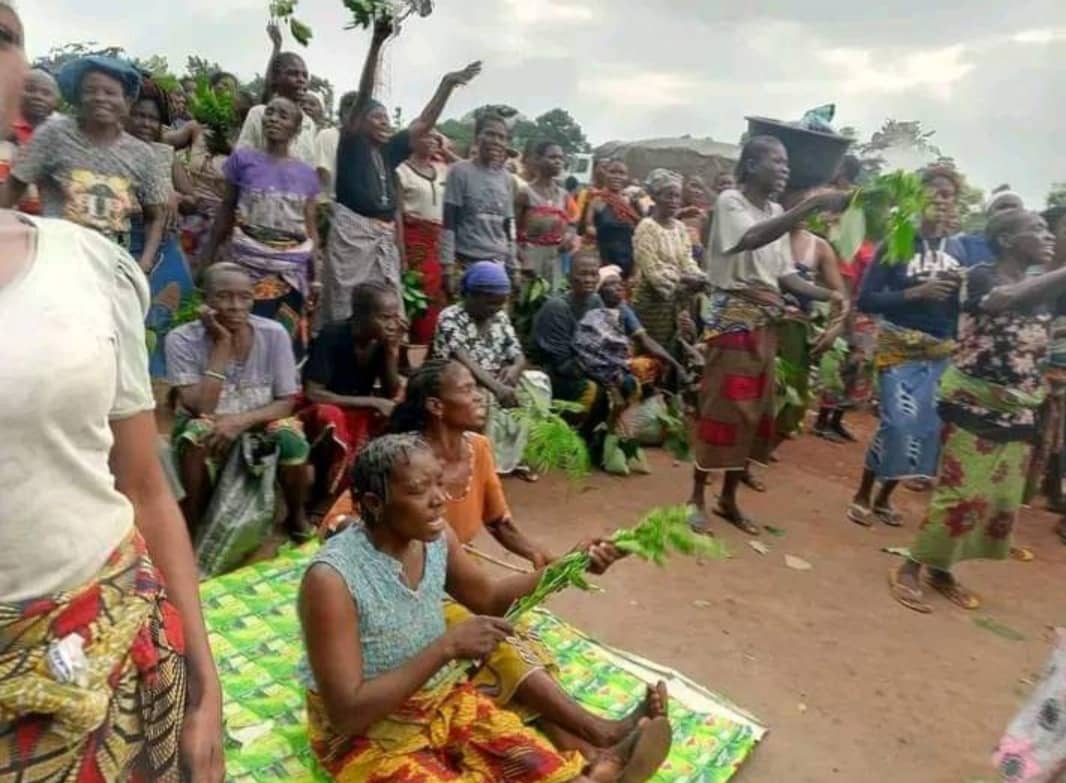
Bothered by the level of attacks and killings in the crisis, women of both communities had also defied the heavy downpour, trooped out in their thousands and took over the busy Makurdi-Aliade road at Ikpayonge to protest the crisis, the destruction of properties including farmland and farm produce as well as the loss of innocent lives.
The development left road users and commuters stranded for several hours as long queues of cars and trucks coming from the South to the Northern part of the country and those from the Northern part of the country conveying goods and commuters to the South were left stranded.
The angry protesters who sang solidarity songs as they marched for hundreds of meters to register their anger over the needless bloodbath in their communities lamented the incessant killings and razing of houses in the two warring sister communities.
It took the intervention of the Speaker of the Benue State House of Assembly, Mr. Aondona Dajoh and his colleagues who were all drenched in rain water, to calm the angry protesters.
The Woman Leader of Mbakough Kindred, Mrs. Veronica Orbunde who addressed the lawmakers said the peaceful demonstration was to draw government’s attention to the use of militia by the fueding parties, who rape innocent women in their farms and also kidnap and kill some of their husbands for no justifiable reasons.
She said, “we are tired of this crisis and we are pleading with the sister communities to end this senseless killings and destruction of properties in our communities.”
Addressing the huge crowd after inspecting the destruction at the Ikpayongo market in one of the attacks, the Speaker who expressed worry at the development appealed to the warring communities to embrace peace and stop the incessant killings and destruction of properties, assuring that the government would deploy more security personnel to the area to protect the lives and properties of the people.
Among the women who lost loved ones, property and farmland as well as farm produce in the crisis is Victoria Ojeme, a journalist of repute who is currently facing grave danger after losing an aunt in the crisis.
Mrs Ojeme who has unfortunately become a target for attack by the rampaging militia prosecuting the bloody crisis hails from Mbarvu, one of the communities at the centre of the crisis.
Nararting her ordeal, Ojeme said “I hail from Gwer East LGA of Benue state, Mbarvu community specifically. I am the third daughter of Pa Atule Humbe and my late mother’s name is Mama Bridget Humbe.
“I have been in shock for the past three years and has also stayed away from my community for several years after receiving so many threats from the neighbouring community that has been at loggerheads with my community.
“They have threatened all the youths for coming back home and for those who thought the threat was just a mere threat, never came back alive.
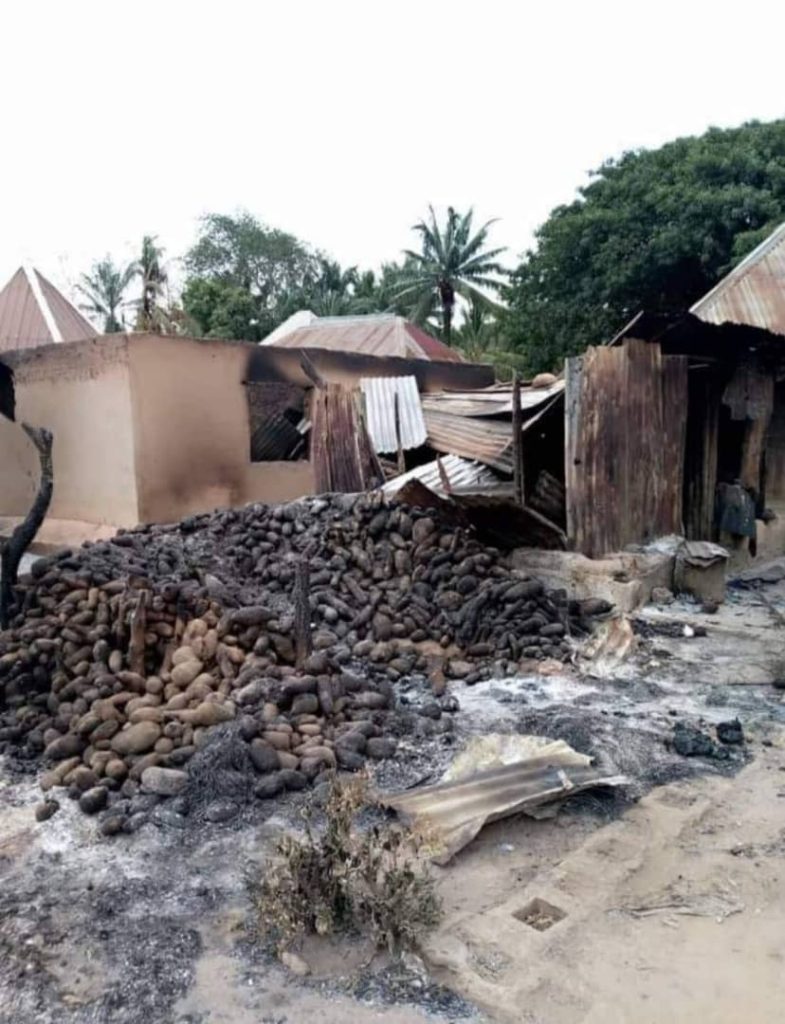
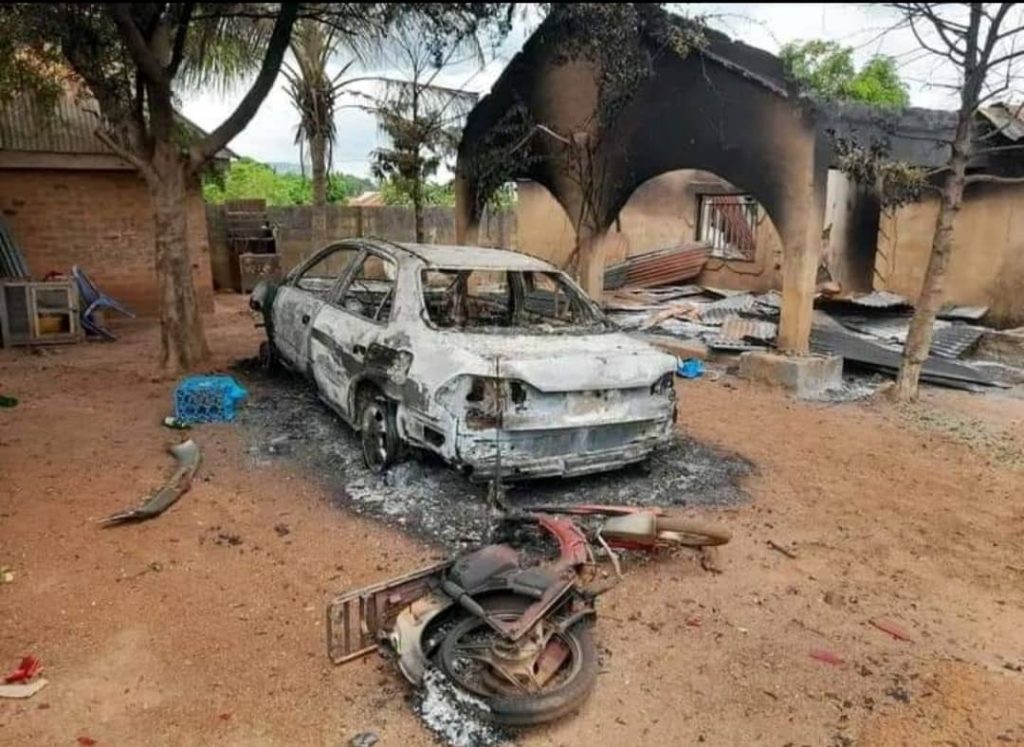
“So many houses have been razed down, the elderly that could not flee were slughtered by the invading community,
“In one of the attacks they killed my Aunt the only surviving woman in my father’s house. Today my life is also in danger. They feel that some of us are crying out about the spate of attacks and killings in the senseless crisis and I have become a target.
“I appeal to the government to take decisive steps to end the crisis as the loss of innocent lives and destruction of properties is already taking its toll on the farming populace who have all deserted their ancestral homes and farmland and have become Internally Displaced Persons, IDPs, in their own state.”
Benue communal crisis: Journalist losses aunt, raise the alarm over threat to life


Nigeria Moves to Strengthen Disability Inclusion, Enforce Rights of Persons with Disabilities
By: Michael Mike
The Federal Government has renewed its commitment to strengthening disability inclusion and protecting the rights of persons with disabilities through the implementation of regional human rights instruments and existing disability-related laws.
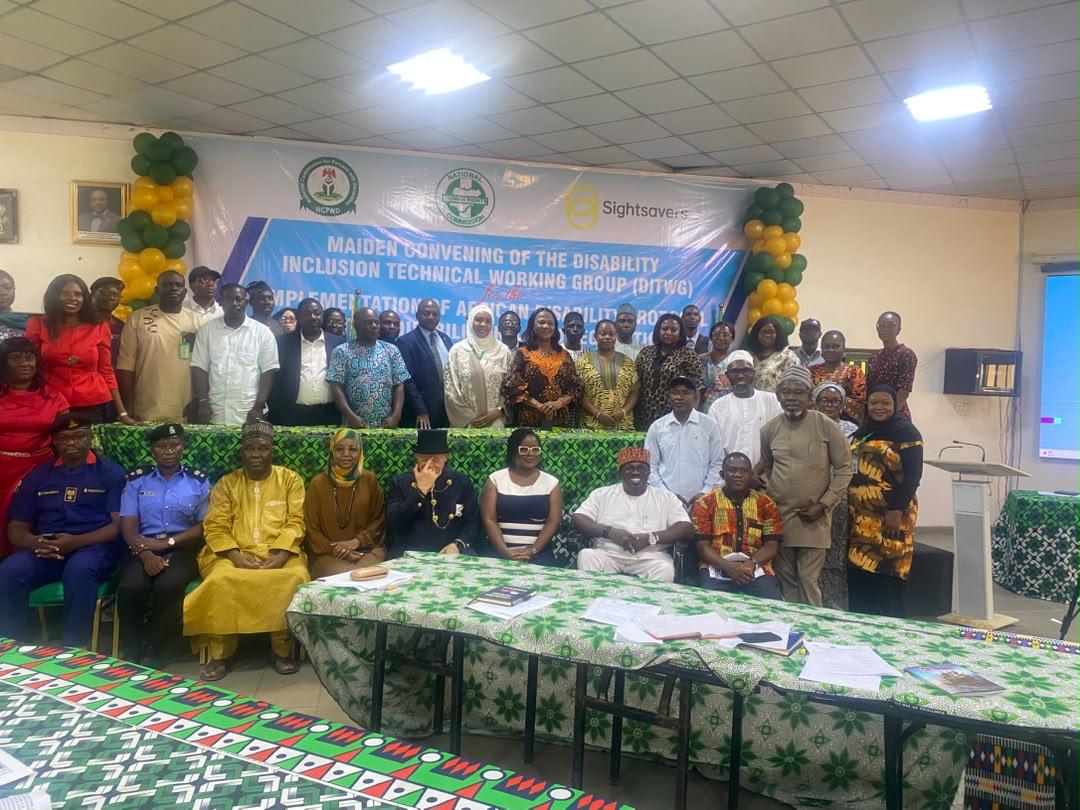
The commitment was reaffirmed at the maiden convening of the Disability Inclusion Technical Working Group (DITWG) on Wednesday at the headquarters of the National Human Rights Commission (NHRC) in Abuja.
Lanre Oloyede, who represented the Senior Special Assistant to the President on Special Needs and Equal Opportunities, Hon. Mohammed Abba Isa, and Rabi Anwar, who represented the Executive Secretary of the NHRC, Dr. Tony Ojukwu, addressed the gathering.
The meeting focused on implementing the Protocol to the African Charter on Human and Peoples’ Rights on the Rights of Persons with Disabilities in Africa, also known as the African Disability Protocol (ADP), and other disability-related legislation.
The initiative aims to strengthen collaboration among government institutions and other stakeholders to translate Nigeria’s commitments to disability rights into practical outcomes.
According to Ojukwu’s address, the DITWG was inaugurated on September 10, 2026, to strengthen coordination among stakeholders and advance the implementation of the protocol and other relevant disability-related laws and policies.
Nigeria signed the protocol in February 2023 and ratified it in October of the same year.
The working group is expected to establish functional subcommittees and develop a comprehensive work plan for 2027, with clear priorities, measurable indicators, achievable activities and realistic timelines.
The subcommittees will identify implementation gaps, develop targeted interventions and contribute technical expertise within their respective areas of responsibility.
Key areas of concern include non-discrimination, accessibility, inclusive education, employment opportunities, access to justice, social protection and the protection of children with disabilities.
The initiative also seeks to improve access to essential services and promote the full participation of persons with disabilities in national development.
Ojukwu reaffirmed the NHRC’s commitment to coordinating stakeholder engagement and following up on the activities and recommendations of the subcommittees.
He added that the working group would contribute to preparing periodic reports for submission to the African Commission on Human and Peoples’ Rights, where appropriate.
The NHRC urged members to participate actively in the deliberations and develop practical strategies that would strengthen accountability and ensure the effective implementation of disability-related laws.
The convening is expected to strengthen partnerships among relevant institutions and promote coordinated action towards achieving disability inclusion, equal opportunities and the protection of human dignity in Nigeria.
Nigeria Moves to Strengthen Disability Inclusion, Enforce Rights of Persons with Disabilities
News
“I’m Sorry for Leaking Official Matters,” Ex-DSS Officer Begs DG, Colleagues, Threatens to Sue SaharaReporters
“I’m Sorry for Leaking Official Matters,” Ex-DSS Officer Begs DG, Colleagues, Threatens to Sue SaharaReporters
By: Zagazola Makama
A retired officer of the Department of State Services (DSS), Nwaogu Ihechimere Ezeakolam, has apologised to the agency’s Director-General, Oluwatosin Adeola Ajayi, and an association of retired DSS officers over the publication of an internal matter on an online news platform.
Ezeakolam, in a letter dated Sept. 22, 2026, expressed regret over his decision to take an internal issue to the media, describing the action as a serious error of judgment.
He appealed to the DSS director-general to forgive him and resolve the matter internally, insisting that he never intended to cause harm or embarrassment to the agency’s leadership.
“I write this letter with deep regret and humility, to apologise for my decision to escalate and publish an internal matter on an online media space. I acknowledge that making such publication was a serious error in judgment and I regret the consequences,” he wrote.
The retired officer said he recognised the sensitive nature of internal security matters and acknowledged that such issues should not have been made public.
“It was never my intention to cause any harm to your esteemed self or the exalted office of the DGSS; or to expose you to legal difficulties. I recognise that internal matters are sensitive in nature and should not have been made available publicly,” he stated.
Ezeakolam further apologised for any harm or embarrassment his actions might have caused the DSS leadership, adding that the incident had taught him an important lesson.
He reaffirmed his loyalty to the Federal Government of Nigeria, saying he had neither participated in nor intended to participate in activities inimical to the country’s security.
“My allegiance is and will remain wholly to the Federal Government of Nigeria as a retired officer. I have never participated and will never participate in any act that is inimical to the security of this nation,” he said.
He pleaded with the director-general to temper justice with mercy and settle the matter internally.
In a separate development, Ezeakolam, through his lawyer, Edmund C. Ben, principal partner of Lawminds Associates, has demanded a retraction of a SaharaReporters publication dated June 29, 2026, which he said contained inaccuracies and unsubstantiated claims.
The letter, dated Oct. 16, 2026, expressed concern over what the law firm described as statements that denigrated the office of the DSS director-general and ARODSSON.
The lawyers acknowledged the media’s role in promoting transparency and accountability but stressed the need for responsible journalism, factual accuracy, fairness and the right of individuals to respond to reports that could damage their reputations.
“While we recognise the fundamental role of the media in promoting transparency, accountability, and public discourse, we also emphasise the importance of responsible journalism, factual accuracy, fairness, and the right of individuals to respond to publications that may adversely affect their reputation,” the letter stated.
The law firm asked SaharaReporters to publish Ezeakolam’s official response to the allegations contained in the June 29 report.
It also demanded the correction and retraction of any claims found to be inaccurate, misleading or unsupported by verifiable evidence.
The lawyers gave the platform seven days from receipt of the letter to respond, warning that failure to comply could lead to further legal action.
“Should your newspaper fail to respond appropriately within seven days from the receipt of this letter, we reserve the right to consider further lawful steps available to address the matter,” the lawyers stated.
The dispute centres on the publication of an internal matter involving the DSS leadership and the subsequent demand for a retraction.
SaharaReporters’ response to the demand was not included in the correspondence provided.
“I’m Sorry for Leaking Official Matters,” Ex-DSS Officer Begs DG, Colleagues, Threatens to Sue SaharaReporters
NHRC TASKS TEACHERS ON HUMAN RIGHTS PROTECTION IN SCHOOLS
By: Michael Mike
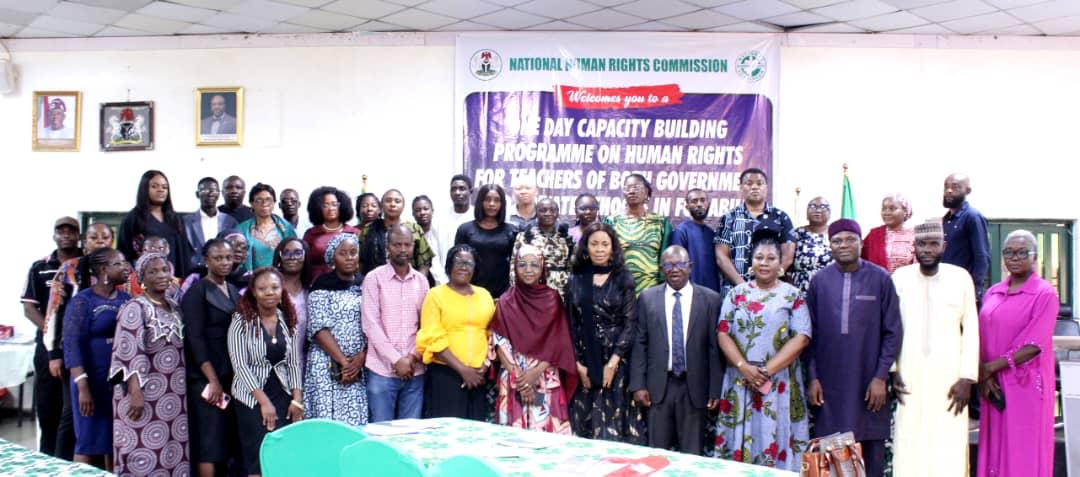
The National Human Rights Commission (NHRC) has charged teachers to take a leading role in promoting human rights in schools, warning that educating children on dignity, equality, tolerance and respect for others is critical to building a peaceful and just society.
The commission said Civic Education teachers and guidance counsellors must go beyond classroom instruction to equip students with the knowledge and confidence to recognise violations, reject discrimination and violence, and speak out against abuses of their rights.
The Director of Legal Services and Enforcement of the NHRC, Mrs. Rabi Anwar, gave the charge while representing the Executive Secretary of the commission, Chief Tony Ojukwu, at a human rights capacity-building workshop for Civic Education and Guidance and Counselling teachers in the Federal Capital Territory, Abuja.
Anwar described teachers as critical stakeholders in shaping the values, attitudes and conduct of the next generation of Nigerians, noting that their influence places them in a strategic position to nurture responsible citizens who understand both their rights and obligations.
She said the training was designed to strengthen teachers’ understanding of human rights principles and equip them with practical skills to integrate human rights education into classroom teaching, counselling, school management and extracurricular activities.
According to her, the knowledge acquired should translate into safer, more inclusive and peaceful learning environments where every child is treated with dignity and afforded equal opportunities to participate in school life.
She stressed that effective human rights education could not be achieved by teachers alone, but required sustained collaboration among school administrators, government institutions, parents, civil society organisations and other stakeholders.
The workshop featured sessions on the foundations of human rights, the responsibilities of Civic Education teachers in promoting active citizenship, and the role of guidance counsellors in preventing and responding to violations affecting pupils.
A human rights education expert, Mr. Saka Azimazi, Esq., who facilitated one of the sessions, examined the historical development of human rights and the principles underpinning justice, dignity and respect for human life.
He traced key milestones in the evolution of human rights, from ancient legal codes and the Magna Carta to Enlightenment philosophy, the American and French declarations, and the 1948 Universal Declaration of Human Rights.
Azimazi also explored the relationship between human rights, religion, morality and culture, including the debate between universal human rights principles and cultural relativism.
The session highlighted the historical and philosophical foundations of the rights framework, providing teachers with a basis for explaining human rights concepts to students in ways relevant to their everyday experiences.
Another human rights education expert, Mrs. Ifeoma Nwakanma, urged Civic Education teachers to create classrooms where students could express their views freely, participate in school activities and understand their rights and responsibilities without fear of intimidation or discrimination.
She encouraged teachers to promote student councils and peer education initiatives as practical avenues for nurturing participation, responsibility and respect for differing opinions among pupils.
Nwakanma maintained that schools should provide environments in which every child feels safe to contribute, regardless of background or personal circumstances, adding that meaningful participation was essential to developing active and responsible citizens.
In a related session, a guidance counsellor, Mrs. Henrietta Okechukwu, emphasised the importance of counsellors in protecting students from abuse and other forms of rights violations.
She said counsellors had a responsibility to prevent and identify violations early, provide appropriate support and ensure referrals where necessary in cases involving bullying, discrimination, violence, abuse, online harm and mental health distress.
Okechukwu urged counsellors to apply child-protection and education principles when handling school-related challenges, stressing the need to ensure that students’ rights were respected throughout the process.
She also underscored the importance of appropriate responses to complaints and concerns raised by students, particularly where their safety, dignity and well-being might be threatened.
The workshop reinforced the need to make human rights education an integral part of school life rather than treating it solely as a theoretical subject.
By equipping teachers and counsellors to identify violations, encourage participation and promote respect for human dignity, the NHRC seeks to strengthen the role of schools in preventing abuse and nurturing a generation better informed about human rights and civic responsibilities.
NHRC TASKS TEACHERS ON HUMAN RIGHTS PROTECTION IN SCHOOLS

Nigeria Moves to Strengthen Disability Inclusion, Enforce Rights of Persons with Disabilities

“I’m Sorry for Leaking Official Matters,” Ex-DSS Officer Begs DG, Colleagues, Threatens to Sue SaharaReporters

Professor Ahmed Ahidjo: A New Medical Elder Rises at Nile University

Roger Federer’s Shock as DNA Results Reveal Myla and Charlene Are Not His Biological Children

THE PLIGHT OF FARIDA

FAILED COUP IN BURKINA FASO: HOW TRAORÉ NARROWLY ESCAPED ASSASSINATION PLOT AMID FOREIGN INTERFERENCE CLAIMS
-
 News3 years ago
Roger Federer’s Shock as DNA Results Reveal Myla and Charlene Are Not His Biological Children
-
Opinions5 years ago
THE PLIGHT OF FARIDA
-
 News2 years ago
FAILED COUP IN BURKINA FASO: HOW TRAORÉ NARROWLY ESCAPED ASSASSINATION PLOT AMID FOREIGN INTERFERENCE CLAIMS
-
 Opinions5 years ago
POLICE CHARGE ROOMS, A MINTING PRESS
-

 News3 years ago
EYN: Rev. Billi, Distortion of History, and The Living Tamarind Tree
-

 ACADEMICS3 years ago
A History of Biu” (2015) and The Lingering Bura-Pabir Question (1)
-

 Columns3 years ago
Army University Biu: There is certain interest, but certainly not from Borno.
-

 Politics1 year ago
2027: Why Hon. Midala Balami Must Go, as Youths in Hawul and Asikira/Uba Federal Constituency Reject ₦500,000 as Sallah Gift
