Opinions
Beyond the Noise: Why Bulama Bukarti Chose the Arena Over the Sidelines

Beyond the Noise: Why Bulama Bukarti Chose the Arena Over the Sidelines
By Abubakar M. Kareto
In Northern Nigeria, political commentary has developed an unusual allergy: it applauds intellect only as long as that intellect remains powerless. The intense uproar following Dr. Bulama Bukarti’s decision to step into active partisan politics in Yobe State reveals less about his personal integrity and far more about the deep contradictions in our political culture. For days, social media spaces and radio call-in segments have echoed with fierce condemnations from commentators who treat political alignment as a moral crime. Yet when we strip away the noise and examine the facts objectively, a glaring truth emerges. The loudest voices attacking Bukarti today have not delivered ten percent of the civic education, personal sacrifice, and public enlightenment he has contributed over the last decade.

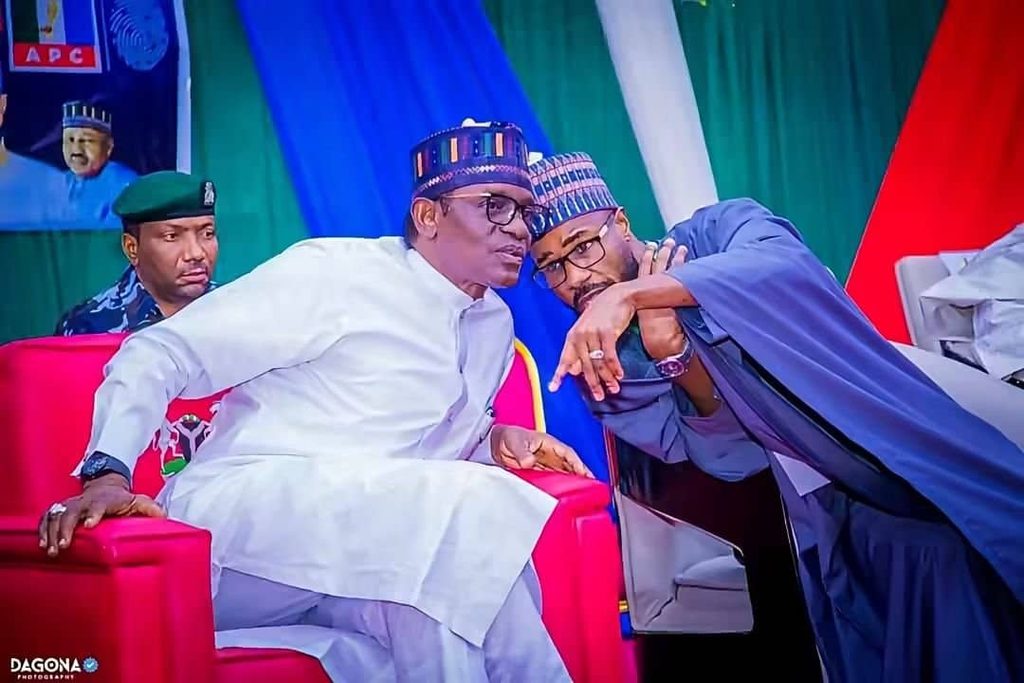
Before anyone casts a stone at Bukarti, they should recall the dark years when insurgency ravaged the North East and public silence was the safest currency. While many of his current critics hid behind anonymous handles or avoided sensitive discussions entirely, Bukarti put his life and career on the line. Through fearless human rights litigation, rigorous security analysis on international platforms regarding the Lake Chad basin crisis, and accessible grassroots programs like Fashin Baki alongside countless radio and television appearances, he educated millions of ordinary citizens on governance and constitutional rights. You do not erase ten years of documented public service simply because a man decides to evolve.
In political science and practical governance, there is an undeniable reality that armchair critics refuse to accept: you cannot clean a room from the outside. Advocacy and media commentary have natural limits. You can shout through a window for twenty years about broken policies, failing schools, and poor healthcare, yet the people sitting inside the room hold the pens that sign budgets and execute laws. Democratic history across Nigeria’s Fourth Republic, from labor leaders to civil society advocates who later entered executive and legislative offices, proves that lasting policy reform rarely happens without stepping into the political arena. Moving from external commentary to internal participation is a strategic progression, not a betrayal.

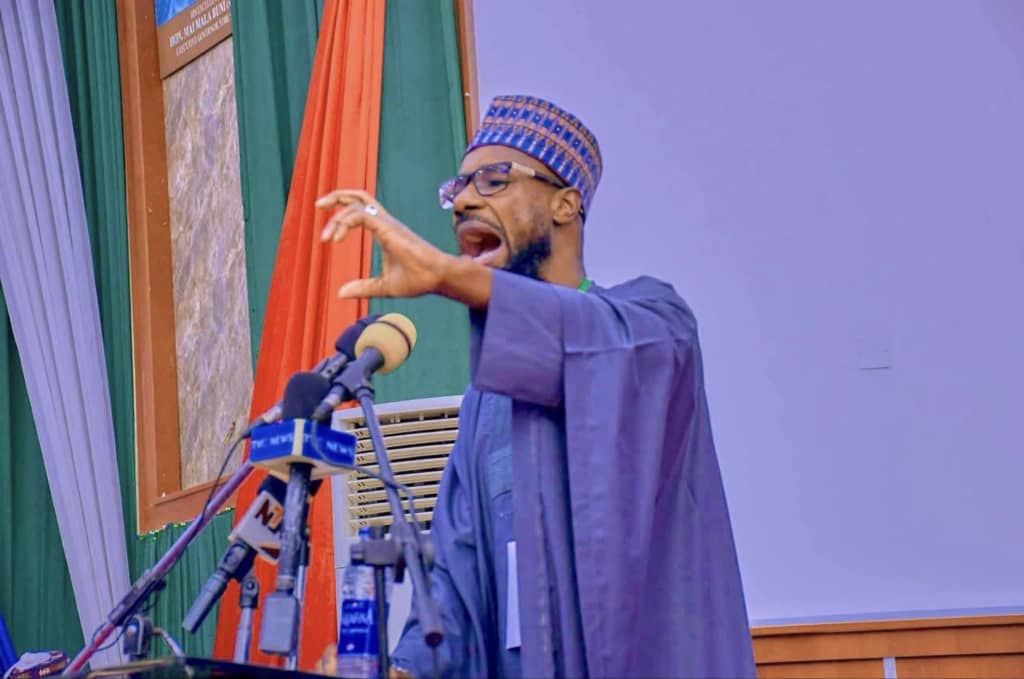
Furthermore, Section 40 of the 1999 Constitution of the Federal Republic of Nigeria guarantees every citizen the fundamental right to peaceful assembly and association, including the freedom to belong to any political party of their choice. Democracy collapses when we demand freedom of choice for ourselves while imposing political ostracism on respected professionals who exercise that same right. Unlike countless public figures who feign neutrality by day while engaging in backroom political horse-trading by night, Bukarti refused to be a hypocrite. He did not cut corners or hide behind vague language. He came out openly, stood before the public, and declared his political stance honestly.
What exposes the sheer hypocrisy of this backlash is the familiar complaint: “Why the All Progressives Congress?” These are the exact same voters and commentators who routinely reject credible, independent, or poorly funded aspirants at the polls with the cynical excuse that such candidates lack the financial war chest and party structure to win elections. You cannot mock idealistic outsiders for lacking political machinery on Saturday, and then crucify a serious mind on Monday for joining an established platform where real power is contested. You either want competent people inside major parties shaping candidate selection and governance, or you are content leaving those platforms entirely to transactional politicians.
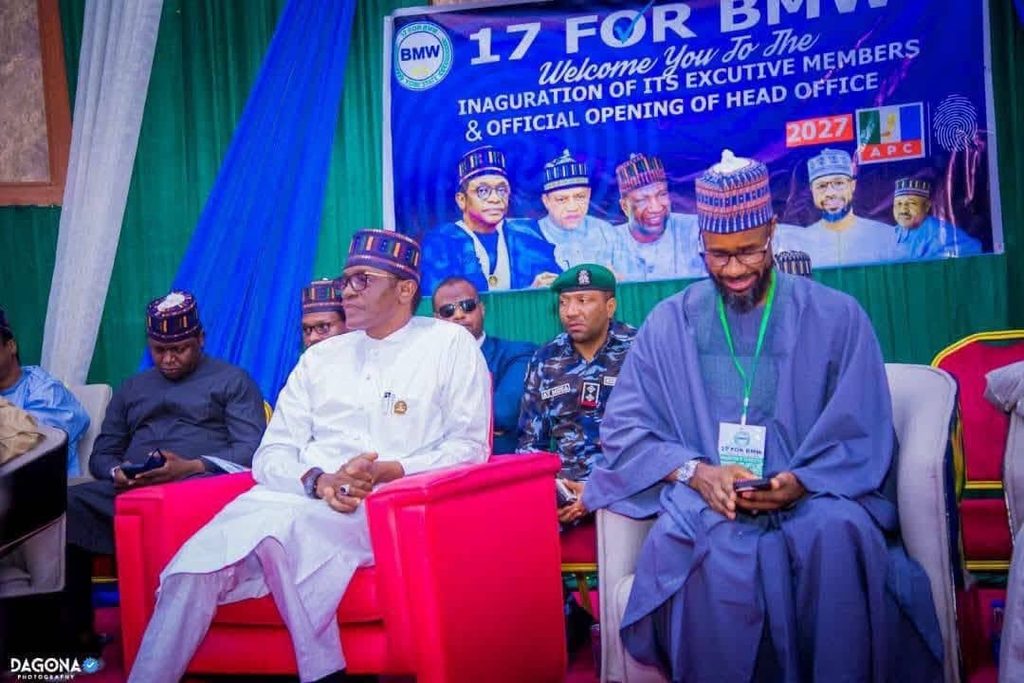
Critics also assume that joining a political party automatically turns an independent thinker into a praise singer. History proves otherwise. Meaningful reform inside any ruling party requires principled insiders who understand policy, possess public credibility, and can challenge flawed decisions behind closed doors where real compromises are forged. If Northern Nigeria continues to drive its brightest intellectuals away from partisan politics through character assassination and cyberbullying, we forfeit our right to complain about the quality of leadership that emerges from party primaries.
We must also confront the dangerous double standard that expects activists to remain permanently poor, perpetually angry, and forever excluded from governance just to satisfy public entertainment. Activism is not a lifelong prison sentence, nor is partisan participation a moral failure. True patriotism demands that we judge individuals by the consistency of their values, their transparency, and the tangible results they produce in office, rather than the party logo printed on their membership card.
Lastly, Bulama Bukarti owes nobody an apology for choosing the arena over the spectator stands, nor for being bold enough to declare his position without deceit. History will not judge him by the fury of detractors, but by whether his entry into Yobe politics elevates governance and improves the lives of ordinary people. Northern Nigeria desperately needs its sharpest minds inside the corridors of decision-making, and Bukarti has taken a courageous step that deserves fair scrutiny rather than blind condemnation.
Abubakar M. Kareto is a Public Affairs Analyst and Strategic Communications Specialist focusing on governance, political economy, and public policy across Nigeria and Africa. He can be reached via X (@amkareto) or email (amkareto@gmail.com).
Beyond the Noise: Why Bulama Bukarti Chose the Arena Over the Sidelines