
News
Boko Haram: Truth Alliance takes counter-narrative drama to North East communities*

Boko Haram: Truth Alliance takes counter-narrative drama to North East communities*
•Drama aims to expose recruitment tactics of terrorist groups
By: Michael Mike
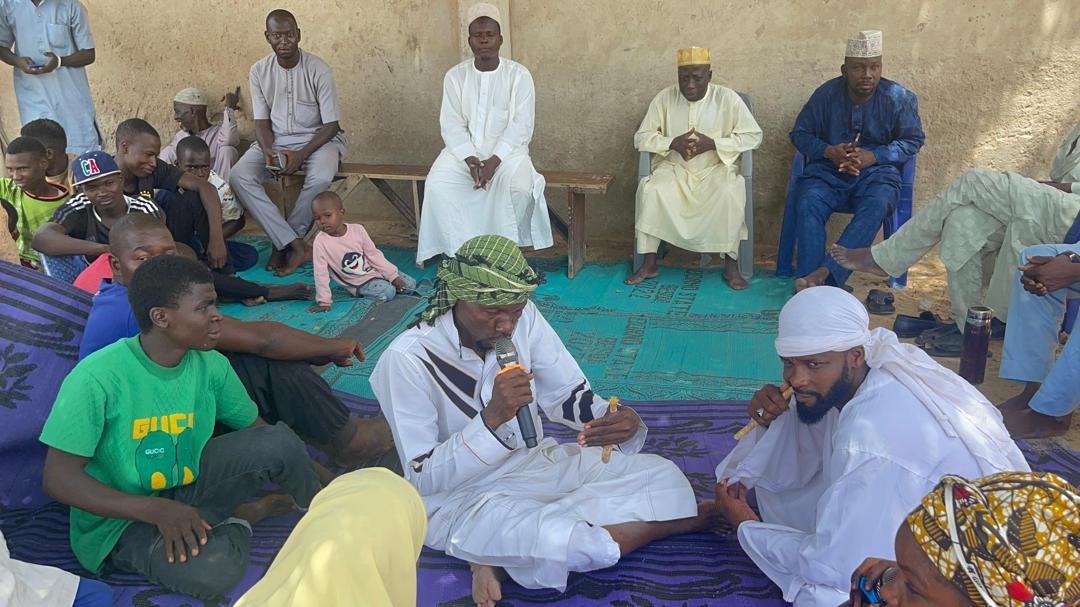
In a continued effort to counter extremist ideologies, The Truth Alliance has launched a community drama series under its “Time to Tell the Truth” campaign, aimed at exposing the recruitment tactics used by terrorist groups in Borno State.
This was contained in a statement on Tuesday by the group’s Spokesperson, Mr. Ahmed Mustapha. The event, which took place from June 24th to 25th, was staged across various communities, including Baga Road, Bolori, Bulumkutu, Gamboru, Hausari, and Showkari in Maiduguri, the capital of Borno State.
Drama has long served as a powerful medium to convey the truths about life and its challenges. This particular drama was staged in accessible, community-based locations such as marketplaces, view centers, and other strategic places within Maiduguri, ensuring maximum reach and impact.
The play, based on a true-life story, narrated the harrowing experience of a woman who was deceived into joining Boko Haram due to dire economic needs. The narrative, told through a friend’s perspective, highlighted the woman’s predicament: choosing between leaving Boko Haram and facing poverty and stigma, or returning to the chaos within the sect.
According to the play, the woman had been deeply involved in Boko Haram before realising the group’s deceit. Her story is one of grief, survival, hopelessness, and ultimately, a new beginning as she managed to escape. The drama underscored that terrorist organisations manipulate and exploit individuals, hiding the truth and valuing human lives insignificantly.
The community response to the drama was overwhelmingly positive. Many attendees expressed that the play enlightened them in both a playful and powerful way.
Kabiru Muhammad, a community stakeholder in Bolori, stressed the need for collaborative efforts to expose these recruitment strategies to prevent future occurrences. “This is a call to all of us to understand the deceiving strategy extremist groups use to recruit people to their ranks. I also call on all to use this story as an example and encourage the stakeholders to promote peace,” he said.
Ali Habib, a young resident from Showkari, urged his peers to be cautious when choosing friends, noting that bad influences can easily lead one astray, especially in the absence of employment opportunities. “Choosing a friend determines what future you want to have for yourself because when you choose someone that is into something bad, he or she would introduce you to it, especially when you are jobless,” he stated.
A woman from the Hausari community, who preferred to remain anonymous, highlighted the importance of parental responsibility and community support. She blamed both parental negligence and the lack of community assistance for those in need.
The drama was performed in both Hausa and Kanuri languages, ensuring it was accessible to a wide audience within the region.
Mustapha in the statement also assured that The Truth Alliance remains committed to implementing localized initiatives that benefit the community through active engagement and education in combating extremist ideologies and fostering a culture of peace.
He stated: “The Truth Alliance is committed to unmasking the truth behind violent and extremist groups and empowering communities to resist tyranny and violence. Through education, outreach, and collaboration, the Truth Alliance strives to build a safer, more resilient society for all.
“In a campaign tagged ‘Time to Tell the Truth’, the Truth Alliance has come together to expose the truth behind how violent extremist groups draw young people into their ranks. Their message is simple: These groups manipulate, they deceive, they Control, they kill, they kidnap, they destroy, and their movement as well as ideology is inherently weak.”
Boko Haram: Truth Alliance takes counter-narrative drama to North East communities*


Zulum Delivers Relief, Cash Support to 434 Ngoshe Residents Rescued from Boko Haram
By: Our Reporter
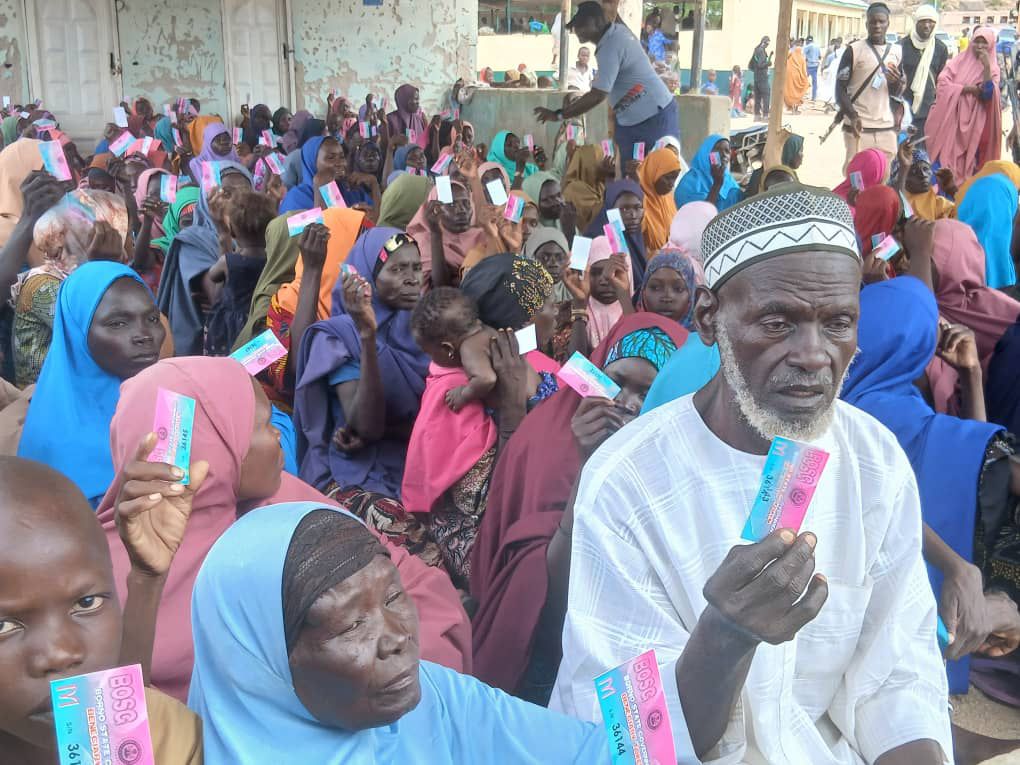
Borno State Government has distributed relief materials to 434 indigenes of Ngoshe community in Gwoza Local Government Area who were recently rescued by security agencies after spending three months in Boko Haram captivity.
Governor Babagana Umara Zulum visited the victims in Pulka on Monday and directed the immediate distribution of food and non-food items to support their recovery and reintegration.
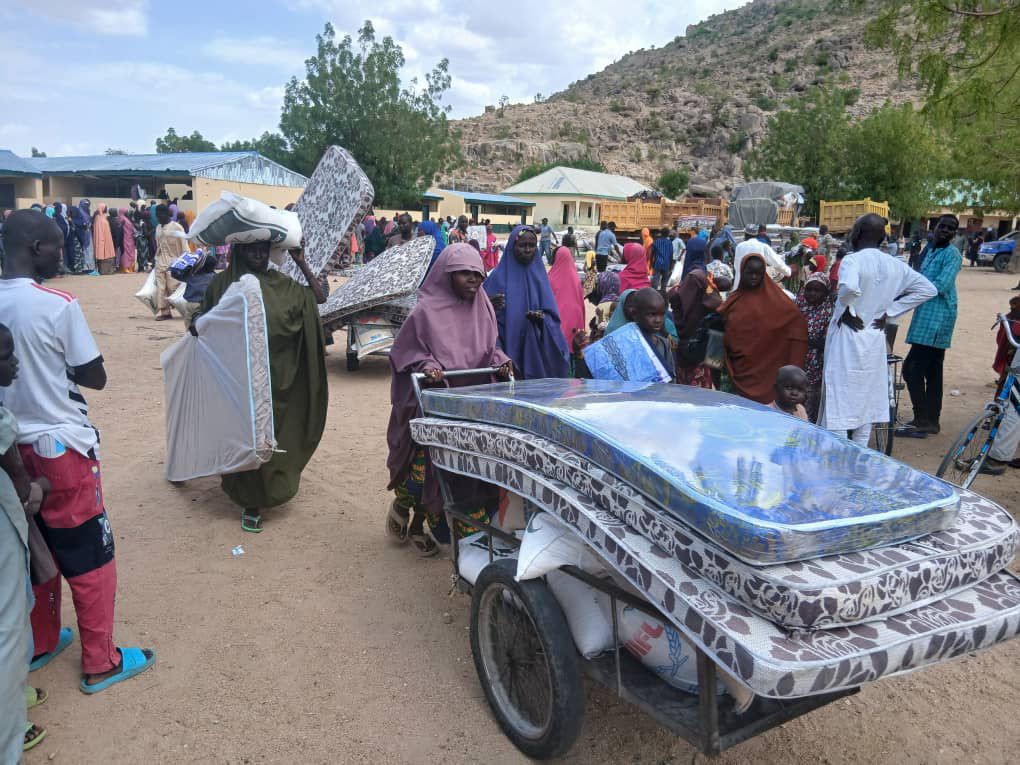
In compliance with the Governor’s directive, the Director General of the Borno State Emergency Management Agency (SEMA), Alhaji Ali Abdullahi Isa, promptly supervised the distribution exercise.
Each rescued person received a bag of rice, a bag of maize grits, a mattress, a wrapper, and a shadda, while children received two pairs of clothing.
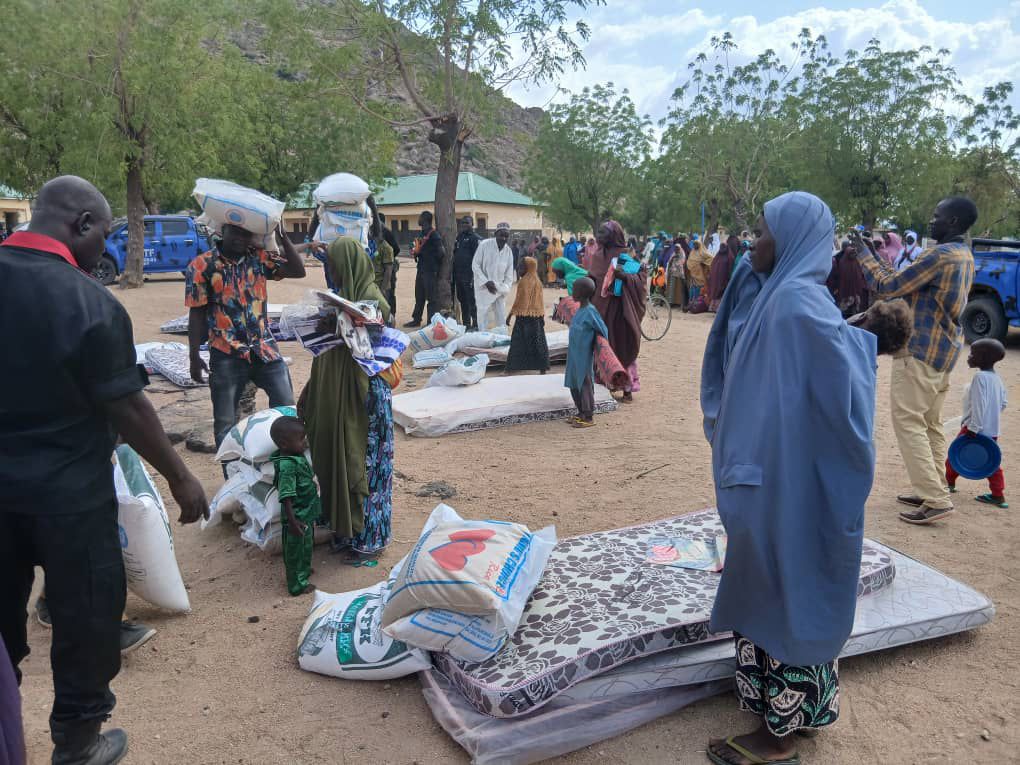
In addition, 208 heads of households received N50,000 each, fulfilling Governor Zulum’s earlier pledge of financial assistance.
Speaking during the distribution, the SEMA Director General said the intervention was part of the government’s immediate response to ease the hardship faced by the rescued victims.
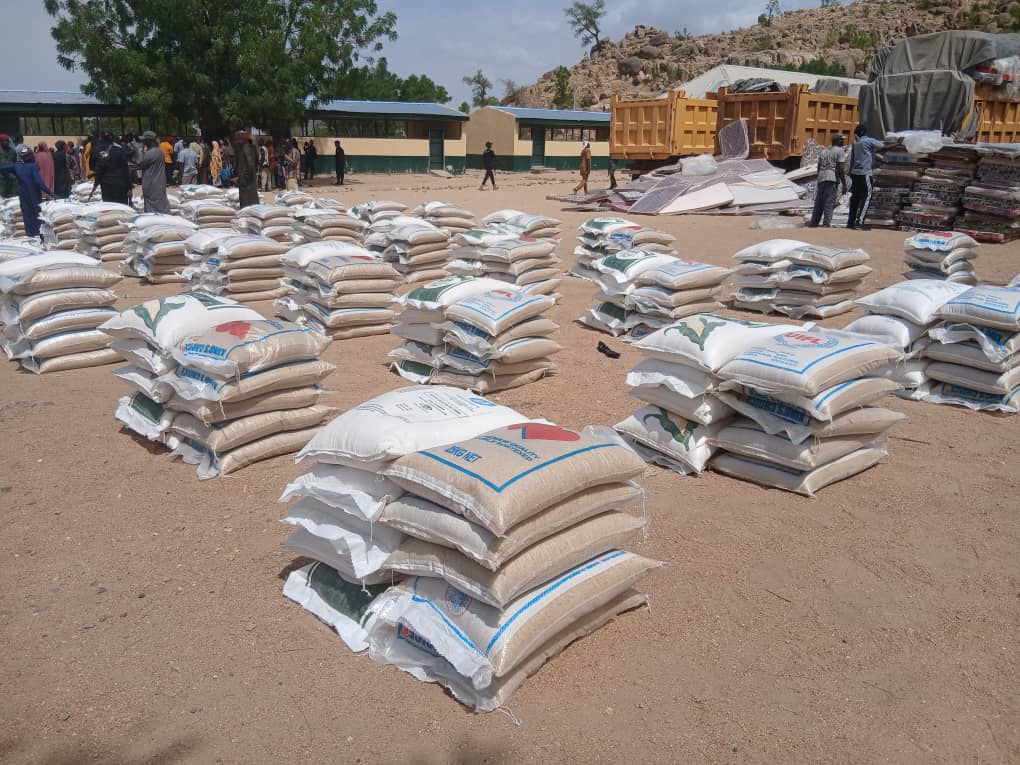
“I am here at the instance of His Excellency, Governor Babagana Umara Zulum, who was here some few days ago, and to deliver the items he directed that it should be given to you as emergency relief,” Ali stated.
The rescued individuals are currently receiving medical care and psychosocial support at a government facility. Upon completion of the rehabilitation process, they will be reintegrated into their respective communities.
The exercise was carried out alongside the Chairman of Gwoza local government, representatives of the Ngoshe community, and other officials.
Zulum Delivers Relief, Cash Support to 434 Ngoshe Residents Rescued from Boko Haram
Democracy Day: Zulum gives 2 MRAPs, other logistics to Army, celebrates with IDPs
By: Michael Mike
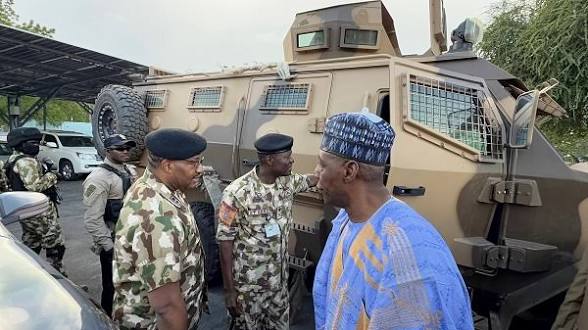
Borno State Governor, Babagana Umara Zulum, marked Democracy Day with the handover of two Mine-Resistant Ambush Protected (MRAP) vehicles and critical logistics to the Nigerian Army, after joining internally displaced persons (IDPs) for a symbolic celebration and distribution of food items to 2,500 beneficiaries.
The armoured MRAPs delivered to the Theatre Command of Operation Hadin Kai on Friday are intended to enhance troop protection against improvised explosive devices (IEDs) and ambushes which remain a persistent threat in the fight against insurgents. Additional logistics include operational Hilux vehicles and motorcycles for frontline soldiers in difficult terrains.
Zulum also marked Nigeria’s Democracy Day celebration with Internally Displaced Persons (IDPs) at the Madinatu camp where he distributed food supplies, non-food items, and cash gifts to thousands of beneficiaries.
The distribution, held at the Madinatu IDP camp, served to consolidate Zulum’s resettlement gains. Over the past seven years, Borno State Government has successfully resettled more than 2 million IDPs in their ancestral communities in a dignified and voluntary manner.
“It gladdens my heart today, the 12th of June, 2026, to celebrate June 12th, Democracy Day, here in Madinatu Camp, the only formal camp that is standing inside Maiduguri Metropolitan Council, today, to the glory of God and the benefit of mankind, for the distribution of food and non-food items. Inshallah, this camp will be closed this year. This will be our last distribution exercise in this camp, or the second to the last,” Zulum said.
However, Governor Zulum used the occasion to announce a timeline for the camp’s closure. The governor ordered that Madinatu camp be shut down within one month, vowing to similarly close most IDP camps across various Local Government Areas in the coming phase of his administration’s resettlement strategy.
“Democracy must translate into restoring the dignity of our people,” Zulum told the IDPs. “Living in camps is not a permanent solution. Our goal remains to return every displaced person to their ancestral homes with security and means of livelihood.”
In addition to the food items, Zulum approved N50,000 each for the 2,500 beneficiaries present at the event.
“Each of the 500 beneficiaries mentioned will receive a 25kg bag of rice and a 25kg bag of sorghum. Women will receive wrappers. I also promise to provide 50,000 naira to each beneficiary. This amount can be credited into their own individual accounts, inshallah,” Zulum said.
The exercise was attended by the APC’s State Deputy Chairman, Garba Mulima, APC State Vice Chairman (Central) Abdur Rahman Abdulkarim, Acting Chief of Staff, Dr Babagana Mallumbe, Member representing Jere at the State Assembly, Abba Kyari Kolo, commissioners and commissioner designates and several other senior government officials.
Democracy Day: Zulum gives 2 MRAPs, other logistics to Army, celebrates with IDPs
Gov. Yusuf Commends DSS Over Arrest of Suspected Gun Courier in Kano
By: Michael Mike
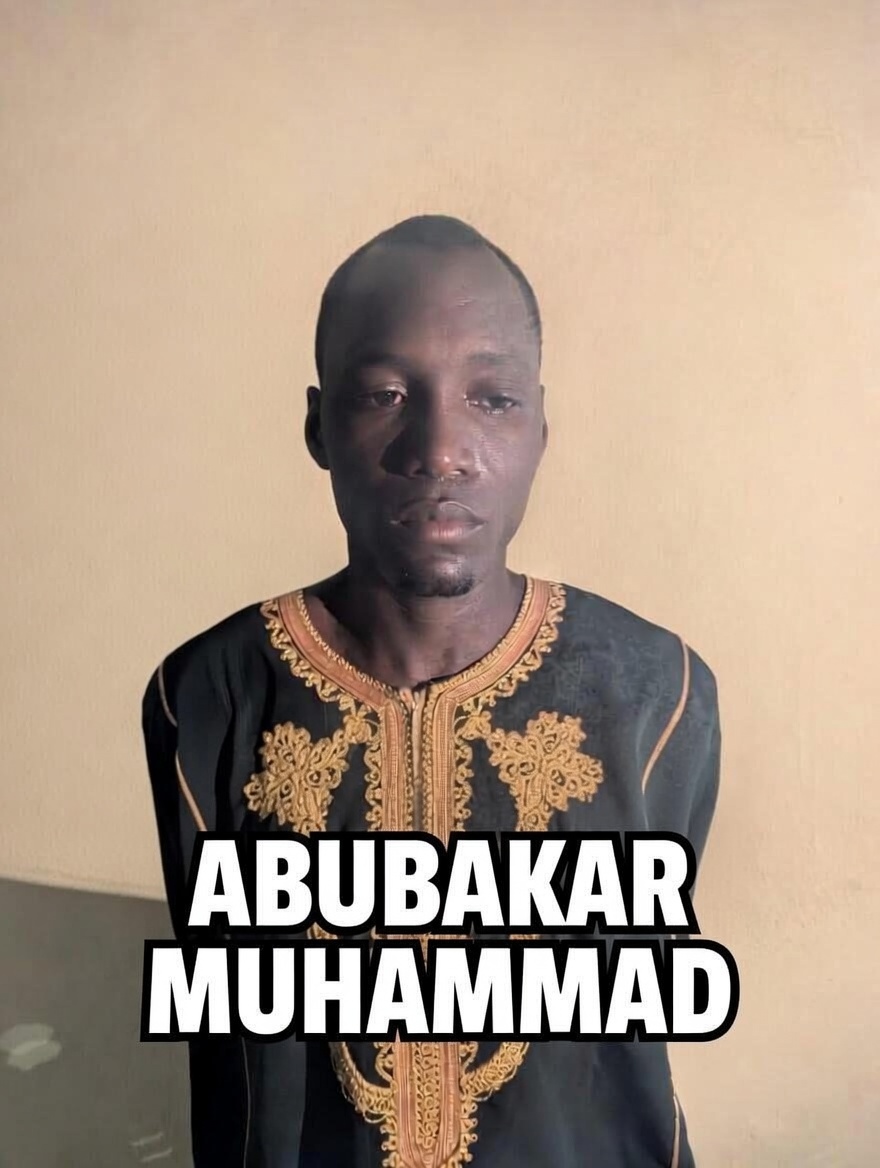
Kano State Governor, Abba Kabir Yusuf, has commended the Department of State Services (DSS) for the arrest of a suspected gun courier intercepted while allegedly transporting weapons believed to be destined for criminal elements in Katsina State.
The commendation was contained in a statement issued by the Governor’s spokesperson, Sunusi Bature Dawakin Tofa, on Thursday, June 12, 2026.
Governor Yusuf described the operation as a major breakthrough in the ongoing fight against banditry, terrorism and other violent crimes threatening communities across Northern Nigeria.
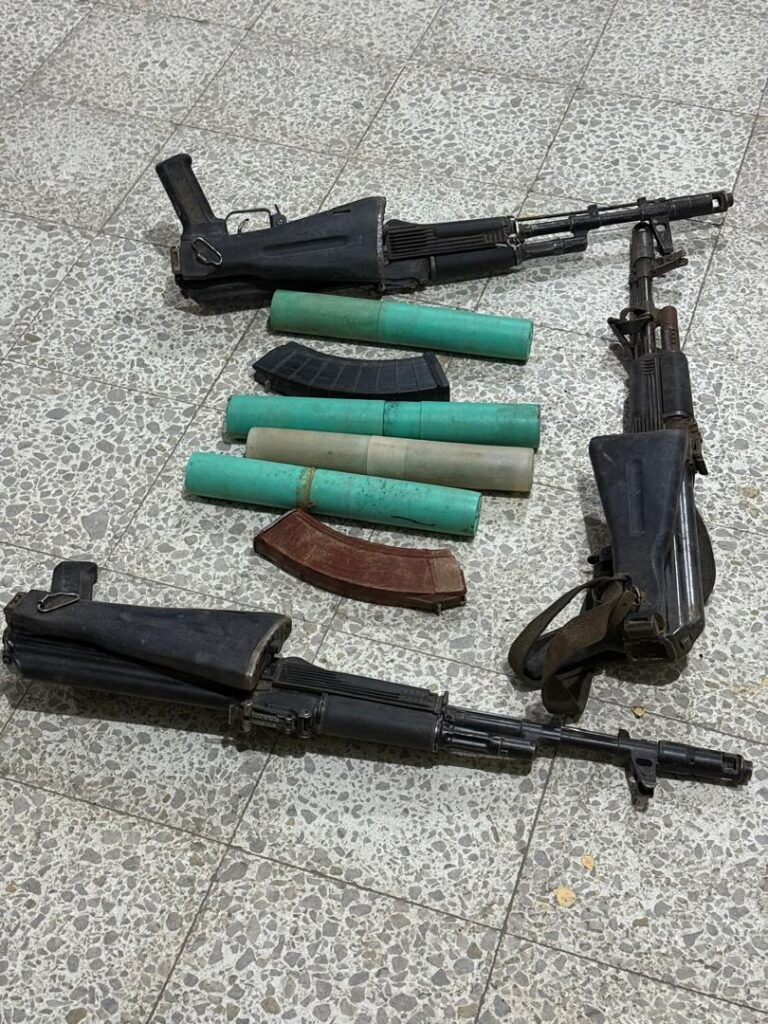
According to information provided by the DSS, the suspect, identified as Muhammad Abubakar, 30, was apprehended in Gezawa Local Government Area of Kano State while allegedly transporting four rocket-propelled grenade (RPG) tubes, three AK-47 rifles and two empty magazines to Funtua in Katsina State.
Preliminary investigations reportedly revealed that the suspect collected the weapons from an individual identified as Bello in the Maigatari border area of Jigawa State and was expected to receive N450,000 upon successful delivery of the arms.
Governor Yusuf praised the professionalism, vigilance and intelligence-driven approach of DSS operatives, noting that the timely interception prevented the weapons from falling into the hands of bandits and other criminal groups.
He said the operation underscored the critical role of intelligence gathering and effective collaboration among security agencies in tackling emerging security threats across the country.
The governor reaffirmed the commitment of the Kano State Government to supporting security agencies through sustained cooperation, logistics assistance and policies aimed at strengthening public safety throughout the state.
He also urged residents to remain vigilant and continue providing credible information to security agencies to aid efforts to combat crime and maintain peace.
Governor Yusuf expressed confidence that ongoing investigations would lead to the arrest and prosecution of all individuals connected to the alleged arms trafficking network.
The statement was signed by Sunusi Bature Dawakin Tofa, Director General, Media and Publicity, Government House, Kano.
Gov. Yusuf Commends DSS Over Arrest of Suspected Gun Courier in Kano

Zulum Delivers Relief, Cash Support to 434 Ngoshe Residents Rescued from Boko Haram

DEMOCRACY AND THE COURAGE TO BELIEVE

Army Distributes Fertiliser to Farmers in Jigawa Under Civil-Military Cooperation Programme

Roger Federer’s Shock as DNA Results Reveal Myla and Charlene Are Not His Biological Children

THE PLIGHT OF FARIDA

FAILED COUP IN BURKINA FASO: HOW TRAORÉ NARROWLY ESCAPED ASSASSINATION PLOT AMID FOREIGN INTERFERENCE CLAIMS
-
 News2 years ago
Roger Federer’s Shock as DNA Results Reveal Myla and Charlene Are Not His Biological Children
-
Opinions4 years ago
THE PLIGHT OF FARIDA
-
 News1 year ago
FAILED COUP IN BURKINA FASO: HOW TRAORÉ NARROWLY ESCAPED ASSASSINATION PLOT AMID FOREIGN INTERFERENCE CLAIMS
-

 News2 years ago
EYN: Rev. Billi, Distortion of History, and The Living Tamarind Tree
-
 Opinions4 years ago
POLICE CHARGE ROOMS, A MINTING PRESS
-

 ACADEMICS2 years ago
A History of Biu” (2015) and The Lingering Bura-Pabir Question (1)
-

 Columns2 years ago
Army University Biu: There is certain interest, but certainly not from Borno.
-

 Politics1 year ago
2027: Why Hon. Midala Balami Must Go, as Youths in Hawul and Asikira/Uba Federal Constituency Reject ₦500,000 as Sallah Gift
