
News
Boko Haram: Zulum Hosts Sahel Countries, Ambassadors for High-Level Security Retreat in Maiduguri

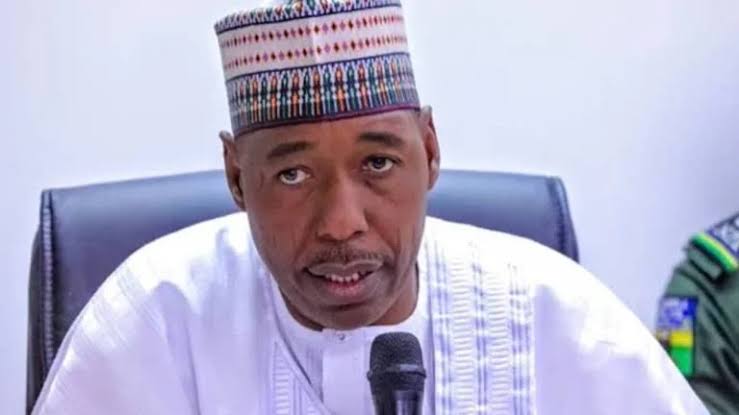
Boko Haram: Zulum Hosts Sahel Countries, Ambassadors for High-Level Security Retreat in Maiduguri
By: Michael Mike
Borno State Governor, Prof. Babagana Zulum, has rallied Nigeria’s neighbours and key diplomatic partners to forge a stronger regional security alliance against Boko Haram, the Islamic State West Africa Province (ISWAP) and other terrorist groups threatening the stability of the Sahel.
Zulum made the call on Saturday in Maiduguri at a high-level security retreat attended by representatives of Sahel countries, ambassadors and senior Nigerian foreign-policy officials, where participants warned that terrorism, porous borders, displacement and violent extremism could no longer be confronted through isolated national responses.
The retreat, held at the conference hall of the Musa Usman Secretariat, placed Borno—the epicentre of Nigeria’s more than decade-long battle against Boko Haram—at the centre of renewed efforts to develop a coordinated regional response to the worsening security crisis across the Sahel.
The governor, who has consistently advocated a combination of military operations, humanitarian intervention, economic development and community-based measures, argued that the scale and transnational character of the threat required countries in the region to move beyond fragmented security arrangements.
He said military operations remained indispensable, but stressed that the battle against terrorism could not be won through kinetic operations alone.
According to him, the persistent insurgency and humanitarian crisis in the region demanded a comprehensive strategy capable of addressing both the immediate security threat and the conditions that allow violent extremism to thrive.
“While our armed forces continue their brave operations, we must enhance intelligence sharing, community-based border management, and joint stabilisation initiatives alongside the Multinational Joint Task Force (MNJTF),” Zulum said.
He maintained that stronger cooperation among countries sharing borders and historical ties was critical to preventing terrorists from exploiting territorial and institutional gaps to move fighters, weapons and resources across national boundaries.
The governor’s position reflects Borno’s experience in dealing with the Boko Haram insurgency, which has devastated communities, displaced millions of people and disrupted livelihoods across the Lake Chad Basin.
Beyond military pressure on terrorist groups, Zulum has repeatedly advocated deradicalisation, rehabilitation and reintegration programmes for repentant insurgents, alongside reconstruction, education, job creation and humanitarian support for affected communities.
He stressed that sustainable peace would require rebuilding communities ravaged by years of violence while restoring confidence between citizens and government institutions.
Earlier, the Minister of State for Foreign Affairs, Mr Sola Enikanolaiye, called for deeper regional cooperation to confront terrorism and other security threats confronting the Sahel.
Enikanolaiye said governments in the region must look beyond military responses and pay greater attention to the underlying conditions that fuel violent extremism, including poverty, unemployment, marginalisation and weak development structures.
He said a coordinated regional strategy would strengthen the capacity of affected countries to prevent terrorist groups from exploiting their borders and local grievances.
Also speaking, the Permanent Secretary, Ministry of Foreign Affairs, Dunoma Umara, underscored the strategic importance of peace and stability in the Sahel to Nigeria’s national interests.
Umara noted that Nigeria’s historical, cultural, economic and geographical ties with the region meant that instability in neighbouring countries would inevitably have implications for Nigeria’s security and economic prosperity.
He therefore called for sustained diplomatic and security engagement among countries in the region, stressing the need to strengthen existing mechanisms for cooperation.
The Ambassador of Chad to Nigeria, Brah Mahamat, also delivered a strong appeal for collective action, warning that differences in regional institutional affiliations must not be allowed to undermine the common fight against terrorism.
He said terrorist organisations do not recognise the political and institutional boundaries that divide countries in the region.
“Although we belong to different institutional groupings, this should in no way impede our common security. Let us be clear: the enemy cares little whether we belong to CEMAC, ECOWAS or the AES. Its aim is to continue slipping across our borders, exploiting the operational limitations we have imposed upon ourselves,” Mahamat said.
His remarks highlighted one of the major challenges confronting the region: the ability of terrorist networks to exploit gaps in border security and differences in political and security arrangements among neighbouring states.
The retreat therefore provided an opportunity for participating countries and diplomatic representatives to examine ways of improving intelligence cooperation, securing borders, strengthening joint military operations and developing stabilisation programmes for communities affected by terrorism.
The discussions also underscored the importance of the Multinational Joint Task Force, which brings together countries of the Lake Chad Basin in the fight against Boko Haram and associated terrorist organisations.
With terrorist networks increasingly operating across national boundaries, participants stressed that regional security cooperation must evolve alongside the threat.
For Borno, the retreat carries particular significance. Maiduguri has endured years of Boko Haram attacks and remains a key centre for Nigeria’s counter-insurgency operations in the Lake Chad Basin.
The decision to convene senior regional and diplomatic stakeholders in the city signals an effort to transform Borno from merely a frontline theatre of the insurgency into a platform for regional dialogue on how to end it.
The emerging consensus from the retreat was that defeating terrorism in the Sahel requires more than battlefield victories. It demands sustained intelligence cooperation, secure borders, resilient communities, economic opportunities, humanitarian assistance and coordinated political action.
As terrorist groups continue to exploit instability across the region, the challenge before Nigeria and its neighbours is increasingly clear: build a common security architecture capable of preventing the Sahel from becoming an even deeper theatre of transnational terrorism.
Boko Haram: Zulum Hosts Sahel Countries, Ambassadors for High-Level Security Retreat in Maiduguri


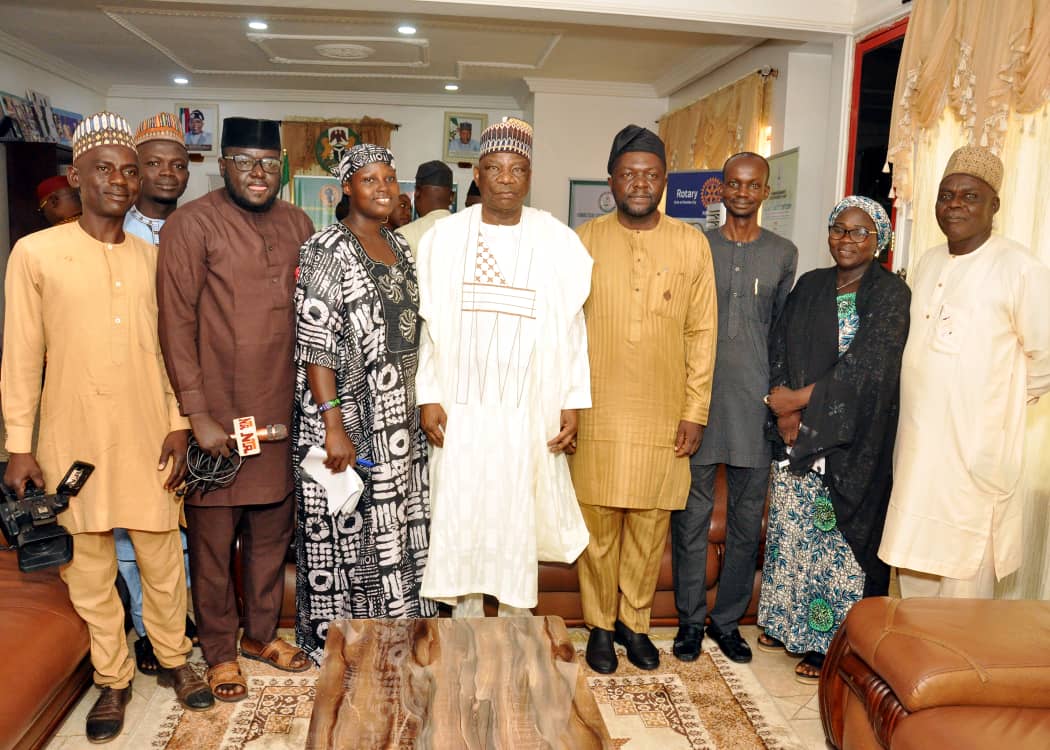
NHRC strengthens partnership with Gombe Govt on human rights protection
By Elizabeth Ogunjobi
The National Human Rights Commission (NHRC), Gombe State Office has called for stronger collaboration with the government to tackle human rights violations in the state.
The State Coordinator of NHRC, Dr Joseph Wanshe, made the call on Tuesday, during a courtesy visit to the Deputy Gov. Manassah Jatau.
Wanshe said that such collaboration had become imperative to ensure effective promotion and protection of human rights in the state, stating that rights protection could not succeed in isolation.
He said that while the commission carried out its day-to-day activities as an independent institution, its operations touched directly on the lives, security, and socio-economic wellbeing of the people.
The coordinator said that security and human rights were two sides of the same coin as sustainable peace could not exist without justice, just as human rights could not flourish without security.
He said that recognising the vital link, the commission respectfully sought to deepen its strategic collaboration with the state government.
“We humbly request that NHRC be granted observer or advisory inclusion in State Security Council meetings.
“This will allow us to share field-level human rights monitoring data, provide early warning insights, and support peacebuilding strategies that strengthen public trust between citizens and law enforcement.
“Also, as electoral cycles unfold, we look forward to working closely with the state government and relevant community stakeholders to support a peaceful, inclusive, and rights-respecting environment,” Wanshe said.
The coordinator commended the state government’s efforts at advancing the wellbeing of the people through investments in infrastructure, road network, public facilities and urban renewal.
Responding, Jatau described NHRC as a noble and humanistic organisation whose activities should be highlighted and recognised.
He pledged government’s support at strengthening the protection of citizens’ rights in the state.
According to him, with the increasing cases of human rights violation especially against children and women, it has become necessary to support any efforts at tackling such issues.
“The inhumane nature of people is what we are seeing today whereby children are maltreated, women are victimised and so many other prevalent ills.
“Everyone must help the commission to protect human rights and ensure better welfare for our people,” he said.
The deputy governor called on the media and other stakeholders to support the fight against human rights violations, stressing that the protection of citizens’ rights was everyone’s responsibility.
NHRC strengthens partnership with Gombe Govt on human rights protection
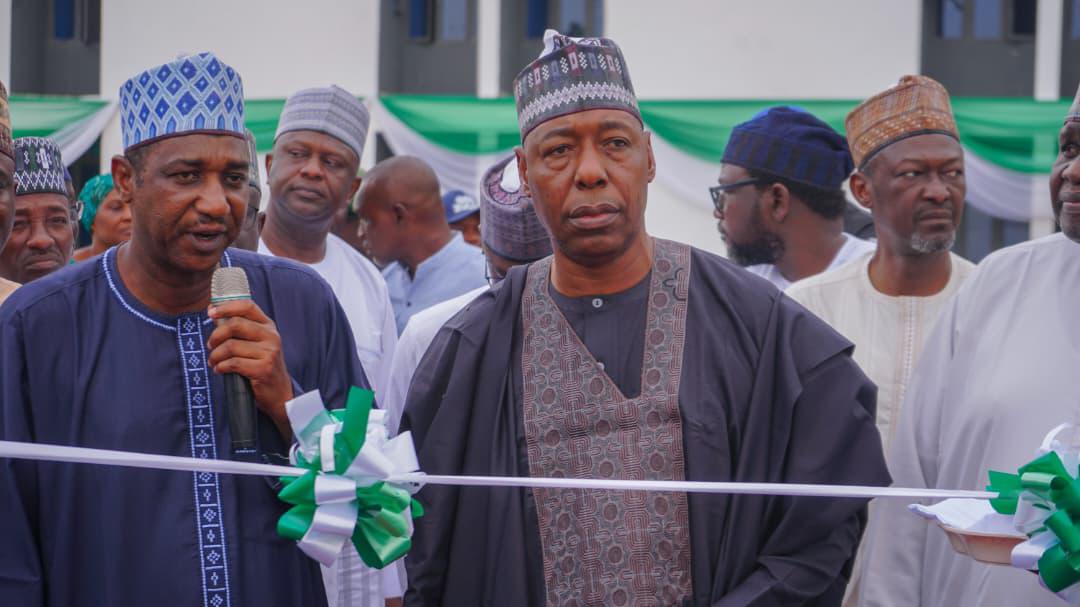
Zulum builds, hands over a 42-room patients’ apartment to UMTH
By: Our Reporter
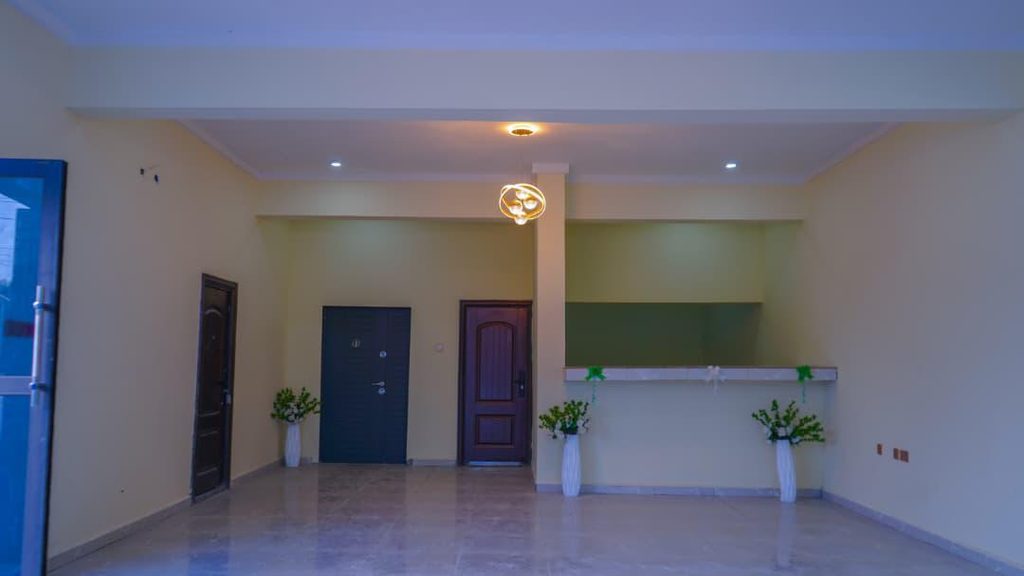
Borno State Governor, Professor Babagana Umara Zulum, has commissioned and handed over a newly constructed 42-room patients’ apartment to the University of Maiduguri Teaching Hospital (UMTH) as part of his administration’s commitment to improving healthcare delivery in the state.

The facility, which has a 42-room lodge, was constructed by Borno State Government and is designed to provide comfortable accommodation for patients’ relatives and visitors, many of whom travel long distances to access medical care.
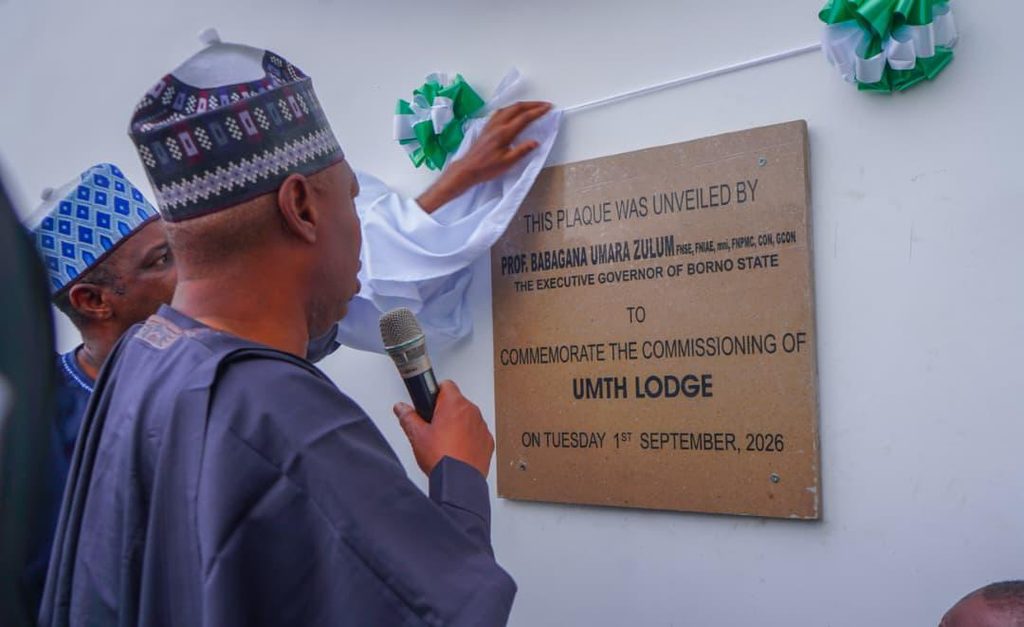
The handover of the patients’ apartment is the latest in Zulum’s interventions at UMTH. The governor had previously presented a N100 million check to support the hospital’s funding gaps for medical consumables and other needs. He also constructed 24 three-bedroom apartments for medical staff to reduce housing shortages and keep doctors closer to patients.

In addition, Zulum has ordered the release of N1 billion in financial support to facilitate kidney transplant and maternal health services at the hospital. He also provided a N500 million intervention following the 2024 flood disaster.
Beyond UMTH, Zulum has extended similar support to other federal government agencies in Borno State. He distributed thousands of patrol vehicles to security agencies and formations to boost security across the state.
Zulum constructed housing quarters and provided several facilities and infrastructure at the University of Maiduguri.
He also approved hundreds of millions in takeoff grants for the National Orthopaedic Hospital, Azare; the Federal Polytechnic, Monguno; and the Federal College of Education, Gwoza.
The chief medical director of UMTH, Professor Ahmed Ahidjo, expressed gratitude to the governor and commended him for his relentless support.

The governor was accompanied by the Acting Chief of Staff, Dr. Babagana Mustapha Mallumbe; commissioners; special advisers; and several senior government officials.
Zulum builds, hands over a 42-room patients’ apartment to UMTH

Operation Hadin Kai neutralises 152 terrorists, arrests 142 in August
By: Zagazola Makama
Troops of Operation HADIN KAI (OPHK) have recorded major operational successes across the North-East theatre, neutralising 152 terrorists and arresting 142 others, including suspected logistics suppliers, during operations conducted between Aug. 1 and 31, 2026.
The latest operational figures indicate sustained pressure by the joint security forces against terrorist groups, their logistics networks and mobility capabilities across the theatre.
According to the monthly operational summary, 219 terrorists also surrendered to the troops during the period, a development the military said reflects the continued degradation of terrorist networks and growing willingness among some fighters to abandon the insurgency.
The troops also conducted 10 successful air interdictions in support of ground operations, targeting terrorist movements and logistics activities in different locations within the theatre.
The air operations complemented sustained ground offensives aimed at disrupting terrorist formations, supply routes and freedom of movement.
During the period under review, troops also neutralised nine improvised explosive devices (IEDs), thereby denying terrorist elements the opportunity to use the devices against military personnel and civilians.
The troops recovered 58 weapons and explosive items, as well as 1,184 rounds of ammunition during various operations.
The recoveries are expected to further degrade the firepower and operational capacity of terrorist elements operating in the North-East.
The troops also recovered 16 mobility assets, including motorcycles, bicycles, tricycles and other vehicles reportedly linked to terrorist activities.
Other items recovered during the operations included 44 mobile phones, a video camcorder and N1,794,910 in cash, among other materials.
The military’s monthly operational assessment indicated that the recoveries of communication devices, mobility assets and cash were significant in disrupting the logistics and communication networks supporting terrorist operations.
The surrender of 219 terrorists also represents another important aspect of the campaign, as the development could provide security agencies with additional intelligence on terrorist structures, hideouts, supply networks and operational activities.
The August operations combined kinetic actions, including ground offensives and air interdictions, with non-kinetic measures aimed at encouraging surrender and separating terrorist elements from their support and logistics networks.
The sustained operational tempo, according to the figures, has placed considerable pressure on terrorist personnel, weapons stocks, mobility and logistics capabilities across the theatre.
The development comes as Operation HADIN KAI continues its counter-insurgency campaign to degrade Boko Haram and Islamic State West Africa Province (ISWAP) elements and restore security across affected communities in the North-East.
The August figures underscore the continued coordination between ground troops and air assets in disrupting terrorist activities while enhancing the ability of security forces to deny insurgents freedom of action across the theatre.
Operation Hadin Kai neutralises 152 terrorists, arrests 142 in August

NHRC strengthens partnership with Gombe Govt on human rights protection

Zulum builds, hands over a 42-room patients’ apartment to UMTH

Operation Hadin Kai neutralises 152 terrorists, arrests 142 in August

Roger Federer’s Shock as DNA Results Reveal Myla and Charlene Are Not His Biological Children

THE PLIGHT OF FARIDA

FAILED COUP IN BURKINA FASO: HOW TRAORÉ NARROWLY ESCAPED ASSASSINATION PLOT AMID FOREIGN INTERFERENCE CLAIMS
-
 News2 years ago
Roger Federer’s Shock as DNA Results Reveal Myla and Charlene Are Not His Biological Children
-
Opinions5 years ago
THE PLIGHT OF FARIDA
-
 News1 year ago
FAILED COUP IN BURKINA FASO: HOW TRAORÉ NARROWLY ESCAPED ASSASSINATION PLOT AMID FOREIGN INTERFERENCE CLAIMS
-

 News2 years ago
EYN: Rev. Billi, Distortion of History, and The Living Tamarind Tree
-
 Opinions5 years ago
POLICE CHARGE ROOMS, A MINTING PRESS
-

 ACADEMICS3 years ago
A History of Biu” (2015) and The Lingering Bura-Pabir Question (1)
-

 Columns3 years ago
Army University Biu: There is certain interest, but certainly not from Borno.
-

 Politics1 year ago
2027: Why Hon. Midala Balami Must Go, as Youths in Hawul and Asikira/Uba Federal Constituency Reject ₦500,000 as Sallah Gift
