
News
Borno youths protest rejection of applications to enlist in the Nigerian immigration and civil defense services

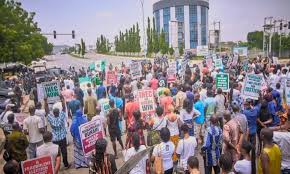
Borno youths protest rejection of applications to enlist in the Nigerian immigration and civil defense services
By: Bodunrin kayode
About 140 young people from Borno State recently stormed the press centre of the Nigerian Union of journalists (NUJ) to protest their rejection by the Nigerian immigration service (NIS) and The Nigerian Security and Civil Defense Corp (NSCDC).
The youths who came with their recruitment attires regretted that no single son of Borno was taken in the last recruitment by both services adding that they went all the way to Bauchi zonal office to observe all the demands of both services but were denied in the last minute for them to commence training.
“We are indigenes of Borno state that applied for recruitment into the Nigeria Security and Civil Defense Corps NSCDC (2022) and Nigeria Immigration Service NIS (2023) here before gentlemen of the press to brief you on the grave injustice that has befallen us.
“After our application, we diligently followed every step of the process,
we wrote the CBT examination and traveled from Maiduguri to Bauchi for physical screening and psychometric evaluation.
” Alas, our passion and dream for joining the Civil Defence and Immigration Service was dashed, not because we lack the merit,
but due to the unfair actions of some highly placed people.” said Garba Rabiu who spoke on their behalf.
“We, the poor youths of Borno, have no godfather to secure our rightful positions within these esteemed organizations. Instead, we are left disappointed and marginalized, our dreams shattered without just cause.
” What hurts us the more is knowing fully by the two organisations that we have fulfilled every requirement set forth by the authorities, we dedicated our time, energy and resources to ensure that we meet every criteria demanded of us. We have
undergone grueling tests, assessments, physical screenings, and evaluations, all in the hope of securing a future for ourselves and our families.
“Yet, despite our unwavering commitment and dedication, not a single one of us out of (NSCDC 140/NIS 151) from Borno state was shortlisted for final documentation.
” Our hope was replaced with despair, our optimism crushed by the weight of this injustice. We cannot help but wonder, what more could we have done? What more did they want from us? Amidst this chaos, we find solace in the promises made by the Shehu of Borno State who has assured us that he will personally intervene in this matter. ” said Rabiu.
They called the attention of President Bola Tinubu and Governor of the state, Professor Babagana Zulum to what they described as gross injustice against the young people of the state.
“We are also drawing the attention of our Governor Babagana Zulum, a man known for his dedication to the welfare of the people of Borno. We implore your Excellency to extend your helping hand to us, the poor youths who have been Wronged by this recruitment process. Your intervention will bring about the change. ” the spokesman stressed.
Borno youths protest rejection of applications to enlist in the Nigerian immigration and civil defense services


IPCR Seeks Stronger Field Offices as Insecurity Spreads Across Nigeria
…Institute identifies manpower, funding and logistics gaps, warns early-warning signals must trigger timely action to prevent violence
By: Michael Mike
The Institute for Peace and Conflict Resolution (IPCR) is seeking to strengthen its zonal and state peacebuilding offices across Nigeria as banditry, kidnapping, insurgency, communal violence and other security threats expose gaps in the country’s capacity to prevent conflicts before they escalate.
The Institute said inadequate funding, manpower shortages, poor logistics and weak coordination between early-warning systems and response agencies were undermining peacebuilding efforts in several parts of the country, despite growing security pressures on communities.
The initiative is aimed at improving conflict monitoring, mediation, community engagement and rapid response, with the Institute’s field offices expected to play a stronger role in identifying emerging threats and developing locally appropriate interventions.
Director of Zonal and State Peacebuilding Offices, Ambrose Okosun, disclosed this during a preparatory meeting to coordinate a proposed sensitisation programme for the Institute’s zonal and state offices.
Okosun said the meeting was designed to harmonise the objectives, methodologies and logistics of the programme while allowing officers to identify operational challenges and develop strategies suited to the different security conditions in their respective locations.
He said Nigeria’s security challenges were diverse and interconnected, requiring peacebuilding institutions to strengthen their capacity to prevent conflicts, mediate disputes and promote peaceful coexistence.
According to him, the Institute’s zonal and state offices occupy a strategic position because of their proximity to communities, but their effectiveness is frequently constrained by inadequate resources, insufficient training and limited personnel.
The proposed programme is expected to improve officers’ skills in conflict prevention, mediation and peace education, encourage the exchange of best practices and produce practical action plans addressing local drivers of violence.
Reports presented by the zonal offices, however, exposed the scale of the challenges confronting the Institute, with some offices reporting severe staffing and logistical deficiencies that limit their ability to monitor conflicts and engage affected communities.
In the North-Central, the Institute’s North Central II Zonal Office in Jos reported persistent communal violence, farmer-herder tensions, attacks on rural settlements, displacement and disputes over land and other natural resources in Plateau State.
The office identified the March 29, 2026, attack in Angwan Rukuba, Jos North, as a major security incident during the reporting period, highlighting the risks of retaliatory violence and the need for timely intervention.
It called for stronger community-based early-warning mechanisms to ensure that information gathered from residents is verified, communicated to relevant authorities and translated into preventive action.
The office also advocated sustained dialogue between farmers and herders, seasonal conflict-risk mapping and the participation of women, young people, persons with disabilities, traditional rulers, religious leaders, civil society groups and security agencies in peacebuilding initiatives.
In Kwara State, the Institute reported growing security pressures associated with banditry, kidnapping, cattle rustling and attacks on rural communities, particularly in vulnerable border areas and locations close to forest corridors.
The reports highlighted the importance of collaboration between formal security agencies and community-based actors, citing a joint operation in Lade, Patigi Local Government Area, in September, which reportedly neutralised four suspected bandits and recovered 35 stolen cattle following an attack on a pastoral settlement.
The abduction of a newlywed couple and four other people along the Eruku-Iyemero border road in September also underscored the risks facing rural routes linking Kwara, Kogi and Ekiti states.
The Institute recommended stronger intelligence-sharing arrangements between states, improved forest surveillance, functional community-based early-warning systems and sustained engagement between farming and pastoralist communities.
The resource crisis was particularly evident in the North-West, where the Katsina-based peacebuilding office covering Katsina, Zamfara, Sokoto and Kebbi states reported that it had only two staff members to coordinate activities across the four states.
The office also lacked an official vehicle for field operations and identified shortages of computers, communication equipment, office furniture and other essential resources as constraints on its ability to conduct research, monitor conflicts and engage communities.
Despite its activities, including community sensitisation, training of community-based reporters and support for conflict early-warning initiatives, the office said its reach remained limited by inadequate operational capacity.
A second North-West office in Kaduna, covering Kaduna, Kano and Jigawa states, similarly reported that insecurity, including banditry, kidnapping, rural violence and cult-related activities, continued to threaten communities and livelihoods.
It called for improved inter-agency coordination, intelligence sharing, community policing and expanded peacebuilding interventions, while highlighting limited staffing and the absence of dedicated office facilities.
In the North-East, the Institute identified the continuing Boko Haram and Islamic State West Africa Province insurgency as a major source of insecurity, displacement and livelihood disruption.
Its report documented militant activities around the Lake Chad area, attacks on rural communities and military positions, as well as clashes between farmers and herders.
An attack in Marte Local Government Area of Borno State on October 2 reportedly killed 18 villagers who had gone to collect firewood, while other residents were reported missing.
The report noted that military operations had led to the neutralisation of insurgents, arrests of suspected collaborators and the rescue of civilians, but stressed that sustainable peace would also require addressing poverty, unemployment, limited access to education, perceived marginalisation and inadequate basic services.
In the South-East, the Institute’s January-to-September 2026 report documented incidents involving murder, kidnapping, banditry, cultism, communal disputes, political violence and alleged extrajudicial killings.
The report recorded five communal incidents in Ebonyi State that resulted in 16 deaths, alongside incidents of cult-related violence, murder and banditry in parts of Anambra and Enugu states.
It recommended stronger community engagement, improved conflict monitoring and sustained collaboration between security agencies and local stakeholders to address the region’s different sources of insecurity.
In the South-West, the Institute identified cult-related violence, armed robbery, domestic violence, protests, building collapses, fires and flooding as concerns requiring preventive action and stronger public-safety coordination.
Monitoring reports from Lagos and Ogun states highlighted the need for peaceful management of protests, youth engagement, improved relations between communities and the police, emergency preparedness and stronger protection for vulnerable groups.
The Institute also called for improved early-warning systems in flood-prone communities and better coordination among government agencies, security institutions and community organisations.
Across the six geopolitical zones, the reports pointed to a recurring problem: information about emerging threats does not always translate into timely intervention.
The Institute’s recommendations included strengthening community-level early-warning networks, improving information verification, establishing regular coordination mechanisms and expanding peace education in schools and vulnerable communities.
It also called for greater participation by women and young people, stronger partnerships with traditional and religious institutions, civil society organisations and academic institutions, and better engagement between security agencies and residents.
Ahead of the 2027 general elections, the zonal offices highlighted the need for sustained engagement with political parties, electoral authorities, security agencies and community leaders to prevent political tensions, hate speech, misinformation and election-related violence.
The proposed sensitisation programme is expected to help address some of the identified gaps by improving officers’ technical capacity, strengthening coordination and developing context-specific approaches to conflict prevention.
However, the reports indicate that training alone may not resolve the challenges confronting the Institute’s field operations without adequate funding, personnel, transport and communication equipment.
The broader challenge for IPCR will be to ensure that its strengthened early-warning and peacebuilding structures can turn information from vulnerable communities into timely interventions capable of preventing violence, reducing displacement and protecting livelihoods.
As insecurity continues to affect communities across Nigeria, the Institute’s initiative underscores the need to complement security operations with conflict prevention, mediation, reconciliation and sustained efforts to address the social and economic conditions that fuel violence.
IPCR Seeks Stronger Field Offices as Insecurity Spreads Across Nigeria
600m Africans Without Electricity as Summit Targets Power Sector Overhaul
…ACBF, AU, Benin mobilise policymakers, investors to tackle failing utilities, unlock energy financing and accelerate industrialisation
By: Michael Mike
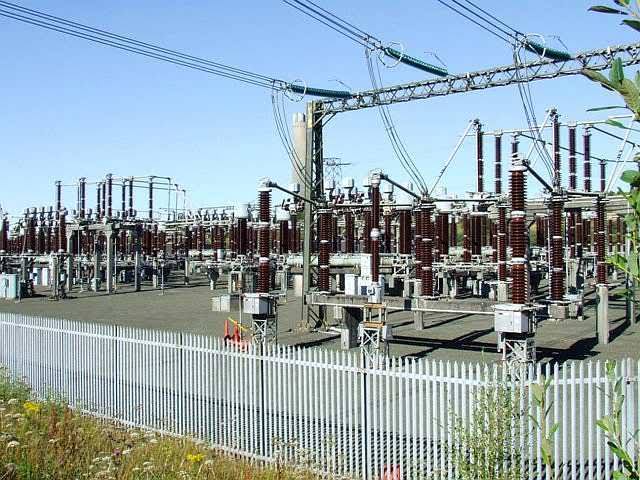
Nearly 600 million people in sub-Saharan Africa remain without electricity, exposing the scale of the continent’s energy crisis as policymakers, investors and development partners prepare to meet in Benin Republic to push for reforms aimed at making power supply reliable, affordable and capable of driving industrialisation.
The persistent electricity deficit, compounded by unreliable grid supply and the high cost of self-generation for businesses, will take centre stage at the 12th Africa Think Tank Summit in Cotonou from October 28 to 30, where participants are expected to confront the structural, regulatory and financing challenges holding back the continent’s power sector.
The summit, convened by the African Capacity Building Foundation (ACBF) in collaboration with the Government of Benin and the African Union, comes amid growing recognition that expanding electricity access alone will not deliver economic transformation without financially sustainable utilities, effective regulation and investment in infrastructure.
Under the theme, “From Energy Access to Economic Transformation: Practical Policy Pathways for Power Sector Viability, Growth, and Reform in Africa,” the meeting will seek to move the continent’s energy debate beyond political commitments towards practical reforms that improve electricity supply, strengthen utility performance and enable businesses to compete.
About 300 policymakers, researchers, private investors and development partners from more than 50 countries are expected to attend the three-day gathering.
The stakes extend beyond household electrification. Unreliable electricity forces many African businesses to rely on generators and other costly alternatives, increasing production expenses, eroding competitiveness and constraining the expansion of industries that could create jobs and strengthen national economies.
For African governments pursuing industrialisation and economic diversification, the challenge is to ensure that power systems can supply energy consistently while remaining financially viable and attractive to investors.
Mamadou Biteye, Executive Secretary of ACBF, said reliable and affordable electricity was indispensable to Africa’s structural transformation, but warned that access alone would not deliver the desired economic gains.
“We need institutions capable of implementing reform, utilities that can deliver sustainably, and African evidence that informs the decisions being made. This Summit is about bringing those elements together and moving from ambition to implementation,” Biteye said.
The summit will examine reforms to improve the financial health and operational performance of electricity utilities, strengthen policy and regulatory frameworks, mobilise private capital, expand regional power trade and broaden access to clean cooking solutions.
A central issue is how to build utilities capable of maintaining infrastructure, expanding networks and delivering dependable electricity without persistent financial difficulties undermining their operations.
Director of the African School of Regulation, Dr Abdulkadir Shettima, said effective regulation was essential to building financially viable power utilities, attracting investment and ensuring reliable, affordable electricity.
He said the summit offered an opportunity to advance practical, evidence-based reforms that could accelerate the continent’s energy transformation.
Financing will also feature prominently, particularly the challenge of reducing investment risks and the cost of capital that can prevent viable energy and infrastructure projects from reaching implementation.
President of the African Guarantee and Economic Cooperation Fund (FAGACE), Dr Ngueto Tiraïna Yambaye,, said Africa needed financing mechanisms capable of sharing risks and making energy investments more attractive to lenders and private investors.
He said FAGACE used risk-mitigation instruments, particularly guarantees, alongside its capacity to mobilise resources, to connect banks, financial markets and investors with transformative energy and infrastructure projects.
The discussions are also expected to explore how regional electricity markets and cross-border power trade could improve supply options, encourage cooperation among countries and support wider economic integration.
Deputy Chairperson of the African Union Commission, Ambassador Selma Malika Haddadi, said access to modern, reliable energy at scale was essential to achieving the industrialisation and integration objectives of the African Union’s Agenda 2063.
She said the continental body was supporting member states in promoting regional power pools and cross-border electricity trade, adding that the summit would advance the agenda through evidence and dialogue.
As host, Benin will bring its experience in infrastructure, governance and energy reform to the discussions.
H.E. Aristide Medenou, Benin’s Minister of Economy and Finance, in charge of Cooperation, said the country was proud to host the gathering and urged participants to share solutions capable of delivering tangible benefits to citizens.
The programme will feature a high-level opening ceremony, a ministerial roundtable, plenary sessions, technical breakout discussions and reform-focused workshops. A dedicated research session will present findings from three consortia under the Africa Think Tank Platform project.
The gathering is intended to connect African research and policy expertise with the governments, regulators, utilities and investors responsible for implementing energy-sector reforms.
Its central test, however, will be whether the discussions can translate into practical changes that improve electricity reliability, strengthen utility finances, lower barriers to investment and expand access for underserved communities.
With hundreds of millions of people still without electricity and businesses bearing the cost of unreliable supply, the summit will place renewed focus on whether African governments can turn energy commitments into functioning power systems that support production, jobs and inclusive growth.
600m Africans Without Electricity as Summit Targets Power Sector Overhaul

Ogwashi-Uku Palace to Appeal Court Ruling in Boundary Dispute With Ibusa
The Palace of the Obi of Ogwashi-Uku has dismissed claims of a territorial victory by some individuals from Ibusa following a ruling by the Delta State High Court, Asaba, insisting that the decision did not constitute a substantive judgment determining the boundary between the two communities.
The Palace, in a statement issued on Tuesday, October 20, 2026, said the ruling in Suit No. AKU/11/2024 arose from a preliminary objection and should not be interpreted as a fresh determination of the disputed boundary.
The suit involves His Royal Majesty, Obi (Dr.) Ifechukwude Aninshi Okonjo II, the Obi of Ogwashi-Uku Kingdom, and others.
According to the Palace, reports suggesting that the court had determined the boundary between Ogwashi-Uku and Ibusa in favour of the latter at Ubu Stream misrepresented the nature and effect of the proceedings.
It maintained that a ruling on a preliminary objection was distinct from a substantive judgment on disputed boundary rights.
The Palace also expressed confidence that the ruling would be challenged at the Court of Appeal, adding that the judicial process was far from concluded.
It further disclosed that issues concerning the execution and enforceability of a historical judgment, which the Ibusa parties were relying upon, were already before the appellate court.
The Palace described the attempt to enforce the judgment, which dates back more than four decades, as legally questionable, arguing that its age, the scope of the original proceedings and applicable legal requirements raised issues requiring judicial determination.
“For the avoidance of doubt, the mere existence of a historical judgment does not automatically entitle anyone to execute it more than forty years later, disregard applicable legal procedures, or extend its geographical scope beyond the lands and parties actually covered by its terms,” the Palace said.
Reaffirming Ogwashi-Uku’s position on the boundary dispute, the Palace insisted that the Oboshi River remained the recognised boundary asserted by the kingdom between it and Ibusa.
It rejected what it described as attempts to use the court’s ruling as a blanket declaration transferring Ogwashi-Uku communal lands to Ibusa.
The Palace argued that the specific lands and villages covered by the historical litigation should be distinguished from the wider territorial claims allegedly being advanced by some Ibusa interests.
It added that neither media publications nor public celebrations could expand the geographical scope of a court judgment or confer rights over lands not covered by the original proceedings.
The statement further maintained that the ruling did not establish a new boundary, transfer communal property or authorise any party to enter or take possession of disputed lands.
Describing the celebration of the ruling as premature, the Palace said its legal team would take the necessary steps to challenge the decision at the Court of Appeal while awaiting the determination of the existing appellate proceedings concerning the historical judgment.
It also cautioned residents of both communities against interpreting the ruling as permission to trespass on disputed lands, intimidate farmers, engage in unlawful land transactions or attempt to alter boundaries through force.
Meanwhile, Ogwashi-Uku Kingdom called on security agencies to remain vigilant and prevent anyone from exploiting differing interpretations of the court proceedings to create tension between the neighbouring communities.
It said Ogwashi-Uku remained committed to defending its ancestral lands through lawful means, while urging its people at home and in the diaspora to remain calm, united and confident in the kingdom’s leadership.
The Palace also appealed to Ibusa residents to pursue peaceful coexistence, stressing that lasting peace between the communities would be better served by respect for the law, accurate reporting of judicial decisions and restraint in public statements.
“The judicial process is continuing. Those celebrating prematurely would do well to exercise patience and allow the appellate courts to determine the outstanding legal questions,” the statement said.
The Palace reiterated that the kingdom would continue to pursue available legal remedies to protect its communal lands and the interests of its people.
Ogwashi-Uku Palace to Appeal Court Ruling in Boundary Dispute With Ibusa

2027: Nwankwo Warns INEC Against Unclear AI Use, Urges Credible Elections

IPCR Seeks Stronger Field Offices as Insecurity Spreads Across Nigeria

600m Africans Without Electricity as Summit Targets Power Sector Overhaul

Roger Federer’s Shock as DNA Results Reveal Myla and Charlene Are Not His Biological Children

THE PLIGHT OF FARIDA

FAILED COUP IN BURKINA FASO: HOW TRAORÉ NARROWLY ESCAPED ASSASSINATION PLOT AMID FOREIGN INTERFERENCE CLAIMS
-
 News3 years ago
Roger Federer’s Shock as DNA Results Reveal Myla and Charlene Are Not His Biological Children
-
Opinions5 years ago
THE PLIGHT OF FARIDA
-
 News2 years ago
FAILED COUP IN BURKINA FASO: HOW TRAORÉ NARROWLY ESCAPED ASSASSINATION PLOT AMID FOREIGN INTERFERENCE CLAIMS
-
 Opinions5 years ago
POLICE CHARGE ROOMS, A MINTING PRESS
-

 News3 years ago
EYN: Rev. Billi, Distortion of History, and The Living Tamarind Tree
-

 ACADEMICS3 years ago
A History of Biu” (2015) and The Lingering Bura-Pabir Question (1)
-

 Columns3 years ago
Army University Biu: There is certain interest, but certainly not from Borno.
-

 Politics1 year ago
2027: Why Hon. Midala Balami Must Go, as Youths in Hawul and Asikira/Uba Federal Constituency Reject ₦500,000 as Sallah Gift
