
Uncategorized
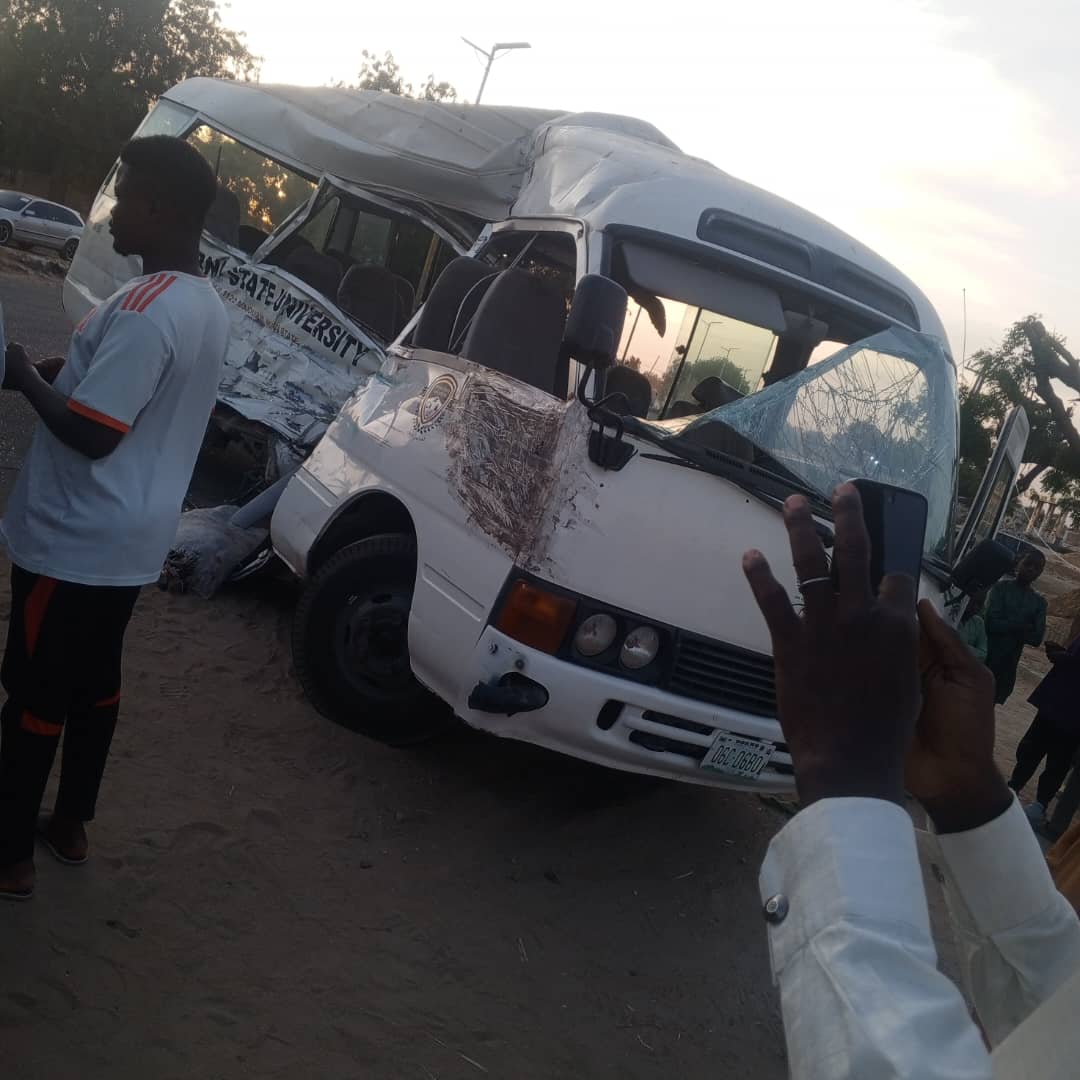
BOSU LOOSES TWO STUDENTS

BOSU LOOSES TWO STUDENTS
By: Bodunrin Kayode
Two students of the Borno State University have lost their lives in a ghastly motor accident in jimtilo along Maiduguri – Damaturu road on Wednesday evening.
The students one male final year student who graduated yesterday and a female part two student, lost their lives when a reckless Dangote Truck lost control while over speeding and ran into the BOSU students Bus which was en route the city centre to drop students on their way home after their Semester Exams.
Several students in the bus sustained various degrees of injuries, in which some were very critical while others were discharged immediately.
Reacting to the tragedy, vice chancellor of BOSU Professor Babagana Gutti said ” There were 30 of them plus the driver involved in the ghastly motor accident. One died on the spot and another died in the hospital.
24 are critically injured receiving treatment in UMTH, they were given immediate first aid at Umaru Shehu, we moved the critically injured immediately to UMTH, and then subsequently the others too. The Dangote truck driver was reckless” he lamented.
Professor Gutti, Director of Works, Physical Planning and Development Engineer Mohammed Habib, Dean Student’s Affairs, the University CSO Bursar and a host of BOSU staff where on hand to see that the victims were evacuated to Umaru Shehu Hospital and the UMTH.
In a show of solidarity and empathy, a bus full of BOSU students also came to sympathize with their colleagues and donate blood which was seriously needed to save lives of their class and school mates.
The trauma centre of the UMTH was turned to a beehive of activities Wednesday night as Hospital and BOSU staff family members and relatives of the victims were seen busy working round the clock supported by management through the night to give the best of their attention to the students.
The two deceased students of Sociology and plant science departments respectively would be buried tomorrow Thursday.
BOSU LOOSES TWO STUDENTS.


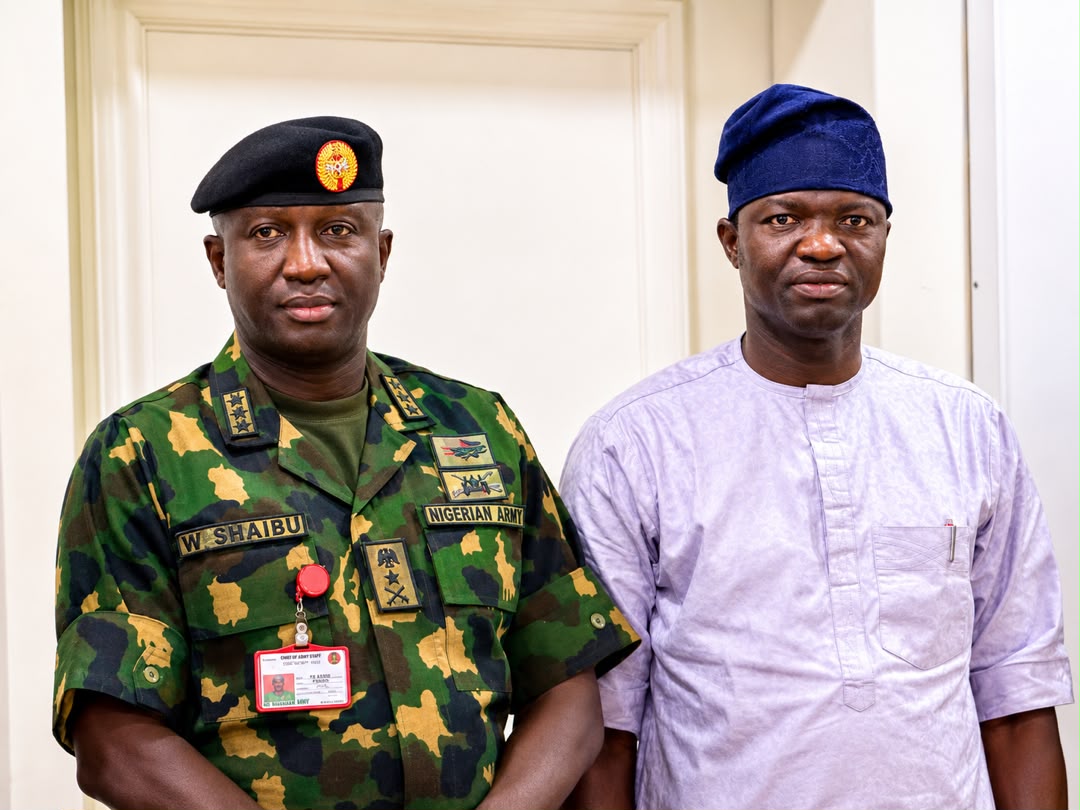
COAS Commends Ebonyi Governor for Strengthening Security, Supporting Nigerian Army
By Zagazola Makama
The Chief of Army Staff (COAS), Lt.-Gen. Waidi Shaibu, has commended the Governor of Ebonyi State, Francis Nwifuru, for his unwavering support to the Nigerian Army, describing the state government’s contributions as instrumental to enhancing security and military operations in the state.
The COAS gave the commendation on Tuesday during a curtesy call at the Government House in Abakaliki ahead of the passing-out parade of recruits of the 99 Regular Intake at the Nigerian Army Depot, Mmasiara, Ebonyi State.
Shaibu congratulated the governor on his achievements since assuming office, noting that the security situation across Ebonyi had improved significantly under his administration.
“It is on record that since your assumption of office, the security situation in the state has improved tremendously,” he said.
The Army Chief described the establishment of the Nigerian Army Depot at Mmasiara as a historic milestone for the South-East, saying it was made possible through the approval of President Bola Ahmed Tinubu as part of efforts to promote inclusivity and equitable distribution of military institutions across the country.
According to him, the depot represents a strategic investment in manpower development and will significantly boost the Nigerian Army’s operational strength in addressing the country’s evolving security challenges.
He also praised the Ebonyi State Government for facilitating the seamless acquisition of land for the establishment of the depot.
“I am aware of your generous support right from the inception of the project. You ensured that the land for the depot was made available without any encumbrances, thereby enabling the Nigerian Army to commence the project without delay,” he said.
Shaibu further acknowledged Governor Nwifuru’s interventions in promoting peace and stability in the state, particularly his efforts in resolving communal crises.
The COAS also lauded the governor for supporting the construction of a military hospital within the depot, describing the project as critical to the welfare of recruits undergoing intensive military training.
He explained that the hospital would provide essential medical services for trainees and personnel, thereby enhancing the operational capacity and sustainability of the new training institution.
In addition, Shaibu commended the governor for donating three operational vehicles to the military formation, describing the gesture as further evidence of the state’s commitment to strengthening security.
He reiterated that collaboration between state governments and the military remains indispensable in addressing contemporary security challenges across Nigeria.
“The support of state governments is critical to ensuring that the Nigerian Army effectively performs its constitutional responsibilities wherever it is deployed,” he stated.
The Army Chief also expressed appreciation to the people of Ebonyi State for providing a peaceful and hospitable environment for military formations operating in the state.
He noted that the state currently hosts several key Nigerian Army establishments, including the Command Secondary School in Abakaliki, an infantry battalion, an engineering regiment, a corps regiment and the newly established Nigerian Army Depot at Mmasiara.
Shaibu concluded by thanking Governor Nwifuru and the people of Ebonyi State for their continued partnership with the Nigerian Army, expressing optimism that the collaboration would further enhance peace, security and development in the state and the South-East region.
Responding, Ebonyi State Governor, Francis Nwifuru, expressed profound appreciation to the Chief of Army Staff for what he described as the Nigerian Army’s unwavering commitment to restoring peace and strengthening security across the state.
The governor said the establishment of the Nigerian Army Depot at Mmasiara was a landmark development that would remain one of the greatest federal investments in Ebonyi State, noting that the institution would not only enhance military capacity but also stimulate economic and social development in the region.
Nwifuru credited the improved security situation in the state to the professionalism, courage and intelligence-driven operations of troops deployed to Ebonyi, stressing that residents were now enjoying unprecedented peace.
“Before I even think of calling for assistance, the Army has already responded. That is the level of commitment we have witnessed. Nigerians should appreciate the sacrifices these officers are making because they are truly working,” the governor said.
He disclosed that since the deployment of the current military commanders to the state, Ebonyi had not recorded any successful attack by suspected members of the outlawed Eastern Security Network (ESN), attributing the achievement to proactive military operations and close collaboration between the state government and security agencies.
According to him, the operational approach adopted by the military has significantly disrupted criminal activities, with security forces routinely foiling planned attacks through timely intelligence and swift intervention.
Nwifuru reaffirmed his administration’s commitment to supporting the Nigerian Army with logistics and other operational requirements, saying security remained the foundation for sustainable development.
“We are deeply grateful to the Chief of Army Staff and the officers and soldiers serving in Ebonyi. Their sacrifices have restored confidence among our people, and we will continue to partner with the Nigerian Army to sustain the peace we are enjoying,” he said.
COAS Commends Ebonyi Governor for Strengthening Security, Supporting Nigerian Army
Troops Arrest Senior Corrections Officer Over Alleged Arms Trafficking in Enugu
By: Zagazola Makama
Troops of Operation UDO KA have arrested an Assistant Superintendent of Corrections allegedly linked to an arms trafficking syndicate during a follow-up operation in Enugu State.
Sources disclosed that the suspect, identified as Ekweme Clement Onyebuchi, was apprehended at about 6:11 p.m. on Monday at Okpara Square, No. 11 Independence Layout, in Enugu North Local Government Area.
The sources said the operation was conducted by troops of the 82 Division Garrison in conjunction with personnel of the Division Provost Group, following ongoing investigations into the arrest of suspected arms racketeers on June 30.
According to the sources, troops recovered two United States-made pistols, two rounds of 9mm Luger ammunition and one vehicle during the operation.
Preliminary investigations, the sources said, indicated that the suspect had earlier been identified and arrested as part of a syndicate allegedly involved in the illegal sale of arms and ammunition to suspected criminal elements.
The suspect and the recovered exhibits are currently in military custody as investigations continue to unravel the activities and network of the alleged arms trafficking syndicate.
The arrest is part of ongoing security operations aimed at dismantling illegal arms supply networks and curbing the proliferation of weapons in the South-East.
Troops Arrest Senior Corrections Officer Over Alleged Arms Trafficking in Enugu
DSS Frees Cardiac Surgeon Martin Aghaji on Bail Over Alleged Economic Crime
By: Michael Mike
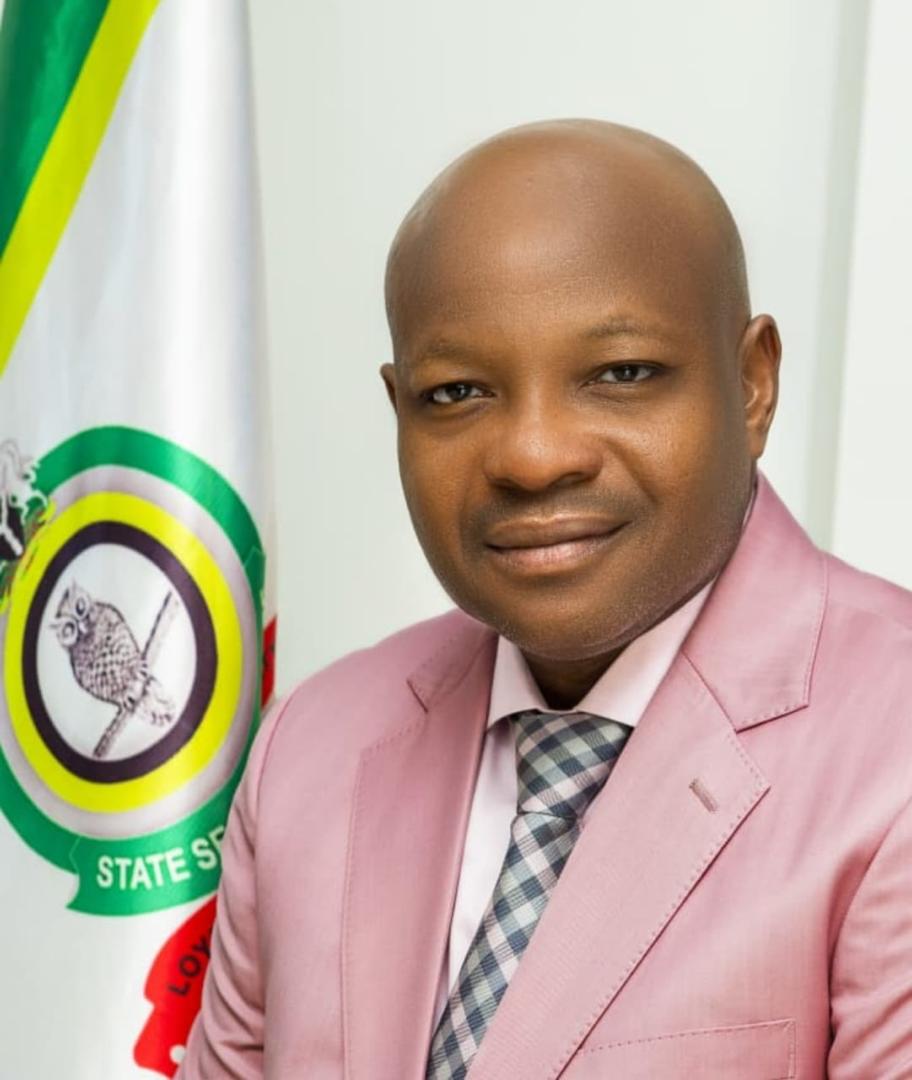
A consultant cardiac surgeon, Prof. Martin Aghaji, has been released on bail by the Department of State Services (DSS) following his arrest over an alleged economic crime.
The Nigerian Medical Association (NMA) disclosed this in a statement issued by the Chairman of its Lagos State branch, Babajide Kehinde Saheed, who confirmed that the renowned surgeon was arrested by DSS operatives at his residence in Enugu on Thursday, July 2, before being flown to the DSS Lagos State Command for interrogation.
According to the association, the Director of the DSS Lagos State Command informed the Lagos NMA leadership of the arrest and invited its officials to the command, citing the longstanding cordial relationship between the security agency and the medical body.

The statement said a delegation representing the National Officers’ Committee of the NMA, led by its National Publicity Secretary, Olayinka Atilola, visited the DSS office in Lagos on Sunday alongside the Lagos State Chairman, Babajide Kehinde Saheed, the Lagos State Publicity Secretary, Bisoye Akinsulire, and the representative of the Enugu State branch, **Placid Ajachukwu>.
Following the visit, Prof. Aghaji was granted bail on what the association described as liberal terms after the stipulated conditions were met. He was subsequently released into the custody of the NMA delegation.
The NMA said it would not disclose details of the allegations or the ongoing investigation, explaining that the information remains classified to protect the integrity of the probe.
The association also confirmed that neither it nor the DSS would comment on the specific nature of the alleged economic offence at this stage.
The DSS has yet to issue an official public statement on the matter, while investigations into the allegations are continuing.
DSS Frees Cardiac Surgeon Martin Aghaji on Bail Over Alleged Economic Crime

MSF Ends Kano Diphtheria Emergency Mission After Vaccinating 835,000 Children

Boko Haram: The Politics, A Call for Historical Accuracy, and Responsible Discourse

HAQ KA PANI: RECLAIMING INDIA’S RIGHTFUL SHARE

Roger Federer’s Shock as DNA Results Reveal Myla and Charlene Are Not His Biological Children

THE PLIGHT OF FARIDA

FAILED COUP IN BURKINA FASO: HOW TRAORÉ NARROWLY ESCAPED ASSASSINATION PLOT AMID FOREIGN INTERFERENCE CLAIMS
-
 News2 years ago
Roger Federer’s Shock as DNA Results Reveal Myla and Charlene Are Not His Biological Children
-
Opinions4 years ago
THE PLIGHT OF FARIDA
-
 News1 year ago
FAILED COUP IN BURKINA FASO: HOW TRAORÉ NARROWLY ESCAPED ASSASSINATION PLOT AMID FOREIGN INTERFERENCE CLAIMS
-

 News2 years ago
EYN: Rev. Billi, Distortion of History, and The Living Tamarind Tree
-
 Opinions5 years ago
POLICE CHARGE ROOMS, A MINTING PRESS
-

 ACADEMICS2 years ago
A History of Biu” (2015) and The Lingering Bura-Pabir Question (1)
-

 Columns2 years ago
Army University Biu: There is certain interest, but certainly not from Borno.
-

 Politics1 year ago
2027: Why Hon. Midala Balami Must Go, as Youths in Hawul and Asikira/Uba Federal Constituency Reject ₦500,000 as Sallah Gift
