
News
CADRE HARMONISÉ ASSESSMENT SHOULD NOT BE TURNED INTO POLITICAL PROPAGANDA


CADRE HARMONISÉ ASSESSMENT SHOULD NOT BE TURNED INTO POLITICAL PROPAGANDA
By: Our Reporter
The Honourable Minister of Agriculture and Food Security, Senator Abubakar Kyari, CON have responded to the viral post on the social media turning the harmonise assessment into political propaganda by elements of the opposition party towards the 2027 general elections. In a statement on November 2, 2027, the Minister said he has taken note of attempts by some opposition voices to twist the October 2026 Cadre Harmonisé food security assessment into a political campaign message. Stressing that this is deeply unfortunate.
Kyari said that Food and nutrition insecurity is a serious national challenge, and as Minister responsible for Agriculture and Food Security, he will not shy away from acknowledging it. Adding that Nigerians must also be honest about what the data actually says.
“The Cadre Harmonisé did not originate from me, nor the Federal Ministry of Agriculture and Food Security, it is an assessment tool designed by Permanent Inter-State Committee for Drought Control in the Sahel (CILSS) and its regional and technical partners, with support from organisations including FAO, WFP, FEWS NET, UNICEF and IPC., to identify food and nutrition security risks and help governments and development partners respond early. It is not an election forecast.
“The assessment does not say that 33.5 million Nigerians will face food insecurity because President Bola Ahmed Tinubu, GCFR, is re-elected in 2027. That interpretation was added for political purposes. It is disheartening to see food insecurity being used as a political tool, exploiting the struggles of Nigerians is not patriotism, but a great disservice to our nation.
“The projected figure of 33.5 million relates to the June to August 2027 period and must be understood within the seasonal nature of food insecurity. In fact, the assessment shows that the projected population expected to face severe food and nutrition insecurity declined from 34.8 million in the corresponding 2026 projection to 33.5 million in 2027. It is also worth noting that this framework does not conduct retrospective analysis following the passing of the projected period to determine whether the projected figures were right or wrong.
“The assessment itself identifies several factors driving food and nutrition insecurity. Most of which are influenced by global events and environmental changes. Climate change is the biggest culprit. Inconsistent rainfall and prolonged dry spells have made it difficult for our farmers to rely on rain-fed agriculture. The Super El Niño phenomenon has also disrupted weather patterns in many regions, affecting planting seasons and crop production.” Kyari said.
He explained that the assessment does not say that these challenges are a consequence of the continuation of any particular political administration. But an early warning. And the responsibility of government is to respond to that warning.
“That is exactly what the government is doing under the leadership of President Bola Ahmed Tinubu, GCFR.
“We are expanding access to fertiliser and other agricultural inputs, increasing mechanisation, expanding irrigation and dry-season farming, strengthening agricultural financing, improving access to farmland, investing in storage and processing, developing value chains and promoting climate-resilient agriculture.
“Importantly, improved security in several farming communities is also allowing farmers who were previously unable to access their farmlands to return to their farms and resume production. This is critical because food security cannot be achieved without farmers being able to safely cultivate their land. Areas such as Marte and Guzamala in Borno State, which were previously inaccessible to data collectors, have experienced improved stability, allowing the Cadre Harmonisé exercise to be conducted in these areas.
“We have also made significant progress in fertiliser distribution and local blending, supported smallholder farmers across the country, advanced major mechanisation partnerships, expanded dry-season production and strengthened agricultural financing through the Bank of Agriculture.
“These interventions will not solve every problem overnight. Food insecurity is a longstanding and structural challenge that has developed over many years and predates this administration. But the important thing is that we are confronting it directly, investing in production and building the systems needed to make our food supply more resilient. It is however important to acknowledge that agriculture has recorded significant progress since President Bola Ahmed Tinubu, GCFR, assumed office.
“As Minister, I accept the responsibility that comes with this challenge. When the data identifies a risk, our duty is to act on it, not to hide from it.
“I therefore urge political actors to exercise responsibility when discussing food security data. Millions of Nigerians are affected by these challenges. Their food, livelihoods and wellbeing should never be reduced to political talking points.” The Minister said.
Kyari said the Tinubu and Kashim Shettima administration welcome scrutiny. The government welcome constructive criticism. But there is a clear difference between legitimate political debate and deliberately misrepresenting a technical assessment for electoral propaganda.
He added that the Cadre Harmonisé has given us important information about where vulnerabilities may emerge. We will use that information to strengthen our interventions, support farmers, protect livelihoods and improve access to safe, nutritious and affordable food.
“That is our responsibility, and that is the work we remain committed to.” Kyari said.
CADRE HARMONISÉ ASSESSMENT SHOULD NOT BE TURNED INTO POLITICAL PROPAGANDA


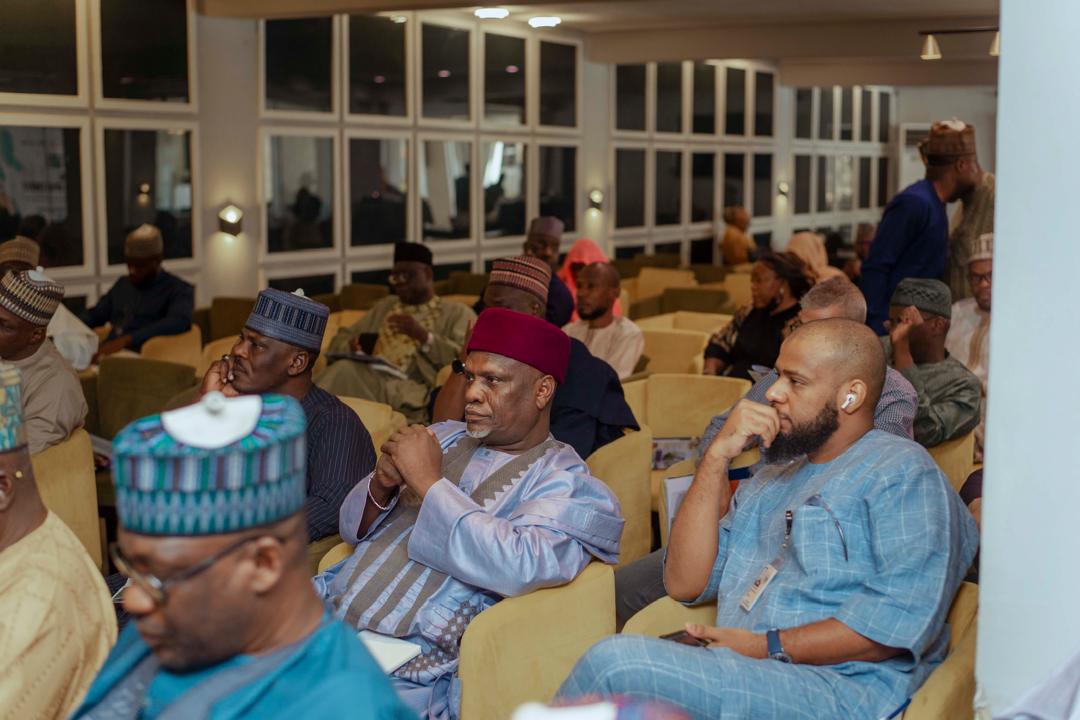
Zulum to Investors: Borno Safe, Stable and Ready for Investment
…40 Prospective Investors Attend Kano Roundtable
By: Our Reporter
Borno State Governor Professor Babagana Umara Zulum has declared Borno safe, stable, and ready for investment, urging businesses to seize opportunities in agriculture, livestock, fisheries, housing, and infrastructure.

The governor gave the assurance on Monday during the second private sector engagement and investment roundtable at Tahir Guests Place in Kano.

Represented by his Chief of Staff, Dr Babagana Mustapha Mallumbe, the roundtable, themed “Mobilising Private Capital for Durable Solutions and Sustainable Development”, drew about 40 potential investors from different sectors.
Supported by the Deutsche Gesellschaft für Internationale Zusammenarbeit (GIZ), the European Union, and the German Government, the engagement comes three weeks after the Lagos roundtable, where Borno secured nine investment commitments.
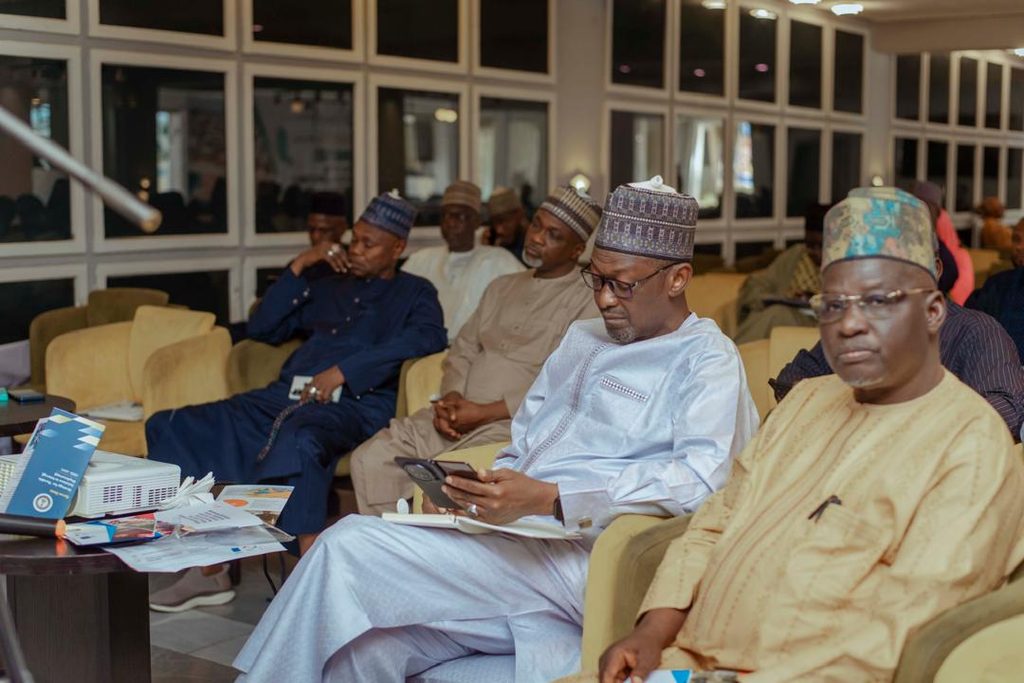
Governor Zulum told private-sector players that the state was shifting from humanitarian relief to economic recovery, with private investment needed to create jobs and help families rebuild their livelihoods.
“Presently, Borno is safe, stable and open for business. Borno sits at the nexus of the Lake Chad Basin, serving as a natural trade corridor linking Nigeria to Cameroon, Chad and Niger Republic,” Zulum said.
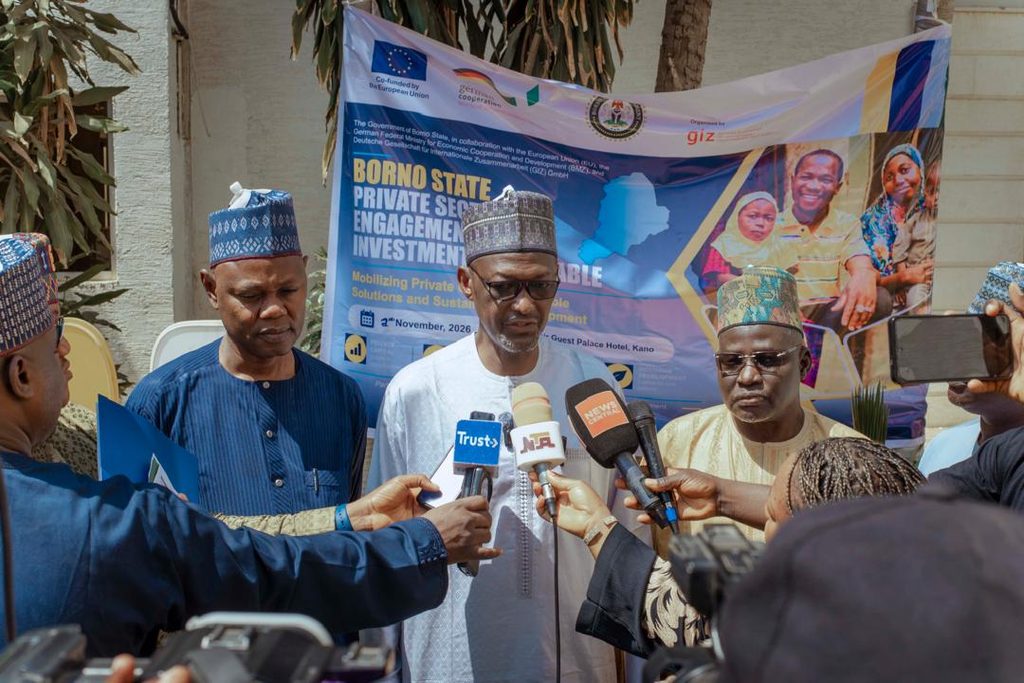
He credited the armed forces and other security agencies, including the volunteer forces, with the security gains and said Borno’s location offered businesses access to an underserved regional market with strong demand for goods and services.
The governor identified the state’s vast arable land, livestock potential and solid mineral deposits as opportunities awaiting investment.
“Government creates the enabling environment, but the private sector creates wealth, jobs and lasting prosperity,” he said.
Zulum explained that his administration was investing in skills and human capital under Borno’s 25-year development plan. He said the state’s vocational training centres had produced more than 3,000 graduates, while training in the health sector was also receiving attention.
The governor assured prospective investors that his administration would honour its commitments and support transparent public-private partnerships, particularly in housing, agriculture and other productive sectors.
“We are not here to ask for charity. We are here to present bankable, high-yield and direct investment opportunities for you. Borno is ready. Borno is bankable. We invite you to partner with a government that honours its word,” he added.
Zulum said incentives available to investors included streamlined land acquisition, infrastructure support, industrial clusters and a supportive tax framework.
Chief Adviser to the Governor on Sustainable Development, Partnerships and Humanitarian Response, Dr Mairo Mandara said Borno is a gateway into a regional economic system of more than 50 million people.
“Borno has moved from emergency to recovery. The task now is to convert recovery into an economy,” Mandara said.
Participants would also receive briefings on the state’s industrial park, inland dry port and bonded terminal, alongside details of the ease of doing business framework.
The roundabout was attended by the Chairman, House Committee on Trade, Tourism and Investment, Hon. Baba Shehu Gulumba, and the Chairman, Committee on Rehabilitation, Reconstruction and Resettlement, Hon. Baba Mala Sunoma; Commissioners of Information and Internal Security, Prof. Usman Tar; Reconstruction, Rehabilitation and Resettlement, Arc. Isa Garba Halidu; Works and Housing, Engr. Adam Bukar Bababe; Local Government and Emirate Affairs, Hon. Sugun Mai Mele; Planning and Economic Development, Hon. Maina Yaumi; Special Advisers; Permanent Secretaries, Heads of Agencies and other government officials.
Zulum to Investors: Borno Safe, Stable and Ready for Investment
News
ActionAid Demands Transparency Over FG’s N50,000 Cash Support, Questions Funding, Beneficiary Selection

ActionAid Demands Transparency Over FG’s N50,000 Cash Support, Questions Funding, Beneficiary Selection
By: Michael Mike
ActionAid Nigeria has demanded full transparency from the Federal Government over its proposed N50,000 cash support for poor and vulnerable Nigerians, insisting that the government must disclose the funding source, beneficiary selection criteria and disbursement arrangements.
The organisation also raised concerns over conflicting descriptions of the intervention under the National Emergency Relief and Stabilisation Intervention (NERSI), noting that while the Minister of Humanitarian Affairs and Poverty Reduction, Dr Bernard Doro, announced it as a monthly intervention, the programme’s official website describes it as a one-off grant.
In a statement issued on Sunday in Abuja, ActionAid Nigeria’s Country Director, Andrew Mamedu, said Nigerians deserved clear and verifiable information on the programme’s financial commitments and mechanisms for ensuring that public funds reached intended beneficiaries.
Mamedu said the government must explain whether the intervention was financed through existing budgetary allocations, supplementary appropriations, savings from economic reforms, development financing or other sources.
He also called for the disclosure of the total amount committed, funds released and administrative costs associated with the programme.
“Direct cash assistance can provide immediate relief, but such interventions must be transparent, equitable and sustainable,” he said.
ActionAid said the absence of a clearly disclosed programme budget, specific beneficiary targets and implementation timeline raised questions about the scale and sustainability of the intervention.
It noted that supporting one million households with N50,000 monthly would require N50 billion, while five million households would cost N250 billion monthly, stressing the need for transparent budgeting, legislative oversight and regular public reporting.
The organisation also questioned the proposed reliance on the National Social Register and verified national identity records for beneficiary selection.
According to the statement, the National Social Safety-Nets Coordinating Office (NASSCO) says the register contains more than 20 million poor and vulnerable households, but questions remain about when it was last updated and how newly impoverished households would be captured.
It urged the government to prioritise women-headed households, persons with disabilities, internally displaced persons, older persons and vulnerable rural communities.
The organisation further warned against making access to social protection dependent solely on national identification documents, mobile phones or bank accounts, calling for accessible mechanisms through which eligible Nigerians excluded from the register could seek assessment and redress.
Mamedu said social protection should be regarded as a responsibility of government rather than a political favour or charity.
“With the 2027 general elections approaching, government must demonstrate that this intervention is driven strictly by vulnerability and need, not political considerations,” he said.
ActionAid also called for transparency in the selection of digital payment providers, disclosure of transaction and administrative costs, and independent verification of disbursements.
It urged the government to publish periodic reports detailing the number of households paid, total funds disbursed, geographical distribution, failed transactions and complaints resolved, while protecting beneficiaries’ personal information.
The organisation outlined six demands, including publication of the programme’s funding source, approved budget and implementation timeline; clarification of whether the N50,000 payment was a one-off grant or monthly allowance; and disclosure of eligibility criteria and beneficiary targets across states and local government areas.
Other demands include accessible grievance and inclusion mechanisms, third-party monitoring by credible civil society organisations, independent payment verification and safeguards against fund diversion and political interference.
It also urged citizens to monitor the intervention and report cases of irregularities, exclusion and diversion to relevant oversight institutions and civil society organisations.
Beyond the immediate cash intervention, ActionAid called for stronger pro-poor economic and social policies to tackle the structural causes of poverty.
It said the government must invest in decent jobs, affordable healthcare, quality education, food security, sustainable livelihoods and essential public services to reduce poverty and build household resilience.
“The success of this intervention must be measured not by the amount announced, but by the number of vulnerable Nigerians who receive the support, the fairness of the selection process and the accountability with which public resources are managed,” the statement said.
ActionAid Demands Transparency Over FG’s N50,000 Cash Support, Questions Funding, Beneficiary Selection
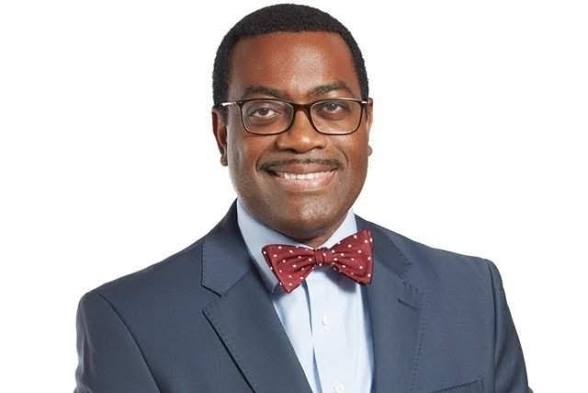
Adesina, Sanusi, Otti, Others to Lead African Prosperity Talks in Abuja
By: Michael Mike
Former President of the African Development Bank, Dr Akinwumi Adesina; Emir of Kano, Muhammadu Sanusi II; and Abia State Governor, Alex Otti, are among prominent African leaders expected in Abuja on November 3 to explore practical strategies for building a prosperous, resilient and inclusive African economy.
The second edition of the Oxford Global Think Tank (OGTT) Leadership Conference will bring together influential figures from government, business, technology, finance and civil society to examine leadership choices, institutional reforms, technological innovations and investment opportunities needed to translate Africa’s enormous potential into sustainable economic prosperity.
Adesina, who is also Executive Chairman of the Global Africa Investment Summit, will deliver the keynote address, while Sanusi and Founder of ANAP Foundation, Atedo Peterside, will co-chair the conference.
The conference, themed “Leadership for a Prosperous Future,” is expected to address critical challenges confronting the continent, including the rapid advancement of artificial intelligence, changing global power dynamics, demographic shifts and evolving economic realities.
Other prominent personalities expected include Minister of Communications, Innovation and Digital Economy, Dr Bosun Tijani; Minister of Women Affairs, Imaan Sulaiman-Ibrahim; Executive Vice President of Afreximbank, Dr Kanayo Awani; Director-General of the Securities and Exchange Commission, Dr Emomotimi Agama; and Chief Executive Officer of Flutterwave, Gbenga Agboola.
A statement by the Conference Media Adviser, Comrade Chris Isiguzo, said discussions would centre on three pillars: resilience, innovation and dynamism, with participants exploring ways to strengthen African institutions, mobilise capital, improve productivity and expand economic opportunities.
A special highlight will be the conference’s focus on artificial intelligence, featuring the launch of an AI report and an AI Virtual Centre, as well as an exhibition showcasing emerging technologies and their potential to transform Africa’s development.
The organisers said the gathering would move beyond broad aspirations to identify practical actions and partnerships capable of strengthening institutions, deepening productive capacity and promoting inclusive economic growth.
“Africa’s future will be shaped by the quality of leadership and the choices its institutions and leaders make today,” the organisers said.
The conference, hosted by the Oxford Global Think Tank, founded by Ms Arunma Oteh, is slated to hold at the Congress Hall, Transcorp Hilton Hotel, Abuja, from 8 a.m. to 6 p.m., followed by a cocktail reception.
The Oxford Global Think Tank is an independent, non-governmental and non-partisan organisation that promotes research and dialogue on development and supports public and private sector leaders in exploring policy ideas and strengthening institutions.
Adesina, Sanusi, Otti, Others to Lead African Prosperity Talks in Abuja

Zulum to Investors: Borno Safe, Stable and Ready for Investment

NDLEA Arrests Two Europe-Based Nigerians with 200 Cocaine Wraps at Abuja Airport

ActionAid Demands Transparency Over FG’s N50,000 Cash Support, Questions Funding, Beneficiary Selection

Roger Federer’s Shock as DNA Results Reveal Myla and Charlene Are Not His Biological Children

THE PLIGHT OF FARIDA

FAILED COUP IN BURKINA FASO: HOW TRAORÉ NARROWLY ESCAPED ASSASSINATION PLOT AMID FOREIGN INTERFERENCE CLAIMS
-
 News3 years ago
Roger Federer’s Shock as DNA Results Reveal Myla and Charlene Are Not His Biological Children
-
Opinions5 years ago
THE PLIGHT OF FARIDA
-
 News2 years ago
FAILED COUP IN BURKINA FASO: HOW TRAORÉ NARROWLY ESCAPED ASSASSINATION PLOT AMID FOREIGN INTERFERENCE CLAIMS
-
 Opinions5 years ago
POLICE CHARGE ROOMS, A MINTING PRESS
-

 News3 years ago
EYN: Rev. Billi, Distortion of History, and The Living Tamarind Tree
-

 ACADEMICS3 years ago
A History of Biu” (2015) and The Lingering Bura-Pabir Question (1)
-

 Columns3 years ago
Army University Biu: There is certain interest, but certainly not from Borno.
-

 Politics1 year ago
2027: Why Hon. Midala Balami Must Go, as Youths in Hawul and Asikira/Uba Federal Constituency Reject ₦500,000 as Sallah Gift
