
News
Class Of 1978, Nshiagu College Ogwashi-Uku Congratulates Hon. Justice Flora Azinge On Homecoming Posting To Ogwashi-Uku High Court


Class Of 1978, Nshiagu College Ogwashi-Uku Congratulates Hon. Justice Flora Azinge On Homecoming Posting To Ogwashi-Uku High Court
Ogwashi-Uku, Delta State — It is with immense pride and joy that the 1978 graduating class of Nshiagu College, Ogwashi-Uku, extends heartfelt congratulations to our their own distinguished alumna, Hon. Justice Flora Ngozi Azinge (née Osadebay), on her transfer from High Court 4, Asaba, to a much-anticipated homecoming posting at the Ogwashi-Uku High Court.
A Homecoming Long Awaited
The news of Justice Azinge’s transfer to Ogwashi-Uku High Court has been received with keen excitement across her old class circle. For many members of her class of ’78, this is more than a judicial reassignment — it is what feels like a return to her roots, an opportunity for her to serve in the ancestral community where she went to school, close to the people who have watched and celebrated her rise through the years.
As a daughter of Chief Dennis Osadebey, former Premier of the defunct Mid-West Region, Justice Azinge carries both the weight of a distinguished lineage and the expectation of public service.
During her tenure in Asaba, she earned attention — for her firm judgments. In 2023, she presided over a chilling case in which a 28-year-old man was sentenced to life imprisonment for raping his four-year-old daughter. In delivering judgment, she described the offender’s act as “callous, animalistic, barbaric.”
Her strong stance in exposing attempted bribery in tribunal settings has also made headlines. In a high-profile case, she disclosed that a Senior Advocate of Nigeria attempted to corrupt proceedings in which she was presiding.
These episodes have only reinforced her image as a no-nonsense jurist with integrity, which adds to the pride with which her classmates now celebrate her return to Ogwashi-Uku.
Bonds of Friendship and Support — Chief Mike Nwaukoni & Classmates
Among those leading the congratulations within the community is Chief Mike Nwaukoni, widely known in Ogwashi-Uku as “Supu Lele,” a wealthy clearing and forwarding magnate and senior chief in the Kingdom.
Over the years, Chief Nwaukoni has become particularly close to Justice Azinge, offering both moral support. It is well known among the 1978 class that she has frequently opened her home to key classmates — to dine, socialize, share stories, and to strengthen class bonds. In every such gathering, she is said to have welcomed her peers with warmth, and many in the class say that those experiences helped deepen loyalty to her success.
In acknowledging her homecoming, classmates note that Chief Nwaukoni has been a steadfast ally — not merely in name, but in action — supporting her, uplifting her profile, and affirming her. She has also been very good to him and has always welcomed him to her house for meals and exchange of banter. The existing relationship of friendship, respect, and mutual backing between her and Chief Nwaukoni is thus a cornerstone of this congratulatory message.
Other members of the class of ’78 also join in this chorus of support. From professionals in law, business, education, and public service — many of whom credit Justice Azinge’s example as inspirational — the message is unanimous: she has made them proud, and they will walk with her in this new leg of her judicial journey.
In Her New Station — A Promise of Growth and Service
While Ogwashi-Uku is now her station, the class expects nothing less than excellence from Justice Azinge. They express unshakeable confidence that she will elevate the Ogwashi-Uku High Court, bring to it the same zeal, fairness, and integrity she displayed in Asaba, and even surpass them.
In heartfelt words circulated among class WhatsApp groups and letters, they promise: “Now that she is practically in her home, we will be there to support her at every step of the way.” That promise, made in unity, underscores how personal and collective this transition is for them.
Looking Ahead: What This Move Means Locally
Her return holds significant symbolic and practical value for Ogwashi-Uku. Having a high court judge of her caliber locally can speed up access to justice for the people, reduce burdens on litigants who otherwise travel to Asaba, and potentially strengthen the judicial presence in the community. For her classmates, neighbours, and the kingdom at large, her appointment is more than a personal victory — it is a community asset.
As she settles into her role, the Class of 1978 encourages all stakeholders — from the judiciary to the local bar, traditional institutions to civil society — to rally around her, support her, hold her accountable, and celebrate her success. They look forward to the stories of justice done, reforms made, and lives impacted under her watch in Ogwashi-Uku.
Class Of 1978, Nshiagu College Ogwashi-Uku Congratulates Hon. Justice Flora Azinge On Homecoming Posting To Ogwashi-Uku High Court


Troops Arrest Suspected Military Impostor in Katsina
By Zagazola Makama
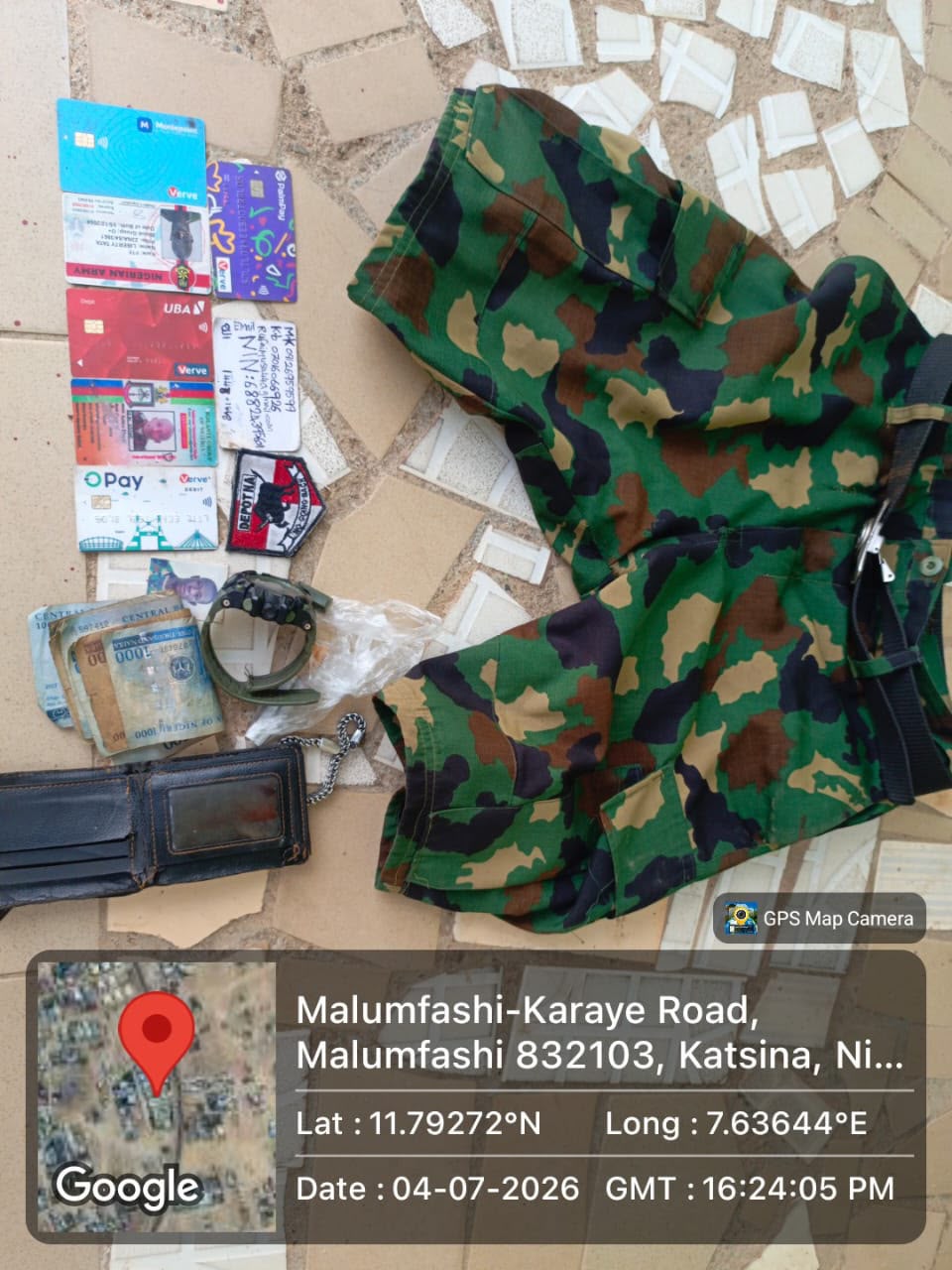
Troops of 17 Brigade have arrested a suspected military impostor during a fighting patrol in Malumfashi Local Government Area.
Security sources told Zagazola Makama that the suspect was apprehended at about 1:30 p.m. on July 4 by troops deployed at the Forward Operating Base (FOB) Malumfashi while conducting routine patrols within Malumfashi town.
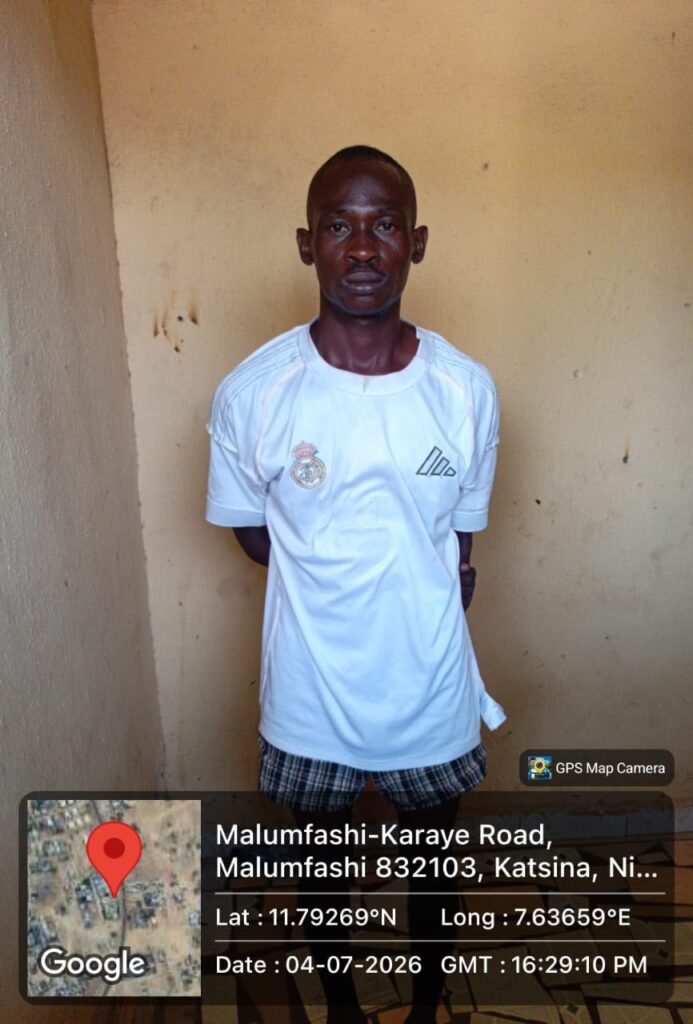
According to the sources, the suspect was intercepted while wearing a woodland camouflage three-quarter short, raising suspicion among the troops.
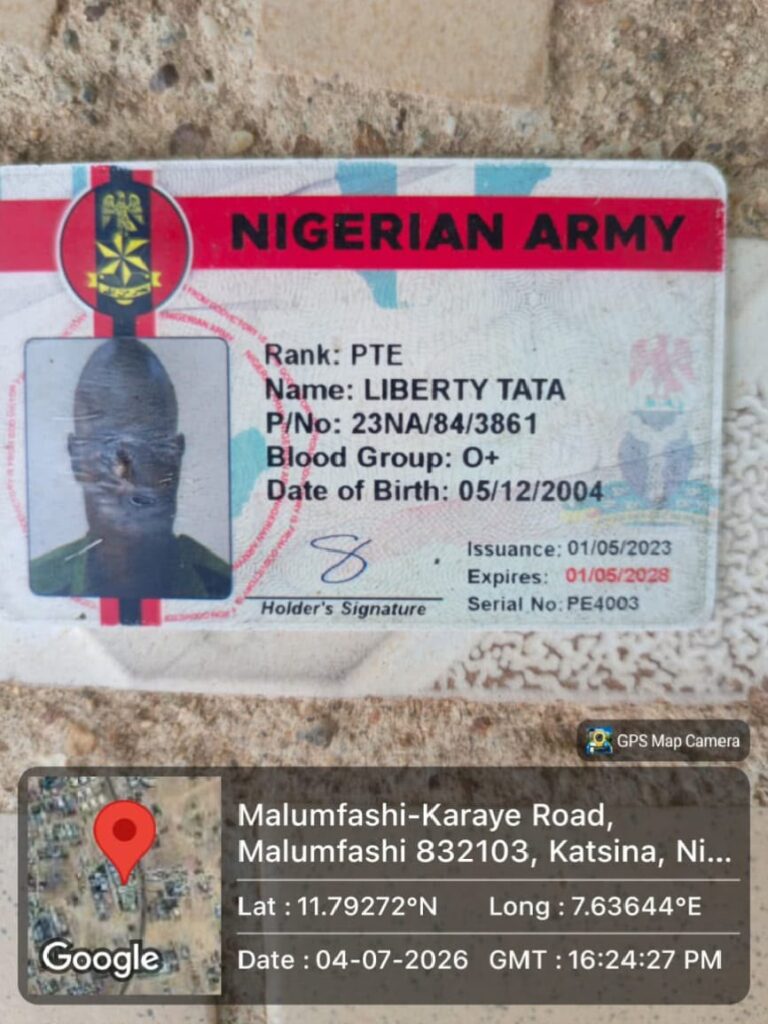
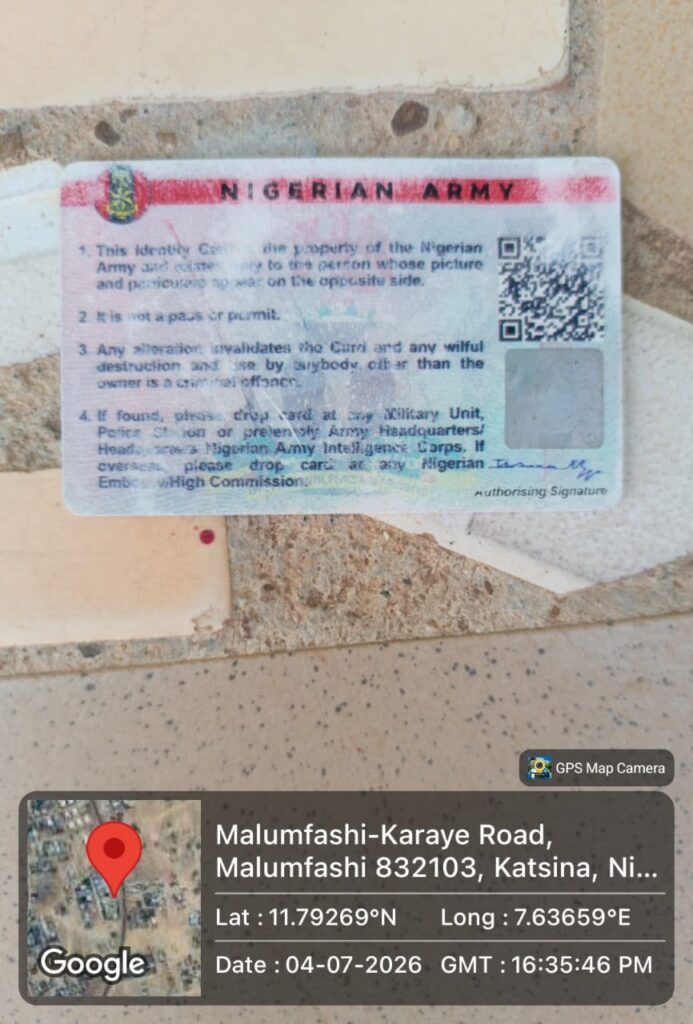
A search conducted on the suspect led to the recovery of a fake Nigerian Army identity card, four Automated Teller Machine (ATM) cards, one woodland camouflage three-quarter short, a wristwatch and the sum of ₦17,000.
The suspect and the recovered exhibits are currently in military custody pending further investigation.
Military sources said the arrest forms part of ongoing efforts to curb impersonation of security personnel and other criminal activities within the area.
Troops Arrest Suspected Military Impostor in Katsina
Troops Recover 50 Rustled Cattle, Repel Suspected Rustlers in Kaduna
By Zagazola Makama
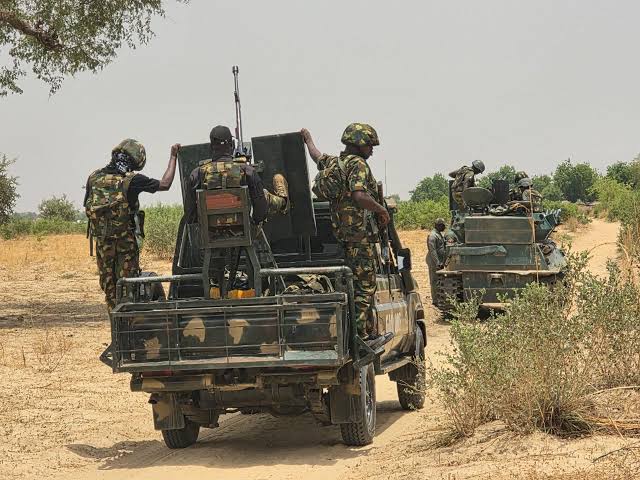
Troops deployed at the Forward Operating Base (FOB) Kankomi have recovered 50 rustled cattle after repelling suspected cattle rustlers during an ambush operation in Chikun Local Government Area.
Security sources told Zagazola Makama that the troops responded to a distress call at about 9:55 a.m. on July 4 over the activities of suspected rustlers at Ungwan Gontu community.
According to the sources, the troops swiftly laid an ambush and made contact with the fleeing suspects, forcing them to abandon the stolen livestock and escape into the surrounding area.
During the operation, the troops recovered 50 rustled cattle, which were subsequently identified and handed over to their rightful owner.
Military sources said efforts are ongoing to track down the fleeing suspects as security operations continue to combat cattle rustling and other criminal activities across Kaduna State.
Troops Recover 50 Rustled Cattle, Repel Suspected Rustlers in Kaduna
Troops Arrest Suspected Terrorist in Kogi, Suspect Confesses to Group Membership
By Zagazola Makama
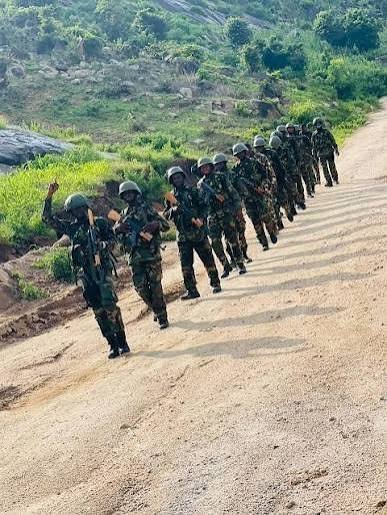
Troops of 12 Brigade, in collaboration with Office of the National Security Adviser (ONSA) Hybrid Forces, have arrested a suspected terrorist during an operation in Lokoja Local Government Area.
Security sources told Zagazola Makama that the troops responded at about 1:00 p.m. on July 4 to reports of a confrontation between local residents and a suspected terrorist at a Ruga settlement behind Obajana community.
According to the sources, the troops swiftly intervened and arrested one suspect at the scene.
During preliminary interrogation, the suspect reportedly confessed to being a member of a terrorist group led by an individual identified as Haruna, which allegedly operates within the Okene general area.
The suspect is currently in military custody and is undergoing further investigation to establish the extent of his involvement and identify other members of the group.
Military sources said the arrest forms part of ongoing security operations aimed at dismantling terrorist and criminal networks across Kogi State.
Troops Arrest Suspected Terrorist in Kogi, Suspect Confesses to Group Membership

Troops Arrest Suspected Military Impostor in Katsina

Troops Recover 50 Rustled Cattle, Repel Suspected Rustlers in Kaduna

Troops Arrest Suspected Terrorist in Kogi, Suspect Confesses to Group Membership

Roger Federer’s Shock as DNA Results Reveal Myla and Charlene Are Not His Biological Children

THE PLIGHT OF FARIDA

FAILED COUP IN BURKINA FASO: HOW TRAORÉ NARROWLY ESCAPED ASSASSINATION PLOT AMID FOREIGN INTERFERENCE CLAIMS
-
 News2 years ago
Roger Federer’s Shock as DNA Results Reveal Myla and Charlene Are Not His Biological Children
-
Opinions4 years ago
THE PLIGHT OF FARIDA
-
 News1 year ago
FAILED COUP IN BURKINA FASO: HOW TRAORÉ NARROWLY ESCAPED ASSASSINATION PLOT AMID FOREIGN INTERFERENCE CLAIMS
-

 News2 years ago
EYN: Rev. Billi, Distortion of History, and The Living Tamarind Tree
-
 Opinions5 years ago
POLICE CHARGE ROOMS, A MINTING PRESS
-

 ACADEMICS2 years ago
A History of Biu” (2015) and The Lingering Bura-Pabir Question (1)
-

 Columns2 years ago
Army University Biu: There is certain interest, but certainly not from Borno.
-

 Politics1 year ago
2027: Why Hon. Midala Balami Must Go, as Youths in Hawul and Asikira/Uba Federal Constituency Reject ₦500,000 as Sallah Gift
