
News
Communal clash erupts between Gwer East and konshisha communities in Benue, several houses burnt

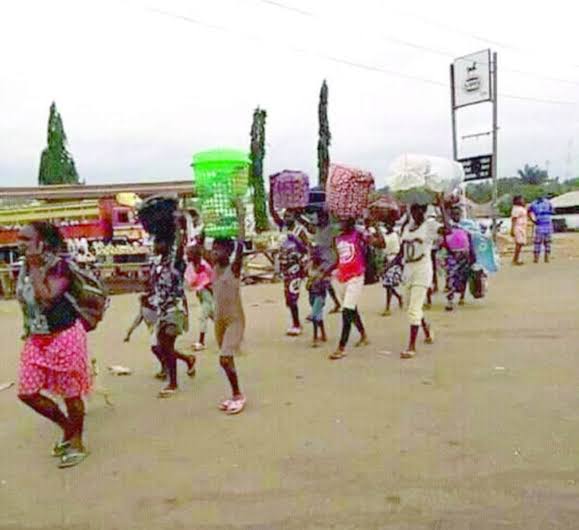
Communal clash erupts between Gwer East and konshisha communities in Benue, several houses burnt
By: Zagazola Makama
Tensions flared on Saturday between the Mbaiase community of Gwer East Local Government Area and residents of Igbinde Village in Konshisha LGA, Benue State, resulting in the burning of houses and destruction of property worth millions of naira.
Sources told Zagazola Makama that the incident, which occurred at about 9:30 a.m., involved suspected militias from Mbaiase who reportedly launched an attack on Igbinde Village, part of the Mbagusa/Mbatser Council Ward of Konshisha LGA.
The sources said several thatched houses were set ablaze, and valuables were destroyed during the attack. However, no casualties were recorded.
Army troops of Operation Whirl Stroke with other security personnel were promptly deployed to the area to restore calm and prevent further violence.
Stakeholders from both LGAs, including traditional leaders and local council chairmen, have been contacted in efforts to initiate dialogue and find a lasting solution to the long-standing communal tension.
Confidence-building patrols and monitoring operations are ongoing in the affected areas.
Communal clash erupts between Gwer East and konshisha communities in Benue, several houses burnt



Troops raid abandoned terrorist camp, recover AK-47 magazine and ammunition in Niger
By: Zagazola Makama
Troops of 22 Brigade, operating under Operation Savannah Shield, have raided an abandoned terrorist camp at Alogomo in Edu Local Government Area of Niger State.
Security sources told Zagazola Makama that the troops conducted a fighting patrol to the terrorist camp at about 9:00 a.m. on Sept. 24, 2026, from their location at Dabanlema.
The terrorists reportedly fled the camp before the troops arrived, denying the soldiers direct contact with the group.
The troops subsequently exploited the camp and recovered one AK-47 magazine loaded with eight rounds of 7.62mm Special ammunition.
The camp was later destroyed by the troops before they withdrew to their base.
The operation forms part of ongoing efforts by security forces to disrupt terrorist hideouts and deny armed groups safe havens within the area.
Troops raid abandoned terrorist camp, recover AK-47 magazine and ammunition in Niger
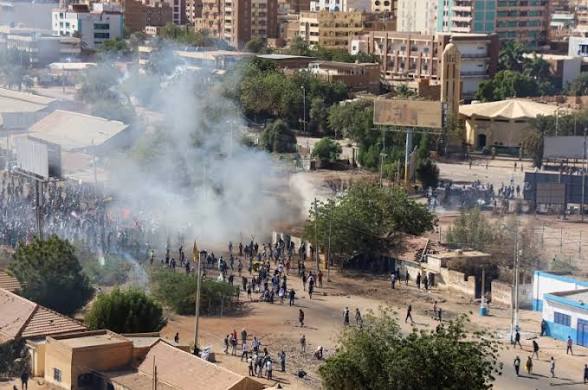
Talking Under Fire: What Libya and Yemen Teach Sudan About National Dialogue
A dialogue convened before the guns fall silent risks entrenching the very divisions it seeks to heal.
By Sami Abdelhalim Saeed
On 30 August, Sudan’s Dialogue Preparatory Committee, made up largely of academics and professionals, launched an independent initiative in Khartoum to facilitate consultations and lay the groundwork to end the war and build a broader national consensus. A national dialogue is an indispensable component of any comprehensive political settlement. Yet regional precedent Syria, Libya, Yemen and later in Ethiopia- shows that launching one without the necessary preconditions in place often deepens conflict rather than resolving it.
If Sudan is to build a sustainable peace process, it must learn systematically from the successes and failures of comparable experiences. This article examines two: Yemen’s National Dialogue Conference (2013 to 2014) and Libya’s successive dialogue tracks, culminating in the 2020 Libyan Political Dialogue Forum. Both were conducted during the civil war, under incomplete central authority, and across territory divided among competing factions. Sudan faces the same conditions today.
A Fractured State
Sudan’s current political landscape is severely fragmented. Active armed conflict, rival administrative authorities and deepening institutional collapse together threaten the state’s core sovereignty. The confrontation between the Sudanese Armed Forces (SAF) and the Rapid Support Forces (RSF), compounded by the alignment of armed movements, partisan militias and political blocs behind one side or the other, has fractured the country’s territorial and administrative governance.
Constitutionally, the prolonged crisis has exposed the weaknesses of interim frameworks such as the 2019 Constitutional Declaration. The result is a dangerous legal void in which military leverage dictates state authority. Any attempt to build governance mechanisms under active hostilities risks institutionalising a de facto partition. Without a clear constitutional path to restore state legitimacy, address sub-national grievances and establish a unified security architecture, Sudan faces perpetual fragmentation and institutional decay.
Escaping this crisis requires a genuine and inclusive national consensus. Experience shows that top-down agreements, narrow elite pacts and unilateral dialogues convened under fire do not deliver durable peace. A viable process must be strictly sequenced: first, an immediate, verifiable ceasefire and humanitarian access; then, structural state-building negotiations. Those negotiations must bring together civilian political coalitions, armed factions, local resistance committees, women, youth and traditional authorities to agree on a shared constitutional vision. They must also include the RSF, the Sudan People’s Liberation Movement-North (SPLM-N) and the Sudan Liberation Movement led by Abdel Wahid al-Nur (SLM-AW). Only a homegrown consensus that guarantees civilian oversight of a unified security sector and a transition to civilian democratic governance can rebuild Sudan’s social contract and prevent total state failure.
Two Regional Experiences
The dialogues in Yemen and Libya were conceived as comprehensive tracks to rewrite constitutions, break political deadlock and move from war towards democratic state-building. Fundamental design flaws and a disconnect between the negotiating table and the battlefield prevented both from delivering lasting stability.
The Yemeni Model (NDC, 2013–2014) is inclusive on paper but overtaken on the ground: Yemen’s National Dialogue Conference (NDC) brought together 565 delegates from nine stakeholder groups, with quotas for women (30 per cent), youth (20 per cent) and southerners (50 per cent). Working through nine thematic groups, it produced a final document recommending a six-region federal state. For all its success in civic inclusion, the process foundered on the gap between deliberations in Sana’a and militarisation in the field. While delegates negotiated, armed factions such as the Houthis expanded their territory, eventually seizing the capital in September 2014 and rendering the agreement obsolete. The top-down imposition of the six-region map also alienated key local constituencies and helped trigger full-scale armed resistance.
The Libyan Model (LPDF, 2013 & 2020) was like a new executive without the guns behind it. Libya pursued several rounds of dialogue after the 2011 revolution, culminating in the UN-led Libyan Political Dialogue Forum (LPDF) in 2020. Its 75 members, drawn from regional, political and civil constituencies, focused narrowly on selecting an interim executive to oversee national elections. The forum appointed that executive in February 2021 but failed to agree on a permanent constitutional framework. Crucially, it favoured civilian and political delegates over the armed groups and commanders who hold real power. Without binding security arrangements or a disarmament roadmap, the institutions it created remained at the mercy of armed actors who retained an effective veto over the state.
Five Lessons for Sudan
•Security before political architecture: Political consensus cannot survive if hard power is ignored. Debating constitutional models or elections before securing a verified ceasefire, local de-escalation and a concrete roadmap for security sector reform (SSR) invites armed collapse, as Yemen and Libya both show. It also risks deepening political, ethnic and regional polarisation.
•Tiered participation: Inclusion without binding power creates an illusion of progress. Effective design pairs broad public participation, from civil society, women, youth and traditional leaders, with binding Track 1 negotiations among those who control weapons and political authority.
•Bottom-up regional restructuring: Administrative maps drawn by executive decree alienate local populations and fuel resource conflicts. Federal arrangements and regional boundaries should emerge from transparent local consultation and, where needed, referendums. This depends on freedom of speech, assembly and association, which are especially hard to guarantee in a Sudan fragmented among rival armed forces.
•Insulation from foreign interference: Libya and Yemen show both the value of international support and the damage external spoilers can do. When outside powers fund competing armed proxies, delegates often serve their patrons rather than their country. In Sudan, the principal parties are backed to varying degrees by Egypt, the United Arab Emirates, Saudi Arabia, Qatar, Turkey and Israel. International initiatives should reinforce a single, locally led process rather than compete with it.
•Independent enforcement: In both Yemen and Libya, dialogue outcomes largely remained on paper, as participants lacked the will or the capacity to implement them, squandering energy, ideas and resources. Outcomes and transition documents must be tied to time-bound, monitored steps overseen by independent bodies with enforcement authority. The UN Security Council’s oversight of the Comprehensive Peace Agreement between 2005 and 2011 remains the most effective precedent in Sudan for monitoring compliance and penalising violations.
The Risks of a Wartime Dialogue
A national dialogue held under current conditions risks capture by armed groups and militias aligned with the de facto authorities, while anti-war civilian coalitions and resistance committees face exclusion or coercion. For General Abdel Fattah al-Burhan and the Port Sudan administration, endorsing an internal dialogue offers clear strategic gains: restored sovereign legitimacy, broader domestic support and a stronger political position.
Launching a dialogue without a verified ceasefire is therefore a serious structural hazard. Confining talks to SAF-controlled territory risks cementing a permanent partition on the Libyan model. Convening parties under fire allows the authorities in control to turn the process into an instrument of unilateral legitimacy. And the disillusionment that follows would discredit the very idea of national dialogue, weakening it when genuine conditions for peace finally emerge.
Getting the Sequence Right
Once the preconditions for a transparent dialogue are met, and an independent institution is in place to facilitate it, Sudan should settle security arrangements before building permanent political frameworks.
•Phase I-emergency priorities: Secure an enforceable, verifiable ceasefire; guarantee full humanitarian access and civilian protection; and establish local governance protocols to manage public services and displacement sites.
•Phase II- state-building: Build a unified national security structure through comprehensive security sector reform and the full disarmament of militias; agree consensus-based federal and constitutional frameworks; deliver transitional justice for war crimes; and set clear timelines for civilian oversight leading to a fully civilian-led democratic transition.
Conclusion
Numerous international and regional
initiatives have sought to foster a transparent dialogue in Sudan to restore peace and civilian democratic governance. Despite broad support for these efforts, the warring parties have shown little willingness to take part, and meaningful engagement by the military factions appears unlikely.
The SAF-led bloc itself comprises political, social and military forces with conflicting and sometimes mutually exclusive interests. Many have secured privileges through direct involvement in the war or steadfast support for the army against the RSF. They may see the outcomes of a national dialogue as a threat to those gains and seek to undermine the process or empty it of meaning.
The lesson of Yemen and Libya is plain: a national dialogue launched without a secure ceasefire or binding security arrangements leads to institutional collapse and continued conflict. Sudan must resist premature, top-down dialogue under fire. Such a process would be weaponised for unilateral legitimacy, would shut out essential civilian voices, and would entrench a permanent de facto partition of the country.
Sami Abdelhalim Saeed, LL.D., Vice-President of the African Network of Constitutional Lawyers (ANCL).
Talking Under Fire: What Libya and Yemen Teach Sudan About National Dialogue
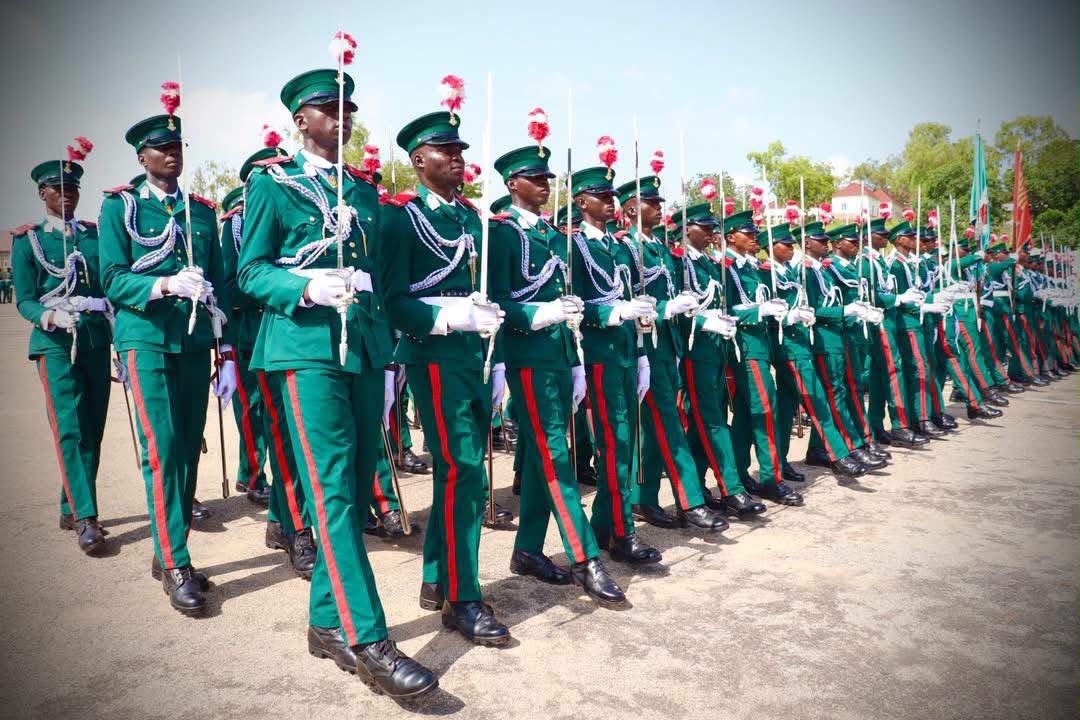
Army expansion: COAS tasks new officers to turn manpower into combat power
By: Zagazola Makama
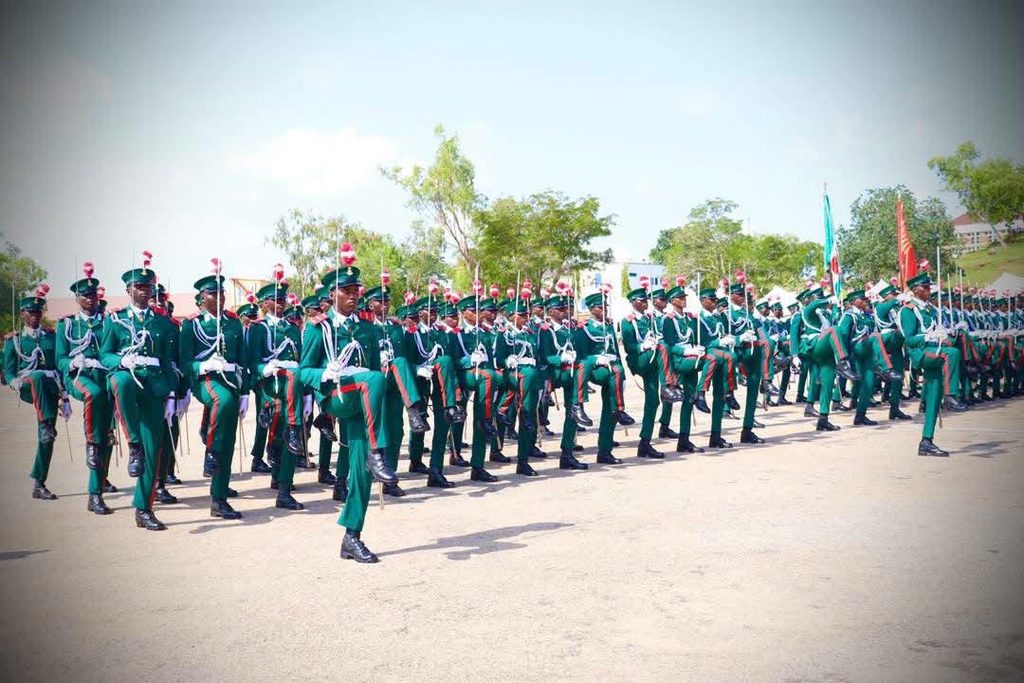
The Chief of Army Staff (COAS), Lt. Gen. Waidi Shaibu, has charged newly commissioned officers of Direct Short Service Course (DSSC) 29/2026 to transform the Nigerian Army’s expanding manpower and force structure into tangible combat power through competent, disciplined and purposeful leadership.
Shaibu gave the charge on Friday, September 25, 2026, while addressing the newly commissioned officers at the Nigerian Army School of Infantry Parade Ground, Jaji, Kaduna State.
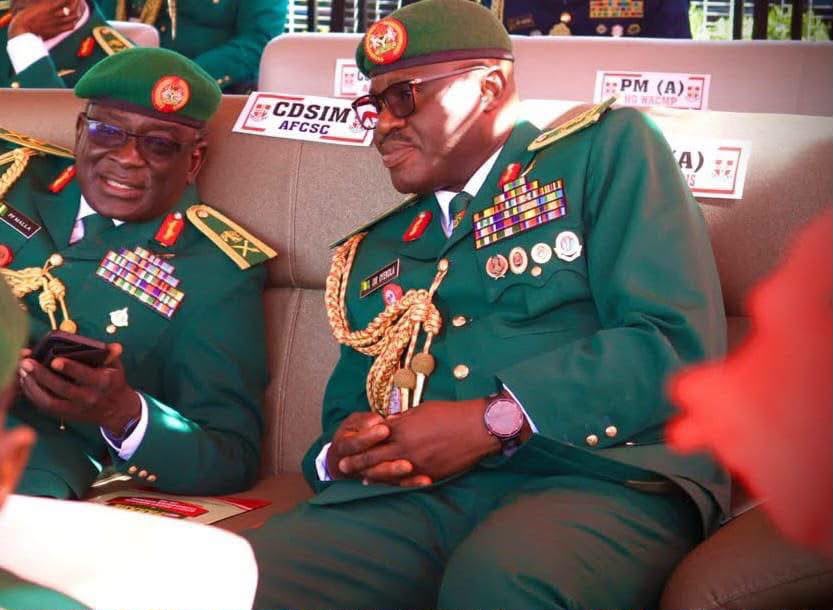
The COAS said the commissioning came at a critical stage in the transformation of the Nigerian Army, following President Bola Ahmed Tinubu’s approval for the expansion of the Army from eight to 12 divisions and the recruitment of an additional 28,000 soldiers.
He said the expansion would significantly increase the responsibilities of the officer corps, particularly in ensuring that additional manpower translates into improved operational readiness, effectiveness and combat capability.
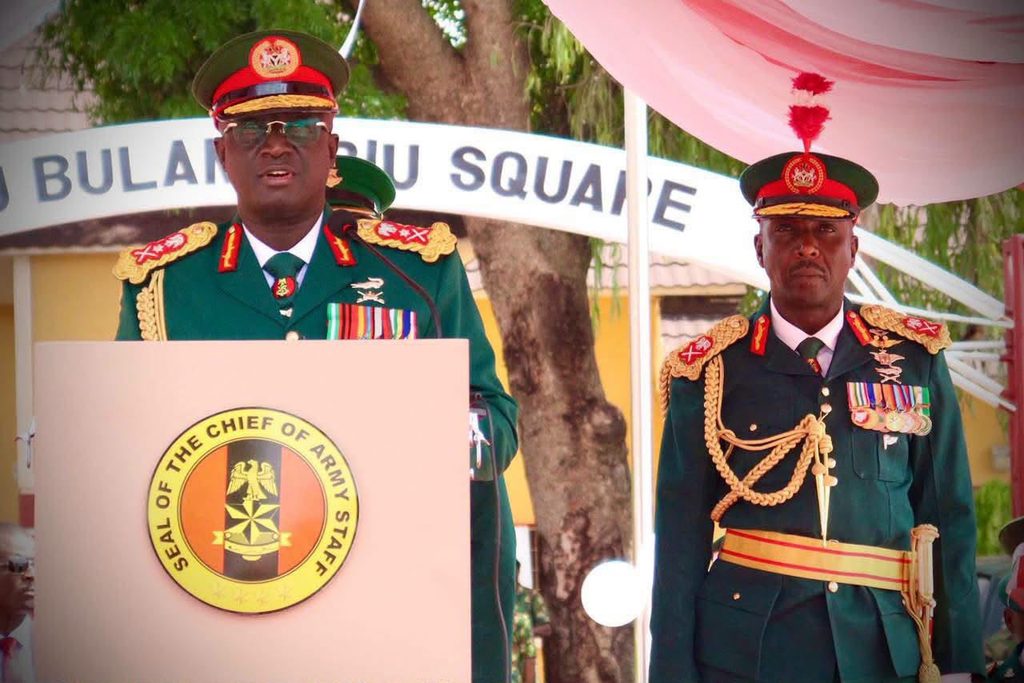
According to him, numbers alone cannot guarantee improved security outcomes.
He stressed that the value of an expanded force would ultimately depend on the quality of leadership, the ability of commanders to make sound and timely decisions and their capacity to maintain discipline and operational effectiveness under pressure.
The COAS therefore urged the new officers to lead by example, earn the confidence of their soldiers and place mission accomplishment and troop welfare above personal interests.
He reminded them that military rank provides authority, but character, integrity, competence and personal example are what ultimately generate trust and willing followership.
Shaibu further directed the officers to remain combat-ready regardless of their professional specialisations, noting that the demands of military service could require them to assume combat and other operational responsibilities whenever duty called.
He encouraged them to continuously develop their tactical competence, maintain physical fitness and pursue professional development while embracing emerging technologies increasingly shaping modern warfare.
These, he said, include unmanned systems, enhanced surveillance capabilities, intelligence fusion and digital communications.
The Army Chief also stressed the importance of joint operations and inter-agency cooperation in confronting Nigeria’s increasingly complex security environment.
He urged the officers to build effective professional relationships with the other Services, the Nigeria Police Force, intelligence agencies, paramilitary organisations and other relevant stakeholders.
He said intelligence sharing, operational synergy and coordinated action remained critical to achieving mission objectives and protecting civilians.
The commissioning of DSSC 29/2026 followed six months of intensive military training and adds another cadre of professionally trained officers to the Nigerian Army’s expanding force structure.
Shaibu tasked the officers to justify the nation’s investment in their training through competence, discipline, loyalty and dedicated service.
He urged them to leave Jaji prepared to accept responsibility, provide solutions rather than excuses and lead their soldiers with courage, fairness and professionalism.
The COAS said the Army’s ongoing expansion must ultimately produce a more capable and responsive force able to confront contemporary and emerging security threats across the country..
Army expansion: COAS tasks new officers to turn manpower into combat power

Troops arrest suspected ISWAP collaborator, recover ₦296,000 in Yobe

Troops raid abandoned terrorist camp, recover AK-47 magazine and ammunition in Niger

Talking Under Fire: What Libya and Yemen Teach Sudan About National Dialogue

Roger Federer’s Shock as DNA Results Reveal Myla and Charlene Are Not His Biological Children

THE PLIGHT OF FARIDA

FAILED COUP IN BURKINA FASO: HOW TRAORÉ NARROWLY ESCAPED ASSASSINATION PLOT AMID FOREIGN INTERFERENCE CLAIMS
-
 News3 years ago
Roger Federer’s Shock as DNA Results Reveal Myla and Charlene Are Not His Biological Children
-
Opinions5 years ago
THE PLIGHT OF FARIDA
-
 News1 year ago
FAILED COUP IN BURKINA FASO: HOW TRAORÉ NARROWLY ESCAPED ASSASSINATION PLOT AMID FOREIGN INTERFERENCE CLAIMS
-

 News3 years ago
EYN: Rev. Billi, Distortion of History, and The Living Tamarind Tree
-
 Opinions5 years ago
POLICE CHARGE ROOMS, A MINTING PRESS
-

 ACADEMICS3 years ago
A History of Biu” (2015) and The Lingering Bura-Pabir Question (1)
-

 Columns3 years ago
Army University Biu: There is certain interest, but certainly not from Borno.
-

 Politics1 year ago
2027: Why Hon. Midala Balami Must Go, as Youths in Hawul and Asikira/Uba Federal Constituency Reject ₦500,000 as Sallah Gift
