
News
Court jails captured Ansaru leader 15 years for illegal mining

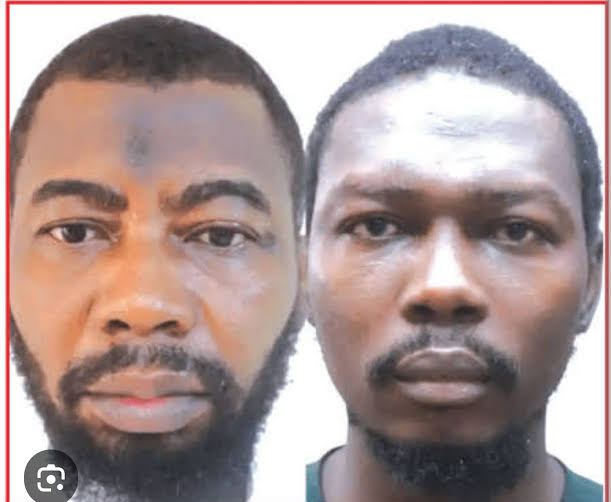
Court jails captured Ansaru leader 15 years for illegal mining
By: Zagazola Makama
A Federal High Court sitting in Abuja has sentenced a captured leader of the proscribed Ansaru terrorist group, Mahmud Muhammed Usman, also known as Abu Bara’a, to 15 years in prison for illegal mining.
Usman, from Okene Local Government Area of Kogi State, was arrested alongside another top Ansaru commander, Abubakar Abba, also known as Isah Adam or Mahmud Al-Nigeri, who hails from Daura, Katsina State.
The duo were arraigned by the Department of State Services (DSS) on 32 counts bordering on terrorism, kidnapping, attacks on military formations, illegal mining, and links with foreign jihadist groups in Mali.
Of the charges, Usman pleaded guilty to count 10 on illegal mining. Presiding Judge, Justice Emeka Nwite, consequently convicted him and handed down the 15-year sentence.
Usman, popularly known as Abu Bara’a or Abbas Mukhtar, was arrested earlier this year in a covert operation by the Department of State Services (DSS). On Thursday, he was handed a 15-year prison term by a Federal High Court in Abuja after pleading guilty to charges of illegal mining, one of the 32 terrorism-related counts brought against him.
The conviction, presided over by Justice Emeka Nwite, came after the DSS arraigned Usman alongside his associate, Abubakar Abba, also called Isah Adam or Mahmud Al-Nigeri, a native of Daura in Katsina State. Both men were accused of playing commanding roles in Ansaru, an extremist faction that broke away from Boko Haram in 2012 and has since operated across northern Nigeria and parts of the Sahel.
Court documents presented by the DSS detailed a chilling record of crimes committed by Usman and his accomplices between 2013 and 2025. These included: Kidnappings for ransom where the duo allegedly masterminded multiple high-profile abductions, including that of Alhaji Musa Umar Uba, the Magajin Garin Daura, in 2019; traditional rulers, Fulani leaders, and security officials across Katsina, Niger and Kebbi States; and several civilians, with ransom sums ranging from ₦1.5 million to ₦25 million.
They also reportedly received combat training from Al-Qaeda-linked Jama’atu Nusratil Islam Wal Muslimin (JNIM) in Mali, including in the use of improvised explosive devices (IEDs), arms handling and guerrilla tactics. The suspects were accused of participating in the 2022 assault on Wawa Cantonment of the Nigerian Army in New Bussa, Niger State, which left numerous casualties.
Usman, the first defendant, admitted to running mining operations that funded terrorist activities, a crime that ultimately sealed his conviction in Thursday’s proceedings.
However, despite facing a string of terrorism charges, Usman opted to plead guilty to a lesser count illegal mining under the Terrorism Prevention and Prohibition Act, 2022. His admission allowed the court to deliver a conviction, while the other counts remain under scrutiny.
Justice Nwite, in his ruling, noted that the plea bargain did not erase the gravity of the allegations but stressed the importance of holding suspects accountable under the law. He sentenced Usman to 15 years’ imprisonment.
His co-defendant, Abubakar Abba, pleaded not guilty to all charges. The case against him continues.
The conviction bring to the fore two critical realities in Nigeria’s counter-terrorism landscape. First, it demonstrates the DSS’s capacity to track, arrest and prosecute top extremist leaders, a feat that had long eluded security forces. Second, it signals that Nigeria’s judiciary is increasingly willing to tackle terrorism cases head-on, despite their complexity.
Ansaru, once considered a weakened faction, has re-emerged in parts of north-western Nigeria in recent years, exploiting banditry networks and illicit mining to finance its operations. The group maintains links with Al-Qaeda affiliates in the Sahel, posing a dual threat to both Nigeria and regional stability.
Nigeria has in recent months accelerated its prosecution of terror suspects, with the Office of the National Security Adviser, the DSS, and the Ministry of Justice working closely to fast-track cases in Kainji in Niger and Borno states.
However, the long list of counts against Usman and Abba, including allegations of kidnappings, ransom payments, and international terror training, pointing to the scale of challenges Nigeria faces.
As one counter-terrorism analyst put it: “The conviction of an Ansaru commander is not the endgame it’s the beginning of a stronger fight against the enablers and financiers of terror in Nigeria.”
Court jails captured Ansaru leader 15 years for illegal mining



INEC Proposes Democratic Freedoms Compact to Safeguard 2027 Elections
…NHRC warns of political intimidation, arbitrary arrests, hate speech; EU pledges support for protection of civic space
By: Michael Mike
The Independent National Electoral Commission (INEC) has proposed a Democratic Freedoms Compact to safeguard fundamental human rights, protect civic space and strengthen public confidence ahead of the 2027 general election.
The proposed compact is designed to guarantee freedom of expression, association and political participation, promote inclusiveness, ensure electoral transparency and accountability, and prevent violence, intimidation and other human rights violations throughout the electoral process.
INEC Chairman, Prof. Joash Amupitan, SAN, unveiled the proposal in a keynote address delivered on his behalf by Dr Hassan Umar at the 2026 Civil Society and Human Rights Defenders Forum on the State of Human Rights in Abuja on Wednesday.
The forum, organised by the National Human Rights Commission (NHRC) in collaboration with the European Union (EU), was themed, “Protecting Human Rights in Civic and Political Spaces in the 2027 Elections.”
Amupitan said the credibility of the 2027 elections would be determined not only by the conduct of voting and collation of results but also by the extent to which Nigerians could freely express their opinions, associate, campaign and participate in the political process without fear, discrimination or violence.
He warned that regular elections alone could not sustain democracy if citizens were denied the freedom to express dissenting views, organise, criticise government policies and hold public institutions accountable.
To address these concerns, the INEC chairman said the proposed compact would establish a framework for institutional conduct built around six critical commitments: protection of fundamental freedoms, inclusive participation, transparent elections, accountability for human rights violations, peaceful political competition and constructive engagement among stakeholders.
He called for stronger collaboration among INEC, the NHRC, security agencies, civil society organisations and the media to monitor, document and respond to violations before, during and after the elections.
Amupitan reaffirmed the commission’s commitment to conducting credible elections, ensuring equal treatment of political parties and candidates, strengthening transparency and promoting inclusive participation.
On the contentious issue of electronic transmission of election results, he maintained that the Electoral Act 2026 provided for electronic transmission, while INEC had developed guidelines to address possible technical and communication challenges.
He urged political parties, civil society organisations and other stakeholders to familiarise themselves with the commission’s guidelines and regulations to avoid misinterpretation of the procedures governing result transmission.
The INEC chairman also placed responsibility on security agencies to protect voters, candidates, election officials, observers and journalists, insisting that security personnel must operate professionally and impartially.
He said their presence at polling units and other electoral locations should reassure citizens and create a safe environment for participation rather than generate fear or intimidation.
Earlier, Executive Secretary of the NHRC, Chief Anthony Ojukwu, warned that Nigeria’s democratic space was facing mounting challenges that required urgent intervention as the country approached the 2027 general election.
Ojukwu identified political intimidation, arbitrary arrests, harassment of journalists and human rights defenders, hate speech, restrictions on civic participation and the exclusion of vulnerable groups as threats capable of undermining the credibility of the electoral process.
He said the commission convened the forum at a defining moment in Nigeria’s democratic journey, with the presidential and National Assembly elections scheduled for January 16, 2027, and governorship and State Houses of Assembly elections to follow on February 6.
According to him, the timing was particularly significant because political campaigns were already gathering momentum across the country, making the protection of civic and political freedoms increasingly urgent.
He stressed that democracy was not sustained by elections alone but by the freedom citizens enjoyed between elections to speak without fear, assemble peacefully, associate without obstruction and choose their leaders without intimidation.
Citing Sections 14, 39 and 40 of the 1999 Constitution, as amended, Ojukwu said sovereignty belonged to the Nigerian people, while constitutional guarantees protected freedom of expression, association and peaceful assembly.
He also referenced the African Charter on Human and Peoples’ Rights, which guarantees citizens the right to participate freely in the governance of their country.
The NHRC boss expressed concern that civil society organisations, journalists and human rights defenders continued to operate in an increasingly difficult environment characterised by harassment, arbitrary arrests and the potential misuse of laws, including provisions of the Cybercrimes Act.
He further raised concerns over political and voter intimidation, exclusionary nomination fees that could prevent women, young people and persons with disabilities from contesting elections, hate speech, incitement and the apparent absence of accountability for electoral offences.
Ojukwu warned that failure to prosecute electoral offenders could encourage impunity and embolden perpetrators to undermine the electoral process.
He disclosed that the commission had established a comprehensive human rights monitoring architecture to track political developments and election-related violations as campaigns intensified.
The mechanisms include a Human Rights Situation Dashboard, a human rights advisory and an Election Situation Room designed to monitor intimidation, suppression of political participation, harassment of journalists and other oversight actors, as well as violations of fundamental freedoms.
He said the commission was finalising an advisory on protecting political space and the right to participation in Nigeria, describing it as a flagship contribution to strengthening human rights protection during the forthcoming elections.
The advisory follows earlier interventions by the commission, including its February 2025 advisory on the protection of freedom of expression, which raised concerns about the interpretation and possible misuse of the Cybercrimes Act.
Ojukwu also disclosed that the commission was documenting violations, preparing cases for investigation and engaging INEC, security agencies, the National Peace Committee and other relevant institutions to strengthen accountability.
He said the NHRC’s Election Situation Room would remain operational throughout the electoral period, while election-focused dashboards and bulletins would be published regularly to provide information on human rights developments.
The commission, he added, would deploy monitors to identified hotspots and establish legal aid partnerships to respond to violations during and after the elections.
He announced that the forum would be transformed into a structured platform for sustained engagement between the commission and civil society organisations, with quarterly meetings, early-warning information sharing and rapid-response mechanisms.
According to him, the arrangement would facilitate coordination between the NHRC’s Situation Room and the Civil Society Election Situation Room, strengthen protection for individuals targeted for exercising their rights and ensure that stakeholders are held accountable for their commitments.
He said the forum would also adopt an outcome statement containing recommendations and a roadmap to guide its activities before, during and after the 2027 elections.
Ojukwu urged civil society organisations and human rights defenders to take ownership of the proposed framework, stressing that they were not spectators in the electoral process but essential partners in defending democracy.
He also acknowledged legislative efforts to strengthen the commission’s mandate and improve the legal protection of human rights defenders, expressing optimism that the reforms would create a more enabling environment for their work.
The NHRC executive secretary maintained that election-related violations must attract consequences, warning that the absence of accountability would weaken public confidence and encourage further abuses.
He said: “When elections go without violence, it is because of the work done long before polling day. Work that is sometimes invisible to the public.”
He added that the protection of democracy required collective responsibility and sustained commitment from government institutions, political parties, security agencies, civil society and international partners.
Also speaking, the EU Ambassador and Head of Delegation to Nigeria and ECOWAS, Gautier Mignot, reaffirmed the European Union’s commitment to supporting Nigeria’s democratic institutions and protecting civic and political freedoms ahead of the 2027 general election.
Mignot described the forum’s theme as timely, particularly against the backdrop of reports of election-related violence, hate speech, political intimidation and restrictions on citizens’ fundamental rights.
He warned that such incidents could erode public trust in state institutions and discourage citizens from participating in the electoral process.
The ambassador said free civic and political spaces, including independent media, peaceful assemblies, public forums and civil society organisations, were essential to ensuring credible, transparent and inclusive elections.
According to him, these spaces enable citizens to access information, debate public issues, scrutinise candidates and hold elected leaders and public institutions accountable without fear of censorship or retaliation.
He added that an open civic environment also allowed civil society organisations and active citizens to monitor election administration, track campaign promises and challenge government interference in the democratic process.
Mignot said weakening these safeguards could undermine citizens’ right to meaningful political participation and create opportunities for the suppression of opposition voices and manipulation of democratic rules.
He therefore urged all Nigerian stakeholders, including government institutions, political parties, civil society organisations and the media, to play their respective roles in ensuring a free, fair and credible electoral process.
The EU ambassador disclosed that the partnership with the NHRC had continued since 2024, when the first joint engagement provided a platform for human rights defenders to assess the state of human rights in Nigeria and develop collective responses to challenges confronting them.
He said the second engagement, held as part of activities marking the NHRC’s 30th anniversary, focused on reviewing the country’s human rights record over three decades and identifying emerging challenges requiring sustained intervention.
Mignot described the current forum as a continuation of the strategic partnership, adding that the EU was also preparing a new project with additional funding to deepen its collaboration with the commission.
He pledged that the EU delegation would carefully examine the recommendations and roadmap emerging from the forum and share them with its authorities and member states for further consideration.
He assured Nigeria that the EU and its member states would remain reliable partners in supporting democracy, good governance and the protection of human rights during what he described as a crucial period for the country’s democratic development.
In a goodwill message delivered on behalf of the Chairman of the Inter-Party Advisory Council (IPAC), Alhaji Yusuf Dantale, Prince Chinedu Obi urged political parties and their supporters to embrace issue-based campaigns, political tolerance and responsible communication.
IPAC cautioned against electoral violence, hate speech, voter suppression and political intimidation, stressing that political opponents must be regarded as competitors rather than enemies.
The council also advocated greater inclusion of women, young people and persons with disabilities in the electoral process, while urging security agencies and other relevant institutions to discharge their responsibilities with professionalism and impartiality.
Dantale said public confidence in the electoral system would ultimately depend on whether institutions could guarantee that votes counted and that Nigerians were able to exercise their democratic rights freely.
The forum brought together representatives of government institutions, diplomatic missions, political parties, civil society organisations, the media and human rights groups to assess the state of human rights in Nigeria and develop practical strategies for protecting civic and political freedoms ahead of the 2027 general election.
INEC Proposes Democratic Freedoms Compact to Safeguard 2027 Elections
News
Chad: 23 Soldiers Killed, Including Company Commander, in Fierce Fighting Over Tibesti Gold Mines
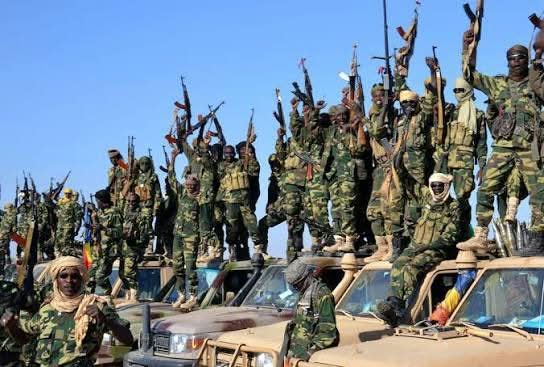
Chad: 23 Soldiers Killed, Including Company Commander, in Fierce Fighting Over Tibesti Gold Mines
By: Zagazola Makama
At least 23 soldiers of Chad’s elite Directorate-General of Special Services and Special Institutions (DGSSIE) have reportedly been killed in fierce fighting in Arkinya, in the Tibesti region, as clashes over control of gold mining areas intensify.
The fighting, which reportedly occurred on November 10, also left about 10 other soldiers injured, including several said to be in critical condition and requiring evacuation to Faya, according to a report by TchadOne, citing military sources.
Among those reportedly killed was a commander of the Command, Support and Assistance Company (COM/CCAS) attached to a DGSSIE regiment, indicating the severity of the confrontation.
The latest casualties underscore the growing human cost of the struggle for control of mineral-rich territories in northern Chad, where gold mining has increasingly become intertwined with armed conflict, military operations and competing economic interests.
According to sources the Chadian military has suffered hundreds of casualties, including dead and wounded personnel, since the beginning of the campaign to control gold-rich areas in Tibesti.
The report described the confrontation as a deadly conflict linked to the mining interests of the administration of President Mahamat Idriss Déby Itno, popularly known as Mahamat Kaka.
Tibesti, a vast and strategically sensitive region bordering Libya and Niger, has long been associated with gold mining, informal commercial networks and armed groups competing for influence over mineral-rich territories.
The region’s difficult terrain, remote settlements and porous borders have also complicated government efforts to establish effective security and administrative control.
The latest fighting raises fresh questions about the militarisation of mineral extraction in the Sahel, where gold has increasingly become both an economic lifeline and a source of violent competition.
Across Chad, Niger, Mali, Sudan and parts of northern Nigeria, the struggle over mineral resources has created overlapping interests involving armed groups, criminal networks, informal miners and state-linked economic actors.
The reported deaths in Arkinya further illustrate how mineral wealth, instead of generating prosperity for communities, can become a catalyst for prolonged military confrontation.
Chad: 23 Soldiers Killed, Including Company Commander, in Fierce Fighting Over Tibesti Gold Mines
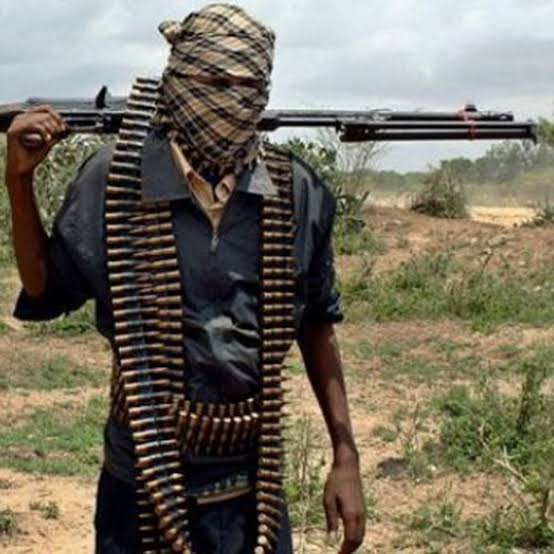
Notorious bandit leader Kachalla Bello reportedly killed in rival gang clash in Katsina
By: Zagazola Makama
A notorious bandit leader identified as Kachalla Bello has reportedly been killed during a gunfight between rival armed groups in a forest around Faskari Local Government Area of Katsina State.
Local sources said the incident occurred on Tuesday evening, Nov. 10, when rival bandit factions engaged in a fierce exchange of gunfire in the forest.
Kachalla Bello was reportedly among those killed during the confrontation, although details surrounding the circumstances of his death remain sketchy.
The bandit leader was accused of terrorising farming communities through kidnappings and forced labour.
According to local sources, Bello specialised in abducting residents from their farmlands and compelling them to work on his farm before eventually releasing them.
His reported death is expected to bring relief to communities that have endured years of intimidation and criminal activities attributed to his group.
However, the circumstances surrounding the reported killing have yet to be independently confirmed by security authorities.
The incident also illustrates the persistent rivalries among armed groups operating in parts of Katsina State, where clashes over territory, resources and criminal operations have occasionally resulted in deadly confrontations.
Notorious bandit leader Kachalla Bello reportedly killed in rival gang clash in Katsina

INEC Proposes Democratic Freedoms Compact to Safeguard 2027 Elections

Chad: 23 Soldiers Killed, Including Company Commander, in Fierce Fighting Over Tibesti Gold Mines

Notorious bandit leader Kachalla Bello reportedly killed in rival gang clash in Katsina

Roger Federer’s Shock as DNA Results Reveal Myla and Charlene Are Not His Biological Children

THE PLIGHT OF FARIDA

FAILED COUP IN BURKINA FASO: HOW TRAORÉ NARROWLY ESCAPED ASSASSINATION PLOT AMID FOREIGN INTERFERENCE CLAIMS
-
 News3 years ago
Roger Federer’s Shock as DNA Results Reveal Myla and Charlene Are Not His Biological Children
-
Opinions5 years ago
THE PLIGHT OF FARIDA
-
 News2 years ago
FAILED COUP IN BURKINA FASO: HOW TRAORÉ NARROWLY ESCAPED ASSASSINATION PLOT AMID FOREIGN INTERFERENCE CLAIMS
-
 Opinions5 years ago
POLICE CHARGE ROOMS, A MINTING PRESS
-

 News3 years ago
EYN: Rev. Billi, Distortion of History, and The Living Tamarind Tree
-

 ACADEMICS3 years ago
A History of Biu” (2015) and The Lingering Bura-Pabir Question (1)
-

 Columns3 years ago
Army University Biu: There is certain interest, but certainly not from Borno.
-

 Politics1 year ago
2027: Why Hon. Midala Balami Must Go, as Youths in Hawul and Asikira/Uba Federal Constituency Reject ₦500,000 as Sallah Gift
