
News
Dabiri-Erewa Urges Media Practitioners to Promote Diaspora Investment

Dabiri-Erewa Urges Media Practitioners to Promote Diaspora Investment
By: Michael Mike
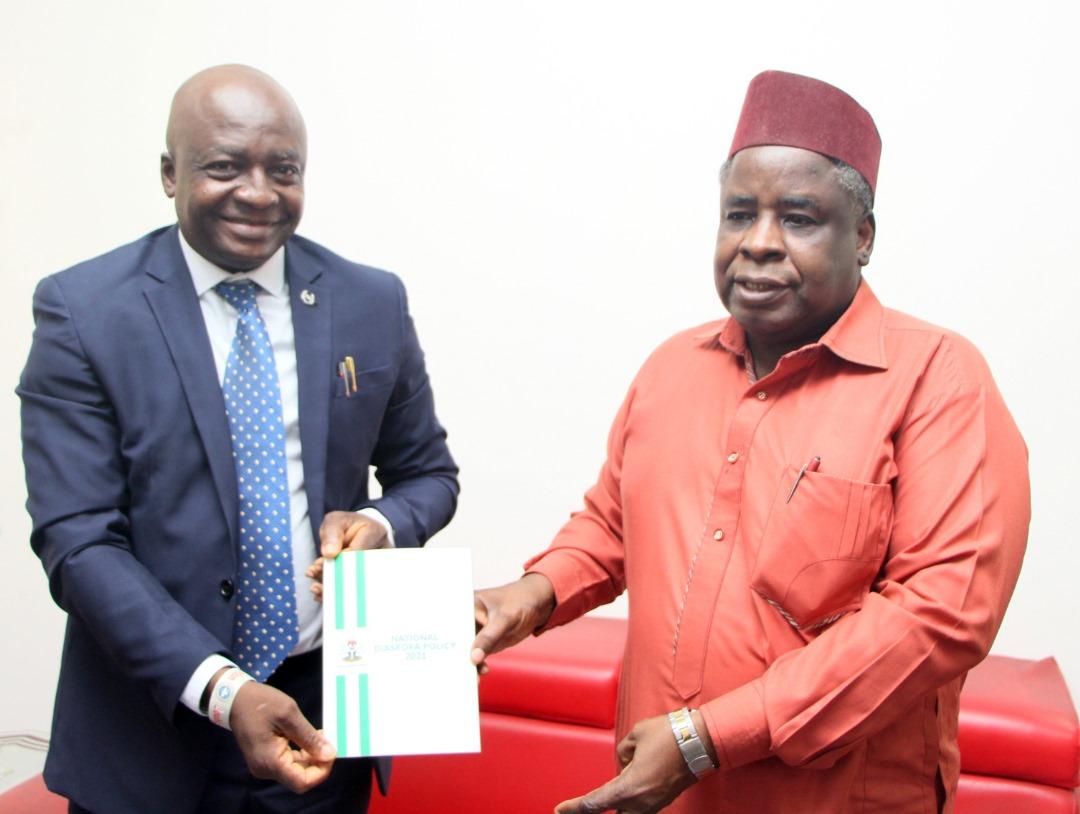
Chairman/CEO, Nigerians in Diaspora Commission,(NIDCOM), Hon. Abike Dabiri-Erewa has emphasised the importance of recognising the accomplishments and challenges faced by Nigerians living abroad, as they play significant roles in shaping the nation’s image globally as well as encourage them to invest back home through positive narratives of their homeland.
The NIDCOM Boss stated this through the Secretary to the Commission, Dr. Sule Yakubu Bassi when he received in Abuja, Mr Olumide Ogunlade, the Editor-In-Chief and CEO of Acclaim Nigeria, an international magazine.
The Secretary reiterated that the Commission is committed to enhancing the global recognition and development of the Nigerian Diaspora community, saying that a partnership with Acclaim Nigeria would amplify the Commission’s efforts in promoting President Bola Ahmed Tinubu’s 4D agenda of: Development, Democracy, Demography and Diaspora within the Diaspora community and beyond.
Bassi added that the potential collaboration between Acclaim Nigeria and NIDCOM promises to bring to the fore the remarkable stories of Nigerians who have excelled in various fields worldwide, such as science, technology, medicine, business, and culture. This strategic alliance is poised to strengthen Nigeria’s global image and create a more inclusive and united Nigerian community.
He added that partnership will go beyond merely recognising the achievements of Nigerians in the Diaspora. It will also serve as a platform for engaging the Diaspora community in meaningful dialogue and initiatives aimed at contributing to the development of Nigeria.
Mr. Olumide Ogunlade, a veteran journalist, said collaborative opportunities between Acclaim Nigeria and NIDCOM would change the narratives and encourage homeland development.
The Editor in-Chief, expressed his magazine’s sincere interest in partnering with NIDCOM to shed light on the incredible contributions of Nigerians living abroad, “Acclaim Nigeria, known for its extensive reach and influential readership, aims to promote the extraordinary stories and achievements of Nigerians in the Diaspora, thus fostering a greater sense of pride and recognition among their fellow compatriots,” he said.
Dabiri-Erewa Urges Media Practitioners to Promote Diaspora Investment


Two suspected criminals arrested during patrol in Plateau
By: Zagazola Makama
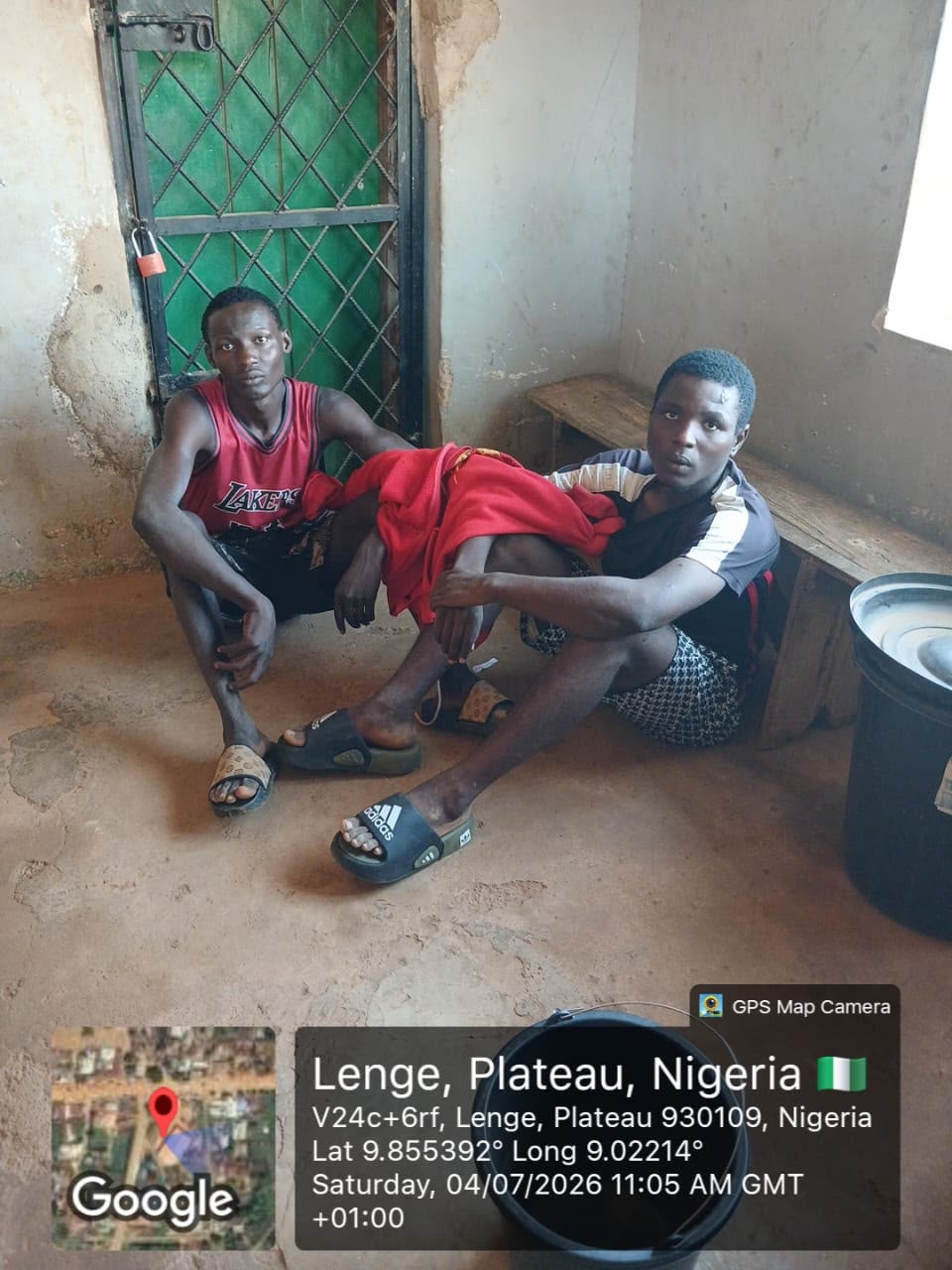
Troops of Sector 1 under Operation Enduring Peace have arrested two suspected criminals during a routine patrol in Jos East Local Government Area of Plateau.
Security sources disclosed that the suspects, identified as Azi Ezekiel, 21, and Ajiji Emmanuel, 19, were apprehended at about 10:30 a.m. on Saturday along the road leading to Forbur Village.
The sources said the suspects were intercepted by troops of Sector 1, Sub-Sector 12, while conducting a routine patrol in the area.
According to the sources, the two suspects have been handed over to the Keystone Police Station in Forbur for further investigation and possible prosecution.
The arrest forms part of ongoing security operations aimed at combating criminal activities and enhancing safety across Plateau State.
Two suspected criminals arrested during patrol in Plateau
Troops arrest suspected kidnapper in Plateau community
By: Zagazola Makama
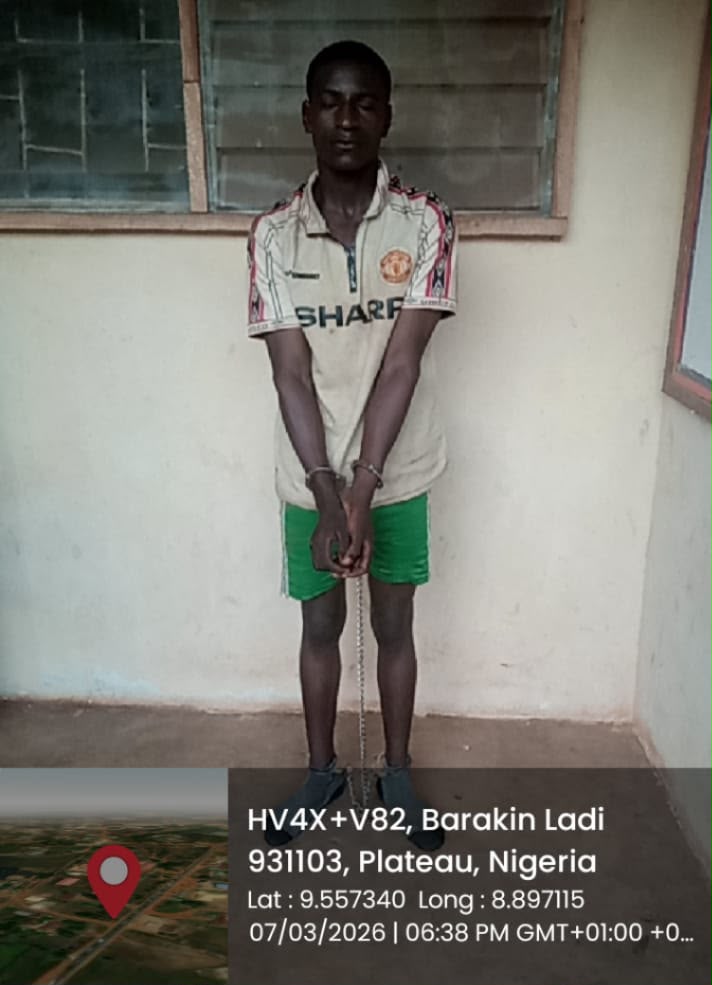
Troops of Sector 4 of Operation Enduring Peace have arrested a suspected kidnapper during a security operation in Barkin Ladi Local Government Area of Plateau.
Security sources said the suspect, identified as Mohamdu Surajo, 29, was arrested at about 6:45 p.m. on Friday at Sabon Layi Village following sustained security operations in the area.
The sources disclosed that the suspect is currently in military custody and is undergoing preliminary interrogation to aid ongoing investigations.
They added that the arrest is part of continued efforts by security forces to dismantle criminal networks and enhance security across Plateau State.
Troops arrest suspected kidnapper in Plateau community
Venezuela Solidarity Group Urges U.S. to Lift Sanctions After Deadly Earthquakes
By: Michael Mike
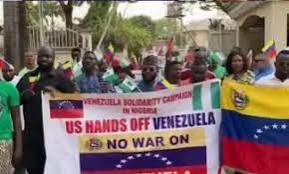
The Venezuela Solidarity Campaign in Nigeria (VSCN) has called for the immediate and unconditional lifting of United States sanctions on Venezuela, arguing that the restrictions are hampering humanitarian relief and reconstruction efforts following devastating twin earthquakes that reportedly killed more than 2,000 people and displaced over 50,000 others.
In a statement issued on Sunday and signed by its coordinator, Comrade Dimeji Macaulay, the group expressed solidarity with the Venezuelan people and the Bolivarian Government, describing the earthquakes as a humanitarian tragedy that has left widespread destruction of homes, hospitals, schools, roads and other critical infrastructure.
The organisation extended condolences to families of the victims and praised what it described as the resilience of the Venezuelan people in confronting the disaster despite years of economic hardship.
According to the VSCN, the U.S. sanctions have weakened Venezuela’s capacity to respond effectively to the emergency by limiting access to financial resources and restricting the importation of medicines, equipment, technology and other essential materials.
The group maintained that maintaining the sanctions during a humanitarian crisis amounts to collective punishment against ordinary citizens and called for their permanent removal to facilitate relief operations and long-term reconstruction.
“There can be no moral or legal justification for maintaining an economic blockade against a country struggling to save lives and rebuild after a devastating natural disaster,” the statement said, adding that every day the sanctions remain in force prolongs the suffering of the Venezuelan people.
The campaign also urged the Federal Government of Nigeria to publicly support the removal of the sanctions, strengthen diplomatic relations with Venezuela and contribute to international humanitarian efforts for victims of the disaster.
It further appealed to the African Union to reject unilateral coercive measures, describing them as violations of international law, while calling on African countries to support Venezuela’s recovery.
The group equally called on the United Nations to intensify humanitarian assistance and ensure that sanctions do not obstruct emergency relief operations or reconstruction programmes.
Beyond governments and international organisations, the VSCN appealed to trade unions, youth organisations, civil society groups and progressive political movements across Africa and the wider international community to demonstrate solidarity with Venezuela by opposing what it described as economic warfare and supporting the country’s right to determine its future without external interference.
Reaffirming its commitment to the Venezuelan cause, the organisation said it would continue campaigning until the sanctions are lifted, insisting that Venezuela’s recovery should not be hindered by external political considerations
Venezuela Solidarity Group Urges U.S. to Lift Sanctions After Deadly Earthquakes

Troops Arrest Two Suspected Berom Militia Linked to NIPSS Attack as Security Sources Say Investigation Supports Earlier Leads

Two suspected criminals arrested during patrol in Plateau

Troops arrest suspected kidnapper in Plateau community

Roger Federer’s Shock as DNA Results Reveal Myla and Charlene Are Not His Biological Children

THE PLIGHT OF FARIDA

FAILED COUP IN BURKINA FASO: HOW TRAORÉ NARROWLY ESCAPED ASSASSINATION PLOT AMID FOREIGN INTERFERENCE CLAIMS
-
 News2 years ago
Roger Federer’s Shock as DNA Results Reveal Myla and Charlene Are Not His Biological Children
-
Opinions4 years ago
THE PLIGHT OF FARIDA
-
 News1 year ago
FAILED COUP IN BURKINA FASO: HOW TRAORÉ NARROWLY ESCAPED ASSASSINATION PLOT AMID FOREIGN INTERFERENCE CLAIMS
-

 News2 years ago
EYN: Rev. Billi, Distortion of History, and The Living Tamarind Tree
-
 Opinions5 years ago
POLICE CHARGE ROOMS, A MINTING PRESS
-

 ACADEMICS2 years ago
A History of Biu” (2015) and The Lingering Bura-Pabir Question (1)
-

 Columns2 years ago
Army University Biu: There is certain interest, but certainly not from Borno.
-

 Politics1 year ago
2027: Why Hon. Midala Balami Must Go, as Youths in Hawul and Asikira/Uba Federal Constituency Reject ₦500,000 as Sallah Gift
