
Politics
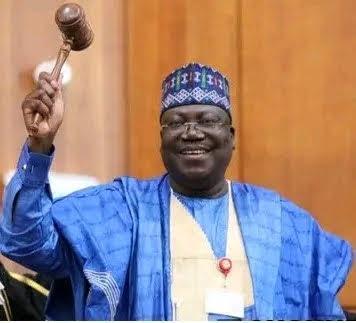
Day Senator Ahmed Lawan distributes empowerment materials in Yobe

Day Senator Ahmed Lawan distributes empowerment materials in Yobe
By: Yahaya Wakili
In terms of federal constituency projects by a federal lawmaker, the massive empowerment and entrepreneurship materials that the President of the 9th Senate, His Excellency Distinguished, Senator Ahmed Ibrahim Lawan, Ph.D., GCON, Sardaunan Bade, completed on Monday, December 25, 2023, are unprecedented in Yobe state history. It is the stake-in-trade of an ordinary Nigerian politician, but Senator Ahmed Ibrahim Lawan is unparalleled in Yobe State history, and I believe he would approach things differently.
Since Nigerian democracy was restored in 1999, no federal elected politician in the whole Northeast region of the country has ever had the wealth, expertise, connections, or experience that he possesses. Thousands of people in Nigeria, the Northeast, and Yobe State as a whole were drawn to the massive empowerment that took place.
The empowerment initiative has been the largest intervention over the previous six years. For the Yobe North Senatorial District, Senator Ahmed Ibrahim Lawan also kicked off a job-free medical outreach program and an animal livestock vaccination program. He has touched the lives of those in his constituency, and empowering and providing a sustainable means of livelihood for the Yobe North people is not a new deal for the 9th Senate president; in fact, it has become an annual event over the past six years. The residents of Sardaunan Bade’s constituency are no longer impoverished.
By the grace of God, Senator Ahmed Ibrahim Lawan’s empowerment is the result of numerous occurrences that have occurred in the past and will occur in the future. The exceptional work of distinguished senator Ahmed Ibrahim Lawan is unmatched in Yobe state history. I have never witnessed empowerment of that magnitude in one fell swoop.

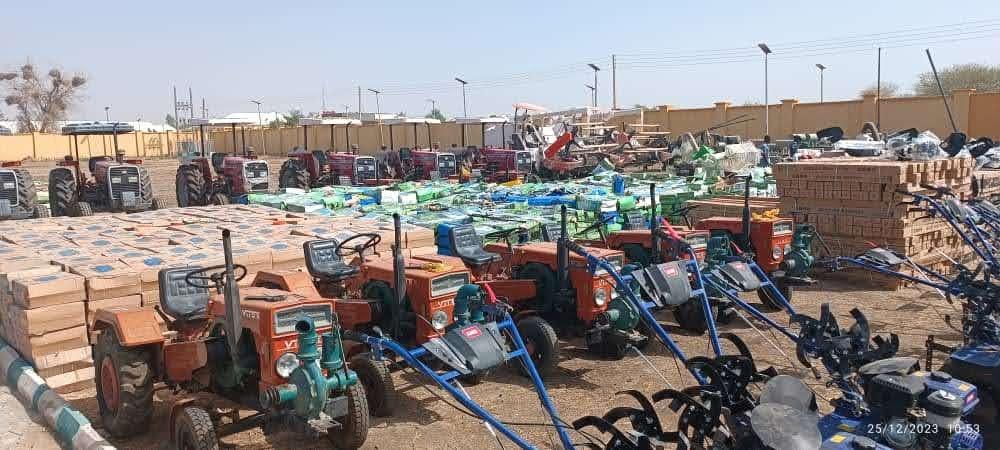
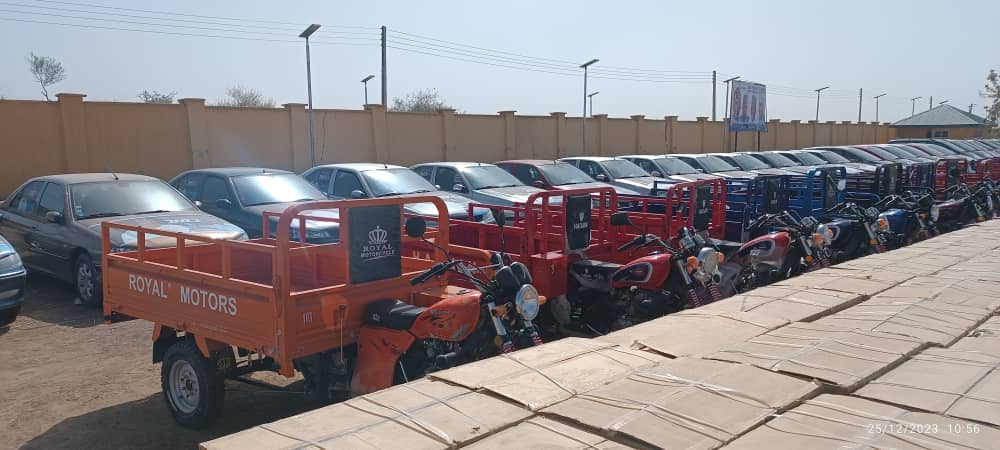


Distinguished Senator Ahmed Ibrahim Lawan has changed the narratives compared to past years, something no senator or member of the National Assembly from Yobe state has ever done to his senatorial constituency.
It has become evident that he is devoted to significant empowerment—not just lip service. If given the chance, I am confident he will duplicate this exceptional accomplishment throughout the state. We also hope that other federal lawmakers from Yobe State will take similar action.
Six local government areas—Bade, Karasuwa, Jakusko, Yusufari, Nguru, and Machina—combined to form the Yobe North Senatorial district, which has its headquarters in Gashu’a. Of the 6,766 beneficiaries of the mega empowerment, the most intriguing aspect of the empowerment distribution process is that each beneficiary is identified by name, ward, phone number, and the kind of items he plans to collect. Thousands of attendees have also shared their interesting experiences with the way and manner in which the empowerments were distributed.
During his four years as Senate President, the Distinguished Senator Ahmed Ibrahim Lawan, Sardaunan Bade, the ninth Senate President, did not face any impeachment cases; the Executive successfully completed its term. 6, 766 constituents are empowered by Senator Ahmed Ibrahim Lawan with automobiles, motorcycles, farm equipment, and other business supplies.
READ ALSO: https://dailypost.ng/2024/01/23/health-minister-ali-pate-lauds-gov-zulum-for-15-budgetary-allocation-to-health/
A total of 2,940 sprayers, 12 Peugeot 406, 12 Peugeot 307, 360 motorcycles, 2,226 water pumps, 54 Sharon Buses, 2 fire fighting vehicles, and 6 land cruiser jeeps were among the equipment. There were also 13 rice mills, 30 rice planters, 302 harvesters, and twelve tractors.
420 Keke NAPEP, 804 refrigerators, 324 small harvesters, 306 tricycle carriers, 420 grinding machines, 2,340 pots and stoves, 10, 18-seater buses, 1080 swing machines, 120 deep freezers, 180 generators, and 10 transformers are a few more examples of the other items.
Day Senator Ahmed Lawan distributes empowerment materials in Yobe




2027: Governorship Materials Yobe to Choose
By: Yahaya Wakili

As the political landscape of Yobe State begins to coalesce around the impending 2027 governorship elections, a palpable sense of anticipation grips the electorate. With approximately 120 days remaining until the contest, discussions and permutations are rife, reflecting a deep-seated desire among the populace to identify a successor for Governor Mai Mala Buni CON, COMN. Drawing upon their administrative experience, political acumen, and the manifestos they present. The selection of a new governor is not merely an electoral formality but a critical juncture that will shape the state’s trajectory in governance, development, and the continuation or redirection of existing policies.

Among the prominent figures vying for the state’s top seat, Alhaji Baba Malam Wali Mni, an All Progressives Congress (APC) aspirant from Zone C, stands out due to his extensive administrative background. As the longest-serving secretary to the state government in the northeastern region, Wali boasts a wealth of experience in public administration. His supporters posit that this deep understanding of governance mechanisms makes him exceptionally qualified to build upon the achievements of the incumbent administration. His career has been characterized by a commitment to public service, suggesting a readiness to tackle the complex challenges of governing Yobe State. This experience, particularly in navigating bureaucratic structures, could translate into efficient policy implementation and effective resource management, crucial for sustainable development.

Barrister Kashim Gana Geidam of the African Democratic Congress (ADC), hailing from Zone A, presents a compelling case through his diverse roles. His tenure as a former Commissioner of the Independent National Electoral Commission (INEC) and previously as Yobe State Commissioner of Justice equips him with a unique perspective on electoral processes and legal frameworks. This dual experience in election management and legal affairs signifies an understanding of democratic tenets and the rule of law, fundamental to fostering a stable and just society. His background suggests a capacity for reasoned decision-making and a commitment to upholding the integrity of governance. The insights gained from INEC would be invaluable in ensuring fair electoral practices, while his legal expertise could strengthen judicial independence and legislative processes.
From Zone B, Dr. Mohammed Dawud (DMD), representing the Young Progressives Party (YPP), emerges as a candidate symbolizing a new generation of leadership. As a lecturer at Yobe State University, he brings an academic perspective to politics, potentially advocating for policies rooted in research and evidence based on data. His youthfulness is often seen as an asset, suggesting a capacity for innovation and a fresh approach to governance, untethered by the constraints of long-established political norms. While his direct administrative experience might be less extensive than some older contenders, his intellectual grounding and potential to connect with younger demographics are significant advantages. His approach could invigorate public discourse and introduce novel solutions to the state’s problems.

Honorable Aji Kolo of the Labour Party (LP), also from Zone A, offers a blend of public service and private sector acumen. A retired Director of Finance and Supply (DFS) within the Yobe State government, his career has been steeped in financial management and administrative oversight. Furthermore, as the Managing Director/CEO of Ajiko Pharmacy Limited, he has demonstrated entrepreneurial skills and a capacity for leadership in the private sector. This combination of public financial expertise and business management experience could be instrumental in driving economic growth and ensuring fiscal responsibility. His experience in managing resources, both within government and the private sector, positions him as a candidate capable of prudent financial stewardship and promoting economic development initiatives.
Each candidate brings a distinct set of strengths to the table. Alhaji Baba Malam Wali Mni’s extensive administrative record provides a foundation of proven competence in governance. Barrister Kashim Gana Geidam offers a unique blend of electoral and legal expertise, crucial for democratic stability. Dr. Mohammed Dawud represents a forward-looking perspective, potentially driving innovation. Honorable Aji Kolo combines financial management skills with entrepreneurial drive, promising economic dynamism.

However, each also faces potential challenges. Wali’s established presence might be perceived by some as representing continuity rather than change, potentially limiting his appeal to those seeking a radical departure. Geidam’s electoral background, while valuable, might not fully translate into broad executive leadership experience. Dr. Dawud, despite his intellectual prowess, may need to demonstrate his ability to navigate the practicalities of political power and mobilize a broad coalition of support. Honorable Aji Kolo, while possessing strong financial and business skills, might need to articulate a clear vision for broader governance beyond economic matters. The electoral success of each will depend on their ability to articulate their vision effectively, connect with the diverse needs of Yobe’s population, and build robust political alliances. The electorate will weigh these factors carefully as they approach the crucial decision in 2027.
As the state approaches this pivotal moment, political analysts and stakeholders are keenly examining the strengths and weaknesses of the leading contenders, including Alhaji Ibrahim Shu’aibu of the Nigerian Democratic Congress (NDC), Hon. Alhaji Abdullahi Usman Maigida of the Peoples Democratic Party (PDP), and the strategically positioned Baba Malam Wali Mni. Alhaji Ibrahim Shu’aibu, representing the NDC from Zone B, brings a wealth of administrative experience to the political arena. As a retired longest-serving permanent secretary across various ministries in Yobe State, his tenure signifies a deep understanding of governance and public service delivery. This institutional knowledge, coupled with his extensive experience within the civil service, positions him as a candidate with the capacity for pragmatic policy implementation and efficient administration. His background suggests a candidate who is likely to prioritize stability and continuity, drawing upon established structures and processes to drive progress.
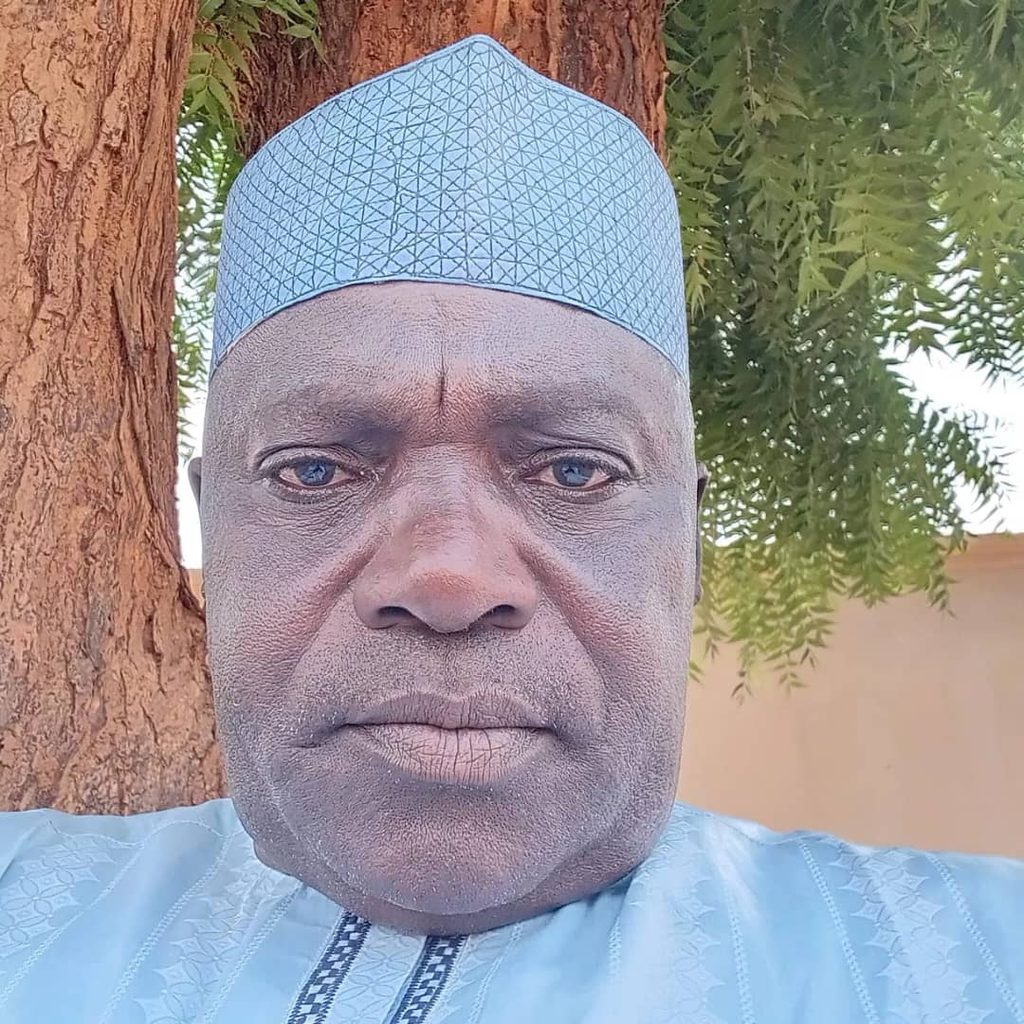
In contrast, Hon. Alhaji Abdullahi Usman Maigida of the PDP, also from Zone B, presents a different profile. A well-established business mogul in Potiskum and a recognized figure in Yobe State politics, Maigida’s strengths lie in his economic acumen and established networks. His business background suggests a leader who understands the dynamics of wealth creation and economic development, potentially bringing a fresh perspective to tackling unemployment and fostering private sector growth. His political visibility further indicates a capacity for mobilizing support and engaging with the electorate on a grassroots level.
A particularly compelling narrative, as highlighted by political analysts like Alhaji Muhammadu Garba, revolves around Baba Malam Wali Mni. Garba’s analysis emphasizes Wali’s significant opportunity to win the 2027 election due to his hailing from Zone C. This zone has historically been overlooked in the distribution of executive power since the return to democracy in 1999, having never produced a governor or deputy governor. This unique position confers upon Wali a strong claim to represent a significant segment of the electorate that feels marginalized. Analysts like Mr. Johnson Illiya further bolster Wali’s prospects by emphasizing his “institutional knowledge of every corner of Yobe State,” coupled with “necessary qualifications, competencies, and credibility vital for effective governance.” This suggests a candidate who possesses both the intimate understanding of the state’s needs and the requisite skills to address them.
Beyond individual candidacies, a prevailing sentiment among political analysts in Yobe State is the urgent need for “purposeful leadership” and “real change.” This underscores a collective desire for a governor who can navigate the state towards progress and development. The call for a leader who is “experienced and committed to the progress of the people” resonates across different political platforms and voter demographics. This sentiment suggests that while past experiences and established networks are valuable, they must be coupled with a forward-thinking vision and a genuine dedication to public welfare.
The assertion by Malam Abdu Wanzam Gadaka that Dr. Mohammed Dawud is “more qualified and deserving than the other candidates” adds another dimension to the discourse, even though Dr. Dawud is not elaborated upon in the same detail as others. Gadaka’s plea for Yobeans to “vote based on merit” and set aside “personal interests” highlights a growing awareness and desire for a meritocratic approach to leadership selection. This perspective suggests that voters are increasingly looking beyond party affiliations and ethnic considerations to evaluate candidates based on their demonstrable abilities and their potential to deliver effective governance.
The comparison between these candidates reveals a nuanced political landscape. Shu’aibu offers administrative stability, Maigida brings economic dynamism, and Wali represents a potent claim for regional equity and a deep understanding of the state’s fabric. The overarching demand for purposeful leadership and change serves as the backdrop against which these individual strengths will be weighed. The eventual success of any candidate will likely depend on their ability to articulate a compelling vision for Yobe State’s future, demonstrate their capacity to implement that vision, and resonate with the electorate’s desire for meaningful progress.
Yahaya Wakili, a journalist, writes from Potiskum.
2027: Governorship Materials Yobe to Choose

Kashim Shettima: Dirty Datti and his Tinubu cap theory
By: Dr James Bwala
The controversy surrounding Vice President Kashim Shettima’s political symbolism has recently gained renewed attention following remarks by Datti Baba Ahmed, who questioned Shettima’s authenticity by asserting that he does not wear the Asiwaju cap—a potent emblem associated with political allegiance to President Tinubu and his Renewed Hope agenda. Baba Ahmed further challenged observers to enquire why Shettima refrains from donning this symbolic headgear and cited purported advice from Marabouts discouraging him from doing so.
Well, let’s just say that politics is here again and big men lie for cheap gains. Datti Baba Ahmed did not do his homework well to start attacking Nigeria’s vice president, Kashim Shettima, for not wearing President Tinubu’s cap as he alleged. Let me also assure Malam Datti Baba Ahmed, the Mauritanian boy from a Marabouts clan, that the APC is not a cult organisation that requires marabouting to see vision, and Kashim Shettima is not a figure that pretends loyalty or demonstrates such by constantly following what others choose to do for themselves.
The dirty Datti theory and claims overlook the visible reality. VP Shettima indeed wears the Asiwaju cap at public events and actively promotes the administration’s vision for national renewal, thereby aligning himself with Tinubu’s political identity. While Dattigan’s style reveals a deeper struggle over narrative control and political loyalty within Nigeria’s evolving power dynamics, he often misses the point when he makes attempts on Nigeria’s vice president, Kashim Shettima. We know his history and respect his family, but he keeps dragging them into his political mud. Attacking Shettima will only open a can of worms about the dirty Mauritanian journey to Nigeria, something we do not want to discuss out of respect for the larger Baba Ahmed’s family.
However, there is a debate regarding Shettima’s use of the Asiwaju cap. Datti wants to draw that it transcends mere fashion, and it encapsulates questions of symbolism, representation, and perceived commitment to a collective political project. Contrary to Datti Baba Ahmed’s assertions, Vice President Shettima’s actions represent more than just the act of wearing a cap. His consistent public appearances as Nigeria’s vice president demonstrate not only his visible endorsement of President Tinubu’s Renewed Hope agenda but also challenge the notion that only wearing Asiwaju’s cap speaks loyalty.
Vice President Kashim Shettima embodies a rich cultural heritage that is deeply rooted in the Kanuri ethnic identity and lineage from the historic El-Kanemi dynasty. This background not only shapes his personal character but also informs his political demeanour and leadership style, distinguishing him as a well-cultured personality within Nigeria’s complex socio-political landscape. Contrary to some criticisms levelled by figures such as Datti Baba Ahmed, who question Shettima’s prolonged tenure and political relevance, it is essential to recognise that Shettima’s identity transcends mere political positioning; it reflects a profound connection to his cultural roots and values. Shettima’s modernist approach to life and relationships that prioritise self-reliance and rational governance over traditional mystical practices did not align with Datti Baba Ahmed’s claims, which often hold sway in certain northern Nigerian communities, where the “Yan”bori Marabouting culture breathes.
The partnership between Bola Tinubu from the South West and Kashim Shettima from the North East symbolises more than just a political alliance of cap wearing; it represents an intentional fusion of diverse regional identities aimed at fostering national unity. This north-south alliance not only bridges ethnic and regional divides but also showcases a shared commitment to progressive governance grounded in cultural authenticity and mutual respect. Moreover, Shettima’s commitment to cultural integrity and pragmatic leadership underscores the strength of the Tinubu-Shettima partnership as a model for inclusive governance that respects Nigeria’s diverse ethnic fabric while advancing a forward-looking political agenda. This cultural authenticity, combined with a pragmatic and forward-thinking leadership style, enables Shettima to navigate the complexities of Nigerian politics without resorting to traditional or mystical shortcuts, thereby reinforcing his image as a modern statesman rooted in Kanuri heritage.
This synergy between Tinubu and Shettima not only exemplifies the political maturity needed to address Nigeria’s complex ethno-regional dynamics but also highlights how leaders grounded in their cultural identities can collaboratively drive national progress without succumbing to divisiveness or archaism.
- James Bwala, PhD, writes from Abuja
- Kashim Shettima: Dirty Datti and his Tinubu cap theory

2027: Borno will never witness another Gubio tragedy
By: Dr. James Bwala
The recent ambush on Hon. Mustapha Gubio’s convoy, the All Progressives Congress (APC) governorship candidate in Borno State, by suspected ISWAP terrorists along the Gubio–Kareto–Damasak road has reignited fears about the ongoing insurgency in northeastern Nigeria. This incident not only highlights the security challenges that political figures face in areas plagued by militant violence but also brings back haunting memories of a similar tragedy from 2011.
Back then, another governorship candidate from Borno, the late Fannami Gubio, tragically lost his life on what became known as “Black Friday,” a day marred by political violence and chaos. The recurrence of such attacks reveals a disturbing trend where violent extremist groups disrupt political processes, aiming to undermine governance and democratic engagement.
The mixed reactions from news vendors and local communities reflect the complicated relationship between fear, resilience, and political involvement in conflict-affected regions. This latest attack serves as a stark reminder of the ongoing instability in Borno State and the pressing need for stronger security measures to protect not just political figures but also the wider civilian population caught in the crossfire of insurgency.
This incident underscores the persistent threat posed by ISWAP in the area and highlights the crucial need for continuous military vigilance and community collaboration to prevent such attacks from derailing the democratic process. In light of these events, it’s essential for both the government and security agencies to ramp up their efforts to dismantle terrorist networks in Borno State, ensuring that political activities can continue without the shadow of violence or intimidation looming over them.
The attack on Thursday highlights the persistent challenges that political figures in Borno State are grappling with, as insurgent groups like ISWAP take advantage of security weaknesses to disrupt elections and instill fear in both candidates and voters. This troubling trend of repeated assaults along vital routes, such as the Gubio–Kareto–Damasak road, not only jeopardizes the safety of political leaders like Mustapha Gubio but also hampers crucial transportation and economic activities. This situation calls for a robust strategy that tackles the underlying causes of insurgency, encourages socio-economic growth, and promotes inclusive governance to pave the way for lasting peace in Borno State.
To strengthen these efforts, it’s essential for the government to improve intelligence gathering and foster community engagement initiatives that empower local residents to become vigilant partners in security. This approach can help shrink the operational space for insurgents like ISWAP. To genuinely protect the democratic process and safeguard candidates like Mustapha Gubio, security agencies must not only react quickly to attacks but also adopt proactive measures that incorporate local intelligence and community collaboration to prevent future threats.
While the immediate response to the recent attack was commendable, it’s evident that without ongoing and coordinated efforts that blend military vigilance with community resilience and development programs, such incidents will keep undermining the stability of Borno State. Achieving lasting peace in Borno State hinges on ensuring that military actions are paired with continuous community engagement and socio-economic development initiatives that address the root issues exploited by insurgent groups.
James Bwala, PhD, writes from Abuja
2027: Borno will never witness another Gubio tragedy

Mwaghavul Militia Killed Three herders, Slaughter 36 cattle in unprovoked attack in Plateau
Troops rescue kidnapped traders, recover stolen vehicle, arrest suspects in Katsina

Talata Mafara Attack: ISN Demands Intelligence Overhaul, Special Courts to Crush Banditry

Roger Federer’s Shock as DNA Results Reveal Myla and Charlene Are Not His Biological Children

THE PLIGHT OF FARIDA

FAILED COUP IN BURKINA FASO: HOW TRAORÉ NARROWLY ESCAPED ASSASSINATION PLOT AMID FOREIGN INTERFERENCE CLAIMS
-
 News3 years ago
Roger Federer’s Shock as DNA Results Reveal Myla and Charlene Are Not His Biological Children
-
Opinions5 years ago
THE PLIGHT OF FARIDA
-
 News1 year ago
FAILED COUP IN BURKINA FASO: HOW TRAORÉ NARROWLY ESCAPED ASSASSINATION PLOT AMID FOREIGN INTERFERENCE CLAIMS
-

 News2 years ago
EYN: Rev. Billi, Distortion of History, and The Living Tamarind Tree
-
 Opinions5 years ago
POLICE CHARGE ROOMS, A MINTING PRESS
-

 ACADEMICS3 years ago
A History of Biu” (2015) and The Lingering Bura-Pabir Question (1)
-

 Columns3 years ago
Army University Biu: There is certain interest, but certainly not from Borno.
-

 Politics1 year ago
2027: Why Hon. Midala Balami Must Go, as Youths in Hawul and Asikira/Uba Federal Constituency Reject ₦500,000 as Sallah Gift
