
Columns
Descendants of Yamtra-Wala: Surfing in the Comfort of the Bura Ethnic Tribe/Cultural Identity

Descendants of Yamtra-Wala: Surfing in the Comfort of the Bura Ethnic Tribe/Cultural Identity
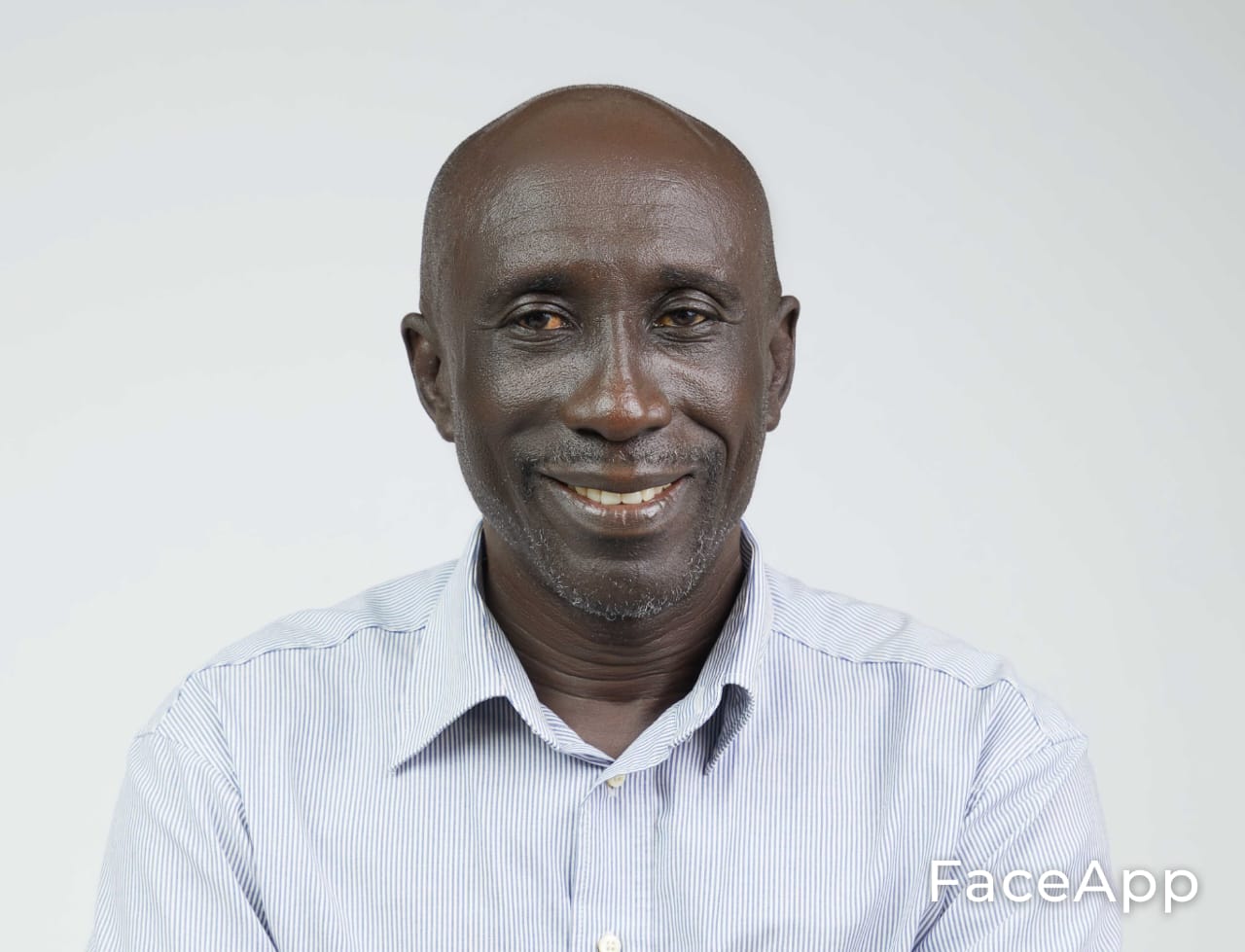
By: Balami Lazarus
I have spoken and written articles on the Bura-Pabir, where I was called names with insults of convex images. I am here once again with nearly the same subject on ethnic tribe/cultural identity: the dilemma of the Pabir group of people who are standing poised between being Pabir or Babur.
The Bura people are an independent ethnic nation historically, geographically, and politically within the Biu territory long before Yamtra-Wala. Is it then wrong for anyone to think and say that the Pabir group of people are the same as the Bura from an ethnic-tribe/historically cultural perspective? What made them the same? How and when did they become the same? Are the Bura people descendants of Yamtra-Wala?
Historically, the Pabir are an extraction of Kanuri/Kanembu through the bloodline of a disgruntled prince, Abdulla, from the Kanem-Borno Empire, who, with his band of 70 men, founded the Biu kingdom and her royal dynasty in or about 1535.
In this work, I will write using Pabir, their original name given to them by the Bura people. I will also raise some thought-provoking questions with the uffti of truth in the space of ethnic tribe/cultural identity.
In history, I was taught to always take note of historical facts and figures and be objective in analyzing historical events/source materials with a sense of reasoning because many histories were falsified through irrational narratives/oral history from one generation to the other.
What is then the rationale behind the Pabir people addressing themselves as Babur? I believed answers to this are rooted in ethno-religious sentiments capped with an inferiority complex in the claws of
Babur. Why are they now forcing themselves on the Bura people’s cultural identity considering the recent development on the yearly Bura Cultural Festival at Marama? And this is the same ethnic tribe many Pabir scorned with contempt.
I was privileged to ask some few individuals from both divides, and what they said on this matter was the plain truth. “The Bura people are the first inhabitants of this territory, people with unique culture, traditions, and customs.” One individual said, “We have to be part of them (Bura) because we are a minority with no ethnic/cultural identity, nor are we an ethnic tribe/nation… They gave us the collective name “Pabir,” not “Babur,” as we are being called and addressed wrongly today.
The distant and recent events have not been in favor of the Bura people. Proponents of the Babur conspiracy theory presumably thought that by being addressed as Babur, they would be given ethnic tribe and cultural identity garments. But has it?
In the context of history, if and when one is speaking or writing for the purpose of ethnic tribe/cultural identity of the Bura people, I believe that such
Submissions shall probably be in favor of the Bura as an independent ethnic nation, unlike the Pabir, who are direct descendants (Yamara-Wala) of Prince Abdulla from Birni Ngarzargamu in the Kanem-Borno Empire.
“I am a Pabir man. Can you point at any cultural source material or genre tied to us as our cultural heritage? And neither are we of common ancestry or lineage with the Bura.”
Let us rewind back, taking into consideration the name Yamtra-Wala, the founder of the royal dynasty of Biu. In the Bura dialect, it is pronounced and spelled as “Yamta Ola.” However, you may wish to know that it has its roots in the Arabic language.
But in an attempt to improvise and starve the term “Pabir,” choking it with “Babur” has further perpetuated historical miscarriage, a clear distortion of history.
What was the position of the Pabir in the ethnic/cultural unity of the Bura people of the Biu territory? Where were they when they had the Bura Almanac of the 1950s, 60s, and 70s titled Bura Community in the following towns and cities like Kaduna, Lagos, Kano, Jos, Enugu, Ibadan, Zaria, and other locations within Nigeria? It is on record that there was absolutely no mention of Pabir in unity with Bura combined as a united community in such places. How then did Pabir get into the ethnic tribe/cultural identity of the Bura people, considering the recent development on the yearly Bura Cultural Festival? Note that these are the same people the Pabir scorned with sentiments of “mission.” However, it still remains the healthy stock where many have reached the sun.
Be as it may, probably they are afraid to be left out individually or collectively in the ethnic identity provided by the Bura people. And to also bask in the comfort of Bura cultural identity and heritage.
Historically, before 1535, there was no such group of people in the Biu territory. Therefore, the band of the 70 led by Prince Abdullah of Birni Ngazargamu in Kanem-Borno does not add up to give the Yamtra descendants the permit to claim ethnic tribe and cultural identity of the Bura people. Archaeological sources around the greater Biu territory like the ancient abandoned settlement sites such as Kumba in old Bwala village. Ghenchabiri in Kwajaffa, among many others in the Hawul Local Government Area, is evidence of the presence of the Bura people before c.1535.
I hereby tie myself with roots of history to say that the Pabir people, who are the descendants of Yamtra-Wala, will find it difficult to disengage and/or isolate themselves from the beautiful Bura ethnic tribe and cultural identity despite sentiments of “mission” because Yamtra-Wala came without cultural identity. For this reason, Pabir or Babur are offshoots of the Bura ethnic tribe and cultural identity because they have an identity of their own.
Similarly, the Bura are the lighthouse of the Biu territory because they are found all over, contributing their quota to nation-building. They also made up the greater part of the Biu territory’s population.
Balami, Publisher/Columnist 08036779290
Descendants of Yamtra-Wala: Surfing in the Comfort of the Bura Ethnic Tribe/Cultural Identity


Holdings in Three Arm Business Investments, a Path to Financial Freedom
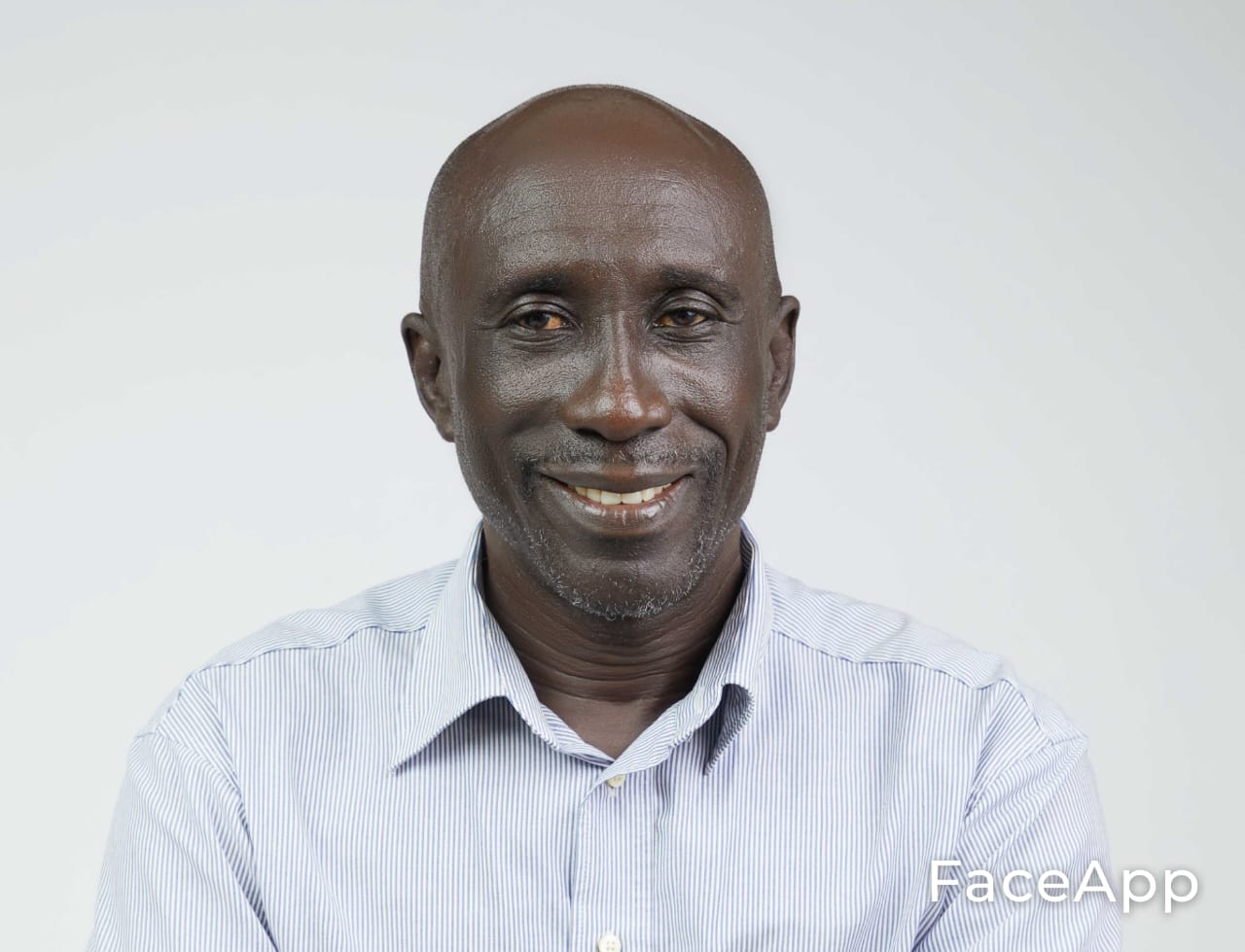
By: Balami Lazarus
Long-term investments have never been the likes of most Nigerians. In fact, few have come to realize the secret of letting my money work for me through my investments in some going concerns (businesses).
Good and profitable investments in the three businesses
Arms will go a long way for financial independence and freedom.
Let me draw your attention to life in the jungle where rules are conditioned based on territorial control. The honey badger, the most fearless of all animals, has no respect for territories, including the swamps where crocodiles are kings. The Honey Badgers have long realized that their physical strength and ability do not lie in their size but in their biological capacity and anatomical system to do what they are used to doing at ease among other animals in the wild.
Similarly, if you invest and take a position in the three business investments, no doubt your returns on investments (RoI) will give you the desired results to control and rule without territorial limits in your domestic affairs and the environment.
I am not a business owner but a part owner of some businesses. One thing I know, and I always do, is to continue to develop and improve myself with knowledge in business investments for financial freedom and independence, considering my attitudes for self-freedom for when to do and/or not to do. Reasonably, you can exhibit this financial freedom through your returns on investments (RoI).
This has taught me what to do and when. It has further educated me on how, when, and where to invest—short or long-term period. I have also learned to develop some businesses and lease them out to other people to run them.
The information age has these days made making money through investments much easier and cheaper for those who want to be financially independent if tomorrow comes, most times with a modicum of health.
challenges.
Investment benefits will improve and
stabilized your mental and social life; an alibi to aging gracefully when the body is tired, weak, and fragile.
What are these three (3) arm investments? The phrase is my coinage, which simply means property (real estate), agriculture, and stocks. While some called it business streams. However, the good
The thing about investments is that an investor is making money in other businesses and is free from being part of the management of the business.
Therefore, the objective of every business investment is to translate them into financial gains. That is why core investors are always on the lookout for investment opportunities to put their money in and become part owners of the business concerns.
This piece, I believe, will be food for thought for wise minds. Better late than never.
Balami, Publisher/Columnist 08036779290
Holdings in Three Arm Business Investments, a Path to Financial Freedom
Columns
Companies: Season of Dividends Declaration and Payments for Her Shareholders Worth Billions of Naira
Companies: Season of Dividends Declaration and Payments for Her Shareholders Worth Billions of Naira
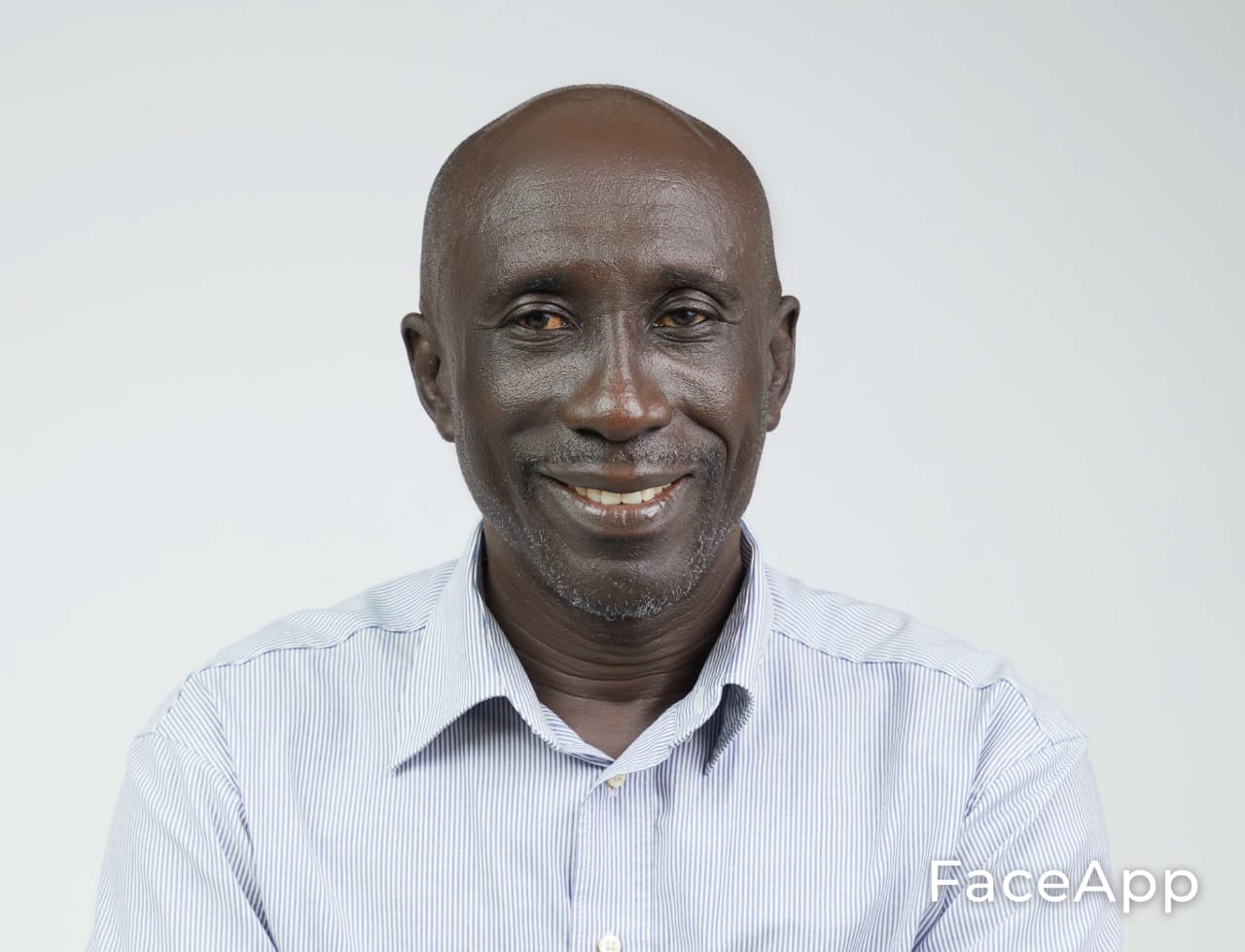
By: Balami Lazarus
This piece made me recall my attempt to write the Chartered Institute of Stockbrokers (CIS) examinations years ago that I cannot remember now. I deliberately failed to continue with no reasons to give or shift blame as an escape route, which humans many do to console themselves of their failures. I (the writer) have learned never to do that.
However, no knowledge or experience is a waste for a wiseman. Hence, this work is derived from the knowledge gotten from the handouts and books I read on capital, equity, and/or stock market investments, where patience is the guiding principle as an investor taking into consideration this formula: Money > Units (Stocks) × Time + Patience = capital appreciations/dividends.
Many Nigerians are unaware of this equity/capital market. And if they do, they lack knowledge on what to do and how to invest in this market (kasuwan hanun jari).
It will shock you to know that there are so many share certificates in the hands of the citizens, amounting to thousands of units of shares worth billions of naira put together, laying fallow, not knowing what to do with them.
For I have seen many and assisted friends and relatives on what to do. Thanks for the digitalization of the market; it has made things much easier for investors and traders, including dividend payments currently taking place.
And surprisingly, there is over $190 billion in unclaimed dividends in the coffers of the federal government under the watch of the Securities and Exchange Commission (SEC), which is the regulatory body.
This large amount of money came as a result of some shareholders not knowing how to claim their dividends. While others may be due to the attitudes of procrastination.
The Nigerian Stock Exchange (NSE), now officially Nigerian Exchange Group Plc, which is run as a public liability company guided by the Companies and Allied Matters Act (CAMA), with its nomenclature as (NGX), also has her stocks traded on the exchange floor at Lagos.
I will not say much on the NGX. But be informed it is the trading floor of public companies’ stocks listed with the exchange where traders and investors can buy and sell their stocks or simply shares from Mondays to Fridays (5 times) in a week from 9am to 2pm daily.
Every year most companies hold their Annual General Meeting (AGM), informing their shareholders of the progress of their companies and whether or not to declare dividends to their shareholders depending on the strength of profits after tax (PAT) to those whose names appear on the list of the company registrars before the date of declaration.
The season of dividend declarations is most times done in April through June of each year. However, companies’ dividends vary in the sum of money paid to their shareholders depending on their units’ holdings in each company as part owners.
Dividends have added monetary value to shareholders and, by extension, improved the capacity of small- and medium-scale businesses in the economy because of the large amounts of money that have been paid into their various accounts either as individuals or as business enterprises.
Investors and capital market watchers are one group in society that is better informed on this segment of the Nigerian economy. And the investing group of citizens are making millions upon millions of naira from their investments in the market.
Take Guaranty Trust Company (GTCO) Plc, owners of Guaranty Trust Bank, as an example. Having declared a dividend of 11.67kobo per share for her shareholders. And assuming you, the reader, have a shareholding of only 1 million units. #11.67k x 1m = to #11,670,000 less 10% withholding tax (WHT), you will be credited with #10,503,000 your dividend as return on investment (RoI) on 28th April 2026 payment date.
What a profitable investment/dividend payment season.
Balami, Publisher/Columnist. 08036779290
Companies: Season of Dividends Declaration and Payments for Her Shareholders Worth Billions of Naira
Columns
Jos: Living in Conflicts and Crisis for a Quarter of a Century: Where Peace Became Paranormal Stranger (2)
Jos: Living in Conflicts and Crisis for a Quarter of a Century: Where Peace Became Paranormal Stranger (2)
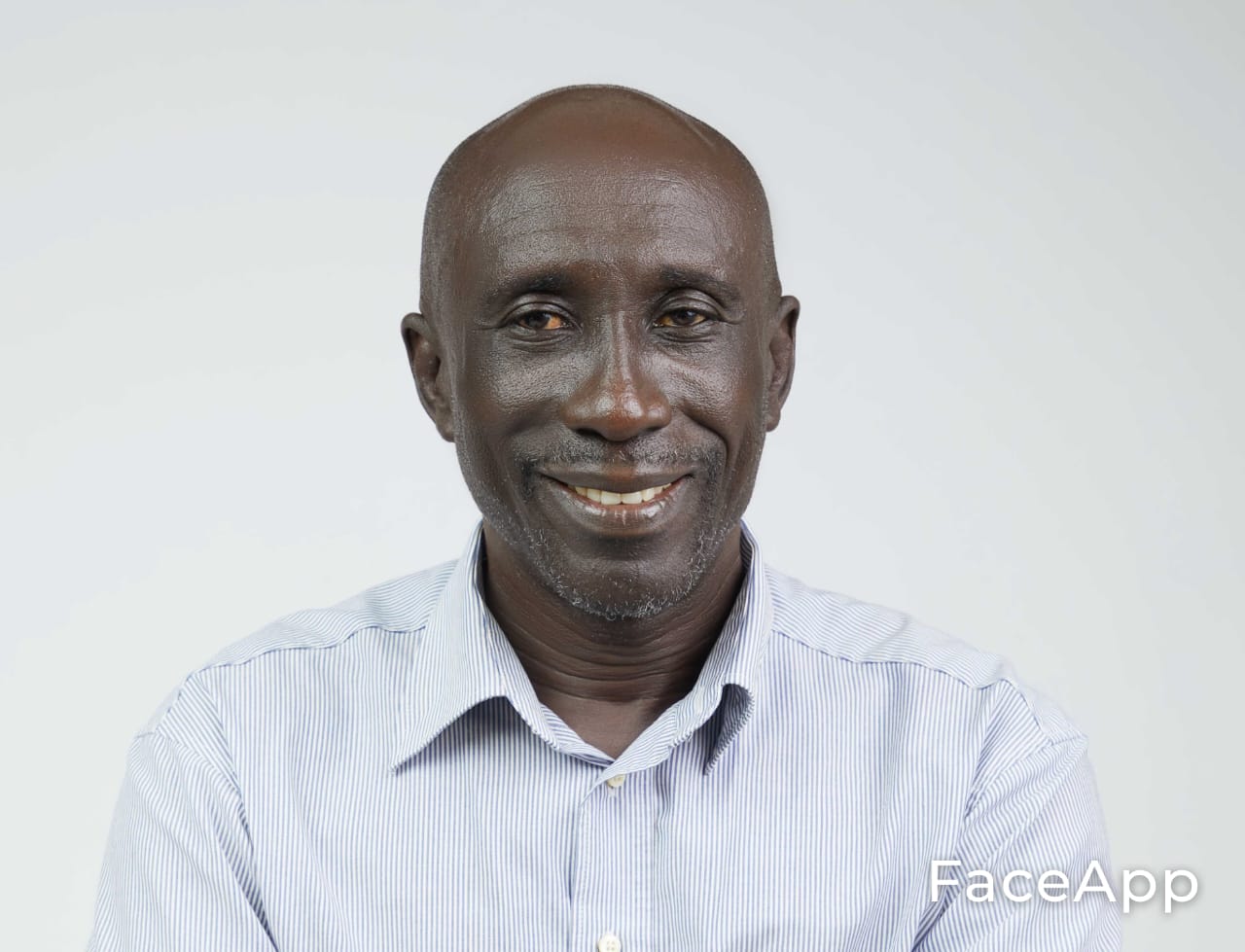
By: Balami Lazarus
How do we find lasting solutions to the conflicts and crises in Jos? How do we go about the general insecurity facing the nation? While the utterances of some highly placed Nigerians like Godswill Akpabio, Nuhu Ribadu, Sheik Gumi, and others are fuelling this aged monster called
insecurity and its perpetrators that is burning us to the third degree.
I have radical lasting solutions to the conflicts and crises in Jos. And the general insecurity we allowed ourselves to be webbed in it.
The lingering civil unrest in Jos has fast-forwarded the insecurity in the city. It has also intensified killings, kidnapping, banditry, and terrorism in guerrilla-style attacks, as in the case of Ungwan Rukuba, 29th March, 2026.
Reportedly, there are lots of guns in the hands of many citizens of Plateau State unlicenced. In fact, Nigerians are now leveraging the provisions of the law for self-defense.
But how far and to what extent can we defend ourselves against these bandits or terrorists that are armed with sophisticated firearms? While in Jos, they (terrorists/bandits) are taking advantage of our disunity to launch mayhem on us living in the city.
The recent attacks by unknown gunmen in the city center (Ungwan Rukuba) show the extent of how we have failed in our unity. And that allegedly no arrest has been made. Rather innocent youths of the said area were arrested and are now treated as suspects of the gruesome killings.
Now let me begin to reel out my radical solutions on these issues that have eaten deep into our bone marrows.
Indeed, the need for well-equipped and armed standing state and local government police is a necessity for state security and protection of lives and property of the citizens that will in turn propel
and enhanced our national security, because this issue has engulfed the country.
The conflicts and crises in Jos have always been generated from within by some individuals or groups of persons who lack peaceful coexistence in their DNA.
The immediate thing to do is for each and every ward to organize, train, and arm their vigilante groups with assault rifles. An example of one such group is the Civilian Joint Task Force (CJTF) of Maiduguri in Borno state. This vigilante group is doing well in protecting the city. I commend them.
I hereby believe the application of the method aforementioned will bring back peace as a permanent resident in Jos but not as an itinerant. Because it is only in the Jos Plateau that peace is always travelling, and you hear us saying, “Peace has returned.”
The government and the people are now paying dearly for the consequences of the inactions and deliberate refusal of the recent past and present administrations—federal and state—to take decisive actions to bring an end to these compounded insecurities destroying the polity.
I am one individual who holds strong beliefs and believes in radical ways of finding solutions to problematic issues.
Using Plateau State as an example, where incessant killings are a permanent feature. Therefore, Nigerians should begin to agitate for the breakup of the country through peaceful means like a referendum or restructuring of our systems for a better Nigeria, on the one hand. It is now the right time for regions or groups to begin the process of secession as radical change for the good of the balkanization of the country, on the other.
Whereas if and when two can no longer live together in an agreed-upon and peaceful atmosphere, having exhausted reasonable avenues. What will be the next action?
And here we are. What are we going to do? Tell me sincerely and truthfully.
Balami, Publisher/Columnist 08036779290
Jos: Living in Conflicts and Crisis for a Quarter of a Century: Where Peace Became Paranormal Stranger (2)

HOMEF, CAPPA Seek Review of GMO Approvals, Advocate Agroecology as Nigeria’s Food Security Path

Indigenous Arms Production Gains Momentum as DICON Partner Unveils Tactical Shotgun Platform

Israel Reaffirms Commitment to Peace, Deepens Partnership with Nigeria at 78th Independence Anniversary

Roger Federer’s Shock as DNA Results Reveal Myla and Charlene Are Not His Biological Children

THE PLIGHT OF FARIDA

FAILED COUP IN BURKINA FASO: HOW TRAORÉ NARROWLY ESCAPED ASSASSINATION PLOT AMID FOREIGN INTERFERENCE CLAIMS
-
 News2 years ago
Roger Federer’s Shock as DNA Results Reveal Myla and Charlene Are Not His Biological Children
-
Opinions4 years ago
THE PLIGHT OF FARIDA
-
 News1 year ago
FAILED COUP IN BURKINA FASO: HOW TRAORÉ NARROWLY ESCAPED ASSASSINATION PLOT AMID FOREIGN INTERFERENCE CLAIMS
-

 News2 years ago
EYN: Rev. Billi, Distortion of History, and The Living Tamarind Tree
-
 Opinions4 years ago
POLICE CHARGE ROOMS, A MINTING PRESS
-

 ACADEMICS2 years ago
A History of Biu” (2015) and The Lingering Bura-Pabir Question (1)
-

 Columns2 years ago
Army University Biu: There is certain interest, but certainly not from Borno.
-

 Politics12 months ago
2027: Why Hon. Midala Balami Must Go, as Youths in Hawul and Asikira/Uba Federal Constituency Reject ₦500,000 as Sallah Gift
