
News
DG, Nigerian Technical Aid Corps Recommits to Greater Service to Humanity as He Bags ICEN’s DoctorateDedicates Certificate to President Tinubu

DG, Nigerian Technical Aid Corps Recommits to Greater Service to Humanity as He Bags ICEN’s Doctorate
Dedicates Certificate to President Tinubu
By: Michael Mike
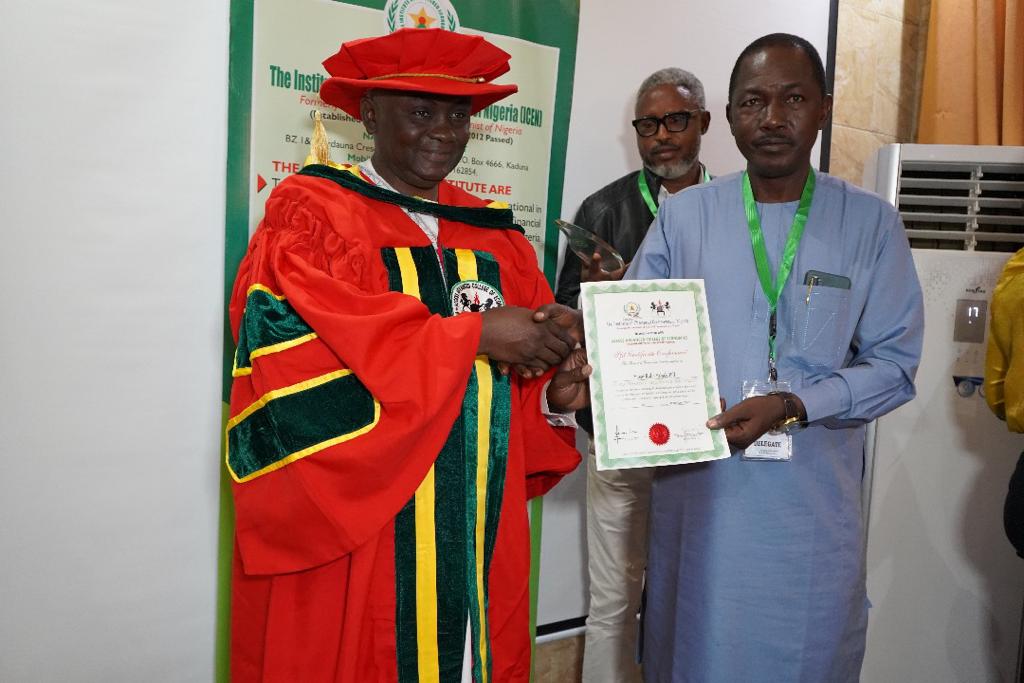
The Director General, DG, Nigerian Technical Aid Corps (NTAC), Rt. Hon. (Dr.) Yusuf Buba Yakub has pledged to continue to offer his best efforts to improving the lot of humanity everywhere he finds himself.
He said this on Saturday when he received a Professional Fellowship Doctorate award of the Institute of the Chartered Economists of Nigeria (ICEN), dedicated the highly prized certificate to President Bola Ahmed Tinubu for what he termed “the leadership he has demonstrated in less than one year since assuming the Office of President in the country.”
While also thanking the President of ICEN and members of the Governing Council of the Institute for finding him worthy of the award, Buba re-iterated his conviction that, in spite of how things may seem to be at the moment, Nigeria in the hands of the Tinubu Administration was bound to be a better place.
“For people like us, we can see the signs everywhere… the economic indices are all there already; things will surely get better. Just as His Excellency, Mr President said the other day, it’s like a woman getting through the pangs of labour. The pains of today are just the little short-term pangs we have to bear to birth a new Nigeria,”the former federal lawmaker,who was accompanied to the event by some Directors of the Corps, including Amb.Mohammed Mohammed and Lawal Ishiaka Adekola,among other staff,insisted.
Earlier, the Director-General of the Institute,Prof.Christopher O.Balogun,called on awardees of the Institute to prepare to arm themselves with statistics and other economic analysis tools.He said all these were important to address facts at all times.He also challenged them to avoid undue criticism of government,but instead,to state facts as they appear always.
Speaking further,Prof.Balogun also enjoined awardees, inductees and prospective Fellows of ICEN to be wary of corruption in all its known forms, especially, in public offices. He said the Institute was in close working partnership and collaboration with the Independent Corrupt Practices Commission (ICPC),the Economic Financial Crimes Commission (EFCC) as well as other such bodies and must, therefore, request that its members flee all vestiges of the social cankerworm bedevilling the Nigerian society. He tasked participants in the conference to go and put to practice all that they had learnt from the day’s event for the benefit of the nation.
Among those who received the Institute’s Doctorate were Mr Ajayi Kehinde Daniel, Dr. Wulangs B. Yoshi as well as Mr Oyedeji Adeyemi. A number of other professionals also received the Fellowship of the Institute, while many more were inducted as members of the Institute following their participation in the programme during which four distinct papers were presented by scholars on various aspects of leadership and economic governance.
The Institute of Chartered Economists of Nigeria (ICEN), formerly known as Institute of Certified Economists of Nigeria, was chartered in 2012 by Act No.22 of the Nigerian Parliament.
DG, Nigerian Technical Aid Corps Recommits to Greater Service to Humanity as He Bags ICEN’s Doctorate
Dedicates Certificate to President Tinubu


NDLEA Sells Drug Barons’ Assets for N6.1bn, Sends Warning to Criminal Networks
By: Michael Mike
The National Drug Law Enforcement Agency (NDLEA) has dealt a major financial blow to drug trafficking syndicates, raising over N6.1 billion from the auction of properties confiscated from convicted drug kingpins across the country.
The assets, which include a six-storey luxury hotel in Victoria Island, Lagos, and three other high-value properties, were forfeited to the federal government following court orders obtained under Nigeria’s asset recovery laws.
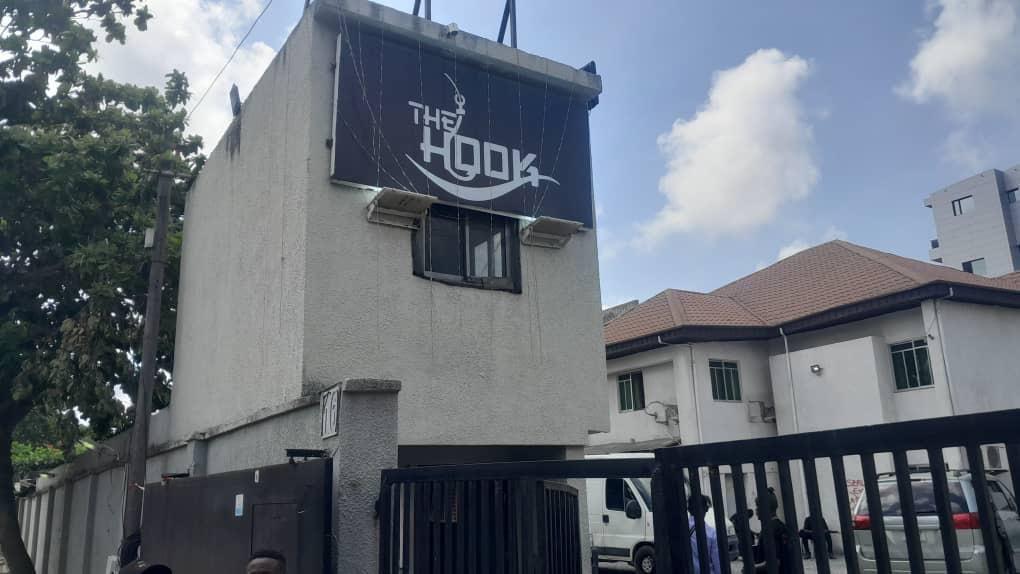
The Victoria Island hotel accounted for the bulk of the proceeds, attracting a winning bid of N5.9 billion during a public auction conducted in Abuja on Monday. Altogether, four properties were successfully sold, while bids submitted for four others fell below the approved reserve prices and were consequently rejected.
The exercise marked one of the most significant asset recovery auctions conducted by the anti-narcotics agency in recent years and underscores a growing determination by authorities to target not only drug traffickers but also the wealth accumulated from illicit activities.
Announcing the results, the Head of Asset Recovery and Management Unit at the Federal Ministry of Justice, Tamarantare Francis Ali-Bozi, disclosed that Tope Ojo and Tunde Olonishakin Estate Firm emerged the successful bidder for the Victoria Island hotel.
Other successful bidders included FSS Limited, which secured a property in Lekki Phase 1, Lagos, with an offer of N219.5 million; A-BNB Global Innovations Limited, which won a block of flats in Ejigbo, Lagos, for N104 million; and Fazeen Global Link Limited, which acquired a property in Akure, Ondo State, for N29.36 million.
Speaking at the ceremony, Chairman and Chief Executive Officer of NDLEA, Brigadier General Buba Marwa (rtd), declared that the auction represented more than a revenue-generating exercise, describing it as a strategic weapon in the fight against organised crime.
Represented by the agency’s Secretary, Shadrach Haruna, Marwa said the disposal of recovered assets sends a strong signal that individuals involved in the illicit drug trade would not be allowed to retain or benefit from the proceeds of their crimes.
He noted that public auctions of forfeited assets help reinforce public trust in the justice system by demonstrating transparency and accountability in the management of recovered properties.

According to him, the agency remains committed to tracking, recovering and disposing of criminal assets in a manner that serves the public interest while strengthening Nigeria’s asset recovery framework.
“We shall continue to pursue drug traffickers, dismantle criminal networks, recover the proceeds of crime and uphold the rule of law without fear or favour,” he stated.
Marwa also stressed that extensive safeguards were put in place to guarantee the integrity of the process. He said all assets were professionally valued by the Federal Ministry of Housing and Urban Development, while auctioneers engaged for the exercise were screened and pre-qualified through procedures approved by the Bureau of Public Procurement.
The NDLEA boss added that representatives of anti-corruption agencies, civil society organisations, the media and members of the public were invited to witness the bid-opening exercise in order to ensure transparency and public confidence.
He maintained that the auction was conducted in strict compliance with the provisions of the Proceeds of Crime (Recovery and Management) Act, 2022, the Public Procurement Act, 2007, and other relevant regulations.
Analysts say the successful sale of the forfeited properties highlights a growing shift in Nigeria’s anti-drug strategy from merely arresting traffickers to systematically dismantling the financial foundations of criminal enterprises.
For law enforcement authorities, the message is unmistakable: drug trafficking may generate vast fortunes, but those fortunes can ultimately be traced, seized and converted into public assets.
NDLEA Sells Drug Barons’ Assets for N6.1bn, Sends Warning to Criminal Networks
ECOWAS Seeks Renewable Energy Revolution to Power Rural Development
By: Michael Mike
The ECOWAS Parliament has launched a fresh push for a renewable energy revolution across West Africa, declaring that access to electricity must become the cornerstone of efforts to tackle poverty, unemployment, food insecurity and economic stagnation in the region’s vast rural communities.
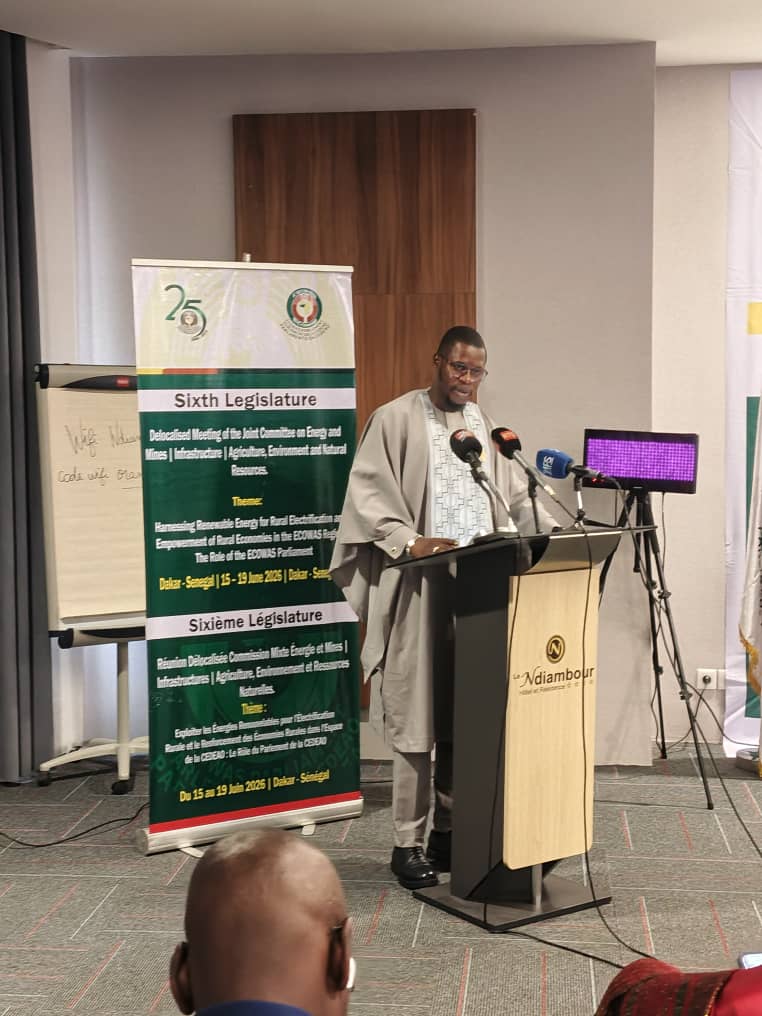
At the opening of a five-day Delocalized Joint Committee Meeting in Dakar, Senegal, lawmakers warned that despite possessing some of the world’s richest solar resources, West Africa remains trapped in an energy paradox that has left millions of people without access to electricity and denied rural economies the opportunity to prosper.
The gathering, which brings together parliamentarians, government officials, development partners, energy experts and private-sector stakeholders from across the ECOWAS region, is focusing on how renewable energy can be deployed to transform rural communities, boost agricultural productivity and stimulate inclusive economic growth.
Speaking on behalf of Speaker of the ECOWAS Parliament, Rt. Hon. Hadja Memounatou Ibrahima, Fourth Deputy Speaker Hon. Billay Tunkara said the region could no longer afford to treat renewable energy merely as an electricity project.
Instead, he argued, it should be seen as a strategic economic tool capable of transforming the fortunes of rural populations that continue to suffer from poor infrastructure, limited opportunities and persistent deprivation.
According to him, expanding access to clean energy would unlock new opportunities for farmers, women entrepreneurs and young people while accelerating industrialisation and strengthening regional development.
“Renewable energy is not merely a technical response to electricity demand. It is a key driver in transforming economic activities, particularly in rural areas,” he said.
The renewed focus on rural electrification comes amid growing concerns that West Africa’s development ambitions are being undermined by chronic energy shortages. Across the region, millions of households remain disconnected from national grids, while businesses spend huge sums on diesel-powered generators to compensate for unreliable electricity supply.
Energy experts have long identified inadequate access to power as one of the biggest obstacles to economic development in the region, limiting industrial growth, constraining agricultural value chains and weakening healthcare and education services.
The situation is even more severe in rural communities where access to electricity remains among the lowest in the world.
Highlighting the scale of the challenge, Head of the Senegalese Delegation to the ECOWAS Parliament, Hon. Guy Marius Sagna, revealed that electricity access among rural households in the ECOWAS region remains at only about 12 per cent despite the sub-region’s enormous renewable energy potential.
He described the disparity as one of the greatest contradictions facing West Africa.
“The figures speak for themselves. Our region possesses exceptional solar potential, yet millions of our people remain without electricity. This gap between available resources and their utilisation must be urgently addressed,” he said.
Sagna argued that achieving energy sovereignty has become essential for the region’s future, insisting that sustainable development would remain elusive unless countries gain greater control over their energy resources and infrastructure.
He linked the region’s energy challenges directly to broader development concerns, including rising unemployment, persistent poverty and food insecurity.
The urgency of the issue was echoed by Chairperson of the Joint Committee on Energy and Mines, Agriculture, Environment and Natural Resources, and Infrastructure, Hon. Fanta Conte, who disclosed that less than 40 per cent of the rural population across ECOWAS member states currently has access to electricity.
She noted that in some of the region’s most remote communities, the figure falls below 10 per cent.
According to her, the consequences extend far beyond lighting homes.
Without electricity, healthcare centres struggle to preserve vaccines and operate equipment, schools are unable to provide modern learning tools, businesses remain small and uncompetitive, while farmers lose opportunities to process and add value to agricultural produce.
Conte said parliamentarians have a critical role to play in ensuring that regional energy commitments are translated into concrete actions through legislation, oversight and implementation at national levels.
The discussions in Dakar are taking place at a time when many African countries are increasingly turning to renewable energy solutions to bridge electricity deficits, expand energy access and meet climate commitments.
Countries such as Senegal have emerged as important examples within the region, investing heavily in solar energy projects and diversifying their energy mix to reduce dependence on traditional energy sources.
Tunkara praised Senegal’s progress under President Bassirou Diomaye Faye, noting that investments in renewable energy infrastructure have expanded access to electricity for hundreds of rural households while strengthening the country’s drive toward energy independence.
Observers said the outcome of the Dakar meeting could have significant implications for the future of energy development in West Africa.
Beyond improving electricity access, advocates argue that a successful renewable energy strategy could stimulate local industries, create jobs, enhance food production, attract investment and improve living standards across a region that is home to more than 400 million people.
The meeting, which runs until June 19, will feature technical presentations, policy deliberations and field visits to renewable energy installations in Mboursine village, with lawmakers expected to produce recommendations aimed at accelerating rural electrification across the ECOWAS bloc.
For a region seeking solutions to some of its most stubborn development challenges, the message emerging from Dakar is clear: the road to economic transformation may well begin with the power generated by the sun.
ECOWAS Seeks Renewable Energy Revolution to Power Rural Development
News
Nigeria Busts Ivory Trafficking Ring, Seizes 130kg Elephant Tusks in Major Wildlife Crime Crackdown
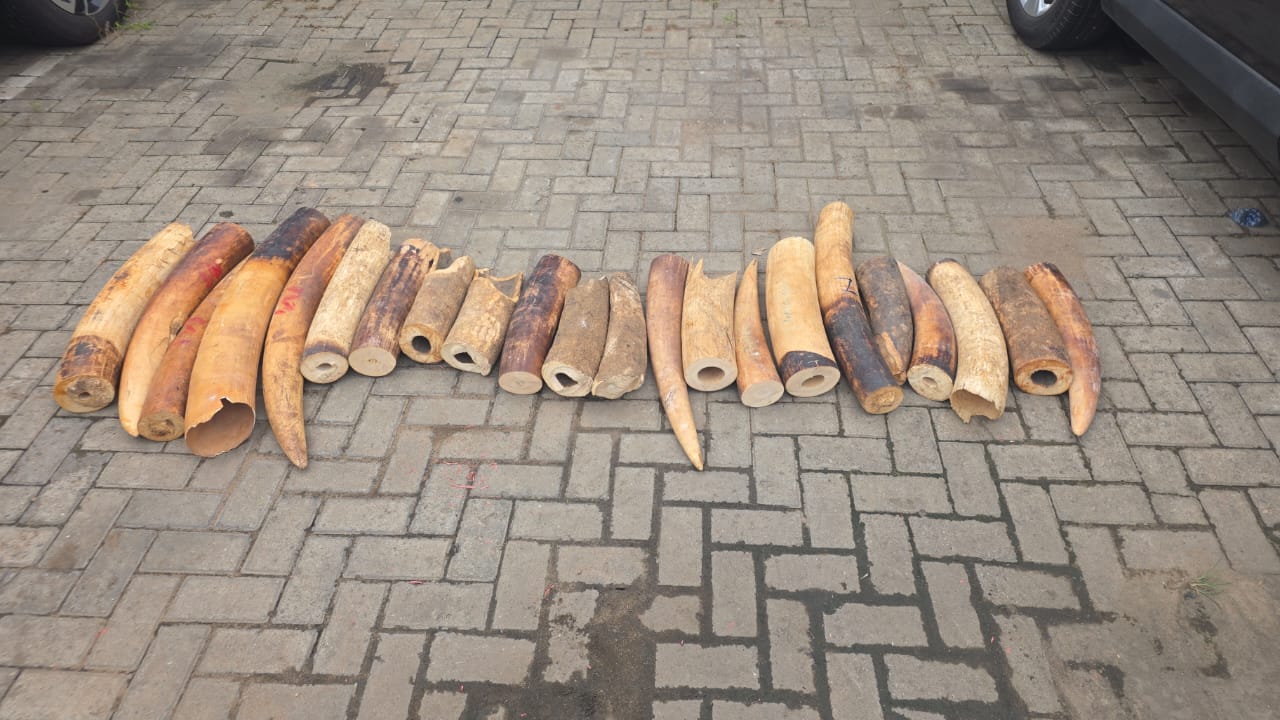
Nigeria Busts Ivory Trafficking Ring, Seizes 130kg Elephant Tusks in Major Wildlife Crime Crackdown
By: Michael Mike
Nigeria has recorded another significant breakthrough in its intensifying war against wildlife trafficking, with security and environmental enforcement agencies arresting four suspected members of an ivory trafficking network and recovering elephant tusks weighing more than 130 kilogrammes in a coordinated operation spanning Lagos and Ogun states.
A statement on Monday by the spokesperson of the National Environmental Standards and Regulations Enforcement Agency (NESREA), Nwamaka Ejiofor, noted that the operation, which was driven by intelligence gathering and surveillance, was carried out jointly by the National Environmental Standards and Regulations Enforcement Agency (NESREA), the Nigeria Customs Service and the Wildlife Justice Commission (WJC), and led to a major disruption of an illegal wildlife trafficking syndicate.
Ejiofor said the suspects were apprehended on Saturday following days of covert monitoring in Ofada, Mowe and parts of Lagos, areas believed to have been used by the network to facilitate the movement and trade of prohibited wildlife products.
She said the enforcement team also intercepted 22 pieces of elephant tusks with a combined weight of 130.84 kilogrammes and impounded a vehicle allegedly linked to the operation.
The latest seizure comes amid growing international concern over the illegal wildlife trade, a multibillion-dollar criminal enterprise that has continued to threaten endangered species across Africa while funding organised transnational criminal networks.
Elephants remain among the most targeted animals by poachers because of the high value of ivory in illegal international markets, particularly in parts of Asia. Conservation groups have repeatedly warned that continued poaching poses a serious threat to the survival of African elephant populations despite global efforts to curb the trade.
Reacting to the operation, Director-General of NESREA, Prof. Innocent Barikor, described the arrests and seizure as a clear demonstration of Nigeria’s determination to combat wildlife crime and prevent the country from being used as a transit point for illicit wildlife products.
According to him, the success of the operation reinforces Nigeria’s commitment to enforcing national and international laws protecting endangered species.
“This is further proof of Nigeria’s zero-tolerance stance on wildlife crimes. Nigeria will not be used as a hub for wildlife trafficking. NESREA and our partners are resolute on this,” he said.
Barikor noted that investigations were continuing to identify and apprehend other members of the criminal network, stressing that authorities were determined to dismantle the entire syndicate and ensure that everyone connected to the illegal trade faces prosecution.
The seizure is particularly significant because elephants are classified under Appendix I of the Convention on International Trade in Endangered Species of Wild Fauna and Flora (CITES), the highest level of international protection accorded to endangered species threatened with extinction.
Under Nigeria’s Endangered Species legislation and the National Environmental (Protection of Endangered Species in Domestic and International Trade) Regulations 2024, the possession, trafficking, sale or export of elephant ivory constitutes a serious criminal offence.
Nigeria has in recent years faced intense scrutiny from conservation bodies and international partners over its role as a transit route for illegal wildlife products moving from Central and West Africa to overseas markets.
However, sustained collaboration between Nigerian authorities and international partners has resulted in a series of high-profile interceptions, arrests and prosecutions aimed at dismantling trafficking networks operating across the region.
Wildlife experts say the latest operation represents another important step in strengthening Nigeria’s reputation as a country increasingly committed to combating environmental crimes and fulfilling its international obligations in the protection of endangered species.
With investigations still underway, officials say more arrests may follow as law enforcement agencies intensify efforts to track the source and intended destination of the seized ivory.
The latest bust is expected to send a strong warning to wildlife traffickers that Nigeria’s enforcement agencies are tightening the net around criminal networks profiting from the destruction of some of the world’s most endangered species.
Nigeria Busts Ivory Trafficking Ring, Seizes 130kg Elephant Tusks in Major Wildlife Crime Crackdown

NDLEA Sells Drug Barons’ Assets for N6.1bn, Sends Warning to Criminal Networks

ECOWAS Seeks Renewable Energy Revolution to Power Rural Development

Nigeria Busts Ivory Trafficking Ring, Seizes 130kg Elephant Tusks in Major Wildlife Crime Crackdown

Roger Federer’s Shock as DNA Results Reveal Myla and Charlene Are Not His Biological Children

THE PLIGHT OF FARIDA

FAILED COUP IN BURKINA FASO: HOW TRAORÉ NARROWLY ESCAPED ASSASSINATION PLOT AMID FOREIGN INTERFERENCE CLAIMS
-
 News2 years ago
Roger Federer’s Shock as DNA Results Reveal Myla and Charlene Are Not His Biological Children
-
Opinions4 years ago
THE PLIGHT OF FARIDA
-
 News1 year ago
FAILED COUP IN BURKINA FASO: HOW TRAORÉ NARROWLY ESCAPED ASSASSINATION PLOT AMID FOREIGN INTERFERENCE CLAIMS
-

 News2 years ago
EYN: Rev. Billi, Distortion of History, and The Living Tamarind Tree
-
 Opinions4 years ago
POLICE CHARGE ROOMS, A MINTING PRESS
-

 ACADEMICS2 years ago
A History of Biu” (2015) and The Lingering Bura-Pabir Question (1)
-

 Columns2 years ago
Army University Biu: There is certain interest, but certainly not from Borno.
-

 Politics1 year ago
2027: Why Hon. Midala Balami Must Go, as Youths in Hawul and Asikira/Uba Federal Constituency Reject ₦500,000 as Sallah Gift
