
Agriculture
Distinguished Senator Abubakar Kyari, a Leader in His Season

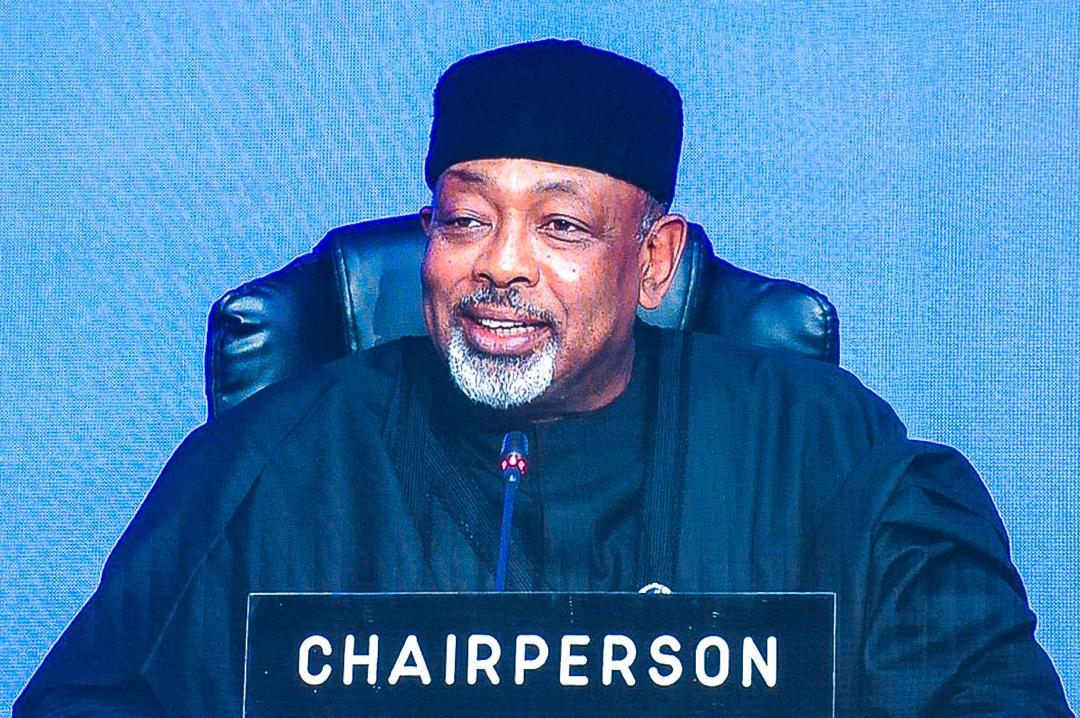
Distinguished Senator Abubakar Kyari, a Leader in His Season
By: Dr. James Bwala
The emergence of Distinguished Senator Abubakar Kyari as the Chairman of the 49th Governing Council of the International Fund for Agricultural Development (IFAD) marks a pivotal moment not only for him personally but also for the agricultural landscape of Nigeria, particularly benefiting Borno State and the North-East region. This prestigious appointment serves as a commemorative milestone in his career and underscores the vital role of agricultural leadership in promoting food security and sustainable development. At this juncture, it is crucial to delve deeper into what this role means not just for Senator Kyari, but for Nigeria as a whole, and why his leadership is essential in our current season.
READ ALSO: https://newsng.ng/the-transformative-role-of-leadership-in-agriculture-a-tribute-to-senator-abubakar-kyari/
Senator Abubakar Kyari’s commitment to agricultural development is no secret. Over the years, through his various legislative initiatives, he has championed the cause of enhancing agricultural productivity and ensuring food security across Nigeria. His efforts have addressed pressing issues such as improved irrigation systems, investment in agricultural technologies, and support for farmers, especially in the Northern regions. This is particularly important because agriculture remains one of the key sectors that can drive Nigeria’s economy, foster job creation, and reduce poverty. As the newly appointed chairman of IFAD’s governing council, Senator Kyari is now in an even stronger position to influence policy decisions on a global platform, advocating for Nigeria’s agricultural interests.
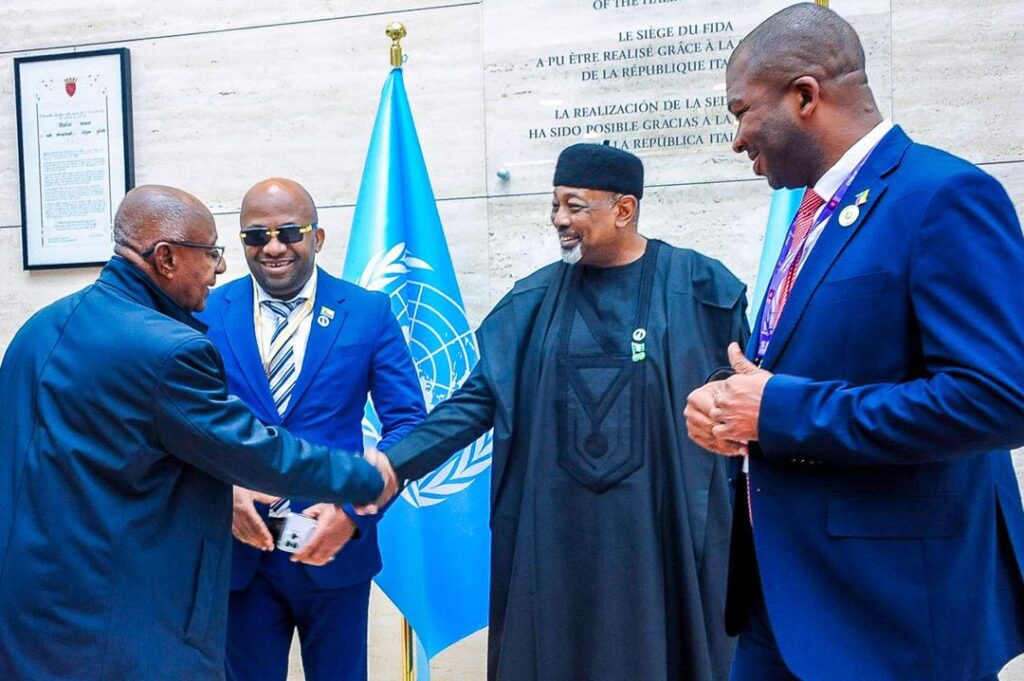
The recognition of Senator Kyari at the international level is not merely ceremonial; it highlights the inherent potential of Nigerian agriculture to thrive on a global stage. In recent years, Nigeria has faced numerous challenges, including climate change, insecurity, and economic instability, which have significantly affected agricultural productivity. Senator Kyari’s ascension to this key leadership role comes with the opportunity to leverage international partnerships, attract foreign investments, and implement best practices from around the world to fortify Nigeria’s agricultural infrastructure.
READ ALSO: https://newsng.ng/the-transformative-role-of-leadership-in-agriculture-a-tribute-to-senator-abubakar-kyari/
A critical component of Senator Kyari’s vision for Nigerian agriculture involves embracing innovation and sustainability. Climate-smart agriculture is no longer a mere recommendation but an imperative given the escalating effects of global warming. Under Senator Kyari’s leadership, we can expect a concerted effort towards promoting practices that preserve our environment while ensuring the agricultural output remains robust. This vision aligns with the Sustainable Development Goals (SDGs), particularly Goal 2, which seeks to end hunger, achieve food security and improved nutrition, and promote sustainable agriculture. By focusing on sustainability, Kyari can help shape policies that transform farming into a profitable venture while safeguarding the environment for future generations.
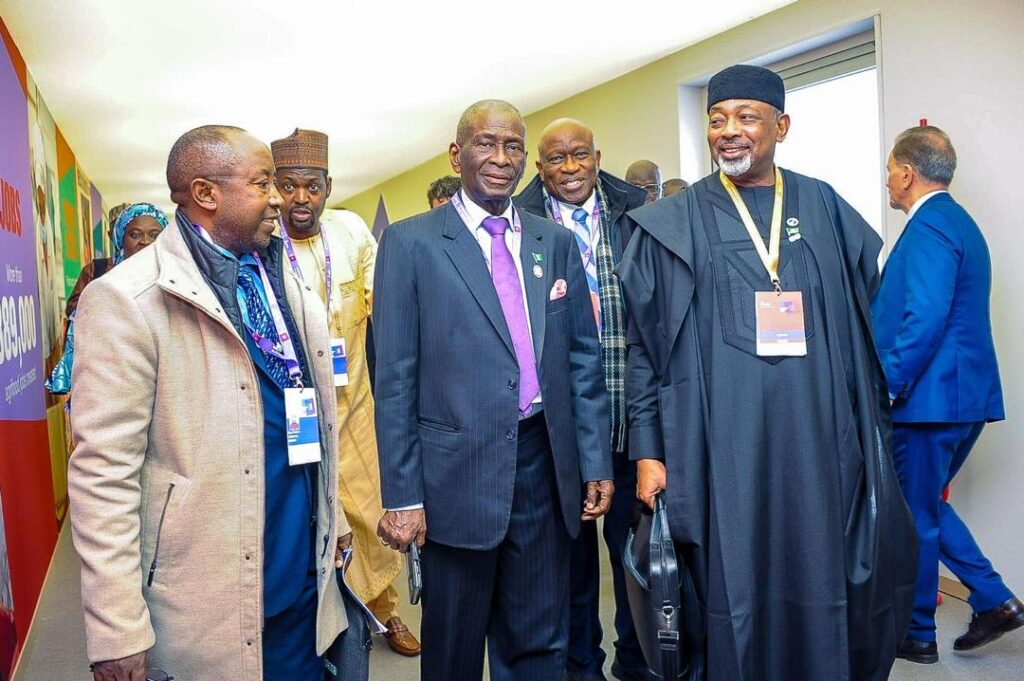
It is pertinent to focus on the socio-economic implications surrounding agriculture in Nigeria. With a growing population, the demand for food is increasing at an alarming rate. The responsibility to meet this demand falls heavily on our agricultural sector. Senator Kyari has the unique opportunity to lead initiatives that integrate technology into farming practices, facilitate access to credit for smallholder farmers, and enhance market linkages. By fostering an environment where farmers can thrive economically, he will contribute significantly to poverty alleviation, promote rural development, and enhance food security across the nation. The ripple effect of these initiatives will not only uplift individual farmers and their families but will also strengthen community resilience against economic downturns.
READ ALSO: https://newsng.ng/the-transformative-role-of-leadership-in-agriculture-a-tribute-to-senator-abubakar-kyari/
The collaborative aspect of Senator Kyari’s role cannot be overstated. Agriculture thrives where there is collaboration among stakeholders – from policymakers, farmers, and agribusinesses to research institutions and non-governmental organizations. His ability to forge partnerships will be vital in bringing together resources and expertise that can drive innovative solutions to the complex challenges facing Nigerian agriculture. The support of IFAD and other international bodies can be harnessed effectively under his stewardship to bolster local capacities and expand agricultural value chains.
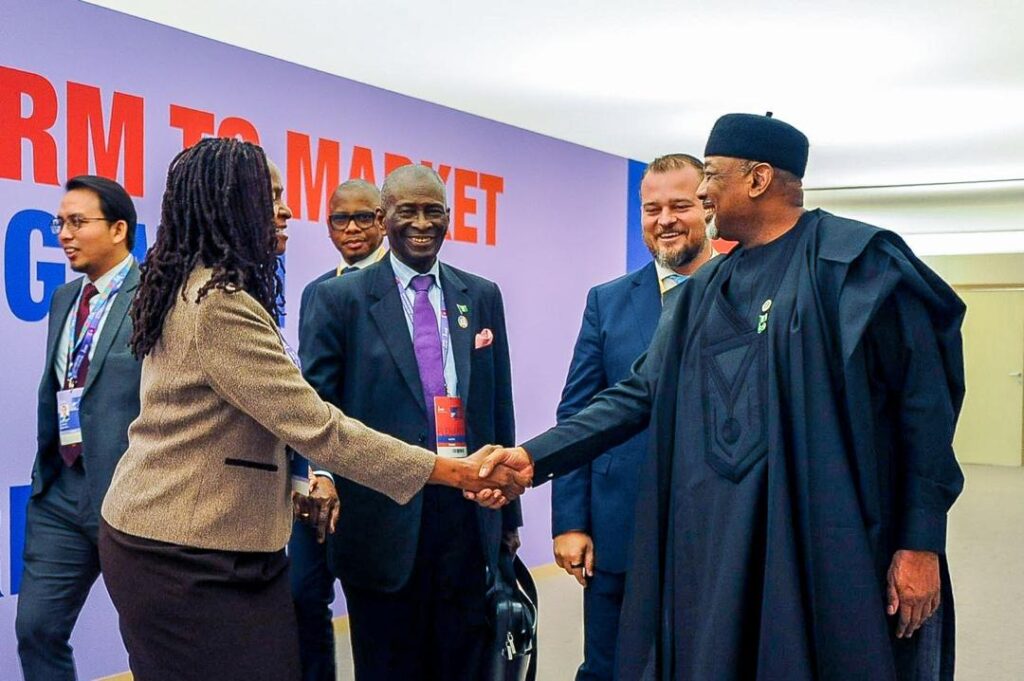
In this context, it is the duty of the citizens, especially those of Borno State and the North-East, to actively support and engage with Senator Kyari’s initiatives. Advocacy from local communities will play an essential role in shaping a receptive policy environment that addresses grassroots challenges. Senator Kyari’s strength as a leader will be measured by his ability to listen and respond to the needs of the farmers and communities he serves. Therefore, it is paramount that the people of Borno, the North-East region, and Nigeria at large remain vigilant and proactive in participating in the agricultural discourse, ensuring their voices are heard and considered.
READ ALSO: https://newsng.ng/the-transformative-role-of-leadership-in-agriculture-a-tribute-to-senator-abubakar-kyari/
As we celebrate the achievements of Distinguished Senator Abubakar Kyari, it is equally important to reflect on the road ahead. Nigeria stands on the brink of potential agricultural transformation, given the right leadership and strategic investment. Under Senator Kyari’s guidance, there is hope for a revitalized agricultural sector that supports livelihoods and engages youth, who represent the future of farming. The vision of a prosperous agricultural economy must transcend rhetoric; it should manifest through actionable policies and tangible results that can be showcased to the world.
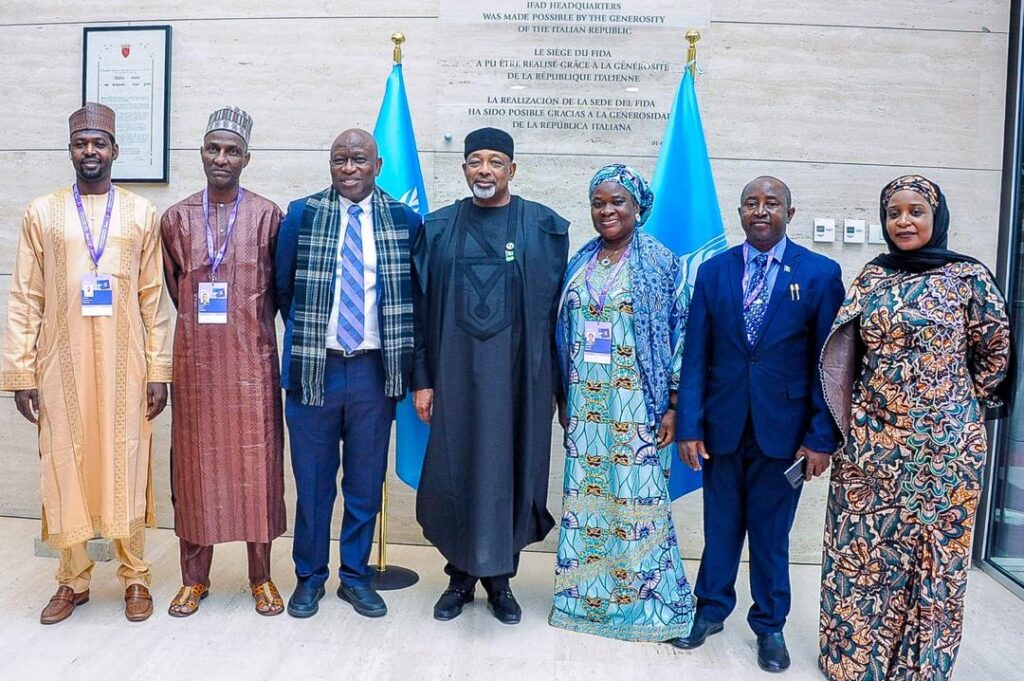
The emergence of Senator Abubakar Kyari as the Chairman of the 49th Governing Council of IFAD is not just a personal achievement; it is a beacon of hope for the agricultural sector of Nigeria. His experience, commitment, and strategic outlook promise to usher in a new era of sustainable agricultural practices that prioritize food security and economic development. As we congratulate him on this significant milestone, let us also rally behind him, offering our support and collaboration in the pursuit of a thriving agricultural future for Nigeria. Indeed, in this season of leadership, distinguished Senator Abubakar Kyari stands tall, equipped to navigate the challenges and opportunities of a changing not only agricultural landscape but on any ground he decides to stand on.
* James Bwala, PhD, writes from Abuja.
Distinguished Senator Abubakar Kyari, a Leader in His Season


Senator Abubakar Kyari: A Renewed Hope for Nigeria’s Agricultural Revolution
By: Dr. James Bwala
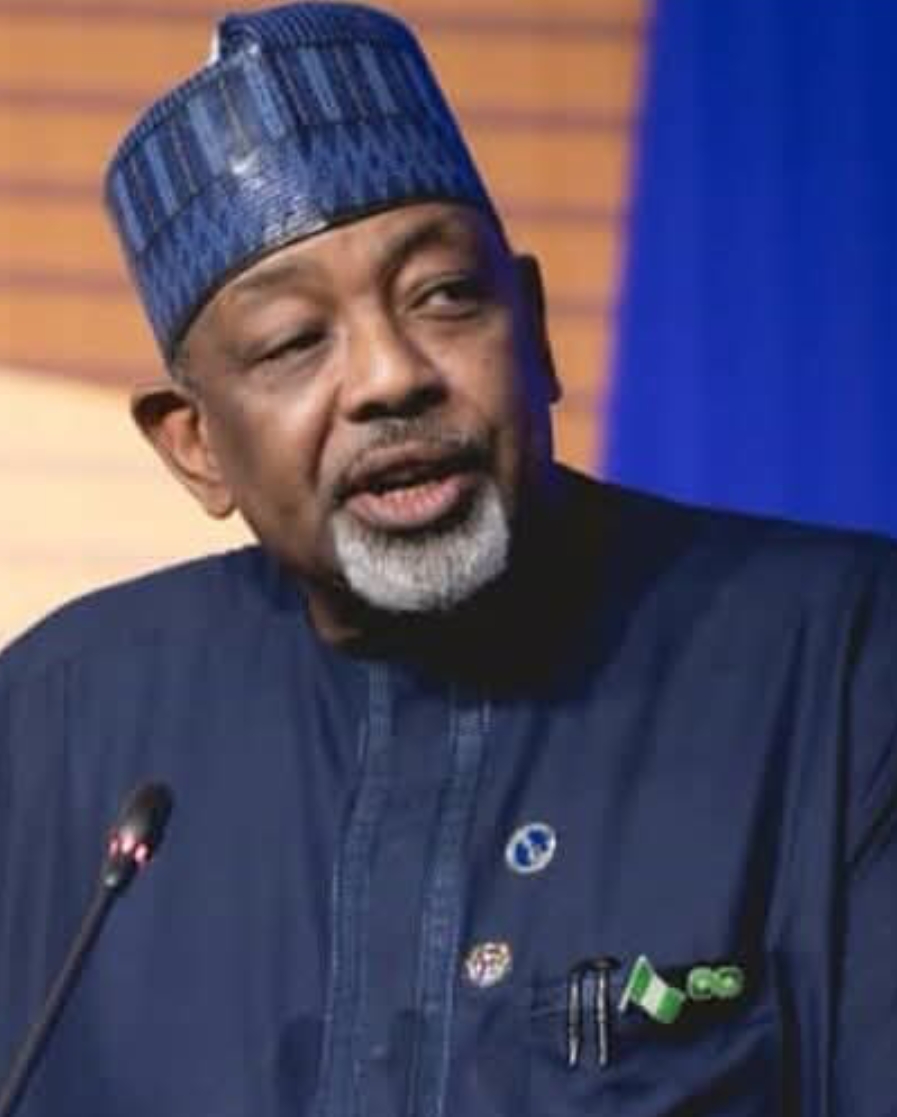
Food security stands as one of the most pressing challenges in the world today, and the role of agricultural leadership has become so important in shaping sustainable futures. The recent ascent of Senator Abubakar Kyari as Nigeria’s Hon. Minister of Agriculture and Food Security is not merely a political event; it marks a transformative era for Nigeria’s agricultural landscape. With the support of President Bola Ahmed Tinubu and the invaluable partnership with the International Fund for Agricultural Development (IFAD), Kyari is poised to rebrand Nigeria’s agricultural sector and address the multifaceted issues of rural economies, employment creation, and food security. The recognition of Senator Kyari’s contributions and potential impact on agriculture, while elucidating the strategic importance of his leadership and partnerships in achieving these ambitious goals, is his unmatched scorecard.
Senator Abubakar Kyari embodies a blend of experience, passion, and vision, all crucial attributes for any leader not only in agriculture but also in governance at any given stage. His election as chairperson to lead IFAD at its 49th session is a testament to his capabilities and global trust. Being loved by delegates from over 120 countries signifies his diplomatic acumen and capacity to communicate Nigeria’s agricultural needs effectively on an international platform. Kyari’s focus on transforming rural economies through agricultural innovation reflects his understanding of the socio-economic dynamics that govern food production and distribution in Nigeria.
READ ALSO: https://newsng.ng/ifad-when-kyari-speaks-of-president-tinubus-continued-support-for-agriculture-and-food-security-in-nigeria/
Kyari recognizes that agricultural sustainability cannot be achieved solely through policy changes; it requires a collaborative approach that involves farmers, entrepreneurs, researchers, and international bodies. This perspective leads to participatory governance, where those directly affected by agricultural policies play an integral role in shaping them.
The significance of the partnership with IFAD cannot be overstated. IFAD has been instrumental in funding and implementing programs that aim to enhance rural livelihoods and food security around the globe. Under Kyari’s leadership, Nigeria can leverage this partnership to access technical expertise, financial resources, and innovative agricultural practices that have been successful in other regions.
READ ALSO: https://newsng.ng/ifad-when-kyari-speaks-of-president-tinubus-continued-support-for-agriculture-and-food-security-in-nigeria/
While rebranding Nigeria’s approach to agriculture, Kyari envisions an industry that not only feeds the nation but also generates substantial income for rural youths. This strategy prioritizes modern farming techniques, agro-processing, and value chains that ensure profitability for smallholder farmers. He understands that empowering these farmers goes beyond mere provision of inputs; it encompasses education, access to markets, and the establishment of cooperative societies, fostering a sense of community among agri-preneurs.
Job creation remains one of the most challenging issues facing Nigeria today. The agricultural sector holds immense potential for employment, especially for the youth. Senator Kyari’s endeavors to strengthen food security hinge upon the belief that a robust agricultural industry can serve as a catalyst for job creation. By promoting initiatives that encourage entrepreneurship within agriculture, such as agribusiness training programs and access to microfinance, Kyari is effectively paving the way for young Nigerians to secure livelihoods in this vital sector.
READ ALSO: https://newsng.ng/ifad-when-kyari-speaks-of-president-tinubus-continued-support-for-agriculture-and-food-security-in-nigeria/
His focus on strengthening food security through agricultural modifications will stabilize prices, improve accessibility, and encourage local consumption of Nigerian produce. This not only enhances national self-sufficiency but also reduces dependency on foreign imports, thereby reinforcing the local economy. Through his strategies, Kyari aims to inspire a new generation of agriculturalists who see agriculture not merely as a means of survival but as a gateway to prosperity.
With the steady increase in the global population, food security continues to be a priority for nations worldwide. In Nigeria, the urgency to address this issue is further exacerbated by conflicts, climate change, and economic instability. Senator Abubakar Kyari recognizes these challenges and is committed to fortifying food security within the country. His leadership plans to implement policies that support climate-smart agriculture, focusing on resilience and sustainability, are creating a wave of hope for both women and men holding to the renewed hope initiative in agriculture.
READ ALSO: https://newsng.ng/ifad-when-kyari-speaks-of-president-tinubus-continued-support-for-agriculture-and-food-security-in-nigeria/
Under his stewardship, there is a growing emphasis on research and development tailored to Nigeria’s unique climatic conditions. Collaborations with universities and research institutions can lead to innovations in crop varieties, pest management, and sustainable farming techniques. Investing in technology will not only enhance productivity but also attract young people to agriculture, ensuring that the sector evolves in line with modern demands.
The youth demographic in Nigeria is burgeoning; thus, engaging them meaningfully in agriculture is imperative for long-term sustainability. Senator Kyari’s vision resonates particularly well with the aspirations of young Nigerians who seek viable career paths. Through targeted outreach programs that highlight success stories in agribusiness, as well as mentorship opportunities, Kyari can inspire a sense of ownership and pride in the agricultural sector.
READ https://newsng.ng/ifad-when-kyari-speaks-of-president-tinubus-continued-support-for-agriculture-and-food-security-in-nigeria/
Additionally, leveraging modern technological advancements—such as mobile applications for market information, e-learning platforms for skill acquisition, and social media for awareness campaigns—will play a key role in reaching out to the tech-savvy younger generation. These strategies will not only promote agricultural practices but can also serve as pathways to connect aspiring agri-preneurs with established practitioners, ensuring knowledge transfer and business networking.
President Tinubu’s support for Senator Kyari’s initiatives is crucial, as it offers the political backing necessary for impactful reforms in agriculture. A strong policy framework that facilitates investment in infrastructure—such as irrigation systems, roads for efficient transportation of goods, and storage facilities—will significantly reduce post-harvest losses, a critical issue facing Nigerian farmers today.
READ ALSO: https://newsng.ng/ifad-when-kyari-speaks-of-president-tinubus-continued-support-for-agriculture-and-food-security-in-nigeria/
The legislative measures that protect smallholder farmers and ensure fair trade practices are essential for cultivating a favorable environment for agricultural growth. The commitment to creating a vibrant agricultural sector must resonate throughout government levels, ensuring that policies align with the larger vision of economic transformation.
Senator Abubakar Kyari stands at the forefront of a critical juncture for Nigerian agriculture. His leadership, fueled by a partnership with IFAD and political support from President Tinubu, positions him uniquely to facilitate transformative changes in the agricultural landscape of Nigeria. By emphasizing rural economic development, job creation, and food security, Kyari embodies the hope of many Nigerians aspiring to revitalize and modernize agriculture in the country.
READ ALSO: https://newsng.ng/ifad-when-kyari-speaks-of-president-tinubus-continued-support-for-agriculture-and-food-security-in-nigeria/
As Kyari pursues his goals, it becomes imperative for stakeholders at all levels—government, private sector, and civil society—to rally behind these initiatives, ensuring that the vision of a prosperous agricultural future is realized. Together, we can foster a resilient agricultural sector that not only secures food for our populace but also drives economic growth, generates employment, and ultimately leads Nigeria towards its rightful place as a leader in global food security.
James Bwala, PhD, writes from Abuja.
Senator Abubakar Kyari: A Renewed Hope for Nigeria’s Agricultural Revolution

Confidence, hope for Nigeria’s agriculture: President Tinubu’s message to Sen. Kyari
By: Dr. James Bwala
In recent years, the world has faced unprecedented challenges related to food security, agricultural productivity, and sustainable development. These issues are particularly pressing in Nigeria, a nation blessed with vast agricultural resources yet grappling with the complicated realities of food scarcity and economic instability. President Bola Tinubu’s acknowledgment of Senator Abubakar Kyari’s emergence as the Chairperson of the Governing Council of the International Fund for Agricultural Development (IFAD) isn’t merely ceremonial; it symbolizes a pivotal confidence vote in Nigerian agricultural leadership at a crucial juncture in history under the distinguished leadership of Sen. Abubakar Kyari.
Senator Kyari has been a silent achiever and has touched millions of lives through his ministry from the grassroots. His election as Chairperson of IFAD is not just a personal achievement; it represents a greater endorsement of the direction Nigeria is heading under his stewardship in the Ministry of Agriculture and Food Security. By electing Kyari, IFAD has signaled its recognition of his ability to effect meaningful change within the agricultural sector, both domestically and internationally. This acknowledgment emphasized how Kyari’s leadership significantly enhanced Nigeria’s role in combating global food insecurity and reshaping agricultural practices.
READ ALSO: https://newsng.ng/nigerias-minister-of-agriculture-and-food-security-sen-abubakar-kyari-a-strategic-leadership-for-global-agricultural-governance/
It is essential to understand President Tinubu’s message and the context surrounding Kyari’s election. The global landscape of food security is fraught with challenges, including climate change, rising populations, and economic instability. With these complexities in mind, President Tinubu’s confidence in Kyari is rooted in an understanding of his capabilities to navigate these tumultuous waters effectively. The minister’s track record in implementing reforms within Nigeria’s agricultural framework illustrates a profound commitment to enhancing the nation’s food security mechanisms. Under his guidance, there have been efforts focused on increasing agricultural productivity, expanding access to financing for farmers, and fostering innovation through technology. This groundwork is precisely what is needed as he steps into this prominent international role.
Kyari’s position at IFAD provides Nigeria with an invaluable opportunity to advocate for its agricultural policies on a global stage. The IFAD governing council functions as a key platform for member states to collaborate on innovative solutions to common problems, share best practices, and mobilize funding for agricultural projects. As Chairperson, Kyari will have a unique opportunity to influence the allocation of resources and direct attention to Nigeria’s specific needs and challenges. His leadership can usher in partnerships that focus on sustainable agricultural practices, community empowerment, and food distribution networks, ultimately enhancing local economies.
READ ALSO: https://newsng.ng/nigerias-minister-of-agriculture-and-food-security-sen-abubakar-kyari-a-strategic-leadership-for-global-agricultural-governance/
Nigeria’s agricultural potential remains largely untapped due to systemic challenges such as inadequate infrastructure, limited access to markets, and insufficient investment in research and development. Senator Kyari’s experience positions him well to articulate these challenges at IFAD, advocating for targeted assistance that can help Nigeria transform its agricultural landscape. In his new role, he can not only highlight domestic priorities but also provide authentic insights into the realities faced by smallholder farmers, who play a crucial role in food production and rural economies. By elevating their voices within the international community, Kyari can work towards policies that build resilience among these vulnerable populations.
The implications of Kyari’s leadership extend into the realm of international cooperation. As the world confronts the issue of food security, there is a growing recognition of the need for collaborative approaches among countries. President Tinubu’s congratulations to Kyari underscore the importance of fostering diplomatic relationships that can lead to knowledge exchange and capacity-building initiatives. By leveraging his new position, Kyari can spearhead initiatives aimed at sharing technological advancements, improving supply chain logistics, and developing sustainable practices that address the challenges posed by climate change.
READ ALSO: https://newsng.ng/nigerias-minister-of-agriculture-and-food-security-sen-abubakar-kyari-a-strategic-leadership-for-global-agricultural-governance/
However, it is vital to remember that Kyari’s success at the helm of IFAD will also depend on how effectively he engages with the diverse stakeholders involved in agricultural development—non-governmental organizations, development partners, and private-sector actors. His approach must be inclusive, drawing upon the expertise and experiences of individuals and organizations that have been working tirelessly to address food security challenges. Engaging in dialogues that prioritize sustainability and inclusivity will position Nigeria as a leader in international agricultural discourse while ensuring that reforms resonate with local needs.
While focusing on domestic reforms and international advocacy, it will be essential for Kyari to address the interconnections between agriculture and other sectors, such as health, education, and gender equity. Food security cannot be achieved in isolation; it requires a comprehensive approach that considers social determinants and fosters holistic development. For instance, fostering gender inclusivity in agricultural practices can yield significant benefits, amplifying women’s roles in food production and decision-making processes. By incorporating these broader considerations into agricultural strategies, Senator Kyari can enhance the overall impact of his initiatives.
READ ALSO: https://newsng.ng/nigerias-minister-of-agriculture-and-food-security-sen-abubakar-kyari-a-strategic-leadership-for-global-agricultural-governance/
The renewed emphasis on agricultural development also aligns with global goals, such as the United Nations’ Sustainable Development Goals, specifically Goal 2: Zero Hunger. As Kyari leads Nigeria’s advocacy at IFAD, he has the opportunity to align national policies with these global objectives, ensuring that Nigeria contributes to and benefits from international efforts to combat hunger and malnutrition. Such alignment will not only enhance Nigeria’s standing on the global stage but also attract investment and support from international entities dedicated to achieving these goals.
To conclude, President Bola Tinubu’s commendation of Senator Abubakar Kyari upon his election as Chairperson of the Governing Council of IFAD is emblematic of hope and strategic vision for Nigeria’s agricultural landscape. Through effective leadership, deep engagement with stakeholders, and a commitment to sustainable practices, Kyari has the potential to transform the narrative surrounding Nigeria’s agriculture and food security. His tenure at IFAD can mark a transformative period where Nigeria enhances its contributions to global agricultural discourse and strives towards achieving food security for its population. As we stand at the crossroads of agricultural challenges and opportunities, Kyari’s leadership offers a beacon of hope that could significantly reshape the future of food in Nigeria and beyond.
* James Bwala, PhD, writes from Abuja.
Confidence, hope for Nigeria’s agriculture: President Tinubu’s message to Sen. Kyari

Wheat Production: Zulum Flags Off FG’s Agricultural Inputs Distribution
By: Our Reporter
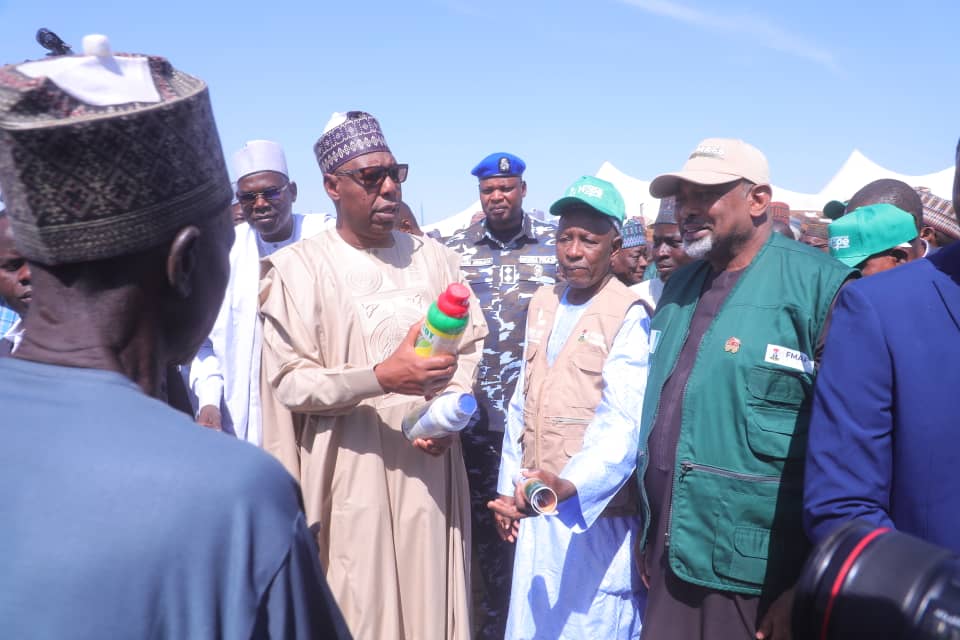
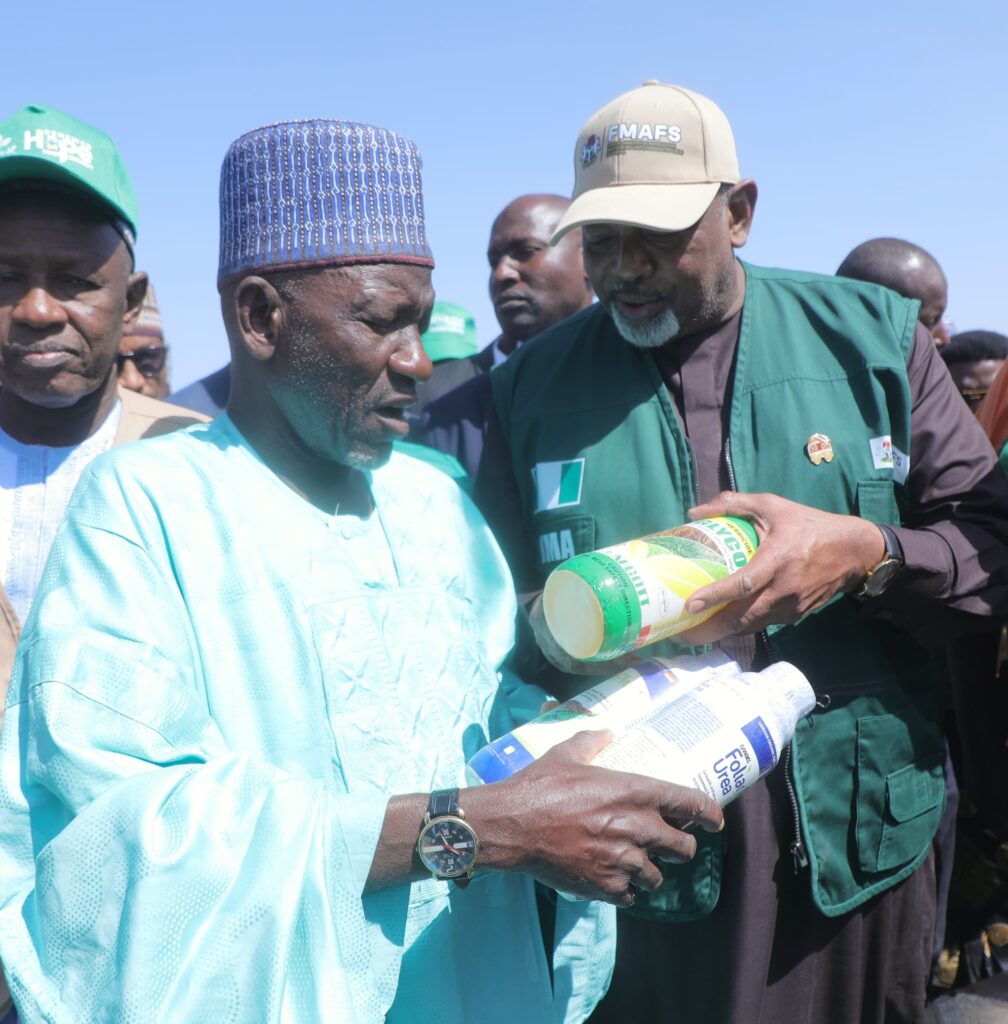
Borno State Governor, Professor Babagana Umara Zulum, has flagged off the distribution of critical agricultural inputs for the 2025/2026 dry season wheat farming.
The distributed inputs include high-yielding wheat seeds, blended fertilisers, tractors, and pesticides.
The event, held on Saturday at the Jere Bowl in Dusuman, Jere Local Government, marked the commencement of the Federal Government’s intervention programme for wheat cultivation in Nigeria.
The initiative is being implemented under the National Agricultural Growth Scheme and Agro-Pocket (NAGS-AP), a flagship programme of the Federal Ministry of Agriculture and Food Security designed to empower farmers and reduce the country’s reliance on food imports.

Governor Zulum, while addressing beneficiaries and stakeholders, noted that the programme aligns with his administration’s commitment to revitalising the agricultural sector.
He said, “Here in Borno State, wheat cultivation is not just a programme; it is a transformative initiative. Through targeted investments in irrigation, mechanisation, quality inputs, and extension services, we are equipping farmers to achieve higher yields, enhance productivity, and contribute meaningfully to national output.”
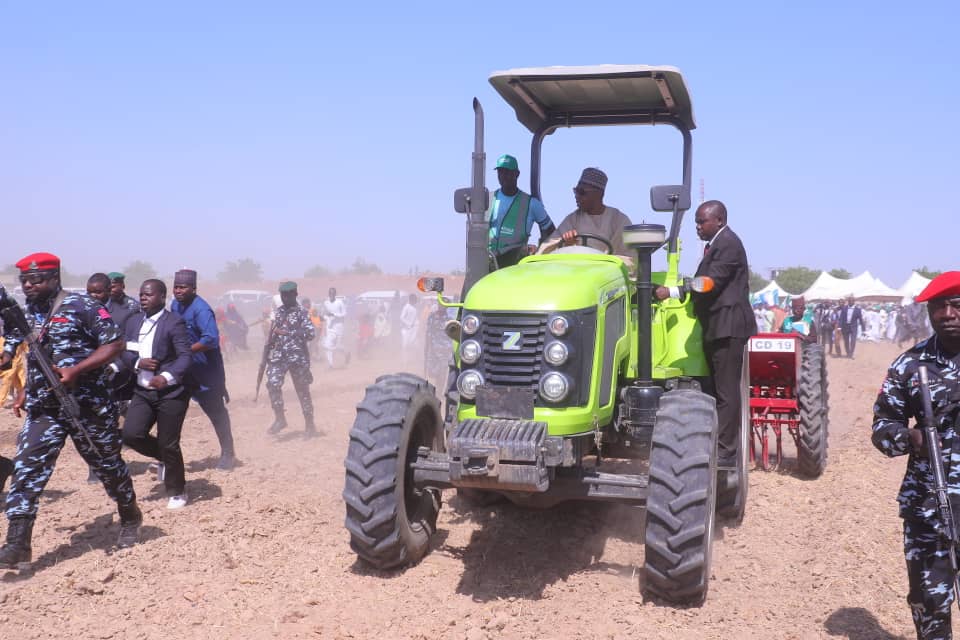
He further stated, “Borno State has achieved remarkable milestones under our people-centred agricultural vision. Our input support programmes have reached tens of thousands of smallholder farmers, resettled households, women, and youth, providing improved seeds, agrochemicals, and agronomic guidance.”
Zulum commended President Tinubu’s food security initiative under the Renewed Hope Agenda. He stated, “Let me begin by acknowledging the steadfast leadership of President Bola Ahmed Tinubu, GCFR, whose Renewed Hope Agenda has continued to champion transformative investments in agriculture across Nigeria.”
Zulum also said, “Mr President’s commitment to food security and national productivity provides the foundation upon which programmes like this are built.”
The governor expressed gratitude to the Minister of Agriculture and Food Security, noting, “I also express profound appreciation to the Federal Ministry of Agriculture and Food Security, under the leadership of the Honourable Minister, His Excellency Senator Abubakar Kyari, for sustaining this national programme and for selecting Borno State as one of the priority locations for scaled wheat production.”
Speaking earlier, the Minister of Agriculture and Food Security, Senator Abubakar Kyari, noted that 16 states will benefit from the NAGS-AP wheat component of the 2025/2026 season.
“Today, the wheat component of the NAG-AP programme covers 16 wheat-producing states of the federation. These are Adamawa, Bauchi, Borno, Cross River, Gombe, Kaduna, Kano, Kebbi, Niger, Plateau, Sokoto, Taraba, Yobe, and Zamfara,” Sen Kyari said.
According to the minister, “for the current 2025/2026 season, the programme is targeting 80,000 registered farmers with an expected output value of approximately N160b.”
He added, “Out of the 40,000 hectares earmarked for wheat production, the 2025/2026 dry season, 3,000 hectares have been allocated to Borno State, representing 6,000 wheat farmers. This support will be followed by the second phase of the programme, which will promote the cultivation of other priority top value chains across the state.”
Delivering the welcome address, Borno’s Commissioner for Agriculture and Natural Resources, Engr Bawu Musami, enumerated the achievements of the Zulum administration in the agricultural sector.
The commissioner stated that an ambitious South Sudan irrigation scheme and Baga Folders projects have been activated, with thousands of farmers cultivating a variety of produce.
The occasion was attended by the senator representating Borno Central, Kaka Shehu Lawan; Member Representing Maiduguri at the House of Representatives, Abdulkadir Rahis; that of Marte, Monguno and Nganzai, Engr Bukar Talba.
Other dignitaries include the Shehu of Borno, Abubakar Ibn Umar Garbai Elkanemi; the Deputy Speaker of Borno State House of Assembly, Engr Abdullahi Askira; the Acting Chief of Staff, Dr Babagana Mustapha Mallumbe; and other senior government officials.
Wheat Production: Zulum Flags Off FG’s Agricultural Inputs Distribution

Yobe: Wali visits Emir of Damaturu

Police Arrest Two Suspected One-Chance Robbery Syndicate Members in Lagos

Fire Razes Building Material Shops in Satellite Town, Lagos

Roger Federer’s Shock as DNA Results Reveal Myla and Charlene Are Not His Biological Children

THE PLIGHT OF FARIDA

FAILED COUP IN BURKINA FASO: HOW TRAORÉ NARROWLY ESCAPED ASSASSINATION PLOT AMID FOREIGN INTERFERENCE CLAIMS
-
 News2 years ago
Roger Federer’s Shock as DNA Results Reveal Myla and Charlene Are Not His Biological Children
-
Opinions5 years ago
THE PLIGHT OF FARIDA
-
 News1 year ago
FAILED COUP IN BURKINA FASO: HOW TRAORÉ NARROWLY ESCAPED ASSASSINATION PLOT AMID FOREIGN INTERFERENCE CLAIMS
-

 News2 years ago
EYN: Rev. Billi, Distortion of History, and The Living Tamarind Tree
-
 Opinions5 years ago
POLICE CHARGE ROOMS, A MINTING PRESS
-

 ACADEMICS2 years ago
A History of Biu” (2015) and The Lingering Bura-Pabir Question (1)
-

 Columns2 years ago
Army University Biu: There is certain interest, but certainly not from Borno.
-

 Politics1 year ago
2027: Why Hon. Midala Balami Must Go, as Youths in Hawul and Asikira/Uba Federal Constituency Reject ₦500,000 as Sallah Gift
