
Crime
Drug baroness, 4 kingpins arrested as NDLEA busts 3 syndicates in Lagos

Drug baroness, 4 kingpins arrested as NDLEA busts 3 syndicates in Lagos
By: Michael Mike
Operatives of a special unit of the National Drug Law Enforcement Agency (NDLEA) have smashed three major illicit drug syndicates.
According to a statement by the spokesman of the anti-narcotics agency, Femi Babafemi, the syndicates were smashed in intelligence-led operations across parts of Lagos state, leading to the arrest of a baroness and four other kingpins with multi-billion naira worth of cocaine, opioids and loud recovered from their hideouts.
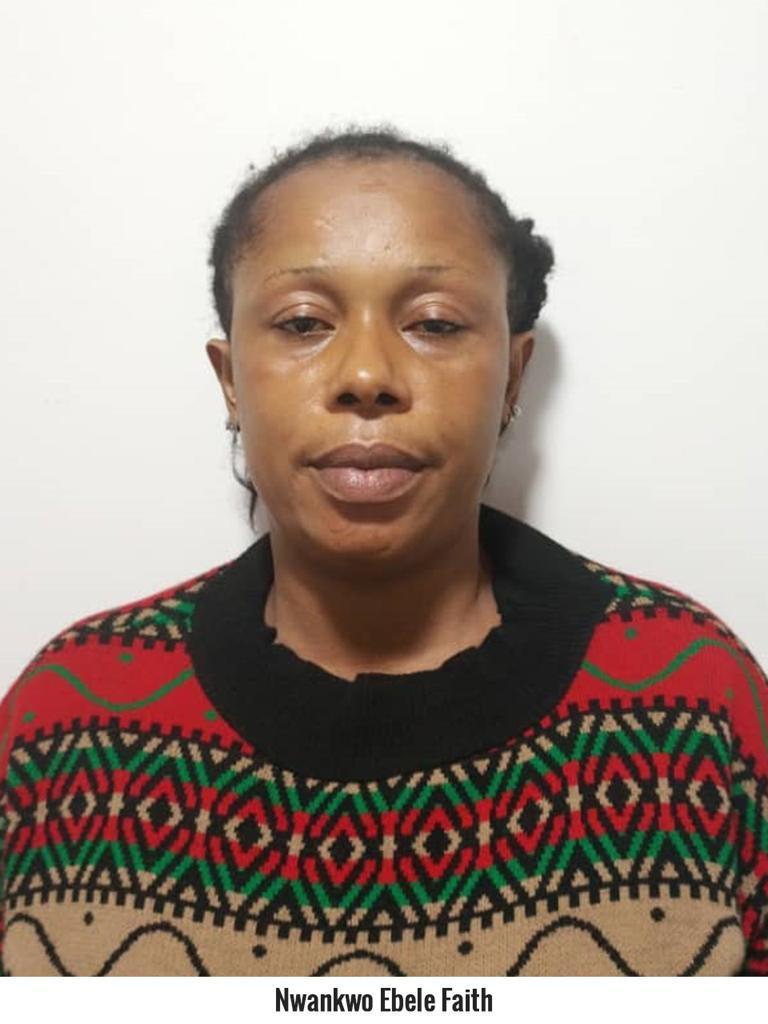
Babafemi disclosed that a female head of one of the syndicates, Faith Nwankwo was arrested last Wednesday at her residence, House 6, C close, 3rd Avenue, Festac area of Lagos shortly after she returned from a warehouse at Plot 3432 Sola Akinsola Street, Divine Estate, Amuwo Odofin where she loaded eight cartons of tramadol 225mg into an unmarked white Honda Pilot SUV.
He said a search of her residence and the warehouse led to the recovery of 2,750,000 pills of tramaking, a brand of tramadol 225mg and 250mg packed in 39 cartons weighing 1,916 kilogrammes. The drugs and the SUV were recovered while the suspect was taken into custody.
In another operation targeted at a group of transnational syndicate involved in importation, exportation, distribution, and dealing in cocaine and Canadian loud, Babafemi said operatives of the same Special Unit of the agency on 4th August tracked the drug syndicate to Atlantic Nominee Estate in Lekki- Ajah area of Lagos where a blue Toyota Highlander SUV was loaded with 8.49 kilogrammes of cocaine and 10.3 kilogrammes Canadian loud for distribution by the duo of Urama Chinemelum, 32, and Adelakun Oluade, 55. He said a follow-up operation at the residence of Chinemelum at House 7, Road 7, Lagra estate, Eti-Osa, Lagos led to the recovery of additional 18 blocks of loud weighing 18.5 kilogrammes.
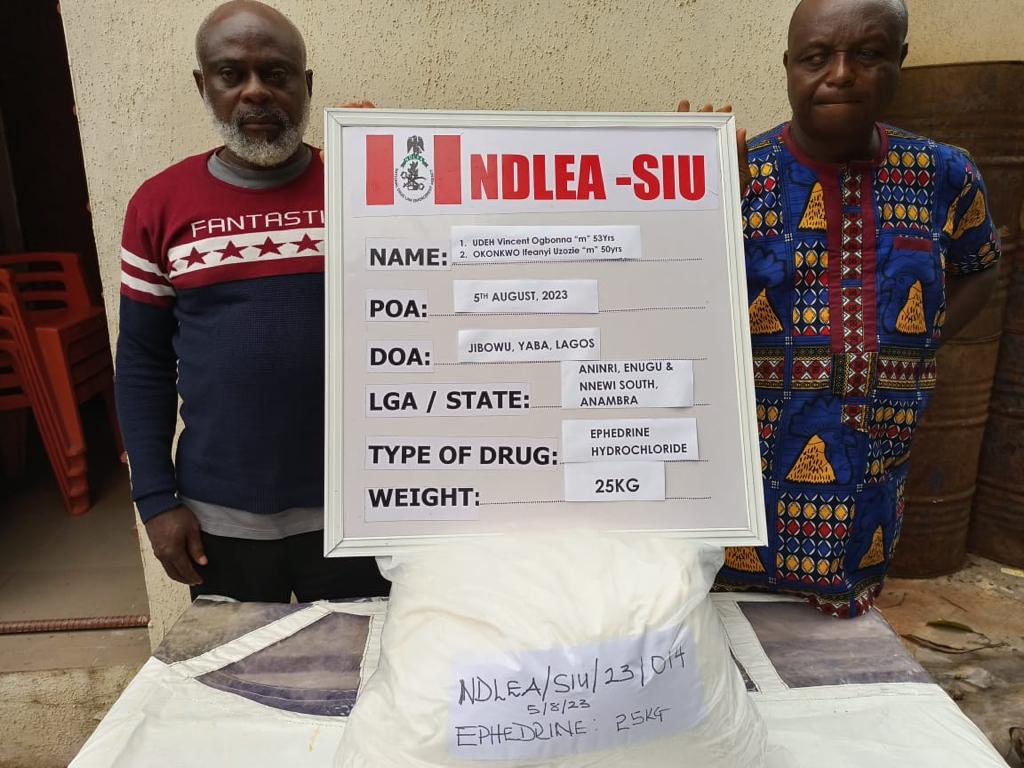
He said the following day, Saturday 5th August, operatives of the Special Unit went after another syndicate involved in importation, distribution and diversion of ephedrine hydrochloride, a precursor chemical used for the production of methamphetamine, following intelligence that members of the cartel were planning to divert 25 kilogrammes of the substance.
He disclosed that two members of the syndicate: Udeh Ogbonna, 53, and Okonkwo Ifeanyi, 50, were arrested at a commercial bus terminal in Jibowu, Yaba, Lagos where they were attempting to send the concealed substance to the South East, adding that a body search conducted on the two suspects led to the recovery of $3,000 US Dollars found on Udeh Ogbonna.
Babafemi revealed that in operations across four other states of Ogun, Ondo, Edo and Nasarawa, NDLEA operatives recovered over 13,391.8 kilogrammes of skunk; bo fewer than 1,955 kilogrammes of the illicit substance packed in 139 jumbo bags and stored in the warehouse of a wanted notorious drug dealer, Lekan Jimoh (aka Konmo Konmo) in Ado Odo Ota area of Ogun state were recovered in the early hours of last Saturday in collaboration with officers and men of the Nigerian Army.
In Ondo, Ogbu Paul Odey, 30; Daniel Osidi, 34; John Iyage, 41; Friday Simon, 28; and Friday James, 24, were arrested in connection with the seizure and/or destruction of over 10,325.5 kilogrammes of cannabis sativa in Iju and Ala forests, in Akure area of the state between Wednesday 9th and Thursday 10th August.
While 22-year-old James Aga was arrested during the raid of an uncompleted building on the outskirts of Utese town in Ovia North East local government area of Edo State last Friday with 10 kilogrammes skunk, 976 kilogrammes of the same substance was recovered from the building in addition to the recovery of four motorcycles.
Also, in an earlier operation in Utese forest last Tuesday, at least 46.545 kilogrammes of skunk were recovered and about 1.6 hectares of cannabis farms destroyed
while two suspects: Onyelunisue Azuka, 48 and Abraham Ayomide, 30, were arrested.
In Nasarawa state, 49-year-old Umar Abdullahi, was arrested last Friday with 64.8 kilogrammes of cannabis sativa in Doma local government area while NDLEA operatives of the Directorate of Operations and General Investigation, DOGI, last Wednesday intercepted a 4.5 kilogrammes consignment of loud coming from the United States at a courier firm in Lagos.
In his reaction to the successful clampdown, Chairman/Chief Executive Officer of NDLEA, Brig. Gen. Buba Marwa (Retd) commended the officers and men of the Special Unit for being pro-active and pragmatic in the operations.
He also applauded their colleagues in Ogun, Ondo, Edo and Nasarawa Commands as well as those of DOGI for their zeal and professionalism. He however charged them and their compatriots across the country to remain vigilant and focused.
Drug baroness, 4 kingpins arrested as NDLEA busts 3 syndicates in Lagos


Troops Arrest Suspected Security Impersonator In Plateau
By: Zagazola Makama
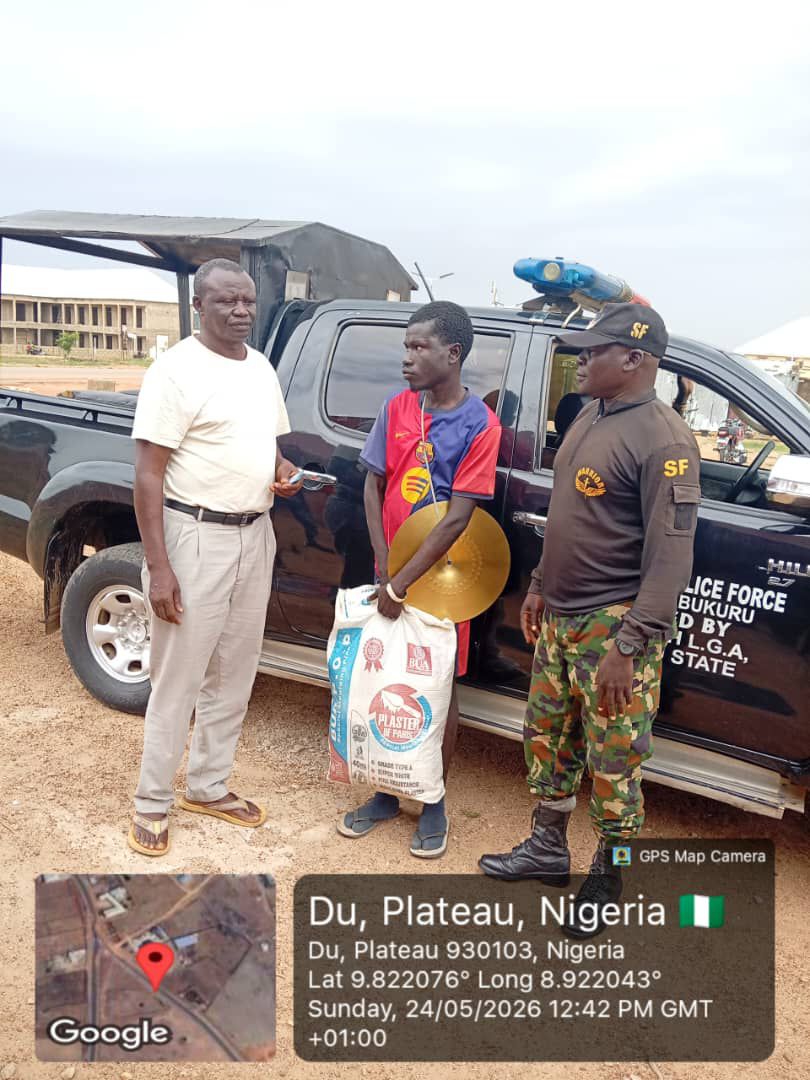
Troops of Sector 1, Sub-Sector 12, Operation Enduring Peace operating in Plateau State, have arrested a suspected security impersonator during a patrol in Jos South Local Government Area.
Security sources disclosed that the suspect was apprehended at about 11:30 a.m. on Sunday at Latya community during a routine patrol operation.
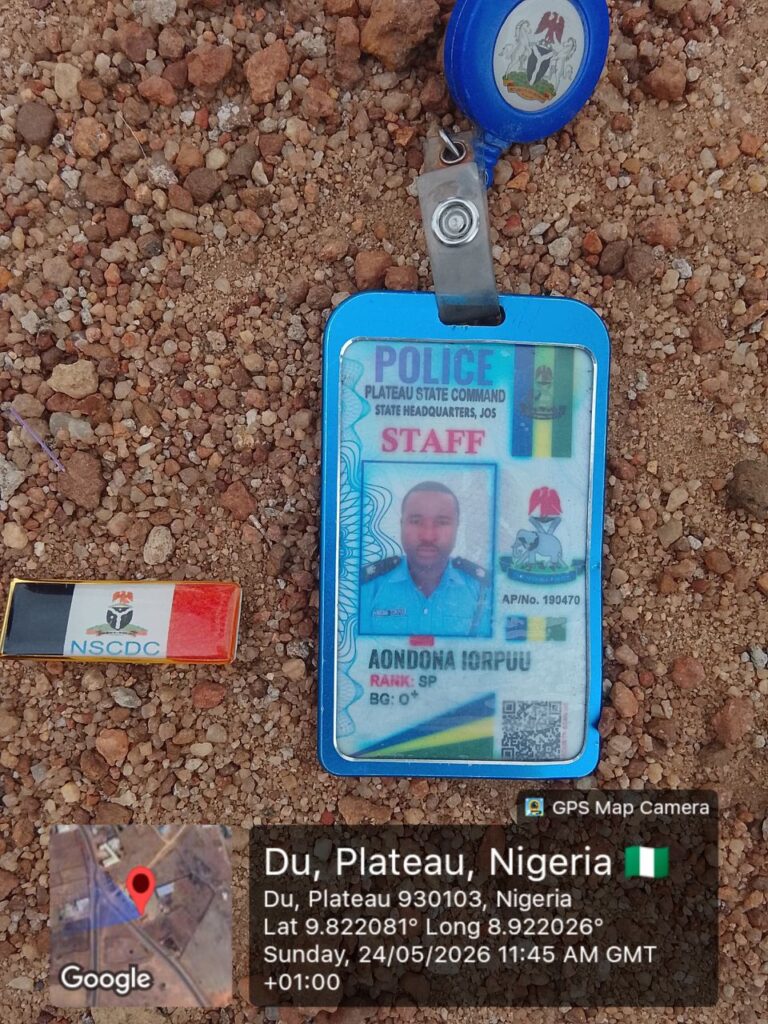
Items recovered from the suspect included a Keystone identification card bearing the ldetails “AP/No 190470 SP Aodona Lorpuu,” an NSCDC identification tag, a vehicle plate number and other personal effects.
The sources said the suspect was unable to provide satisfactory explanations regarding the recovered items during preliminary questioning.
The suspect and the recovered exhibits were subsequently handed over to Keystone B Division, Bukuru, for further investigation and necessary action.
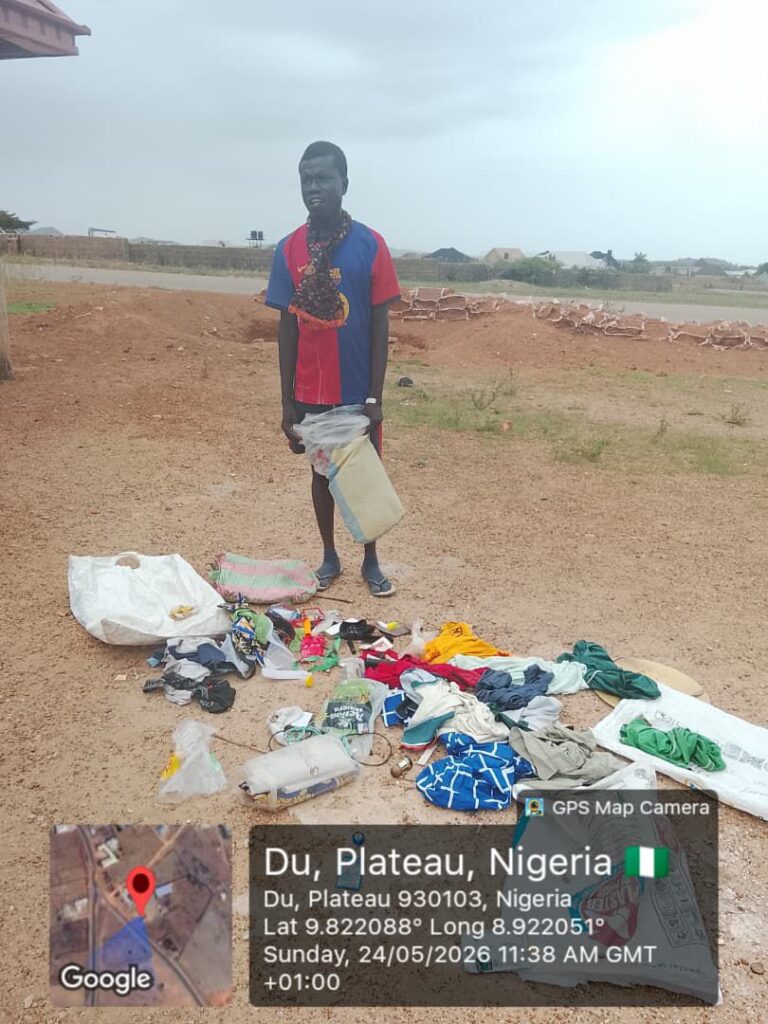
Security agencies have continued to warn against impersonation of military and security personnel, describing the act as a threat to public safety and national security.
Troops Arrest Suspected Security Impersonator In Plateau
Troops intercept 197 Cattle After Road Blockade In Plateau
By: Zagazola Makama
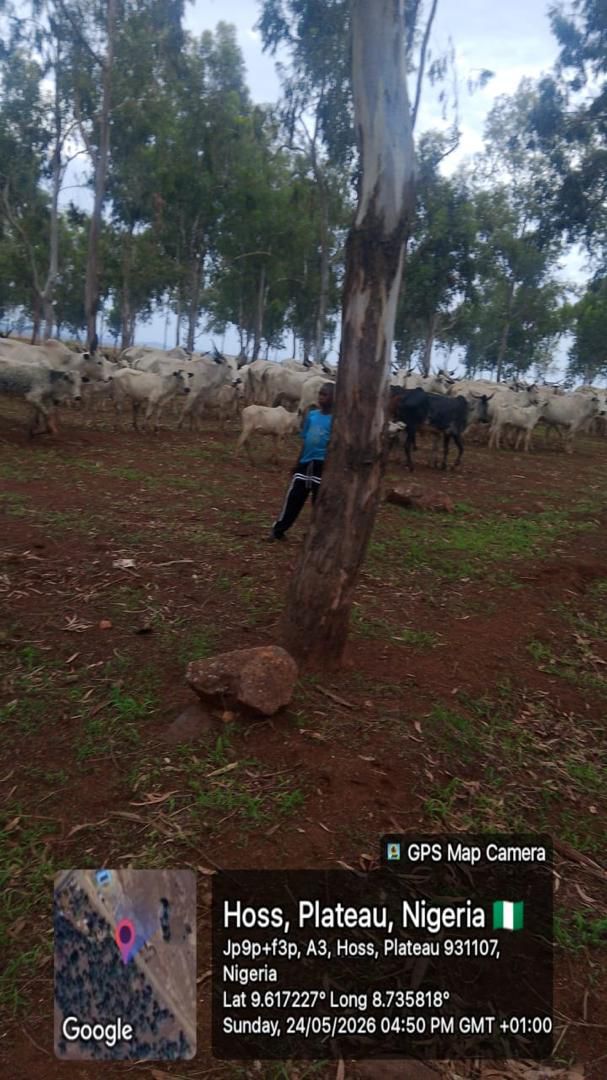
Troops of Sector 6 of Operation Enduring Peace have intercepted 197 cattle after suspected herders allegedly blocked a major road in Riyom Local Government Area of Plateau State.
Security sources said the troops responded at about 4:45 p.m. on Sunday following reports that herders and their cattle had obstructed the Tasheek–Makera road axis.l
The sources said that upon arrival at the scene, the herders abandoned the cattle and fled into nearby areas.
Troops subsequently recovered a total of 197 cattle and moved them to a safe location pending further necessary action.
Security officials said the swift intervention prevented possible disruption of movement and tension within the community.
They added that efforts were ongoing to identify and trace the owners of the cattle, while warning against acts capable of causing public disorder or undermining peaceful coexistence in the area.
Troops intercept 197 Cattle After Road Blockade In Plateau
Troops Foil Attempted Motorcycle Snatching In Plateau
By: Zagazola Makama
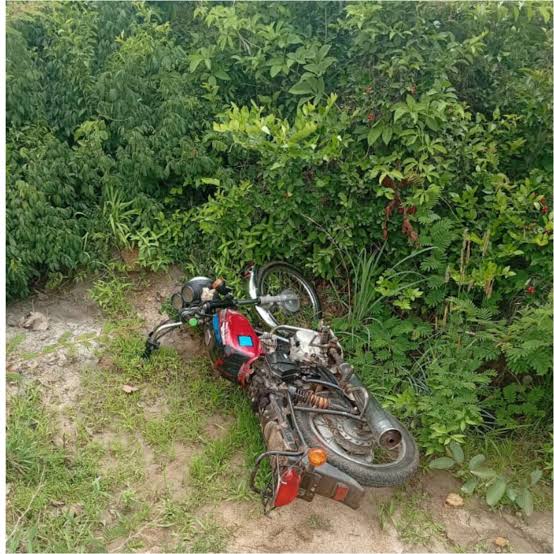
Troops of Sector 8, Sub-Sector 81, Operation Enduring Peace have foiled an attempted motorcycle snatching incident in Mangu Local Government Area of Plateau State.
Security sources disclosed that the incident occurred at about 10 a.m. on Sunday near Community Secondary School, Doss, when a suspected criminal allegedly attempted to snatch a motorcycle from a commercial rider identified as Rabiu Abubakar.
The sources said troops stationed at Gyambwas swiftly responded to distress information and mobilised to the scene.
On arrival, the troops discovered that the commercial rider had resisted the attacker and fled the area for safety.
However, a passenger abandoned at the scene by the fleeing rider sustained injuries during the incident.
The suspect reportedly escaped on sighting the troops before he could be apprehended.
The injured passenger was rescued by the troops and taken to a hospital for medical attention.
The troops said efforts were ongoing to track and arrest the fleeing suspect.
Troops Foil Attempted Motorcycle Snatching In Plateau

2027: When Tinubu’s endorsement of Vice President Kashim Shettima’s unwavering support speaks volumes

Troops Arrest Suspected Security Impersonator In Plateau

Security forces Conduct Show of Force In Jos, Bukuru During Church Services

Roger Federer’s Shock as DNA Results Reveal Myla and Charlene Are Not His Biological Children

THE PLIGHT OF FARIDA

FAILED COUP IN BURKINA FASO: HOW TRAORÉ NARROWLY ESCAPED ASSASSINATION PLOT AMID FOREIGN INTERFERENCE CLAIMS
-
 News2 years ago
Roger Federer’s Shock as DNA Results Reveal Myla and Charlene Are Not His Biological Children
-
Opinions4 years ago
THE PLIGHT OF FARIDA
-
 News1 year ago
FAILED COUP IN BURKINA FASO: HOW TRAORÉ NARROWLY ESCAPED ASSASSINATION PLOT AMID FOREIGN INTERFERENCE CLAIMS
-

 News2 years ago
EYN: Rev. Billi, Distortion of History, and The Living Tamarind Tree
-
 Opinions4 years ago
POLICE CHARGE ROOMS, A MINTING PRESS
-

 ACADEMICS2 years ago
A History of Biu” (2015) and The Lingering Bura-Pabir Question (1)
-

 Columns2 years ago
Army University Biu: There is certain interest, but certainly not from Borno.
-

 Politics12 months ago
2027: Why Hon. Midala Balami Must Go, as Youths in Hawul and Asikira/Uba Federal Constituency Reject ₦500,000 as Sallah Gift
