
Uncategorized
ECOWAS Court Goes Digital, Targets Faster Justice for 400 Million West Africans

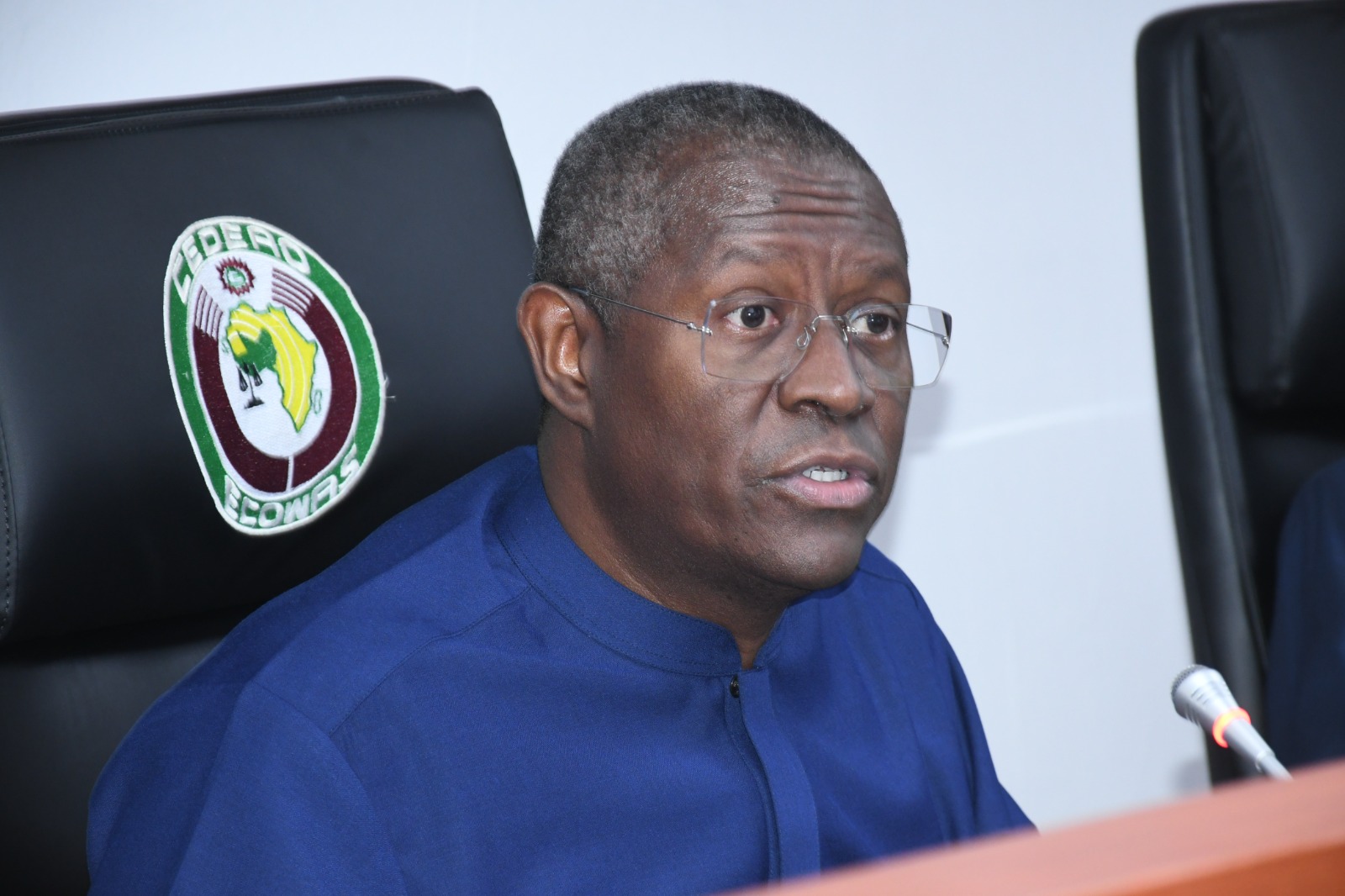
ECOWAS Court Goes Digital, Targets Faster Justice for 400 Million West Africans
…Regional court launches electronic filing, virtual case management, sets 2030 deadline for fully paperless judiciary
By: Michael Mike
The Community Court of Justice, ECOWAS on Monday formally launched its Electronic Case Management System (ECMS), ushering in what it described as the most significant digital transformation in its history and setting an ambitious target to become a fully paperless regional judicial institution by 2030.
The unveiling of the multilingual digital platform at the Court’s headquarters in Abuja marked the end of decades of largely paper-based judicial administration and the beginning of a technology-driven justice system designed to make litigation faster, cheaper and more accessible to over 400 million citizens across the 15 ECOWAS member states.
Speaking at the historic ceremony, President of the Court, Justice Ricardo Cláudio Monteiro Gonçalves, declared that the launch represented far more than the deployment of new software.
He described it as “the beginning of a new era in which technology strengthens access to justice, enhances efficiency and promotes transparency in the administration of justice,” adding that digital transformation would strengthen rather than diminish the Court’s commitment to judicial independence, fairness and the rule of law.
According to him, while technology would automate court processes and improve efficiency, judicial decisions would continue to be firmly anchored on the law and the principles of justice.
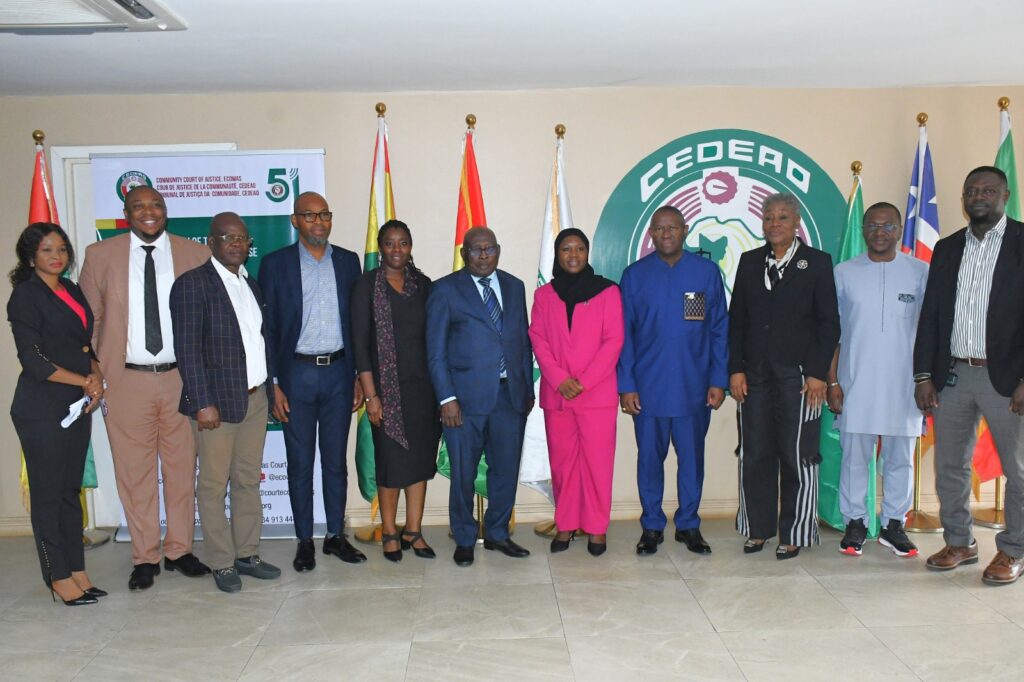
The ceremony, attended by senior ECOWAS officials, diplomats, judges, legal practitioners, civil society organisations, development partners and the media, was held under the theme: “Advancing Digital Justice: Enhancing Access, Efficiency and Transparency through Electronic Case Management.”
The ECMS is a secure, web-based platform operating in English, French and Portuguese that enables litigants and lawyers to file cases electronically, receive court notifications, monitor proceedings in real time, manage documents digitally and participate in virtual hearings from anywhere in the world.
The system also automates Registry operations, creates electronic case files with comprehensive audit trails and eliminates the cumbersome manual processes that have traditionally slowed judicial proceedings.
For lawyers practising before the Court, the implication is significant. Applications can now be filed electronically from cities such as Dakar, Accra, Praia, Banjul or Monrovia without the need to physically deliver documents to the Court’s Registry in Abuja. Litigants can equally monitor the progress of their cases online while judges and Registry staff will manage proceedings through integrated digital workflows.
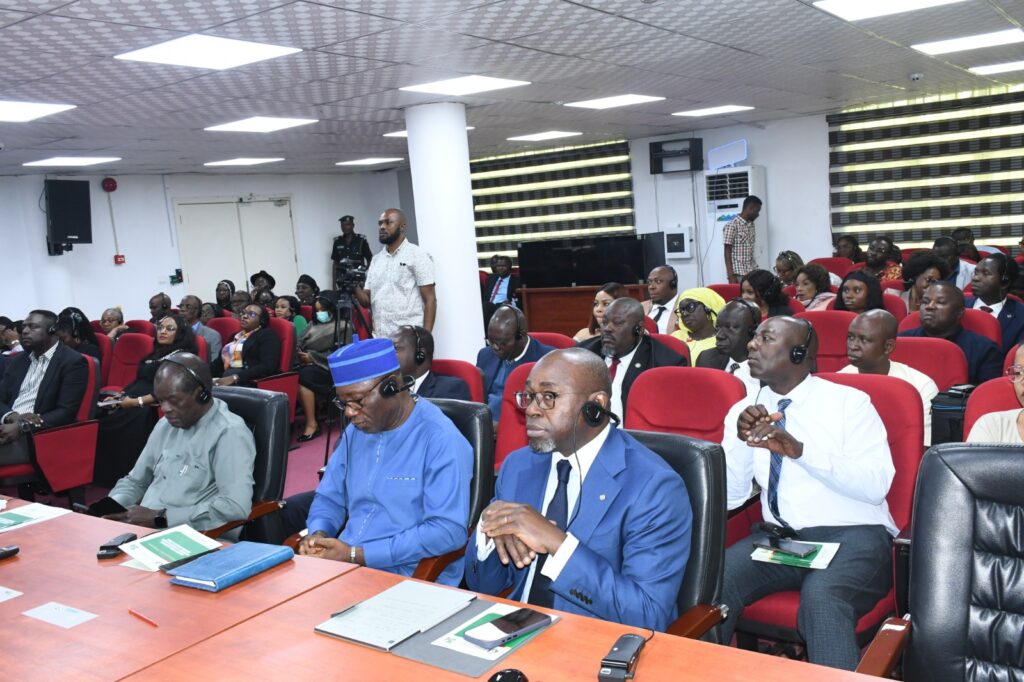
The Court expects the innovation to reduce administrative bottlenecks, shorten case processing time, lower litigation costs and significantly improve transparency and accountability in the regional justice system.
Providing insight into the origins of the project, Acting Deputy Chief Registrar and ECMS Project Team Manager, Mrs. Marie Saine, said the platform was conceived as part of the Court’s long-term institutional reform agenda under its Justice 2030 Strategic Plan and aligned with the broader ECOWAS Vision 2050, which seeks to build modern, effective and people-centred regional institutions.
She said the Court recognised that its traditional paper-based system had become increasingly inadequate for a regional institution serving citizens across fifteen countries with three official languages and multiple legal systems.
According to her, filing cases required physical submission of documents to the Registry, case tracking depended largely on paper files, while serving judicial documents across the region often proved slow, costly and unpredictable.
“These were not failures of the people working within the system,” she explained. “They were the limitations of a system that had not kept pace with the scale and complexity of the Court’s mandate. The ECMS was conceived to remove those barriers, reduce delays, cut costs and place this Court where it belongs—within reach of every person in our Community who needs it.”
Saine traced the roots of the digital transformation to the COVID-19 pandemic in 2020 when courts worldwide faced unprecedented disruptions.
She said the ECOWAS Court responded by introducing temporary Practice Directions on electronic case management and virtual hearings to ensure that judicial activities continued despite lockdowns and travel restrictions.
What initially appeared to be emergency measures, she noted, soon demonstrated that digital justice was not only possible but capable of improving judicial efficiency by reducing travel costs, removing geographical barriers and ensuring uninterrupted access to justice.
“What the pandemic forced upon us, we chose to embrace as a permanent direction,” she said.
Rather than adopting an off-the-shelf software solution, the Court opted to build a platform specifically tailored to its Rules of Procedure, multilingual environment and unique operational needs.
The development process involved close collaboration among judges, legal officers, Registry personnel, information technology experts and software developers, resulting in a system capable of managing every stage of judicial proceedings—from electronic filing to final judgment and digital archiving.
Beyond developing the technology, the Court embarked on extensive capacity-building programmes across Anglophone, Francophone and Lusophone member states to prepare users for the transition.
Legal practitioners underwent intensive regional training sessions in June 2024, followed by refresher programmes held between June 22 and 26 this year ahead of the platform’s official launch.
Saine stressed that technology alone could not deliver justice unless those expected to use it possessed the necessary skills and confidence.
“The principle that guided every aspect of the implementation is simple: technology only delivers value when people are equipped and empowered to use it effectively,” she said.
Welcoming participants to the ceremony earlier, the Court’s Chief Registrar, speaking on behalf of the President and the College of Judges, described the launch as a transformational milestone in the evolution of regional justice.
He said the ECMS would streamline judicial administration by eliminating procedural bottlenecks, enhancing transparency through real-time access to case information and extending the reach of the Court to every corner of the ECOWAS Community.
According to him, the initiative would also strengthen regional integration by harmonising judicial processes across member states while reinforcing the Court’s longstanding reputation for fairness, accountability and respect for the rule of law.
He acknowledged that the project encountered administrative, procurement and technical challenges before reaching implementation but said the determination of the Court’s leadership, project team, consultant and staff ensured its successful completion.
The Court paid tribute to former President of the Court, Edward Amoako Asante, for providing the vision and leadership that drove the project through its formative years, while also commending Justice Gonçalves for sustaining the initiative and bringing it to fruition.
Recognition was equally extended to former ECMS Project Team leader Dr. Athanase Atannon, his successor Mr. Gaye Sowe, consultant Dr. Frederic Drabo and members of the Registry, Legal and Information Technology departments whose contributions helped translate the vision into reality.
Looking ahead, Justice Gonçalves disclosed that the Court expects at least 80 per cent of legal practitioners appearing before it to register on the platform within the next six months, while new cases are expected to be initiated electronically through the ECMS.
By 2030, he said, the Court aims to establish a fully digital judicial institution with complete electronic case archives, reduced case processing times and a justice delivery system recognised as a benchmark for regional courts in Africa.
He, however, emphasised that the success of the initiative would ultimately depend on its adoption by judges, lawyers, litigants, member states and development partners.
“The true success of this system will depend on everyone’s commitment to using it and ensuring its continuous improvement,” he said, urging all stakeholders to embrace the platform.
Formally declaring the Electronic Case Management System operational, the Court’s President described the launch as a defining moment in the institution’s history and a renewed commitment to delivering timely, transparent and technology-enabled justice across West Africa.
For a Court established to uphold human rights, interpret Community law and strengthen regional integration, Monday’s launch signalled more than a technological upgrade. It marked a decisive shift from paper files and physical court processes to a digital justice ecosystem that promises to reshape how regional justice is accessed and delivered across the ECOWAS Community for decades to come.
ECOWAS Court Goes Digital, Targets Faster Justice for 400 Million West Africans


Uncategorized
Troops Recover AK-47 Rifle During Follow-Up Raid on Suspected Militia Hideout in Taraba

Troops Recover AK-47 Rifle During Follow-Up Raid on Suspected Militia Hideout in Taraba
By Zagazola Makama
Troops of Operation Whirl Stroke (OPWS), in collaboration with operatives of the Defence Intelligence Agency (DIA), have recovered an AK-47 rifle during a follow-up operation linked to the recent arrest of two suspected militia members in Taraba State.
Intelligence sources told Zagazola Makama that the recovery followed the arrest of the two suspects on July 14, which led security operatives to intensify investigations into the group’s activities.
Acting on intelligence obtained during the investigation, troops of the 93 Battalion deployed at Forward Operating Base (FOB) Wukari, alongside DIA operatives, raided the residence of one of the suspects at Chediya in Wukari Local Government Area.
During the search, the troops recovered one AK-47 rifle and one magazine concealed at the premises.
The recovered weapon has been taken into custody, while investigations are ongoing to identify other members of the suspected militia network and recover additional arms.
Military sources said the operation forms part of sustained efforts by Operation Whirl Stroke to dismantle armed militia groups and improve security across Taraba and adjoining states.
Troops Recover AK-47 Rifle During Follow-Up Raid on Suspected Militia Hideout in Taraba
Uncategorized
Operation Enduring Peace intervenes in farmland grazing dispute, parties reach amicable settlement in Plateau

Operation Enduring Peace intervenes in farmland grazing dispute, parties reach amicable settlement in Plateau
By Zagazola Makama
Troops of Sector 1, Operation Enduring , have intervened in a farmland grazing incident in Jos East Local Government Area of Plateau State, leading to an amicable resolution between the affected farmer and the livestock owner.
Security sources told Zagazola Makama that the incident occurred at about 7:50 p.m. on July 15 when troops on a night patrol intercepted 11 cows grazing on a farm belonging to Meshak Abdul along the Gora Village road.
According to the sources, the troops immediately moved the livestock to a safe location to prevent further damage and forestall any breakdown of law and order.
The owner of the cattle, identified as Muhogi Idris, was subsequently contacted by the troops, after which both parties engaged in dialogue.
Military sources said the dispute was resolved amicably through the intervention of the security personnel, with both the farmer and the cattle owner reaching a peaceful settlement.
The intervention forms part of Operation Enduring Peace ongoing efforts to promptly address farmer-herder disputes and prevent isolated incidents from escalating into communal violence in Plateau State.
Operation Enduring Peace intervenes in farmland grazing dispute, parties reach amicable settlement in Plateau
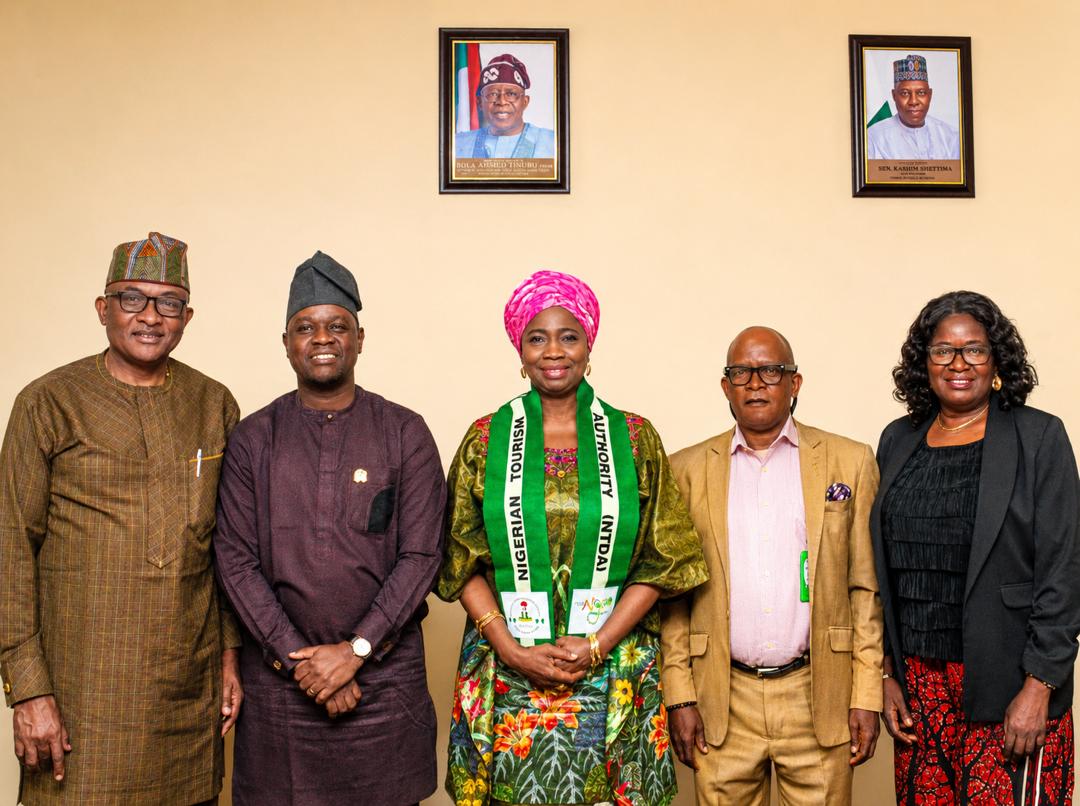
Tourism: FG Turns to Diaspora to Rebrand Nigeria, Attract Investment
…NiDCOM, NTDA forge strategic alliance to transform tourism assets, project Nigeria’s positive image globally
By: Michael Mike
Nigeria has begun a fresh push to harness its vast tourism potential and the resources of its global diaspora as part of a broader strategy to reshape the country’s international image, attract investment and create jobs.
The initiative emerged from a strategic partnership between the Nigerians in Diaspora Commission (NiDCOM) and the Nigerian Tourism Development Authority (NTDA), with both agencies agreeing to work together to rebrand the nation’s tourism assets and position the sector as a major instrument of economic development and cultural diplomacy.
The partnership was unveiled in Abuja on Wednesday during a strategic meeting between the Chairman/Chief Executive Officer of NiDCOM, Hon. Abike Dabiri-Erewa, and the Director-General of the NTDA, Dr. Olayiwola Awakan.
The meeting came against the backdrop of growing concerns over Nigeria’s failure to fully convert its vast cultural, historical and natural attractions into sustainable economic opportunities, despite the country’s enormous tourism potential.
Dabiri-Erewa said the country could no longer afford to allow its tourism assets and national story to be defined largely by outsiders or negative international narratives.
She said Nigeria must take ownership of its story, rebrand its tourism destinations and deliberately project the country’s positive identity to the world.
According to her, the collaboration between NiDCOM and the NTDA would strengthen the link between Nigeria’s tourism industry and the millions of Nigerians and people of Nigerian descent living across the world.
She said the diaspora represented not only a source of remittances but also a vast reservoir of investment capital, professional expertise, global networks and cultural influence that could be deployed to transform the nation’s tourism sector.
Dabiri-Erewa emphasised the need to develop and promote tourism assets across the 36 states and the Federal Capital Territory, arguing that a coordinated approach would encourage domestic tourism while creating opportunities for international visitors.
She drew particular attention to the historic Badagry Door of Return Festival, which reconnects members of the African diaspora with the homeland of their ancestors and the painful history of the transatlantic slave trade.
The NiDCOM chief described the experience as one that carries deep spiritual, emotional, psychological, economic and historical significance.
“It is a spiritual, emotional, psychological, economic and historical experience. It cuts deep into their psyche as many shed tears as they pass through the slave routes,” she said.
For her, the emotional power of such historical sites represents an enormous opportunity for Nigeria to use tourism not only to generate revenue but also to promote healing, cultural reconnection and a deeper relationship with the global African community.
She urged the NTDA to sustain strategic partnerships with relevant government institutions, private-sector operators and diaspora communities, stressing that Nigerians must become the principal narrators of the Nigerian story.
“We must take ownership of our national narrative,” she said in substance, insisting that the country’s international image could not be transformed without a deliberate effort by Nigerians themselves to tell their own stories.
The NTDA Director-General, Awakan, said the agency was committed to repositioning Nigeria’s tourism assets and making them competitive with destinations around the world.
He said Nigeria possessed abundant cultural, historical and natural attractions but needed a comprehensive strategy to upgrade the assets, improve visitor experience and create an efficient tourism ecosystem.
Among the priorities, he identified the development of a professional tour guide system, improved standards for tour guides, the upgrading and beautification of tourism assets, tourism expos, increased private-sector participation, professionally designed tour packages and the development of tourism bureaus.
Awakan said the success of the sector would depend on stronger collaboration among government agencies, the private sector, local communities and Nigerians in the diaspora.
He also linked the development of tourism to wider national challenges, saying a vibrant tourism industry could create jobs, stimulate local economies, attract investment and help reduce social tensions by expanding economic opportunities.
The NTDA chief said Nigeria’s cultural strength was already evident in the numerous festivals, entertainment events and traditional celebrations held across the country.
However, he lamented that the country’s international image was often overshadowed by negative narratives, making it necessary for Nigeria to develop a more deliberate strategy for projecting its achievements, culture and identity.
He described Nigerians in the diaspora as key ambassadors of the country and said their strategic involvement could significantly influence how Nigeria is perceived globally.
As part of the new vision, Awakan disclosed plans for the proposed NAIJA FEST, a national festival expected to showcase the culture, cuisine, music, arts, traditions and heritage of all 36 states and the Federal Capital Territory.
The proposed festival is expected to create a single national platform for Nigeria’s cultural diversity while providing opportunities for tourism promotion, investment, entertainment and international exposure.
Awakan also disclosed plans for a proposed Diaspora Internship Initiative in the United Kingdom, under which Nigerians in the diaspora would be offered opportunities to undertake nine-month internships in Nigeria before returning to their countries of residence.
The initiative, he said, would expose participants to Nigeria’s professional, cultural and economic environment while strengthening their connection to the country.
The emerging NiDCOM-NTDA partnership represents a renewed effort to move Nigeria’s tourism sector beyond occasional festivals and isolated attractions towards a coordinated national strategy anchored on investment, cultural diplomacy and diaspora engagement.
With Nigeria facing the urgent need to diversify its economy, create jobs for its youthful population and improve its international image, the two agencies believe tourism can become a major pillar of national development if the country’s assets are properly developed, packaged and marketed.
The Abuja meeting ended with both agencies reaffirming their commitment to a closer collaboration aimed at transforming Nigeria’s tourism assets, attracting domestic and international investment and leveraging the Nigerian diaspora as a strategic partner in the country’s economic and cultural renaissance.
Tourism: FG Turns to Diaspora to Rebrand Nigeria, Attract Investment

Zulum Donates Multi-Million Naira JAMB Zonal Headquarters, 500-Seat CBT Centre to Boost North-east Education

VP Shettima: Nigeria’s Digital Transformation Under Tinubu Unrivaled

Julius Berger Pushes Low-Carbon Construction, Calls for Stronger Collaboration at Future Cities Summit

Roger Federer’s Shock as DNA Results Reveal Myla and Charlene Are Not His Biological Children

THE PLIGHT OF FARIDA

FAILED COUP IN BURKINA FASO: HOW TRAORÉ NARROWLY ESCAPED ASSASSINATION PLOT AMID FOREIGN INTERFERENCE CLAIMS
-
 News2 years ago
Roger Federer’s Shock as DNA Results Reveal Myla and Charlene Are Not His Biological Children
-
Opinions4 years ago
THE PLIGHT OF FARIDA
-
 News1 year ago
FAILED COUP IN BURKINA FASO: HOW TRAORÉ NARROWLY ESCAPED ASSASSINATION PLOT AMID FOREIGN INTERFERENCE CLAIMS
-

 News2 years ago
EYN: Rev. Billi, Distortion of History, and The Living Tamarind Tree
-
 Opinions5 years ago
POLICE CHARGE ROOMS, A MINTING PRESS
-

 ACADEMICS2 years ago
A History of Biu” (2015) and The Lingering Bura-Pabir Question (1)
-

 Columns2 years ago
Army University Biu: There is certain interest, but certainly not from Borno.
-

 Politics1 year ago
2027: Why Hon. Midala Balami Must Go, as Youths in Hawul and Asikira/Uba Federal Constituency Reject ₦500,000 as Sallah Gift
