
News
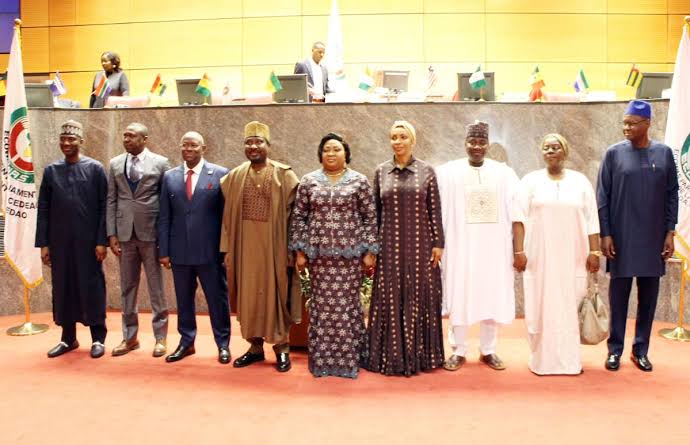
ECOWAS Parliament Concludes 2026 Extraordinary Session, Reaffirms Commitment to Regional Integration

ECOWAS Parliament Concludes 2026 Extraordinary Session, Reaffirms Commitment to Regional Integration
By: Michael Mike
The ECOWAS Parliament has concluded its first extraordinary session of 2026, reaffirming its commitment to deepening regional integration, strengthening democratic governance, and accelerating implementation of the African Continental Free Trade Area (AfCFTA).
The session, held in Nigeria, ended with calls for stronger collaboration among member states to address security threats, economic vulnerabilities, and climate-related challenges confronting West Africa.
In her closing remarks, the Speaker of Parliament, Mémounatou Ibrahima,
expressed gratitude to the Nigerian government and the Nigerian people for hosting the three-day legislative gathering. He specifically commended the administration of Bola Tinubu, President of the Nigeria, for providing a conducive environment for parliamentary deliberations. He also acknowledged the contributions of the ECOWAS Commission, the Community Court of Justice, and the Office of the Auditor-General, describing their participation as a strong demonstration of institutional unity within the regional bloc.
Lawmakers spent the session reviewing the strategic importance of the AfCFTA, while also highlighting implementation challenges across West Africa. Participants raised concerns over persistent non-tariff trade barriers, slow harmonization of legal and regulatory frameworks, and infrastructure deficits that continue to limit cross-border commerce.
The Parliament also expressed concern about the risk of marginalizing women, youth, and informal traders if supportive policies are not strengthened to ensure inclusive economic growth across member states.
The Parliament adopted its 2026 Programme of Activities, built around four priority pillars: citizen participation, institutional strengthening, peace and governance, and policy facilitation. Legislators described the programme as a practical roadmap toward building a more citizen-centered regional parliament capable of delivering measurable developmental impact across West Africa.
The session also endorsed the 2026 programme of the ECOWAS Forum of Women Parliamentarians, reaffirming the role of women legislators in advancing regional development and economic empowerment. Members stressed that regional cooperation remains essential amid ongoing political transitions, security challenges, and climate pressures across the subregion.
The Parliament concluded by urging member states to translate legislative ideas and policy recommendations into practical reforms and inclusive development programmes at the national level. Legislators emphasized that West Africa’s future prosperity depends on stronger political unity, enhanced economic cooperation, and sustained democratic governance.
ECOWAS Parliament Concludes 2026 Extraordinary Session, Reaffirms Commitment to Regional Integration


Military
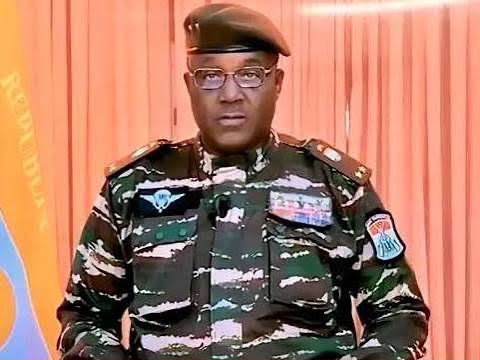
Mutiny: Presidential Guard Tightens Security Around Niger Presidency Amid Reports of Military Protest
Mutiny: Presidential Guard Tightens Security Around Niger Presidency Amid Reports of Military Protest
By Zagazola Makama
Security was significantly reinforced around Niger’s Presidential Palace in Niamey following reports of unrest involving elements of the country’s armed forces, security sources told Zagazola Makama.
According to multiple security sources, the heightened deployment of the Presidential Guard, supported by armoured vehicles around the Presidential Palace on the night of July 3 and into July 4, followed what was described as a limited protest by personnel of an armoured unit within the Niger Armed Forces (FAN).
The sources said some soldiers reportedly declined deployment to frontline positions in northern Tillabéri Region, particularly around Inatès and Chinagodrar, citing inadequate heavy equipment and insufficient operational resources to confront the growing security threats in the area.
The protest was described by one source as a “small mutiny,” although there has been no official confirmation from the Nigerien authorities.
Security sources said the development triggered concern within the country’s leadership, prompting the reinforcement of security around the Presidential Palace and temporary restrictions on movement in the surrounding area as a precautionary measure.
The Tillabéri Region remains one of Niger’s most volatile security zones, with recurrent attacks by armed extremist groups, including factions linked to the so-called Islamic State in the Greater Sahara (ISGS).
As of the time of filing this report, the Nigerien government and military authorities had not issued any official statement regarding the reported protest or the increased security presence around the Presidency.
The situation remains under close observation.
Mutiny: Presidential Guard Tightens Security Around Niger Presidency Amid Reports of Military Protest
Two suspected criminals arrested during patrol in Plateau
By: Zagazola Makama
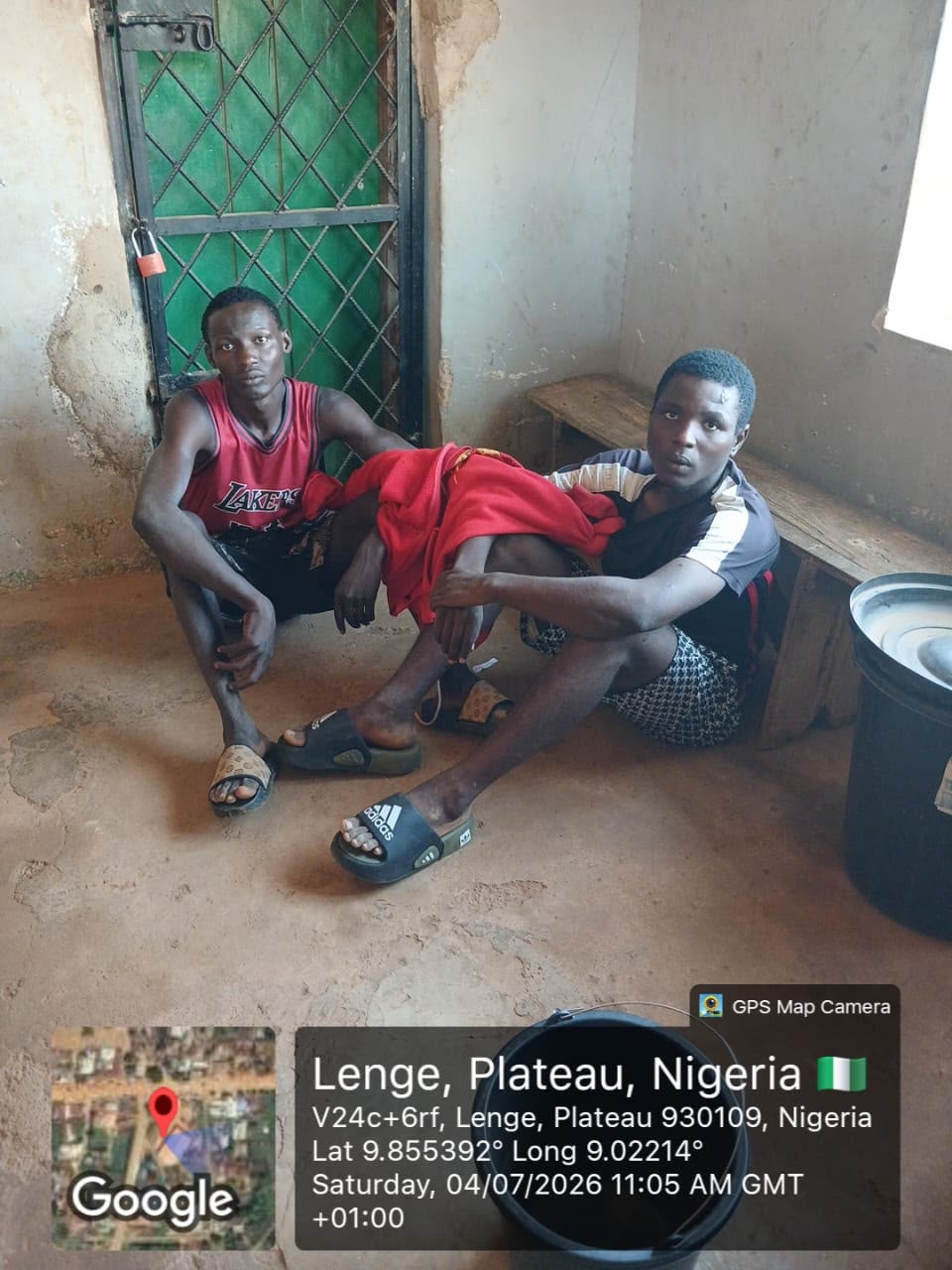
Troops of Sector 1 under Operation Enduring Peace have arrested two suspected criminals during a routine patrol in Jos East Local Government Area of Plateau.
Security sources disclosed that the suspects, identified as Azi Ezekiel, 21, and Ajiji Emmanuel, 19, were apprehended at about 10:30 a.m. on Saturday along the road leading to Forbur Village.
The sources said the suspects were intercepted by troops of Sector 1, Sub-Sector 12, while conducting a routine patrol in the area.
According to the sources, the two suspects have been handed over to the Keystone Police Station in Forbur for further investigation and possible prosecution.
The arrest forms part of ongoing security operations aimed at combating criminal activities and enhancing safety across Plateau State.
Two suspected criminals arrested during patrol in Plateau
Troops arrest suspected kidnapper in Plateau community
By: Zagazola Makama
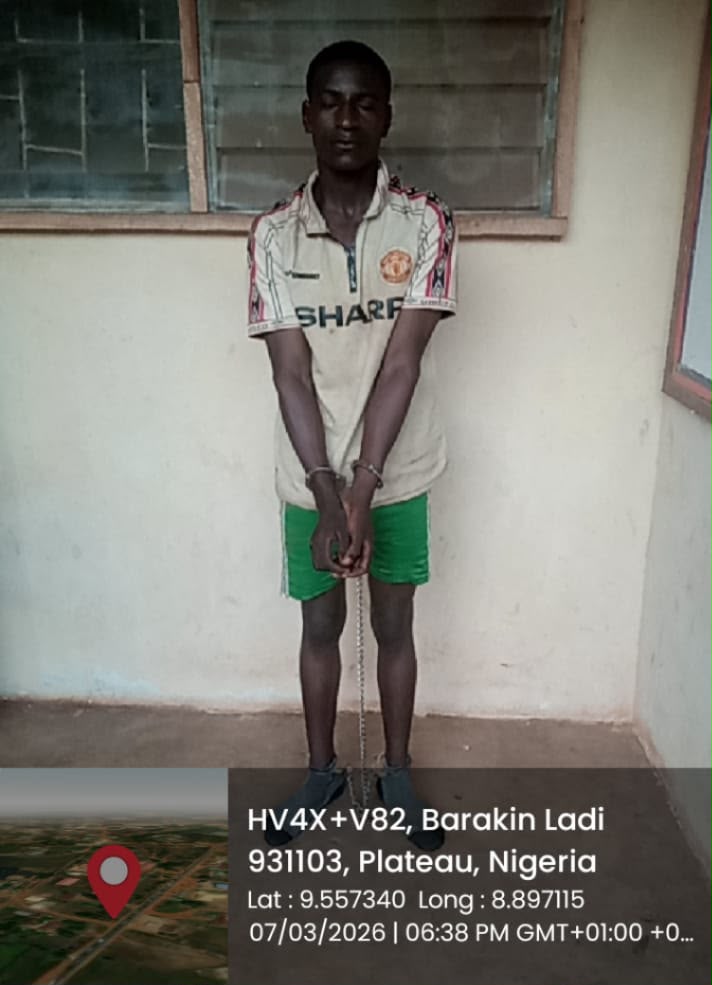
Troops of Sector 4 of Operation Enduring Peace have arrested a suspected kidnapper during a security operation in Barkin Ladi Local Government Area of Plateau.
Security sources said the suspect, identified as Mohamdu Surajo, 29, was arrested at about 6:45 p.m. on Friday at Sabon Layi Village following sustained security operations in the area.
The sources disclosed that the suspect is currently in military custody and is undergoing preliminary interrogation to aid ongoing investigations.
They added that the arrest is part of continued efforts by security forces to dismantle criminal networks and enhance security across Plateau State.
Troops arrest suspected kidnapper in Plateau community

President Tinubu Flags Off the Construction of Dikwa–Gamboru Ngala, Bama–Banki International Road Projects

Mutiny: Presidential Guard Tightens Security Around Niger Presidency Amid Reports of Military Protest

Troops Arrest Two Suspected Berom Militia Linked to NIPSS Attack as Security Sources Say Investigation Supports Earlier Leads

Roger Federer’s Shock as DNA Results Reveal Myla and Charlene Are Not His Biological Children

THE PLIGHT OF FARIDA

FAILED COUP IN BURKINA FASO: HOW TRAORÉ NARROWLY ESCAPED ASSASSINATION PLOT AMID FOREIGN INTERFERENCE CLAIMS
-
 News2 years ago
Roger Federer’s Shock as DNA Results Reveal Myla and Charlene Are Not His Biological Children
-
Opinions4 years ago
THE PLIGHT OF FARIDA
-
 News1 year ago
FAILED COUP IN BURKINA FASO: HOW TRAORÉ NARROWLY ESCAPED ASSASSINATION PLOT AMID FOREIGN INTERFERENCE CLAIMS
-

 News2 years ago
EYN: Rev. Billi, Distortion of History, and The Living Tamarind Tree
-
 Opinions5 years ago
POLICE CHARGE ROOMS, A MINTING PRESS
-

 ACADEMICS2 years ago
A History of Biu” (2015) and The Lingering Bura-Pabir Question (1)
-

 Columns2 years ago
Army University Biu: There is certain interest, but certainly not from Borno.
-

 Politics1 year ago
2027: Why Hon. Midala Balami Must Go, as Youths in Hawul and Asikira/Uba Federal Constituency Reject ₦500,000 as Sallah Gift
