
Features/Analysis
ENERGY: How Professor Ahidjo wins over NDPC for 7.5 Megawatt New Power Station in UMTH

ENERGY: How Professor Ahidjo wins over NDPC for 7.5 Megawatt New Power Station in UMTH
By: Balami Lazarus
When man discovered fire as a source of energy to meet his domestic needs little did he know that he might someday need other sources of energy to wheel his industrial and institutional growth and development; and here we are today, our need for energy has made us go far beyond fire as one of the sources… Therefore, energy has become the major component in the history of mankind.
Today’s institutions and industries depend heavily on energy to run and boost their output of goods and services. Because of its significance in the advancement of our civilization, the demand for energy for domestic, institutional, and industrial consumption cannot be overstated. In fact, our hospitals particularly are the source of the urgent demand for energy since, as the phrase goes, “a healthy nation is a wealthy nation.”
This brings us to the challenges and difficulties faced by the University of Maiduguri Teaching Hospital (UMTH), where the need for energy is crucial for its proper operation as a tertiary medical institution to fulfill its primary obligations in teaching and providing healthcare service delivery to patients and members of the host community, including others who are from far and near in recognition of her excellence and affordable services provided by her specialized facilities.
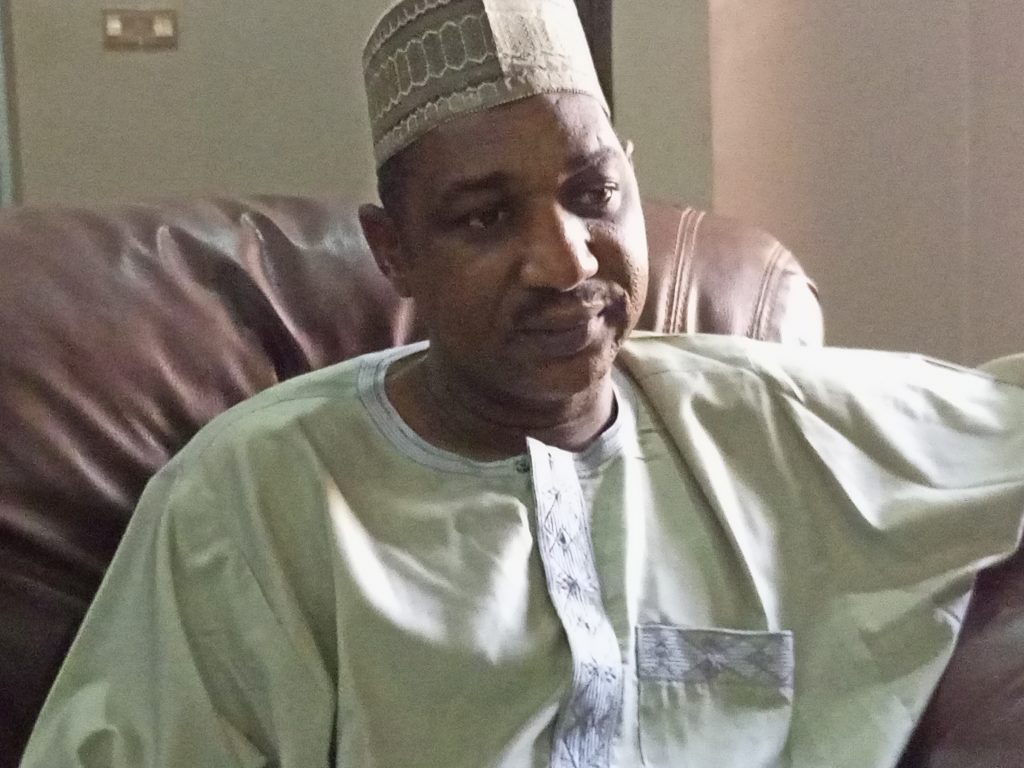
This and other successes achieved by Professor Ahmed Ahidjo and his capable and encouraging management team in raising hospital standards have been testified to by many. But can we say that the UMTH has gotten enough energy for usage effectively? No, is the response. What are the steps taken then to keep this hospital running? Of course, so much has been said to adequately describe Professor Ahidjo’s administrative know-how and abilities, which he used to significantly relieve UMTH since coming on board as the CMD in 2018.
“Few to mention is that we were able to have a $463 million 7.5 megawatt power station because our CMD, Professor Ahmed Ahidjo is always out there discovering people and corporate groups who may give value to the hospital. The Professor of Interventional Radiology has been having terrible nights due to the energy crisis in the hospital. However, he is also marking marks of unique and unequal administrative struggle to better the hospital..
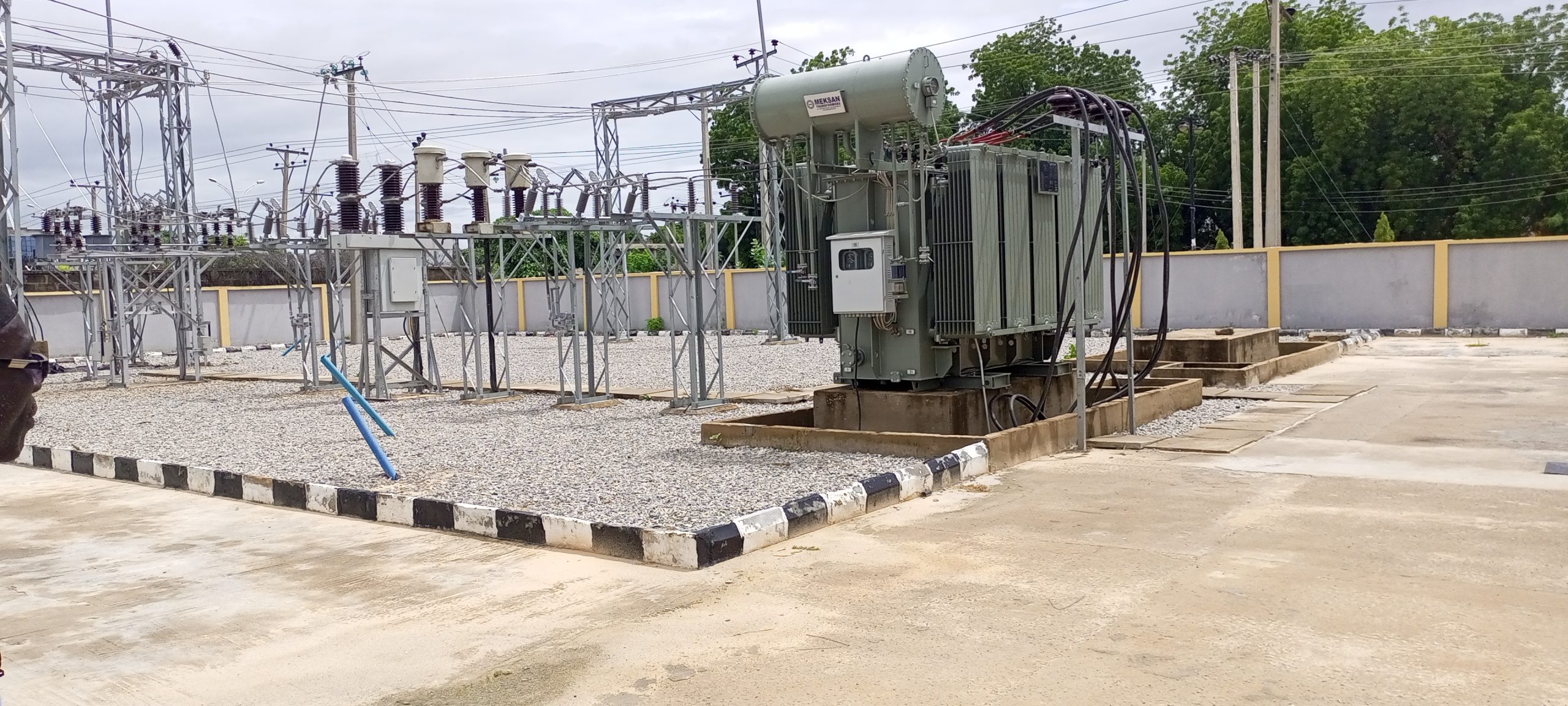
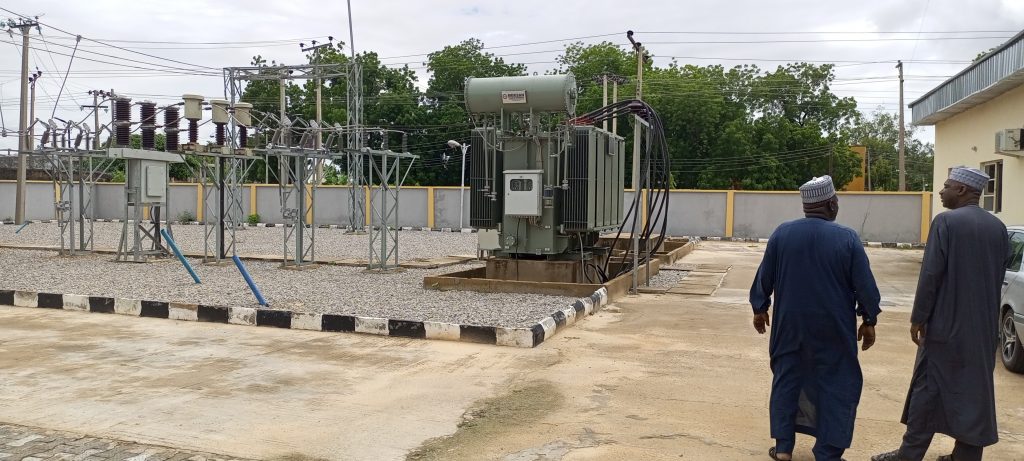
“The Niger Delta Power Company’s $463 million 7.5 megawatt power station was the source of the CMD rescue measures (NDPC). In contrast to the outdated, obsolete transformer that is as old as UMTH and has outlived its usefulness, this power station is adequate to supply the needed electricity to the entire hospital.
Also Read: Queen’s Funeral: Solidarity of world leaders ennobling for Nigeria, Commonwealth -Osinbajo
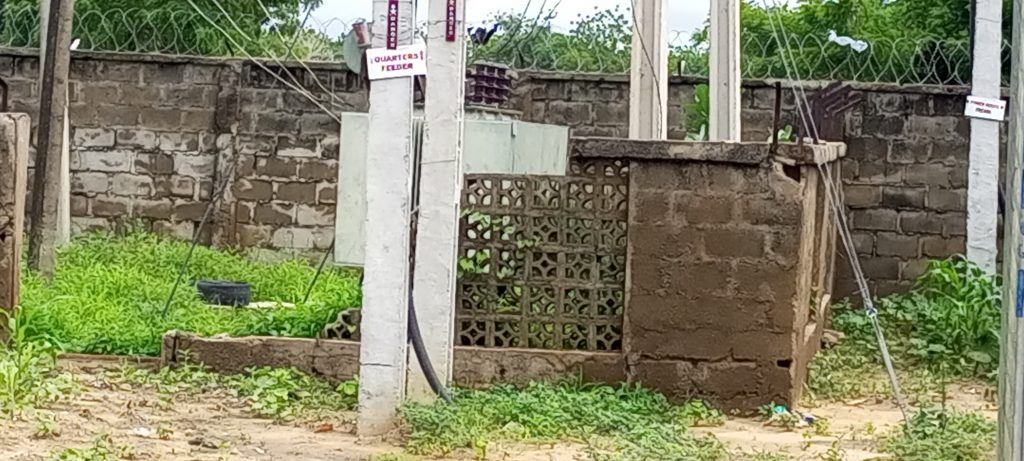
“As a result of the Yola Electricity Distribution Company (YEDC) stations in Maiduguri being disrupted by the rebels, the 7.5 megawatt station has not yet been placed into service. This has caused him further restless nights. But we believe that when this is done the hospital will have the best of services.” A staff of the hospital told NEWSng during a working visit to the hospital.
To supplement the sporadic internal revenue of little over #40 million monthly generated, which is nothing to write home about when you subtract the cost of powering these heavy power plants intended to power just some specific units of the hospital, like the Intensive Care Unit, which consume hundreds of liters of diesel costing hundreds of thousands of naira per day. Theaters for operations, the seventeen compartment medical supplies of the UMTH including laboratories and a few special sections. One wonders how the CMD was managing resources to keep greasing healthcare activities going at the UMTH. However, that was not a magic but calculated administrative propensity
Professor Ahidjo came up with a plan to distribute the insufficient energy supply provided by UMTH on an hourly basis to other departments, units, and sections of the hospital, putting a smile on the faces of staff, patients, and medical students. Professor Ahidjo is a good manager, resourceful hospital administrator, and Member of the National Productivity Order of Merit (MNPOM). With what is on ground as seen by the media recently, all those achievements therefore are only records of hard work.
The CMD presented the urgent need for UMTH to save lives and fully utilize the sophisticated technology intended for the various centers during his recent visit to Senate President Senator Ahmed Lawan in an effort to find a solution to the problem.
The solar energy system that lights up the rooms, hallways, and corridors and helps to power lighting gadgets is another alternative energy source that has helped various areas and departments of the hospital. “The hospital’s security has increased thanks to solar energy. All roads, streets, and alleys are now completely lit.” With all these energy arrangements in place, Professor Ahmed Ahidjo is still not entirely happy.” Another staff member testified.
“Since this hospital is one of the greatest at providing medical care and healthcare, we require a constant supply of electricity. Our hospitals are in desperate need of electricity. To prevent a complete collapse of our healthcare system, hospitals like UMTH are pleading with the federal government to fully finance it.” He added.
NEWSng reports that, going by many testimonies about efforts being put in place by the CMD therefore, there is indeed urgent desire for the federal government to compliment the NDPC by adding its goodwill to make the UMTH have some relief about its quest for energy.
ENERGY: How Professor Ahidjo wins over NDPC for 7.5 Megawatt New Power Station in UMTH


Features/Analysis
Kashim Shettima: The Imperative of Agricultural Revitalization and the Case for the Niger Delta’s Agrarian Future
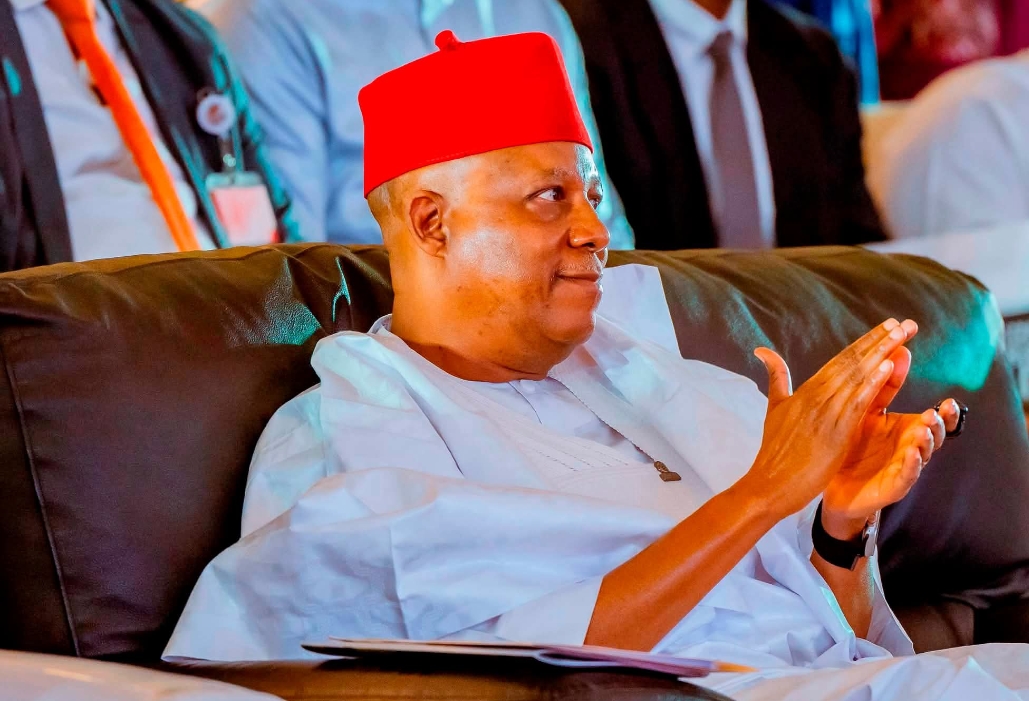
Kashim Shettima: The Imperative of Agricultural Revitalization and the Case for the Niger Delta’s Agrarian Future
By: Dr. James Bwala
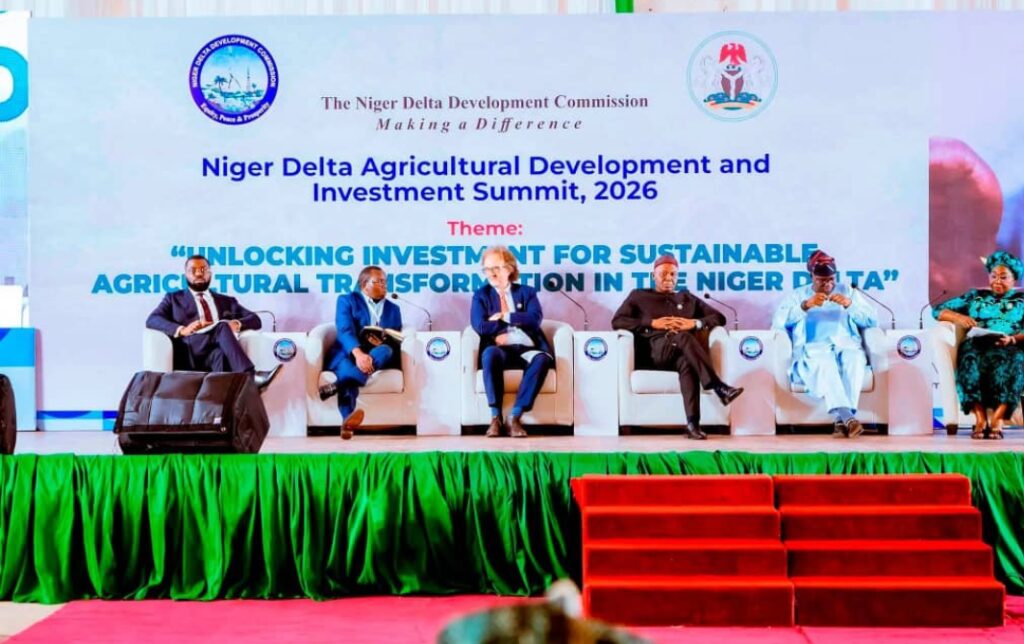
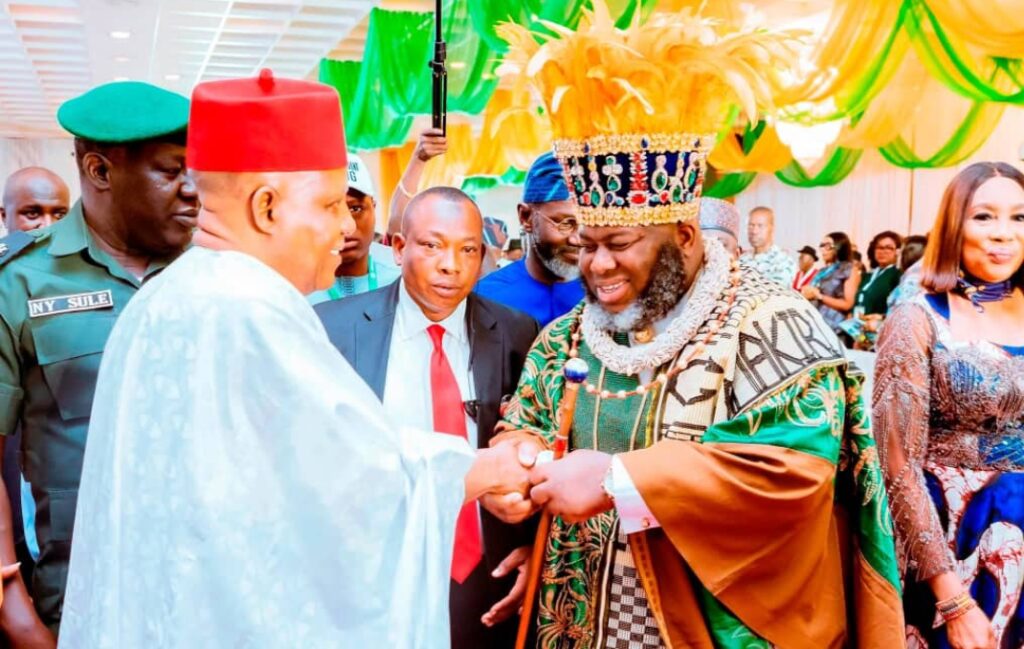
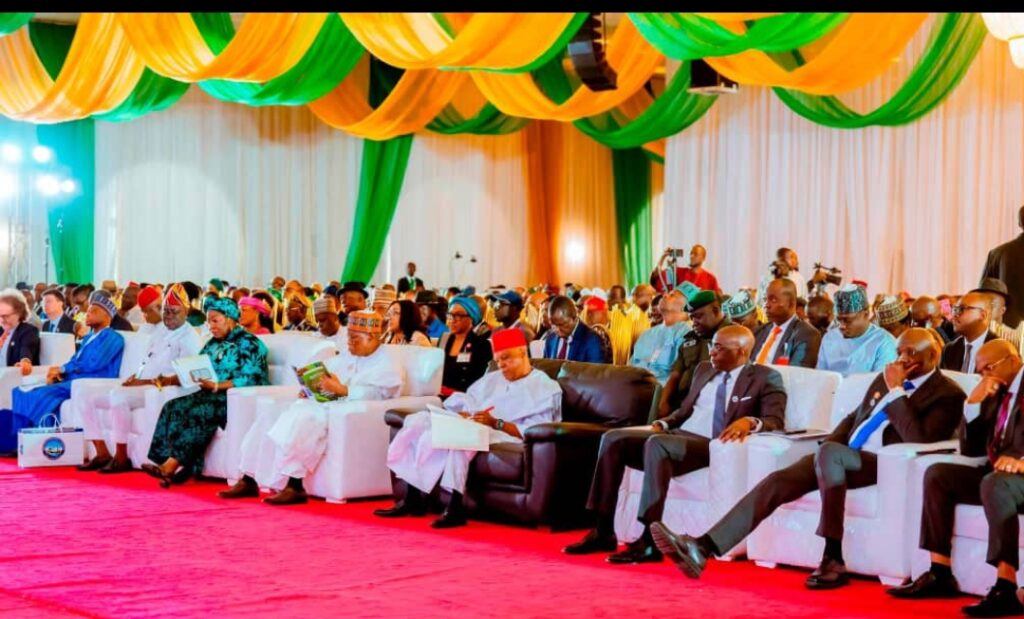
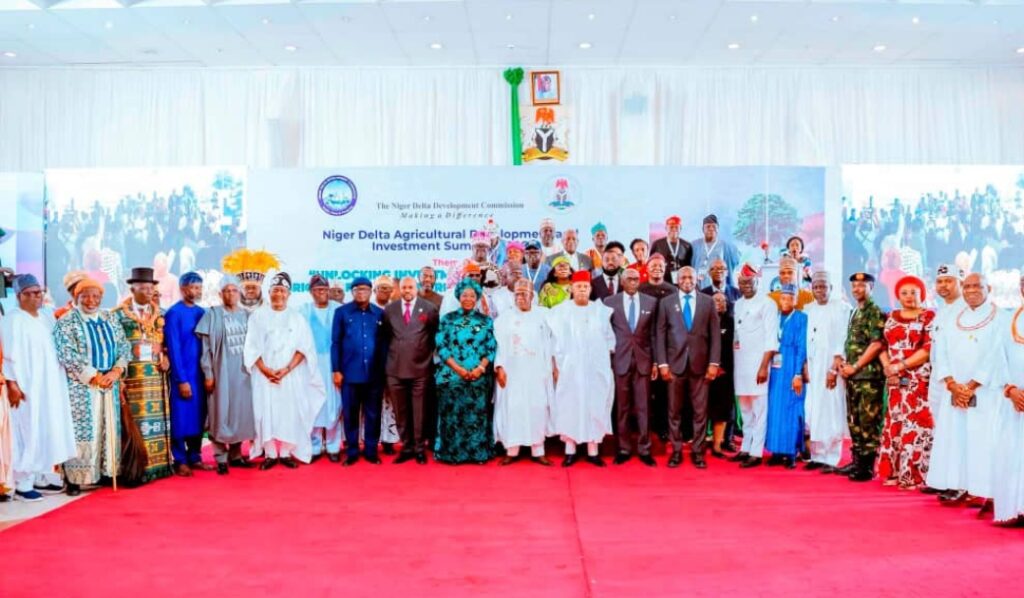
The Vice President of Nigeria, Kashim Shettima, has declared open the Niger Delta Agricultural Development and Investment Summit, co-convened by his office and the Niger Delta Development Commission (NDDC). This event marks a decisive step toward rekindling the agricultural heritage of the Niger Delta, anchored by the launch of the $500 million Niger Delta Agricultural Investment Fund.
Kashim Shettima’s eloquent remarks as they reverberated through the crowd pointed out that while nations rely on a variety of resources, their endurance hinges on their capacity to feed themselves. His assertion that agriculture serves as both the foundation of civilization and the foremost guarantor of political stability forms a compelling argument for an urgent and strategic investment in this sector.
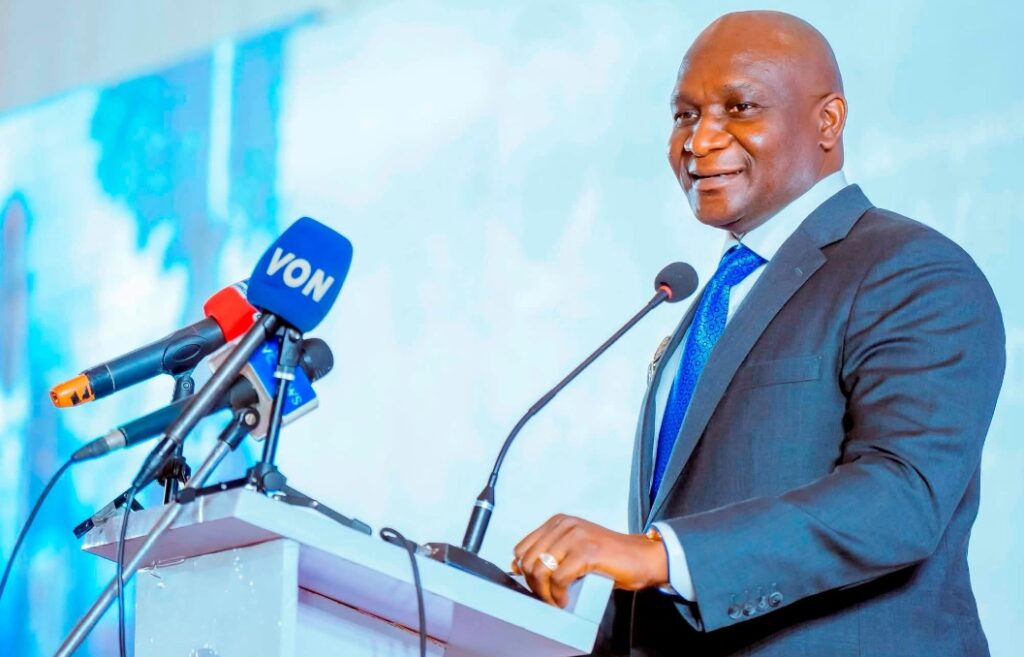
The call for agricultural revitalization in the Niger Delta, emphasizing its critical role in national stability, economic diversification, and sustainable development, speaks volumes of the impact of the Tinubu and Kashim Shettima administrations in this sector. The VP’s message can better be appreciated through the lens of history and economic identity. Prior to the discovery of oil, Nigeria’s economy was fundamentally agrarian. The fertile soils of regions like the Niger Delta were the backbone of local livelihoods and a vital source of revenue. Agriculture provided employment for the majority and supplied food both for domestic consumption and export. Yet, decades of oil dominance have shifted national focus and investment away from agriculture to the detriment of the sector and overall economic resilience.
This shift has had profound consequences. Dependency on oil exports has rendered Nigeria vulnerable to volatile global oil prices and external shocks, leading to economic instability. Adding to this is the neglect of agriculture. This has exacerbated rural poverty, especially in the Niger Delta regions, where environmental degradation and limited economic diversification have compounded socio-economic challenges. The vice president’s emphasis on reinvigorating agriculture is therefore not only a nod to history but also an urgent strategy to reclaim sustainability and inclusive prosperity.
One of the most persuasive points made by Vice President Shettima is the intrinsic link between agriculture and political stability. Agriculture provides food security, which is foundational to societal peace. When a nation struggles to feed its population, social unrest, economic disparity, and political volatility often follow. In contrast, countries that maintain a robust agricultural base tend to enjoy greater internal peace and cohesion because their citizens’ basic needs Countries with a strong agricultural base tend to experience greater internal peace and cohesion, as they meet their citizens’ basic needs..
In the context of the Niger Delta, a region that has experienced significant unrest and militancy largely due to economic marginalization and environmental degradation, leveraging agriculture can act as a transformative stabilizing force. By creating jobs, improving incomes, and enhancing food self-sufficiency, agricultural development can reduce desperation and conflict drivers. It offers a tangible pathway for empowerment and reconciliation, fostering a positive cycle of peace and progress.
Shettima pointed out that Nigeria’s over-reliance on oil is widely recognized as a central challenge to long-term economic sustainability. The global energy transition and fluctuating oil markets make diversification imperative. Agriculture, with its extensive value chains spanning production, processing, marketing, and export, presents a promising avenue for economic diversification.
The $500 million Niger Delta Agricultural Investment Fund represents a bold commitment to capitalize on the region’s natural endowments. Strategic investment in modern farming techniques, infrastructure, agribusiness, and market access will unlock vast opportunities. It will stimulate rural economies, expand the industrial base, and create resilience against external shocks. Moreover, integrating agriculture with technology and innovation can position Nigeria as a competitive player in global agricultural markets.
The Niger Delta has suffered ecological harm from decades of oil exploration, including pollution and land degradation. These environmental issues have compromised agricultural productivity and public health. Consequently, a renewed agricultural focus must also embrace environmental restoration and climate adaptation strategies.
Investing in sustainable farming methods, soil rehabilitation, and water management will restore the land’s fertility and mitigate adverse environmental impacts. Furthermore, agriculture can play a vital role in climate change mitigation through carbon sequestration and biodiversity conservation. Thus, the agricultural revitalization agenda aligns with Nigeria’s broader commitments to environmental stewardship and sustainable development goals.
For the vision articulated by Vice President Shettima to materialize, coordinated action and steadfast commitment from all stakeholders are indispensable. The government must provide enabling policies, facilitate access to finance, improve rural infrastructure, and support farmer education and research. Equally, private sector participation and community engagement will be critical in ensuring the fund translates into meaningful ground-level outcomes.
Public-private partnerships can accelerate technology transfer and market integration, while local communities’ involvement ensures culturally sensitive and inclusive development practices. Transparency and accountability in fund management will safeguard the initiative’s efficacy and public trust.
The Niger Delta Agricultural Development and Investment Summit, and the historic launch of the $500 million Agricultural Investment Fund, represent a moment in Nigeria’s quest for sustainable development. Vice President Kashim Shettima’s insightful declaration highlights the unassailable importance of agriculture as the bedrock of civilization, political stability, and economic resilience. For a nation whose foundations were rooted in agrarian prosperity before oil, the time to rekindle that legacy is now.
The Niger Delta, endowed with rich soils and a hardworking populace, can lead Nigeria’s agricultural renaissance. Through deliberate investment, environmental restoration, and strategic partnerships, the region can emerge stronger, more stable, and more prosperous. Embracing agriculture not as a fallback but as a frontline driver of national progress is not merely an option—it is an imperative for the enduring well-being of Nigeria and its people. The Niger Delta Agricultural Development and Investment Summit symbolizes hope and determination, signaling that Nigeria will no longer take its agricultural promise for granted but will harness it fully to feed its future.
James Bwala, PhD, writes from Abuja.
Kashim Shettima: The Imperative of Agricultural Revitalization and the Case for the Niger Delta’s Agrarian Future
Features/Analysis
IFAD: When Kyari speaks of President Tinubu’s continued support for agriculture and food security in Nigeria

IFAD: When Kyari speaks of President Tinubu’s continued support for agriculture and food security in Nigeria
By: Dr. James Bwala
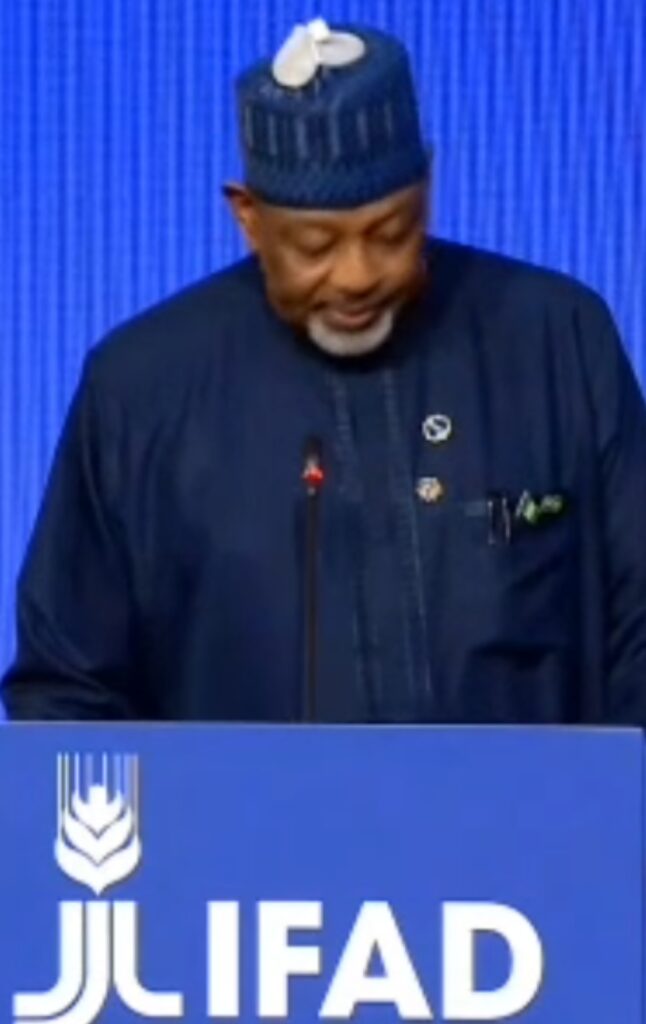
At the 49th session of the International Fund for Agricultural Development (IFAD), Nigeria’s Honorable Minister of Agriculture and Food Security, Senator Abubakar Kyari, delivered a powerful closing statement that underscored the crucial role of agriculture in Nigeria’s socioeconomic landscape. His remarks not only highlighted the ongoing support from President Bola Ahmed Tinubu but also made a persuasive case for the importance of an unwavering commitment to food security and agricultural transformation. Indeed, Kyari’s endorsement of President Tinubu’s agricultural policies reflects a broader vision for Nigeria’s development and why such support is vital for both national prosperity and global food security.
Senator Kyari opened his statement with a note of gratitude for being elected as the chairperson of IFAD, an organization that plays a pivotal role in enhancing food security and agricultural development across the globe. This acknowledgment was not just a formality—it set the tone for what would follow. While expressing appreciation for President Tinubu’s steadfast dedication to agriculture, Kyari positioned the Nigerian leadership as progressive and forward-thinking in a time when the world grapples with pressing issues of food scarcity, climate change, and economic instability.
READ ALSO: https://newsng.ng/confidence-hope-for-nigerias-agriculture-president-tinubus-message-to-sen-kyari/
Sen. Kyari said the importance of food security cannot be overstated. Noting that it is the bedrock of societal stability and economic growth. Indeed, in Nigeria, a country that relies heavily on agriculture, it is imperative that government leaders prioritize initiatives that bolster food production and ensure that every citizen has access to nutritious food. Senator Kyari emphasized that President Tinubu’s policies are oriented towards achieving this goal, which speaks volumes about the administration’s commitment to addressing the needs of the population. When leaders demonstrate a resolute focus on agricultural reforms, they ignite hope and inspire confidence among the citizens, particularly in rural areas where livelihoods largely depend on farming.
Sen. Kyari articulated a vision for agricultural transformation that extends beyond mere rhetoric; it encompasses actionable frameworks and policies aimed at improving productivity, supporting farmers, and building sustainable supply chains. The senator’s acknowledgment of rural communities—specifically mentioning both women and men—reflects an understanding of the integral role that gender equity plays in agricultural development. While he includes both demographics in his remarks, Kyari reinforces the notion that empowering women farmers and entrepreneurs is essential for achieving comprehensive food security. Indeed, studies consistently show that when women have equal access to resources, education, and decision-making processes in agriculture, communities thrive.
It is worth noting that the transformative efforts in agriculture are not solely a domestic issue but resonate on a global scale. As nations confront interconnected challenges like food insecurity, climate change, and geopolitical tensions, cooperative engagement becomes paramount. Senator Kyari’s emphasis on Nigeria’s constructive participation in global food security governance illustrates the need for countries to collaborate and share best practices to create resilient agricultural systems. Kyari noted that in a world where food supplies can be disrupted by unpredictable climate patterns and trade conflicts, having strong national policies in place can support international stability.
He states that President Tinubu’s administration is entering a phase marked by increased investment in agricultural infrastructure, research and development, and farmer support programs. His statement serves to reinforce this narrative and catalyze further discussions around resource allocation for agriculture. For instance, improving irrigation systems, providing better access to credit, and enhancing extension services are critical steps that can transform the sector. These initiatives not only secure food sources but also stimulate economic growth through job creation and increased agricultural exports.
READ ALSO: https://newsng.ng/confidence-hope-for-nigerias-agriculture-president-tinubus-message-to-sen-kyari/
Sen. Kyari’s leadership at the IFAD sends a message of Nigeria’s readiness to collaborate with other countries in tackling shared challenges. As global food demands rise, the ability to contribute to and shape international dialogues on agriculture becomes vital. Nigeria stands at a crucial intersection, where its actions can influence broader trends in agricultural policy and food security efforts worldwide. The senator’s humility, expressed in acknowledging his responsibilities toward rural communities, hints at a collaborative spirit that prioritizes dialogue and partnership over isolationism.
In discussing the support from President Tinubu, Kyari highlighted that such endorsement is not just symbolic; it translates into real changes on the ground. The current administration recognizes that modernizing agriculture requires holistic approaches that integrate technology, sustainability, and community engagement. This includes investing in agricultural research institutions, promoting innovative farming techniques, and harnessing technology to enhance yield and efficiency.
READ ALSO: https://newsng.ng/confidence-hope-for-nigerias-agriculture-president-tinubus-message-to-sen-kyari/
As the global community looks toward sustainable development goals, Nigeria’s agricultural agenda must align with these aspirations. The zero hunger goal, for example, emphasizes that food should be available, accessible, and nutritious for all individuals. Kyari’s reiteration of President Tinubu’s support for agriculture thus positions Nigeria as a proactive partner in the global mission to eradicate hunger. This vision must be backed by strategic planning and effective implementation to ensure that the promises made resonate in the lives of Nigerians, especially those in the most vulnerable communities.

The minister’s remarks signify an essential reorientation towards climate-smart agriculture. As the effects of climate change become increasingly evident, traditional farming practices may no longer suffice. Therefore, adopting strategies that promote resilience—such as diversifying crops, utilizing drought-resistant seeds, and implementing sustainable land management practices—is crucial. Sen. Kyari’s acceptance of the chairmanship at IFAD reflects an understanding of these complexities, establishing a platform where Nigeria can advocate for adaptive measures suited to its unique environment.
Indeed, Senator Abubakar Kyari’s address at the 49th session of IFAD effectively conveyed the significance of President Bola Ahmed Tinubu’s support for agricultural initiatives in Nigeria. This backing is not merely political; it represents a strategic thrust towards addressing food security, supporting rural livelihoods, and participating actively in global conversations about agriculture.
READ ALSO: https://newsng.ng/confidence-hope-for-nigerias-agriculture-president-tinubus-message-to-sen-kyari/
As Nigeria navigates its path toward agricultural transformation, the leadership’s commitment paves the way for sustainable development that uplifts communities, empowers individuals, and ultimately contributes to a more secure and stable global food system. With collaborative efforts at the national and international levels, Nigeria has the potential to emerge as a key player in shaping the future of agriculture and food security, fostering a safer and more equitable world for all.
* James Bwala, PhD, writes from Abuja.
IFAD: When Kyari speaks of President Tinubu’s continued support for agriculture and food security in Nigeria
Features/Analysis
Nigeria’s Minister of Agriculture and Food Security, Sen. Abubakar Kyari: A Strategic Leadership for Global Agricultural Governance
Nigeria’s Minister of Agriculture and Food Security, Sen. Abubakar Kyari: A Strategic Leadership for Global Agricultural Governance
By: Dr. James Bwala
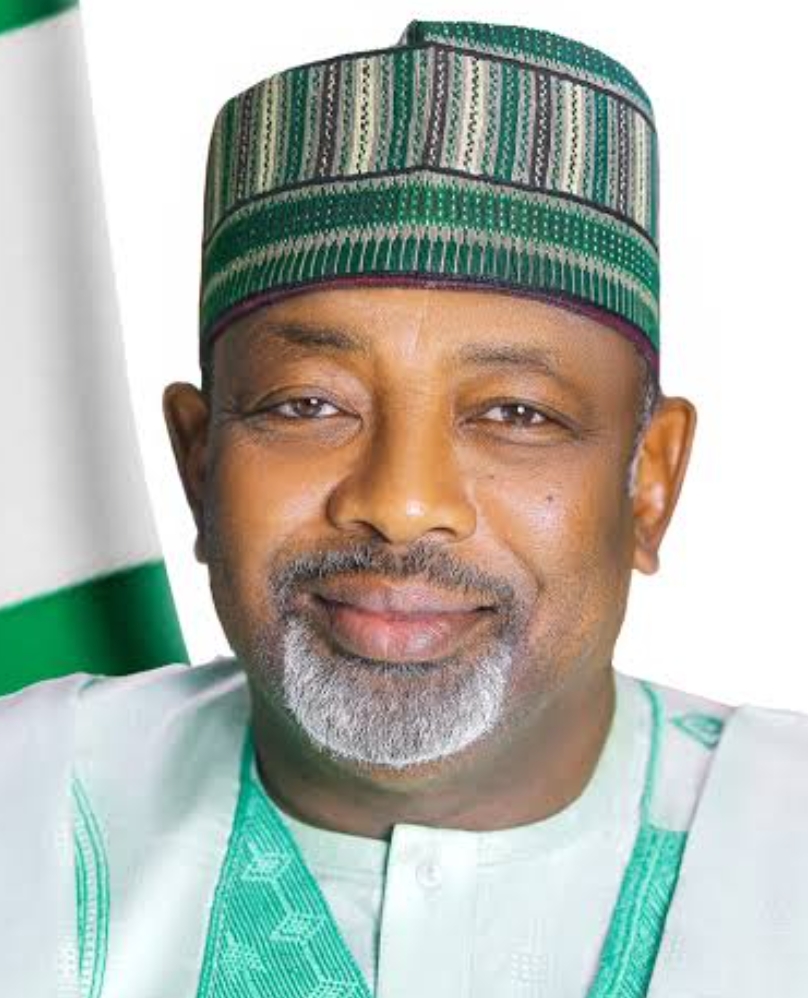
On February 10, 2026, during the 49th Session of the International Fund for Agricultural Development (IFAD) Governing Council Meeting in Rome, Italy, Nigeria’s Minister of Agriculture and Food Security, Sen. Abubakar Kyari, CON, ascended to the prestigious role of Chairperson of the Governing Council of IFAD. This appointment marks a significant moment not only in Sen. Kyari’s career but also symbolically represents Nigeria’s emerging prominence on the global agricultural stage. His election can be interpreted as a reflection of both personal merit and broader geopolitical shifts within agricultural governance, particularly concerning food security and rural poverty alleviation.
The International Fund for Agricultural Development, a specialized agency of the United Nations, is dedicated to eradicating rural poverty and strengthening food systems worldwide through targeted investments and partnerships. With the world grappling with unprecedented challenges such as climate change, economic instability, conflict, and demographic shifts, the need for effective leadership in agricultural governance has never been more urgent. Sen. Kyari’s previous experience as vice chair of the governing council positions him uniquely to leverage his understanding of IFAD’s operational framework to foster innovative solutions that address these pressing issues.
READ ALSO: https://newsng.ng/distinguished-senator-abubakar-kyari-a-leader-in-his-season/
Sen. Kyari, upon accepting his new responsibility, expressed a commitment to lead with humility, fairness, inclusiveness, and strategic foresight. He emphasized the importance of consensus-building and maintaining the integrity of IFAD. This foundational philosophy is pivotal, especially in a time when global agricultural policies are often polarized and contentious. His approach underscores that effective leadership must prioritize collaboration over division, which is essential for developing comprehensive strategies tailored to tackle the multifaceted challenges facing the agricultural sector today.
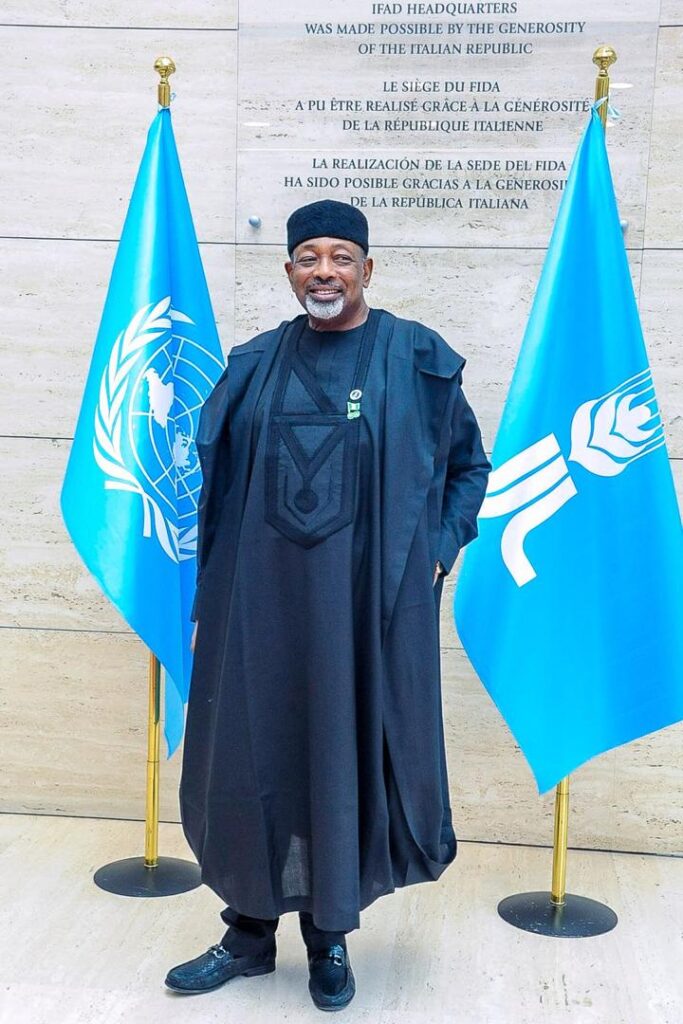
The minister acknowledged the backing of key figures within Nigeria’s agricultural hierarchy, including the Minister of State for Agriculture and Food Security, Sen. Dr. Aliyu Sabi Abdullahi, CON, and the Permanent Secretary, Engr. Dr. Marcus Olaniyi Ogunbiyi, FNSE. Such collaborative leadership is vital for advancing Nigeria’s agenda on food security, aligning with President Bola Ahmed Tinubu’s Renewed Hope Agenda. This agenda not only emphasizes agricultural transformation but also seeks to strengthen domestic reforms that enhance Nigeria’s position in global food security governance. Consequently, Sen. Kyari’s election as chairperson is an endorsement of Nigeria’s ongoing efforts to elevate its voice in critical international dialogues about food systems and sustainability.
In the current climate of adversity—characterized by climate variability, fluctuating market prices, and geopolitical tensions—the appointment of an African leader to such a significant role at IFAD is both timely and necessary. Sen. Kyari’s election reflects a growing recognition of Africa’s capacity to lead conversations on agricultural governance, especially given the continent’s unique challenges and opportunities. His leadership could pave the way for innovative, region-specific solutions that prioritize resilience and inclusivity, addressing not just food security but also the economic empowerment of rural communities.
READ ALSO: https://newsng.ng/distinguished-senator-abubakar-kyari-a-leader-in-his-season/
As Senator Abubakar Kyari begins his tenure, he faces the dual challenge and opportunity of steering the IFAD towards policies that are both policy-driven and impact-focused. The imperative for responsive agricultural policies has never been more pronounced, particularly in light of the COVID-19 pandemic, which unmasked vulnerabilities in food systems worldwide. Approaches that champion inclusive growth opportunities for marginalized populations can work harmoniously with sustainable development goals, creating a blueprint for a robust agricultural future.
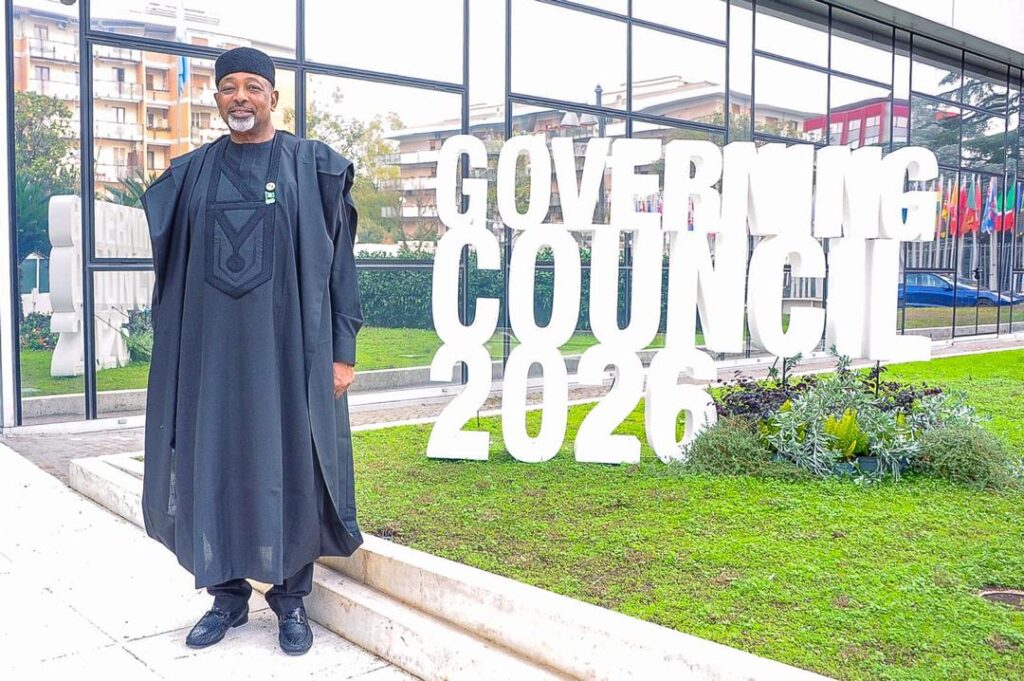
The newly elected Chairperson has asserted his intention to work diligently with Member States to advance rural transformation and global food security. This vision aligns impeccably with the creation of resilient agricultural systems capable of withstanding shocks, ensuring continuity in food supply chains, and safeguarding against the adverse effects of changing climatic conditions. His commitment to fostering forward-thinking policies, underpinned by research and innovation, will undoubtedly inspire stakeholders to collaborate in developing initiatives that bolster agricultural productivity, empower farmers, and ultimately contribute to poverty reduction.
Additionally, it is essential to focus on the long-term implications of Sen. Kyari’s role at IFAD on Nigeria and the broader African continent. His election could catalyze increased investment and attention towards African agricultural practices, empowering local farmers and enhancing agricultural research and development. By championing initiatives that embrace technology and innovation, such as smart agriculture and sustainable practices, this leadership can usher in a new era for African agriculture—one that is resilient, competitive, and recognized on the global stage.
The integration of environmentally sustainable practices into agricultural initiatives will be another crucial area of focus for Senator Abubakar Kyari. Climate change presents a formidable challenge to food security, and agricultural policies must evolve to mitigate these risks. The introduction of agro-ecological practices, investment in renewable energies within the agricultural sector, and promoting biodiversity could become central tenets of his strategy. By prioritizing sustainability, Senator Kyari can lead IFAD into a future where agricultural productivity does not compromise the health of ecosystems or the livelihoods of future generations.
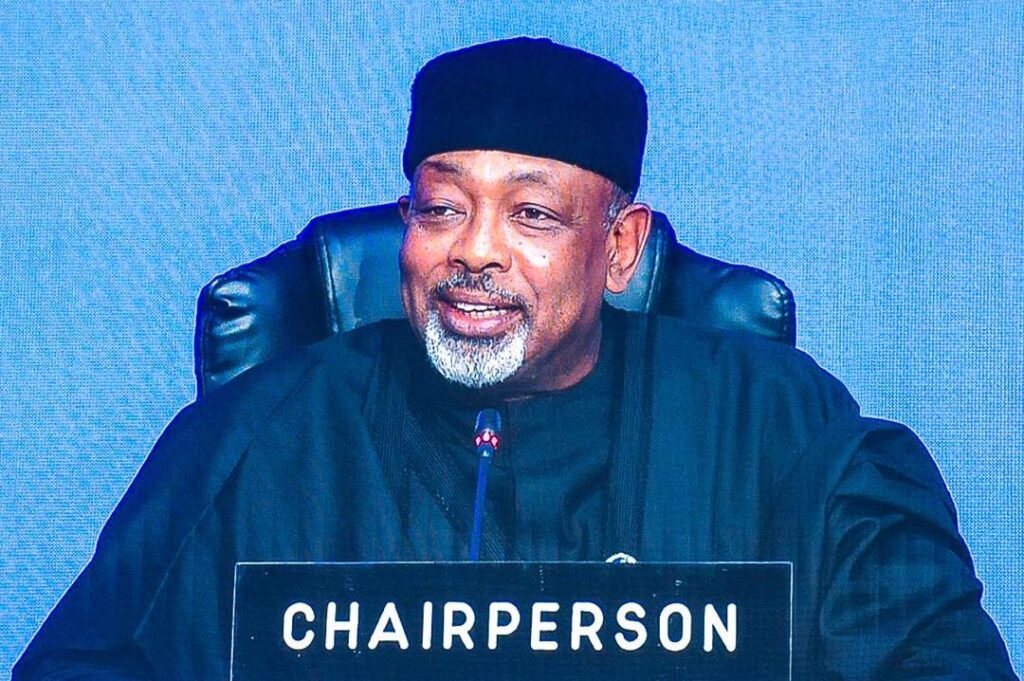
Furthermore, the current global economic climate, marked by unpredictability, necessitates a profound reevaluation of traditional agricultural practices. The volatility caused by internal conflicts, trade disputes, and supply chain disruptions demands agile and adaptive strategies. Under Senator Abubakar Kyari’s guidance, IFAD can pivot towards building frameworks that enhance food sovereignty, engage local communities in decision-making processes, and promote regional cooperation among member states. Such efforts are critical in developing agricultural sectors that are self-sufficient and resilient to external shocks.
Senator Abubakar Kyari’s presence at the helm of IFAD serves as a beacon of hope for millions affected by rural poverty. His leadership promises to amplify the voices of those often overlooked in agricultural discussions—smallholder farmers, women, and youth—ensuring their needs and aspirations are prioritized in policy frameworks. Inclusion is not just a moral imperative; it is fundamental to crafting policies that yield tangible results and foster sustainable development.
READ ALSO: https://newsng.ng/distinguished-senator-abubakar-kyari-a-leader-in-his-season/
Indeed, Senator Abubakar Kyari’s election as Chairperson of the Governing Council of IFAD presents a watershed moment for Nigeria and Africa at large. His leadership embodies a strategic shift towards inclusive and sustainable agricultural governance amidst evolving global challenges. With a commitment to fairness, consensus-building, and visionary policy-making, Senator Kyari stands poised to steer IFAD toward impactful initiatives that address the pressing realities of food security and rural transformation. As Nigeria continues to assert itself on the global stage, Kyari’s tenure represents an opportunity not only for national progress but also for redefining agricultural pathways across the African continent and beyond.
* James Bwala, PhD, writes from Abuja.
Nigeria’s Minister of Agriculture and Food Security, Sen. Abubakar Kyari: A Strategic Leadership for Global Agricultural Governance

Troops arrest suspected ISWAP informant linked to June attack on Gubio

Troops foil kidnap attempt in Benue, respond to distress call in Ukum

Troops rescue three kidnap victims in Plateau, one abducted in Taraba four months ago

Roger Federer’s Shock as DNA Results Reveal Myla and Charlene Are Not His Biological Children

THE PLIGHT OF FARIDA

FAILED COUP IN BURKINA FASO: HOW TRAORÉ NARROWLY ESCAPED ASSASSINATION PLOT AMID FOREIGN INTERFERENCE CLAIMS
-
 News2 years ago
Roger Federer’s Shock as DNA Results Reveal Myla and Charlene Are Not His Biological Children
-
Opinions4 years ago
THE PLIGHT OF FARIDA
-
 News1 year ago
FAILED COUP IN BURKINA FASO: HOW TRAORÉ NARROWLY ESCAPED ASSASSINATION PLOT AMID FOREIGN INTERFERENCE CLAIMS
-

 News2 years ago
EYN: Rev. Billi, Distortion of History, and The Living Tamarind Tree
-
 Opinions5 years ago
POLICE CHARGE ROOMS, A MINTING PRESS
-

 ACADEMICS2 years ago
A History of Biu” (2015) and The Lingering Bura-Pabir Question (1)
-

 Columns2 years ago
Army University Biu: There is certain interest, but certainly not from Borno.
-

 Politics1 year ago
2027: Why Hon. Midala Balami Must Go, as Youths in Hawul and Asikira/Uba Federal Constituency Reject ₦500,000 as Sallah Gift
