
News
Environmental Degradation Not in Tandem with Spirit of National Anthem, Oppresses Most Vulnerable Nigerians-FG

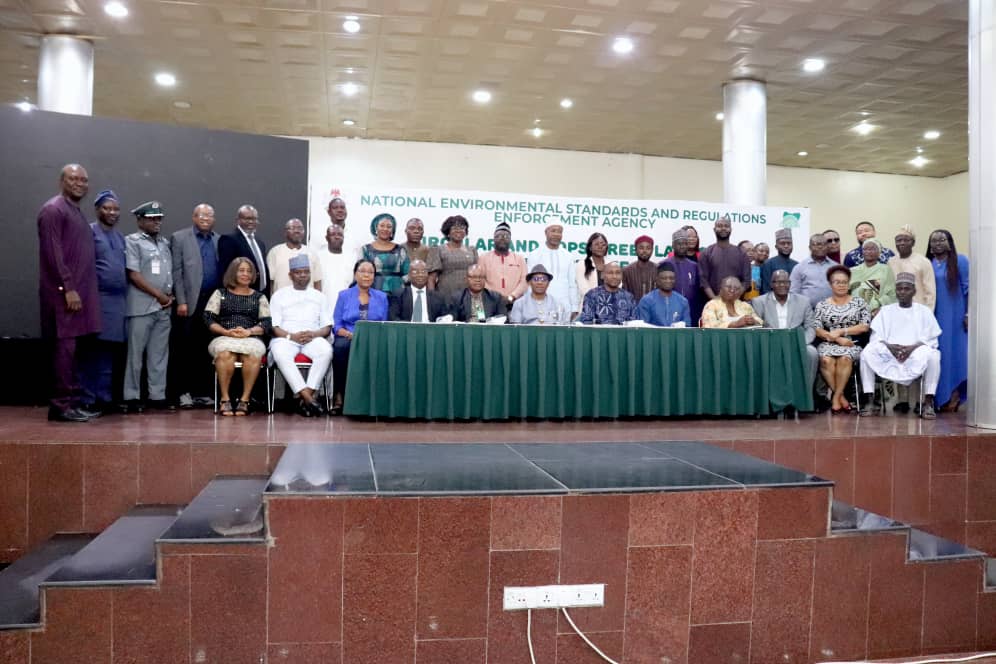
Environmental Degradation Not in Tandem with Spirit of National Anthem, Oppresses Most Vulnerable Nigerians-FG
By: Michael Mike
The Federal Government has decried that environmental degradation is not in tandem with the spirit of Nigeria’s national anthem as it oppresses the most vulnerable Nigerians.
Speaking at the Circular and POPS-free Plastics in Africa Project Inception Workshop in Abuja, the Minister of Environment, Balarabe Abbas Lawal said: “As we reflect on the words of our national anthem, “Help us to build a nation where no man is oppressed,” we must recognize that environmental degradation is indeed a form of oppression. It disproportionately affects the most vulnerable groups in our midst and limits opportunities for future generations.”
The Minister noted that: “This project represents our collective determination to break free from this oppression and build a Nigeria where both people and nature can thrive.”
Lawal while declaring the workshop opened, said: “I wish to express my profound appreciation to all critical partners who have made this initiative possible, namely: the Global Environment Facility (GEF) for financial support; UN Environment, the Implementing Agency, for providing technical support; and BCCC- Africa, for its resourcefulness in providing guidance for the project implementation. To NESREA, the performing environmental police in Nigeria – your commitment to environmental protection and your role as the National Executing Partner is deeply appreciated.”
He noted that Nigeria, as one of the five beneficiary-nations in Africa, has an ample opportunity to, among others: reduce the import, production and use of Persistent Organic Pollutants (POPs) in plastics-containing products in the automobile, construction and electronics sectors) and the generation of unintentionally-produced POPs (UPOPs), with their attendant burdens of pollution and morbidity in our environment; identify safe, eco-friendly and effective alternatives to POPs- containing plastics as well as suitable technologies to manage POPs-contaminated waste in an environmentally sound manner; and adopt and enforce upstream policies and financial instruments, to implement circular economy practices and eliminate or replace problematic products with more sustainable alternatives.
He said the cross-cutting dimension of POPs Management and plastic pollution, including the magnitude of associated challenges call for collective responsibility among all sectoral stakeholders, stressing that: “It is therefore heartwarming to note an equitable representation of high-level policy makers, the dedicated presence of ‘Basel Centre’, the Industry, Academia, Civil Society Organisations, and our Development Partners, whose expertise, vast wealth of experience and solemn commitment wil be brought to bear in actuating successful delivery of the project.”
He decried that while plastics have brought undeniable benefits to modern life, in the absence of an effective waste management strategy and circular economy system, more than three-quarters of scrap plastics get discarded and dispersed in open dumps, burnt, clog the drainage system and ultimately discharged into the marine environment as microplastics.
On his part, the Director General/CEO, National Environmental Standards and Regulations Enforcement Agency (NESREA), Prof. Innocent Barikor said on this historic inception workshop for the Circular and POPs-Free Plastics in Africa Project. “Today, we gather as partners, stakeholders, and custodians of our environment to embark on a transformative journey that will shape Nigeria’s environmental future for generations to come.”
He noted that: “The significance of this gathering cannot be overstated. We are here to address one of the most complex and pressing environmental challenges of our time – the pervasive threat posed by Persistent Organic Pollutants (POPs) in plastic materials. POPs are carcinogenic and mutagenic, causing cancer, genetic mutations, neurological damage, reproductive problems, and immunological disorders. Exposure to POPs has severe long-term health consequences.
“POPs disrupt ecological systems, threatening aquatic ecosystems and human health. “
He noted that: “Many chemical additives used during plastic production to provide the finished plastics products (e.g. plastic housing units of electronics) with unique properties (including plasticity and fire retardancy) are classified as POPs. A typical example is polybrominated diphenyl ethers (PBDEs, including penta-BDE, octa-BDE and deca-BDE). These chemicals are toxic, chemically stable and readily accumulate in the environment and living organisms.
“These toxic substances represent a silent crisis, accumulating in our ecosystems, permeate our food chains, and posing severe risks to human health and biodiversity when end-of-life plastics from electronics are not properly managed. As Nigeria’s apex environmental regulatory agency, NESREA recognizes both the gravity of this challenge and the tremendous opportunity this project presents for gradual and systemic change.
“In Nigeria, our focus on the electronics sector under this project is particularly strategic. Our nation has overtime, emerged as a regional hub for electronic goods in West Africa, with all the attendant responsibilities, advantages and disadvantages this position entails. While we celebrate the economic opportunities this brings, we must also confront the environmental implications. The lifecycle of electronic products – from production to disposal – presents multiple points where POPs could be released into the environment. This project thus provides us with the necessary tools, resources, and partnerships we require to transform this sector into a model of environmental responsibility and circular economy principles.”
Environmental Degradation Not in Tandem with Spirit of National Anthem, Oppresses Most Vulnerable Nigerians-FG


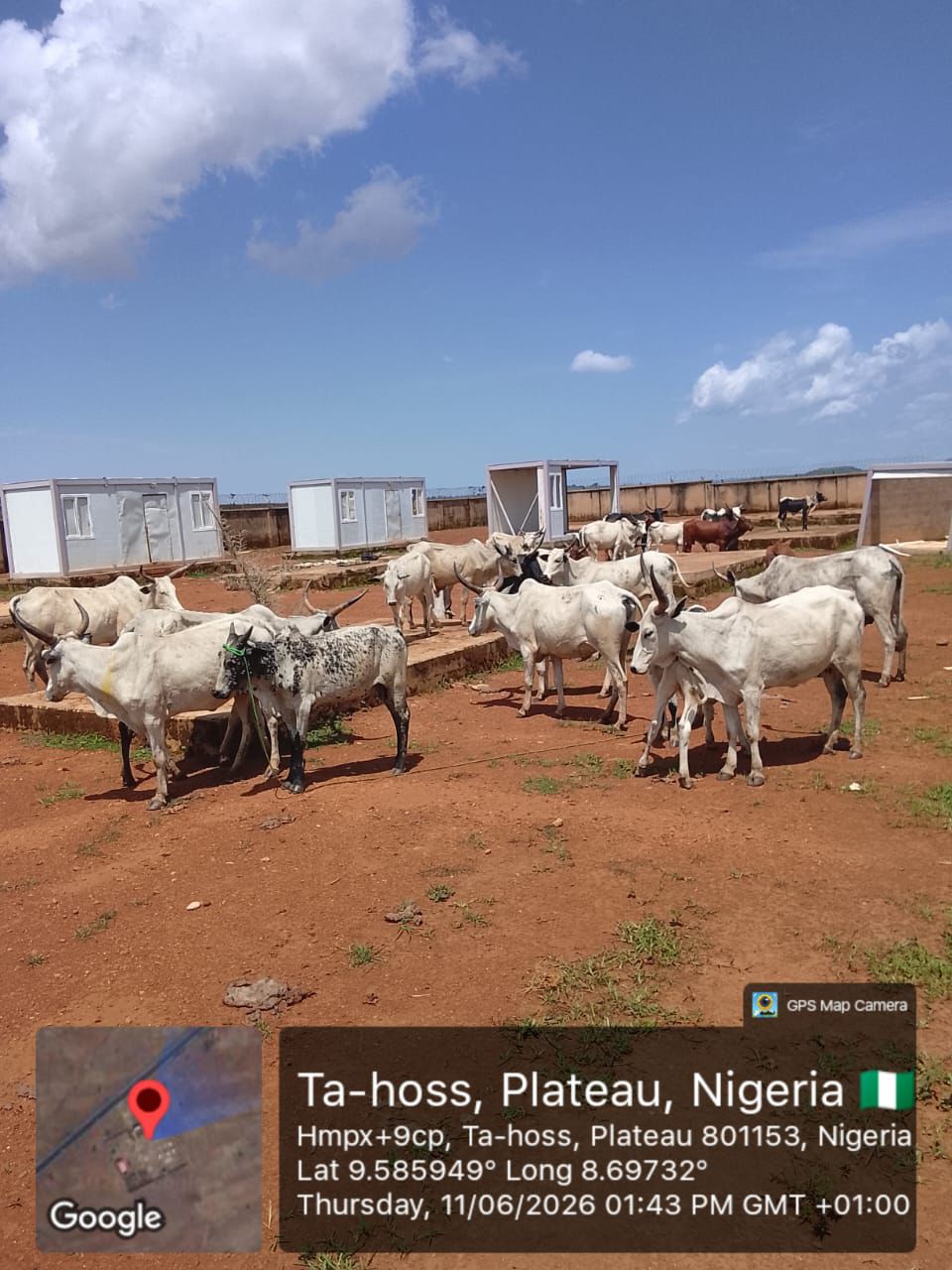
Troops Recover 61 Cattle During Anti-Kidnapping Raid in Plateau
By: Zagazola Makama
Troops of Operation Enduring Peace have recovered 61 cattle during a clearance operation in Riyom Local Government Area of Plateau State.
Security sources disclosed that the operation was conducted on Thursday as part of ongoing efforts to track down suspected kidnappers who fled following sustained military pressure in the area.
The sources said troops of Sector 6 Operation Safe Haven carried out coordinated raids on suspected hideouts and high-ground locations around Sopp, Hawan Kibo and Rafin Sanyi communities in Riyom LGA.
According to the sources, the operation involved cordon-and-search activities targeting suspected kidnappers’ camps, dens and livestock enclosures believed to be linked to criminal networks operating in the area.
During the operation, troops recovered 61 cattle suspected to belong to the fleeing criminals.
“All identified camps, hideouts and cattle enclosures within the general area were searched during the operation. A total of 61 cattle suspected to belong to the criminals were recovered,” a security source said.
The source, however, noted that no arrests were made as the suspects had fled before the troops arrived.
The recovered cattle have been taken into military custody pending further investigation and necessary action by relevant authorities.
The operation forms part of ongoing efforts by security agencies to dismantle kidnapping networks and other criminal groups operating in parts of Plateau State.
Troops Recover 61 Cattle During Anti-Kidnapping Raid in Plateau

Troops Rescue Abducted Teenager, Intensify Search for Two Other Children in Plateau
By: Zagazola Makama
Troops deployed under Operation Enduring Peace have rescued one of three children abducted by suspected kidnappers in Bokkos Local Government Area of Plateau State.
Security sources said the incident occurred on Thursday at Mangar village when the children were returning from their farm.
The abducted children were identified as Linda Ibrahim, 15, Meshack Ibrahim, 8, and Samuel John, 8.
According to the sources, troops of Sector 5 Operation Enduring Peace in Bokkos swiftly responded to reports of the abduction and launched a search-and-rescue operation in the surrounding bushes.
The operation led to the successful rescue of Linda Ibrahim, who was subsequently reunited with her family.
“The troops immediately initiated search-and-rescue operations upon receiving information about the incident and successfully rescued one of the victims,” a security source said.
The source added that efforts were ongoing to locate and rescue the two remaining children still in captivity.
Security forces have intensified operations in the area, with troops combing nearby forests and hideouts in search of the abductors and the remaining victims.
Residents have been urged to remain vigilant and provide credible information that could assist the ongoing rescue efforts.
Troops Rescue Abducted Teenager, Intensify Search for Two Other Children in Plateau
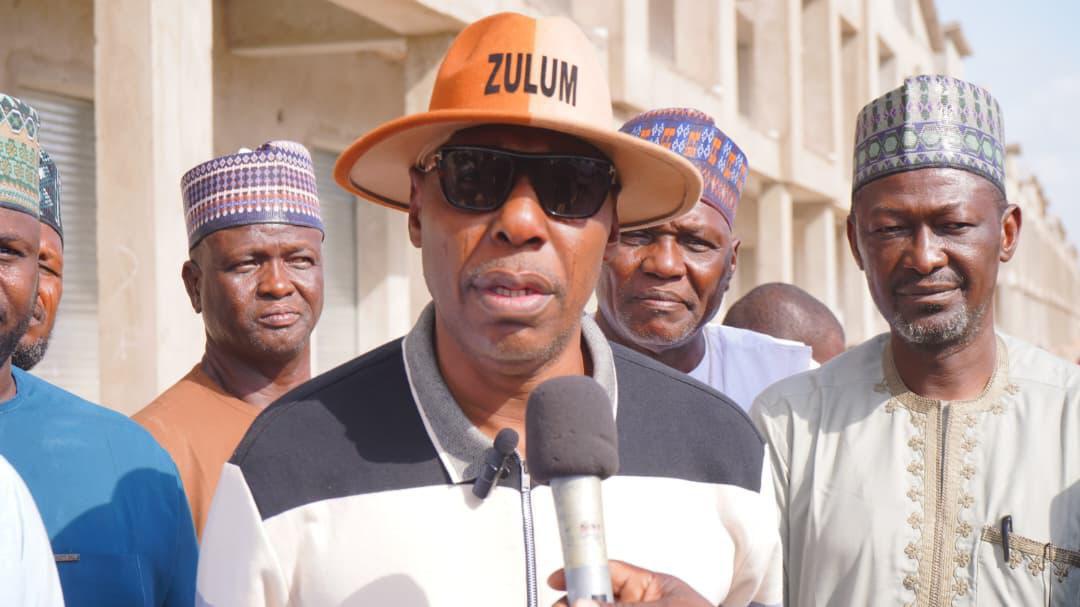
Zulum Targets Closure of Borno’s Largest IDP Camp as Resettlement Drive Enters Final Phase
By: Michael Mike
Borno State Governor, Prof. Babagana Zulum has announced plans to shut down the Bama Internally Displaced Persons (IDP) Camp, the largest displacement facility in Borno outside Maiduguri, within the next month, marking a major milestone in the state’s efforts to end years of mass displacement caused by insurgency.
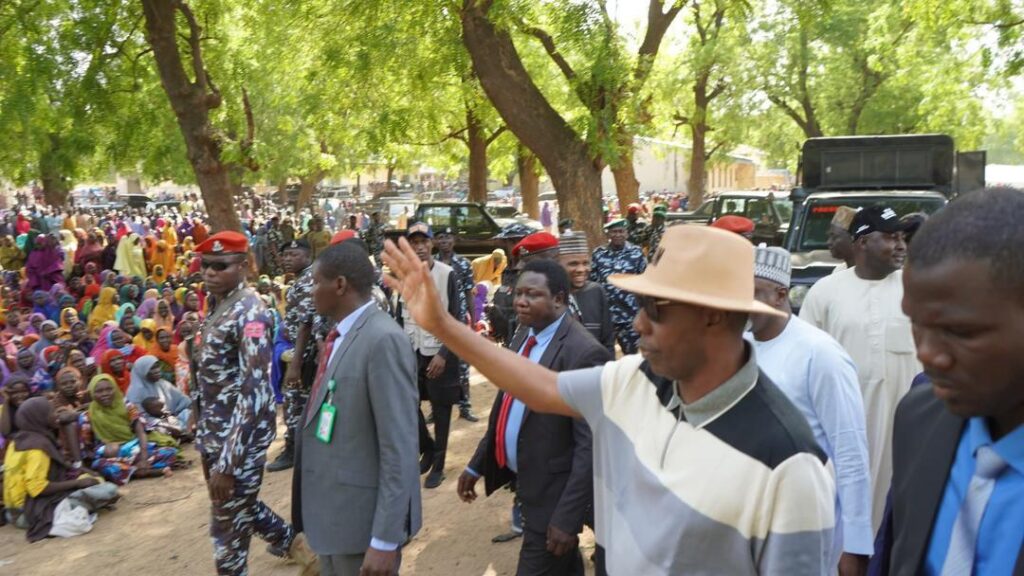
The governor made the declaration on Thursday after personally supervising a screening exercise for displaced families at the Government Science Secondary School IDP Camp in Bama, where he spent more than three hours verifying beneficiaries eligible for the state’s resettlement programme.
Zulum said the exercise was aimed at ensuring that only genuine households are captured as the government moves to complete the return of displaced residents to their ancestral communities.
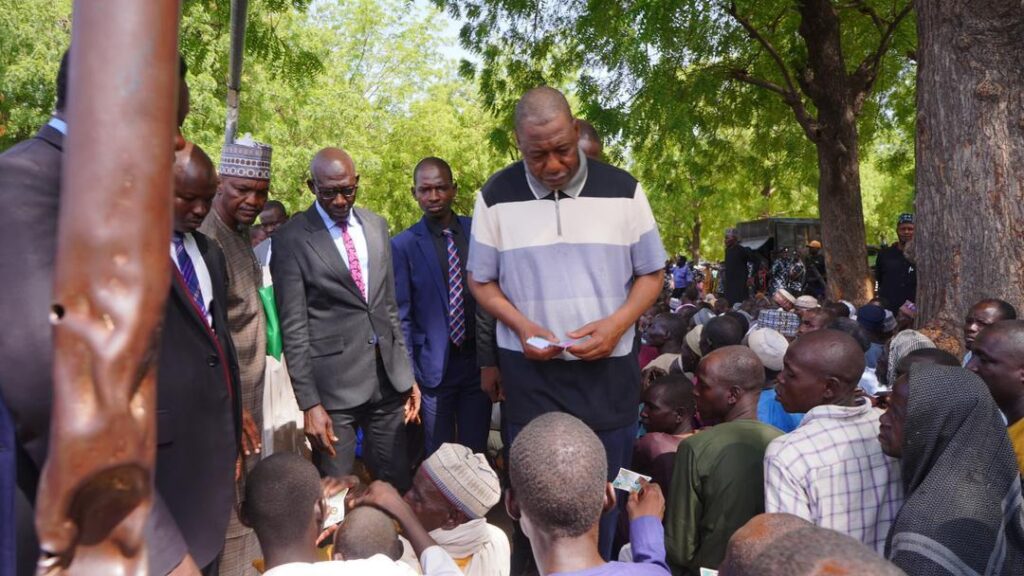
“We are here to examine the remaining displaced people that are living in the IDP camp with a view to ensuring the closure of Bama IDP camp,” the governor stated.
The planned closure represents another significant step in Borno State’s post-insurgency recovery programme, which has seen thousands of displaced persons return to their communities after years of conflict triggered by the activities of the terrorist group Boko Haram.
Over the last seven years, the state government has facilitated the resettlement of residents in several communities across Bama Local Government Area, including Darajamal, Nguro Soye, Goniri, Banki and Abbaram. Bama remains one of the areas most devastated by the insurgency, with large-scale destruction of infrastructure and prolonged displacement of residents.
According to Zulum, only three communities—Mayanti, Goniri and Bula Kuriye—remain to be fully resettled before the camp can be permanently shut down.
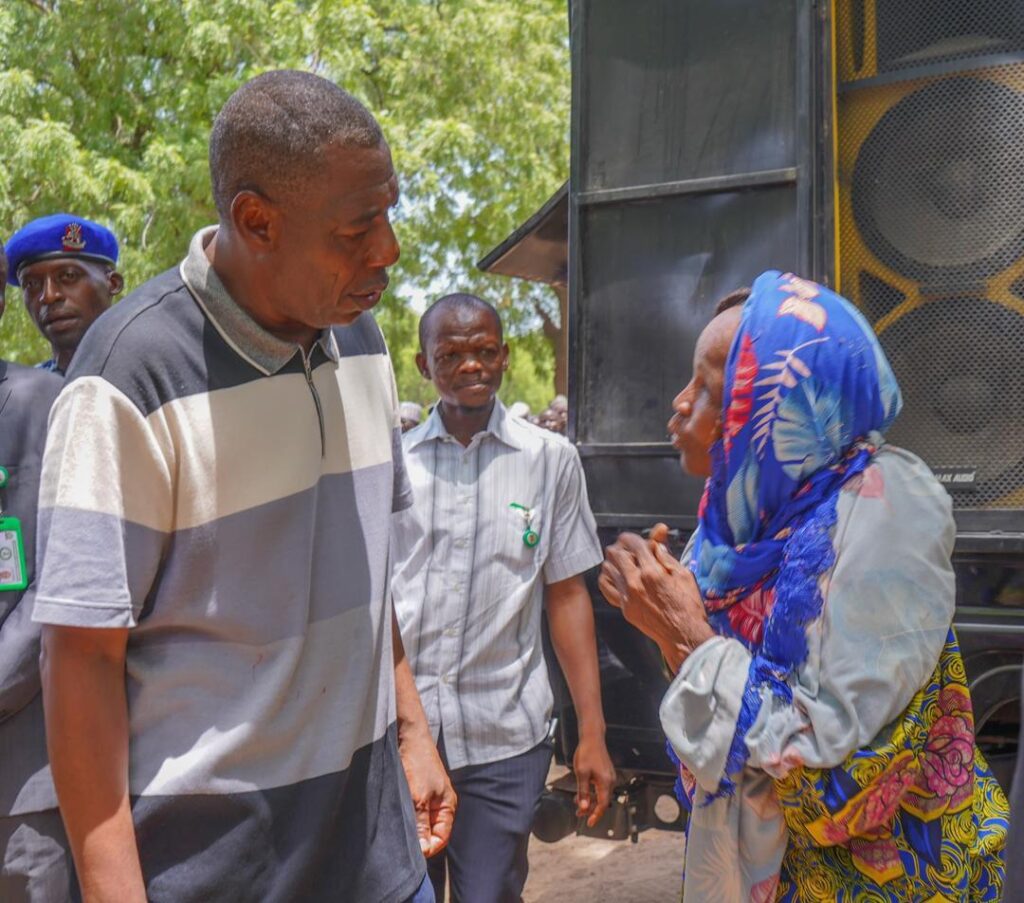
“We have three communities that are left to be resettled, namely, communities from Mayanti, Goniri, and Bula Kuriye. By the next one month, the Bama IDP camp, which is the largest camp in the state outside the state capital, will be closed,” he said.
The governor’s visit also featured inspections of major infrastructure projects underway in Bama as part of the administration’s reconstruction and urban renewal agenda.
Among the projects inspected were the construction of a modern shopping complex and the dualisation of the Bama township road. Zulum praised the quality of work being executed, describing the projects as critical to restoring economic activities and modernising the town after years of devastation.
He recalled that the historic Bama Market was destroyed during insurgent attacks about 15 years ago before being rehabilitated under the administration of Nigeria’s current Vice President, Kashim Shettima.
To further strengthen commercial activities, the state government is constructing a modern shopping complex with 156 shops in front of the market while simultaneously remodelling the entire facility.
“We are trying to provide a befitting shopping mall in front of the market, totaling 156 shops, while also remodeling the market as part of our urban renewal programme,” Zulum said.
He noted that the market redevelopment is designed to stimulate economic growth, improve livelihoods and provide a more conducive environment for businesses and traders.
The governor also disclosed plans to ease traffic congestion and improve connectivity through the dualisation of major roads within Bama, particularly the strategic township road linking Maiduguri, Bama and Gwoza. Existing roads across the town, he added, would be rehabilitated before the end of his tenure.
The inspection tour extended to High Islamic College and teachers’ quarters in Konduga, underscoring the administration’s continued focus on rebuilding educational infrastructure and improving public services in communities affected by conflict.
Zulum was accompanied by senior government officials, lawmakers and community leaders during the visit. The move to close the Bama camp is expected to signal a new phase in Borno’s recovery efforts as authorities push to transition displaced families from temporary shelters to permanent community-based resettlement
Zulum Targets Closure of Borno’s Largest IDP Camp as Resettlement Drive Enters Final Phase

Troops Recover 61 Cattle During Anti-Kidnapping Raid in Plateau

Troops Rescue Abducted Teenager, Intensify Search for Two Other Children in Plateau

VP Shettima’s Invest Lagos Summit: A contest of narratives on both the Dangote and Abdulsamad empires.

Roger Federer’s Shock as DNA Results Reveal Myla and Charlene Are Not His Biological Children

THE PLIGHT OF FARIDA

FAILED COUP IN BURKINA FASO: HOW TRAORÉ NARROWLY ESCAPED ASSASSINATION PLOT AMID FOREIGN INTERFERENCE CLAIMS
-
 News2 years ago
Roger Federer’s Shock as DNA Results Reveal Myla and Charlene Are Not His Biological Children
-
Opinions4 years ago
THE PLIGHT OF FARIDA
-
 News1 year ago
FAILED COUP IN BURKINA FASO: HOW TRAORÉ NARROWLY ESCAPED ASSASSINATION PLOT AMID FOREIGN INTERFERENCE CLAIMS
-

 News2 years ago
EYN: Rev. Billi, Distortion of History, and The Living Tamarind Tree
-
 Opinions4 years ago
POLICE CHARGE ROOMS, A MINTING PRESS
-

 ACADEMICS2 years ago
A History of Biu” (2015) and The Lingering Bura-Pabir Question (1)
-

 Columns2 years ago
Army University Biu: There is certain interest, but certainly not from Borno.
-

 Politics1 year ago
2027: Why Hon. Midala Balami Must Go, as Youths in Hawul and Asikira/Uba Federal Constituency Reject ₦500,000 as Sallah Gift
