
News
FG Endorses, Pledges Support for Nigeria Press Council’s National Economic and Toursim Conpendium

FG Endorses, Pledges Support for Nigeria Press Council’s National Economic and Toursim Conpendium
VP Shettima: President Tinubu, Friend Of The Media, Remains Firm Believer Of Press Freedom
By: Our Reporter
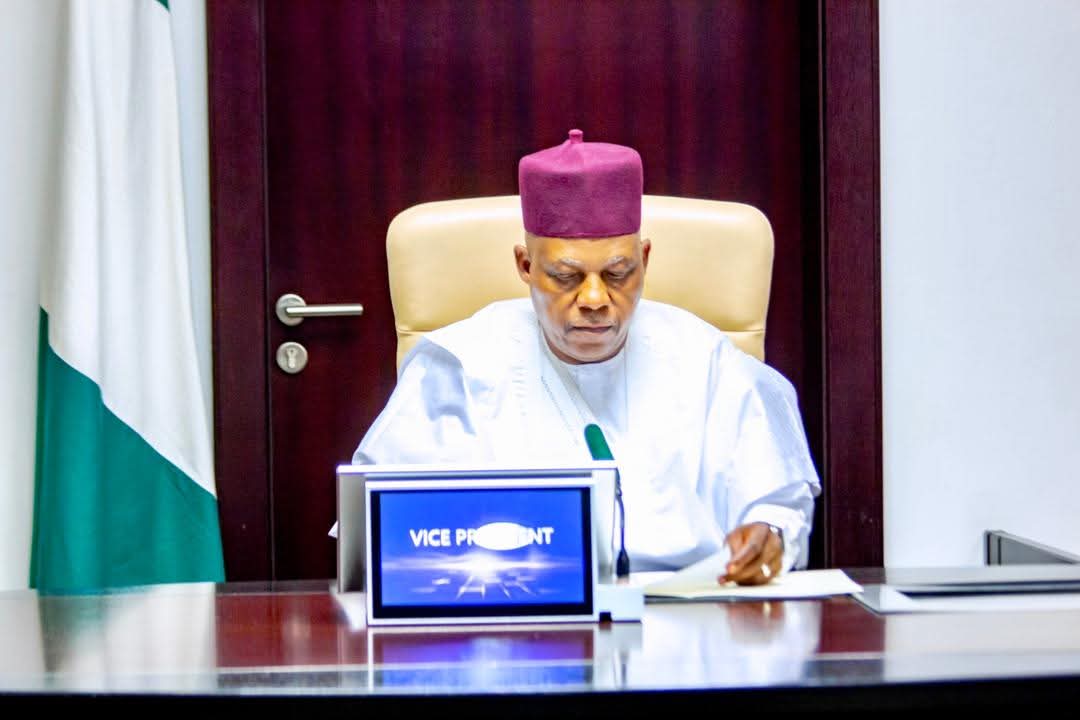
The Vice President, Senator Kashim Shettima, has pledged the Federal Government’s support for the Nigeria Press Council’s national compendium on economic and tourism potentials across Nigeria.
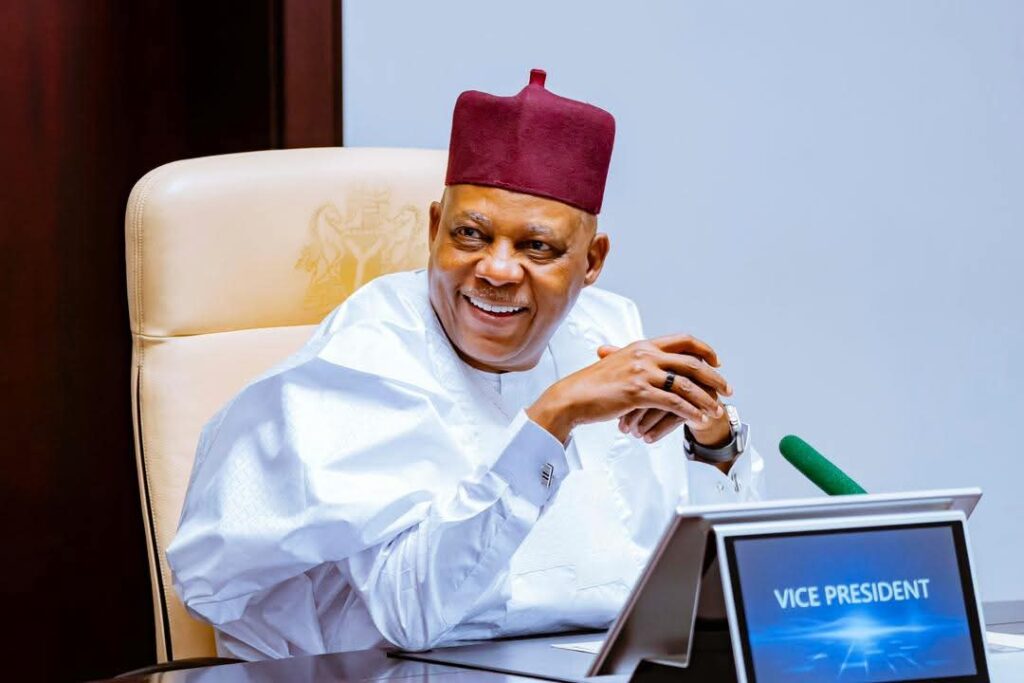
This is as the Vice President described President Bola Ahmed Tinubu as a friend of the media who is a firm believer of independence of the press.
This, he said, explains why the Tinubu administration has, in the past three years, continued to promote an environment that is conducive for journalists to carry out their duties without harassment.
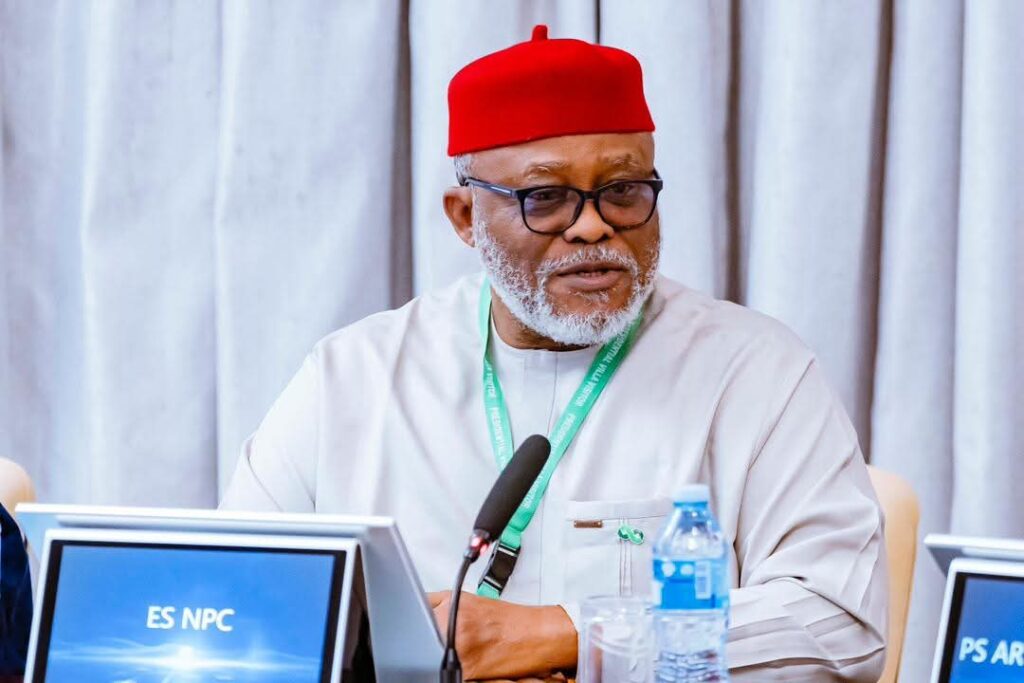
Senator Shettima stated this on Thursday in Abuja when he received a delegation from the Nigeria Press Council (NPC) led by its Executive Secretary and Chief Executive Officer (CEO), Dr. Dili Ezughah, on a courtesy visit to the Presidential Villa.
Noting that President Tinubu has remained a friend of the media, the Vice President recalled how the President had used his personal resources to assist media organizations.
According to him, people have been making libelous and provocative utterances, with incisive vituperations, against the administration and are allowed to get away with them because the President is very tolerant.
“The President is a friend of the media. He used to assist them from his personal resources, with newsprints and other support mechanisms. He is also a publisher. So, he knows the ecosystem very well, and he believes in the independence of the press.
“For the past three years, have you heard of any harassment of journalists? His tolerance threshold is so high that people who are making incendiary remarks are allowed to have their day for peace to reign in the country,” he stated.
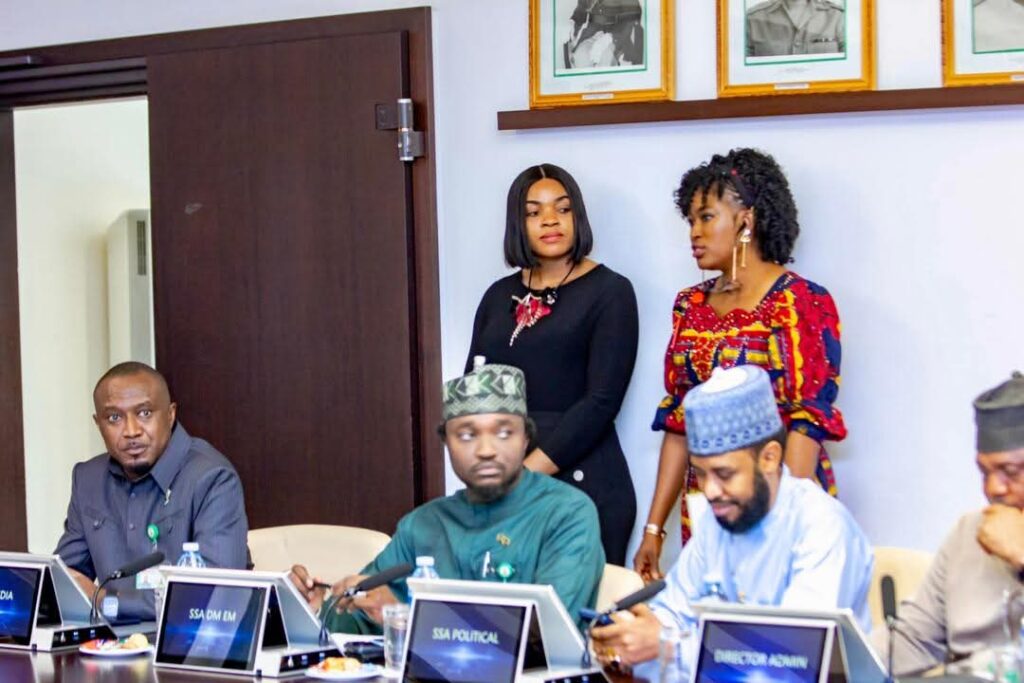
Pledging presidential support for the Council’s bid to get official national endorsement of the publication it is currently working on, VP Shettima also promised to appeal to governors of the 36 states of the federation to key into the project.
“The subnationals own the land, own the people. Their role is very pivotal in really pushing this country forward,” he stated, emphasizing why a buy-in from the governors is pivotal to the book project.
The VP further noted that the national compendium titled, “Nigeria: Documenting the Economic and Tourism Profiles of the 36 States and the FCT,” is a welcome development, expressing hope that the publication would sell Nigeria to the world.
“If you go to other countries, you will see similar books at the airport stands. In terms of the quality of the job, the writings are so top-notch that we can embrace it as our national treasure, and see to it that it is massively printed and circulated to our embassies,” the VP observed.
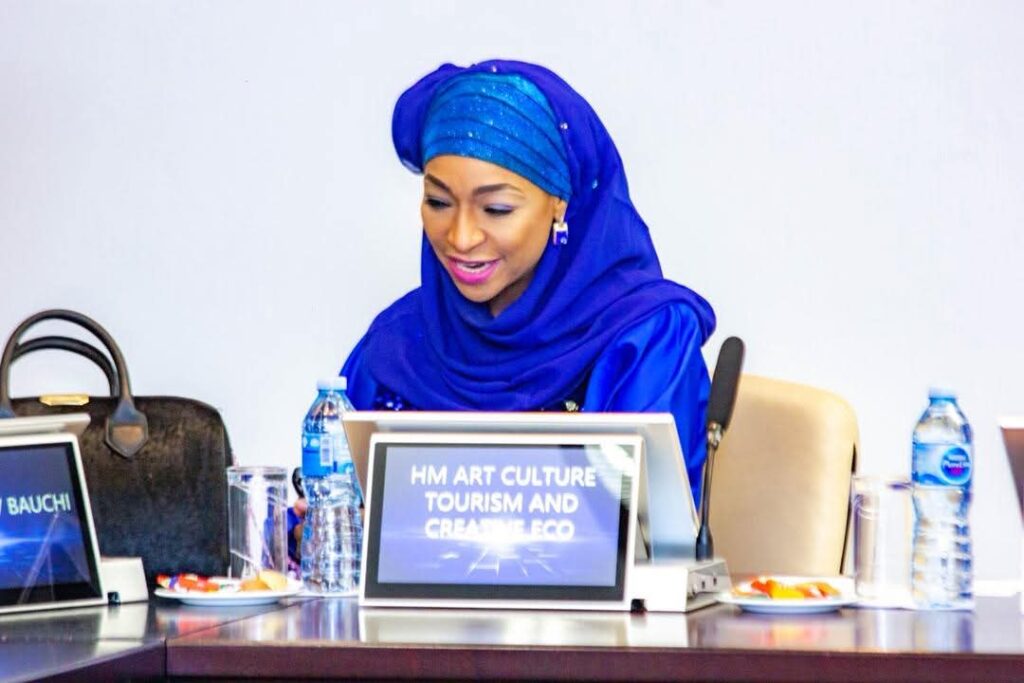
Earlier, the Minister of Art, Culture, and the Creative Economy, Barr. Hannatu Musa Musawa, thanked the Vice President for his continued leadership and support for initiatives that strengthen Nigeria’s economic and cultural positioning.
According to her, the publication is particularly significant for the tourism and creative economy sectors, as Nigeria’s tourism assets, cultural heritage, and creative industries represent major drivers of economic diversification.
She, however, explained that for these sectors to attract investment and gain global recognition, they must be documented and presented in a structured and credible format such as the compendium, thereby bringing visibility to Nigeria’s cultural sites, tourism destinations, creative hubs, and heritage assets across all thirty-six states and the Federal Capital Territory.
Also, Bauchi State Deputy Governor, Mohammed Auwal Jatau, on behalf of the state Governor, Bala Mohammed, expressed gratitude to the country’s leadership, noting that if the document is approved, every state is likely to benefit based on its respective tourism potential.
For his part, the Executive Secretary of the NPC, Dr. Ezughah, expressed gratitude to the Vice President for granting an audience to the NPC Planning Committee while acknowledging his consistent support for sub-national economic development and national coordination.
He explained that the national compendium being developed spotlights Nigeria’s economic and tourism profiles and requires the Vice President’s strategic direction on the document.
FG Endorses, Pledges Support for Nigeria Press Council’s National Economic and Toursim Conpendium


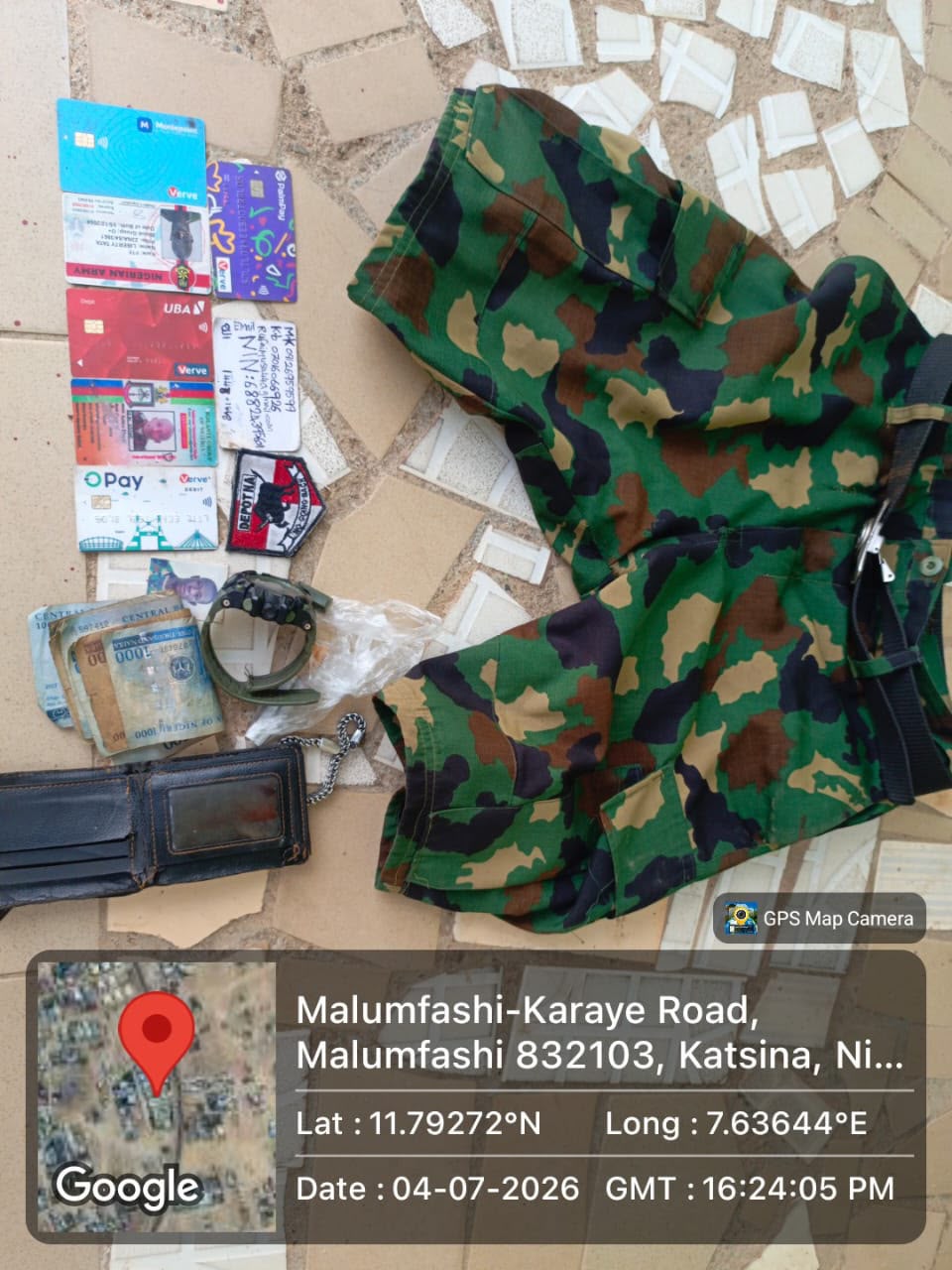
Troops Arrest Suspected Military Impostor in Katsina
By Zagazola Makama
Troops of 17 Brigade have arrested a suspected military impostor during a fighting patrol in Malumfashi Local Government Area.
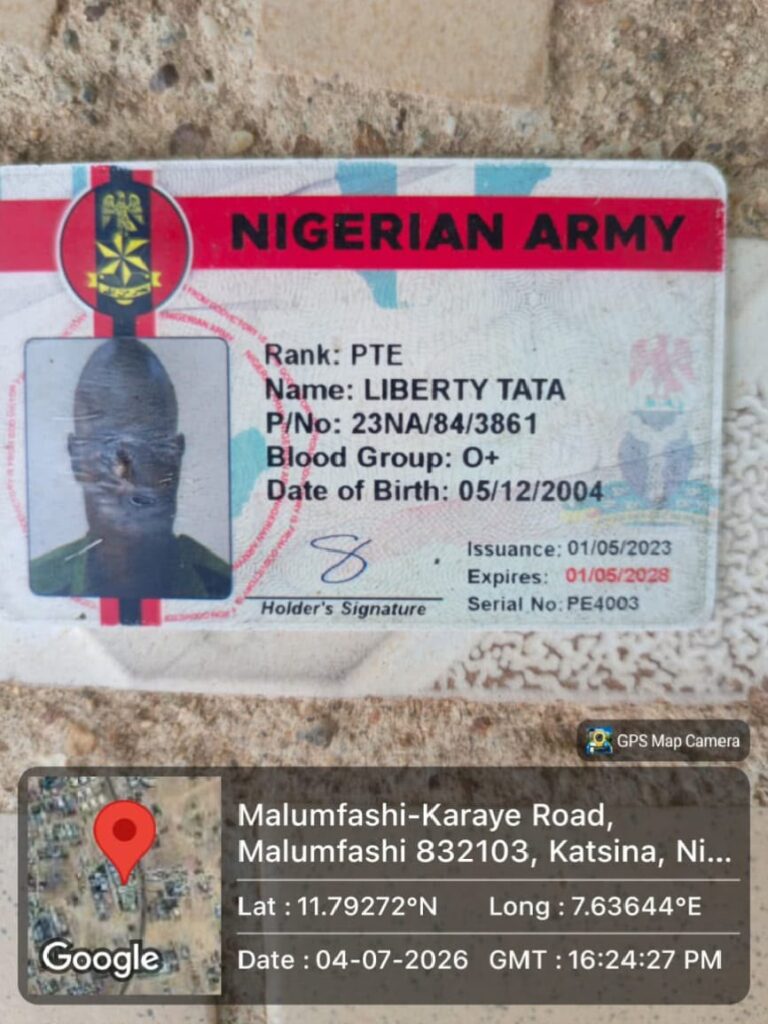
Security sources told Zagazola Makama that the suspect was apprehended at about 1:30 p.m. on July 4 by troops deployed at the Forward Operating Base (FOB) Malumfashi while conducting routine patrols within Malumfashi town.
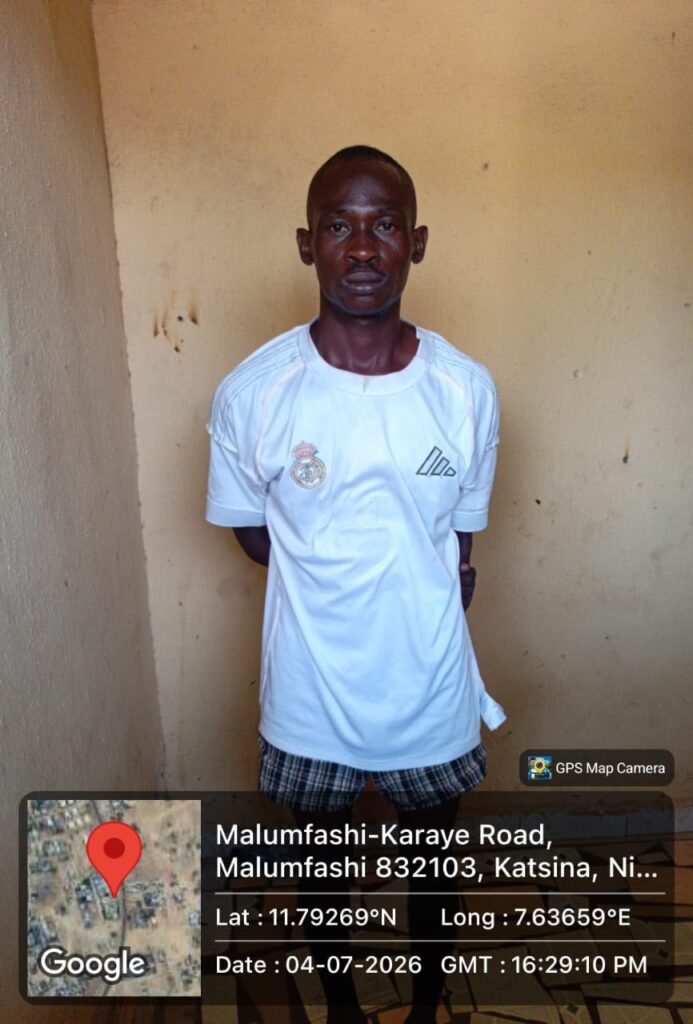
According to the sources, the suspect was intercepted while wearing a woodland camouflage three-quarter short, raising suspicion among the troops.
A search conducted on the suspect led to the recovery of a fake Nigerian Army identity card, four Automated Teller Machine (ATM) cards, one woodland camouflage three-quarter short, a wristwatch and the sum of ₦17,000.
The suspect and the recovered exhibits are currently in military custody pending further investigation.
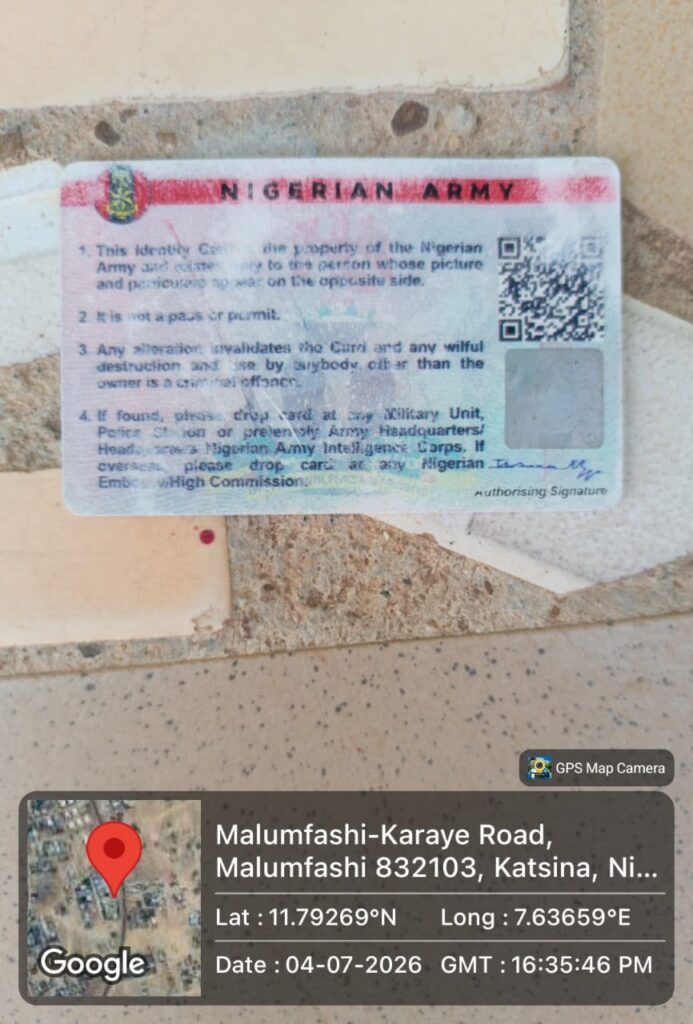
Military sources said the arrest forms part of ongoing efforts to curb impersonation of security personnel and other criminal activities within the area.
Troops Arrest Suspected Military Impostor in Katsina
Troops Recover 50 Rustled Cattle, Repel Suspected Rustlers in Kaduna
By Zagazola Makama
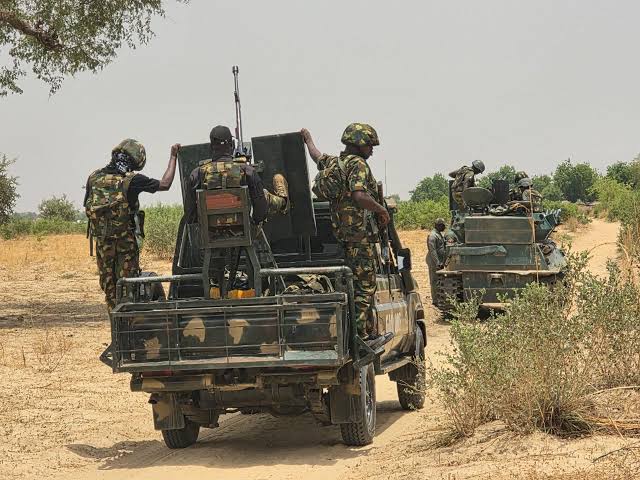
Troops deployed at the Forward Operating Base (FOB) Kankomi have recovered 50 rustled cattle after repelling suspected cattle rustlers during an ambush operation in Chikun Local Government Area.
Security sources told Zagazola Makama that the troops responded to a distress call at about 9:55 a.m. on July 4 over the activities of suspected rustlers at Ungwan Gontu community.
According to the sources, the troops swiftly laid an ambush and made contact with the fleeing suspects, forcing them to abandon the stolen livestock and escape into the surrounding area.
During the operation, the troops recovered 50 rustled cattle, which were subsequently identified and handed over to their rightful owner.
Military sources said efforts are ongoing to track down the fleeing suspects as security operations continue to combat cattle rustling and other criminal activities across Kaduna State.
Troops Recover 50 Rustled Cattle, Repel Suspected Rustlers in Kaduna
Troops Arrest Suspected Terrorist in Kogi, Suspect Confesses to Group Membership
By Zagazola Makama
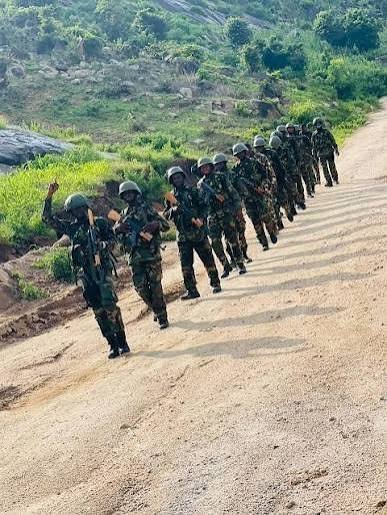
Troops of 12 Brigade, in collaboration with Office of the National Security Adviser (ONSA) Hybrid Forces, have arrested a suspected terrorist during an operation in Lokoja Local Government Area.
Security sources told Zagazola Makama that the troops responded at about 1:00 p.m. on July 4 to reports of a confrontation between local residents and a suspected terrorist at a Ruga settlement behind Obajana community.
According to the sources, the troops swiftly intervened and arrested one suspect at the scene.
During preliminary interrogation, the suspect reportedly confessed to being a member of a terrorist group led by an individual identified as Haruna, which allegedly operates within the Okene general area.
The suspect is currently in military custody and is undergoing further investigation to establish the extent of his involvement and identify other members of the group.
Military sources said the arrest forms part of ongoing security operations aimed at dismantling terrorist and criminal networks across Kogi State.
Troops Arrest Suspected Terrorist in Kogi, Suspect Confesses to Group Membership

Troops Arrest Suspected Military Impostor in Katsina

Troops Recover 50 Rustled Cattle, Repel Suspected Rustlers in Kaduna

Troops Arrest Suspected Terrorist in Kogi, Suspect Confesses to Group Membership

Roger Federer’s Shock as DNA Results Reveal Myla and Charlene Are Not His Biological Children

THE PLIGHT OF FARIDA

FAILED COUP IN BURKINA FASO: HOW TRAORÉ NARROWLY ESCAPED ASSASSINATION PLOT AMID FOREIGN INTERFERENCE CLAIMS
-
 News2 years ago
Roger Federer’s Shock as DNA Results Reveal Myla and Charlene Are Not His Biological Children
-
Opinions4 years ago
THE PLIGHT OF FARIDA
-
 News1 year ago
FAILED COUP IN BURKINA FASO: HOW TRAORÉ NARROWLY ESCAPED ASSASSINATION PLOT AMID FOREIGN INTERFERENCE CLAIMS
-

 News2 years ago
EYN: Rev. Billi, Distortion of History, and The Living Tamarind Tree
-
 Opinions5 years ago
POLICE CHARGE ROOMS, A MINTING PRESS
-

 ACADEMICS2 years ago
A History of Biu” (2015) and The Lingering Bura-Pabir Question (1)
-

 Columns2 years ago
Army University Biu: There is certain interest, but certainly not from Borno.
-

 Politics1 year ago
2027: Why Hon. Midala Balami Must Go, as Youths in Hawul and Asikira/Uba Federal Constituency Reject ₦500,000 as Sallah Gift
