
News
FG Says GEJ is Safe, Out of Guinea Bissau

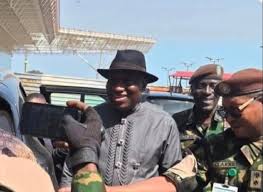
FG Says GEJ is Safe, Out of Guinea Bissau
… Condemns Country’s Military Coup
By: Michael Mike
Nigeria’s Former President Goodluck Jonathan is very safe and out of Guinea-Bissau, the Federal Government has announced.
The spokesperson of the Ministry of Foreign Affairs, Kimiebi Ebienfa made the announcement on Thursday. He said: “He (President Goodluck Jonathan) left with a special flight with members of his delegation including, former President, Economic Community of West African States (ECOWAS) Commission, Ibn Chambas.”
Jonathan, who is the head of ECOWAS Election Monitoring Mission to Guinea Bissau, was tramped along with members of his team in the country when military suspended democratic process and took over government.
Meanwhile, the Nigeria’s government has condemned the military coup d’etat in Guinea Bissau.
The Nigerian government in a statement on Thursday by the spokesperson of the Ministry of Foreign Affairs, Kimiebi Ebienfa said: “The Federal Government of Nigeria has learned with profound dismay and deep concern the unfortunate military coup which has led to an unconstitutional change of government in the Republic of Guinea-Bissau.
“The Federal Government of Nigeria, in the strongest possible terms, condemns this act of military insurrection which undermines the democratic progress, constitutional order, and stability not only of Guinea-Bissau but of the entire West African sub-region. This coup d’état represents a blatant violation of the fundamental principles of the ECOWAS Protocol on Democracy and Good Governance, which explicitly rejects any ascension to power through unconstitutional means.
“We stand in solidarity with the people of Guinea-Bissau and call for the immediate and unconditional restoration of constitutional order, the safety and security of all those detained and the full respect for the sanctity of democratic institutions in Guinea-Bissau.”
The statement added that: “The Federal Government of Nigeria unequivocally calls on the authorities in Guinea-Bissau to ensure and guarantee the safety of all election observers still in the country on official assignment.
“The Federal Government of Nigeria urges all actors involved to exercise utmost restraint, prioritize peaceful dialogue, and respect the will of the people of Guinea-Bissau as expressed through their ballots and the peaceful conclusion of the election with the announcement of results by the electoral management body.
“We warn that those behind this act will be held accountable for their actions, which threaten to plunge the nation into chaos and reverse the hard-won gains of its democracy.”
It further added that: “Nigeria, as a key member of the Economic Community of West African States (ECOWAS) and the African Union, will work closely with our regional and international partners to take all necessary measures to ensure the swift return to normalcy and constitutional governance in Guinea-Bissau. We reaffirm our unwavering commitment to the promotion of democracy, peace, and stability across the African continent.”
FG Says GEJ is Safe, Out of Guinea Bissau


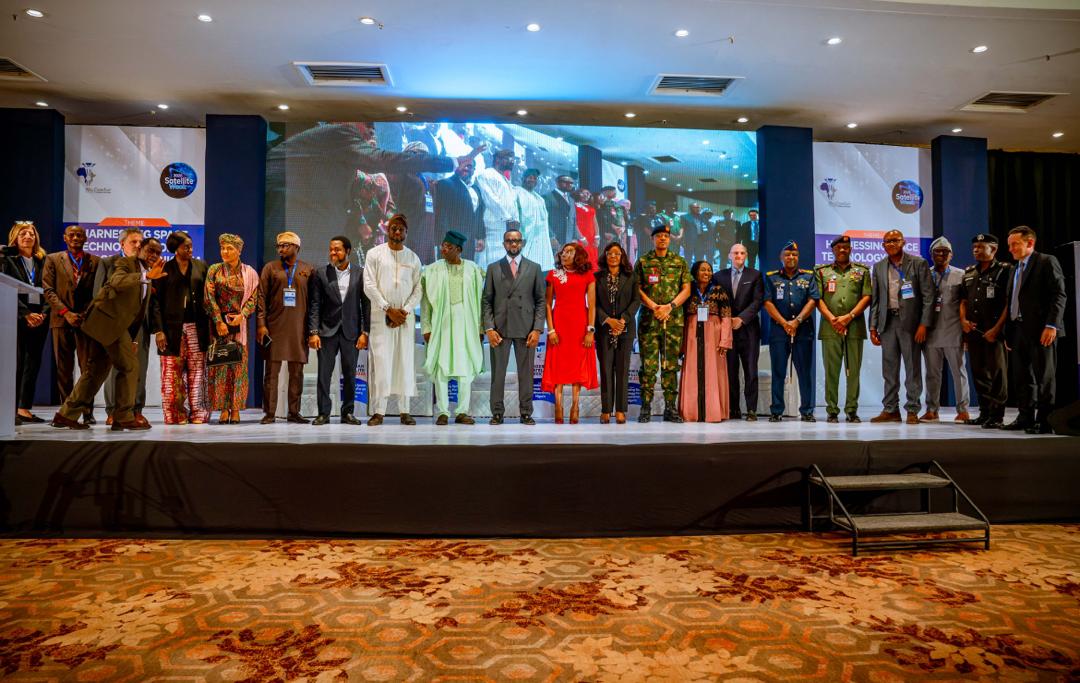
FG Targets Cross-Border Mobile Connectivity to Boost Security, Cut Internet Costs
By: Michael Mike
The Federal Government has unveiled plans to expand Nigeria’s mobile and digital connectivity beyond its borders as part of a broader strategy to strengthen national security and lower the cost of internet services across the region.
The initiative was disclosed on Monday during the second edition of the Nigerian Satellite Week 2026 held in Abuja and organised by Nigerian Communications Satellite Limited.

Speaking at the event, the Minister of Communications, Innovation and Digital Economy, Dr Bosun Tijani, said the Federal Government plans to extend Nigeria’s fibre-optic network into neighbouring countries as part of efforts to modernise digital infrastructure and tackle security challenges.
According to him, the administration of Bola Ahmed Tinubu is investing in about ninety thousand kilometres of fibre-optic infrastructure that will connect Nigeria with neighbouring countries including Cameroon, Niger, Burkina Faso and Chad.
Tijani explained that the regional connectivity project would help reduce the cost of internet capacity in neighbouring countries, where the price of connectivity is significantly higher than in Nigeria.
He noted that while the project would improve digital access and affordability, it would also support national security operations along the country’s borders.
“This fibre network will also provide opportunities for the military because it will run across our borders, which means we will have stronger capabilities for fibre sensing and surveillance,” the minister said.
He also highlighted Nigeria’s strategic advantage as the only country in West Africa operating its own communications satellite through Nigerian Communications Satellite Limited, noting that the platform plays a critical role in providing connectivity to remote and underserved communities.
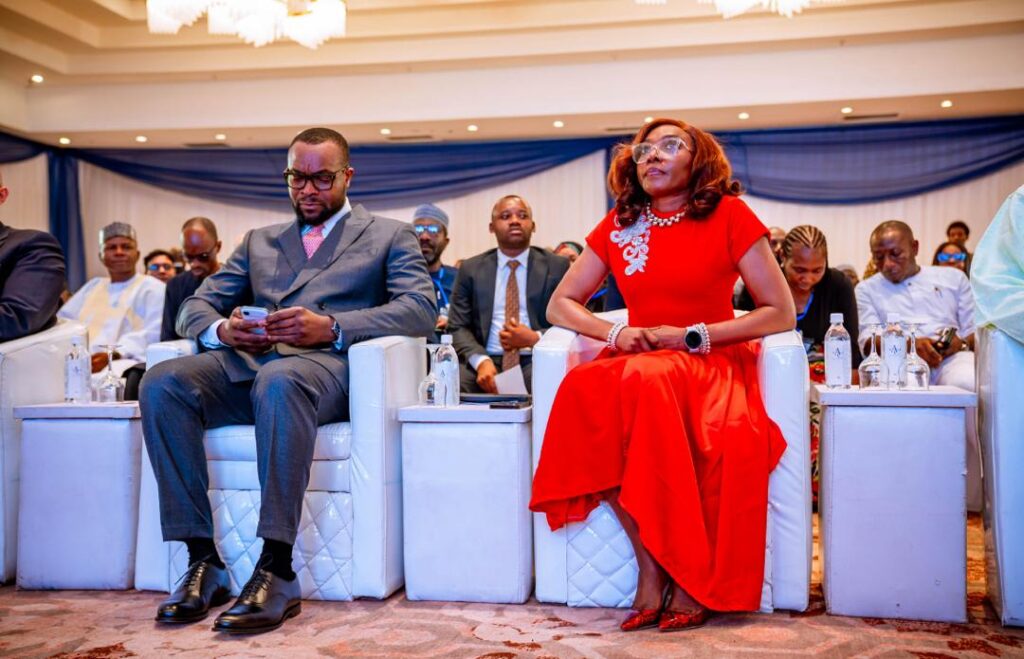
According to Tijani, satellite infrastructure supports sectors such as agriculture, education, business and security, especially in areas where terrestrial networks are limited.
He commended President Tinubu for approving the acquisition of additional satellites, describing the move as a strong demonstration of the government’s commitment to building future-ready digital infrastructure.
The minister added that investments in infrastructure must be accompanied by practical applications capable of driving real development outcomes.
“Satellite technology is a powerful enabler, particularly in the area of security,” he said.
In her welcome remarks, the Managing Director of Nigerian Communications Satellite Limited, Jane Nkechi Egerton-Idehen, said the event reflects Nigeria’s growing commitment to harnessing space technology for national development.
She highlighted initiatives such as Project 774, which aims to provide satellite-enabled connectivity to all local government areas in Nigeria, ensuring that rural and underserved communities are not left behind in the country’s digital transformation.
Egerton-Idehen also noted that the agency is strengthening its global partnerships, including collaborations with Eutelsat and the Kenya Space Agency, while Nigeria currently serves as Vice Chair of the Global Satellite Operators Association.
She explained that the role allows Nigeria to participate actively in shaping international satellite policy and spectrum management discussions.
Also speaking at the event, the Executive Vice Chairman of the Nigerian Communications Commission, Dr Aminu Maida, emphasised the importance of satellite technology in strengthening communication systems and supporting critical services.
According to him, satellite infrastructure has become vital for communication, emergency response, education, security and broader technological advancement.
The Nigerian Satellite Week 2026 brings together policymakers, industry leaders, researchers and innovators to explore opportunities within the satellite and digital infrastructure ecosystem.
Participants say the event provides a platform for collaboration aimed at positioning Nigeria as a leading force in Africa’s rapidly expanding digital and satellite economy.
FG Targets Cross-Border Mobile Connectivity to Boost Security, Cut Internet Costs
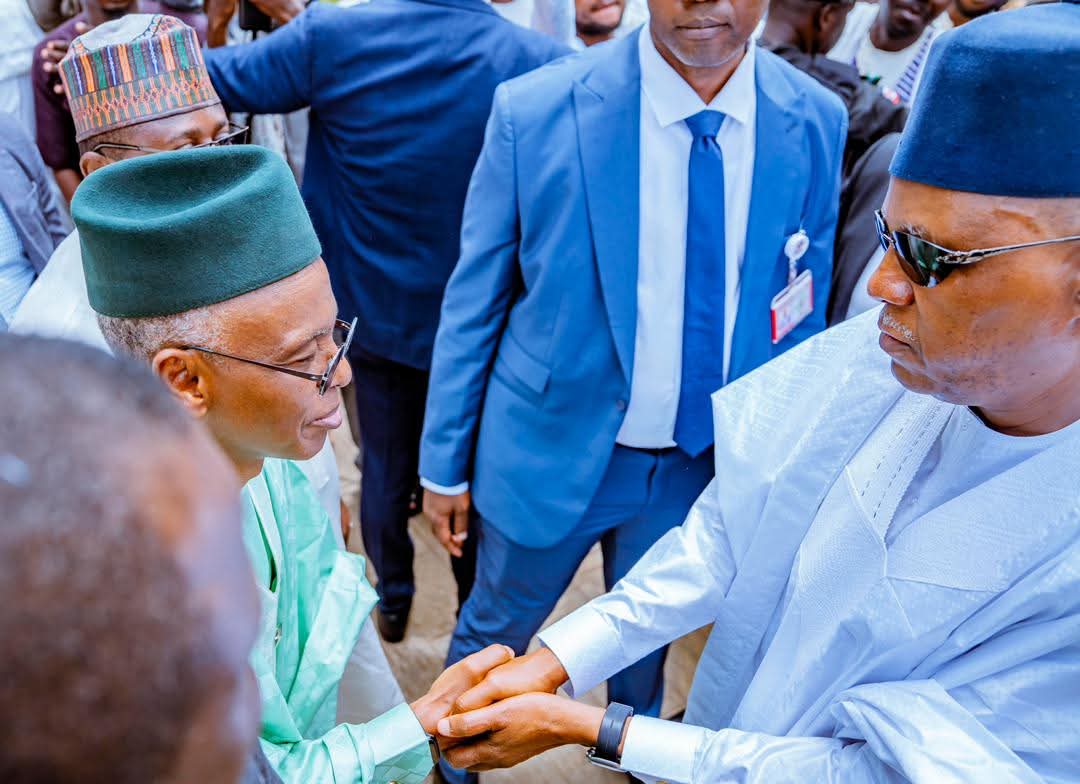
VP Shettima Visits El-Rufai, Consoles Ex-Kaduna Gov Over Mother’s Demise
By: Our Reporter
Vice President Kashim Shettima has commiserated with former Governor of Kaduna State, Mallam Nasir El-Rufai, over the death of his mother, late Hajiya Fatima Umma.
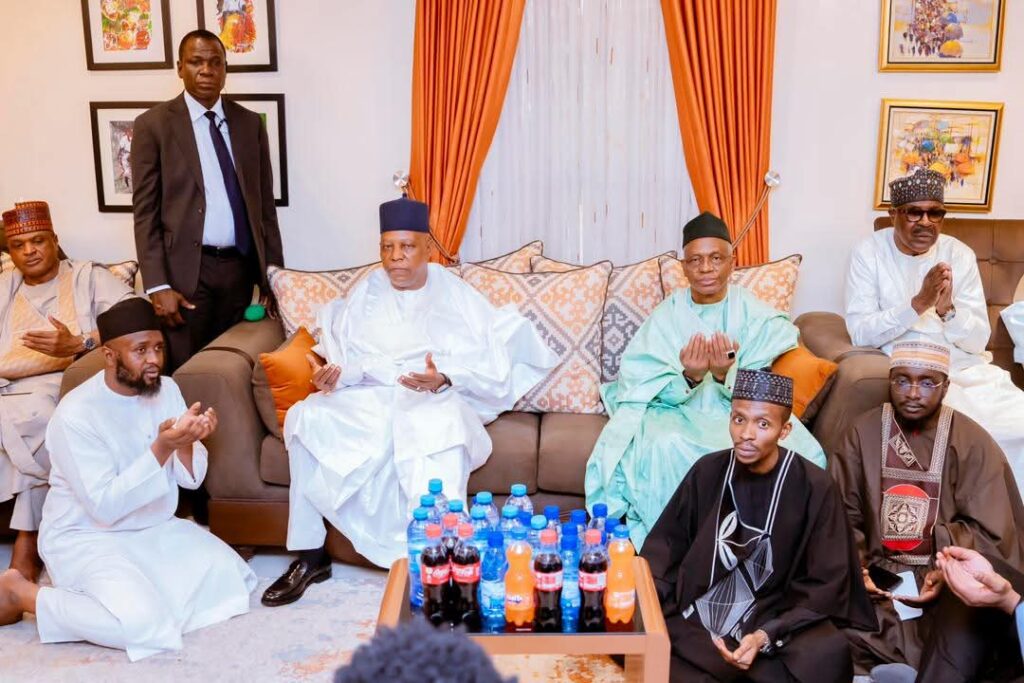
The Vice President who paid the El-Rufai family at their Abuja residence called for collective effort in uniting the nation aside political differences.
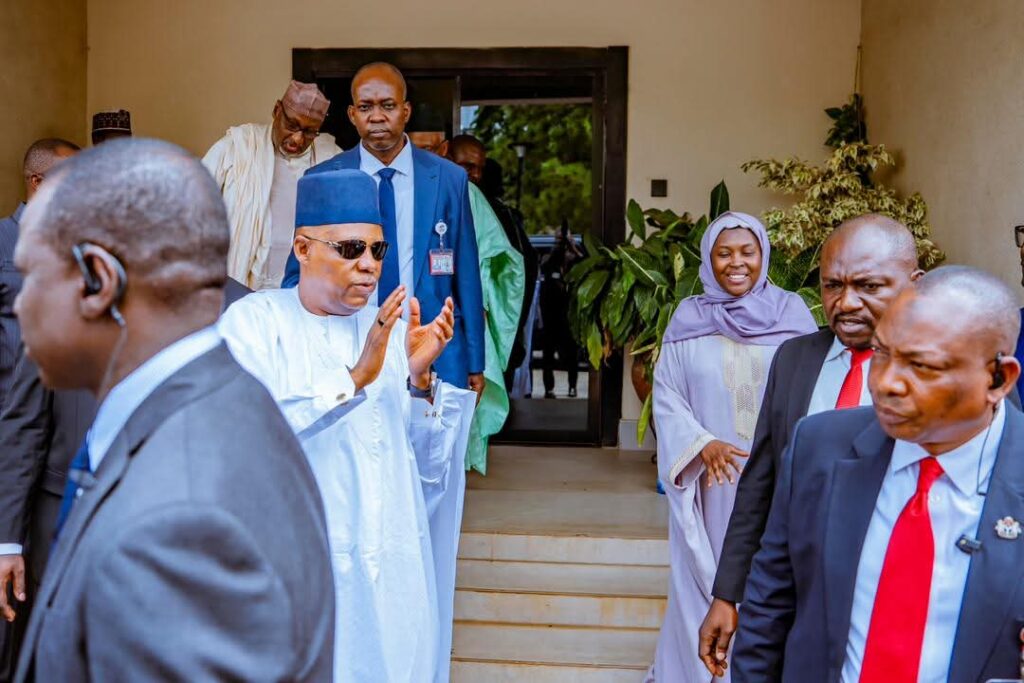
Senator Shettima prayed for the repose of the soul of the late matriarch of the El-Rufai family.
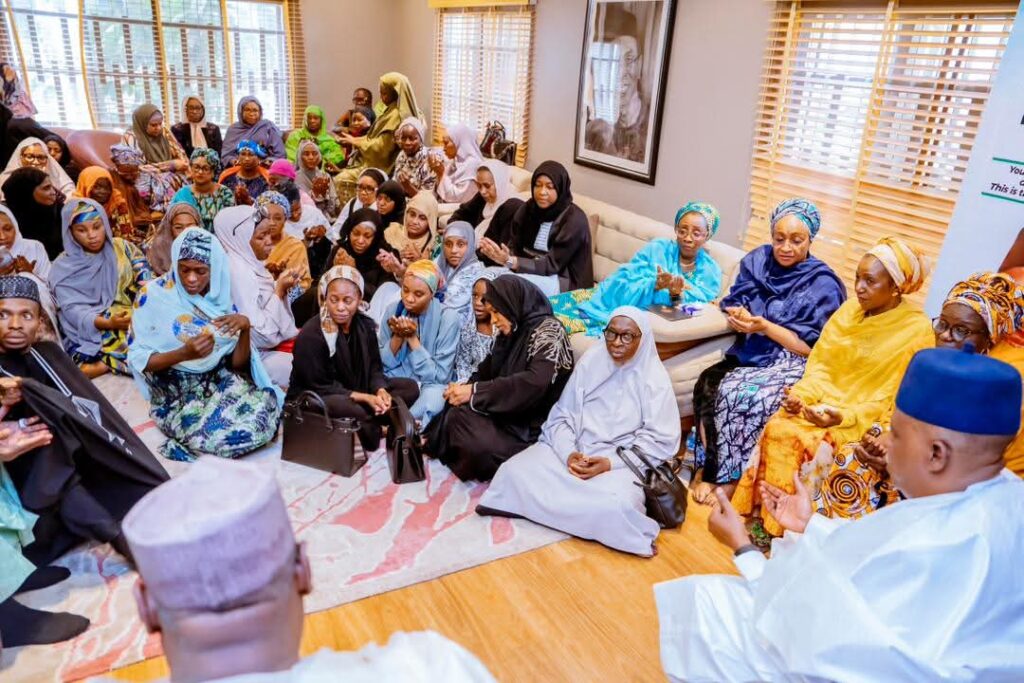
The late Hajiya Fatima Umma El-Rufai passed away on Friday, March 27, 2026 in Cairo, Egypt, at the age of 96.
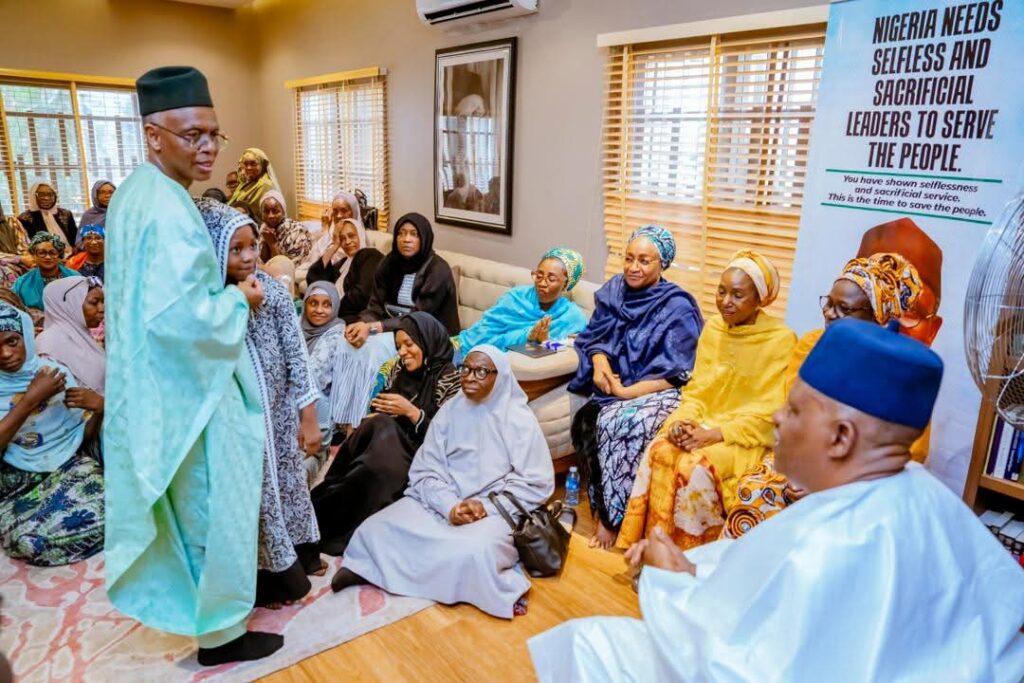
The Vice President was received by former Governor of Bauchi State, Ahmad Adamu Muazu; former Chief of Army Staff, General Abdurrahman Dambazau; Abdullahi Sarkin Gobir Adiya, and the member Representing Kaduna North, Bello El-Rufai, Bashir El-Rufai.
VP Shettima Visits El-Rufai, Consoles Ex-Kaduna Gov Over Mother’s Demise
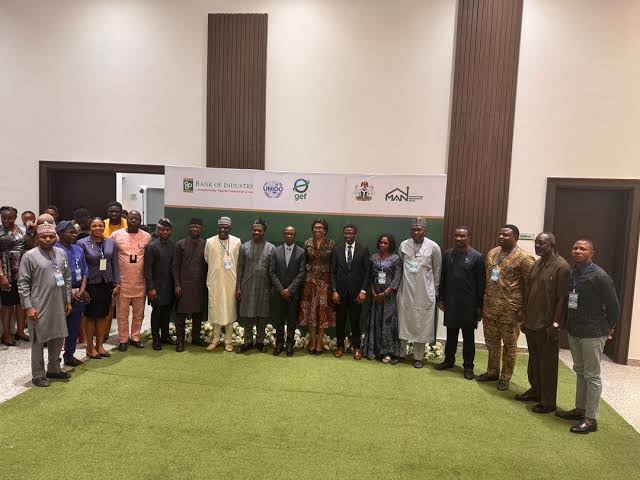
Stakeholders Push for Scaled-Up Energy Efficiency in Nigeria’s Industrial Sector
By: Michael Mike
Stakeholders from government, the organised private sector, development agencies, and civil society have called for stronger collaboration and expanded financing to accelerate the adoption of energy-efficient and cleaner production practices in Nigeria’s industrial sector.
The call was made on Monday during a special project-specific interactive session and Efficiency Champions Competition organised under the Global Environment Facility and United Nations Industrial Development Organization Industrial Energy Efficiency and Resource Efficient and Cleaner Production project in Abuja.
The event brought together representatives of industries, non-governmental organisations, financial institutions, policy makers, and members of the media to review the progress of the initiative and explore opportunities for expanding sustainable industrial practices across the country.
Speakers at the session emphasised that improving energy efficiency and reducing waste in industrial operations are essential for lowering production costs, boosting competitiveness and promoting environmentally responsible manufacturing.
Opening the session, the project leadership said the initiative had recorded significant progress in promoting industrial energy efficiency and resource-efficient production methods within Nigeria’s manufacturing sector.
According to the National Project Coordinator, GEF-UNIDO IEE and RECP Project, Jacob Oladipo revealed that the project has supported capacity building programmes, cleaner production assessments, policy engagement and innovative financing mechanisms designed to help industries reduce energy consumption while improving productivity.
He explained that the project had demonstrated that sustainable industrial practices are not only environmentally responsible but also economically beneficial to businesses.
The session also provided an opportunity for stakeholders to review the outcomes of the project and identify lessons that could support the wider adoption of energy-efficient technologies and cleaner production systems across industries.
In a goodwill message delivered on behalf of the Nigerian Association of Chambers of Commerce, Industry, Mines and Agriculture, Mr. Kunle Fadare said the initiative was both timely and strategic for Nigeria’s industrial growth.
He noted that the industrial sector accounts for more than thirty per cent of the country’s total energy consumption but still operates far below optimal efficiency levels.
Fadare said studies have shown that improvements in energy efficiency within Nigerian industries could lead to savings of between twenty and forty per cent in energy use.
He added that such gains would translate into reduced production costs, improved competitiveness and lower greenhouse gas emissions.
He also highlighted the environmental implications of industrial waste, noting that Nigeria generates more than thirty-two million tonnes of solid waste annually, a significant portion of which originates from industrial activities.
According to him, adopting resource-efficient and cleaner production practices would not only reduce waste but also strengthen long-term business sustainability.
Fadare further praised the Efficiency Champions Competition, describing it as an important platform for recognising businesses that are taking concrete steps toward sustainable production.
He said the initiative would help showcase best practices and encourage other companies to adopt energy-efficient technologies.
Global trends, he added, show that markets increasingly favour environmentally responsible production systems, particularly as access to international markets becomes tied to sustainability and environmental compliance.
He therefore urged Nigerian businesses to proactively embrace energy efficiency and cleaner production practices to remain competitive in regional and global markets.
Also speaking, the Global Environment Facility desk officer commended the collaboration among stakeholders involved in implementing the project.
The official expressed appreciation to the United Nations Industrial Development Organization for providing technical guidance and to the Manufacturers Association of Nigeria for supporting the implementation of the initiative.
The desk officer also acknowledged the role played by various government ministries, departments and agencies, as well as the Department of Pollution Control and Environmental Health, in advancing the project’s objectives.
According to the official, the interactive session was designed to allow stakeholders to examine emerging issues related to energy use in industries, share experiences, address challenges and identify opportunities for improvement.
The official stressed that sustainable economic growth requires strong collaboration among government, industry, development partners and civil society.
Participants were therefore encouraged to actively contribute ideas and insights that could help strengthen the implementation of energy-efficient industrial practices in Nigeria.
Representatives of the organised private sector also highlighted the need to scale up financing mechanisms that support industries seeking to adopt energy-efficient technologies.
They noted that while progress had been made through innovative financing models and technical support programmes, wider adoption would require increased investment, stronger policy support and continued capacity building for industries, particularly small and medium enterprises.
Stakeholders agreed that the engagement of the organised private sector, non-governmental organisations and the media would be critical in sustaining the momentum generated by the project.
They emphasised that awareness creation, knowledge sharing and policy advocacy would play key roles in expanding the adoption of energy-efficient and cleaner production practices across Nigeria’s industrial landscape.
Participants expressed optimism that stronger collaboration among stakeholders would help accelerate the transition toward a more efficient, competitive and environmentally sustainable industrial sector in Nigeria.
Stakeholders Push for Scaled-Up Energy Efficiency in Nigeria’s Industrial Sector

FG Targets Cross-Border Mobile Connectivity to Boost Security, Cut Internet Costs

Troops arrest suspected ISWAP member while attempting to infiltrate Maiduguri

VP Shettima Visits El-Rufai, Consoles Ex-Kaduna Gov Over Mother’s Demise

Roger Federer’s Shock as DNA Results Reveal Myla and Charlene Are Not His Biological Children

THE PLIGHT OF FARIDA

FAILED COUP IN BURKINA FASO: HOW TRAORÉ NARROWLY ESCAPED ASSASSINATION PLOT AMID FOREIGN INTERFERENCE CLAIMS
-
 News2 years ago
Roger Federer’s Shock as DNA Results Reveal Myla and Charlene Are Not His Biological Children
-
Opinions4 years ago
THE PLIGHT OF FARIDA
-
 News12 months ago
FAILED COUP IN BURKINA FASO: HOW TRAORÉ NARROWLY ESCAPED ASSASSINATION PLOT AMID FOREIGN INTERFERENCE CLAIMS
-

 News2 years ago
EYN: Rev. Billi, Distortion of History, and The Living Tamarind Tree
-
 Opinions4 years ago
POLICE CHARGE ROOMS, A MINTING PRESS
-

 ACADEMICS2 years ago
A History of Biu” (2015) and The Lingering Bura-Pabir Question (1)
-

 Columns2 years ago
Army University Biu: There is certain interest, but certainly not from Borno.
-

 Opinions2 years ago
Tinubu,Shettima: The epidemic of economic, insecurity in Nigeria
