
News
Germany, Australia, ASF France Call for Abolition of Death Penalty in Nigeria


Germany, Australia, ASF France Call for Abolition of Death Penalty in Nigeria
…Commends Committal of Death Sentence of Seven to Prison Term by President Tinubu
By: Michael Mike
German and Australian Embassies in Nigeria as well as Avocats Sans Frontières France, Nigeria have called for the abolition of death penalty in Nigeria.
The trio which jointly organized the screening of the movie “Just Mercy” in Abuja at the weekend, while appreciating that no one on death roll has been executed in the last nine years in Nigeria, call on both the federal and state governments to remove death penalty from our law.
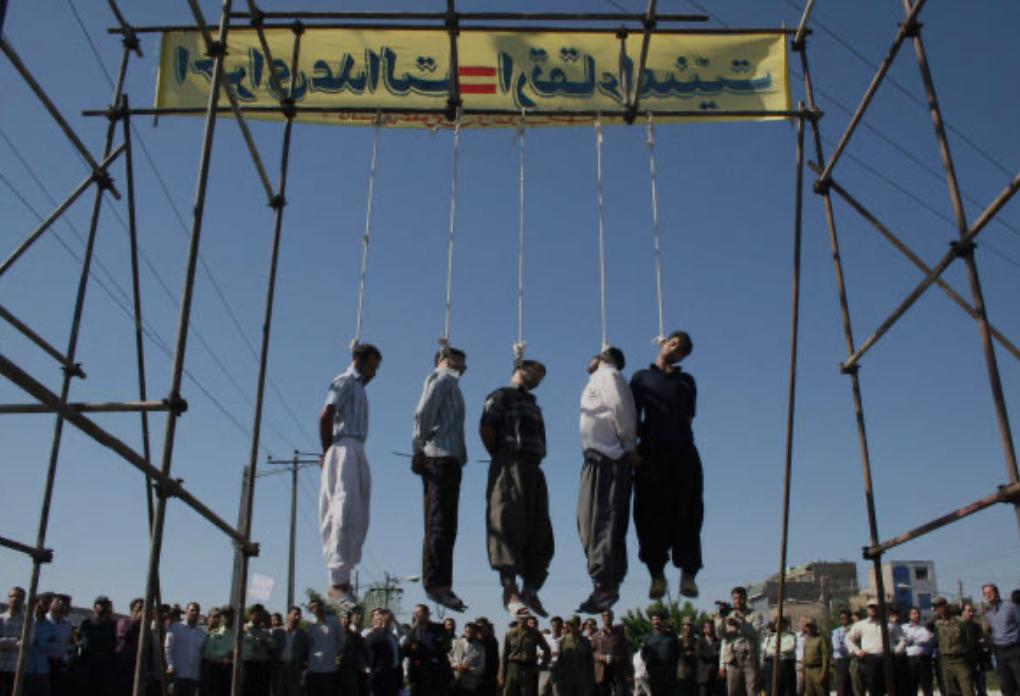
The film was screened to commemorate the 2025 World Day Against the Death Penalty, with Avocats Sans Frontières France, Nigeria, with support from the Embassy of the Federal Republic of Germany, Abuja, and the Australian High Commission in Nigeria, joining global voices to call for the abolition of the death penalty through the film and speeches.
The event is a part of their continued joint efforts for the protection of human rights and the promotion of a fair justice system. It brings together stakeholders and partners from the legal community, civil society organisations, government representatives, diplomats, students, private sector and the media, aiming to deepen the public’s understanding of the human rights implications of the death penalty and inspire dialogue toward its abolition in Nigeria and across Africa.
According to recent statistics, 26 African countries have abolished the death penalty, 14 countries still retain the death penalty, and 15 are classified as de facto abolitionists, which is a clear indication that the continent is progressively moving toward the global trend of ending this irreversible form of punishment.
The 2025 report from the Nigerian Correctional Service, shows that there are still over 3,500 persons on death row in Nigeria accounting for one of the largest death row populations in Sub Saharan Africa.
According to stakeholders, these figures highlight the urgency of sustained advocacy and reform toward the abolition of the death penalty in Nigeria. They however, commended the recent move by President Bola Tinubu, who commuted seven people on death row to life imprisonment, stating that this is an encouraging step that reflects the growing recognition for a more humane justice system.
Ambassador of the Federal Republic of Germany to Nigeria, Annett Günther, in her speech, reiterated Germany’s unwavering commitment to the global movement,
she said: “We think that the death penalty is not only a legal matter, but it touches on core values of justice, human dignity and the right to life. The irreversible nature of the death penalty means that mistakes and wrongful convictions are beyond correction. Germany abolished the death penalty more than 70 years ago, and we continue to advocate globally for its complete eradication.”
She said Germany would continue to appeal to friendly nations, including Nigeria, to abolish death penalty, while commending the recent action of President Tinubu, commuting death penalty of seven condemned criminals to prison terms.
Also, speaking at the event, Chargé d’Affaires of the Australian High Commission, Mr. Neil Sanderson, emphasized his government’s unwavering stance: “Australia’s position is clear, we oppose the death penalty in all circumstances and continue to call for its global abolition. It is a cruel, inhumane, and ineffective punishment that undermines human dignity and justice. Encouragingly, global momentum is growing, and we welcome Nigeria’s consideration of abolition as part of its constitutional reform process.”
He further noted that 144 countries are now abolitionist in law or practice, and across Africa, nations such as Ghana, Zambia, Sierra Leone, the Central African Republic, and Zimbabwe have recently taken this historic step.
Through the screening of the movie “Just Mercy,” a powerful true story about justice, redemption, and the fight against wrongful convictions, ASF France, said it aims to shed light on the moral, legal, and human costs associated with capital punishment.
In a brief statement, the Country Director of Avocats Sans Frontières France in Nigeria, Angela Uzoma-Iwuchukwu, said: “The World Day Against the Death Penalty serves as a reminder that justice must never come at the cost of human life. It is a call to empathy, reflection, and action. ASF France reaffirms its commitment by providing legal assistance and support to people facing the death penalty through its network of pro bono lawyers. So far, we have supported over 800 individuals facing the death penalty across 10 states in Nigeria, ensuring they receive adequate legal representation, fair and humane treatment under the law. ASF France stands with all those around the world who believe that every life has value and that dignity, not death, should be at the heart of justice. We call for a humane justice system for all.”
The trio, Avocats Sans Frontières France, Nigeria, the Embassy of the Federal Republic of Germany, Abuja, and the Australian High Commission in Nigeria together reaffirmed their call for an official moratorium on executions as a crucial step toward abolition of the death penalty.
Germany, Australia, ASF France Call for Abolition of Death Penalty in Nigeria


Troops Arrest Suspected Military Impostor in Katsina
By Zagazola Makama
Troops of 17 Brigade have arrested a suspected military impostor during a fighting patrol in Malumfashi Local Government Area.
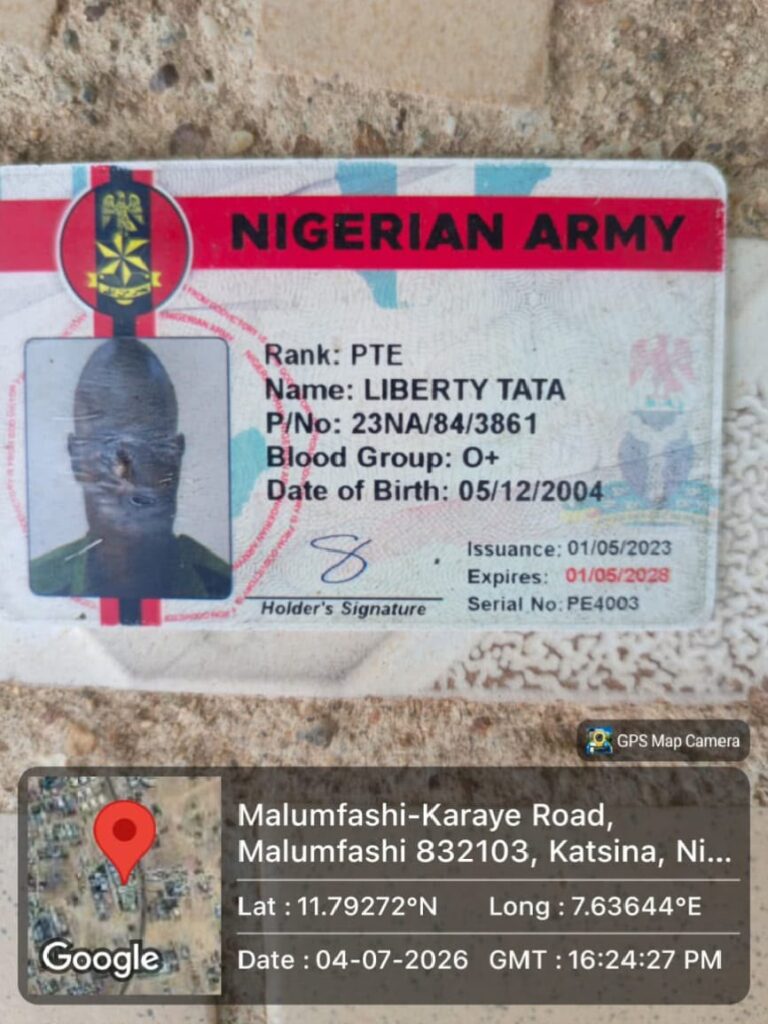
Security sources told Zagazola Makama that the suspect was apprehended at about 1:30 p.m. on July 4 by troops deployed at the Forward Operating Base (FOB) Malumfashi while conducting routine patrols within Malumfashi town.
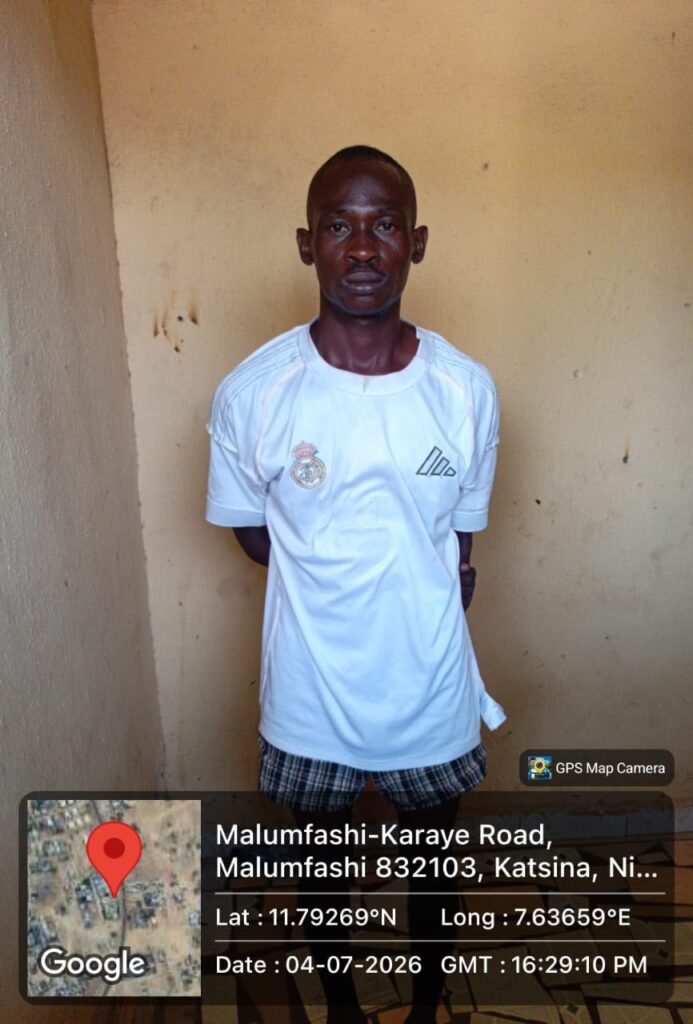
According to the sources, the suspect was intercepted while wearing a woodland camouflage three-quarter short, raising suspicion among the troops.
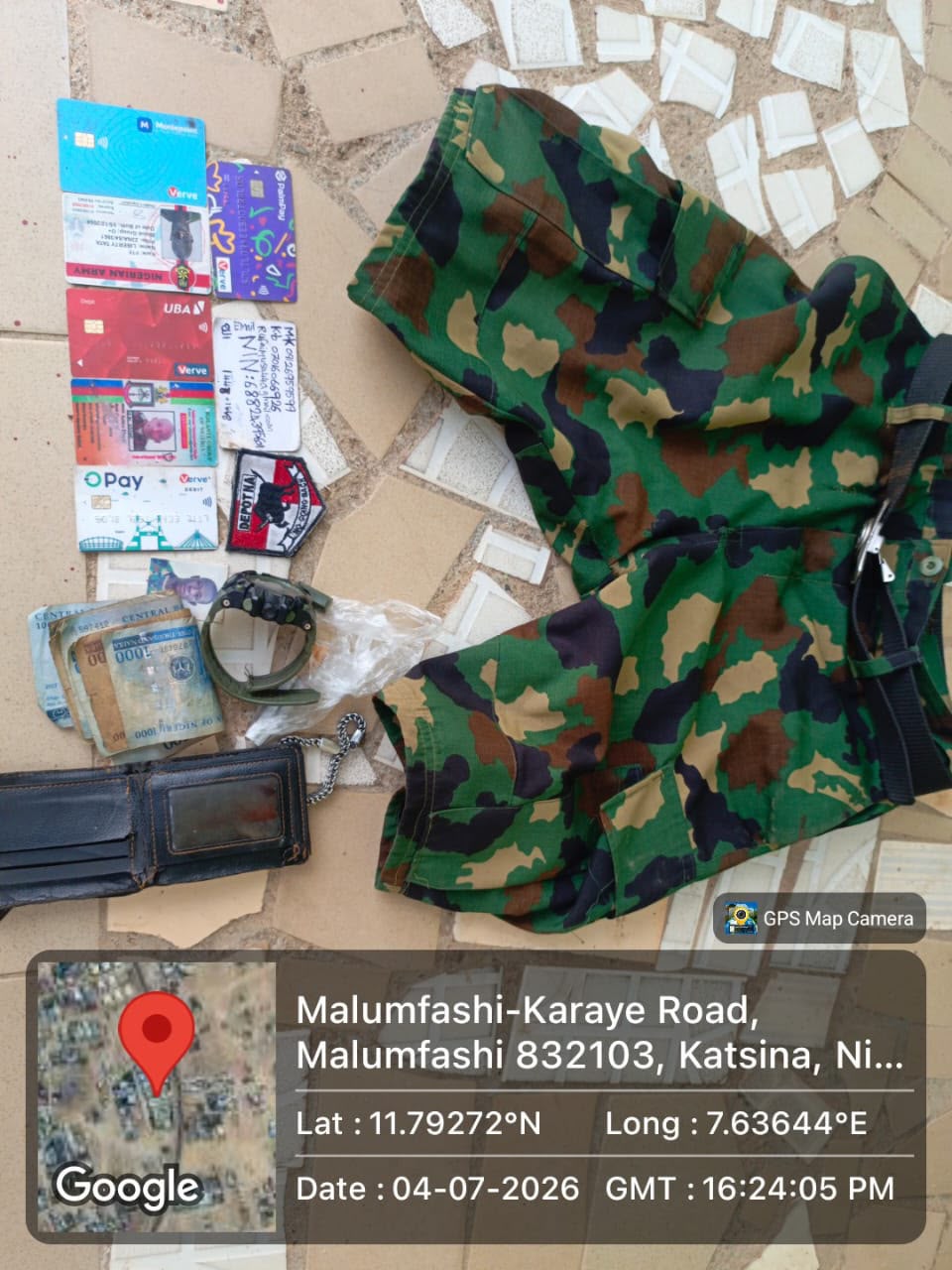
A search conducted on the suspect led to the recovery of a fake Nigerian Army identity card, four Automated Teller Machine (ATM) cards, one woodland camouflage three-quarter short, a wristwatch and the sum of ₦17,000.
The suspect and the recovered exhibits are currently in military custody pending further investigation.
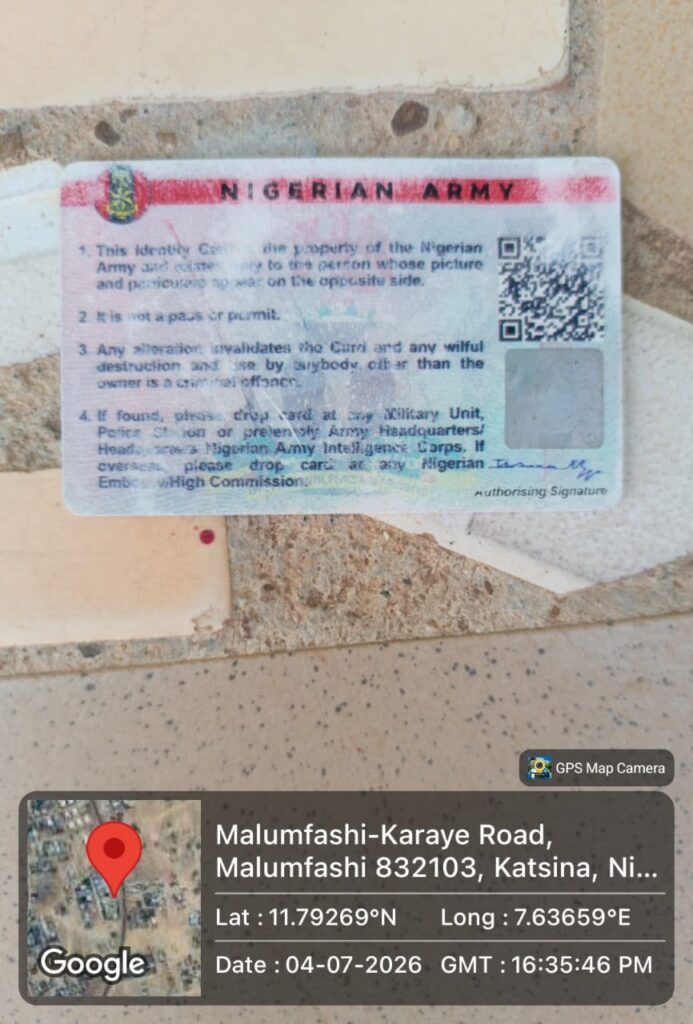
Military sources said the arrest forms part of ongoing efforts to curb impersonation of security personnel and other criminal activities within the area.
Troops Arrest Suspected Military Impostor in Katsina
Troops Recover 50 Rustled Cattle, Repel Suspected Rustlers in Kaduna
By Zagazola Makama
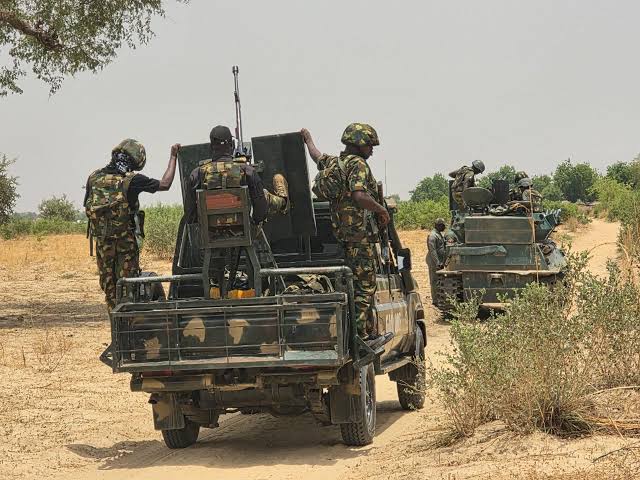
Troops deployed at the Forward Operating Base (FOB) Kankomi have recovered 50 rustled cattle after repelling suspected cattle rustlers during an ambush operation in Chikun Local Government Area.
Security sources told Zagazola Makama that the troops responded to a distress call at about 9:55 a.m. on July 4 over the activities of suspected rustlers at Ungwan Gontu community.
According to the sources, the troops swiftly laid an ambush and made contact with the fleeing suspects, forcing them to abandon the stolen livestock and escape into the surrounding area.
During the operation, the troops recovered 50 rustled cattle, which were subsequently identified and handed over to their rightful owner.
Military sources said efforts are ongoing to track down the fleeing suspects as security operations continue to combat cattle rustling and other criminal activities across Kaduna State.
Troops Recover 50 Rustled Cattle, Repel Suspected Rustlers in Kaduna
Troops Arrest Suspected Terrorist in Kogi, Suspect Confesses to Group Membership
By Zagazola Makama
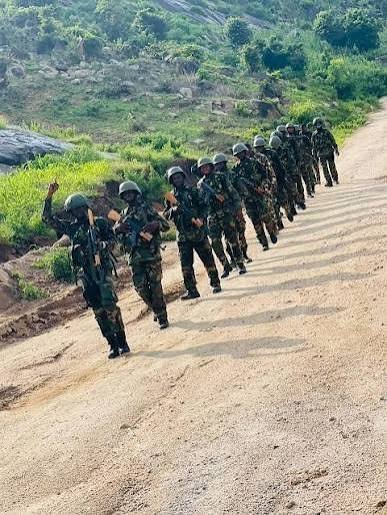
Troops of 12 Brigade, in collaboration with Office of the National Security Adviser (ONSA) Hybrid Forces, have arrested a suspected terrorist during an operation in Lokoja Local Government Area.
Security sources told Zagazola Makama that the troops responded at about 1:00 p.m. on July 4 to reports of a confrontation between local residents and a suspected terrorist at a Ruga settlement behind Obajana community.
According to the sources, the troops swiftly intervened and arrested one suspect at the scene.
During preliminary interrogation, the suspect reportedly confessed to being a member of a terrorist group led by an individual identified as Haruna, which allegedly operates within the Okene general area.
The suspect is currently in military custody and is undergoing further investigation to establish the extent of his involvement and identify other members of the group.
Military sources said the arrest forms part of ongoing security operations aimed at dismantling terrorist and criminal networks across Kogi State.
Troops Arrest Suspected Terrorist in Kogi, Suspect Confesses to Group Membership

Troops Arrest Suspected Military Impostor in Katsina

Troops Recover 50 Rustled Cattle, Repel Suspected Rustlers in Kaduna

Troops Arrest Suspected Terrorist in Kogi, Suspect Confesses to Group Membership

Roger Federer’s Shock as DNA Results Reveal Myla and Charlene Are Not His Biological Children

THE PLIGHT OF FARIDA

FAILED COUP IN BURKINA FASO: HOW TRAORÉ NARROWLY ESCAPED ASSASSINATION PLOT AMID FOREIGN INTERFERENCE CLAIMS
-
 News2 years ago
Roger Federer’s Shock as DNA Results Reveal Myla and Charlene Are Not His Biological Children
-
Opinions4 years ago
THE PLIGHT OF FARIDA
-
 News1 year ago
FAILED COUP IN BURKINA FASO: HOW TRAORÉ NARROWLY ESCAPED ASSASSINATION PLOT AMID FOREIGN INTERFERENCE CLAIMS
-

 News2 years ago
EYN: Rev. Billi, Distortion of History, and The Living Tamarind Tree
-
 Opinions5 years ago
POLICE CHARGE ROOMS, A MINTING PRESS
-

 ACADEMICS2 years ago
A History of Biu” (2015) and The Lingering Bura-Pabir Question (1)
-

 Columns2 years ago
Army University Biu: There is certain interest, but certainly not from Borno.
-

 Politics1 year ago
2027: Why Hon. Midala Balami Must Go, as Youths in Hawul and Asikira/Uba Federal Constituency Reject ₦500,000 as Sallah Gift
