
News
Gombe govt, UNICEF launch project to tackle malnutrition

Gombe govt, UNICEF launch project to tackle malnutrition
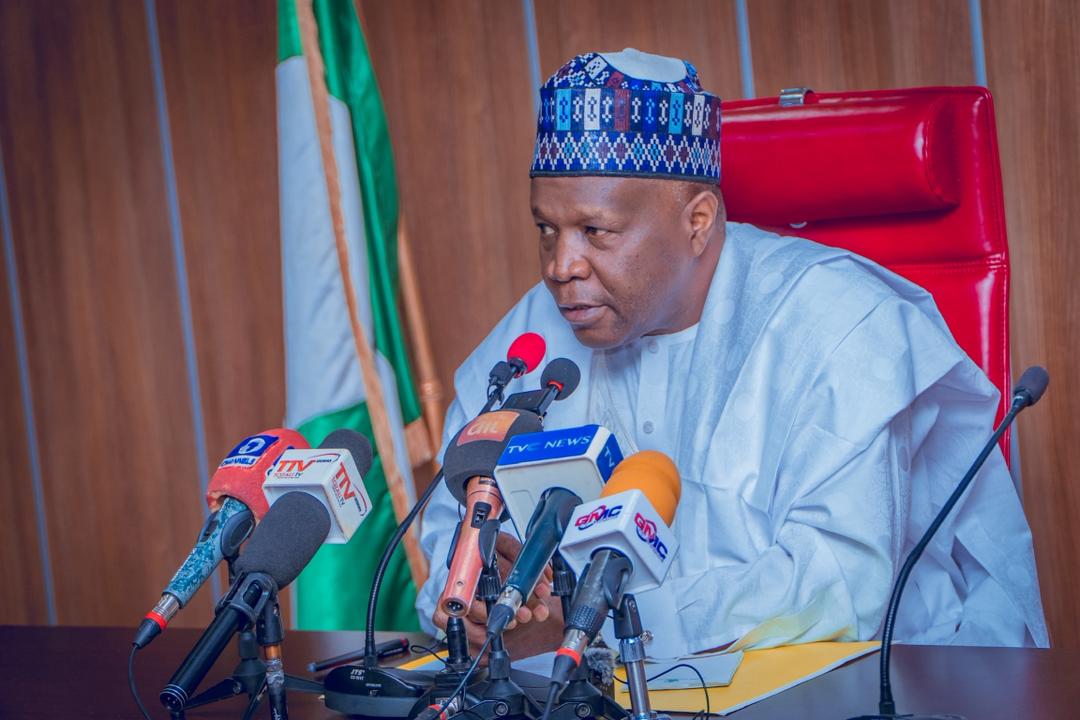
The Gombe State government in collaboration with the United Nations Children’s Fund, UNICEF has launched the Latter-Day Saints (LDSC)-Supported Project to tackle malnutrition through sustained investment in the first 1000 days of life.
The project tagged “Preventing Malnutrition in the First 1000 Days of Life” is to be implemented across Gombe State for a year.
Inaugurating the project in Gombe on Monday, Dr Abdulrahman Shuaibu, the Executive Secretary of the Gombe State Primary Health Care Department Agency said that the initiative was key to improving the health of children in the state.
Shuaibu said that the impact of malnutrition on children was severe, affecting the mental and overall development of the children, hence urged collective action to tackle the menace.
Stating that the statistics for Nigeria and Gombe State were not looking good, the Executive Secretary stressed the need to strengthen the fight against malnutrition through sustained investment and collaborations.
He advocated the need for antenatal care, safe delivery, exclusive breastfeeding, complementary and supplementary feeding as part of preventive measures that should be embraced by residents of the state.
Shuaibu highlighted efforts by the state government in collaboration with critical stakeholders to tackle the menace.
On her part, the Chief of UNICEF, Bauchi Field Office, Dr Nuzhat Rafique said that the one-year project was to support malnourished children to improve their nutritional status and to strengthen support for children during their first 1000 days.
Rafique decried the high number of children who were suffering malnutrition and the need for more investments in the first 1000 days of life to prevent malnutrition and ensure that children grow well to contribute to societal development.
“Today represents another important milestone in our collective commitment to ensuring that every mother and every child in Gombe State have the opportunity not only to survive but to thrive.
“The first 1,000 days of life — from conception until a child’s second birthday — represent the most critical period for brain development, physical growth, immunity and lifelong health.
“Investments made during this window yield some of the highest returns in human capital development and are fundamental to achieving sustainable development,” she said.
The Chief also lamented that the situation of hygiene and open defecation was very common, stressing that the nutritional status and availability of diverse food everyday in appropriate quality and quantity was unavailable.
“We need a very strong system to prevent malnutrition and promote healthy growth of the children and this grant is going to support that.”
Rafique said that the state needed a system strengthening approach and a good evidence based planning to tackle malnutrition amongst children in the state, stressing the importance of data-driven planning in all LGAs.
She called for a change in the community behaviour that often led children into malnutrition which she said wasn’t supposed to be.
“These children shouldn’t go into malnutrition in the first place because when they do, they lose a part of their I.Q, energy and potential to grow and be productive for the society.
“Once a child grows malnourished, everything they lose, even when they are treated at high cost, still we are at loss.
“As a nation we will be at a loss in future with more children malnourished although they are recovered,” she said.
The UNICEF Chief appealed to the media to help effect the needed behaviour change amongst communities to build a culture of prevention rather than treatment.
Rafique commended the Gombe State government for its continued investment and commitment to improving the wellbeing of children and women in the state which she said was evident in its sustained collaboration with UNICEF and other partners in the efforts to advance child rights.
Ms Philomena Irene, a Nutrition Specialist with UNICEF Nigeria’s Bauchi Field Office, highlighted the importance of the first 1000 days of a child, saying that the period was key to brain development.
Irene said investing in such a period was the most effective, high-impact strategy to break the cycle of malnutrition, poverty and inequality.
Breaking down the 1000 days, she said that the period comprised 270 days of pregnancy, 180 days of infancy, 550 days of toddler.
She called on stakeholders in the state to invest in the first 1,000 days to reduce child malnutrition and mortality while improving education, productivity and economic growth in the future.
Gombe govt, UNICEF launch project to tackle malnutrition


UK, France, Germany Back Ukraine With €90bn, New Security Guarantees, Tougher Russia Sanctions
…Leaders push multinational force, military support and winter energy, Black Sea ceasefires as peace talks gather momentum
By: Michael Mike
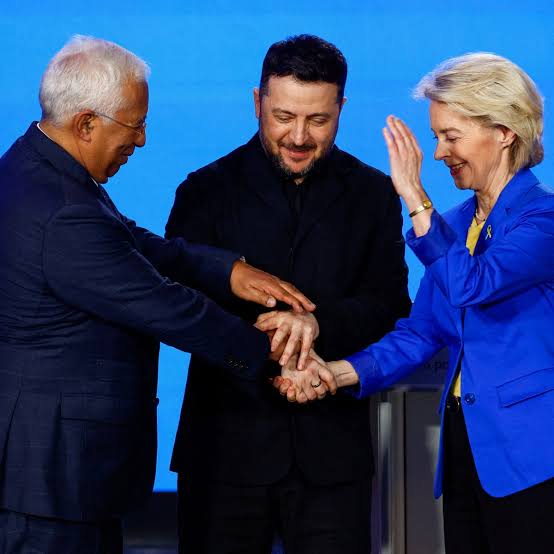
The leaders of Germany, France and the United Kingdom have reaffirmed a sweeping commitment to Ukraine’s military defence, economic survival and post-war security, backing €90 billion in European Union assistance, tougher sanctions against Russia and the possible deployment of a European-led multinational force once a ceasefire is reached.
The commitments, contained in a joint statement issued after a meeting of the Coalition of the Willing, Ukraine and the United States in Berlin on Thursday, underscored European determination to prevent Ukraine from being left vulnerable to renewed Russian aggression in any eventual peace settlement.
The leaders said Ukraine must have robust and legally binding security guarantees once a ceasefire takes effect, outlining possible arrangements involving sustained military assistance, ceasefire monitoring and a multinational force supported by the United States.
They also reaffirmed their commitment to providing Ukraine with long-term political, diplomatic, military, financial and civilian assistance, insisting that Russia would not outlast the resolve of its international supporters or Ukraine’s resistance.
Under the European Union’s Ukraine Support Loan, €90 billion is expected to be provided for military and financial assistance by the end of 2027, covering Ukraine’s financial requirements well into that year.
The leaders said they would continue working with Ukraine and international partners, including the Group of Seven, to address its financing needs beyond 2027 while pressing Kyiv to implement agreed reforms, particularly in strengthening the rule of law and combating corruption.
They also reaffirmed a NATO commitment to provide €70 billion in military equipment, assistance and training to Ukraine in 2026, with at least equivalent levels of support expected in 2027.
As winter approaches, the leaders said strengthening Ukraine’s air defence capabilities, particularly systems capable of intercepting ballistic missiles, remained a priority, pledging additional efforts with third countries to provide missile defence equipment to protect civilians and critical infrastructure.
The statement also signalled a tougher economic offensive against Moscow, with the leaders committing to expand sanctions, clamp down on sanctions evasion, target Russian oil and gas revenues, cryptocurrency and illicit financial flows, and disrupt the country’s military-industrial complex.
They further pledged to intensify efforts against Russia’s shadow fleet, which they said facilitates sanctions circumvention, while protecting maritime security and international shipping rules.
On security guarantees, the leaders proposed a framework that could include sustained military, financial and technical assistance to maintain Ukraine’s armed forces, participation in a United States-led ceasefire monitoring and verification mechanism, and a European-led Multinational Force Ukraine comprising willing countries with American support.
The proposed force would provide reassurance measures in the air, at sea and on land, while supporting the rebuilding of Ukraine’s military capacity.
The framework could also include a legally binding commitment, subject to national procedures, to take measures to restore peace and security if Russia launches another armed attack against Ukraine.
The leaders welcomed the ongoing Koalicja-2026 multinational force exercise, held mainly in Poland, describing it as evidence of the proposed force’s credibility, preparedness and capacity to deploy.
On diplomatic efforts, the European leaders reiterated support for a comprehensive, just and lasting peace, commending Ukrainian President Volodymyr Zelenskyy’s willingness to accept an immediate ceasefire and engage in meaningful negotiations.
They backed direct dialogue between Ukraine and Russia with the participation of the United States and Europe, insisting that the immediate priority should be ending hostilities.
However, they stressed that any settlement must respect Ukraine’s sovereignty, territorial integrity and right to choose its own security arrangements and alliances, warning that international borders must not be altered by force.
The leaders also maintained that Russian sovereign assets would remain frozen until Moscow ended its war and compensated Ukraine for the damage caused.
They said broader European security negotiations would not be possible while Russia continued its aggression, adding that discussions involving the European Union and NATO would require the consent of their respective members.
In a push for immediate measures to reduce the impact of the conflict, the leaders called on Russia to agree to an energy ceasefire for the duration of the winter and a separate ceasefire to facilitate food exports through the Black Sea, citing the importance of safe navigation to global food security.
The statement condemned Russia’s continued missile and drone attacks on Ukrainian civilians and infrastructure, as well as alleged sabotage, cyberattacks and information operations across Europe aimed at weakening support for Kyiv.
The leaders insisted that such intimidation would not diminish their backing for Ukraine but would strengthen their resolve to reinforce the defence of Ukraine, Europe and NATO.
News
Plan International, Joining Forces Coalition Push for Policy Reform at Borno Children’s Accountability Forum
Plan International, Joining Forces Coalition Push for Policy Reform at Borno Children’s Accountability Forum
By: Michael Mike
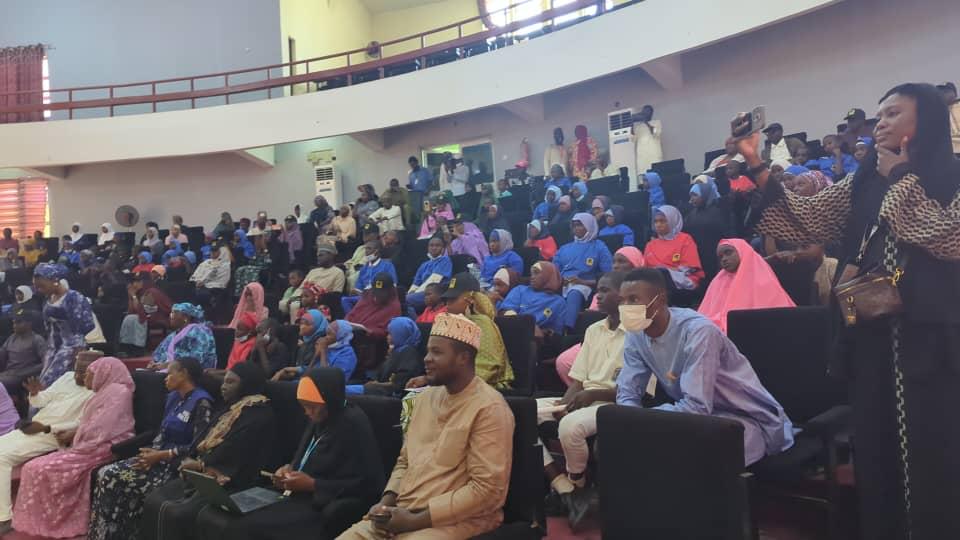
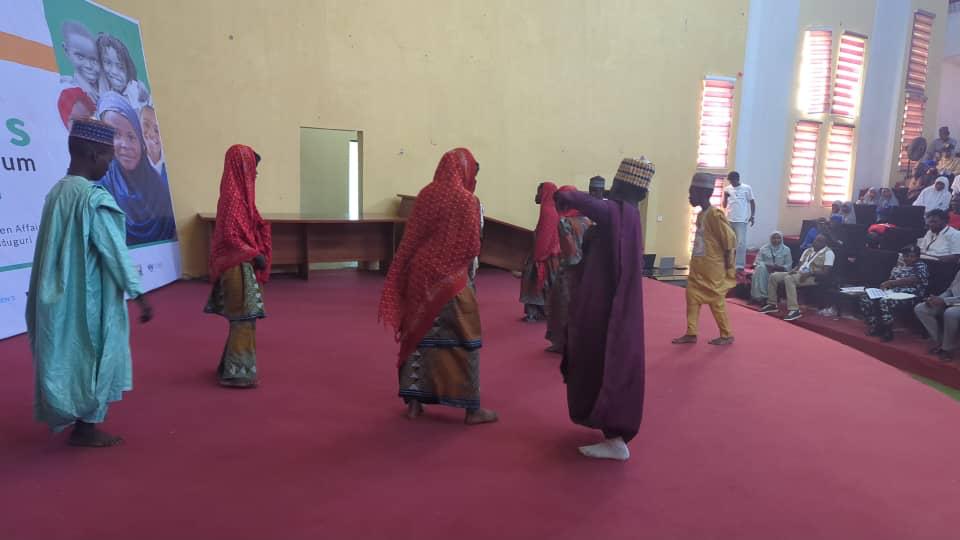
Plan International Nigeria, in partnership with the Borno State Government and members of the Joining Forces coalition, has convened young people, government officials, and humanitarian stakeholders in Maiduguri to commemorate the 2026 World Children’s Day with a renewed call for sustained child protection and institutional accountability.
The event, held on Friday, November 20, 2026, at the auditorium of the Borno State Ministry of Women Affairs and Social Development, brought together approximately 300 participants, comprising 200 children and 100 policymakers, civil society actors, development partners, and journalists. Observed globally every November 20 to mark the adoption of the 1959 Declaration of the Rights of the Child and the 1989 United Nations Convention on the Rights of the Child, this year’s commemoration centred on the global theme, “My day. My rights. My future.”
In Maiduguri, Plan International Nigeria mobilised and supported the participation of 60 children alongside their chaperones, joining fellow Joining Forces coalition members Save the Children, SOS Children’s Villages, and Terre des Hommes.
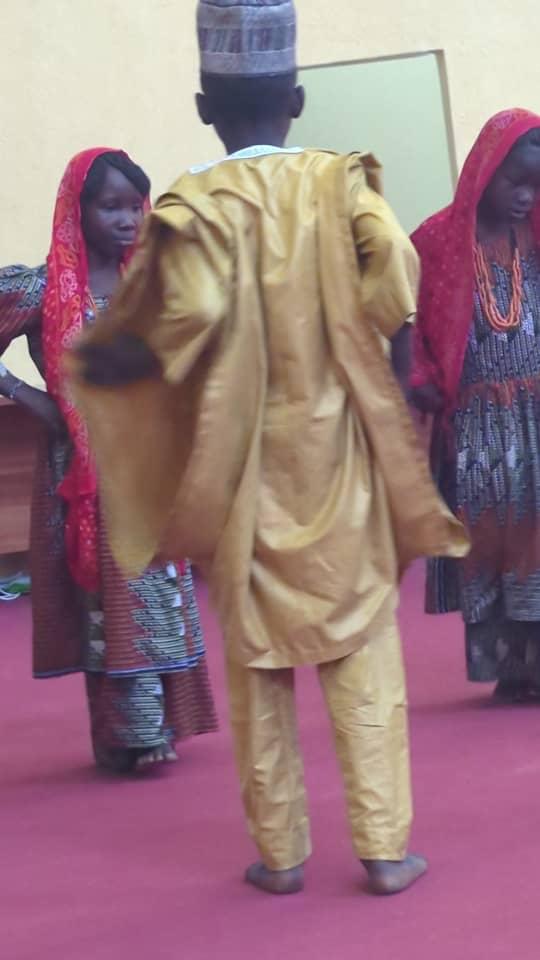
The commemoration was executed in collaboration with the International Rescue Committee, Life at Best Development Initiative, Unique Care and Support Foundation, and Grow Strong Foundation. Organisers structured the gathering as a safe, inclusive accountability forum designed to allow young people to engage directly with decision makers on issues affecting their survival, education, and future.
Representing the Honourable Commissioner for Women Affairs and Social Development, Hajiya Zuwaira Gambo, the ministry’s Director of Child Protection and Development, Falmata Kaumi Alkali, reaffirmed the state government’s commitment to upholding the rights of every child to quality education and safety both within schools and at home.
Alkali noted that the enforcement of the Borno State Child Protection Law remains the administration’s primary intervention alongside targeted programmes to reintegrate conflict displaced and out of school children into formal classrooms.
She further disclosed that street children, including minors orphaned by insurgency, have been systematically identified, placed under state care, and sponsored through secondary and tertiary institutions, while runaway youths have been traced and reunited with their families.
Alkali also commended the First Lady of Borno State, Dr. Falmata Babagana Zulum, for spearheading livelihood empowerment schemes that equip mothers and widows with tailoring skills and starter kits, thereby curbing child street hawking and keeping children in school.
Delivering a goodwill message on behalf of the Coalition Chair of Joining Forces Nigeria, Eghosa Erhumwunse, the Deputy Director of Advocacy, Media, and Communications at Save the Children, Badar Musa, emphasised that child participation must move beyond ceremonial consultation to measurable policy outcomes.
Musa urged the Borno State Government to review the state Child Protection Law in alignment with the ongoing national review of the Child’s Rights Act, adopt the National Alternative Care Guidelines, and institutionalise the Borno State Children’s Parliament as a permanent channel of engagement with government.
In a separate address, the UNICEF Chief of Maiduguri Field Office, Francis Butichi, commended the state’s Children’s Accountability Forum as clear evidence that young people in Borno are actively shaping their future. While highlighting UNICEF’s ongoing collaborations to combat acute malnutrition, expand immunisation coverage, and deploy alternative learning methodologies, Butichi charged communities to protect humanitarian gains from sabotage.
He called for a halt to the open market sale of lifesaving ready to use therapeutic foods, the diversion of educational materials meant for vulnerable pupils, and the vandalism of public water infrastructure.
Echoing the imperative of safeguarding fundamental human rights amid regional security challenges, the Protection Coordinator for the Unique Care and Support Foundation, Osawa Stephen, stressed that children must be shielded from physical and emotional abuse, neglect, and exploitation while guaranteeing their access to healthcare and education.
Speaking directly on behalf of her peers during a youth panel session, 17 year old Phoebe Musa Dibal appealed to the Federal Government and Borno State authorities to urgently strengthen security around schools and communities, citing recent child abductions as severe threats to learning and regional stability.
“When our security and education are disrupted, there is no way the state is going to continue to prosper, and there is no way the economy is going to grow,” Dibal said, urging President Bola Tinubu, state officials, parents, and community leaders to heed the voices of young people and prioritise the protection of every child.
Throughout the forum, documentation and media engagements were strictly governed by Plan International’s child safeguarding and ethical communication protocols, enforcing prior informed consent and prohibiting the publication of identifiable details capable of exposing participating minors to risk.
Plan International, Joining Forces Coalition Push for Policy Reform at Borno Children’s Accountability Forum
African Speakers Move to Break Trade Barriers, Harmonise Laws at Liberia Summit
By: Michael Mike
African parliamentary leaders are set to push for the harmonisation of national laws, removal of trade barriers and expansion of cross-border infrastructure when they converge on Monrovia, Liberia, for the fourth General Assembly of the Conference of Speakers and Presidents of African Legislatures (CoSPAL) from December 9 to 11, 2026.
The summit is expected to intensify pressure on African governments to translate their commitments to continental economic integration into enforceable national laws, amid concerns that conflicting regulations, non-tariff barriers and inadequate infrastructure continue to undermine the ambition of the African Continental Free Trade Area (AfCFTA).
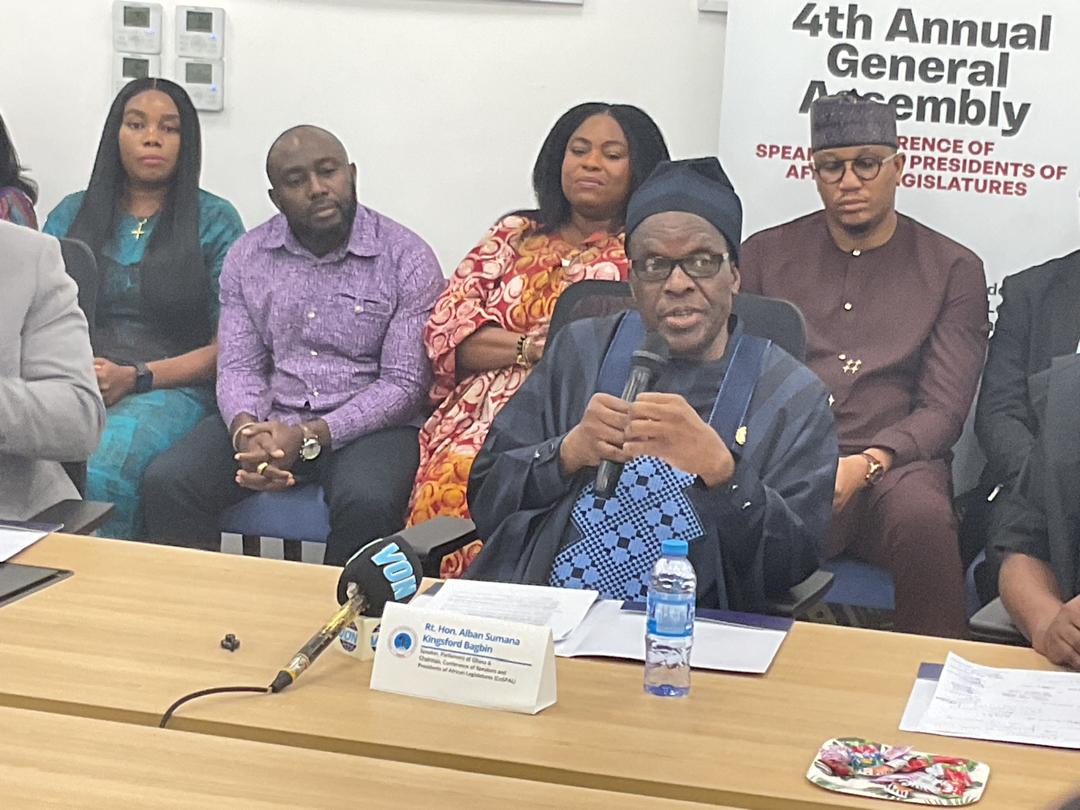
Chairman of CoSPAL and Speaker of Ghana’s Parliament, Alban Bagbin, said Africa’s economic integration remained constrained by decades of political and economic fragmentation, which had left countries operating under different legal frameworks that obstruct trade, investment and the movement of people across borders.
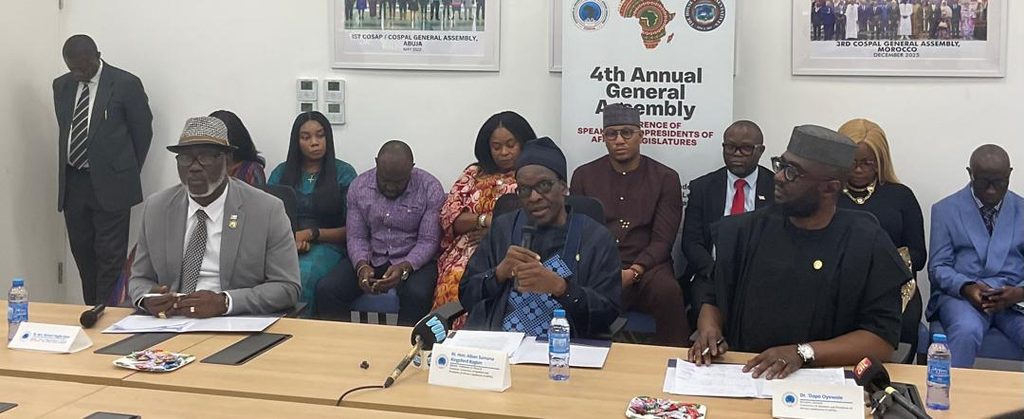
Speaking at a media briefing at the CoSPAL Secretariat in Abuja, Bagbin argued that the continent could not achieve a functional single market while national laws continued to create obstacles to the movement of goods, services and capital.
He said the AfCFTA required more than political commitments and executive declarations, stressing that national parliaments must take the lead in harmonising legislation, removing conflicting regulations and establishing common standards to facilitate continental trade.
“The African Continental Free Trade Area cannot be delivered by executive declarations alone,” Bagbin said, advocating the adoption of shared model laws by African legislatures to eliminate legal inconsistencies and ease cross-border economic activities.
The AfCFTA, which became operational in 2021, is designed to progressively remove tariffs on most goods traded among participating African countries, reduce non-tariff barriers and create a continental market capable of stimulating investment, industrialisation and regional value chains. However, differences in national regulations, customs procedures and trade standards remain major obstacles to its full implementation.
Bagbin said African parliaments must therefore move beyond their traditional domestic lawmaking responsibilities and become active participants in the continent’s integration process.
He also identified infrastructure connectivity as critical to the success of the single market, warning that trade integration would remain difficult without reliable regional energy, transport and other cross-border networks.
Citing the West African Gas Pipeline and proposed gas and solar energy networks, he said such projects required coordinated legislative action among participating countries.
According to him, parliaments must enact the necessary enabling laws, scrutinise public expenditure and ensure that investments in regional infrastructure are properly implemented and deliver tangible benefits.
Bagbin also highlighted CoSPAL’s role in parliamentary diplomacy, citing its intervention in Liberia during a legislative leadership impasse involving political parties and former Presidents Ellen Johnson Sirleaf and George Weah.
He said the organisation’s mediation demonstrated how parliamentary engagement could help resolve political disagreements and strengthen democratic institutions. He also disclosed that CoSPAL was engaging on issues concerning parliamentary participation in Uganda.
Secretary-General of CoSPAL, Ambassador ‘Dapo Oyewole, said the Monrovia assembly would address issues beyond trade and investment, including security, transportation, aviation and connectivity, as part of efforts to strengthen Africa’s economic capacity and protect its sovereignty.
He said the continent must build stronger regional partnerships and develop the capacity to harness its own resources and markets rather than remain constrained by fragmented economies and dependence on external actors.
Oyewole disclosed that the assembly would produce the Monrovia Declaration, following previous declarations adopted at CoSPAL assemblies in Abuja, Rabat and Accra.
He said the declaration would set out further commitments towards strengthening legislative leadership and advancing Africa’s political, economic and institutional integration.
The Secretary-General also underscored the importance of parliamentary diplomacy in resolving disputes between African countries, recalling the 2020 trade disagreement between Nigeria and Ghana.
He said a three-day parliamentary mission to Accra, led by Femi Gbajabiamila, then Speaker of Nigeria’s House of Representatives, helped resolve the dispute after efforts at the executive level had stalled.
Oyewole said the intervention demonstrated the capacity of parliamentary leaders to provide alternative channels of dialogue and confidence-building when disagreements threaten trade and bilateral relations.
On CoSPAL’s institutional development, he said the organisation was implementing programmes to strengthen women’s representation, legislative capacity and leadership development across African parliaments.
He listed the Women’s Representation in African Parliaments (WRAP) initiative and the African Gender Legislative Agenda among its programmes aimed at promoting greater participation of women in legislative institutions.
Oyewole said the Legislative Mentorship Initiative, founded by Gbajabiamila, had evolved into a continental programme, with 50 fellows expected to graduate on Friday, bringing the total number of alumni to 268.
He said the programme was designed to develop a new generation of legislative professionals and leaders equipped to contribute to effective lawmaking, parliamentary administration and democratic governance.
The Secretariat, he added, had established a legislative research and knowledge management network to promote the exchange of expertise and strengthen evidence-based lawmaking among African parliaments.
He further disclosed that CoSPAL had begun work on artificial intelligence governance in legislatures, an emerging area with implications for parliamentary administration, legislative research, accountability and the regulation of new technologies.
Speaker of Liberia’s House of Representatives and host Speaker of the fourth CoSPAL General Assembly, Rt. Hon. Richard Nagbe Koon, said hosting the meeting would provide an opportunity for Liberia to showcase its investment potential, hospitality and commitment to continental cooperation.
Koon said Liberia wanted African countries to regard one another as strategic partners in trade, investment, innovation and development, rather than merely as neighbouring states.
He said the gathering would provide a platform for strengthening relationships among African legislatures and creating opportunities for wider economic and institutional cooperation.
CoSPAL was founded by the Speakers of the parliaments of Nigeria, Senegal, Ethiopia, Kenya and Rwanda to provide a common platform for legislative leaders to exchange experiences, coordinate action and strengthen the contribution of parliaments to Africa’s development.
Its emergence reflects growing recognition that continental integration cannot be driven by the executive arm of government alone. National legislatures are central to translating regional agreements into domestic laws, providing oversight, monitoring implementation and holding governments accountable for their commitments.
The Monrovia assembly will therefore be an important test of the willingness of African parliamentary leaders to turn years of integration pledges into practical legislative action. Its success will ultimately depend not only on the declaration adopted at the meeting but on whether participating parliaments can drive reforms that make cross-border trade easier, strengthen infrastructure connectivity and deepen cooperation among African countries.
African Speakers Move to Break Trade Barriers, Harmonise Laws at Liberia Summit

UK, France, Germany Back Ukraine With €90bn, New Security Guarantees, Tougher Russia Sanctions

Plan International, Joining Forces Coalition Push for Policy Reform at Borno Children’s Accountability Forum

Gubio Under Political Review: Borno Elites and Electorates Deliver Their Verdict

Roger Federer’s Shock as DNA Results Reveal Myla and Charlene Are Not His Biological Children

THE PLIGHT OF FARIDA

FAILED COUP IN BURKINA FASO: HOW TRAORÉ NARROWLY ESCAPED ASSASSINATION PLOT AMID FOREIGN INTERFERENCE CLAIMS
-
 News3 years ago
Roger Federer’s Shock as DNA Results Reveal Myla and Charlene Are Not His Biological Children
-
Opinions5 years ago
THE PLIGHT OF FARIDA
-
 News2 years ago
FAILED COUP IN BURKINA FASO: HOW TRAORÉ NARROWLY ESCAPED ASSASSINATION PLOT AMID FOREIGN INTERFERENCE CLAIMS
-
 Opinions5 years ago
POLICE CHARGE ROOMS, A MINTING PRESS
-

 News3 years ago
EYN: Rev. Billi, Distortion of History, and The Living Tamarind Tree
-

 ACADEMICS3 years ago
A History of Biu” (2015) and The Lingering Bura-Pabir Question (1)
-

 Columns3 years ago
Army University Biu: There is certain interest, but certainly not from Borno.
-

 Politics1 year ago
2027: Why Hon. Midala Balami Must Go, as Youths in Hawul and Asikira/Uba Federal Constituency Reject ₦500,000 as Sallah Gift
