News
Governor Buni: Commemorating Seven Years of Transformational Leadership in Yobe

Governor Buni: Commemorating Seven Years of Transformational Leadership in Yobe
By: Yahaya Wakili
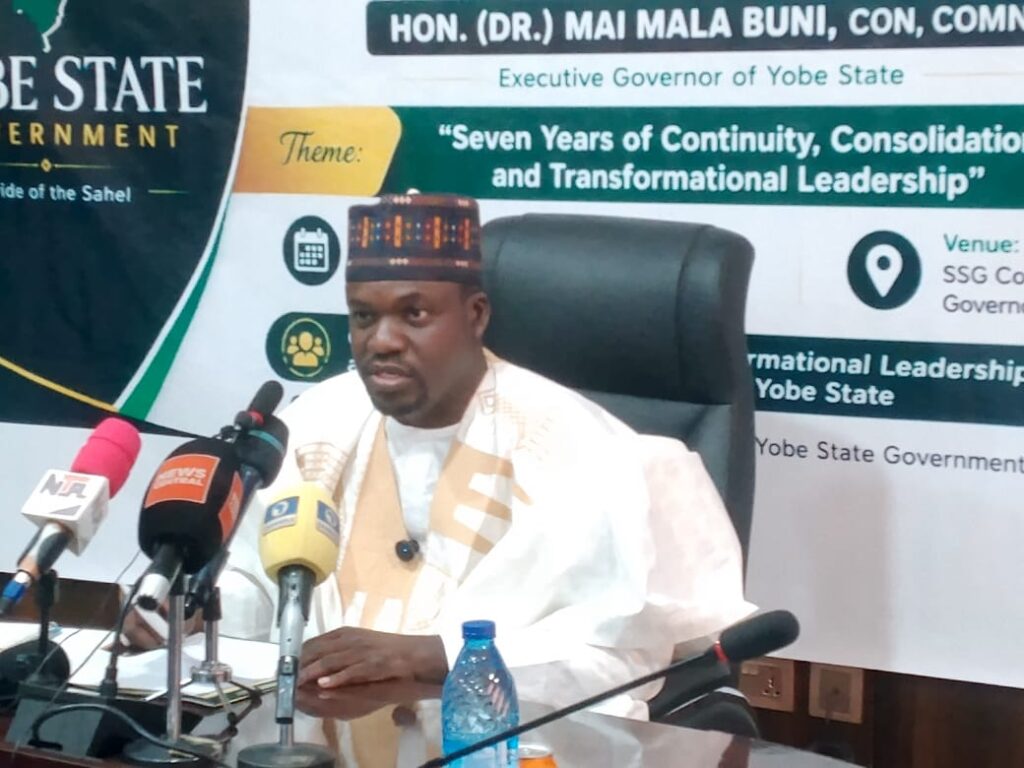
The celebration of seven years in office of His Excellency, the Executive Governor of Yobe State, Honorable Mai Mala Buni CON, COMN, is not merely a ceremonial milestone but a profound opportunity to reflect on a remarkable journey of continuity, consolidation, recovery, and transformative governance. As articulated by Dr. Mohammed Goje, acting secretary to the state government, the administration has distinguished itself through an unwavering commitment to peacebuilding, human capital development, economic empowerment, and strategic infrastructural investments—all aimed at substantially improving the quality of life for the people of Yobe State.
NEWSng reports that at the heart of Governor Buni’s administration lies the recognition that sustainable development is inseparable from peace and security. From his assumption of office on May 29, 2019, the governor adopted a comprehensive security strategy integrating operational support, institutional collaboration, community engagement, peacebuilding initiatives, and humanitarian recovery. This holistic approach has yielded tangible results, notably the consolidation of peace and public confidence across the state. Over 200 operational motorcycles and 60 patrol vehicles have been procured and deployed to bolster security agencies, vigilant groups, hunters, and community response teams. Additionally, significant infrastructure projects such as the rehabilitation of the 233 Battalion Barracks, construction of military accommodation facilities, improvement of access roads within military formations, establishment of security checkpoints, and facilitation of a new military camp in Gashua have collectively strengthened the state’s defense architecture. These efforts have restored a secure environment that serves as the bedrock for all other developmental pursuits.

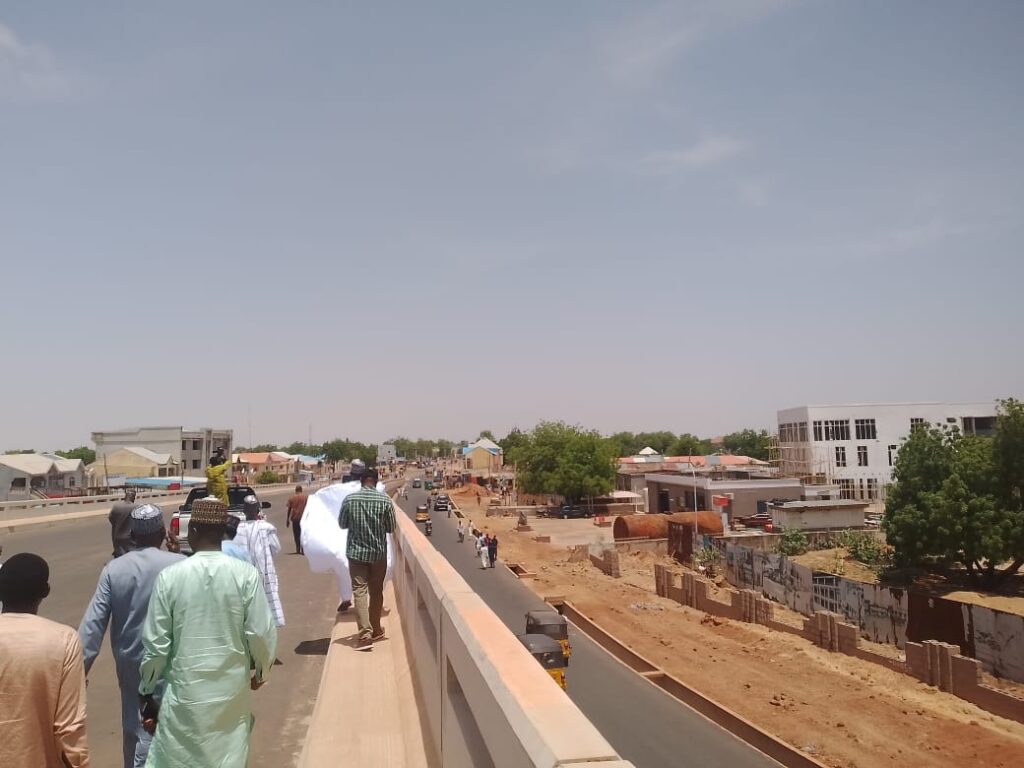
Parallel to security gains, the administration’s investment in infrastructure has catalyzed an economic renaissance. The state’s transportation network has undergone a historic transformation with the construction, rehabilitation, and upgrading of more than 500 kilometers of roads. This ambitious infrastructural expansion has improved connectivity across rural and urban areas, enhancing access to markets, health services, and educational institutions. Projects such as the groundbreaking Damaturu flyover and underpass bridge symbolize the modernization thrust characterizing Governor Buni’s tenure. Complemented by the dualization of the Damaturu to Kalallawa road (26 km), construction of the Damaturu to Gambir road (11 km), expansion of the Potiskum road, and the Waziri Ibrahim bypass, these infrastructures unify the three senatorial zones and facilitate inter-community interactions. Furthermore, crucial roads like the Jajere to Danchuwa route (35 km), Ngelzarma to Mashio (17 km), Damagun to Gubana (12 km), Nguru to Balanguwa (16 km), and Garin Bingel to Danchuwa (16 km) have reinforced regional trade corridors, expediting agriculture access and commerce and reducing travel times that hamper economic growth. These investments affirm the administration’s focus on physical capital as a catalyst for socio-economic development.
Equally compelling is the administration’s transformational agenda in education and human capital development, which Governor Buni deems pivotal for Yobe’s future prosperity. The administration has constructed seven mega schools and seven model schools, expanded facilities at Yobe State University, established a clinical section for the medical college, and bolstered nursing and midwifery education. Technical institutions have received upgrades, while science and vocational education have gained fresh impetus. The enhancement of educational infrastructure extends to promoting girl-child education and expanding tertiary education offerings. Notably, over 48,000 students benefit from government scholarship programs across universities, polytechnics, colleges of education, and social training institutions both within Nigeria and abroad. These substantial investments cultivate a skilled and knowledgeable workforce, empowering the youth and positioning Yobe State as a competitive entity equipped to meet contemporary challenges.
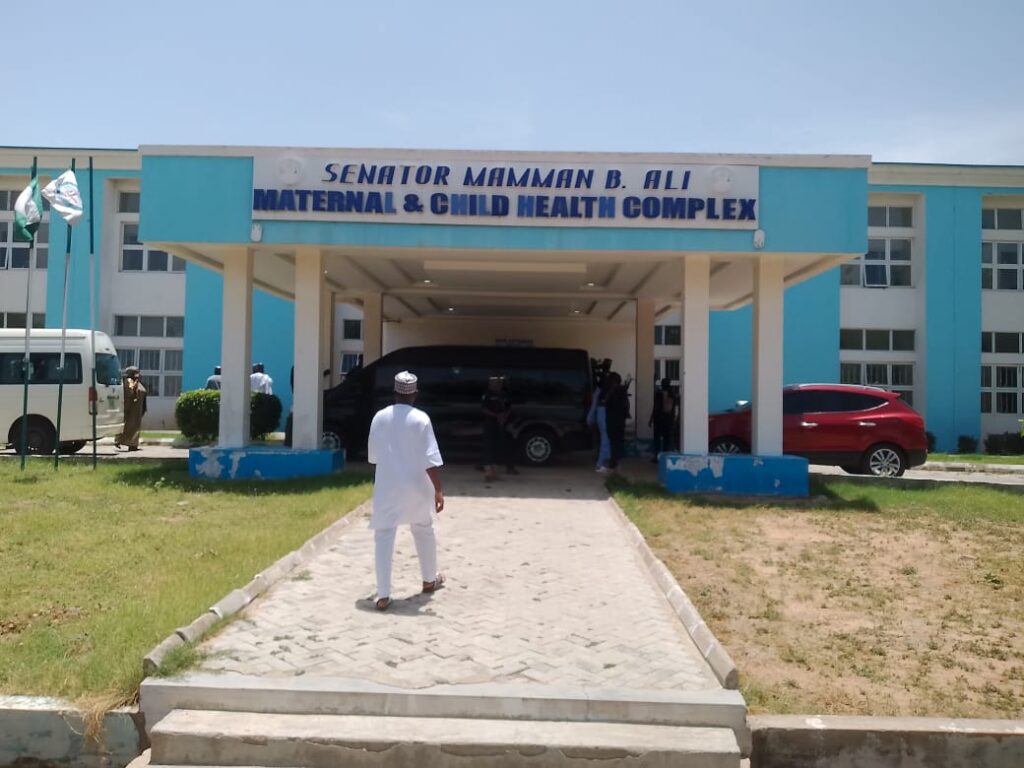
Governor Buni’s tenure has also witnessed unprecedented strides in healthcare delivery, another cornerstone of the administration’s developmental blueprint. Completion of 148 out of 178 primary healthcare centers across the state’s political wards marks a near-universal access to basic health services. Five general hospitals have been upgraded to specialist status, new general hospitals constructed, and a modern 300-bed mother and child center established. Critical health infrastructure expansions at the Yobe State Teaching Hospital complement these efforts, ensuring capacity to manage complex medical needs. The creation of the Yobe State Drugs and Medical Consumers Agency, with an initial investment of at least ₦2.3 billion, has fortified the reliable supply of medicines. Furthermore, the establishment of the Yobe State Contributory Healthcare Management Agency (YOCHMA) has introduced health insurance coverage benefiting over 350,000 residents, making quality healthcare more affordable and accessible. These interventions have dramatically improved access to maternal and child health services, specialized care, and overall health system resilience—a testament to the administration’s commitment to human well-being.
Agriculture remains the lifeblood of Yobe’s economy, and Governor Buni’s policies reflect a profound understanding of its centrality. The administration has distributed over 7,000 metric tons of subsidized fertilizer and an additional 1,000 metric tons targeted at irrigation farming, alongside procuring over 100 tractors. Livestock development centers and pastoralist infrastructures have been established to support animal husbandry. The government’s revitalization of commerce and industry includes the construction of modern markets, motor parks, and agro-processing facilities and the revival of industries such as the Potiskum Flour Mill, Aluminum Company, and sesame processing plants in Damaturu, Potiskum, Machina, and Nguru. These initiatives not only create jobs but also strengthen agricultural value chains and stimulate rural economies. Crucially, the establishment of the Ministry of Wealth Creation, Empowerment, and Employment Generation has revolutionized youth and women empowerment by distributing vocational equipment and tools—such as irrigation pumps, tricycles, sewing machines, GSM repair kits, and grinding machines—to thousands, thereby fostering entrepreneurship and self-reliance.
Addressing the fundamental needs of housing, water, and electricity, the Buni administration has demonstrated a people-centric approach in infrastructure provision. Over 2,350 housing units have been delivered statewide, including 1,000 subsidized units in Damaturu designed to enhance homeownership accessibility for ordinary citizens. Access to potable water has been significantly expanded via projects such as the Machina water reticulation system, the Buni Gari water treatment plant, and the rehabilitation of hundreds of boreholes. Rural electrification has connected communities, including Gulani, Gujba, Kanamma, Wachakal, Koriel, Shikau, Garga Dumsai, Sumsumma, and Fulani, to the national grid, invigorating economic activity and elevating living standards. These efforts underscore the administration’s holistic commitment to infrastructure that directly impacts daily life.
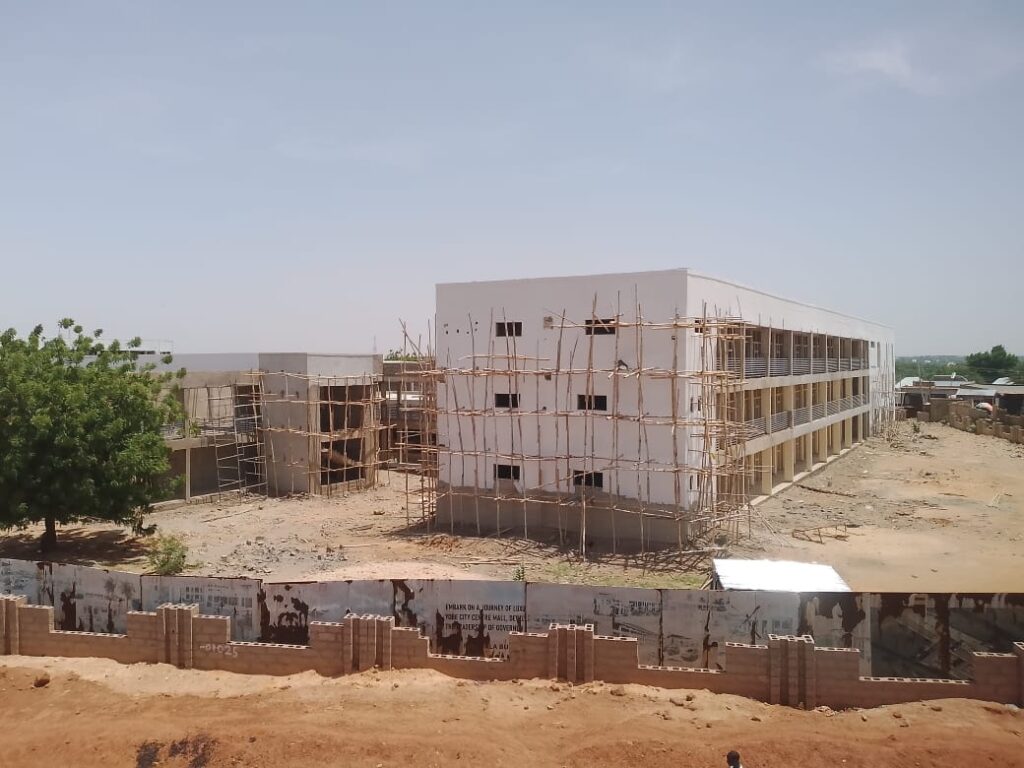
In tandem with transformative sectoral developments, governance modernization and institutional strengthening have featured prominently in the administration’s strategy. Rehabilitation of the State Secretariat, reconstruction of strategic offices and agencies, establishment of new institutional facilities, and enhancement of public financial management systems illustrate a focus on effective government machinery. Expansion of the Governor’s Office through partnerships with institutions such as the National Information Technology Development Agency (NITDA) and enhanced investment promotion via dedicated agencies have improved service delivery, reinforced accountability, and strengthened the capacity of government institutions to serve citizens efficiently. These reforms ensure sustainability and transparency in the state’s developmental trajectory.
The achievements of the past seven years under the leadership of His Excellency, the Honorable Dr. Mai Mala Buni, CON, COMN, represent a compelling narrative of visionary governance and impactful implementation. From securing peace and boosting security apparatus, energizing infrastructure and road networks, advancing education and health care, and stimulating agriculture and industry to enhancing housing, water, electrification, and governance structures—the administration has delivered comprehensive progress that resonates across all facets of society. As Yobe State stands today, more stable, connected, productive, and resilient, it embodies the fruits of sustained leadership dedicated to the welfare of its people. It is both fitting and imperative that this anniversary prompts reflection on the profound transformation achieved and galvanizes continued support for a trajectory toward sustained prosperity under Governor Mai Mala Buni’s stewardship. The path forged over these seven years is indeed one of continuity, consolidation, recovery, and hopeful transformation for generations to come.
Governor Buni: Commemorating Seven Years of Transformational Leadership in Yobe