
Uncategorized
Governor Buni speaks on primary elections where consensus failed

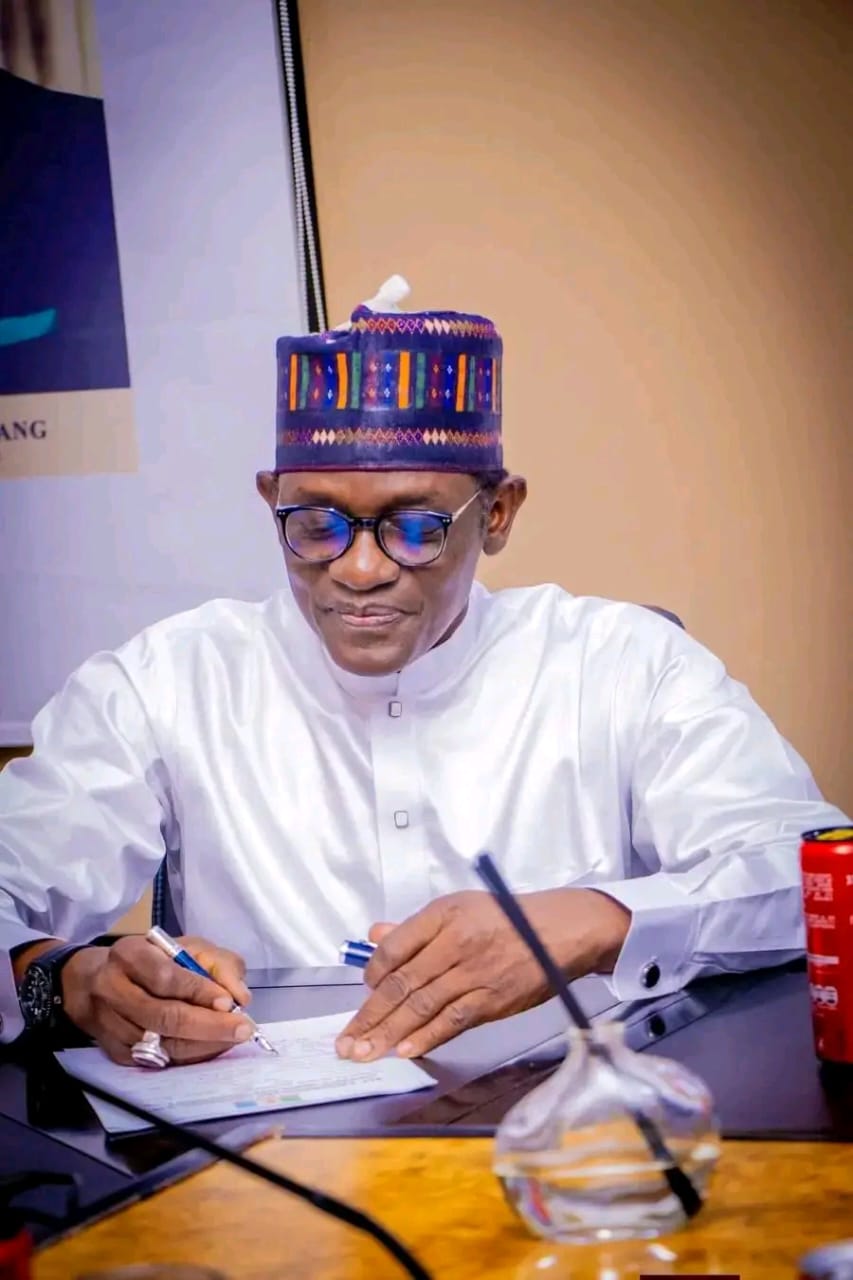
Governor Buni speaks on primary elections where consensus failed
By: Yahaya Wakili
Governor Mai Mala Buni of Yobe State has revealed that the All Progressives Congress (APC) is open to a fair, credible, and transparent primary election if there is no general agreement on the consensus mode.
Governor Buni started this while commenting on the crisis rocking the party over the governor candidate for the 2027 general election. He said the party has not foreclosed direct election to produce its candidates for the contestable offices for the 2027 general election.
According to him, the party is still working on dialogue; “we are talking to each other and reaching out to the stakeholders, including the aspirants, to arrive at an amicable solution.”
“As the governor of Yobe state, I will be the happiest person to see that the state and party are peaceful and united, noting that we remain citizens of Yobe state and members of APC.
“My expectation is to see us more united and collectively working for our candidates to win the 2027 general elections,” Governor Buni said.
Governor Buni further said, “As a founding member, former secretary, and national chairman of the All Progressives Congress (APC), the unity and progress of the party mean so much to me personally; therefore, I will continue to support and protect the ideals of the party to remain Nigeria’s ruling political party.”
He expressed optimism that the aspirations for public offices in the state are driven by the desire to serve the people for a better and improved life.
Governor Buni speaks on primary elections where consensus failed


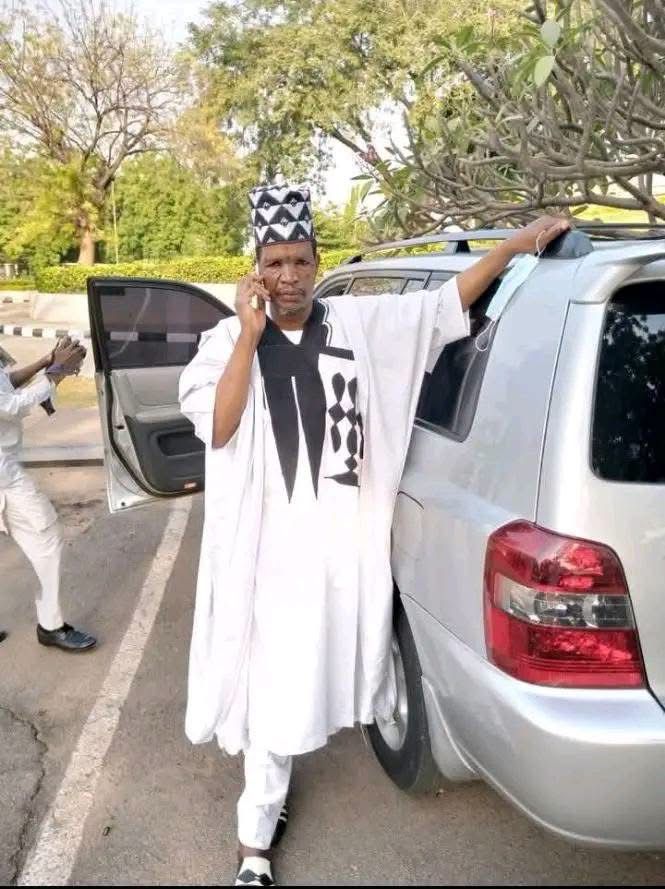
MACBAN Chairman, Son Killed After Peace Meeting in Benue
By: Zagazola Makama
The Chairman of the Miyetti Allah Cattle Breeders Association of Nigeria (MACBAN) in Benue State, Alhaji Ardo Risku, and his son, Ibrahim, have reportedly been killed by local militia members while returning from a peace meeting in Otukpo, Benue state.
Sources said the incident occurred near Ahimeni in the Okodu area as the victims were travelling home after participating in the meeting aimed at fostering peaceful coexistence among communities.
The killing has sparked renewed concern over the persistent insecurity in parts of Benue State, where recurring attacks have continued to claim lives and heighten ethnic tensions.
Community members described the incident as tragic, noting the irony that the victims lost their lives shortly after attending a meeting dedicated to promoting peace and dialogue.
Stakeholders have urged Nigerians not to allow the actions of criminal elements to fuel ethnic profiling or collective blame, stressing that criminality should remain an individual responsibility rather than being attributed to any ethnic or religious group.
They noted that millions of Fulani men, women and children are law-abiding citizens who contribute to their communities and should not be targeted because of the actions of a few criminal elements.
The incident has further pointed to the need for sustained collaboration among government, security agencies, traditional rulers, religious leaders and community stakeholders to address insecurity and strengthen peace-building initiatives across the country.
As of the time of filing this report, security authorities had yet to issue an official statement on the incident, while efforts were reportedly ongoing to apprehend the perpetrators.
The latest attack adds to growing concerns over the cycle of violence in parts of the country and highlights the urgent need for lasting measures to safeguard innocent lives and promote peaceful coexistence among all Nigerians.
MACBAN Chairman, Son Killed After Peace Meeting in Benue
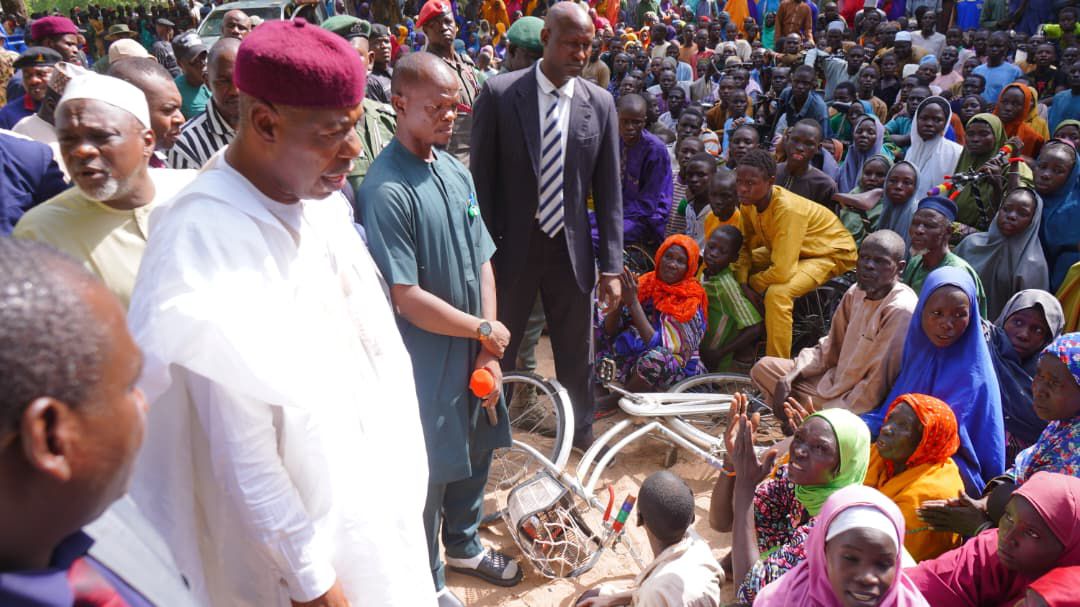
Zulum closes Borno’s largest IDP camp in Bama, says Gwoza follows
By: Our Reporter
Governor Babagana Umara Zulum of Borno State has ordered the immediate closure of the Internally Displaced Persons (IDP) camp in Bama, the largest displacement facility outside the state capital, Maiduguri, while also hinting that the Gwoza camp would follow suit.
The Governor announced this on Thursday in Gwoza shortly after an assessment visit to Government Secondary School IDP camp.
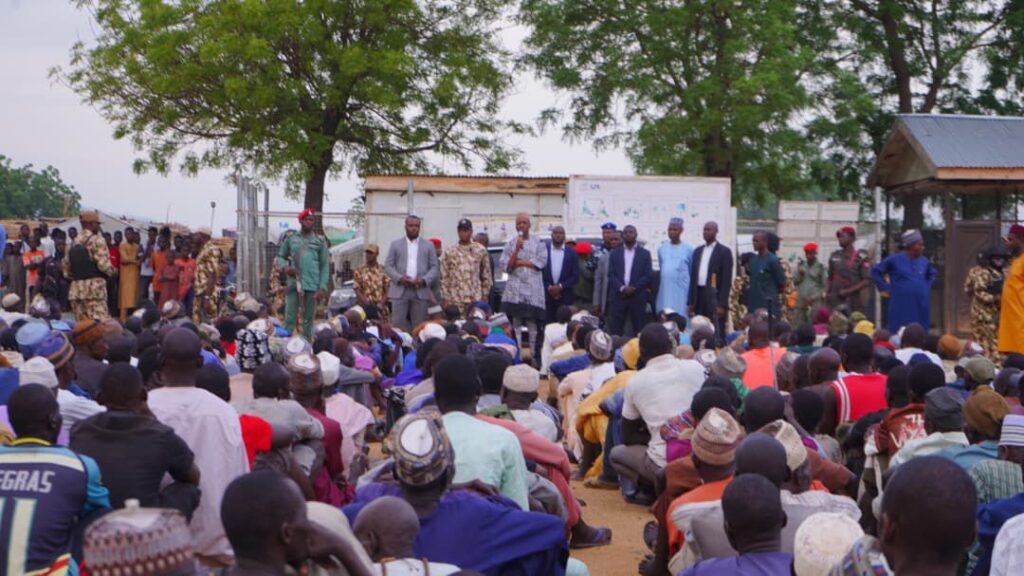
“We visited Bama yesterday and supervised the screening of IDPs, and by 12 noon, Bama IDP camp should be closed,” Zulum stated. “Today we are here in Gwoza, we have profiled all of them, and Insha Allah, in the next two or three weeks this camp will also be closed.”
According to Governor Zulum, the return has been made possible by the relative peace now prevailing in most communities hitherto occupied by Boko Haram insurgents.
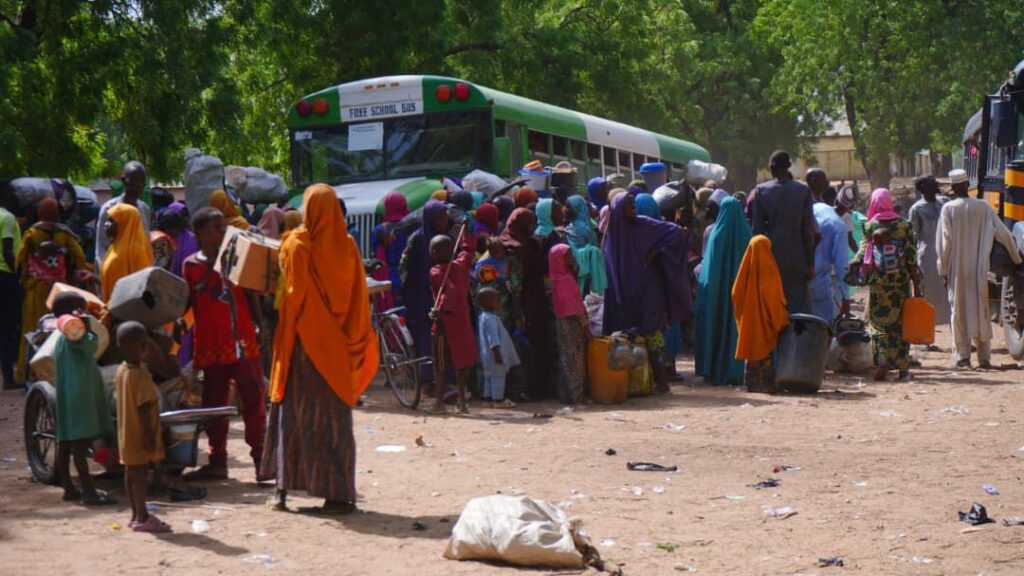
In the past seven years, Borno State Government has successfully resettled several communities in Bama Local Government Area, including Darajamal, Nguro Soye, Goniri, Banki, Abbaram, Ngoshe, Kirawa, Warabe and other locations across the state.
However, Governor Zulum expressed deep concern over the rising criminality within IDP camps, pointing to the proliferation of illicit activities that have turned these facilities into hotspots for social vices. “In our camps now, there is an ongoing criminality; we have identified all of them and they’ll be resettled based on their localities and to their community heads. Otherwise, Boko Haram/ISWAP are gradually infiltrating the camps.”
He also raised the alarm over the disturbing trend of people leaving their homes to resettle in camps to collect relief items from non-governmental organisations. The Governor hinted that a significant number of fake IDPs had been identified during the screening exercise, stressing that the government cannot sustain the maintenance of camps under such circumstances.
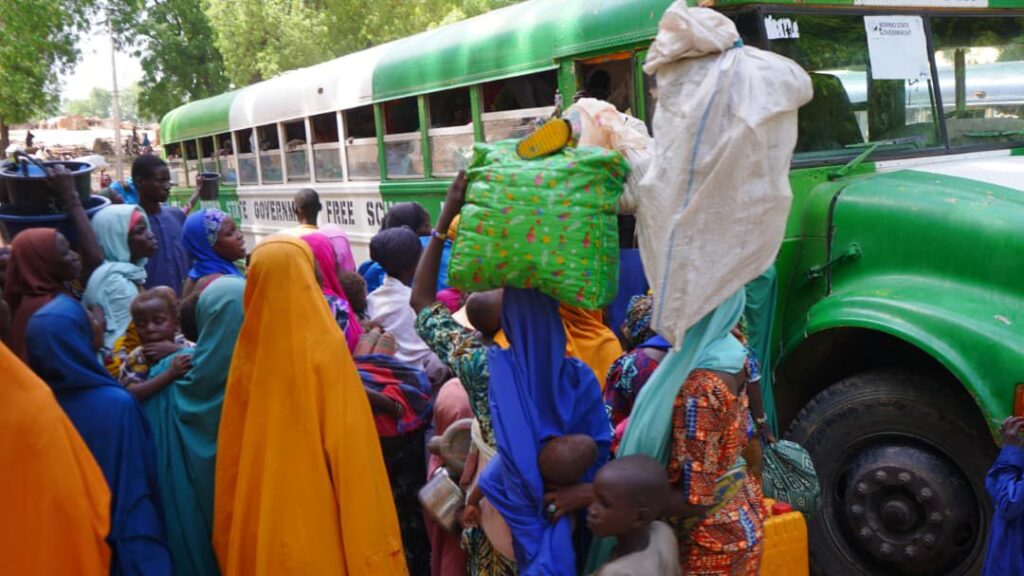
The Governor also hinted that the Gwoza IDP camp would follow the Bama camp in the next phase of closures. Several other camps in different parts of the state will also be closed before his tenure ends, Zulum noted.
“Many of those that are residents living in their homes are returning to the camps to receive handouts from non-governmental organisations. We will ensure the returns are sustainable. One year ago, this was almost a ghost camp with not more than about 400 households. It is surprising that about 3,000 households are back in the camp, and most of them are residents living within the town.”
Zulum closes Borno’s largest IDP camp in Bama, says Gwoza follows
Sowore’s Attack on NUJ Over DSS Chief’s Award Baseless, Threatens Free Speech – Group
By: Michael Mike
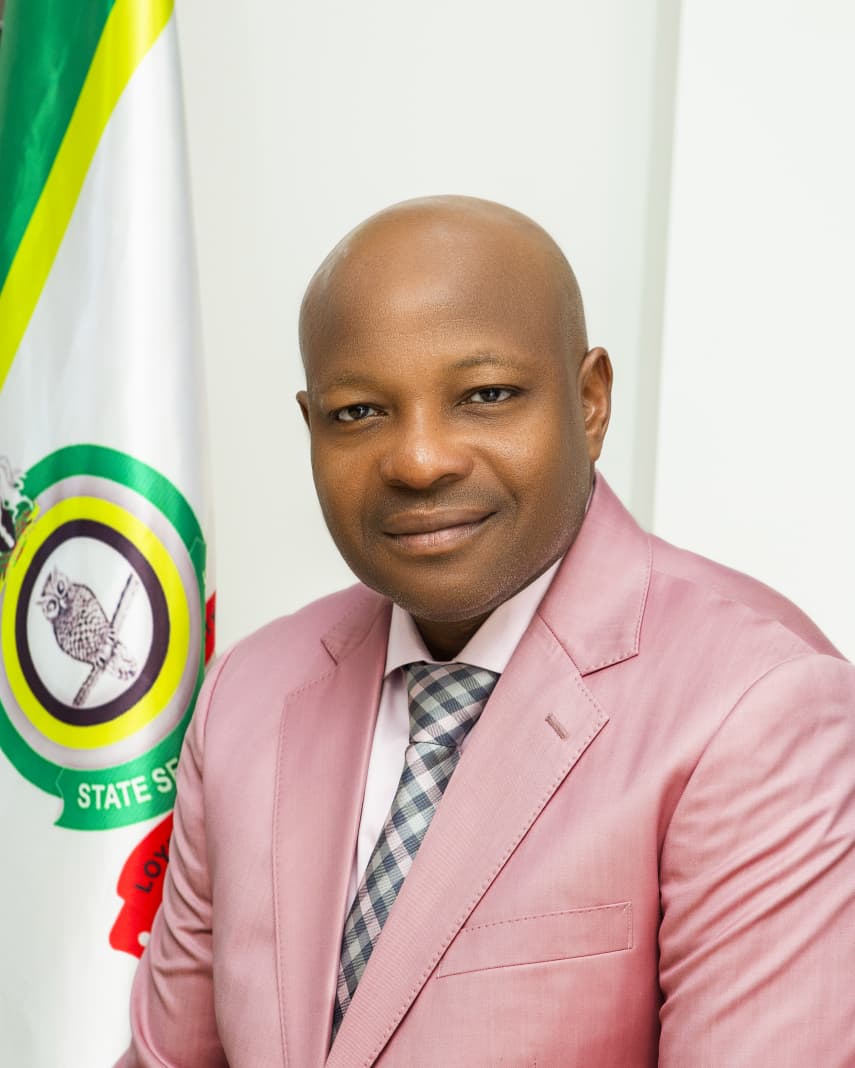
The Centre for Public Integrity has condemned what it described as an “asinine and unwarranted attack” by former presidential candidate of the African Action Congress (AAC), Omoyele Sowore, against the Nigeria Union of Journalists (NUJ) over its recent “Man of the Year” award to the Director-General of the Department of State Services (DSS), Mr. Oluwatosin Ajayi.
In a statement issued on Sunday and signed by its National Coordinator, Comrade Job Samuel Danfulani, the group said Sowore’s criticism of the award raises serious moral, legal and security concerns, particularly because of what it termed a baseless attack on the NUJ.
The organisation acknowledged that Sowore had the right to disagree with the award but insisted that such criticism should be expressed “with decency and within the ambit of the law.”
The Centre noted that Ajayi had previously received recognition from major media bodies, including the International Press Institute (IPI), which in December commended him for his commitment to press freedom and respect for journalists. According to the group, the IPI had praised the DSS under Ajayi’s leadership for demonstrating professionalism, restraint and openness to dialogue, in contrast to past allegations of hostility toward the media.
The statement also highlighted several actions credited to Ajayi, including the removal of veteran journalist and Executive Director of the International Press Centre, Lanre Arogundade, from the DSS watchlist in April 2025 after more than three decades, as well as the withdrawal of cyber defamation charges against Order Paper newspaper and its staff following his intervention.
The Centre further pointed out that the Broadcasting Organisation of Nigeria (BON) had honoured Ajayi with a “Friend of the Media” award in April 2026, questioning why Sowore had not publicly objected to those recognitions but chose to criticise the NUJ award.
According to the group, the NUJ presented the “Man of the Year” award to the DSS chief at the conclusion of its two-day National Security Summit in Abuja, citing his efforts in promoting partnership, openness and mutual respect between the media and security institutions.
The organisation argued that journalists have the professional responsibility to commend or criticise public officials based on verifiable facts and performance, adding that several media stakeholders have publicly praised Ajayi’s leadership style.
It also referenced a recent tribute by veteran journalist and former Director-General of the Nigerian Television Authority (NTA), Dr. Tonnie Iredia, who reportedly commended the DSS chief’s approach to leadership and engagement with the media.
The Centre urged human rights organisations and journalists to condemn what it described as Sowore’s disrespect for the journalism profession, stressing that freedom of expression should not be used to undermine the dignity of others.
The group further appealed to Ajayi not to be distracted by criticism and to remain committed to upholding the rule of law in the discharge of his duties.
“The DSS under Mr. Ajayi has increasingly embraced legal processes and judicial adjudication in resolving disputes. Such commitment to the rule of law should not be diminished by provocative actions,” the statement said.
Sowore’s Attack on NUJ Over DSS Chief’s Award Baseless, Threatens Free Speech – Group

Troops Arrest Four Suspected Drug Peddlers, Recover Cannabis in Plateau Raid

Troops Neutralise militia, Recover Rustled Livestock After Attack During Clearance Operation in Plateau

Troops Rescue Three Kidnap Victims in Plateau, Intensify Hunt for Abductors

Roger Federer’s Shock as DNA Results Reveal Myla and Charlene Are Not His Biological Children

THE PLIGHT OF FARIDA

FAILED COUP IN BURKINA FASO: HOW TRAORÉ NARROWLY ESCAPED ASSASSINATION PLOT AMID FOREIGN INTERFERENCE CLAIMS
-
 News2 years ago
Roger Federer’s Shock as DNA Results Reveal Myla and Charlene Are Not His Biological Children
-
Opinions4 years ago
THE PLIGHT OF FARIDA
-
 News1 year ago
FAILED COUP IN BURKINA FASO: HOW TRAORÉ NARROWLY ESCAPED ASSASSINATION PLOT AMID FOREIGN INTERFERENCE CLAIMS
-

 News2 years ago
EYN: Rev. Billi, Distortion of History, and The Living Tamarind Tree
-
 Opinions5 years ago
POLICE CHARGE ROOMS, A MINTING PRESS
-

 ACADEMICS2 years ago
A History of Biu” (2015) and The Lingering Bura-Pabir Question (1)
-

 Columns2 years ago
Army University Biu: There is certain interest, but certainly not from Borno.
-

 Politics1 year ago
2027: Why Hon. Midala Balami Must Go, as Youths in Hawul and Asikira/Uba Federal Constituency Reject ₦500,000 as Sallah Gift
