
Northeast
Harassment of Muslim Women in Maiduguri Hospitals: An Assertion Amidst an Alarming Increase in Terrorist Activities in Nigeria’s Northeastern Region.


Harassment of Muslim Women in Maiduguri Hospitals: An Assertion Amidst an Alarming Increase in Terrorist Activities in Nigeria’s Northeastern Region.
By: Dr. James Bwala
The recent allegations made by the Muslim Rights Concern (MURIC), led by its director, Professor Ishaq Akintola, claim that security checks imposed on Muslim women trying to access certain hospitals in Maiduguri constitute harassment. This assertion comes amidst an alarming increase in terrorist activities in Nigeria’s northeastern region, particularly in Maiduguri, which has seen a resurgence in violence and attacks.
While the intention behind these security measures is ostensibly to protect patients and healthcare providers from potential threats, the implications of these allegations deserve critical analysis. Indeed, the tensions between security measures meant to safeguard communities and the potential for such measures to be perceived as discrimination or harassment may have revealed that MURIC’s claims are inadvertently an attempt to create vulnerabilities within the healthcare sector, particularly during a time when accessibility to medical facilities is crucial.
While I take a critical review of the statement by MURIC, I feel it is necessary to understand the broader context of security in Maiduguri. The city has been at the forefront of a prolonged conflict instigated by Boko Haram and other militant groups. The threat posed by these organizations has resulted in severe security protocols across various public domains, including hospitals. Security checks are designed to mitigate the risks associated with terrorist infiltration, ensuring that individuals entering sensitive areas, such as medical facilities, do not pose a security threat. However, these measures often require a delicate balance between maintaining safety and respecting the rights of individuals, particularly marginalized groups such as women and religious minorities.
MURIC’s allegations highlight the perception of bias against Muslim women who may feel unfairly targeted by security checks resembling racial or religious profiling. The notion that specific demographic features can lead to increased scrutiny and inconvenience raises ethical questions about fairness and equity within security protocols. Security personnel must be trained to conduct their duties without prejudice, ensuring that all individuals receive equitable treatment irrespective of their ethnicity, religion, or gender. Any failure to uphold these standards can exacerbate existing tensions and engender a sense of mistrust between the community and authorities.
In critiquing MURIC’s stance, it is essential to recognize the potential implications of their claims. While the organization seeks to advocate for the rights of Muslim women, their allegations could unintentionally offer cover for those with malicious intentions. If terrorists identified a chink in the security apparatus due to the controversial claims put forth by MURIC, they could exploit this situation to gain easier access to hospitals—or worse, perpetrate attacks there. The current security climate necessitates vigilance and strict adherence to procedures designed to thwart terrorist operations. Thus, the line between legitimate protest against perceived discrimination and enabling dangerous entities must be navigated with caution.
READ ALSO: https://newsng.ng/troops-neutralise-four-iswap-terrorists-rescue-two-hostages-in-gajiram/
Moreover, it is worthwhile to consider what constitutes harassment. For many, harassment alludes to actions that create an intimidating, hostile, or offensive environment. While security checks undoubtedly add a layer of inconvenience, especially for vulnerable groups such as women, they are enacted with the aim of preserving human life and preventing violence. It becomes vital to distinguish between legitimate security practices and systemic discrimination. It is also important to question whether MURIC’s framing of the situation is unproductive, potentially creating further divisions and conflicts within the community, rather than fostering dialogues aimed at constructive solutions.
In examining the responses of relevant stakeholders, state governments, and health authorities in the region, it is important to emphasize the need for comprehensive dialogue. Stakeholders must engage in discussions with community representatives, including organizations like MURIC, to explore the nuances surrounding security measures without dismissing legitimate concerns raised by citizens. Targeted conversations can pave the way for improved protocols that guarantee safety while minimizing the risk of perceived profiling and harassment.
Communication strategies play a significant role in alleviating tensions; thus, hospitals should transparently communicate the reasoning behind security protocols to educate the public. An effort should be made to explain the necessity of thorough checks and how these measures significantly contribute to a safer environment for everyone, regardless of background. Open dialogues can cultivate an atmosphere of trust and cooperation among residents, enhancing their participation in security efforts while addressing concerns voiced by organizations like MURIC.
READ ALSO:https://newsng.ng/why-governor-zulum-directs-immediate-investigation-into-murics-claims-of-hijab-harassment-in-maiduguri-hospitals/
Another critical factor in this critique revolves around the role of media in shaping perceptions of security and community relations. The media portrayal of MURIC’s allegations may amplify feelings of alienation and enmity within an already vulnerable population. A nuanced reporting strategy is essential to avoid sensationalism that either downplays serious security concerns or escalates tensions unnecessarily.
On a deep look at the situation, it is essential to propose recommendations for improving the current situation. First and foremost, any security checks implemented within healthcare facilities must prioritize sensitivity training for security personnel. By emphasizing respect and understanding of cultural practices, personnel can uphold public safety without compromising dignity. Additionally, establishing feedback mechanisms can allow individuals to report grievances related to their experiences during security checks, paving the way for continuous improvement.
Secondly, the collaboration between government bodies, law enforcement, and community organizations should be fortified to address collective security challenges. Joint initiatives such as community workshops focused on building understanding around security measures can aid in forging stronger community bonds.
While the allegations made by MURIC about the harassment of Muslim women during security checks must not be dismissed, they serve as a reminder of the delicate interplay between security and civil liberties. During a time of heightened risks from terrorism in Maiduguri, it is crucial to maintain vigilance and prioritize safety without compromising the rights and dignity of individuals. The focus should be on collaborative efforts that enhance security while fostering inclusivity and understanding. Only through meaningful dialogue can communities navigate the complexities of safeguarding lives and upholding the tenets of justice, equity, and respect.
* James Bwala, PhD, a security strategy analyst, writes from Abuja.
Harassment of Muslim Women in Maiduguri Hospitals: An Assertion Amidst an Alarming Increase in Terrorist Activities in Nigeria’s Northeastern Region.




Amotekun operative arrested after accidental fatal shooting in Oyo
By: Zagazola Makama
An operative of the Amotekun Corps has been arrested following the accidental fatal shooting of a man during an attempt to arrest two persons involved in a violent altercation in Saki area of Oyo State.
Police sources said the incident occurred at about 7:00 p.m. on Thursday at Ayemojuba Kosigi Village, via Saki.
The matter was reported to the Saki Police Division on Friday by Abdullahi Dogo, Chairman of the Miyetti Allah Fulani association in Saki, who said two men of Fulani extraction, whose identities are yet to be established, engaged in a cutlass fight.
According to the report, an Amotekun operative, identified as Abdulafeez Alabi, allegedly discharged his firearm accidentally while attempting to arrest the two men, fatally hitting one of them.
The victim died at the scene, while the second individual was not reported to have been injured.
Police arrested the Amotekun operative and recovered a locally fabricated single-barrel gun as well as one expended cartridge from the scene.
The suspect is in police custody, while investigations into the circumstances surrounding the incident are ongoing.
Amotekun operative arrested after accidental fatal shooting in Oyo
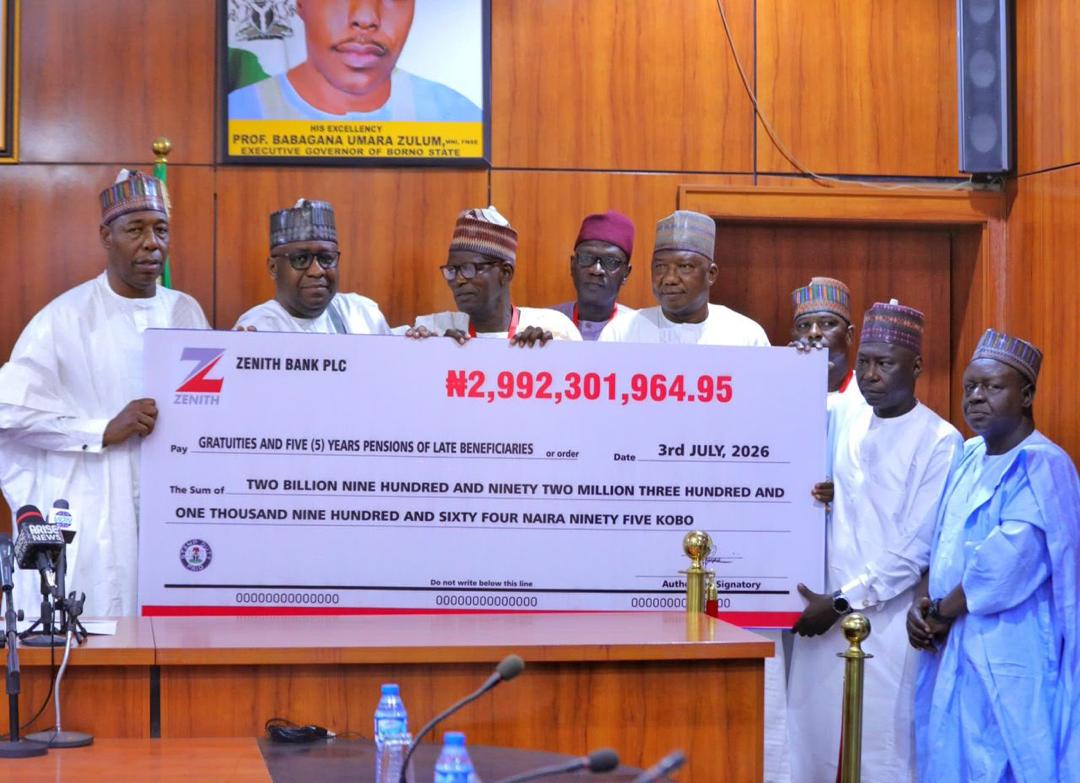
Zulum Clears Gratuity Backlog with N5.81bn Payout, Promises Better Welfare for LG Workers
By: Michael Mike
Governor Babagana Umara Zulum of Borno State has approved the release of N5.81 billion to clear a substantial backlog of gratuities owed to retired civil servants and the families of deceased workers, in one of the state’s biggest pension settlement exercises aimed at easing the hardship facing former public servants.
The governor presented cheques valued at N5,814,830,271.94 on Friday at the Government House in Maiduguri before representatives of organised labour and the Nigerian Union of Pensioners, reaffirming his administration’s commitment to meeting workers’ welfare obligations.
Of the total sum, N2.99 billion will be used to settle all outstanding gratuities owed to the families of deceased civil servants, while N2.82 billion will clear gratuities for retirees up to December 2022, including outstanding entitlements owed to staff of the Borno State Housing Corporation dating back to 2013.
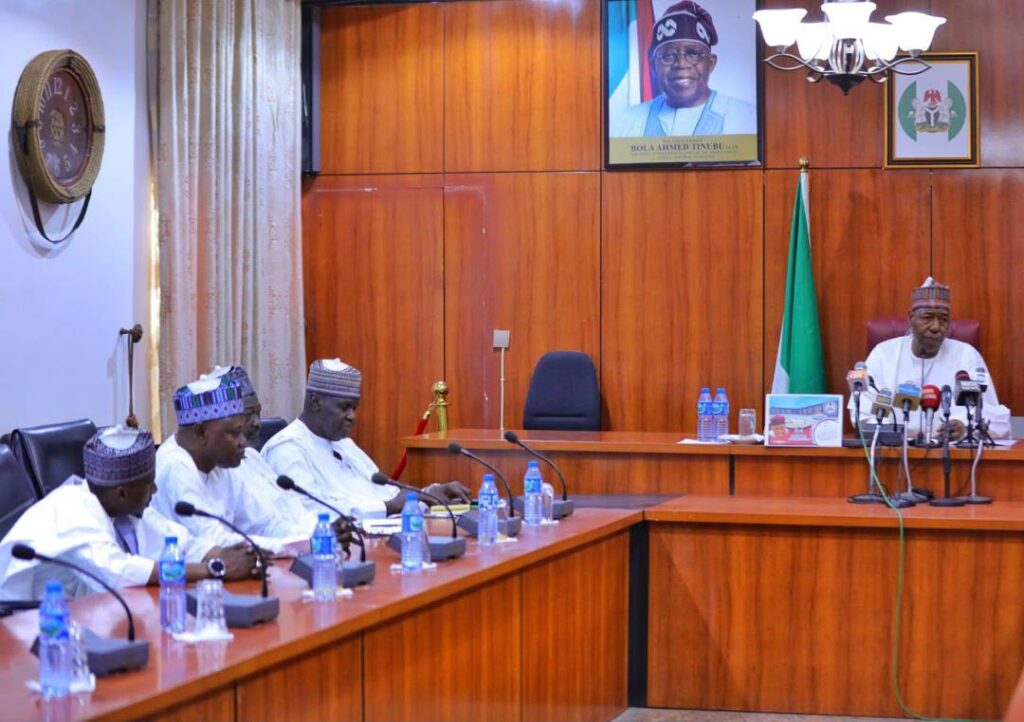
Zulum said the intervention fulfils a major campaign promise and is intended to provide relief to families that have endured years of financial uncertainty.
“We have quite a number of civil servants who have lost their lives, and their families are still battling with life’s challenges. We are presenting about three billion naira to the families of deceased civil servants so they can continue to live in peace and dignity,” the governor said.
He added that with the latest payment, all retired civil servants up to 2022 would receive their gratuities in full, while the government would immediately begin processing payments for those who retired in 2023.
The latest disbursement adds to a series of interventions by the Zulum administration to address pension liabilities. The state currently releases N200 million monthly for gratuity payments. In 2025, the government approved N8 billion for pensioners’ entitlements and teachers’ gratuities, while N12 billion was disbursed in 2020 to settle benefits owed to about 5,000 retired state and local government workers.
Commissioner for Finance, Lawan Dalorima, described the payment as further evidence of the administration’s commitment to honouring workers who dedicated their careers to public service.
According to him, despite competing financial demands, the government has continued to prioritise the welfare of citizens, particularly retirees.
The organised labour movement welcomed the development, with the Vice Chairman of the Nigeria Labour Congress in the state, Mamman Bukar, describing the payment as timely and capable of reducing the economic hardship confronting pensioners and the families of deceased workers.
He said the exercise would strengthen workers’ confidence in the government’s commitment to fulfilling its obligations.
Meanwhile, Zulum also assured local government employees that his administration is preparing measures to improve their welfare.
The governor acknowledged that local government workers face numerous challenges but explained that the size of the workforce has constrained the implementation of broader welfare reforms.
He said the state government would soon meet with leaders of local government workers to identify practical solutions.
“Borno State Government is very much aware of some of the problems facing local government employees. Very soon, we shall engage with you and see how we can address your challenges,” he said.
The cheque presentation ceremony was attended by senior government officials, members of the National Assembly, labour leaders, permanent secretaries and other top dignitaries.
Zulum Clears Gratuity Backlog with N5.81bn Payout, Promises Better Welfare for LG Workers
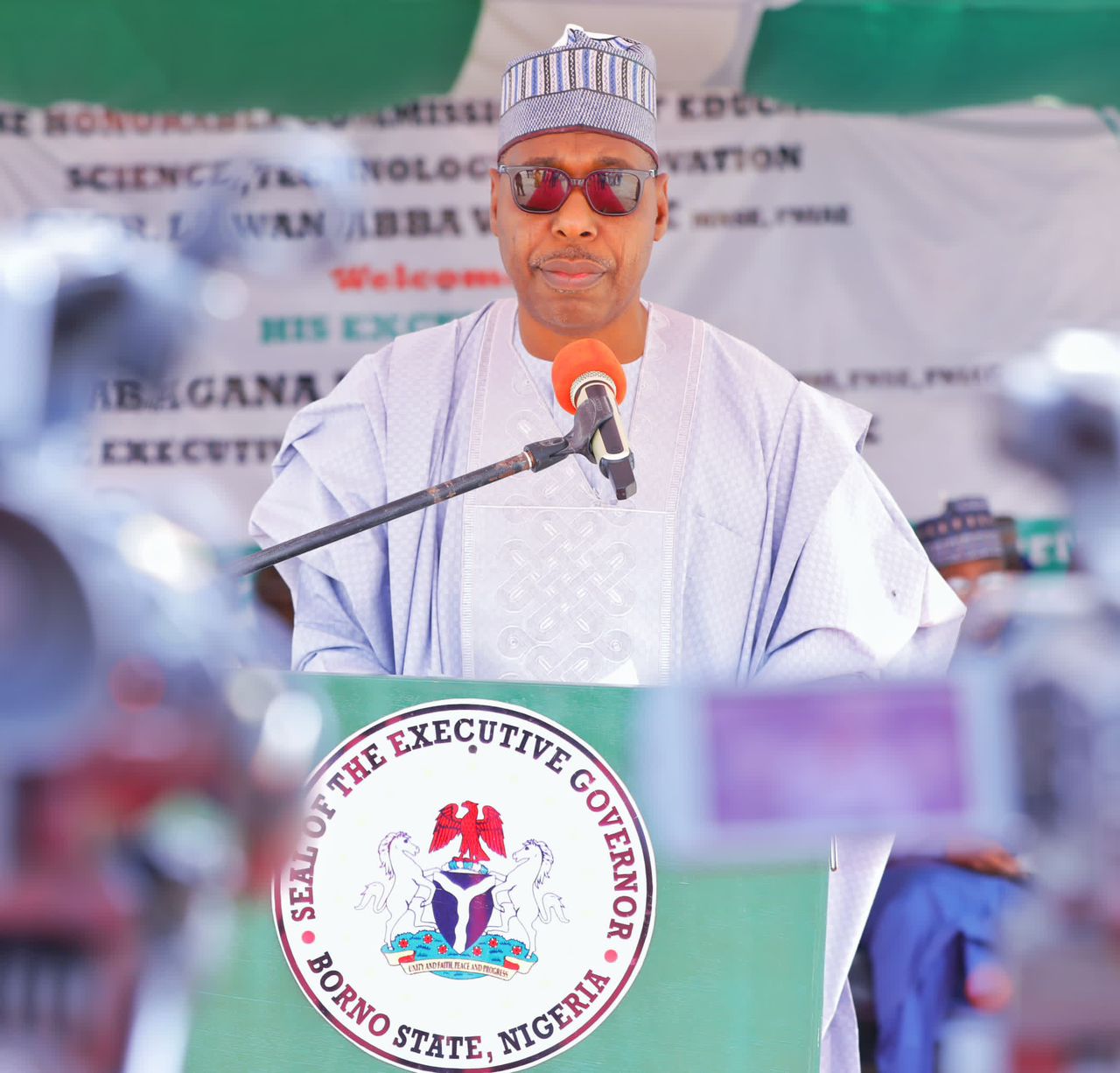
Zulum Emerges BusinessDay’s Best Performing Governor SCIRA Award of the Year
By: Our Reporter
Borno State Governor, Professor Babagana Umara Zulum, has emerged as BusinessDay’s 2025 Governor of the Year on Competitiveness and Investment Readiness Awards (SCIRA) under the category of Infrastructure Competitiveness Category Awards.
The award ceremony is scheduled to be held on Thursday, June 18, 2026, at NAF Conference Center & Suites, Jabi, Abuja.
Zulum’s nomination was contained in a letter by the Publisher/CEO of BusinessDay, Frank Aigbogun, addressed to the Governor.
“On behalf of BusinessDay Media Limited, Nigeria’s foremost business and economic intelligence platform, we are honoured to inform you that Borno State has been nominated for ‘Best Performing Governor’ under the Infrastructure Competitiveness Category for the 2025 States Competitiveness/Investment Readiness Awards (SCIRA),” Aigbogun said.
According to him, Governor Zulum’s nomination acknowledges his administration’s extraordinary strides in rebuilding infrastructure, reviving moribund industries, and restoring livelihoods as part of Borno’s long-term post-conflict recovery.
“Your Excellency, few states embody the spirit of renewal as Borno does. Against the backdrop of a decade-long insurgency, your government has delivered one of Nigeria’s most ambitious reconstruction and reintegration programmes, with infrastructure as its anchor,” he added.
Highlights of this transformation include:
Revival of Industrial Assets: The Borno Plastic Industry and Borno Meat Processing Company, once abandoned, have been progressively rehabilitated, signaling a return of productive capacity and investor confidence.
Industrial Hub Redevelopment: Through the Borno State Industrial Park and Enterprise Centre (BIP), over 2,000 SMEs now operate in structured facilities that provide power, workspace, and logistics support.
Infrastructure-led Recovery: Over 10,000 houses have been reconstructed across local government areas, enabling market access and trade linkages among Maiduguri, Biu, Monguno, and Gwoza.
Energy & Industrial Power Supply: The Maiduguri 50MW Gas Plant and collaboration with the Rural Electrification Agency (REA) have significantly enhanced industrial energy reliability.
Mr Aigbogun said these efforts have repositioned Borno as a credible destination for post-conflict
industrial reinvestment that combines human development with economic diversification.
“Borno’s shortlisting was derived from the BusinessDay Research & Intelligence Unit (BRIU) and BudgIT State Competitiveness Model (2025), using a Composite Infrastructure Competitiveness Index (CICI) based on three weighted dimensions,”
“Across these parameters, Borno ranked among the top five northern states, with its infrastructure recovery index improving by over 41% between 2020 and 2024.
“In the education and health sectors, construction of over 100 secondary schools, Kashim Ibrahim University Teaching Hospital and Staff quarters, doctors’ quarters, as well as take-off support for Federal Polytechnic Monguno, Federal College Gwoza, School of Nursing and Midwifery in Gwoza and Monguno, and the Orthopedic Hospital Azare, amongst others,” he remarked.
The Publisher acknowledged that Governor Zulum’s administration has rebuilt confidence, reconstruct
and resettled communities, revived industries, education, and healthcare, noting that today Borno stands as a model of post-conflict competitiveness in Africa.
Zulum Emerges BusinessDay’s Best Performing Governor SCIRA Award of the Year

Residents Cheer Troops as Operation FANSAN YAMMA Returns with Captured Terrorists’ Logistics in Zamfara

WAHO, AfDB Hand Over 10 Ambulances, Medical Equipment to The Gambia in $3.4m Health System Boost

Farmer killed by Fulani bandits in fresh Plateau attack as cycle of violence deepens

Roger Federer’s Shock as DNA Results Reveal Myla and Charlene Are Not His Biological Children

THE PLIGHT OF FARIDA

FAILED COUP IN BURKINA FASO: HOW TRAORÉ NARROWLY ESCAPED ASSASSINATION PLOT AMID FOREIGN INTERFERENCE CLAIMS
-
 News2 years ago
Roger Federer’s Shock as DNA Results Reveal Myla and Charlene Are Not His Biological Children
-
Opinions4 years ago
THE PLIGHT OF FARIDA
-
 News1 year ago
FAILED COUP IN BURKINA FASO: HOW TRAORÉ NARROWLY ESCAPED ASSASSINATION PLOT AMID FOREIGN INTERFERENCE CLAIMS
-

 News2 years ago
EYN: Rev. Billi, Distortion of History, and The Living Tamarind Tree
-
 Opinions5 years ago
POLICE CHARGE ROOMS, A MINTING PRESS
-

 ACADEMICS2 years ago
A History of Biu” (2015) and The Lingering Bura-Pabir Question (1)
-

 Columns2 years ago
Army University Biu: There is certain interest, but certainly not from Borno.
-

 Politics1 year ago
2027: Why Hon. Midala Balami Must Go, as Youths in Hawul and Asikira/Uba Federal Constituency Reject ₦500,000 as Sallah Gift
