
News
House of Reps Assures on Passage of Human Rights Defenders Bill

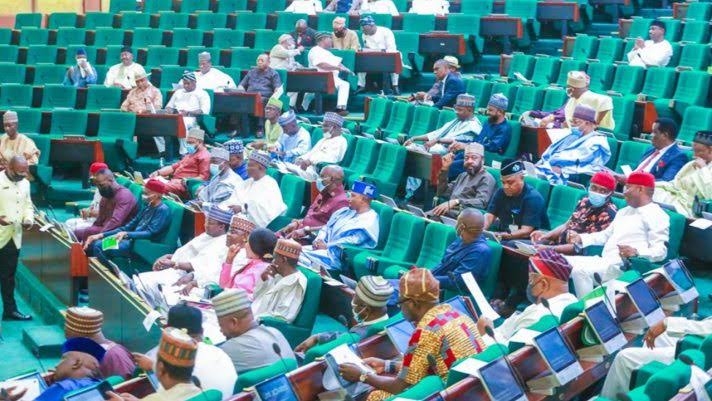
House of Reps Assures on Passage of Human Rights Defenders Bill
By: Michael Mike
The House of Representatives has revealed that it is interested in the passage of the Human Rights Defenders Bill into law, saying that the bill has already passed the first reading and will soon be subjected to second reading.
The House also promised to take the necessary steps to ensure an improvement in the 2025 budget of the NHRC, pointing out that the N5 billion approved for it in the 2024 budget is inadequate considering the myriad of human rights violations in the country.
The Chairman House Committee on Human Rights, Hon. Abiola Makinde made this disclosure during the oversight visit of Committee to the National Human Rights Commission (NHRC).
The Chairman, who was represented at the occasion by his Deputy, Hon. Mudashiru Lukeman assured the NHRC that the Committee would continue to advance the course of human rights in Nigeria by ensuring that the House of Representatives passes critical bills on human rights issues as well as makes adequate budgetary provisions to ease the work of the Commission.
Makinde also stated that in a bid to improve some aspects of Civil and Political Rights, the House of Representatives had ensured the establishment of human rights desks in all police formations and Headquarters across the 36 States of the Federation.
Earlier, the Executive Secretary of the NHRC, Dr. Tony Ojukwu who received the lawmakers with his management staff told the Human Rights Committee that the Commission relies heavily on them for the enactment of human rights friendly laws and enhanced budgetary provisions to discharge it broad mandate of promotion, protection and enforcement of human rights in the country.
He used the opportunity to commend the legislators for their role in the amendment of the NHRC Act 2010 as well as the support of the Speaker of the House of Representatives, Hon. Femi Gbajabiamila in the payment of compensation to victims of human rights violations by the Special Anti-Robbery Squad (SARS) unit of the Nigeria Police Force.
He equally informed the legislators who were on oversight visit about the recent report released by the Commission following the findings of the Special Independent Investigative Panel on Human Rights Violations in Counter-Insurgency Operations in the North East Nigeria , which he noted has saved the country from possible invitation by the International Criminal Court (ICC).
He noted that the aforementioned wide spread allegations of human rights infractions against some government institutions could result in the ICC extending invitations to some of the leaders to respond to the allegations, but the Commission has done the needful in compliance with the international principles of omplementarity.
He thanked the Committee for promising to improve the budgetary allocation of the Commission in the 2025 fiscal year.
House of Reps Assures on Passage of Human Rights Defenders Bill


Military
Mutiny: Presidential Guard Tightens Security Around Niger Presidency Amid Reports of Military Protest
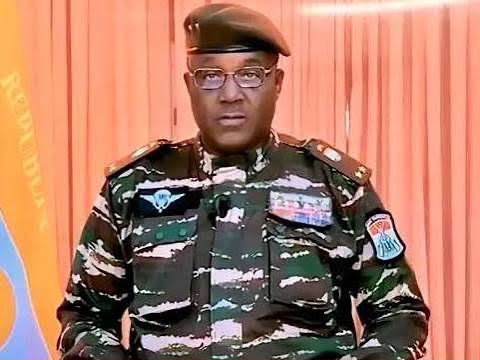
Mutiny: Presidential Guard Tightens Security Around Niger Presidency Amid Reports of Military Protest
By Zagazola Makama
Security was significantly reinforced around Niger’s Presidential Palace in Niamey following reports of unrest involving elements of the country’s armed forces, security sources told Zagazola Makama.
According to multiple security sources, the heightened deployment of the Presidential Guard, supported by armoured vehicles around the Presidential Palace on the night of July 3 and into July 4, followed what was described as a limited protest by personnel of an armoured unit within the Niger Armed Forces (FAN).
The sources said some soldiers reportedly declined deployment to frontline positions in northern Tillabéri Region, particularly around Inatès and Chinagodrar, citing inadequate heavy equipment and insufficient operational resources to confront the growing security threats in the area.
The protest was described by one source as a “small mutiny,” although there has been no official confirmation from the Nigerien authorities.
Security sources said the development triggered concern within the country’s leadership, prompting the reinforcement of security around the Presidential Palace and temporary restrictions on movement in the surrounding area as a precautionary measure.
The Tillabéri Region remains one of Niger’s most volatile security zones, with recurrent attacks by armed extremist groups, including factions linked to the so-called Islamic State in the Greater Sahara (ISGS).
As of the time of filing this report, the Nigerien government and military authorities had not issued any official statement regarding the reported protest or the increased security presence around the Presidency.
The situation remains under close observation.
Mutiny: Presidential Guard Tightens Security Around Niger Presidency Amid Reports of Military Protest
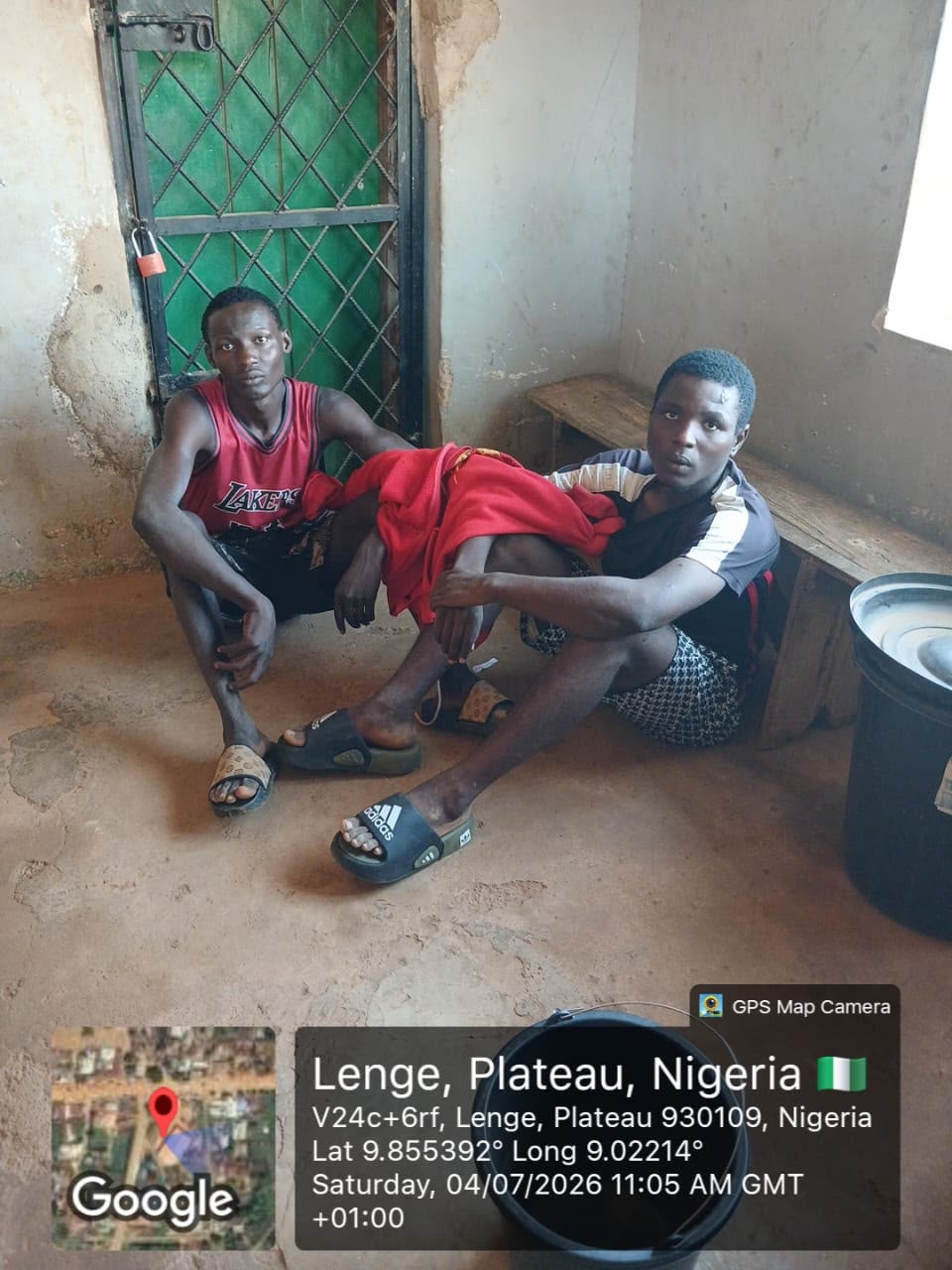
Two suspected criminals arrested during patrol in Plateau
By: Zagazola Makama
Troops of Sector 1 under Operation Enduring Peace have arrested two suspected criminals during a routine patrol in Jos East Local Government Area of Plateau.
Security sources disclosed that the suspects, identified as Azi Ezekiel, 21, and Ajiji Emmanuel, 19, were apprehended at about 10:30 a.m. on Saturday along the road leading to Forbur Village.
The sources said the suspects were intercepted by troops of Sector 1, Sub-Sector 12, while conducting a routine patrol in the area.
According to the sources, the two suspects have been handed over to the Keystone Police Station in Forbur for further investigation and possible prosecution.
The arrest forms part of ongoing security operations aimed at combating criminal activities and enhancing safety across Plateau State.
Two suspected criminals arrested during patrol in Plateau
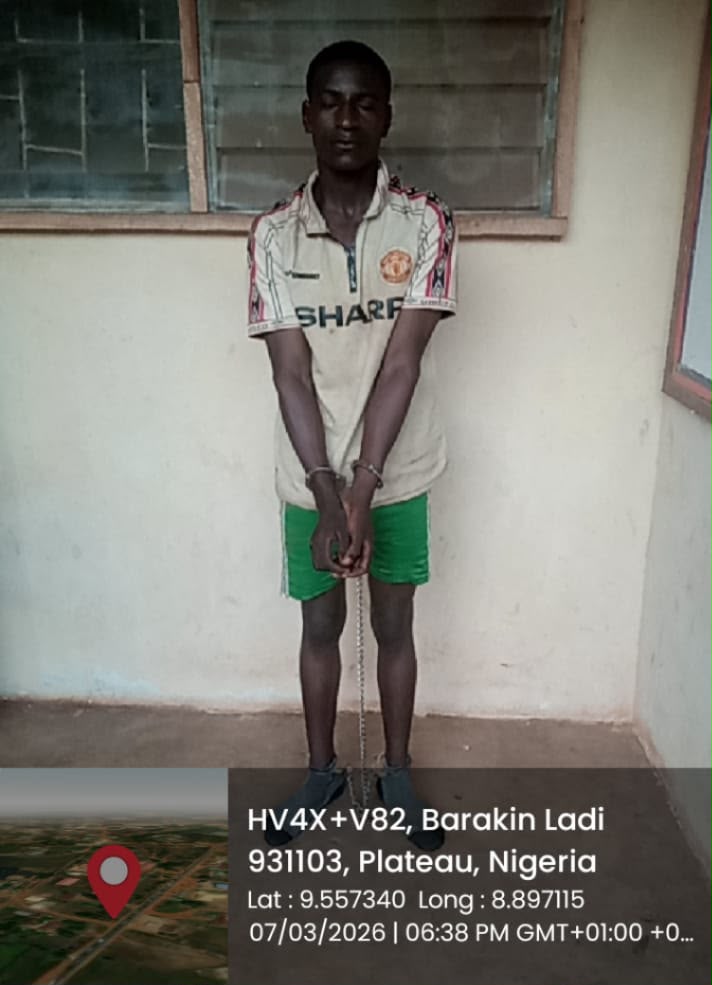
Troops arrest suspected kidnapper in Plateau community
By: Zagazola Makama
Troops of Sector 4 of Operation Enduring Peace have arrested a suspected kidnapper during a security operation in Barkin Ladi Local Government Area of Plateau.
Security sources said the suspect, identified as Mohamdu Surajo, 29, was arrested at about 6:45 p.m. on Friday at Sabon Layi Village following sustained security operations in the area.
The sources disclosed that the suspect is currently in military custody and is undergoing preliminary interrogation to aid ongoing investigations.
They added that the arrest is part of continued efforts by security forces to dismantle criminal networks and enhance security across Plateau State.
Troops arrest suspected kidnapper in Plateau community

President Tinubu Flags Off the Construction of Dikwa–Gamboru Ngala, Bama–Banki International Road Projects

Mutiny: Presidential Guard Tightens Security Around Niger Presidency Amid Reports of Military Protest

Troops Arrest Two Suspected Berom Militia Linked to NIPSS Attack as Security Sources Say Investigation Supports Earlier Leads

Roger Federer’s Shock as DNA Results Reveal Myla and Charlene Are Not His Biological Children

THE PLIGHT OF FARIDA

FAILED COUP IN BURKINA FASO: HOW TRAORÉ NARROWLY ESCAPED ASSASSINATION PLOT AMID FOREIGN INTERFERENCE CLAIMS
-
 News2 years ago
Roger Federer’s Shock as DNA Results Reveal Myla and Charlene Are Not His Biological Children
-
Opinions4 years ago
THE PLIGHT OF FARIDA
-
 News1 year ago
FAILED COUP IN BURKINA FASO: HOW TRAORÉ NARROWLY ESCAPED ASSASSINATION PLOT AMID FOREIGN INTERFERENCE CLAIMS
-

 News2 years ago
EYN: Rev. Billi, Distortion of History, and The Living Tamarind Tree
-
 Opinions5 years ago
POLICE CHARGE ROOMS, A MINTING PRESS
-

 ACADEMICS2 years ago
A History of Biu” (2015) and The Lingering Bura-Pabir Question (1)
-

 Columns2 years ago
Army University Biu: There is certain interest, but certainly not from Borno.
-

 Politics1 year ago
2027: Why Hon. Midala Balami Must Go, as Youths in Hawul and Asikira/Uba Federal Constituency Reject ₦500,000 as Sallah Gift
