
News
How We Are Laying Foundation For Nigeria’s Prosperity – President Tinubu

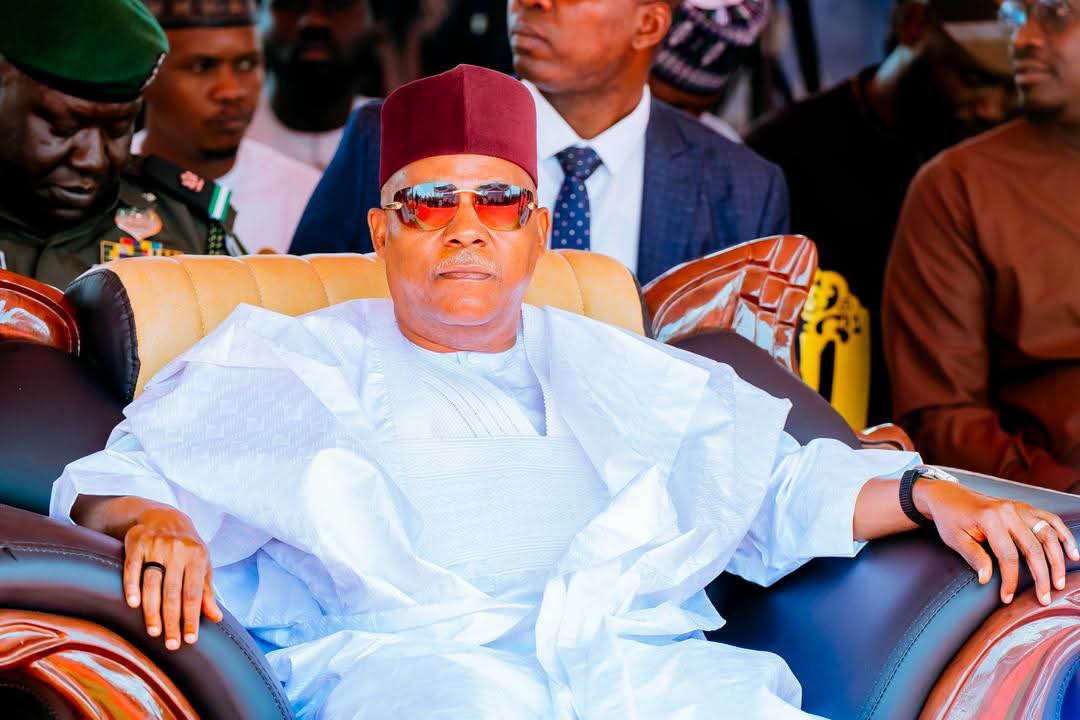
How We Are Laying Foundation For Nigeria’s Prosperity – President Tinubu
By: Our Reporter
President Asiwaju Bola Ahmed Tinubu has said through the provision of critical infrastructure projects executed by his administration in the Federal Capital Territory and beyond, his administration is laying a foundation for Nigeria’s prosperity.
President Tinubu vowed that no community will be left behind under his watch, even as he said his administration is “building the nation of our dreams.”
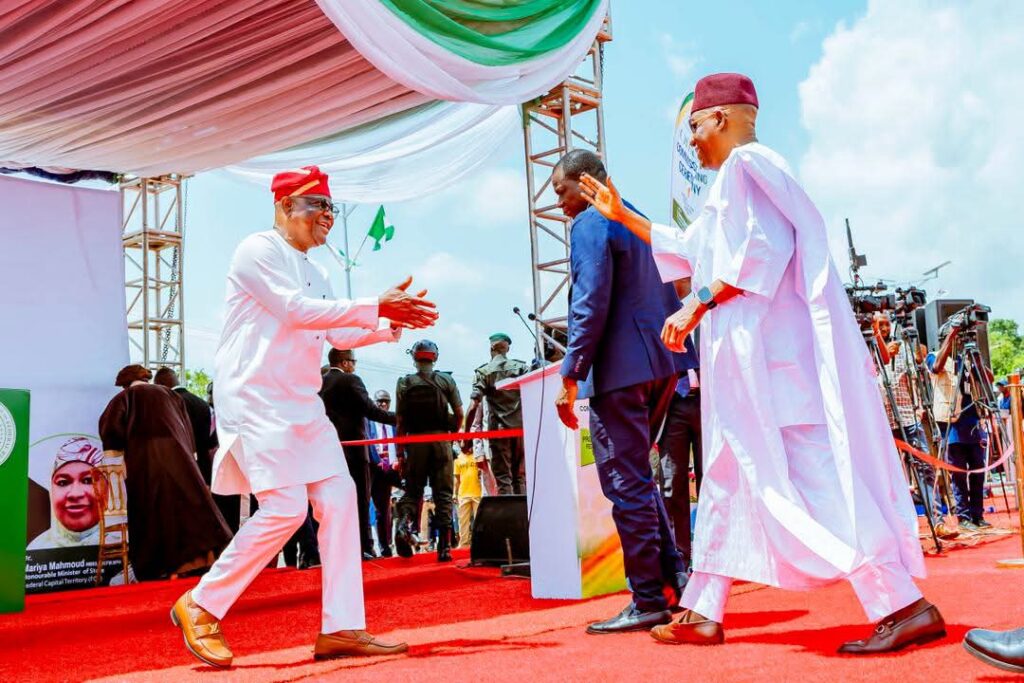
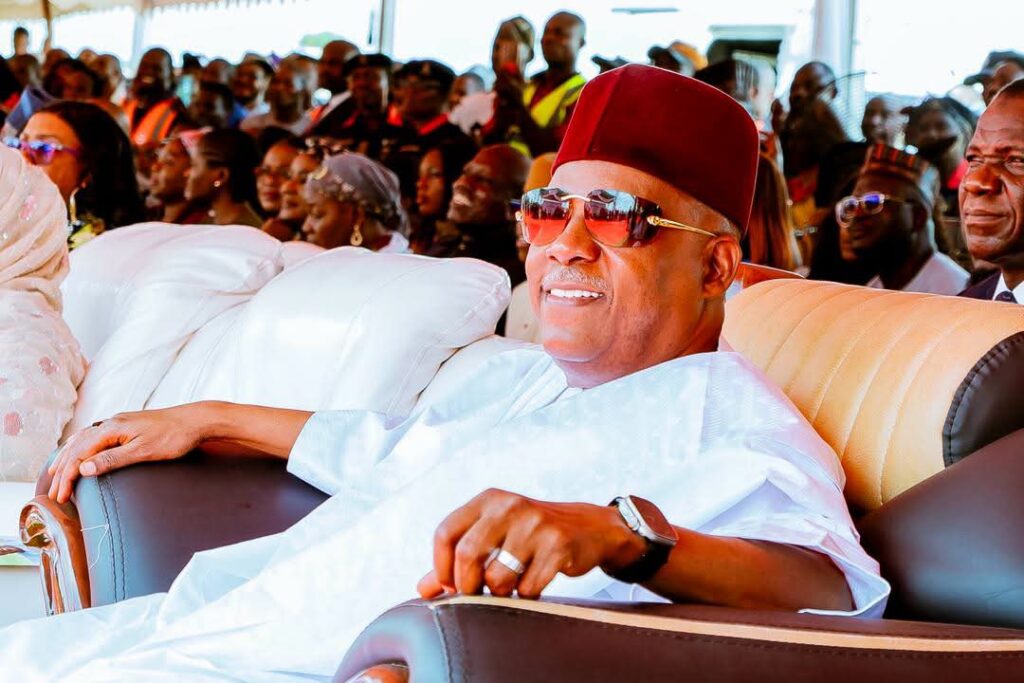
Speaking on Wednesday in Abuja when he commissioned Phase 1 of the Kuje-Gwagwalada Dual Carriage Way, the President, who was represented by his deputy, Vice President Kashim Shettima, said the infrastructural development along the Kuje-Gwagwalada road are taking place across the nation.
He outlined the significance of the Kuje-Gwagwalada Dual Carriage Way, noting that the construction of the road, which had been a death trap for decades, is both economic and geographical.
His words: “For decades, this road was a death trap. Traders from Kuje, Gwagwalada, Kwali, and beyond lost time, goods, and sometimes lives while plying this route. Criminals thrived in the darkness. Students of our institutions here wasted hours in traffic. Farmers could not get their produce to market on time. That story ends today.
“This 7km dual carriageway with solar-powered street lights, pedestrian walkways, and proper drainage is more than a road. It is security. It is commerce. It is dignity. It is the economic corridor linking Abuja to three Area Councils and opening an exit route to southern Nigeria.”
The construction of the road, the Nigerian leader pointed out, has “unlocked the agricultural potential of the area, opened new residential layouts, and made it safer for mothers, students, and workers to move at any hour.”
He appealed to Nigerians to never give up on Nigeria, saying they must support his administration’s Renewed Hope Agenda in order to pull the country out of socioeconomic challenges it was hitherto enmeshed in.

He took full responsibility for the hardship occasioned by the ongoing reforms, assuring the citizens that they are designed to bring lasting prosperity.
“To all Nigerians: I know the reforms have been tough. The hard choices today are for a stronger tomorrow. From the city centre to the farthest satellite town, we are laying the foundation for prosperity.
“Do not give up on Nigeria. Stay with us. Support the Renewed Hope Agenda. The results you are seeing here in Kuje-Gwagwalada are happening across the country,” he stated.
This, he declared, is Renewed Hope delivered to the doorsteps of the people in the satellite towns, just as he commended the Minister of the Federal Capital Territory (FCT), Ezenwo Nyesom Wike, for taking Renewed Hope to the grassroots.
“I gave you one instruction when I appointed you: “Make Abuja work for all Nigerians, not just for those in Maitama and Asokoro”. You have taken Renewed Hope to the grassroots.
“From judicial quarters in Katampe to roads in Kuje and Gwagwalada, you are proving that development must not be selective. You heard the cries of satellite communities, and you responded. That is leadership. Well done,” he told the Minister.
President Tinubu assured the people of Kuje, Gwagwalada, Kwali, all the area councils and satellite towns that the government sees them, and that they are not forgotten.
“For too long, Abuja’s development stopped at the city centre. Under the Renewed Hope, every Area Council matters. Every community counts. We will keep bringing roads, water, schools, and hospitals to you,” he added.
He charged the direct beneficiaries of this infrastructure to protect the road from those who would attempt to build on the median or vandalize the solar lights, even as he urged the citizens to pay their taxes and ground rents, observing that “when government works and citizens cooperate, development moves faster.”
Earlier, the FCT Minister said the FCT Administration under his watch had adopted a community engagement model in the selection and execution of projects across the territory, noting that the completion and inauguration of the road and other projects across the FCT are a manifestation of the model’s efficacy.
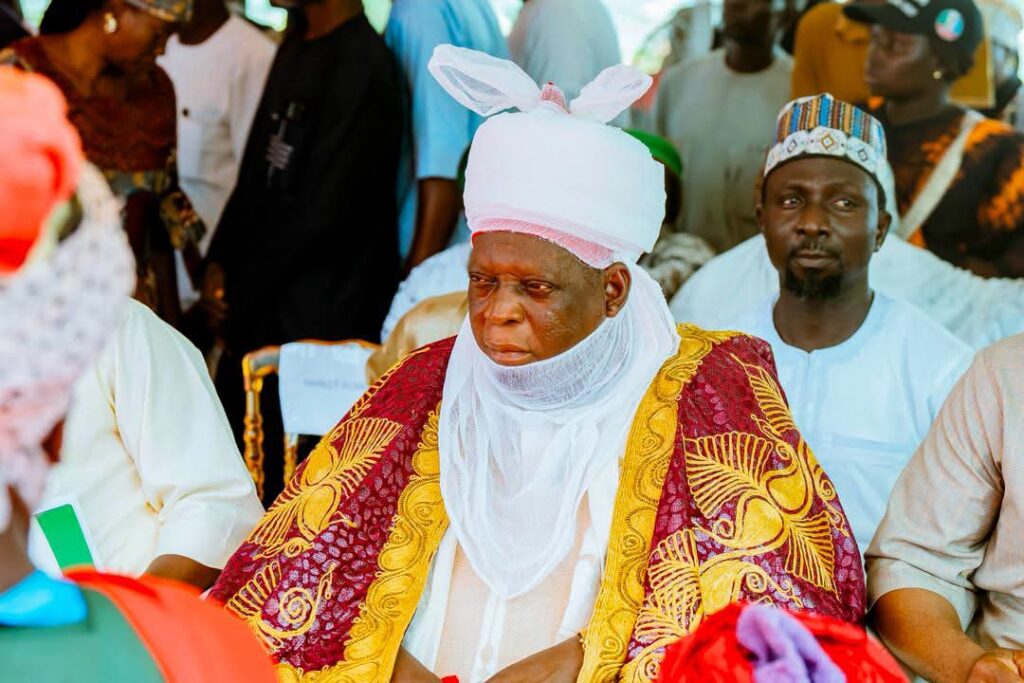
He acknowledged and commended the commitment of traditional rulers and stakeholders across the FCT who, according to him, are critical in the effective administration of the territory.
The Minister thanked President Tinubu for his relentless support and commitment in the transformation of critical infrastructure across the territory through the FCT administration.
In her remarks, the Minister of State for FCT, Dr Mariya Mahmoud, said the benefiting communities, people of Kuje, Gwagwalada and the entire FCT, remain grateful to President Tinubu for his commitment to uplifting the state of infrastructure in the FCT, particularly in the satellite towns and communities.
In an overview of the project, the Coordinator of Satellite Town Development Department, Hon. Abdulkadir Zulkiflu, said the completion of the project marked a significant advancement in the present administration’s commitment to improving the state of infrastructure in the satellite towns and a fulfilment of the FCT Minister’s efforts to uplift the wellbeing of people living in the satellite towns.
He said the commissioning of the project is a manifestation of a promise made and kept by the FCT administration under the leadership of the Minister, noting that the inauguration of the road project for use will improve economic as well as social activities in Kuje, Gwagwalada and environs, which aligns with the Renewed Hope Agenda of the Tinubu administration.
How We Are Laying Foundation For Nigeria’s Prosperity – President Tinubu



KACRAN Raises Alarm Over Livestock Exodus, Warns of Food Security Crisis
….Association urges Northern governors to halt export of breeding stock, tackle cattle rustling
By: Michael Mike
The Kulen Allah Cattle Rearers Association of Nigeria (KACRAN) has raised the alarm over the growing movement of livestock from Nigeria to other African countries, warning that the trend could threaten food security, livestock production, employment and national economic growth.
The association said trailers loaded daily with cattle, rams and sheep were leaving major livestock markets in the North for Burkina Faso, Côte d’Ivoire and Togo, raising concerns about the country’s capacity to sustain domestic meat supply and replenish its livestock population.
In a statement signed by its National President, Hon. Khalil Mohd Bello, KACRAN called on Northern governors, traditional rulers, local government chairmen, security agencies and other stakeholders to urgently intervene to prevent what it described as a mass exodus of the country’s livestock resources.
The association identified Potiskum in Yobe State, alongside Damaturu, Maiduguri, Ngalda and Gombe, as major markets from which livestock were reportedly being transported to the neighbouring African countries.
According to Bello, information available to the association indicates that about five trailers of sheep and rams leave the small ruminants market in Potiskum daily for foreign destinations.
While acknowledging that livestock trading across national borders was a legitimate commercial activity, KACRAN argued that greater efforts should be made to retain more of the trade within Nigeria, particularly by encouraging livestock dealers to supply markets in Lagos, Port Harcourt, Asaba and other parts of Southern Nigeria.
The association said such a strategy would help retain economic value within the country at a time when insecurity and diplomatic challenges had reportedly reduced livestock supplies from neighbouring Niger Republic, Chad and Cameroon.
It also expressed concern that the reported movement of livestock abroad, coupled with cattle rustling, insecurity and inadequate grazing facilities, could further weaken Nigeria’s domestic livestock production capacity.
KACRAN traced the situation to years of insecurity, inadequate water points, dwindling access to grazing reserves and what it described as the neglect of pastoralism by some state governments in Northern Nigeria.
It said cattle rustling and attacks by bandits and other criminal groups across the North-West, North-East and North-Central regions had resulted in the loss of millions of livestock, worsening the difficulties faced by pastoralists.
The association warned that continued depletion of the national herd could undermine efforts to improve domestic meat and milk production, create jobs and reduce Nigeria’s dependence on imported livestock products.
It further cautioned that rising livestock prices could make it increasingly difficult for households to purchase rams for Eid-el-Kabir and other religious and social celebrations.
According to the statement, ram prices currently range from N300,000 to N1 million, depending on size, while a ram costing N100,000 may no longer be adequate for some naming ceremonies.
KACRAN warned that the situation could worsen before the next Eid-el-Kabir if urgent measures were not taken to improve local livestock production and stabilise supplies.
However, the association’s estimates of livestock movements, historical herd depletion and market prices were not independently verified in the statement.
To address the situation, KACRAN urged Northern governors and other relevant authorities to impose an immediate embargo on the export of female animals and young breeding stock, arguing that protecting breeding capacity was essential to rebuilding the country’s livestock population.
It also called for the identification of major livestock exporters and the provision of soft loans to enable them to expand their businesses while redirecting more supplies to domestic markets, particularly in Southern Nigeria.
The association urged state governments to reclaim and rehabilitate grazing reserves and cattle routes, provide adequate animal feed and water points, and strengthen security to end cattle rustling and banditry.
It further advocated the multiplication of livestock through improved breeds and the provision of affordable credit to livestock traders, farmers and prospective investors in livestock and fisheries production.
KACRAN also called for financial and institutional support for businesses operating across the livestock value chain, saying investment in the sector could protect livelihoods, generate employment for young people, conserve foreign exchange and contribute to economic growth.
The association maintained that livestock development should be treated as a national economic priority rather than solely as a pastoral concern.
It urged Northern political leaders, traditional institutions, business operators and security agencies to coordinate their efforts to address the challenges confronting pastoralists and livestock producers.
KACRAN said urgent action was necessary to protect Nigeria’s livestock resources, strengthen domestic production and ensure that the sector continued to contribute to food security, job creation and national development.
KACRAN Raises Alarm Over Livestock Exodus, Warns of Food Security Crisis
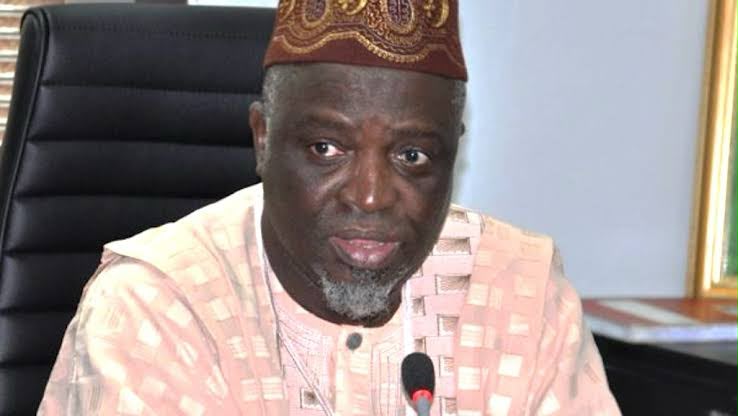
MMPN Hails Oloyede at 72, Applauds Contributions to Islam, Education
By: Michael Mike
The Muslim Media Practitioners of Nigeria (MMPN) has congratulated the Secretary-General of the Nigerian Supreme Council for Islamic Affairs (NSCIA), Emeritus Professor Is-haq Olanrewaju Oloyede, on his 72nd birthday, commending his contributions to Islamic affairs, education and national development.
In a congratulatory message dated October 10, 2026, the National President of MMPN, Alhaji Abdur-Rahman Balogun, described Oloyede as a distinguished scholar whose service in academia, public administration and Islamic affairs had made a lasting impact on the Muslim community in Nigeria and beyond.
Balogun said the celebrant had continued to serve Islam and the country through his wealth of knowledge, experience and commitment to duty.
He particularly commended Oloyede, a former Registrar of the Joint Admissions and Matriculation Board (JAMB) and former Vice-Chancellor of the University of Ilorin, for his contributions to education, promotion of Islamic values and efforts to strengthen Muslim institutions.
According to the MMPN president, Oloyede’s impact extends beyond the offices he has occupied to encompass religious affairs, mentorship, educational development and the welfare of the Muslim Ummah.
He also acknowledged the scholar’s role in representing Muslim interests and engaging with issues affecting the Muslim community and the wider Nigerian society.
Balogun urged younger Muslims, particularly those aspiring to careers in education, journalism and public service, to draw inspiration from Oloyede’s dedication to scholarship and years of service to humanity.
He prayed to Almighty Allah to grant the celebrant good health, wisdom and more years of service to Islam, Nigeria and humanity.
The MMPN wished the NSCIA secretary-general a happy 72nd birthday, expressing the hope that Allah would continue to guide and strengthen him in his service to the Muslim community and the nation.
MMPN Hails Oloyede at 72, Applauds Contributions to Islam, Education
Farmer Injured in Machete Attack Allegedly by Herdsmen in Plateau
By Zagazola Makama
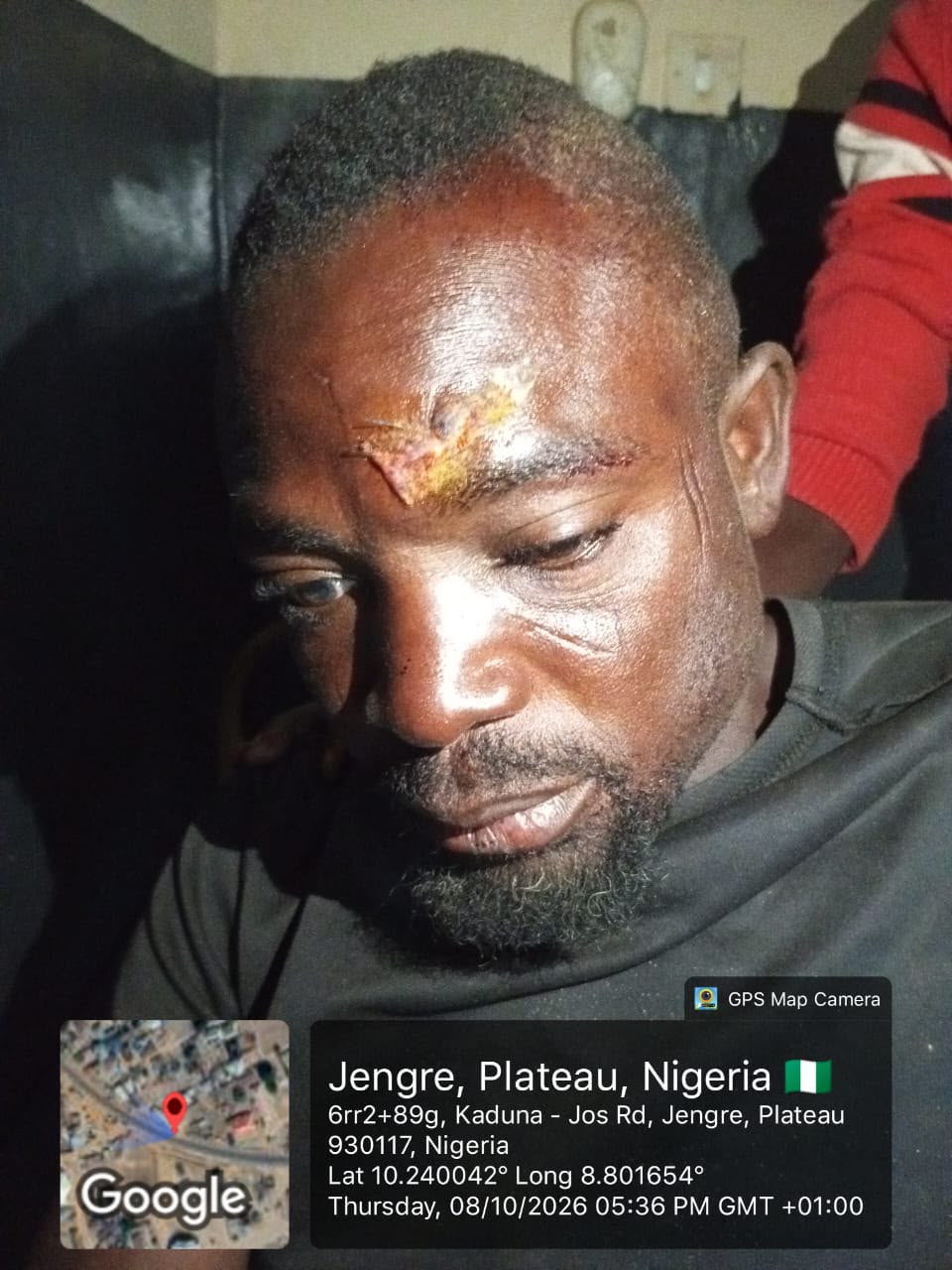
A farmer, identified as Babangida Atah, has been injured in a machete attack allegedly carried out by Fulani herders at Rafi Katako village in Bassa Local Government Area of Plateau State.
Security sources said the incident occurred at about 1 p.m. on Thursday, Oct. 8, when troops of Sector 1, Operation Enduring Peace (OPEP), deployed in Jengre, responded to a report of an assault on the farmer at his farm.
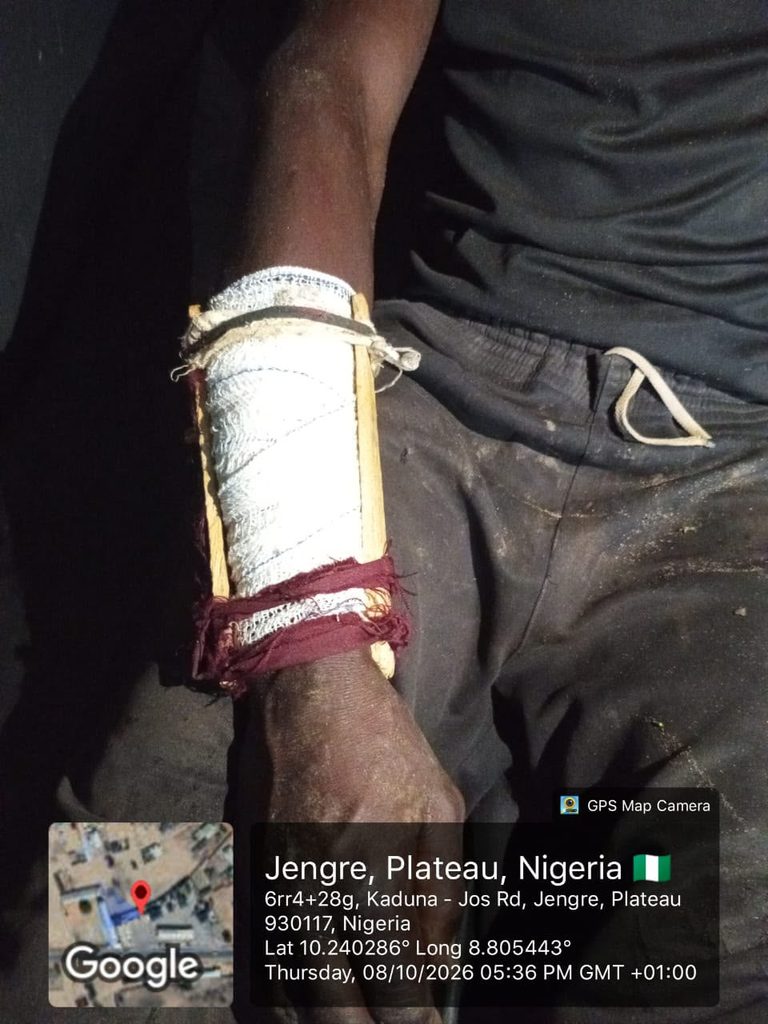
The sources said the troops, upon arrival at the scene, found Atah with machete wounds, while the suspected attackers had fled before their arrival.
The victim was evacuated to a nearby hospital for medical attention.
Security personnel have commenced efforts to track down and apprehend the fleeing suspects for further investigation and necessary legal action.
Further details are expected as efforts to identify and arrest those responsible continue.
Farmer Injured in Machete Attack Allegedly by Herdsmen in Plateau

KACRAN Raises Alarm Over Livestock Exodus, Warns of Food Security Crisis

MMPN Hails Oloyede at 72, Applauds Contributions to Islam, Education

Farmer Injured in Machete Attack Allegedly by Herdsmen in Plateau

Roger Federer’s Shock as DNA Results Reveal Myla and Charlene Are Not His Biological Children

THE PLIGHT OF FARIDA

FAILED COUP IN BURKINA FASO: HOW TRAORÉ NARROWLY ESCAPED ASSASSINATION PLOT AMID FOREIGN INTERFERENCE CLAIMS
-
 News3 years ago
Roger Federer’s Shock as DNA Results Reveal Myla and Charlene Are Not His Biological Children
-
Opinions5 years ago
THE PLIGHT OF FARIDA
-
 News1 year ago
FAILED COUP IN BURKINA FASO: HOW TRAORÉ NARROWLY ESCAPED ASSASSINATION PLOT AMID FOREIGN INTERFERENCE CLAIMS
-

 News3 years ago
EYN: Rev. Billi, Distortion of History, and The Living Tamarind Tree
-
 Opinions5 years ago
POLICE CHARGE ROOMS, A MINTING PRESS
-

 ACADEMICS3 years ago
A History of Biu” (2015) and The Lingering Bura-Pabir Question (1)
-

 Columns3 years ago
Army University Biu: There is certain interest, but certainly not from Borno.
-

 Politics1 year ago
2027: Why Hon. Midala Balami Must Go, as Youths in Hawul and Asikira/Uba Federal Constituency Reject ₦500,000 as Sallah Gift
