
Education
How we started Operation with only 12 staff 10 years ago – Misau Model Academy

How we started Operation with only 12 staff 10 years ago – Misau Model Academy
By Mohammed Kaka Misau
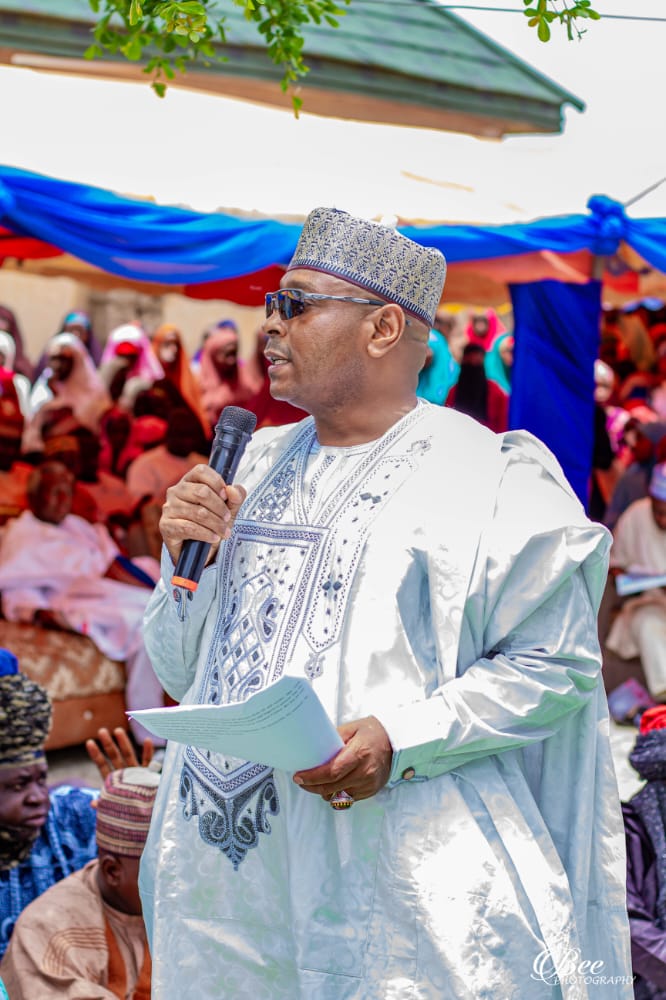
Misau Model Academy celebrates 10 years of existence. The Proprietor, Alhaji Ahmed Yaya revealed that the school commenced operations with only 12 staff in 2012 before it grew to the level it is today.
Speaking during the 10th year anniversary, speech and prize giving day of the school, Alhaji Yaya said that the school has recorded tremendous successes since its establishment in the last ten years.
Addressing parents, staff and dignitaries that graced the occasion, the proprietor pointed out that the 12 staff’s net-worth per month was just N139 thousand, equivalent to N1, 668,000 per annum as at 2012.
According to him, the number of the staff was increased from 12 to 22 with a salary net-worth of N2, 148,000 per annum.
He said that the school kept employing more staff up to the year 2022 where the primary section alone is having 26 staff with a monthly salary of over N300 thousand, with a total salary net-worth of over N4.6 million.
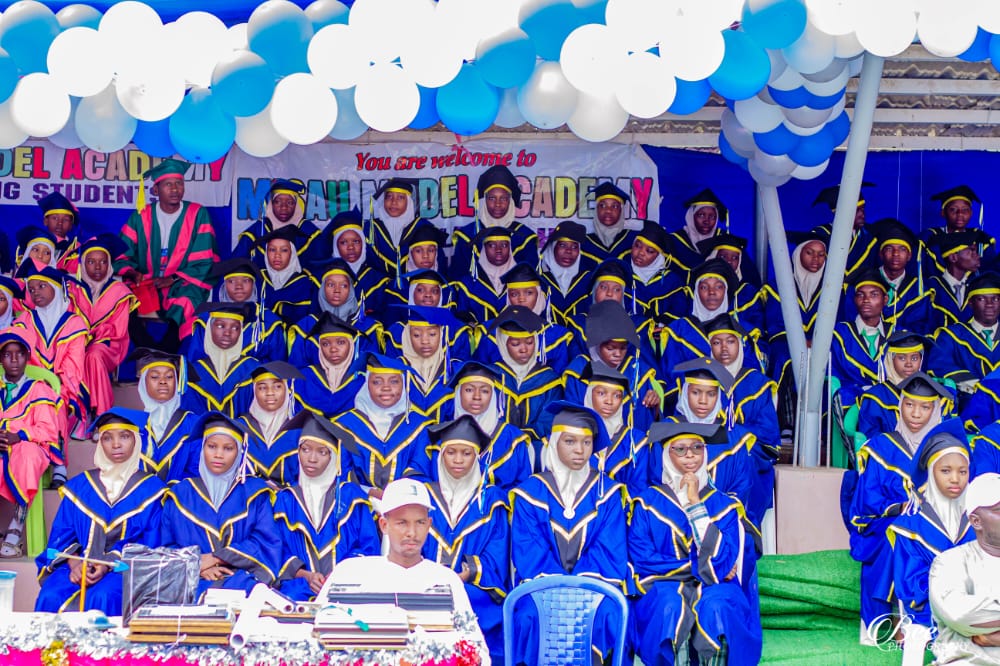
The school proprietor who said the school spends N15 million for the payment of staff of the secondary school session per annum, added that the only source of revenue for the school is school fees.
The Proprietor appealed to the parents to ensure timely payment of the children’s school fees to enable the management to pay staff salary as at when due for efficient service delivery.
While stating that the first enrollment of the school began in 2012, Alhaji Yaya said the total enrollment of boys for 2018 and 2019 stood at 239 while that of the girls was 231.
“As it is now, we have about 1,150 students in Misau Model Academy. We all know that students are not enrolled to be retained forever, hence, graduation becomes necessary”, he said.
To that regard, the proprietor said that the primary section of the school has since inception in 2012 graduated six sets, totaling 407 pupils while the school has graduated 5 sets in her secondary section totaling 550 students.
He said that over 80 percent of the secondary school students that graduated from the school are now studying in various higher institutions of learning.
On infrastructure, the proprietor stated that the school has five houses which are all named after the core values of the school which are Morality, Obedient, Discipline, Excellence and Learning.
According to him, the school which began operations with few classroom blocks now has a full complement of classes with a computer room, science laboratory and library, adding that the school is also involved in extracurricular activities.
“In March 2015, the school emerged first position in the MSS debate competition and represented Misau local government at state level”, he said.
The proprietor who reeled out various performances of the school in extracurricular activities, pointed out that the school has performed excellently in external examinations.
The proprietor stated that 90 percent of the academy’s students got the minimum requirement for entry into the University of Five Credits, including English and mathematics.
“In 2018 WASC, 90 percent got the university requirement while in NECO, it stood at 85 percent. In 2019, WASC 80 percent while NECO 82 percent, in 2020, WASC 75 percent while NECO was 68 percent, in 2021 WASC 45 percent, NECO 70 percent, in 2022 WASC 85 percent, NECO is not ready yet”, he said.
“Our achievements so far, from the application of the five core values, to be candid and straight forward, the school has achieved a lot in morality as our students are morally sound, no much cases of immoral behavior were reported, obedience has been the philosophy of our students and are complying with directives given to them at all times”, Alhaji Yaya said.
He noted that commendations are being received from members of the public on a daily basis, added that the students are disciplined and the school ensured that only competent staff are engaged to work in the school.
Also Read: Hundreds of Boko Haram fighters fled to new location after…

The proprietor, who commended the staff for their efforts in ensuring the smooth academic activities in the school, thanked Misau emirate council for all the support it has been rendering to the school.
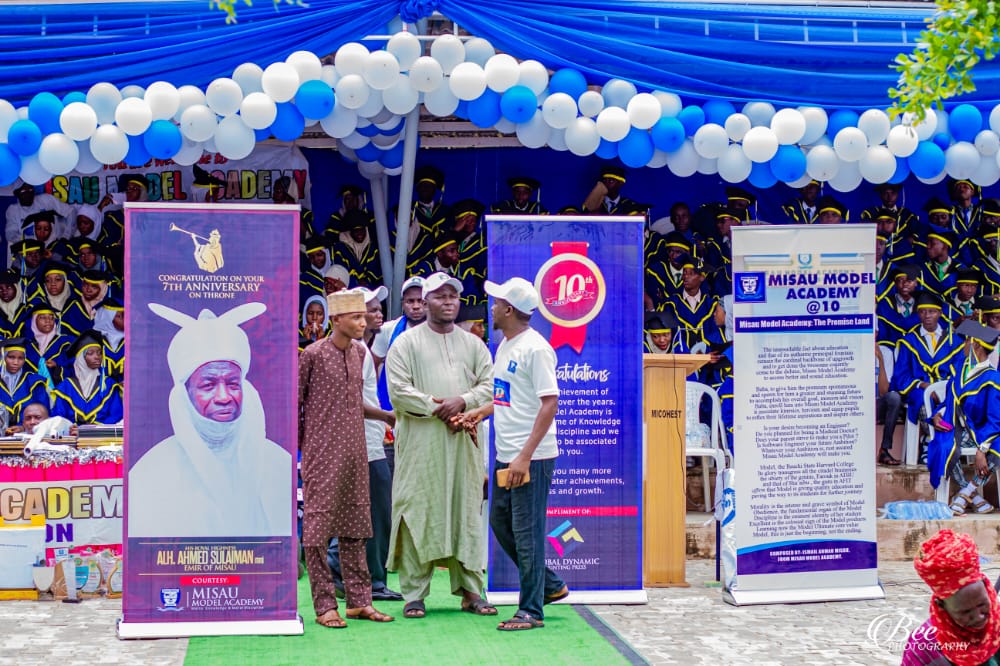
While congratulating the emir of Misau Alh. Ahmed Suleiman mni for spending 7 years on the throne so far, the proprietor said the school will present 10 copies of Holy Qur’an to the emirate council.
In his goodwill message, the emir of Misau, His Royal Highness, Alh. Ahmed Suleiman mni commended the Proprietor of the school for establishing the school in Misau local government area.
The Emir who expressed delight over the achievements recorded by the school, said for running the school successfully within ten years, the emirate and the entire people of Misau are proud of the management of the school.
The Emir prayed to Allah to continue to guide and uplift the Misau model academy to greater height, adding that both parents and other community members should also pray for the continued success of the school.
How we started Operation with only 12 staff 10 years ago – Misau Model Academy


Education
Global Partnerships, Local Impact: Nile University of Nigeria Transforming Medical Education

Global Partnerships, Local Impact: Nile University of Nigeria Transforming Medical Education
By: Dr. James Bwala
The quality of a nation’s healthcare system depends largely on the quality of its medical education. Well-trained doctors are better prepared to diagnose illnesses accurately, provide effective treatment, respond to emergencies, and protect the dignity of their profession. For this reason, universities that train medical professionals carry a serious responsibility. They must provide not only theoretical knowledge but also practical skills, modern equipment, ethical instruction, and opportunities for international collaboration. In this regard, Nile University of Nigeria is emerging as an important institution in the development of medical education in Nigeria and across Africa.
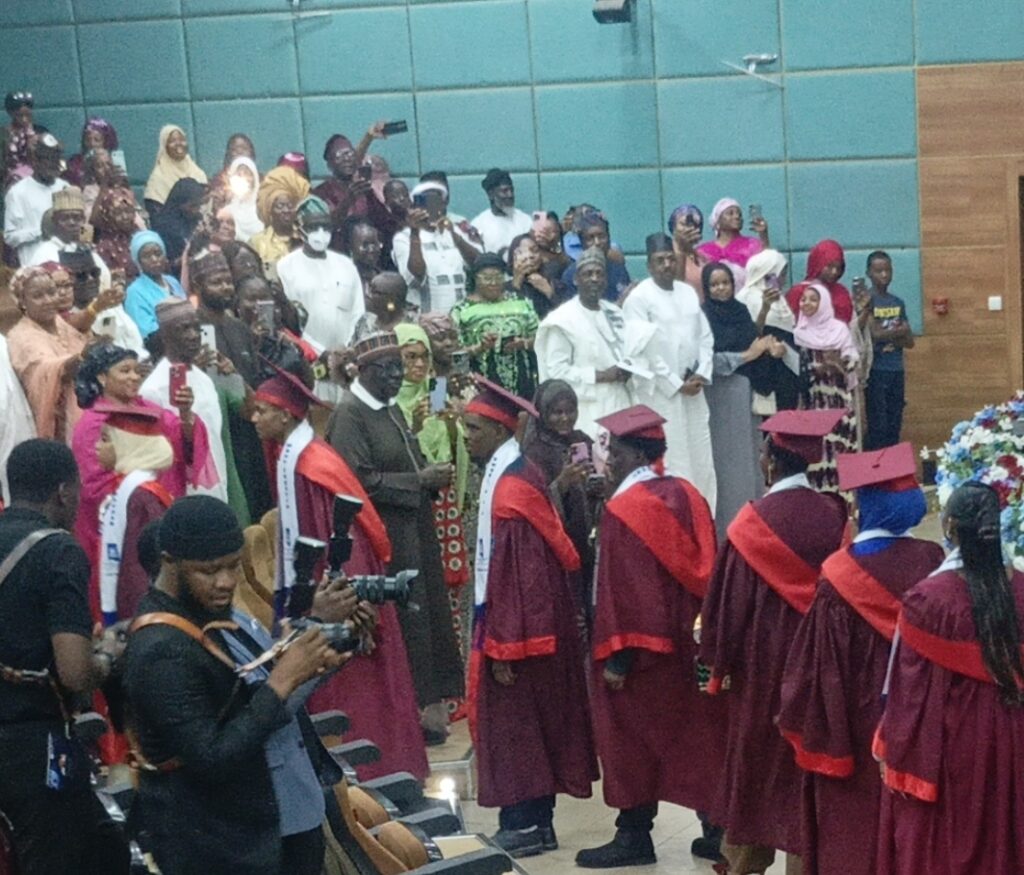
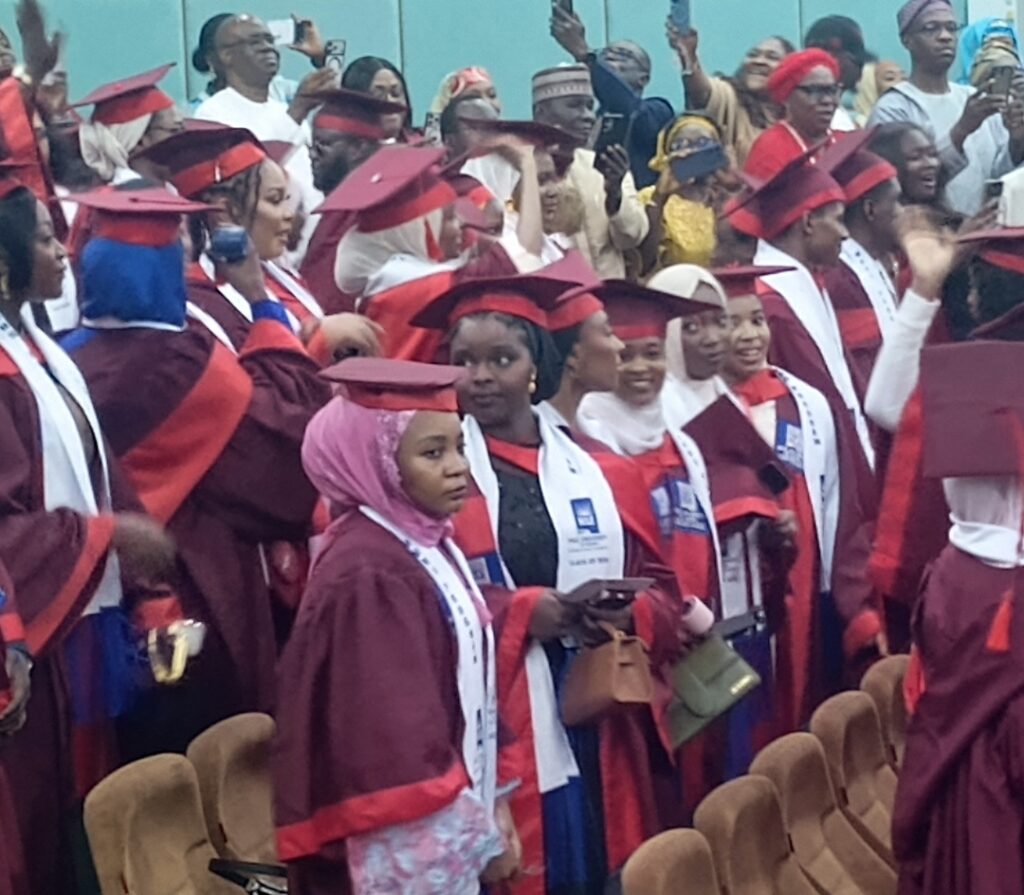
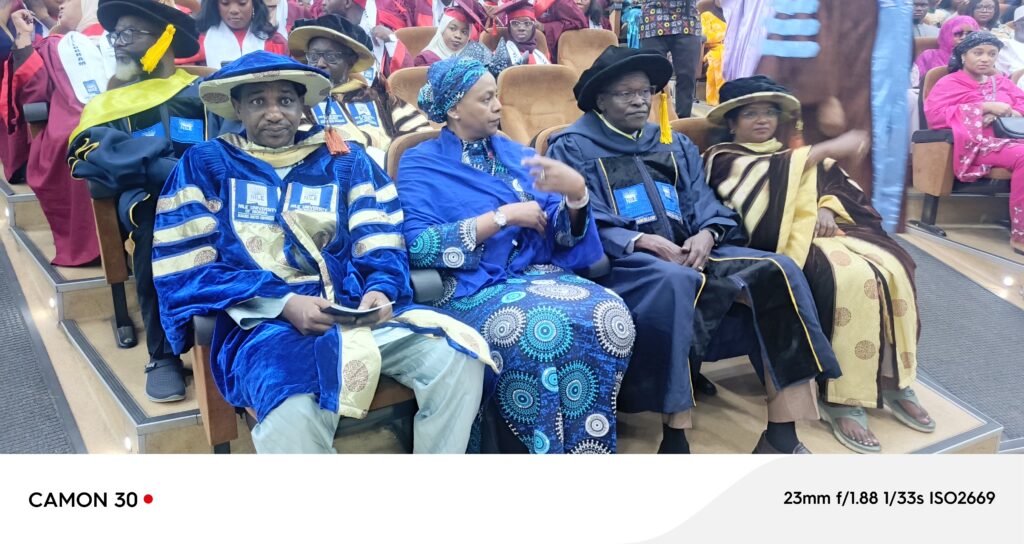
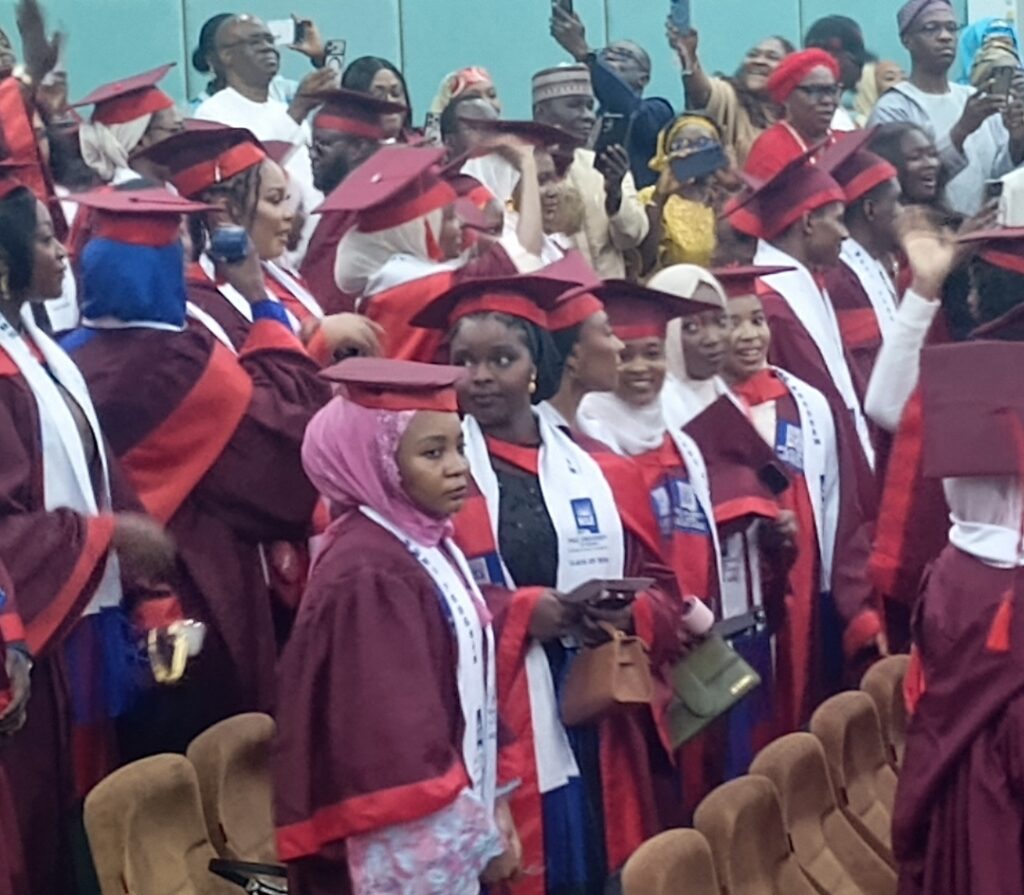
This progress was highlighted on Wednesday, 21 October 2026, when the Vice Chancellor, Professor Dilli Dogo, announced that 126 universities across the world are in partnership with Nile University of Nigeria. He made the disclosure during the fifth attestation ceremony of the MBBS class of 2025/2026. The ceremony, which featured the attestation of 75 medical graduates, provided an opportunity to celebrate the achievements of the institution and to examine its contribution to the future of healthcare. The university’s growing network of international partnerships, investment in modern facilities, and emphasis on professional ethics demonstrate that Nile University is well positioned to become a leading center for medical training.

The partnership between Nile University and 126 universities around the world is particularly significant. In the modern academic environment, universities cannot operate successfully in isolation. Medicine is constantly changing as new diseases emerge, new technologies are developed, and new methods of diagnosis and treatment become available. International partnerships enable institutions to exchange knowledge, share research findings, improve teaching methods, and expose students and staff to global best practices.
READ ALSO: https://newsng.ng/professor-ahmed-ahidjo-a-new-medical-elder-rises-at-nile-university/
Such partnerships can also create opportunities for student exchanges, joint research projects, academic conferences, clinical training, and professional development. Medical students who interact with international institutions are more likely to understand healthcare beyond the Nigerian context. They can learn how other countries organize hospitals, respond to public health emergencies, use digital technology, and address medical challenges. This wider exposure can help them become more adaptable and innovative professionals.
For Nigeria, these global connections are especially valuable. The country faces several healthcare challenges, including shortages of medical personnel, inadequate facilities in some areas, unequal access to healthcare, infectious diseases, maternal and child mortality, and the increasing burden of non-communicable diseases. Training doctors through a globally connected institution can help produce professionals who are prepared to confront these issues with modern knowledge and practical confidence.

Professor Dilli Dogo attributed the university’s progress to modern equipment and the quality of its academic and professional staff. These two elements are central to effective medical education. A medical student cannot become fully competent by studying textbooks alone. Medicine is a practical discipline that requires direct experience with diagnostic equipment, laboratory procedures, surgical instruments, simulation technologies, and real clinical situations.
READ ALSO: https://newsng.ng/professor-ahmed-ahidjo-a-new-medical-elder-rises-at-nile-university/
Modern equipment allows students to learn under conditions that resemble the environments in which they will eventually work. It helps them understand how to conduct tests, interpret results, identify diseases, and choose appropriate treatments. It also reduces the gap between classroom instruction and hospital practice. When graduates are familiar with current technology, they can begin professional service with greater confidence and efficiency.
However, equipment by itself does not guarantee quality education. It must be used under the guidance of competent and committed teachers. Experienced lecturers, clinicians, laboratory scientists, and other healthcare professionals play a vital role in shaping students’ knowledge and character. They do more than explain medical concepts. They teach students how to think critically, communicate with patients, work in teams, make responsible decisions, and remain calm under pressure.

The combination of modern facilities and quality staff therefore gives Nile University an important advantage. It enables students to acquire both academic knowledge and practical competence. It also supports the university’s claim that it is producing doctors who are ready to meet the challenges of contemporary healthcare. In a profession where mistakes can affect human lives, graduates must be trained to apply their knowledge carefully, accurately, and compassionately.
READ ALSO: https://newsng.ng/professor-ahmed-ahidjo-a-new-medical-elder-rises-at-nile-university/
Professor Dogo’s account of the university’s development also shows the value of leadership and institutional commitment. He recalled that when he assumed leadership, he had fifty million naira to begin the process of transforming the institution. He compared the task to raising a toddler, suggesting that the university was at an early and demanding stage of development. According to him, the effort has now produced significant results, as Nile University has become a major institution for medical training.
This transformation is important because strong institutions are not built overnight. They require vision, financial investment, careful planning, qualified personnel, consistent evaluation, and a willingness to improve. The progress described by the vice chancellor indicates that institutional growth can occur when leaders remain focused on long-term goals. It also demonstrates that investment in education, particularly medical education, can produce benefits that extend far beyond the university itself.

A university that trains competent doctors contributes directly to national development. Healthy citizens are more productive, children are more likely to attend school, families face fewer financial burdens caused by medical emergencies, and communities become more resilient. By producing doctors with strong clinical skills, Nile University is not merely serving its students. It is contributing to the strengthening of Nigeria’s healthcare system.
READ ALSO: https://newsng.ng/professor-ahmed-ahidjo-a-new-medical-elder-rises-at-nile-university/
The vice chancellor further stated that the university now ranks among the best institutions for medical training, not only in Nigeria but across Africa. This assertion should be understood in the context of the standards required for medical education. Excellence in medicine involves much more than graduating students. It includes the ability of graduates to diagnose accurately, treat safely, communicate effectively, observe professional ethics, conduct research, and respond to the health needs of diverse populations.
The reported 98 percent employment prospects of the university’s graduates are also significant. Employment opportunities are an important measure of the relevance of an academic program. When graduates are able to secure professional positions, it suggests that employers recognize the quality of their training and that the program responds to the needs of the healthcare sector. It also gives students and parents confidence that the years and resources invested in medical education can lead to meaningful careers.
Nevertheless, employment statistics should be connected to professional responsibility. A doctor’s success cannot be measured only by obtaining a job. The true test lies in the ability to serve patients competently, protect human life, continue learning, and act with integrity. Medical knowledge changes rapidly, so doctors must remain committed to lifelong learning. They must update their skills, follow evidence-based practices, and be willing to improve whenever new information becomes available. This professor, Dilli Dogo, stressed.
READ ALSO: https://newsng.ng/professor-ahmed-ahidjo-a-new-medical-elder-rises-at-nile-university/
The presentation of startup tools to the 75 graduates was another important aspect of the attestation ceremony. By providing these tools, the university demonstrated that it wants its graduates to begin their professional journeys with practical resources. Medical instruments are essential for diagnosis, examination, and patient care. Although tools alone cannot replace knowledge and experience, they can improve readiness and support the transition from university training to professional service.
Professor Dogo’s statement that parents can begin to confirm the ability of their children to diagnose and treat patients from the first day was a strong expression of confidence in the graduates. It reflected the belief that the students had received sufficient preparation to begin contributing to healthcare. At the same time, such confidence must be accompanied by humility and professional caution. Newly qualified doctors must recognize the limits of their knowledge and seek guidance whenever a case exceeds their experience.
Diagnosis and treatment are serious responsibilities. They require careful history-taking, physical examination, appropriate investigations, sound clinical judgment, and clear communication. Doctors must avoid careless assumptions and must not allow pressure, fatigue, or personal interests to compromise patient safety. They must also respect confidentiality and treat every patient fairly, regardless of social status, religion, gender, ethnicity, or financial capacity. This is the vice chancellor’s warning.
READ ALSO: https://newsng.ng/professor-ahmed-ahidjo-a-new-medical-elder-rises-at-nile-university/
The vice chancellor’s final admonition to the inductees was therefore especially important. He urged them to live by their training and uphold the ethics of serving lives. Medical ethics is the foundation of trustworthy healthcare. It requires doctors to place the welfare of patients at the center of their professional conduct. It includes respect for autonomy, informed consent, confidentiality, honesty, fairness, compassion, and the commitment to do no harm.
A doctor may possess advanced technical skills, but without ethics, those skills can be misused. Patients often meet doctors during moments of fear, pain, and uncertainty. They depend on medical professionals not only for treatment but also for reassurance, guidance, and respect. A doctor who listens carefully, explains options honestly, and treats patients with dignity can make a significant difference, even when a cure is not possible.
The graduates of Nile University must therefore understand that their attestation ceremony is not the end of their education. It is the beginning of a lifelong obligation. They are entering a profession in which every decision can affect an individual, a family, or an entire community. Their conduct will reflect not only on themselves but also on their university and on the Nigerian medical profession.
READ ALSO: https://newsng.ng/professor-ahmed-ahidjo-a-new-medical-elder-rises-at-nile-university/
Nile University’s achievements also place a responsibility on the institution to maintain and improve its standards. Partnerships with international universities must lead to measurable benefits, including stronger research, improved clinical training, better faculty development, and greater opportunities for students. Claims of excellence must be supported by continuous assessment, transparent standards, accreditation, and evidence of positive outcomes. The university should also ensure that its graduates are prepared to serve both urban and rural communities, where medical needs are often greatest.
* James Bwala, PhD, writes from Abuja.
Global Partnerships, Local Impact: Nile University of Nigeria Transforming Medical Education
Professor Ahmed Ahidjo: A New Medical Elder Rises at Nile University
By: Dr. James Bwala
The medical profession is built not only on scientific knowledge, technical skill, and clinical experience, but also on mentorship, leadership, service, and the willingness to inspire future generations. It is against this background that Professor Ahmed Ahidjo’s recognition as a medical elder by Nile University of Nigeria is both appropriate and significant. His career reflects the highest ideals of medical practice and academic excellence. As a former chief medical director of the University of Maiduguri Teaching Hospital, the first professor of interventional radiology, and a distinguished teacher and mentor, Professor Ahidjo represents the kind of medical leader whose contributions deserve national recognition.
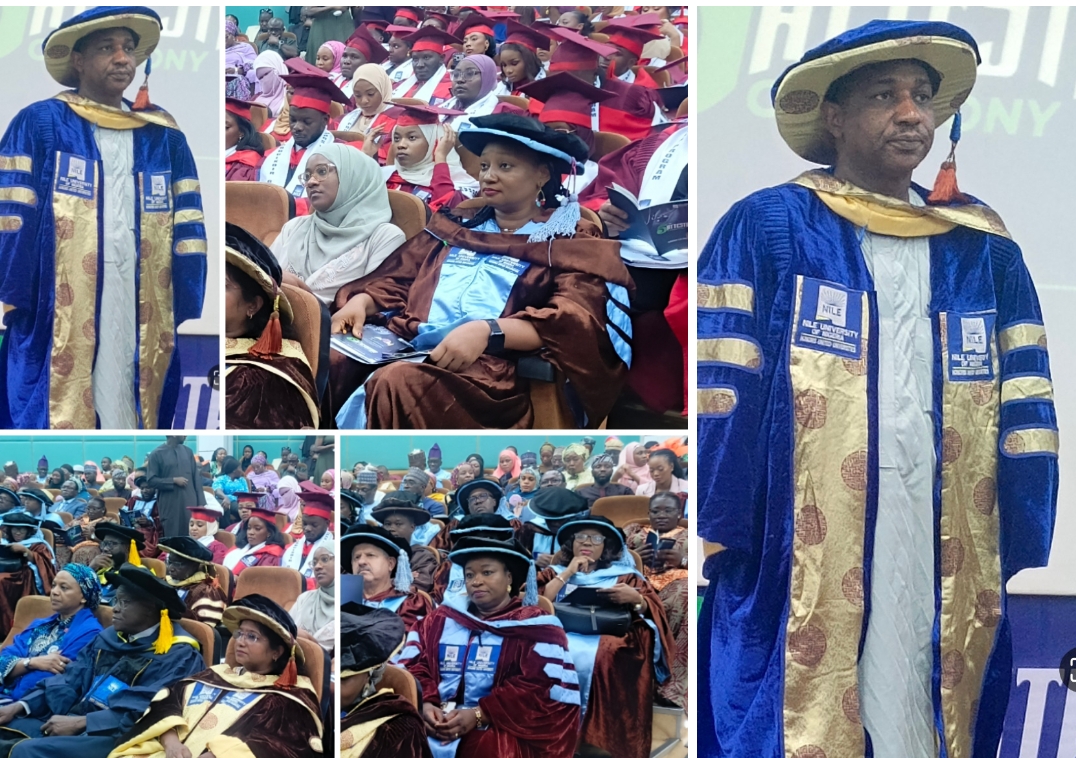
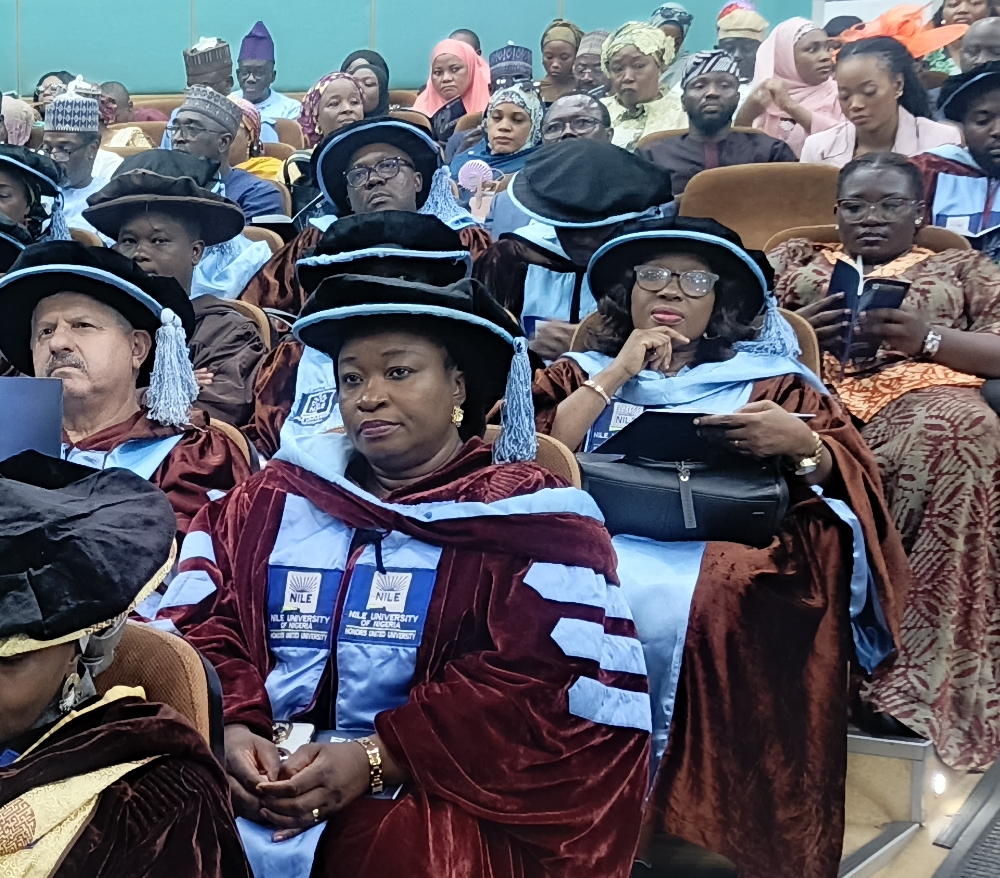
His presence as guest speaker at the 5th Attestation Ceremony of the 75 MBBS Class of 2025/2026 gave the occasion a deeper meaning. The ceremony was not merely a formal event marking the professional transition of medical students. It was also an opportunity for the students to encounter a model of what their careers could become if they combined discipline, knowledge, leadership, and compassion. By conferring on him the title of Medical Elder, Nile University acknowledged not only Professor Ahidjo’s past achievements but also his continuing relevance to the future of medicine in Nigeria.

Professor Ahidjo’s professional record is compelling. During his tenure as Chief Medical Director of the University of Maiduguri Teaching Hospital, he led a remarkable expansion of the institution from approximately 600 beds to more than 1,600 beds. This achievement was not simply a matter of increasing physical capacity. It represented an expansion of access to healthcare, an improvement in institutional ambition, and a demonstration of what purposeful leadership can achieve even in a challenging healthcare environment.
READ ALSO: https://newsng.ng/2027-no-sacred-cows-atikus-record-must-face-scrutiny/
A hospital’s development requires more than administrative authority. It demands strategic planning, effective resource management, staff motivation, infrastructure development, and a clear understanding of the needs of the surrounding population. Expanding a teaching hospital to such a scale requires the ability to coordinate medical personnel, administrators, government institutions, academic bodies, and patients. Professor Ahidjo’s achievement therefore illustrates a rare combination of clinical knowledge and institutional leadership.
The growth of the University of Maiduguri Teaching Hospital under his leadership also highlights the importance of strong public medical institutions. Teaching hospitals are not only treatment centers; they are also places of learning, research, professional training, and innovation. Their strength determines the quality of doctors, nurses, radiographers, pharmacists, and other health professionals produced for the country. By strengthening the hospital’s capacity, Professor Ahidjo contributed not only to the immediate needs of patients but also to the education and training of future healthcare professionals.

His achievements have earned him numerous honors, reflecting the respect of his colleagues, students, institutions, and the wider medical community. However, the most meaningful aspect of these honors is what they represent: years of dedication to medicine, education, leadership, and public service. Recognition is important when it brings attention to a life that has made a difference in the lives of others. In Professor Ahidjo’s case, his honors are evidence of sustained contribution rather than isolated success.
READ ALSO: https://newsng.ng/2027-no-sacred-cows-atikus-record-must-face-scrutiny/
His recognition at Nile University was particularly fitting because the university is committed to producing competent and socially responsible professionals. Medical education must go beyond memorising facts or passing examinations. It must prepare students to address complex health problems, communicate effectively with patients, adapt to technological change, and serve society with integrity. The presence of an accomplished physician such as Professor Ahidjo reinforced this broader purpose of medical education.
During his address, Professor Ahidjo commended the vice chancellor of Nile University of Nigeria, Professor Dilli Dogo, for the mentorship he provided while they were students at the medical college of the University of Maiduguri. This aspect of the speech held particular significance, as it illustrated that professional success seldom occurs in isolation. Behind many accomplished physicians are teachers who provided guidance, encouragement, discipline, and intellectual direction.
Mentorship is one of the most powerful traditions in medicine. Medical students require more than textbooks and lectures. They need experienced professionals who can help them understand the responsibilities of the profession and guide them through its difficulties. A mentor helps students develop confidence without arrogance, ambition without selfishness, and technical competence without losing compassion. Professor Dogo’s influence on Professor Ahidjo and his colleagues shows how one generation of medical educators can shape the next.
READ ALSO: https://newsng.ng/2027-no-sacred-cows-atikus-record-must-face-scrutiny/
By publicly acknowledging Professor Dogo’s mentorship, Professor Ahidjo also offered an important lesson to the graduating students. They should not regard their education as the result of their efforts alone. Their progress has been supported by lecturers, clinical supervisors, parents, colleagues, administrators, and the wider society. Gratitude, humility, and a willingness to support others are essential qualities in medical professionals.
Professor Ahidjo’s lecture also addressed an area that is often misunderstood: the distinction between radiology and radiography. Although the terms are closely related, they refer to different areas of professional practice. Radiography generally involves the use of imaging equipment to produce diagnostic images, including X-rays, computed tomography scans, and other forms of medical imaging. Radiographers are trained to operate imaging equipment, position patients appropriately, ensure image quality, and maintain radiation safety.

Radiology, on the other hand, is a medical specialty concerned with interpreting medical images and using imaging techniques to diagnose and sometimes treat diseases. Radiologists are medical doctors who undergo specialized training in the interpretation of images and, in some cases, in performing image-guided procedures. Clarifying this distinction is important because misunderstandings about professional roles can affect public perception, teamwork, and the quality of healthcare delivery.
READ ALSO: https://newsng.ng/2027-no-sacred-cows-atikus-record-must-face-scrutiny/
Modern medicine depends heavily on collaboration among different professionals. Radiologists, radiographers, nurses, surgeons, physicians, laboratory scientists, and other specialists must work together to provide accurate diagnosis and effective treatment. When each professional role is properly understood and respected, the healthcare system becomes more efficient. Professor Ahidjo’s explanation therefore went beyond technical definitions; it promoted a clearer understanding of how different professionals contribute to patient care.
A particularly significant part of his presentation was his discussion of interventional radiology. As the first professor of interventional radiology, Professor Ahidjo is exceptionally qualified to explain the importance of this specialized field. Interventional radiology involves the use of medical imaging to guide minimally invasive procedures for diagnosing and treating diseases. Instead of relying solely on open surgery, specialists can often reach affected parts of the body through small punctures, catheters, needles, or other instruments.

His comparison of interventional radiology to plumbing work offered a simple and effective way of explaining the specialty. Just as a plumber clears a blockage in a pipe without replacing the entire system, an interventional radiologist can treat a blockage in an artery without performing extensive surgery. Through imaging guidance, the physician can identify the problem, navigate to the affected area, and restore blood flow or deliver treatment with minimal disruption to the patient’s body.
READ ALSO: https://newsng.ng/2027-no-sacred-cows-atikus-record-must-face-scrutiny/
This approach can reduce pain, shorten hospital stays, lower the risk of complications, and allow patients to recover more quickly. Procedures that once required major operations may now be performed through minimally invasive techniques. These advances are especially important in cardiovascular care, cancer treatment, stroke management, vascular disease, and several other medical conditions.
The development of interventional radiology demonstrates how medical practice continues to evolve through the combination of science, technology, and clinical expertise. It also shows why medical education must remain dynamic. Future doctors cannot depend only on traditional methods of diagnosis and treatment. They must understand emerging technologies and be prepared to collaborate across disciplines. Institutions such as Nile University have an important responsibility to expose students to these developments and encourage them to participate in research and innovation.
Professor Ahidjo’s presentation was persuasive because it connected advanced medicine with simple explanations that students and members of the audience could understand. A medical expert’s ability to communicate complex ideas clearly is as important as technical knowledge itself. Doctors must explain diagnoses, treatment options, risks, and procedures to patients who may have little medical background. Clear communication promotes trust, improves compliance, and helps patients make informed decisions.
READ ALSO: https://newsng.ng/2027-no-sacred-cows-atikus-record-must-face-scrutiny/
The conferment of the title Medical Elder on Professor Ahmed Ahidjo should therefore be understood as more than a ceremonial honor. It is a recognition of a life dedicated to strengthening medicine in Nigeria. It celebrates his contributions as a physician, professor, administrator, mentor, and pioneer of interventional radiology. It also places upon him the symbolic responsibility of continuing to guide and inspire younger professionals.
At the same time, the honor reflects well on Nile University of Nigeria and its leadership under Professor Dilli Dogo. Universities should recognize individuals whose work advances their academic and professional communities. By honouring Professor Ahidjo, the institution has affirmed the value of experience, service, innovation, and mentorship. It has also sent a message to its medical students that professional success should be measured not only by personal achievement but also by the positive impact one makes on patients, institutions, and society.

The MBBS Class of 2025/2026 is fortunate to have received its professional inspiration from such a distinguished figure. Their attestation marks the beginning of a demanding journey. They will face difficult decisions, long hours, emotional pressure, and the constant need to update their knowledge. Yet Professor Ahidjo’s career demonstrates that challenges can be transformed into opportunities for service and institutional growth.
READ ALSO: https://newsng.ng/2027-no-sacred-cows-atikus-record-must-face-scrutiny/
As these new set doctors progress in their careers, they should remember the central lessons of the occasion: leadership must be accompanied by service; knowledge must be joined with humility; innovation must respond to human needs; and success becomes more meaningful when it is used to lift others. They should also appreciate the value of mentorship and, in time, become mentors to those who follow them.
Professor Ahmed Ahidjo is deserving of his place as a new medical elder at Nile University of Nigeria. His record of transforming the University of Maiduguri Teaching Hospital, his pioneering contribution to interventional radiology, his academic achievements, and his commitment to mentorship all establish him as an exceptional medical leader.
* James Bwala, PhD, writes from Abuja.
Professor Ahmed Ahidjo: A New Medical Elder Rises at Nile University


A Time To Read, Reflect, and Learn
By: Our Reporter
As predicted by many, during his two-week leave, Vice President Kashim Shettima, by custom, takes time for study and reflection.
Leadership is sustained by the willingness to keep learning. Sometimes, stepping away from the daily rush creates the space to examine ideas more carefully and return to responsibility with greater clarity.

For the Vice President, the period is also an opportunity to deepen the knowledge required for continued service to Nigeria.

Learning does not end when responsibility begins. In many ways, greater responsibility makes learning even more necessary.
A Time To Read, Reflect, and Learn

Diaspora Investment: NiDCOM, NDSI Move to Bridge Trust Deficit, Unlock Billions in Nigerian Capital

Nigeria, India Sign Landmark Human Rights Pact, Fagbemi Backs Stronger Institutional Independence

NSCDC Strengthens Gender Policy Implementation, Trains Officers on SGBV, Digital Safety

Roger Federer’s Shock as DNA Results Reveal Myla and Charlene Are Not His Biological Children

THE PLIGHT OF FARIDA

FAILED COUP IN BURKINA FASO: HOW TRAORÉ NARROWLY ESCAPED ASSASSINATION PLOT AMID FOREIGN INTERFERENCE CLAIMS
-
 News3 years ago
Roger Federer’s Shock as DNA Results Reveal Myla and Charlene Are Not His Biological Children
-
Opinions5 years ago
THE PLIGHT OF FARIDA
-
 News2 years ago
FAILED COUP IN BURKINA FASO: HOW TRAORÉ NARROWLY ESCAPED ASSASSINATION PLOT AMID FOREIGN INTERFERENCE CLAIMS
-
 Opinions5 years ago
POLICE CHARGE ROOMS, A MINTING PRESS
-

 News3 years ago
EYN: Rev. Billi, Distortion of History, and The Living Tamarind Tree
-

 ACADEMICS3 years ago
A History of Biu” (2015) and The Lingering Bura-Pabir Question (1)
-

 Columns3 years ago
Army University Biu: There is certain interest, but certainly not from Borno.
-

 Politics1 year ago
2027: Why Hon. Midala Balami Must Go, as Youths in Hawul and Asikira/Uba Federal Constituency Reject ₦500,000 as Sallah Gift
