
News
I don’t know my successor, Zulum declares at APC meeting

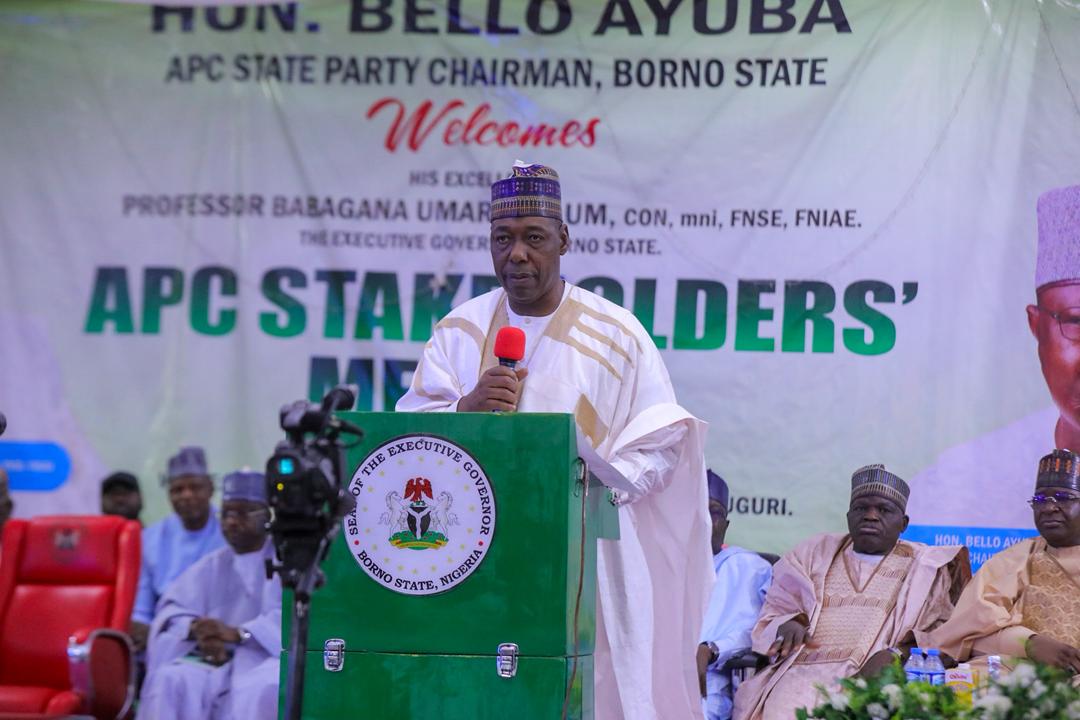
I don’t know my successor, Zulum declares at APC meeting
By: Our Reporter
Borno State Governor Babagana Umara Zulum has stated that he does not know who will succeed him after the expiration of his tenure in May 2027.
The governor reiterated that his administration was focused on strengthening security and providing needed development to the people.
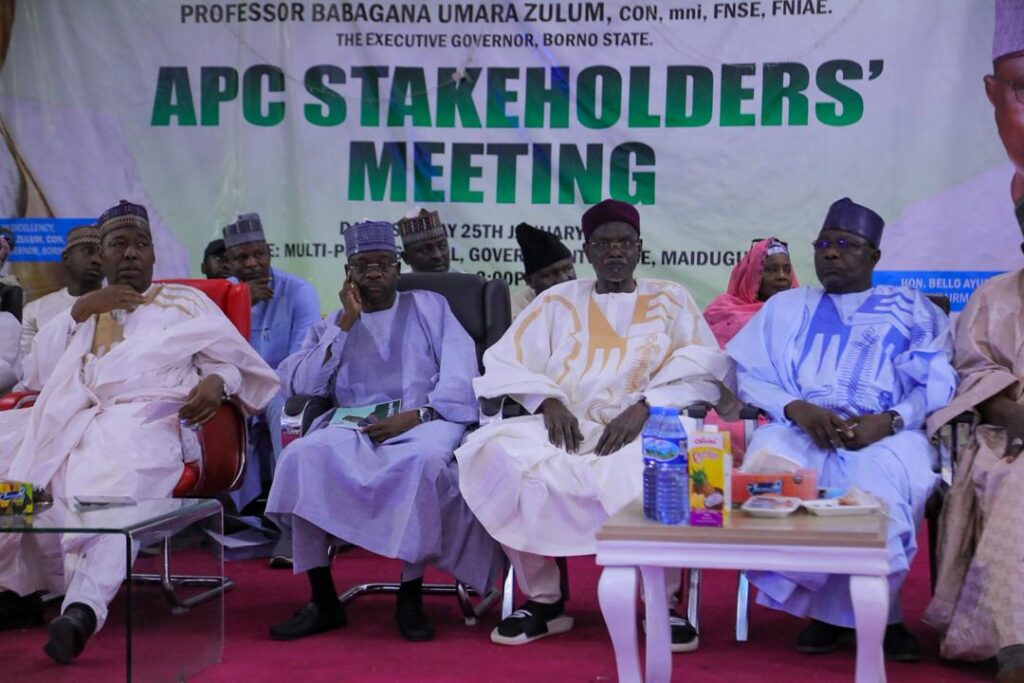
He spoke on Sunday evening during a critical All Progressives Congress (APC) stakeholders’ meeting convened at the Multi-purpose Hall of the Government House in Maiduguri.
Addressing party leaders, elected officials and members, Zulum reiterated his stand for a fair, transparent and just process in the election of party officials during the forthcoming congresses.
He emphasised that the integrity of the process was paramount for the party’s unity and future success.
The governor strongly advocated a fresh set of individuals to occupy the various party positions.
He urged stakeholders to allow new faces to emerge through a democratic process, thereby strengthening the party’s grassroots structure and inclusivity.
Governor Zulum also dismissed speculation about his influence on the party’s future ticket.
He firmly and publicly reaffirmed that he had not anointed any candidate for the upcoming party positions or for any elective position.
“I have no candidate for any position, and I do not know who will succeed me. I have entrusted the choice of leaders to Almighty Allah, in accordance with the democratic will of the party members and the people of Borno State.
The governor set up two committees to scale up the APC e-registration and reconciliation among party members.
The 10-man committee will be headed by Nigeria’s former Ambassador to China, Baba Ahmed Jidda and will include members drawn from the state’s 3 senatorial districts.
The meeting was attended by the acting governor, Umar Usman Kadafur; the former governor of Borno State, Maina Ma’aji Lawan; APC Deputy National Chairman, Ali Bukar Dalori, State APC Chairman, Bello Ayuba and three former deputy governors, including Ali Abubakar Jatau, Adamu Shettim Dibal and Usman Mamman Durkwa.
The Chief Whip of the Senate, Mohammed Tahir Monguno, Senator Kaka Shehu Lawan and 10 members of the House of Representatives, including Dr Midala Balami, who announced his resignation from the People’s Democratic Party (PDP), were in attendance.
The speaker of the Borno State House of Assembly, Abdulkarim Lawan; the deputy speaker, Engr Abdullahi Askira and 25 other members also graced the occasion.
Others in attendance included former Senator Baba Kaka Bashir Garbai, Dr Bulama Mali Gubio and senior government and party officials.
I don’t know my successor, Zulum declares at APC meeting


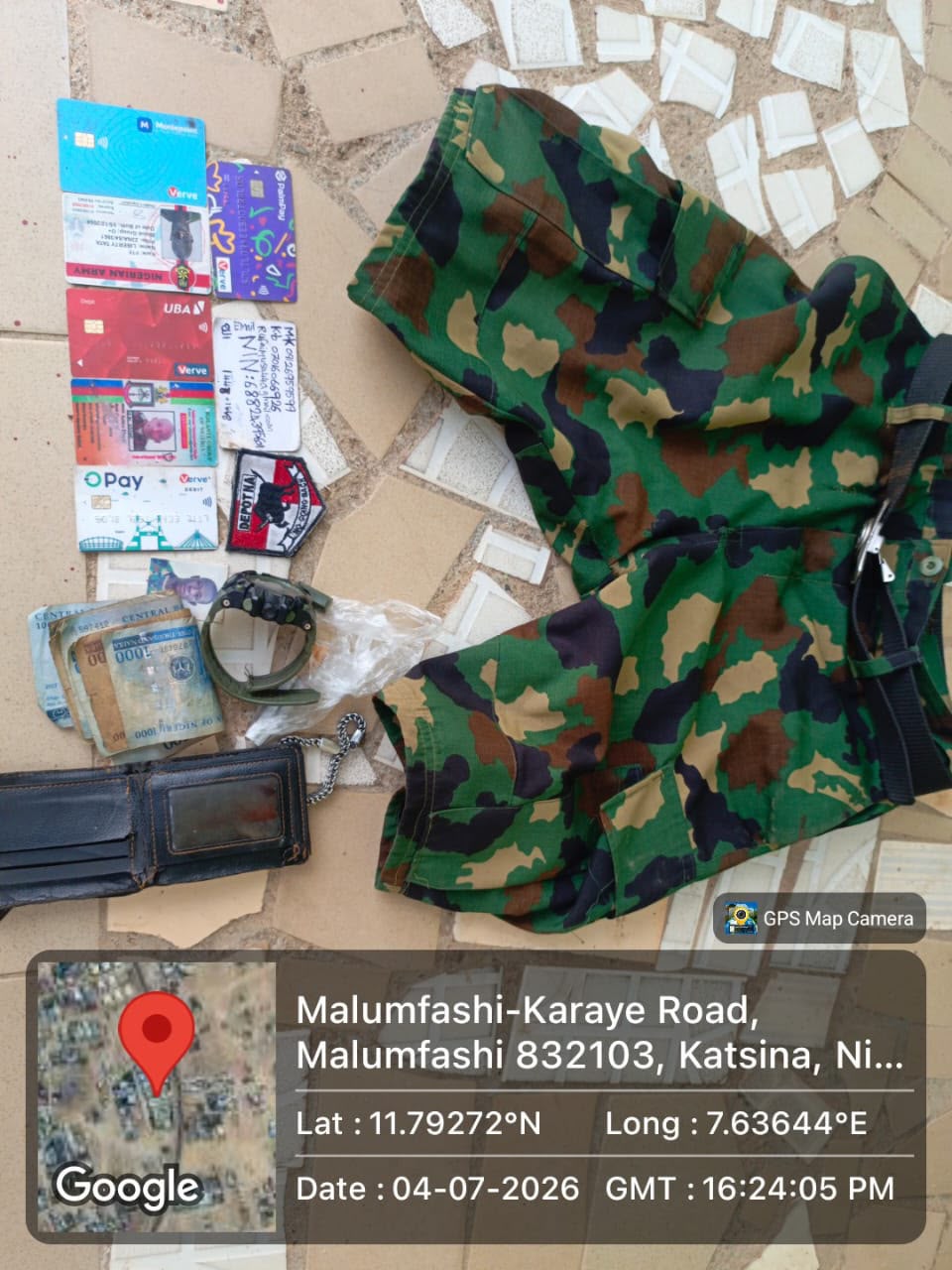
Troops Arrest Suspected Military Impostor in Katsina
By Zagazola Makama
Troops of 17 Brigade have arrested a suspected military impostor during a fighting patrol in Malumfashi Local Government Area.
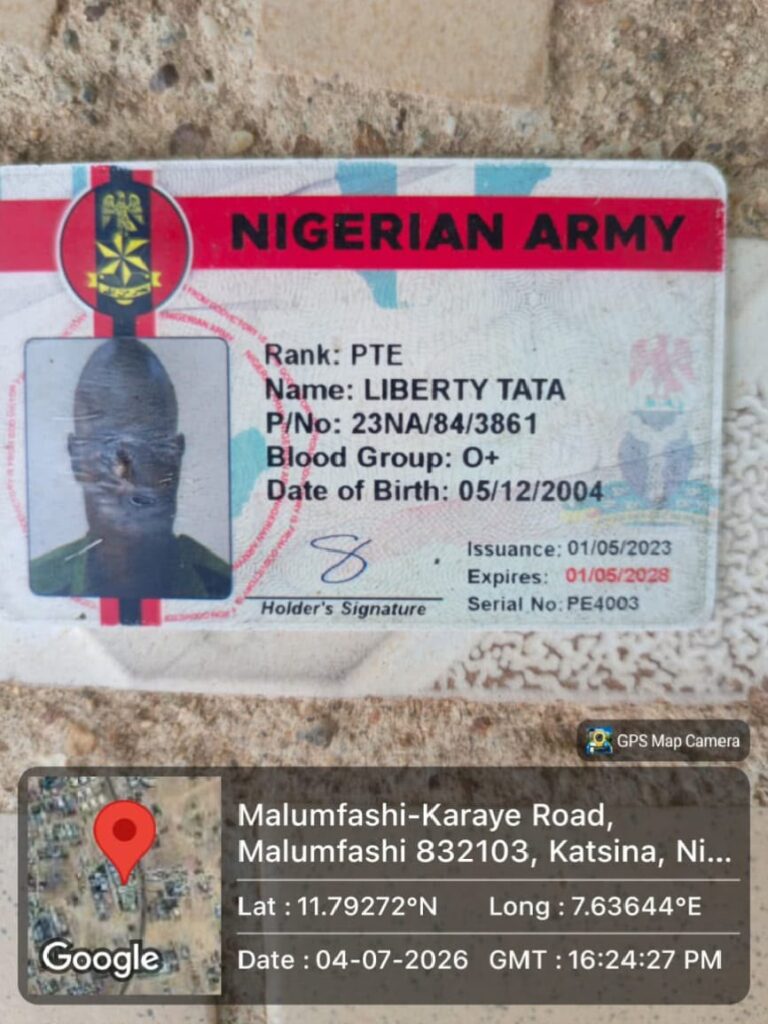
Security sources told Zagazola Makama that the suspect was apprehended at about 1:30 p.m. on July 4 by troops deployed at the Forward Operating Base (FOB) Malumfashi while conducting routine patrols within Malumfashi town.
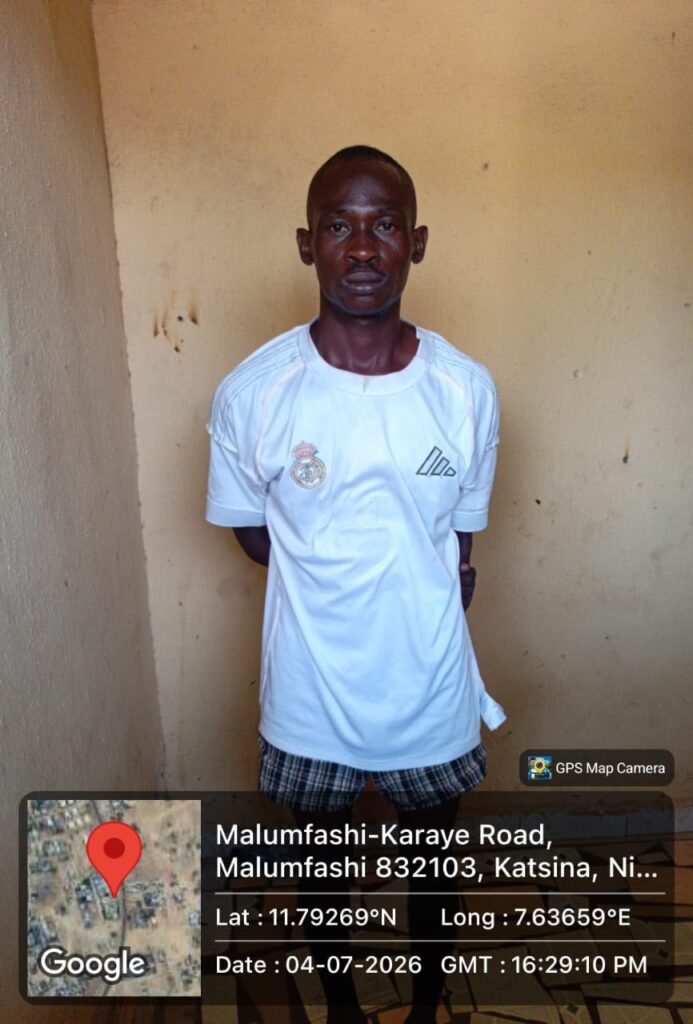
According to the sources, the suspect was intercepted while wearing a woodland camouflage three-quarter short, raising suspicion among the troops.
A search conducted on the suspect led to the recovery of a fake Nigerian Army identity card, four Automated Teller Machine (ATM) cards, one woodland camouflage three-quarter short, a wristwatch and the sum of ₦17,000.
The suspect and the recovered exhibits are currently in military custody pending further investigation.
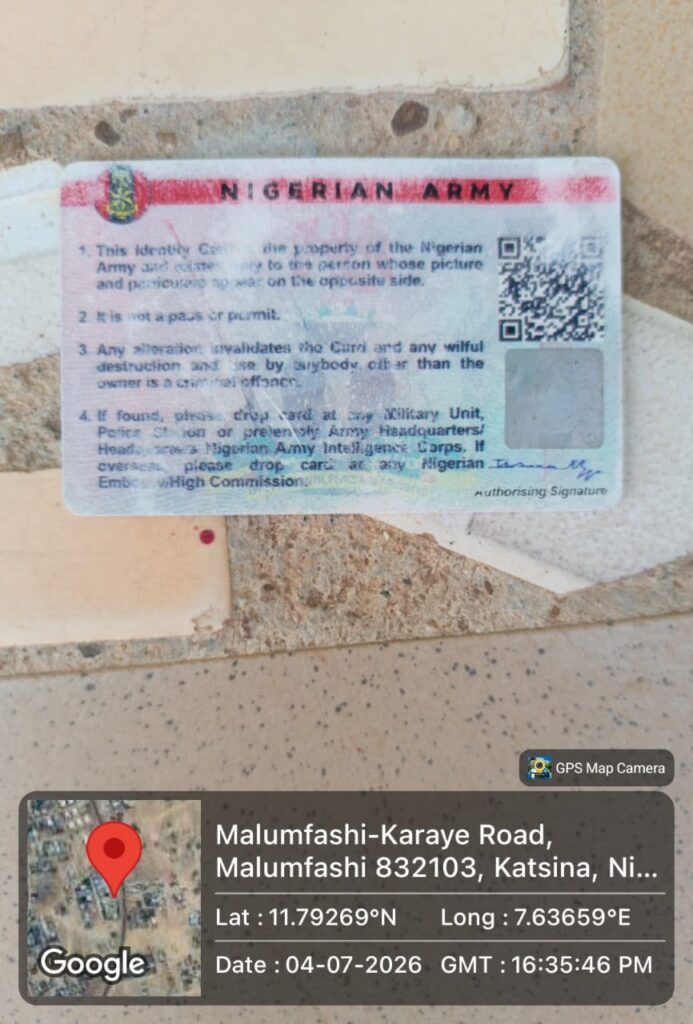
Military sources said the arrest forms part of ongoing efforts to curb impersonation of security personnel and other criminal activities within the area.
Troops Arrest Suspected Military Impostor in Katsina
Troops Recover 50 Rustled Cattle, Repel Suspected Rustlers in Kaduna
By Zagazola Makama
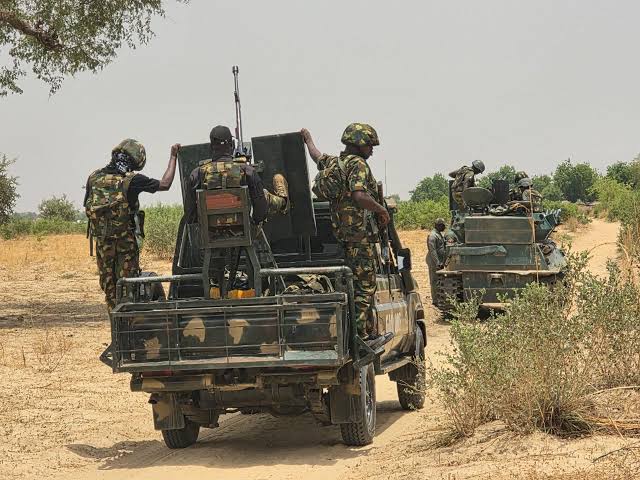
Troops deployed at the Forward Operating Base (FOB) Kankomi have recovered 50 rustled cattle after repelling suspected cattle rustlers during an ambush operation in Chikun Local Government Area.
Security sources told Zagazola Makama that the troops responded to a distress call at about 9:55 a.m. on July 4 over the activities of suspected rustlers at Ungwan Gontu community.
According to the sources, the troops swiftly laid an ambush and made contact with the fleeing suspects, forcing them to abandon the stolen livestock and escape into the surrounding area.
During the operation, the troops recovered 50 rustled cattle, which were subsequently identified and handed over to their rightful owner.
Military sources said efforts are ongoing to track down the fleeing suspects as security operations continue to combat cattle rustling and other criminal activities across Kaduna State.
Troops Recover 50 Rustled Cattle, Repel Suspected Rustlers in Kaduna
Troops Arrest Suspected Terrorist in Kogi, Suspect Confesses to Group Membership
By Zagazola Makama
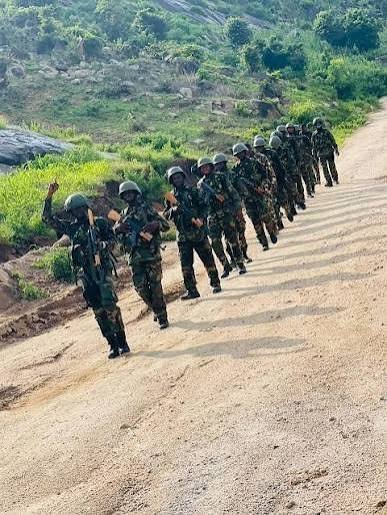
Troops of 12 Brigade, in collaboration with Office of the National Security Adviser (ONSA) Hybrid Forces, have arrested a suspected terrorist during an operation in Lokoja Local Government Area.
Security sources told Zagazola Makama that the troops responded at about 1:00 p.m. on July 4 to reports of a confrontation between local residents and a suspected terrorist at a Ruga settlement behind Obajana community.
According to the sources, the troops swiftly intervened and arrested one suspect at the scene.
During preliminary interrogation, the suspect reportedly confessed to being a member of a terrorist group led by an individual identified as Haruna, which allegedly operates within the Okene general area.
The suspect is currently in military custody and is undergoing further investigation to establish the extent of his involvement and identify other members of the group.
Military sources said the arrest forms part of ongoing security operations aimed at dismantling terrorist and criminal networks across Kogi State.
Troops Arrest Suspected Terrorist in Kogi, Suspect Confesses to Group Membership

Troops Arrest Suspected Military Impostor in Katsina

Troops Recover 50 Rustled Cattle, Repel Suspected Rustlers in Kaduna

Troops Arrest Suspected Terrorist in Kogi, Suspect Confesses to Group Membership

Roger Federer’s Shock as DNA Results Reveal Myla and Charlene Are Not His Biological Children

THE PLIGHT OF FARIDA

FAILED COUP IN BURKINA FASO: HOW TRAORÉ NARROWLY ESCAPED ASSASSINATION PLOT AMID FOREIGN INTERFERENCE CLAIMS
-
 News2 years ago
Roger Federer’s Shock as DNA Results Reveal Myla and Charlene Are Not His Biological Children
-
Opinions4 years ago
THE PLIGHT OF FARIDA
-
 News1 year ago
FAILED COUP IN BURKINA FASO: HOW TRAORÉ NARROWLY ESCAPED ASSASSINATION PLOT AMID FOREIGN INTERFERENCE CLAIMS
-

 News2 years ago
EYN: Rev. Billi, Distortion of History, and The Living Tamarind Tree
-
 Opinions5 years ago
POLICE CHARGE ROOMS, A MINTING PRESS
-

 ACADEMICS2 years ago
A History of Biu” (2015) and The Lingering Bura-Pabir Question (1)
-

 Columns2 years ago
Army University Biu: There is certain interest, but certainly not from Borno.
-

 Politics1 year ago
2027: Why Hon. Midala Balami Must Go, as Youths in Hawul and Asikira/Uba Federal Constituency Reject ₦500,000 as Sallah Gift
