
Crime
“I feed Indian hemp seeds to my chickens” – Drug suspect


“I feed Indian hemp seeds to my chickens” – Drug suspect
A suspect paraded by the NDLEA in Kaduna on Saturday for being in possession of Indian hemp seeds says they were for the consumption of his poultry birds.
“I have a poultry farm and was told that if I feed the chickens with Indian hemp seeds, they would grow fast and strong, and would not fall sick.
“So, I do mix the weed seeds with their food when feeding the chickens.
“I fed the chickens with the Indian hemp seeds only once before I was arrested, he told the News Agency of Nigeria on Sunday in Kaduna.
He said NDLEA operatives seized the Indian hemp seeds from his house and arrested him, admitting, however, that he used to smoke Indian hemp.
The suspect also told NAN that he observed that the seeds made his chickens look healthier and stronger.
“The situation I have put myself in is shameful. I promise not to repeat it in my life,’’ he said.
Commander of the NDLEA in Kaduna State, Mr Umar Adoro, told NAN on Sunday that the suspect was arrested on April 17 with 3kg of Indian hemp.
READ ALSO: World Book Day: Commission Tasks Nigerians On Reading Culture
Adoro said the suspect, arrested at Makarfi Road in Rigasa Area of Igabi Local Government Area of Kaduna State, had been on NDLEA’s wanted list for a long time.
“He is one of the notorious drug dealers in the state. We have been searching for him for a long. What helped us is the Ramadan fasting period when drug dealers operate only at night.
“When they are done peddling drugs in the night and are not expecting any patron in the morning, they oversleep and we take that as an advantage to arrest them.
“We have arrested about two of them in such manner,’’ Adoro told NAN.
He noted that feeding the chickens with the drugs as the suspect claimed had its own dangers. The side effects on the chicken would be determined by veterinary experts.
The NDLEA commander advised those drugging animals in the belief that it could enhance their health status to put humanity and the community into consideration.
Adoro assured that all suspects arrested would be arraigned upon the completion of the investigation.


Troops recover another bodies of four herders, targeted and killed by Kaduna
By Zagazola Makama
Troops of Operation Enduring Peace (OPEP) have recovered the bodies of four herders allegedly killed by local youths in a reprisal attack in Kamantan Chiefdom, Kaduna State.
Security sources said the incident followed a kidnapping episode at Zuturuntinta village, where the herders were reported missing.
The sources disclosed that troops received intelligence on April 4 indicating that the victims were attacked and killed while relocating with their cattle to a safer location on the same night of the incident.
“They were reportedly intercepted and attacked by some angry youths, allegedly in retaliation for the death of a local during the kidnapping incident,” the source said.
Following the report, the Chairman of Miyetti Allah in the area requested military assistance to mobilise the community for a search operation to locate the missing herders.
Troops were immediately deployed to the village, where they convened a meeting with community members, including the village head.
The village head was said to have provided local hunters and members of the Kaduna Vigilante Service (KADVS) to support the search alongside troops and Fulani representatives.
During the operation, troops identified multiple indicators suggesting the herders had been killed.
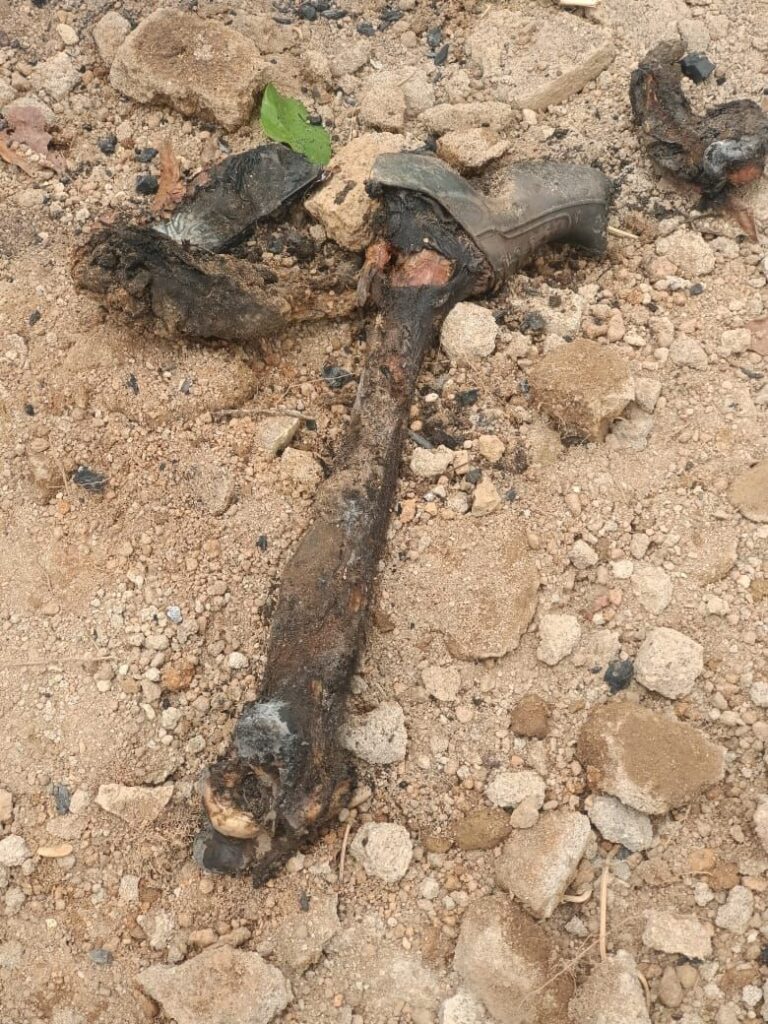
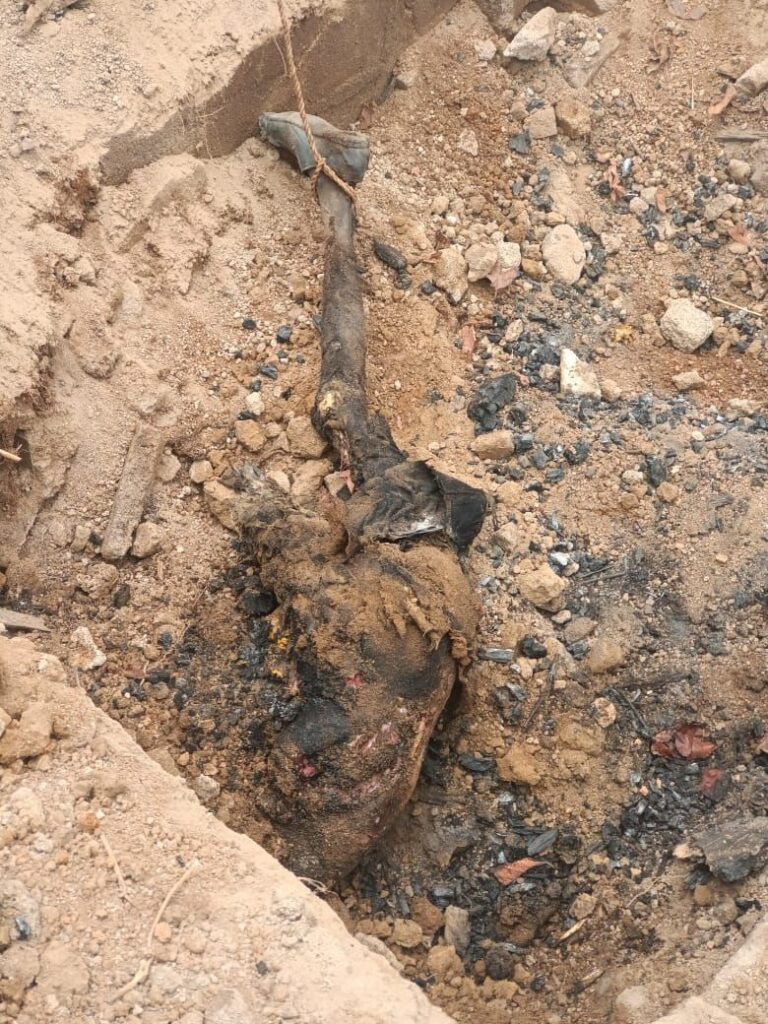
“Following blood trails, troops discovered a shallow grave where the four victims were buried,” the source added.
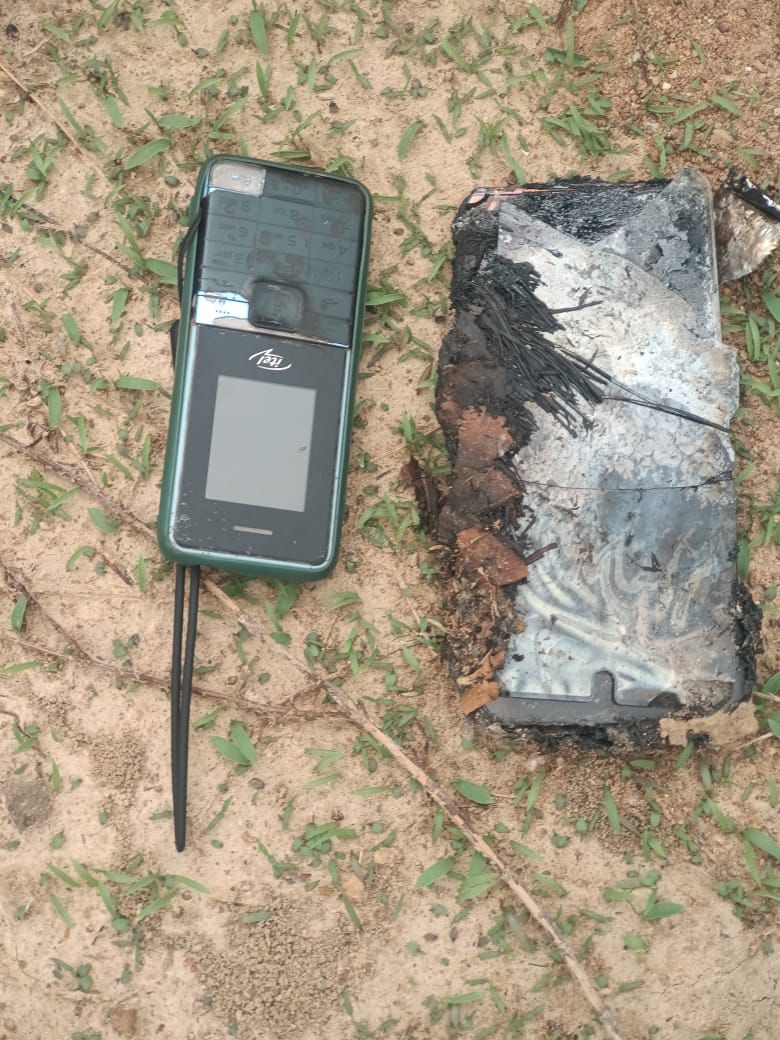
Items recovered at the scene included two mobile phones.
The remains of the victims were reburied at the same location in accordance with Islamic rites, with the consent of their families and Fulani community leaders.
The Sector Commander has directed community leaders to produce those responsible for the killings not later than Wednesday to face justice and help restore peace in the area.
Troops have since been deployed to reinforce security and prevent possible reprisal attacks.
Troops recover another bodies of four herders, targeted and killed by Kaduna
Troops recover suspected rustled cattle in Plateau
By: Zagazola Makama
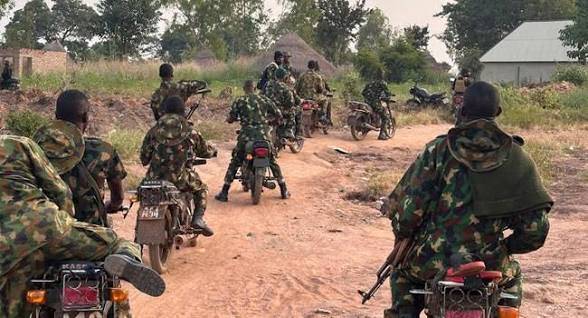
Troops of Operation Enduring Peace (OPEP) have recovered suspected rustled cattle during a night patrol in Barkin Ladi Local Government Area of Plateau State.
Security sources said the recovery was made on April 3 at about 10:05 p.m. following intelligence on the movement of suspected cattle rustlers along Suma Ruga Rakwok village axis.
It was gathered that troops deployed at Kanse laid an ambush along a bush path in the area.
On sighting the troops, the rustlers reportedly abandoned the cattle and fled into the surrounding bush.
The recovered livestock have been secured, while efforts are ongoing to ascertain the exact number and identify the rightful owners.
Sources added that Fulani community leaders would be contacted to facilitate proper identification and handover of the cattle.
Troops recover suspected rustled cattle in Plateau
Troops neutralise kidnapper, rescue victim in Enugu
By: Zagazola Makama
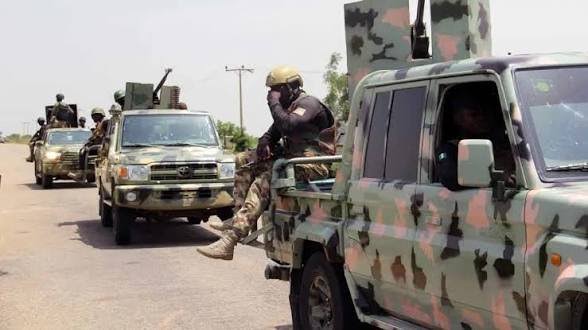
Troops of Operation UDO KA have neutralised a suspected kidnapper and rescued a victim during a search-and-rescue operation in Udenu Local Government Area of Enugu State.
Security sources said the operation was conducted on April 3 at about 6:05 a.m. following a distress call from the Nigeria Police, Obolo Division, based on a report by the Ezimo Community Neighbourhood Watch.
It was gathered that the troops, drawn from 82 Division Garrison and Sector 1 of Operation UDO KA, made contact with the suspected kidnappers during the operation, leading to a gun battle.
One of the suspects was neutralised, while others fled into the surrounding bush.
During exploitation of the area, the troops successfully rescued the kidnapped victim.
Items recovered at the scene included six mobile phones, a power bank, a torchlight, energy drinks, clothing and food items.
The corpse of the neutralised suspect and the rescued victim were handed over to the police for further action.
Authorities said efforts are ongoing to track down the fleeing suspects and ensure the area remains secure.
Troops neutralise kidnapper, rescue victim in Enugu

Troops repel bandits’ attack in AgatuBenue

Troops recover another bodies of four herders, targeted and killed by Kaduna

Six more top bandit leaders eliminated alongside Ado Allero’s son in Zamfara offensive

Roger Federer’s Shock as DNA Results Reveal Myla and Charlene Are Not His Biological Children

THE PLIGHT OF FARIDA

FAILED COUP IN BURKINA FASO: HOW TRAORÉ NARROWLY ESCAPED ASSASSINATION PLOT AMID FOREIGN INTERFERENCE CLAIMS
-
 News2 years ago
Roger Federer’s Shock as DNA Results Reveal Myla and Charlene Are Not His Biological Children
-
Opinions4 years ago
THE PLIGHT OF FARIDA
-
 News12 months ago
FAILED COUP IN BURKINA FASO: HOW TRAORÉ NARROWLY ESCAPED ASSASSINATION PLOT AMID FOREIGN INTERFERENCE CLAIMS
-

 News2 years ago
EYN: Rev. Billi, Distortion of History, and The Living Tamarind Tree
-
 Opinions4 years ago
POLICE CHARGE ROOMS, A MINTING PRESS
-

 ACADEMICS2 years ago
A History of Biu” (2015) and The Lingering Bura-Pabir Question (1)
-

 Columns2 years ago
Army University Biu: There is certain interest, but certainly not from Borno.
-

 Opinions2 years ago
Tinubu,Shettima: The epidemic of economic, insecurity in Nigeria
