
News
In Monguno: Zulum distributes food, agric input to 35,000 families

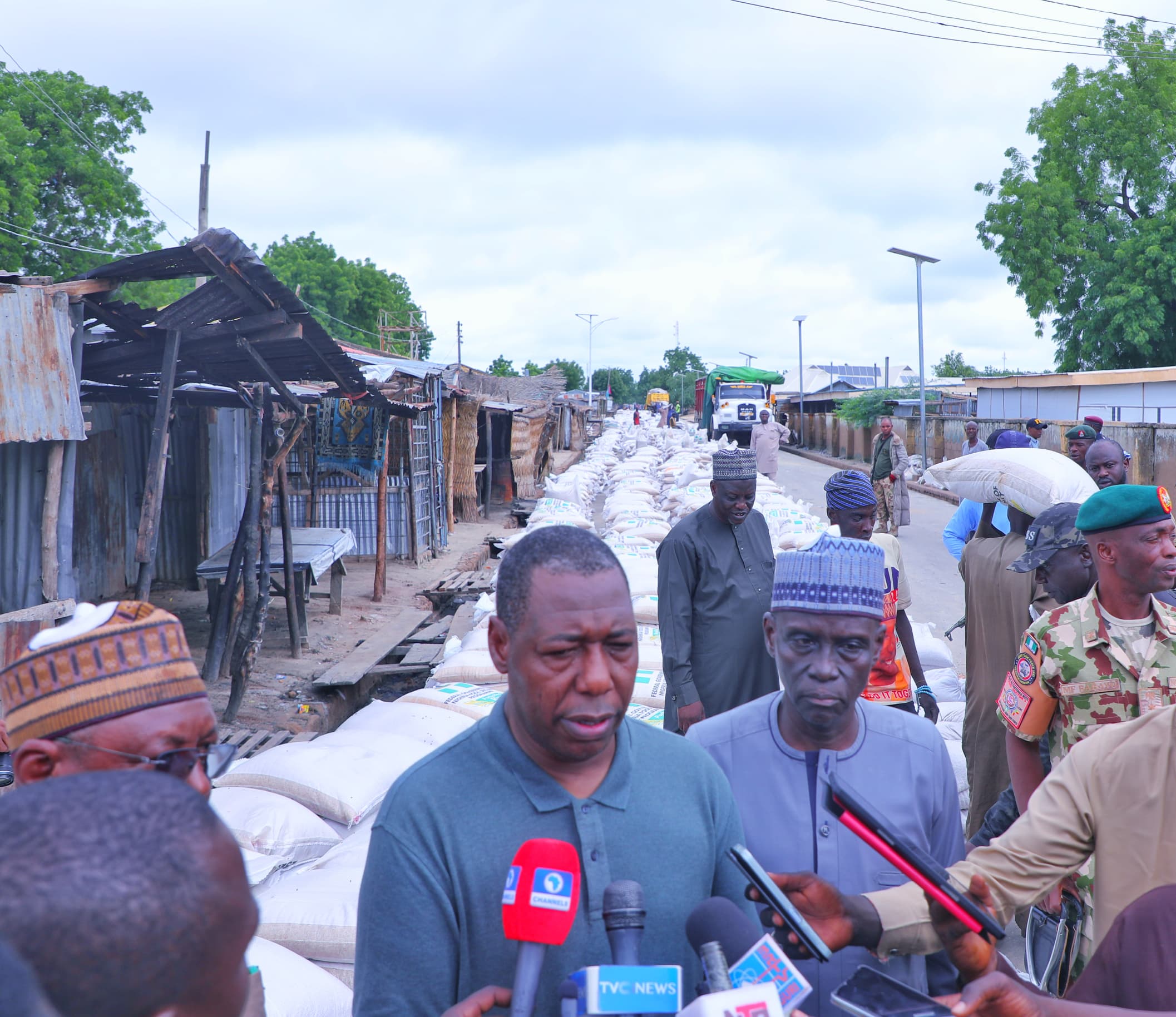
In Monguno: Zulum distributes food, agric input to 35,000 families
… Shares N450m, wrappers to 45,000 widows, vulnerable women
By: Our Reporter
Borno State Governor, Babagana Umara Zulum, on Sunday, supervised the distribution of food items and agricultural inputs to over 35,000 male heads of household in Monguno Local Government area in the northern part of the state.
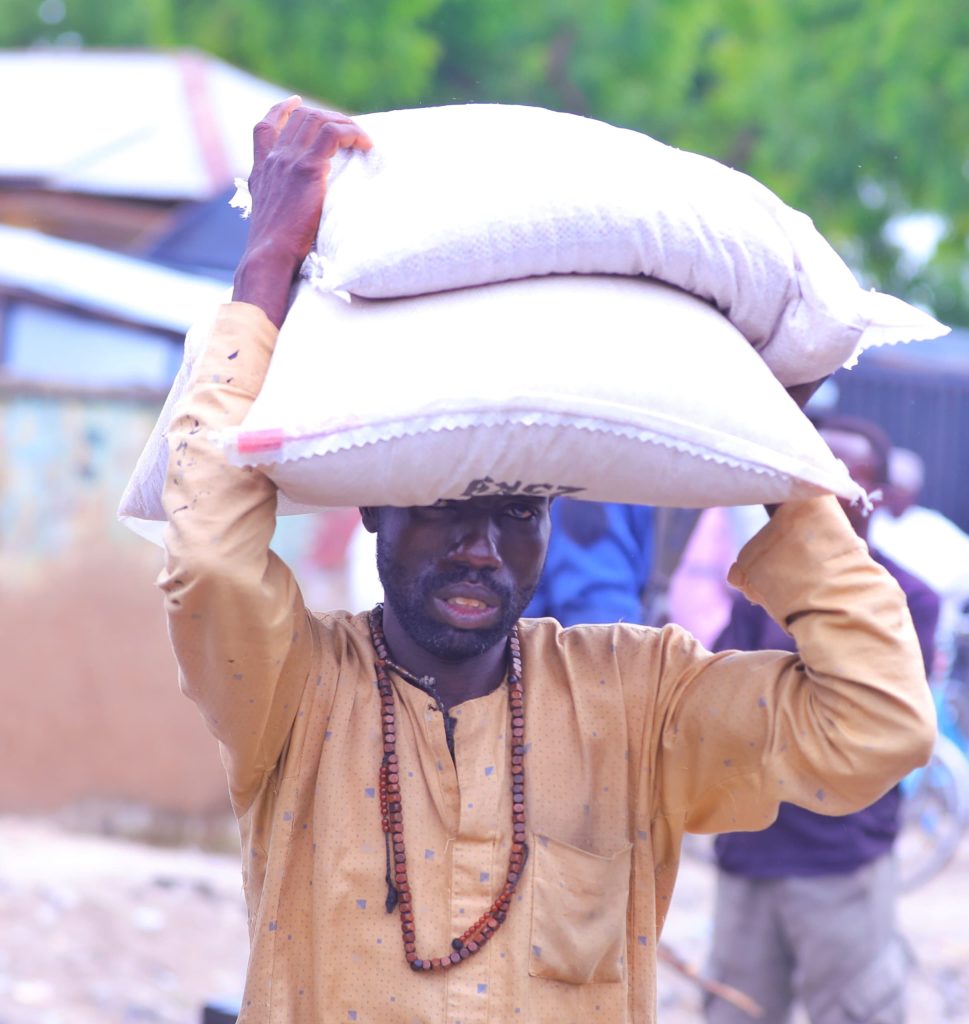
Each of the 35,000 beneficiaries received one bag of 25kg of rice and cowpeas to enable them cultivate their farmlands.
Zulum noted that the rice package was part of the 20 trucks donated by the federal government to the state to alleviate the hardship faced by people due to high cost of food items.
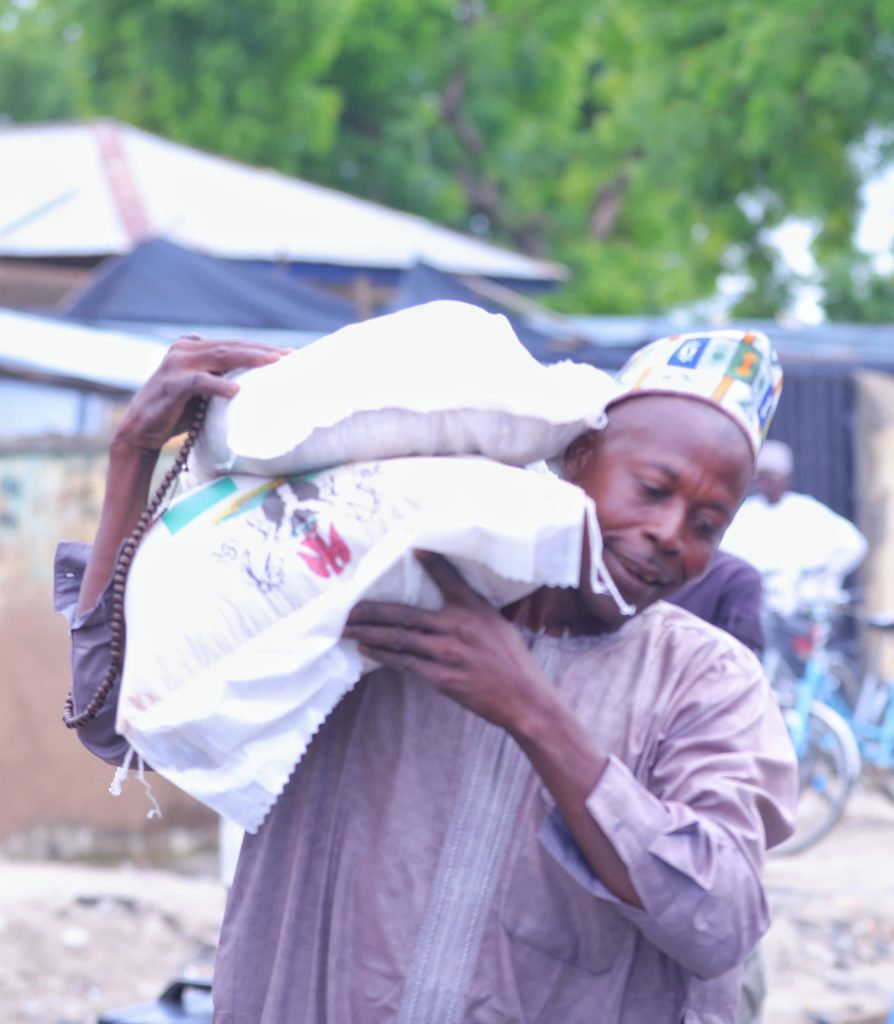
He said, “We are in Monguno town mainly for two functions, first to distribute food items provided to the government of Borno State by the federal government. 20 trucks of rice were given to us, and this morning, we distributed all of them to this community.
“In addition to this, we have also distributed seeds, as most of them do not have the capacity to buy farm inputs, and we have distributed cowpeas to all the able heads of households,” Zulum said.
“I want also to inform you that the federal government has provided 90 trucks of fertiliser to the state government for free to distribute to our farmers,” Zulum stated.
The governor also expressed gratitude to the federal government for supporting the people of his state. He said, “On behalf of the people of Borno State, I want to appreciate the federal government for this laudable gesture.”
… Shares N450m, wrappers to 45,000 widows, vulnerable women
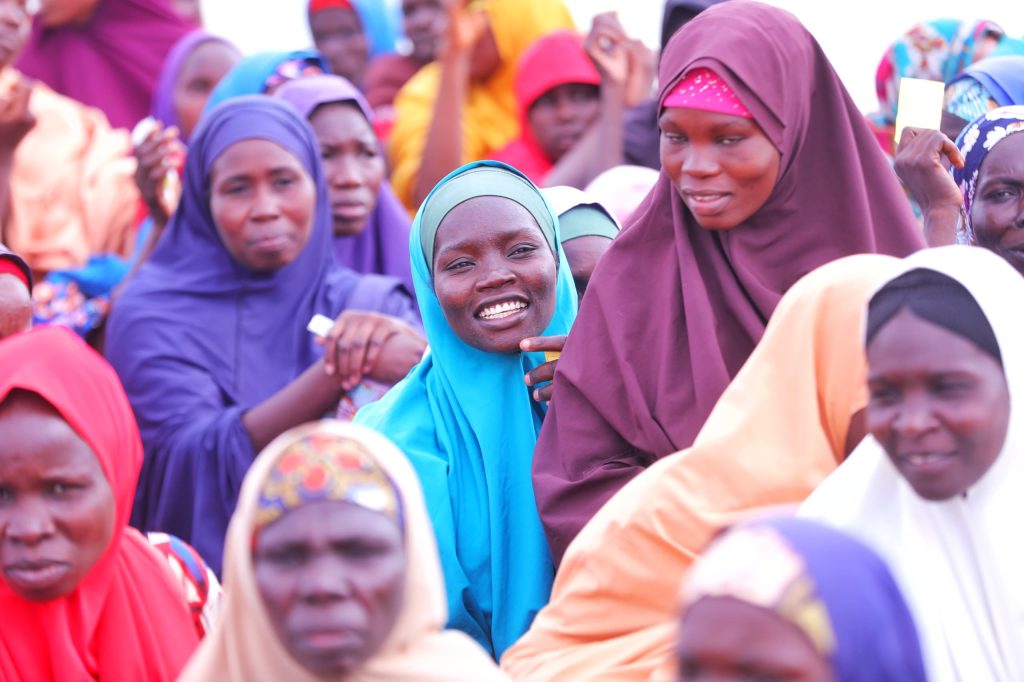
Meanwhile, Governor Babagana Umara Zulum also distributed over N450m to 45,000 widows and vulnerable women in Monguno during his Sunday visit.
Governor Zulum said, “We have also distributed N10,000 in cash support and a wrapper to each of the over 45,000 widows and vulnerable women in Monguno town.”
According to the Governor, the distribution of palliative by his administration was not meant to create dependency but to support vulnerable families that have lost their sources of livelihood to the Boko Haram crisis facing Borno State.
In Monguno: Zulum distributes food, agric input to 35,000 families



Five ISWAP Bomb Experts Killed in Premature IED Explosion in Borno
By Zagazola Makama
Five suspected Islamic State West Africa Province (ISWAP) terrorists, including an alleged medical officer and four improvised explosive device (IED) specialists, have reportedly been killed in a premature explosion while assembling explosives in Marte Local Government Area of Borno State.
Intelligence sources told Zagazola Makama that the incident occurred at Maina Daya Village, located between Sabon Tumbu and Jubilaram, about 29 kilometres east of Monguno.

According to the sources, the explosion killed Usman Dan Fulani, described as an ISWAP medical officer, alongside two foreign Arab IED technicians and two ISWAP bomb-making experts.
The sources said the incident occurred while the terrorists were allegedly preparing improvised explosive devices for deployment, suggesting the group was planning further attacks along key military supply routes in the Sector 1 area of Operation HADIN KAI.
Security analysts believe the loss of experienced bomb-makers is a significant setback to ISWAP’s IED network and could temporarily weaken the group’s capability to carry out roadside bomb attacks in the Marte-Monguno axis.
Military sources disclosed that troops have been directed to exploit the development by intensifying patrols, cordon-and-search operations, and precision offensive actions around Monguno, Marte, and Gamboru Ngala to prevent the terrorist group from regrouping or rebuilding its IED capability.
Five ISWAP Bomb Experts Killed in Premature IED Explosion in Borno
News
Lawyer Wants Police, Army, EFCC to Pay Victims of Wrongful Arrests, Hails DSS Accountability Policy

Lawyer Wants Police, Army, EFCC to Pay Victims of Wrongful Arrests, Hails DSS Accountability Policy
…Says Security Agencies Must Compensate Innocent Nigerians for Operational Errors
By: Michael Mike
A senior legal practitioner and human rights advocate, Hamza Dantani, has called for a sweeping reform of Nigeria’s security architecture, urging the Nigeria Police Force, the Nigerian Army, the Economic and Financial Crimes Commission (EFCC) and other law enforcement agencies to institutionalise compensation for innocent Nigerians wrongfully arrested, unlawfully detained or injured during security operations.
The call, which comes amid persistent concerns over arbitrary arrests and alleged abuses by security agencies, followed commendation for the Department of State Services (DSS) over what Dantani described as a groundbreaking policy of compensating victims of operational errors.
In a statement titled “DSS Compensation Initiative Sets Standard for Security Agencies,” the lawyer described the initiative introduced under the leadership of the Director-General of the DSS, Oluwatosin Ajayi, as a significant departure from the long-standing culture of impunity that has often characterised security operations in the country.
According to him, the policy demonstrates that security institutions can admit mistakes, provide redress to innocent victims and still retain public confidence and operational effectiveness.
“This is a bold, commendable and unprecedented gesture that deserves national recognition,” Dantani said.
“It demonstrates that while security agencies have a constitutional responsibility to protect the nation, they also have a moral and legal obligation to acknowledge mistakes and provide remedies to innocent citizens whose rights have been violated.”
The human rights advocate argued that while the fight against terrorism, banditry, kidnapping and organised crime remains one of the nation’s foremost priorities, security operations must always be guided by the Constitution and respect for fundamental human rights.
“The pursuit of security must never come at the expense of justice,” he said.
“National security and respect for fundamental human rights are complementary principles that strengthen one another.”
Dantani maintained that accountability should not be viewed as a sign of institutional weakness but rather as evidence of professionalism and commitment to justice.
He noted that by compensating victims of wrongful operations, the DSS had demonstrated that public institutions could accept responsibility for mistakes without compromising their mandate to safeguard national security.
To buttress his argument, Dantani cited several individuals who reportedly benefited from the compensation policy.
Among them is Kaduna-based farmer and herder Nura Idris, who allegedly received ₦3 million after being wrongly accused of links to Boko Haram.
He also referenced Abuja businesswoman Chineze Ozoadibe, who reportedly received ₦10 million after her wrongful arrest over allegations of oil bunkering.
The lawyer further mentioned a Sokoto trader who was mistakenly shot during a security operation in Jos in 2016 and was reportedly compensated with ₦20 million alongside lifetime medical care.
He also listed Umar Ibrahim, Alhaji Bello Rabiu and Jaja Sarki Bamo, who allegedly shared compensation after wrongful arrests over accusations of banditry and kidnapping, as well as 11 artisans from Osun State, who were reportedly compensated after being cleared of terrorism-related allegations.
According to Dantani, wrongful arrests often inflict devastating financial losses, emotional trauma and irreparable reputational damage on innocent citizens and their families.
Although financial compensation cannot erase such suffering, he argued, it represents an important acknowledgment that injustice occurred and that the government accepts responsibility for its actions.
He therefore urged the Nigeria Police Force, the Nigerian Army, the EFCC, the Nigeria Security and Civil Defence Corps (NSCDC), the National Drug Law Enforcement Agency (NDLEA) and other security institutions to establish transparent compensation mechanisms for innocent persons who become victims of operational mistakes.
The lawyer also proposed broader institutional reforms to reduce the incidence of wrongful arrests, including improved intelligence gathering, stronger identity verification systems, wider use of forensic investigations, enhanced inter-agency intelligence sharing, continuous human rights training for personnel and the establishment of independent complaint review panels.
He cautioned security agencies against using arrests as investigative tools rather than as actions based on credible evidence.
“An arrest should never be treated as punishment, and detention should never become a substitute for proper investigation,” he said.
He expressed optimism that the DSS initiative would inspire similar reforms across Nigeria’s security sector and promote a culture of transparency, accountability and respect for constitutional rights.
“The true measure of a justice system is not only its ability to punish offenders,” Dantani added, “but also its willingness to protect the innocent, admit mistakes and provide justice when those mistakes occur.”
Background
Wrongful arrests and prolonged detentions have remained recurring concerns in Nigeria’s criminal justice system, with courts frequently awarding damages against security agencies for violations of citizens’ fundamental rights.
Human rights organisations, including local and international advocacy groups, have repeatedly called for greater accountability within law enforcement institutions, arguing that arbitrary arrests and unlawful detentions undermine public confidence in the justice system and weaken cooperation between citizens and security agencies.
Under Chapter IV of the 1999 Constitution (as amended), Nigerians are guaranteed fundamental rights, including the right to personal liberty, dignity of the human person and fair hearing. These rights are further reinforced by the Administration of Criminal Justice Act (ACJA) and various judicial pronouncements requiring law enforcement agencies to operate within the confines of the law.
Analysts believe that if compensation mechanisms similar to the one praised by Dantani are institutionalised across Nigeria’s security agencies, they could significantly improve professionalism, strengthen public trust and encourage greater respect for the rule of law.
For many observers, the debate is no longer whether security agencies should be held accountable for operational mistakes, but how quickly reforms can be implemented to ensure that innocent Nigerians are protected while the country’s security forces continue the fight against terrorism, banditry, kidnapping and other violent crimes.
Lawyer Wants Police, Army, EFCC to Pay Victims of Wrongful Arrests, Hails DSS Accountability Policy
Health
Thousands Flood Taraba Medical Outreach as Nentawe’s Birthday Initiative Offers Lifeline to Rural Residents
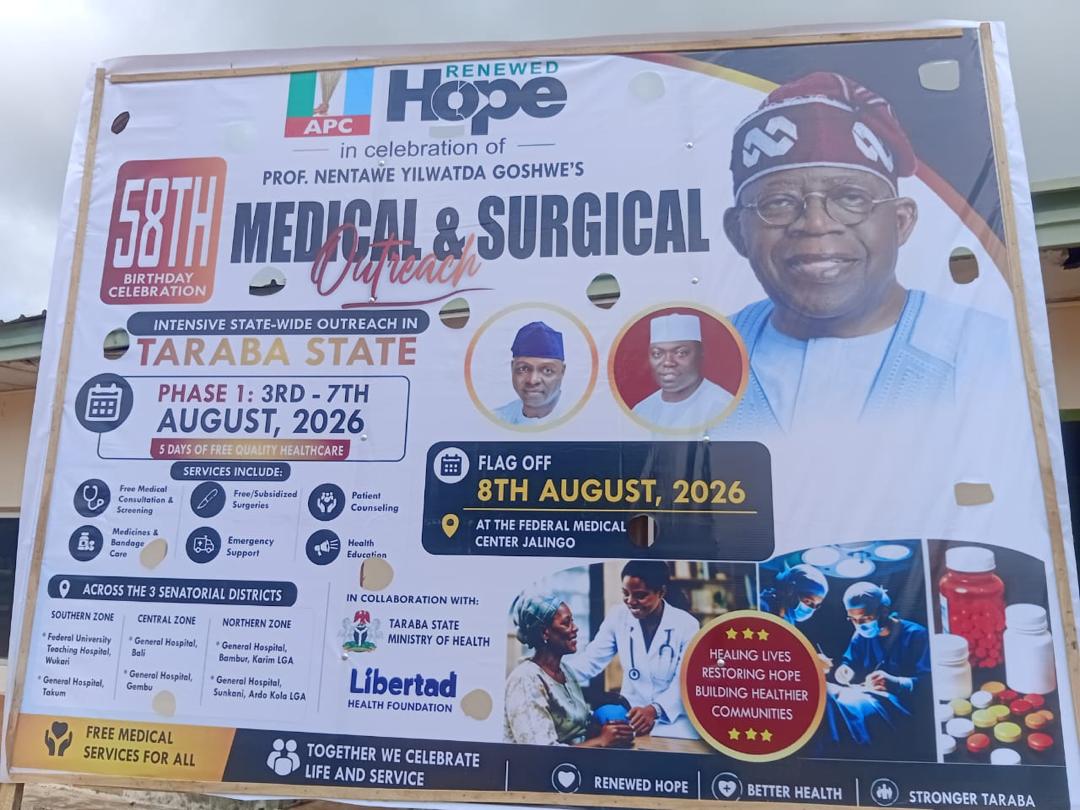
Thousands Flood Taraba Medical Outreach as Nentawe’s Birthday Initiative Offers Lifeline to Rural Residents
By: Michael Mike
Beneficiaries Praise APC Chairman’s Humanitarian Gesture, Demand Bigger Investment in Healthcare System
Thousands of residents across Taraba State have received a new lease of hope as the Renewed Hope Free Medical and Surgical Outreach 2026 enters its second day, with beneficiaries applauding the intervention for bringing critical healthcare services closer to vulnerable communities.
The statewide medical programme, organised to mark the 58th birthday anniversary of the National Chairman of the All Progressives Congress (APC), Professor Nentawe Yilwatda Goshwe, has provided free medical consultations, laboratory tests, drugs, specialist care and surgical services to residents who would otherwise struggle to afford such treatments.
From Sunkani to Bali, Gembu, Takum, Bambur and Wukari, hundreds of men, women, children and elderly residents were seen trooping into designated medical centres from the early hours of the day, seeking attention from teams of doctors, nurses, laboratory scientists and other healthcare professionals.
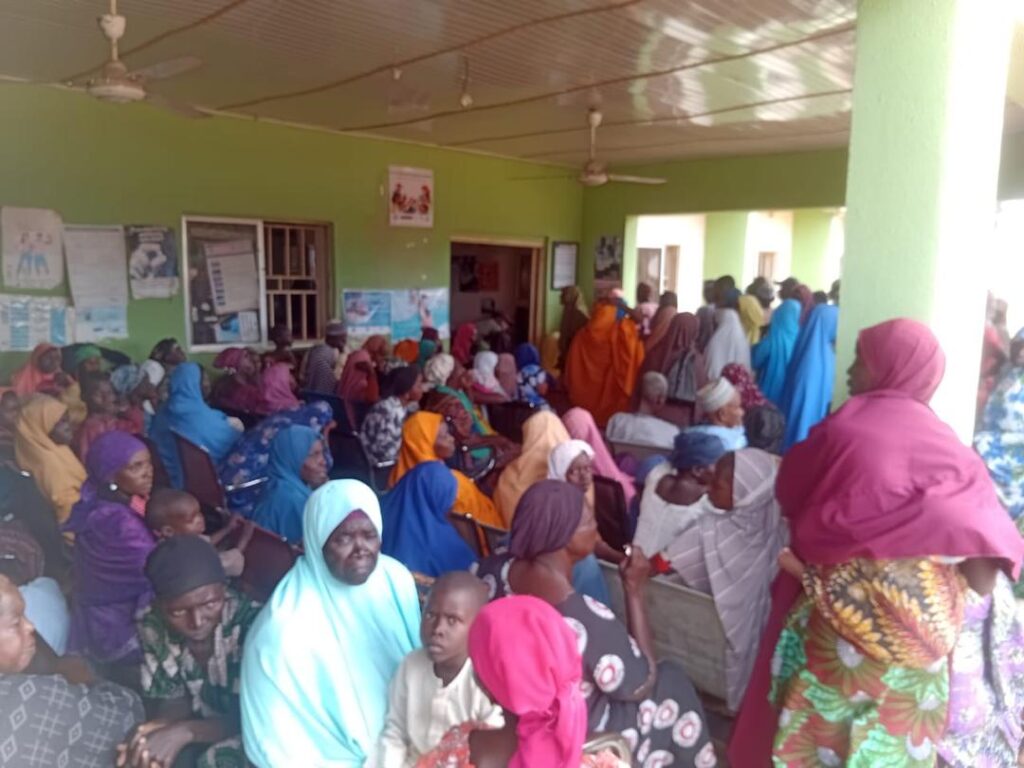
A correspondent who monitored activities at the Primary Health Care Centre, Sunkani, and other centres across the state observed a heavy turnout of patients, many of whom described the outreach as a major relief for families battling rising healthcare costs.
The beneficiaries said the intervention had not only provided immediate treatment but had also restored hope among residents in communities where access to specialist healthcare remains a major challenge.
Mrs Deborah Isah, a resident of Sunkani who received treatment for malaria and typhoid, expressed appreciation to the organisers, describing the programme as a blessing to ordinary citizens.
“I thank Professor Nentawe Yilwatda for remembering people like us. I pray God grants him wisdom, good health and greater success,” she said.
Similarly, Mr Abubakar Ahmed, a farmer treated for typhoid, stomach-related ailments and eye problems, said the outreach had removed a huge financial burden from many rural families.
He commended the initiative for taking medical services directly to the people, while urging continued collaboration between government and humanitarian organisations to strengthen healthcare delivery across Taraba.
Another beneficiary, Miss Dorcas Ephesians, who sought treatment for persistent abdominal pains, described the medical team’s approach as professional and compassionate.
She appealed to the Taraba State Government to sustain and expand partnerships that would ensure vulnerable citizens have regular access to quality healthcare services.
Speaking at the Sunkani centre, the team lead, Dr Williams Golis, said the outreach was strictly humanitarian and designed to address healthcare needs without discrimination.
“This medical outreach is non-political and non-religious. Our priority is to provide quality healthcare through advanced specialist consultations, appropriate medical treatment and surgical interventions for everyone who needs them,” he said.
The Renewed Hope Free Medical and Surgical Outreach 2026 is planned as a three-week intervention targeting thousands of residents across Taraba’s three senatorial districts.
The first phase, which runs from August 3 to 7, is being conducted simultaneously at six healthcare facilities, including the Federal University Teaching Hospital, Wukari; General Hospital, Takum; General Hospital, Bali; General Hospital, Gembu; Bambur General Hospital; and the Primary Health Care Centre, Sunkani.
The official flag-off ceremony is expected on August 8, the birthday of Professor Yilwatda, while the second phase, scheduled from August 8 to 22, will move to the Federal Medical Centre and National Orthopaedic Hospital in Jalingo for advanced specialist consultations and complex surgical procedures.
Healthcare experts say the initiative highlights the role of humanitarian interventions and public-private partnerships in bridging healthcare gaps, especially in rural areas where many residents face difficulties accessing specialised medical services.
However, beneficiaries stressed that while the outreach has provided immediate relief to thousands, sustained investment in primary healthcare centres, specialist hospitals and affordable medical services remains crucial to solving Taraba’s long-term healthcare challenges.
Thousands Flood Taraba Medical Outreach as Nentawe’s Birthday Initiative Offers Lifeline to Rural Residents

Five ISWAP Bomb Experts Killed in Premature IED Explosion in Borno

Lawyer Wants Police, Army, EFCC to Pay Victims of Wrongful Arrests, Hails DSS Accountability Policy

Thousands Flood Taraba Medical Outreach as Nentawe’s Birthday Initiative Offers Lifeline to Rural Residents

Roger Federer’s Shock as DNA Results Reveal Myla and Charlene Are Not His Biological Children

THE PLIGHT OF FARIDA

FAILED COUP IN BURKINA FASO: HOW TRAORÉ NARROWLY ESCAPED ASSASSINATION PLOT AMID FOREIGN INTERFERENCE CLAIMS
-
 News2 years ago
Roger Federer’s Shock as DNA Results Reveal Myla and Charlene Are Not His Biological Children
-
Opinions4 years ago
THE PLIGHT OF FARIDA
-
 News1 year ago
FAILED COUP IN BURKINA FASO: HOW TRAORÉ NARROWLY ESCAPED ASSASSINATION PLOT AMID FOREIGN INTERFERENCE CLAIMS
-

 News2 years ago
EYN: Rev. Billi, Distortion of History, and The Living Tamarind Tree
-
 Opinions5 years ago
POLICE CHARGE ROOMS, A MINTING PRESS
-

 ACADEMICS2 years ago
A History of Biu” (2015) and The Lingering Bura-Pabir Question (1)
-

 Columns2 years ago
Army University Biu: There is certain interest, but certainly not from Borno.
-

 Politics1 year ago
2027: Why Hon. Midala Balami Must Go, as Youths in Hawul and Asikira/Uba Federal Constituency Reject ₦500,000 as Sallah Gift
