
News
INFECTION PREVENTION AND CONTROL TECHNICAL WORKING GROUP INAUGURATED WITH SUPPORT FROM U.S. CDC

INFECTION PREVENTION AND CONTROL TECHNICAL WORKING GROUP INAUGURATED WITH SUPPORT FROM U.S. CDC
By: Michael Mike
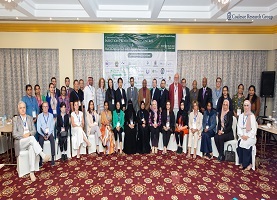
Nigeria’s Infection Prevention and Control (IPC) Technical Working Group was inaugurated by Dr. Jide Idris, the Director General of the Nigeria Centre for Disease Control and Prevention who represented the Coordinating Minister of Health and Social Welfare, with support from the U.S. Centers for Disease Control and Prevention (U.S. CDC).
The working group, comprised of representatives from the Government of Nigeria, disease programs, partner organizations, and academia, provides a platform to improve IPC coordination among stakeholders. It aims to prevent the spread of communicable diseases, improve patient safety and quality of care, reduce the burden healthcare-associated infections including those that are multidrug-resistant, and standardize procedures for the prevention of infectious diseases across the country.
At the inaugural meeting, U.S. CDC Division of Global Heath Protection Program Director Dr. Farah Husain highlighted the importance of having strong IPC programs at all levels of healthcare as not only a way to reduce infections in patients, but a core component of protecting healthcare workers. Strong IPC programs also help establish sustainable healthcare systems that can reduce antimicrobial resistance and prevent and respond to outbreaks. The technical working group will support the coordination and planning of Nigeria’s IPC program including biosecurity and water, sanitation and hygiene or WASH programs, develop comprehensive and evidence-based IPC plans that are aligned with national and international standards, and strengthen IPC governance at all levels.
IPC has been a continuously growing area of U.S. government support in Nigeria since the Ebola outbreak in 2014. Initially, U.S. CDC helped develop an IPC curriculum and national guidelines for the Nigeria healthcare system. In 2018, in collaboration with the Nigeria Centre for Disease Control, they helped launch the national IPC program that led to the establishment of the Orange Network, a group of 41 tertiary health facilities that serve as models for IPC programs. The IPC program is currently supporting a scale up of its national healthcare associated infection prevention surveillance program that aims to provide data for decision making and measures of progress as Nigeria works to eliminate morbidity and mortality related to healthcare associated infections.
INFECTION PREVENTION AND CONTROL TECHNICAL WORKING GROUP INAUGURATED WITH SUPPORT FROM U.S. CDC



Troops Arrest Three Suspects in Rayfield in Jos
By Zagazola Makama
Troops of Sector 1, Sub-Sector 12, Operation Enduring Peace, have arrested three suspects during a raid on a reported hideout of suspected miscreants around the residence of retired Gen. H. Umar in Rayfield, Jos South Local Government Area of Plateau State.
Security sources said the operation was conducted at about 1:10 a.m. on Oct. 2, following reports about the suspected hideout.
The suspects were identified as Grace Festus Edang, 25; Zoya Alabi, 23; and Ishaya Pierre, 60.
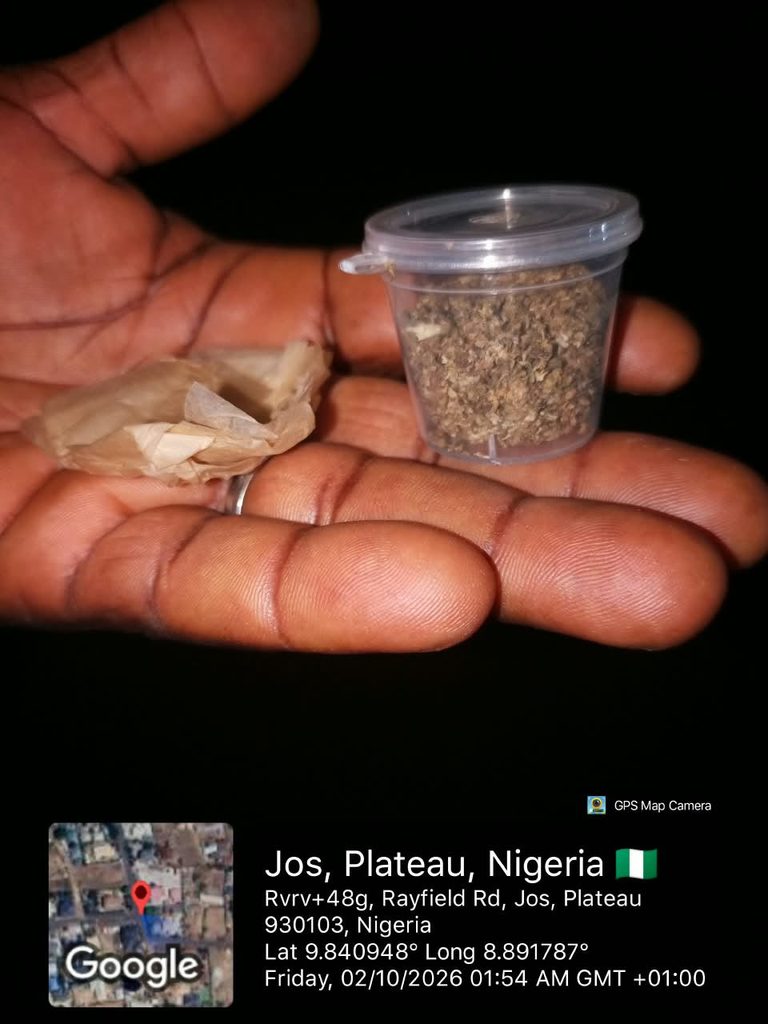
During the operation, troops reportedly recovered substances suspected to be cannabis sativa.
The suspects were subsequently handed over to Keystone Anglo Jos for further investigation and necessary action.
However, during the transfer, one of the female suspects allegedly bit a soldier, identified as X21930 OS Hussaini Ephraim, on the hand.
The injured soldier was evacuated to a nearby hospital, where he received medical attention and was later discharged.
The circumstances surrounding the suspects’ alleged activities and the recovered substances are expected to be established through further investigation.
Security sources said troops would continue operations aimed at addressing criminal activities and maintaining security across their area of responsibility.
Troops Arrest Three Suspects in Rayfield in Jos
Troops Arrest Two Suspected Armed Robbers, Kidnappers in Plateau
By Zagazola Makama
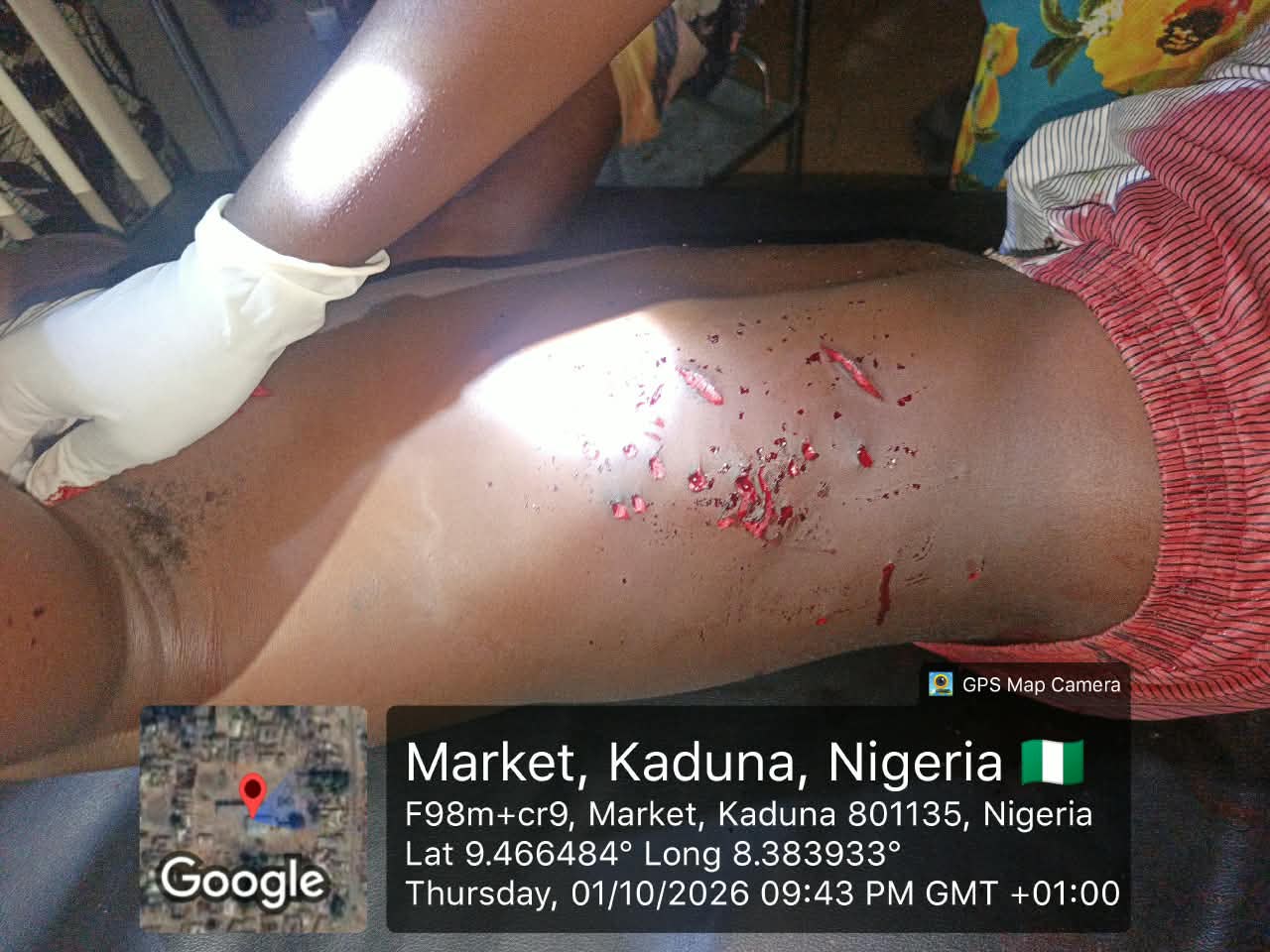
Troops of Sector 6, Operation Enduring Peace (OPEP), in collaboration with local residents, have arrested two suspected armed robbers and kidnappers in Ganawuri town, Riyom Local Government Area of Plateau State.
Security sources said the suspects, identified as Kabiru Mohammed and Abdul-Hamid Yusuf, were arrested at about 10:30 p.m. on Oct. 1, 2026.

Preliminary investigations reportedly indicated that the suspects were allegedly linked to a criminal syndicate suspected of carrying out armed robbery and kidnapping activities in Riyom and neighbouring communities.
The sources said the suspects remained in custody and were undergoing interrogation to establish their alleged roles in the criminal activities and identify other members of the suspected network.
The arrest forms part of ongoing security efforts to track down criminal elements and address threats to lives and property across Plateau State.
Security agencies are expected to sustain investigations and take further action based on the findings.
The suspects’ alleged involvement in the crimes has yet to be established through a judicial process.
Troops Arrest Two Suspected Armed Robbers, Kidnappers in Plateau
Troops Foil Fulani Bandits Kidnap Attempt, Rescue Gunshot-Wounded Victim in Kaduna
By Zagazola Makama
Troops of Sector 7, Operation Enduring Peace (OPEP), have foiled a kidnapping attempt by Fulani Bandits along the Godogodo–Gidan Waya road in Jema’a Local Government Area of Kaduna State, rescuing a victim who sustained gunshot wounds.
Security sources said the incident occurred at about 12:09 a.m. on Oct. 2, 2026, when troops deployed at Godogodo responded to a report of an attempted abduction involving a man identified as Baba.
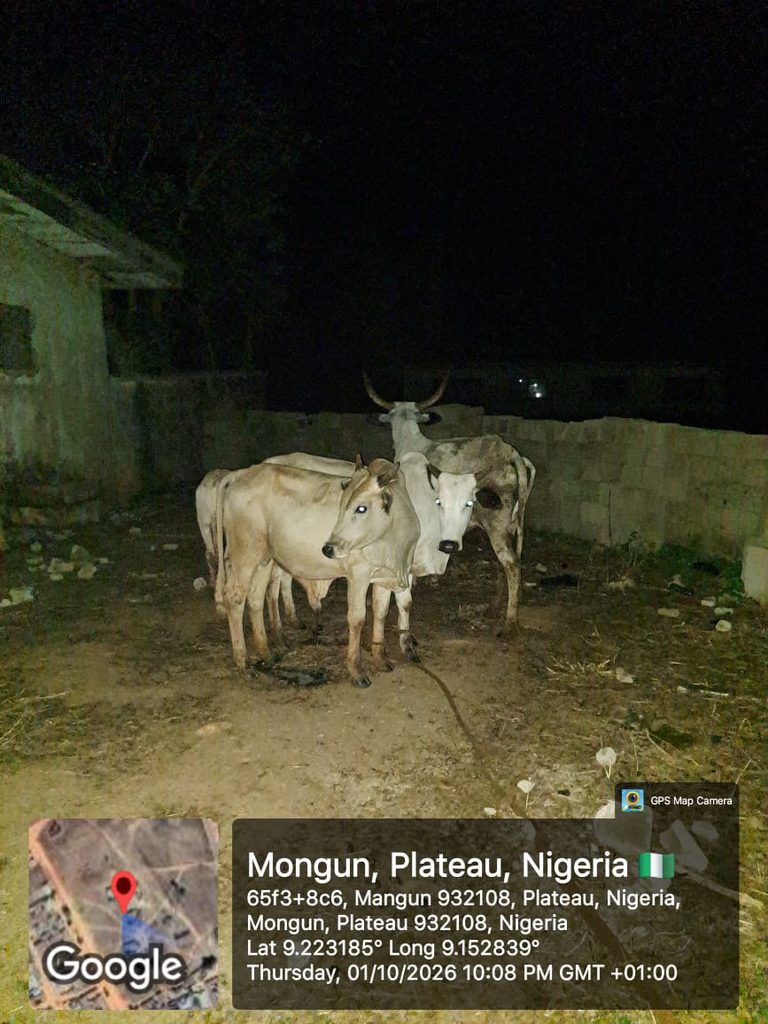
The troops’ swift intervention reportedly disrupted the operation, forcing the suspected kidnappers to abandon their mission and flee the scene.
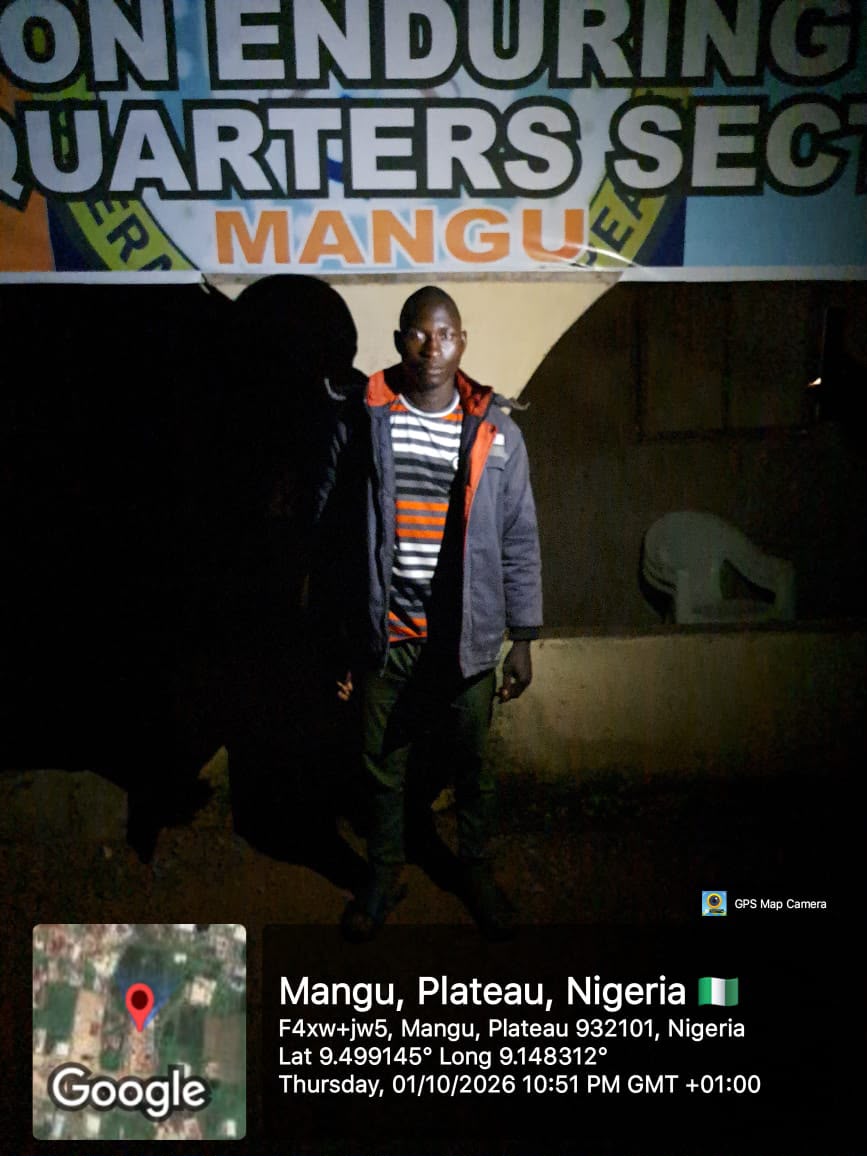
The victim, who sustained gunshot wounds during the incident, was rescued by the troops and immediately evacuated to General Hospital, Gidan Waya, for medical attention.
Security sources said efforts were ongoing to track down and apprehend the fleeing suspects.
The incident highlights the importance of rapid security response in protecting commuters and residents along vulnerable routes in Kaduna State.
Security agencies have continued operations to prevent kidnappings, rescue victims and bring suspected perpetrators to justice.
Authorities have yet to disclose further details about the circumstances of the attack or the victim’s condition.
Troops Foil Fulani Bandits Kidnap Attempt, Rescue Gunshot-Wounded Victim in Kaduna

Troops Arrest Three Suspects in Rayfield in Jos

Troops Arrest Two Suspected Armed Robbers, Kidnappers in Plateau

Troops Foil Fulani Bandits Kidnap Attempt, Rescue Gunshot-Wounded Victim in Kaduna

Roger Federer’s Shock as DNA Results Reveal Myla and Charlene Are Not His Biological Children

THE PLIGHT OF FARIDA

FAILED COUP IN BURKINA FASO: HOW TRAORÉ NARROWLY ESCAPED ASSASSINATION PLOT AMID FOREIGN INTERFERENCE CLAIMS
-
 News3 years ago
Roger Federer’s Shock as DNA Results Reveal Myla and Charlene Are Not His Biological Children
-
Opinions5 years ago
THE PLIGHT OF FARIDA
-
 News1 year ago
FAILED COUP IN BURKINA FASO: HOW TRAORÉ NARROWLY ESCAPED ASSASSINATION PLOT AMID FOREIGN INTERFERENCE CLAIMS
-

 News3 years ago
EYN: Rev. Billi, Distortion of History, and The Living Tamarind Tree
-
 Opinions5 years ago
POLICE CHARGE ROOMS, A MINTING PRESS
-

 ACADEMICS3 years ago
A History of Biu” (2015) and The Lingering Bura-Pabir Question (1)
-

 Columns3 years ago
Army University Biu: There is certain interest, but certainly not from Borno.
-

 Politics1 year ago
2027: Why Hon. Midala Balami Must Go, as Youths in Hawul and Asikira/Uba Federal Constituency Reject ₦500,000 as Sallah Gift
