
News
Insecurity: NEC Approves N100bn For Rehabilitation Of Security Agencies’ Training Institutions

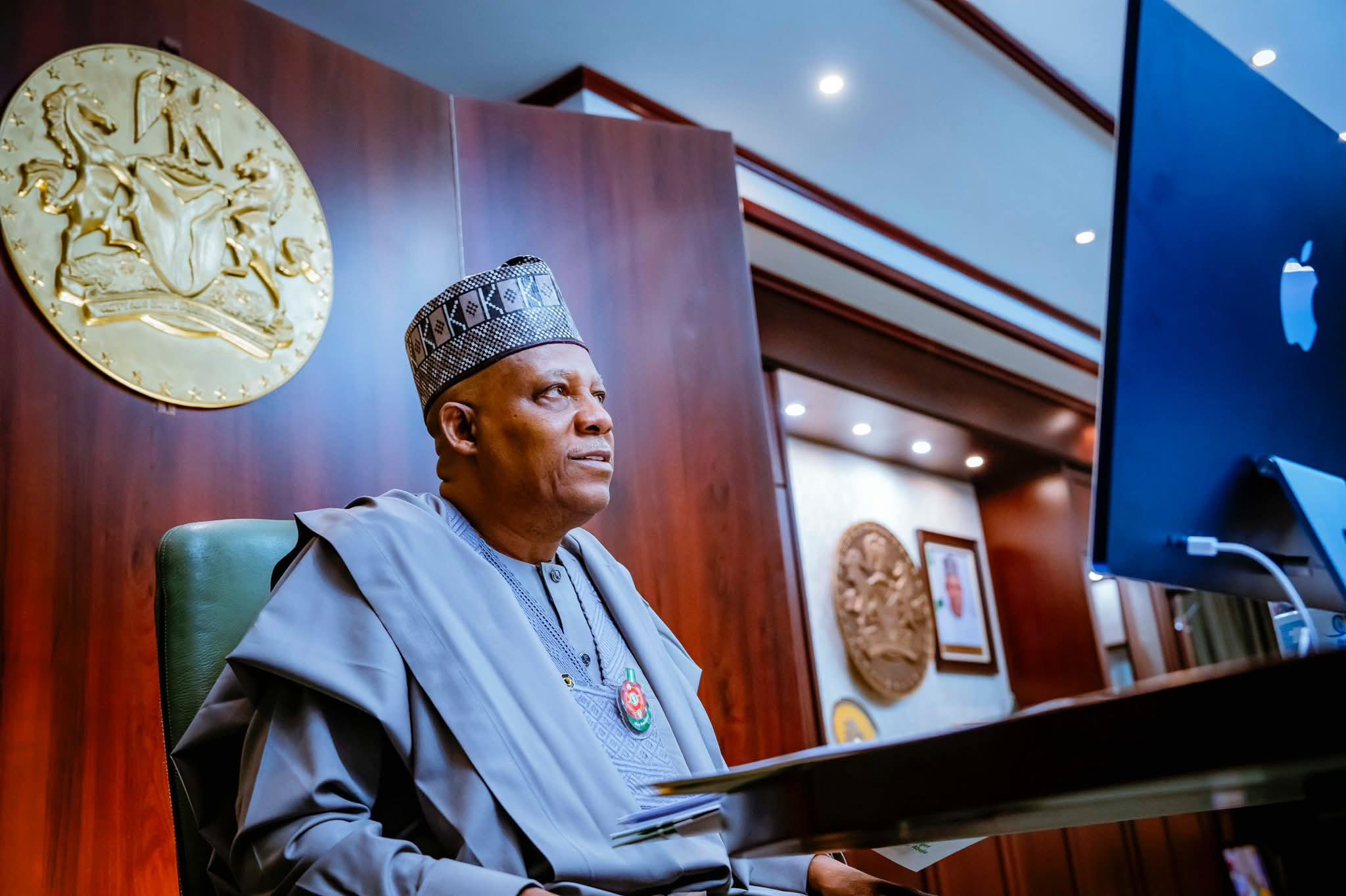
Insecurity: NEC Approves N100bn For Rehabilitation Of Security Agencies’ Training Institutions
*VP Shettima says economic reforms must deliver visible impact to Nigerians across states
By: Our Reporter
The National Economic Council (NEC) has approved the sum of N100 billion, subject to a final ratification by President Bola Tinubu, for rehabilitation of training institutions for police and other security agencies in Nigeria.
This followed recommendations by the adhoc committee earlier constituted to assess the state of police and security agencies’ training institution nationwide.
At its 154th meeting held virtually on Wednesday, NEC also approved the sum of and N2.6 billion for consultancy services for the project.
President Tinubu had at the 152nd meeting of NEC in October, proposed the overhaul and revamp of training institutions for security agencies nationwide.
Chairman of the adhoc committee, Governor Peter Mbah of Enugu State, had in his presentation to Council, underscored the urgency and significance of the condition of the training facilities, saying most of the training institutions are in dire condition.
Following the presentation by the Governor, the Chairman of NEC, Vice President Kashim Shettima, reaffirmed the commitment of government to address the situation.
VP Shettima also charged governors of the 36 states of the federation to ensure that economic reforms by the state governments translate into clear, measurable improvements in the lives of Nigerians.
Noting that governance is meaningful only when citizens can feel its impact, the Vice President particularly urged all tiers of government to focus on execution rather than rhetoric.
He said the era of policy without results must give way to governance defined by tangible outcomes in communities across the country.
“Our task is not to admire problems, but to solve them. Not to explain challenges, but to overcome them. And not to hope for progress, but to engineer it.
“Today’s agenda speaks to our shared responsibility to build a nation where reforms translate into results, and where policies are not mere promises but convincing instruments of change felt in the markets, schools, clinics and farms across our federation,” the VP said.
Highlights of the meeting are follows:
NEC (7TH IN 2025) 154TH MEETING WEDNESDAY, DECEMBER 3RD, 2025
UPDATES
The Accountant-General of the Federation gave update to Council on the under listed accounts as follows:
- EXCESS CRUDE ACCOUNT (ECA)
Balance as at November, 2025 – $525,823.39
- STABLIZATION ACCOUNT
Balance as at November, 2025 – N71,647,494,101.12
- NATURAL RESOURCES DEVELOPMENT ACCOUNT
Balance as at November, 2025 – N79,252,769,532.35
PRESENTATION BY NEC AD-HOC COMMITTEE ON THE UPDATE ON POLIO ERADICATION
The presentation to Council was made by the Chairman, Governor of Gombe State
Council noted that Since the NEC Ad-Hoc Committee on Polio was inaugurated earlier this year, the Committee has met four times—between June and November 2025. Each meeting has deepened political commitment, strengthened coordination, and ensured that states remain firmly engaged in the national push to interrupt the remaining variant poliovirus transmission.
Progress to date
Council noted that :
As of Week 47, Nigeria has recorded 73 cases of circulating variant poliovirus type 2 (cVPV2) this year—a 39% reduction from the 119 cases recorded during the same period in 2024. Six priority states account for 63% of total cases, with the majority coming from Sokoto (23), Zamfara (9), Kebbi (7), Gombe (2), Kano (3), and Katsina (2).
Of particular note is the progress made in the two states that have historically carried the highest burden:
a. Kano has achieved a 94% decline in cases compared to last year.
b. Katsina has recorded an 88% decline.
- 13 new detections—12 cVPV2 and 1 cVPV3—have been confirmed across the country. Notably:
a. Gombe detected its first cases of the year—one in Dukku LGA (Acute Flaccid Paralysis) and one in Gombe LGA (environmental surveillance).
b. Kebbi, Sokoto, Jigawa, Nasarawa and Zamfara have also reported new cases, highlighting the need for intensified action.
First phase of the integrated Measles–Rubella, HPV, and Polio campaign across 20 northern states and Oyo. That exercise delivered meaningful gains:
i. 83% of all planned settlements were reached with geo-evidence.
ii. 92% and 95% of targeted children received the MR vaccine polio vaccine
iii. LQAS results showed 85% pass for MR and 86% for polio
- In the six priority states:
i. Kano, Katsina, and Gombe passed LQAS, showing strong campaign quality.
ii. Kebbi, Sokoto, and Zamfara did not meet the 80% threshold for LQAS, and revaccination conducted in the affected LGAs
A new round of nOPV2 campaigns will commence this December. The implementation will occur in two blocs:
i. Bloc A (12 northern states)—including Kano, Katsina, Kebbi, Sokoto, and Zamfara
ii. Bloc B (9 northern states)—including Gombe
- This round is critical. It presents an opportunity for us to close remaining immunity gaps before year-end
Resolution:
i. Deputy Governors across the implementing states are encouraged to convene State Taskforce Meetings ahead of the campaign
- State Governments are urged to work closely with security agencies to support safe access for vaccination teams, particularly in settlements affected by insecurity or hard-to-reach terrain.
- LGA Chairmen should be fully involved in campaign oversight by chairing the Evening Review Meetings (ERMS), where daily performance is assessed, bottlenecks identified, and corrective measures taken in real time.
UPDATE ON THE STAKEHOLDERS’ MEETING ON THE COST AND AVAILABILITY OF DOMESTIC GAS BY THE MINISTER OF PETROLEUM (GAS)
The Minister of Petroleum (Gas), Mr Ekperikpe Ekpo made a presentation on the cost and availability of domestic gas, particularly the payment of outstanding obligations to gas producers to encourage increased production and supply for domestic consumption.
Gas producers have a cumulative debt claim of $1bn for gas supplied to the power sector as far back as 2011 and ₦185bn (78%) of the total naira-denominated debt claims has been validated by submissions made by NNPC Gas Marketing Ltd (NGML) and Nigerian Electricity Regulatory Commission (NERC); the variance is largely driven by NEPL’s claims against its GenCo customers and unreported claims against NGML by Shell, Seplat Energy and NUIMS.
His Excellency, President Bola Ahmed Tinubu had on 4th April 2024, granted approval to urgently settle the ₦185 billion naira validated debt owed to gas producers through future oil and gas royalty deductions.
Following the transmission of the Presidential approval to the Nigerian Upstream Petroleum Regulatory Commission (NUPRC), the NUPRC has engaged with the six (6) gas producers and agreed on a royalty deduction schedule.
Resolution:
Council commended the initiative and efforts of the committee, given Nigeria’s status as a largely gas nation.
It approved the committee’s prayers to among other things, concur with President Bola Ahmed Tinubu’s approval for the payment of outstanding obligations to the tune of ₦185 billion to gas producers to ensure improved supply of gas for domestic production.
Insecurity: NEC Approves N100bn For Rehabilitation Of Security Agencies’ Training Institutions


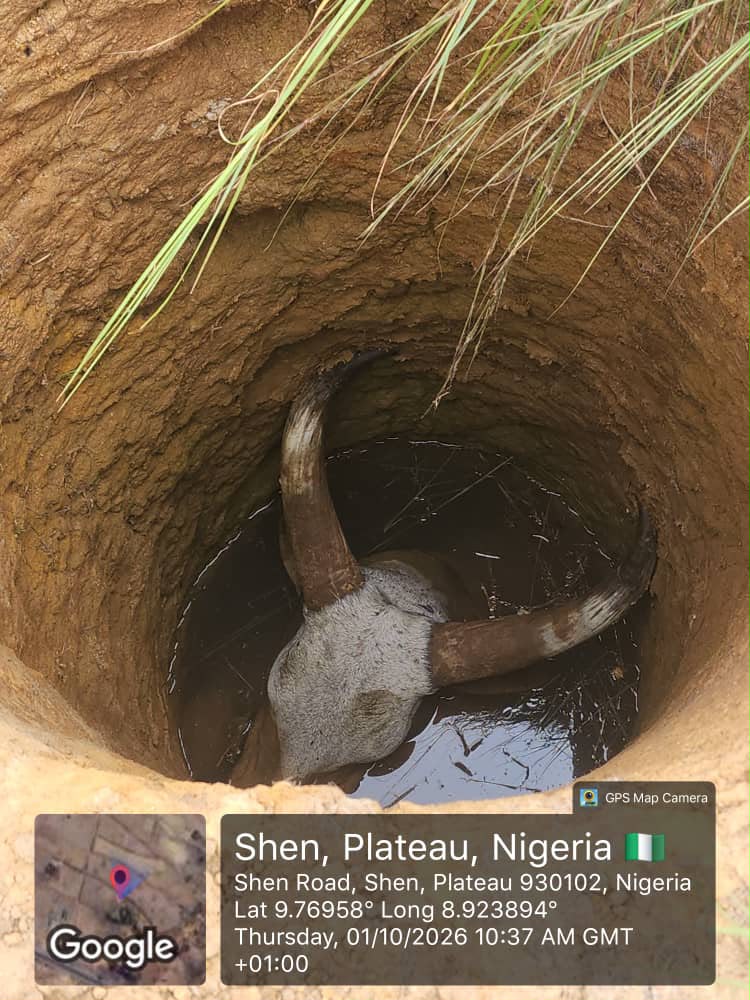
Troops recovered Four cows rustled by berom militia along Shen Road in Jos South
By: Zagazola Makama
Troops of Operation Enduring Peace have recovered four cows suspected to have been rustled by Berom Militiamen along Shen Road in Jos South Local Government Area of Plateau State.
Zagazola News gathered from a security update that the cows were recovered at about 10:30 a.m. on Thursday, Oct. 1, 2026.
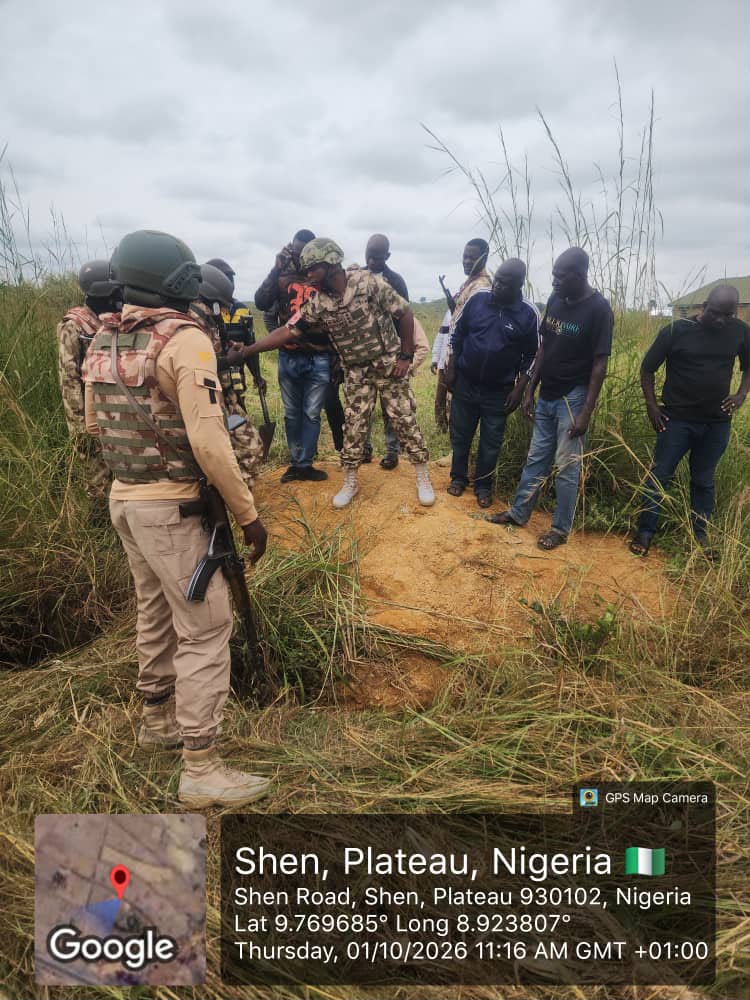
Sources said one of the four cows was confirmed dead, while efforts has been intensified to traced the remaining stolen animals from the criminals.
The search operation is being led by the Commander, Sub-Sector 12, Lamingo, with troops continuing to comb the area.

Further details will be provided as the operation progresses.
Troops recovered Four cows rustled by berom militia along Shen Road in Jos South
South Africa Reaffirms Nigeria Ties, Says ‘We Choose Ubuntu’
…Envoy recalls Nigeria’s role in ending apartheid, birthing democratic South Africa
…As Tourism, Nollywood, Music, Film remain bridges between two African powers
By: Michael Mike
South Africa has reaffirmed its enduring ties with Nigeria, declaring that the two countries must continue to draw strength from their shared history, culture and African identity despite challenges that have occasionally strained relations between their peoples.
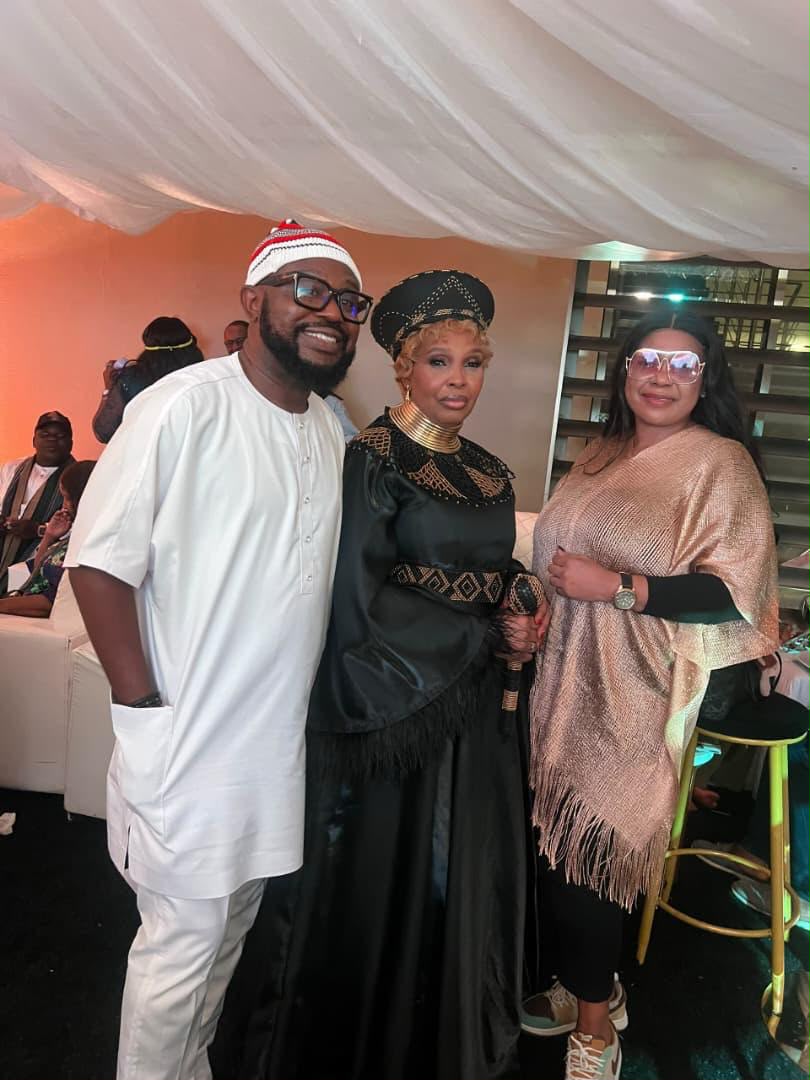
The Deputy High Commissioner of South Africa to Nigeria, Ambassador Lindy Mminele, stated this in Abuja at the 2026 Heritage Day celebration hosted by the South African High Commission, where she said her country had chosen unity and Ubuntu as guiding principles for its relationship with Nigeria and the wider African continent.
Mminele told diplomats, government officials, tourism stakeholders and South Africans resident in Nigeria that the philosophy of Ubuntu — broadly expressed in the belief that “I am because you are” — remained central to South Africa’s national identity and its relations with other African countries.
“Therefore, we choose unity. We choose Ubuntu. We choose the ties that bind us together,” she said.
The celebration, held under the theme “Celebrating Our Living Heritage: Strengthening the Ties That Bind Us,” provided the envoy an opportunity to highlight the historical, cultural and people-to-people connections between Nigeria and South Africa.
Mminele recalled that Nigeria’s support for the struggle against apartheid predated the emergence of democratic South Africa, describing the relationship between the two countries as one rooted in a shared history of the continent.
“South Africa’s bilateral relations with Nigeria predate our democracy,” she said, adding that the contribution of Nigeria, other African countries and international friends of South Africa ultimately helped in the emergence of the democratic South Africa of today.
Her comments underscored the longstanding role played by Nigeria in opposing apartheid and supporting the liberation struggle in Southern Africa through diplomatic, political and material assistance.
Mminele said the relationship had since evolved beyond political solidarity to encompass culture, entertainment, tourism and extensive people-to-people exchanges.
She particularly identified Nollywood, Afrobeats, Amapiano, music and film as powerful contemporary bridges between Nigerians and South Africans.
According to her, Nigerian films are widely appreciated in South Africa, while cultural institutions in both countries continue to collaborate under a Memorandum of Understanding on cultural cooperation.
She said South Africa participates in Nigeria’s Zuma International Film Festival, while Nigerian filmmakers participate in South African festivals, including those held in Durban.
Describing the relationship between the cultural institutions as “tight and ongoing,” the envoy said the creative industries had become an important channel for strengthening relations between the two countries.
She also described Nigeria’s cultural heritage as a vibrant mosaic comprising more than 250 ethnic groups, noting that Nollywood and Afrobeats had helped project Nigerian stories and cultural expressions to audiences across the world.
The cultural exchange, she noted, was particularly visible among young people, with Nigerian Afrobeats enjoying popularity in South Africa while South Africa’s Amapiano has gained a substantial following in Nigeria.
Artists from both countries have also increasingly collaborated, creating a shared entertainment space that cuts across national boundaries.
On tourism, Mminele urged Nigerians to explore South Africa’s diverse attractions, including Table Mountain, the Garden Route and Kruger National Park, as well as the country’s beaches, cultural sites, cities and wine regions.
She said South Africa also offered adventure activities ranging from hiking and surfing to safaris and shark cage diving.
“So our offerings of Mpumalanga or any other province of South Africa for tourism are open for business,” she said.
The envoy encouraged diplomats and their families serving in Nigeria to visit South Africa before completing their tours of duty, saying South African Tourism was ready to welcome them.
She commended South African Tourism for supporting the annual Heritage Day celebration and acknowledged its representative, Thekiso Rakolojoane, and his team.
She also recognised Nigerian tourism and cultural partners, including the Department of Culture and Tourism, the National Association of Nigerian Travel Agencies (NANTA), Nigeria Association of Tour Operators (NATOP) and the Federation of Tourism Associations of Nigeria (FTAN), describing them as important enablers of people-to-people cooperation.
Welcoming guests to “Ekhaya”, meaning home, Mminele described the High Commission as South Africa’s “home away from home” and thanked the Nigerian government for hosting her country.
She said the celebration was also an opportunity to reflect on South Africa’s long and difficult journey towards democracy and the importance of preserving the country’s diverse heritage.
Recalling former President Nelson Mandela’s 2002 Heritage Day address, she said the occasion remained important to nation-building and the consolidation of a national identity founded on “unity within diversity.”
She also cited President Cyril Ramaphosa’s recent Heritage Day message, which celebrated South Africa’s languages, music, food, clothing, stories and customs as expressions of the country’s living heritage.
South Africa Reaffirms Nigeria Ties, Says ‘We Choose Ubuntu’
Tinubu: Economic outlook has improved, reforms have laid foundation for prosperity
By: Zagazola Makama
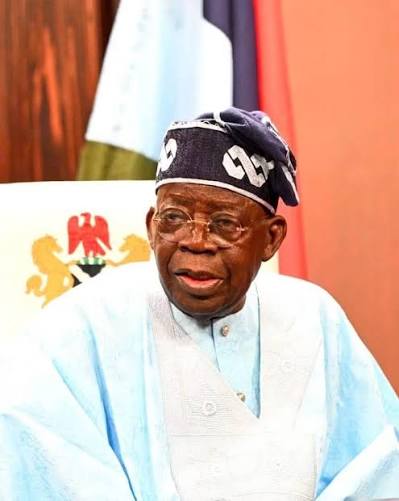
President Bola Ahmed Tinubu has said Nigeria’s economic outlook has improved significantly, citing stronger growth, rebuilt foreign reserves, lower oil theft and increased non-oil exports as evidence that the country’s economic reforms are beginning to yield results.
Tinubu stated this in his Independence Day address to Nigerians, where he reviewed the country’s economic challenges and outlined his administration’s plans for the next phase of development.
The President said Nigeria’s economic situation had deteriorated significantly before his administration took office in 2023, leaving the government with difficult choices.
He said the reforms introduced by his administration were designed to address structural weaknesses rather than merely manage their symptoms.
“Our reforms did not create the weaknesses in our economy. They confronted them,” Tinubu said.
According to him, Nigeria’s economy has grown by more than four per cent in the year, with contributions from both the oil and non-oil sectors.
He said oil theft had declined, inflation had fallen substantially from its peak, foreign reserves had been rebuilt and the foreign exchange market had stabilised.
Tinubu also highlighted Nigeria’s non-oil export performance, saying the country recorded more than six billion dollars in non-oil export revenue in 2025.
“These are not idle claims. International observers, journalists, NGOs and multilateral institutions can see the change,” he said.
The President said the private sector had also responded positively, while foreign direct investment continued to rise.
He, however, acknowledged that economic indicators alone would not be sufficient if ordinary Nigerians did not experience improvements in their daily lives.
Tinubu said prosperity should mean safer and more productive farming, reliable electricity for factories, access to credit for businesses, productive employment for young people and more affordable food, transportation and education.
He said the government would therefore focus on increasing productivity across agriculture and industry while improving infrastructure connecting producers to consumers.
Tinubu also acknowledged the continued hardship faced by millions of Nigerians, particularly those struggling to meet the costs of food, education, healthcare and transportation.
He said the government would continue strengthening social protection and essential public services while pursuing long-term economic growth.
The President said Nigeria could not eliminate in four years the economic difficulties accumulated over generations, but insisted that the country could change its direction.
“For the first time in decades, we embark on this task from a position of strength; with an economy whose fundamental direction has been corrected,” he said.
Tinubu described the period ahead as an “age of prosperity,” following what he called the “age of reform.”
He urged Nigerians to maintain faith in the country and work collectively towards building an economy where prosperity is broadly shared.
“Our destination is in sight. Our foundations are strong. Our direction is clear. So let us go forward. No looking back,” he said.
Tinubu: Economic outlook has improved, reforms have laid foundation for prosperity

Troops recovered Four cows rustled by berom militia along Shen Road in Jos South

South Africa Reaffirms Nigeria Ties, Says ‘We Choose Ubuntu’

Tinubu: Economic outlook has improved, reforms have laid foundation for prosperity

Roger Federer’s Shock as DNA Results Reveal Myla and Charlene Are Not His Biological Children

THE PLIGHT OF FARIDA

FAILED COUP IN BURKINA FASO: HOW TRAORÉ NARROWLY ESCAPED ASSASSINATION PLOT AMID FOREIGN INTERFERENCE CLAIMS
-
 News3 years ago
Roger Federer’s Shock as DNA Results Reveal Myla and Charlene Are Not His Biological Children
-
Opinions5 years ago
THE PLIGHT OF FARIDA
-
 News1 year ago
FAILED COUP IN BURKINA FASO: HOW TRAORÉ NARROWLY ESCAPED ASSASSINATION PLOT AMID FOREIGN INTERFERENCE CLAIMS
-

 News3 years ago
EYN: Rev. Billi, Distortion of History, and The Living Tamarind Tree
-
 Opinions5 years ago
POLICE CHARGE ROOMS, A MINTING PRESS
-

 ACADEMICS3 years ago
A History of Biu” (2015) and The Lingering Bura-Pabir Question (1)
-

 Columns3 years ago
Army University Biu: There is certain interest, but certainly not from Borno.
-

 Politics1 year ago
2027: Why Hon. Midala Balami Must Go, as Youths in Hawul and Asikira/Uba Federal Constituency Reject ₦500,000 as Sallah Gift
