Security
Insecurity: “We negotiated released of 416 abducted women and Children from Ngoshe, not military rescue operations’ – Kaigama

Insecurity: “We negotiated released of 416 abducted women and Children from Ngoshe, not military rescue operations’ – Kaigama
By: Dr. James Bwala
Military strength and governmental authority often herald the release of abducted women and children in conflict zones. Official narratives typically emphasize the decisive role of security forces, portraying rescue operations in terms of tactical prowess and national resolve. However, the statement made by Samaila Ibrahim Kaigama, President of the Southern Borno Youth Alliance, challenges this conventional account with a claim that fundamentally redefines the nature of the recent release of 416 abducted individuals from Ngoshe in Southern Borno.

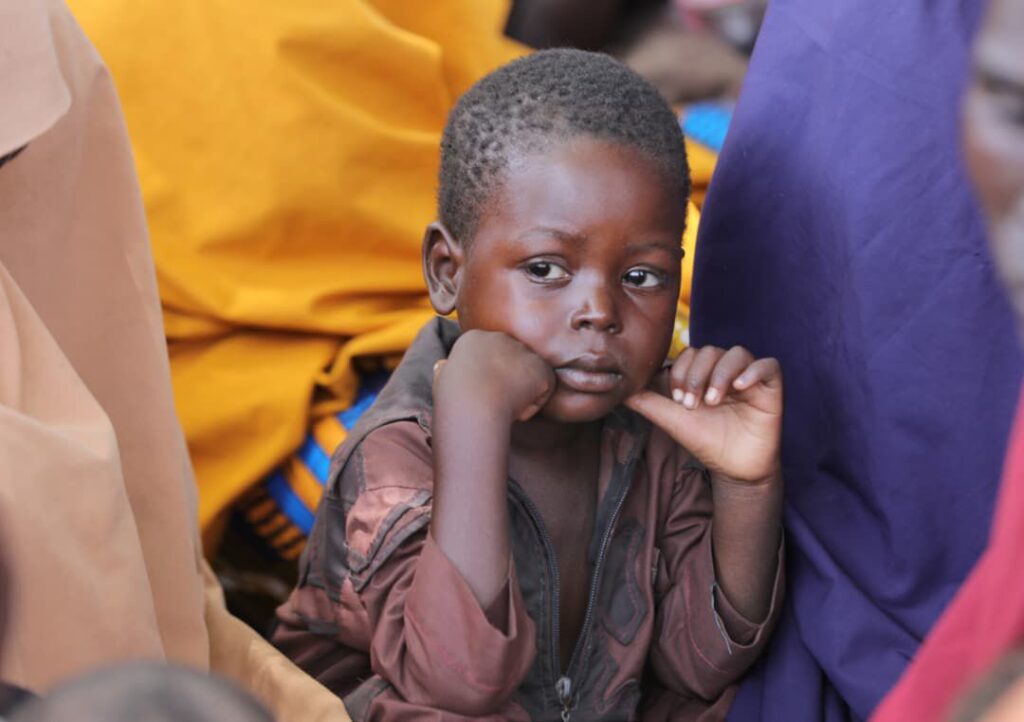

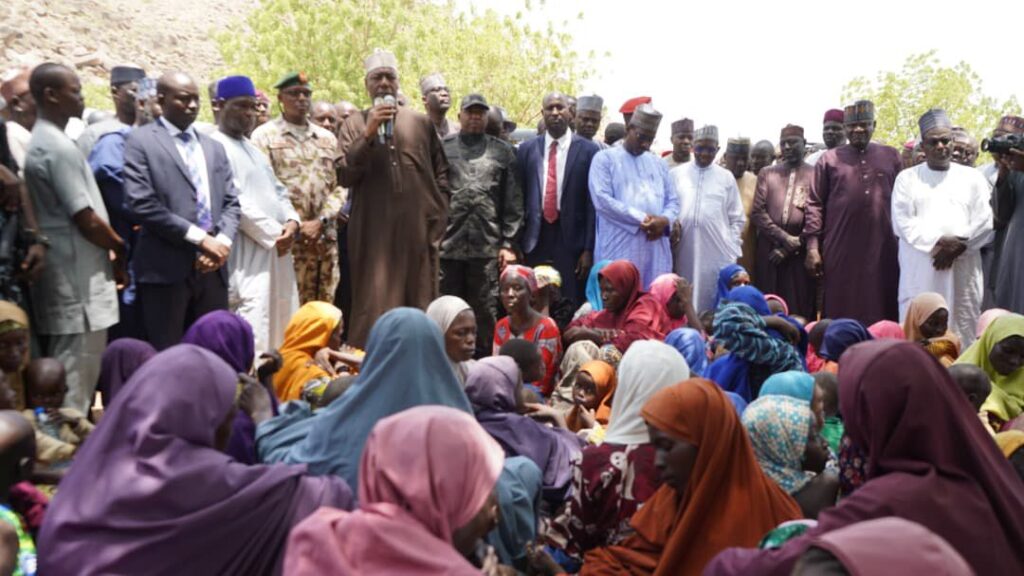
According to Kaigama, there was no military rescue operation; instead, the liberation was the result of delicate negotiations spearheaded by his community-based alliance, and yet politicians and the military have unjustly claimed credit. This perspective demands careful consideration and underscores critical issues about information dissemination, the role of grassroots actors in conflict resolution, and the credibility of official accounts.
READ ALSO: https://newsng.ng/insecurity-and-citizens-armaments-why-tinubu-and-shettima-should-not-ignore-the-red-lines/
The narrative presented by Kaigama reveals a vital reality often obscured by official state-centered stories: that negotiation and local agency are indispensable strategies in hostage situations and deserve far greater recognition and transparency than they currently receive.
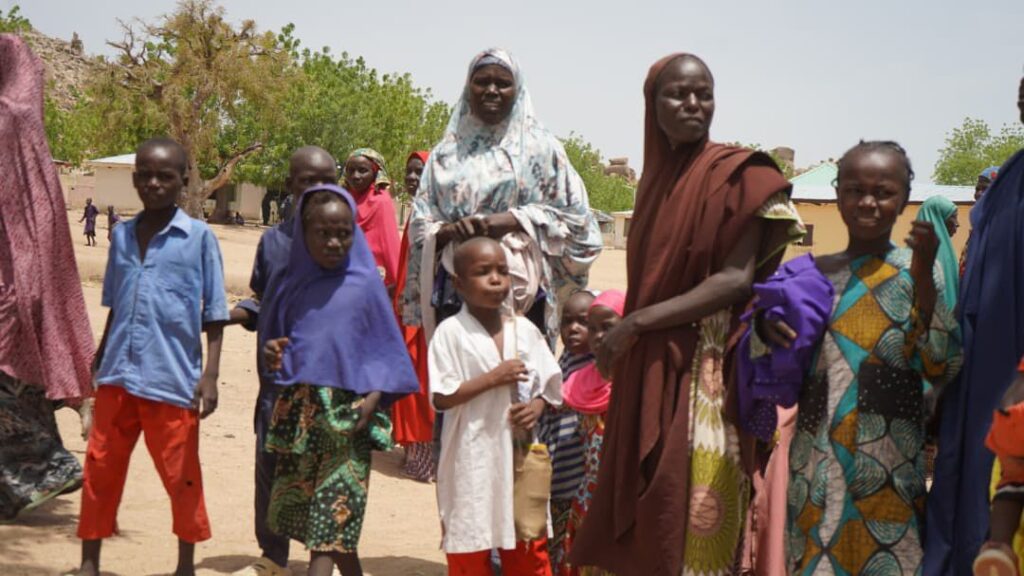

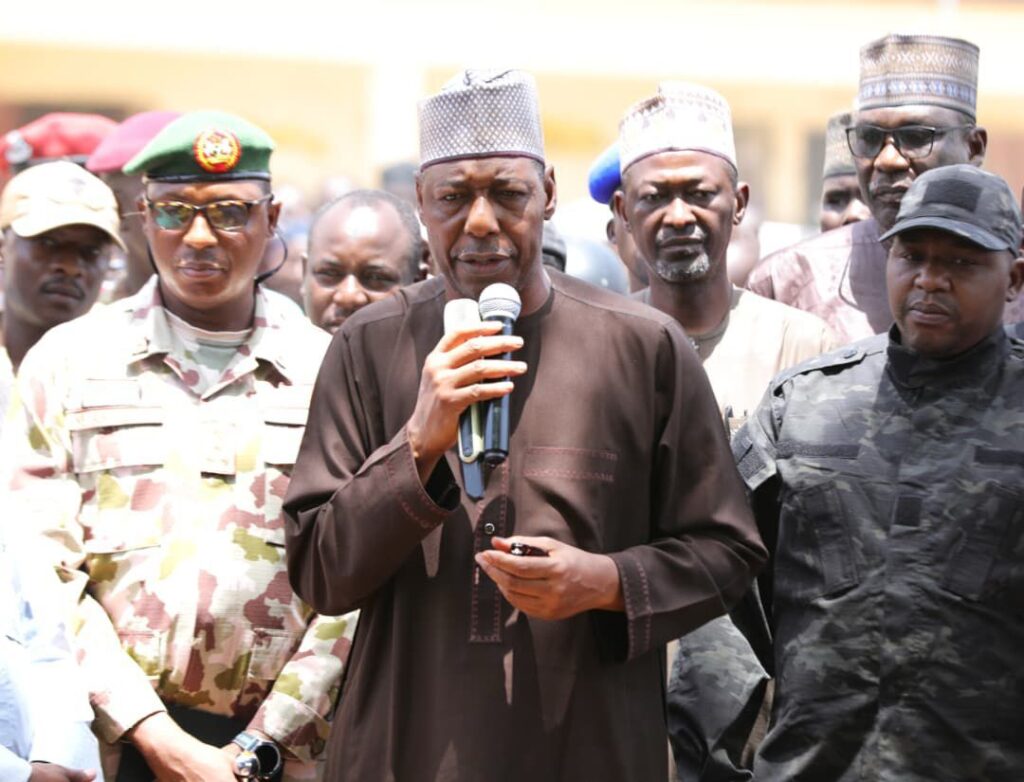
The claim that “there was no rescue operation” directly contradicts widely reported accounts attributing the release to a successful military intervention. This contradiction is not merely a semantic dispute; it strikes at the heart of how security crises are framed politically and socially. Official reports often prioritize the image of a strong, capable military as the primary agent for restoring safety, thereby reinforcing public confidence in state institutions and justifying ongoing military expenditures and strategies. Yet, if negotiations conducted by local actors like the Southern Borno Youth Alliance were indeed instrumental in securing freedom for hundreds of abducted women and children, then the centrality of military operations becomes questionable. Recognizing this alternative narrative is essential to appreciating the full complexity of responses to terrorism and abduction in Nigeria’s northeast region.
READ ALSO: https://newsng.ng/insecurity-and-citizens-armaments-why-tinubu-and-shettima-should-not-ignore-the-red-lines/
Kaigama’s statement also highlights the crucial but frequently overlooked role of community-based groups—such as the Southern Borno Youth Alliance—in navigating highly sensitive and dangerous situations. Unlike large-scale military operations, these groups often operate quietly within affected communities, leveraging trust, cultural knowledge, and personal relationships to establish dialogue channels with insurgents or kidnappers. Their involvement is vital because violent extremist groups frequently reject formal government overtures while remaining responsive to community intermediaries who share their linguistic, ethnic, or geographical backgrounds. The success of negotiations asserted by Kaigama demonstrates that grassroots actors can play an indispensable peacekeeping and life-saving role, which challenges the dominant security paradigm that marginalizes non-state efforts. Elevating such local actors’ contributions can foster more inclusive approaches to conflict resolution, build community resilience, and reduce reliance solely on military force.

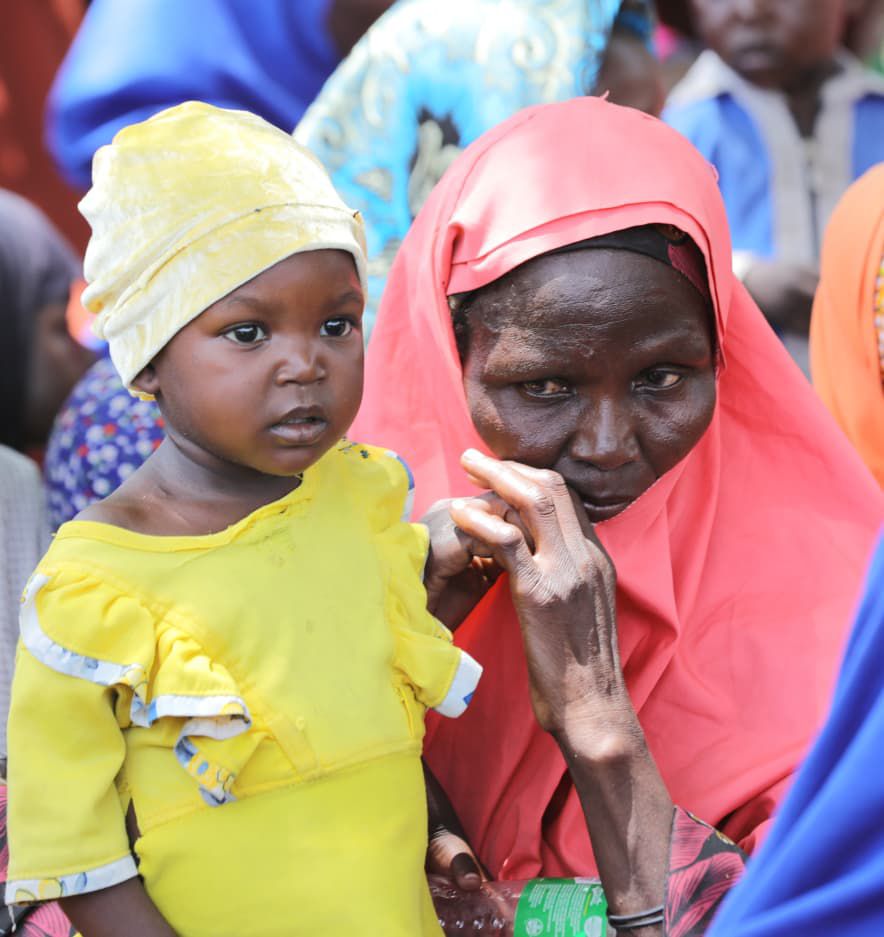

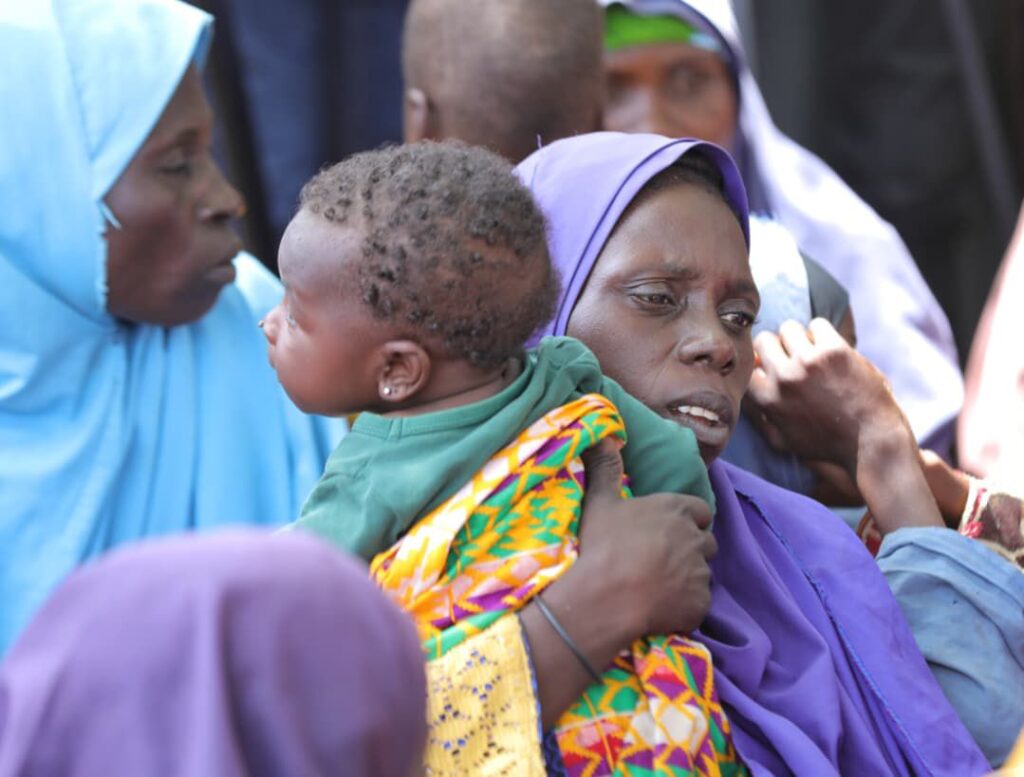
In addition, the allegation that politicians and the military have taken undue credit for the release warrants serious scrutiny. This accusation points to a broader phenomenon wherein state officials and security agencies may engage in image management to bolster political legitimacy and public perception. Claiming responsibility for the safe return of abductees strengthens the state’s narrative of control and effectiveness, which can be critical in areas plagued by insecurity and skepticism toward authorities. However, appropriating credit without acknowledging the contributions of non-state negotiators risks eroding trust and alienating key stakeholders who are invested in peacebuilding efforts. Transparent recognition of all parties involved in resolving such crises is necessary to foster cooperation, encourage community participation, and ensure accountability. It is also ethically imperative to give due credit, especially when lives are saved through collective action rather than unilateral state action.
READ ALSO: https://newsng.ng/insecurity-and-citizens-armaments-why-tinubu-and-shettima-should-not-ignore-the-red-lines/
The timing and circumstances described by Kaigama—that the Southern Borno Youth Alliance intervened when abductors were reportedly preparing to execute captives—add a moral dimension to their role. This statement portrays the group not only as negotiators but also as protectors who acted to prevent a massacre. Such positioning elevates their status from mere intermediaries to lifesaving agents, injecting urgency and gravity into their claims. The implication that without their intervention the captives would have been slaughtered challenges narratives that depict the military as the sole protector of civilians. This moral framing compels observers, policymakers, and the public to reconsider assumptions about control, agency, and the rightful holders of responsibility during crises. It also underscores that negotiation, often viewed as a sign of weakness or concession, can be a powerful and ethical means of preserving human life under extreme duress.

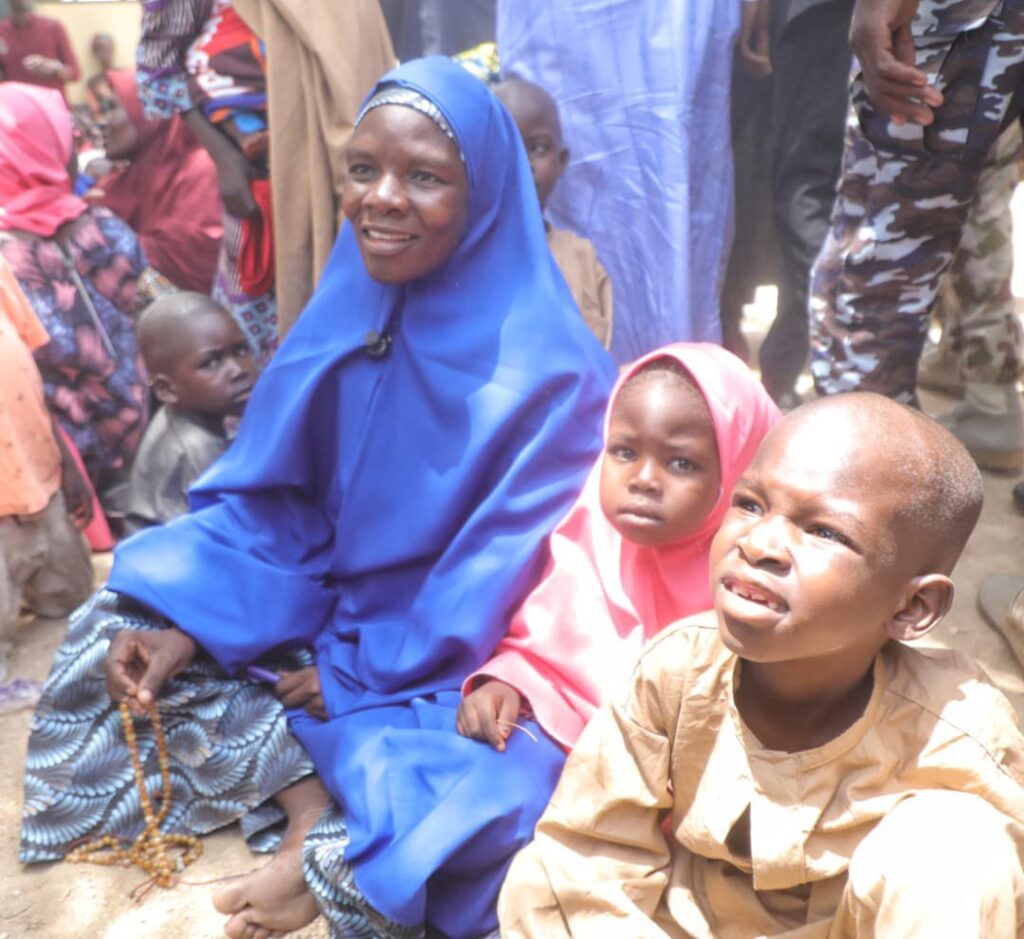

However, while Kaigama’s claims are compelling and illuminate important perspectives, it is essential to approach them with a measured epistemological stance. The statement as presented remains an allegation and must be distinguished from independently verified facts. To rigorously assess its accuracy, comprehensive fact-checking is required, involving cross-examination of official security reports, independent media investigations, and direct testimonies from released victims and their families. Evidence confirming the existence and details of negotiations, such as communications records or credible witness accounts, would be critical. Without such verification, the counter-narrative, although plausible and significant, should be reported responsibly and not conflated with established truth. This cautious approach maintains journalistic integrity and fosters informed public discourse while acknowledging the complexities inherent in conflict reporting.
READ ALSO: https://newsng.ng/insecurity-and-citizens-armaments-why-tinubu-and-shettima-should-not-ignore-the-red-lines/
The communication strategy employed in the original statement effectively uses rhetorical techniques that merit examination for their influence on public perception. Phrases like “There was no rescue,” “What we did,” and “Let us not mislead Nigerians” employ direct contradiction, assertion of ownership, and moral admonition to challenge dominant narratives assertively. This strategy aims to reframe the discussion by appealing to transparency, justice, and communal pride. It is a powerful call to scrutinize official accounts and consider alternative realities shaped by local experience. Understanding this rhetorical framing is essential for analysts, journalists, and policymakers, as it reveals how stakeholder groups craft messages intended to shape narratives, gain legitimacy, and impact decision-making processes related to security and peace efforts.
The newsworthiness of Kaigama’s statement lies precisely in its capacity to unsettle the established narrative around military effectiveness and hostage release dynamics. By foregrounding negotiation over force, local agency over state monopoly, and potential misinformation over official messaging, the statement invites deeper investigation and debate. It raises urgent questions about the ethics of information control, the inclusivity of peacebuilding measures, and the recognition of all actors contributing to conflict resolution. These questions resonate beyond Nigeria’s borders, touching on global themes of counterinsurgency, human rights, and the politics of security communication. Consequently, responsible media outlets and policymakers must consider such claims seriously while maintaining rigorous standards of verification to avoid misinformation and propaganda.
READ ALSO: https://newsng.ng/insecurity-and-citizens-armaments-why-tinubu-and-shettima-should-not-ignore-the-red-lines/
Samaila Ibrahim Kaigama’s statement concerning the release of abducted women and children from Ngoshe presents a persuasive challenge to the prevailing official narrative that credits military forces with rescue operations. His account emphasizes the central role of negotiation led by the Southern Borno Youth Alliance, the misappropriation of credit by political and military actors, and the moral urgency of their intervention to save lives. This perspective underscores the indispensable contributions of local actors in conflict resolution and calls for transparent acknowledgment of their efforts.
While independent verification remains essential to substantiate these claims fully, the assertion itself invites critical reflection on how narratives of security are constructed and disseminated. Recognizing the multiplicity of actors and strategies involved in liberating hostages enriches understanding, promotes collaborative peace efforts, and ensures that the stories of those who truly make a difference are neither overlooked nor distorted. Thus, embracing such nuanced and inclusive accounts is crucial for advancing effective, ethical, and people-centered approaches to security challenges in Nigeria and beyond.
* James Bwala, PhD, writes from Abuja.
Insecurity: “We negotiated released of 416 abducted women and Children from Ngoshe, not military rescue operations’ – Kaigama